
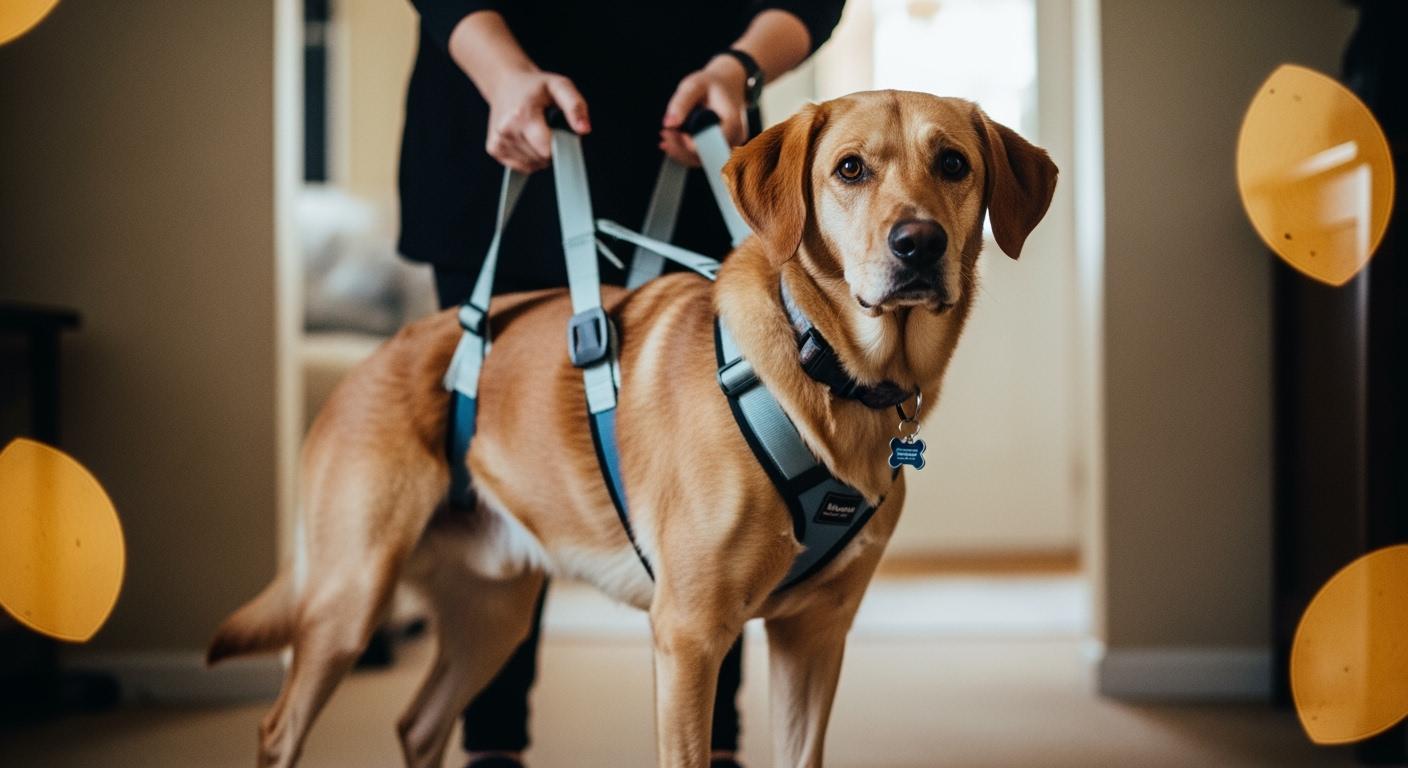
A dog lift harness for back legs is commonly used when a dog needs rear-end support for standing, walking, stairs, or short daily transfers. It is often considered for hind leg weakness, arthritis, post-op recovery, and other mobility-limiting conditions where controlled lifting and guided movement are needed. The right harness depends on support level, fit quality, handling safety, and how the dog will use it day to day.
These harnesses help pets who cannot move well.
You can stop muscles from getting weak and stop sores.
Your dog can still do things alone and feel proud each day.
Picking the right harness can really help dogs who have trouble moving.
Key Takeaways
A dog lift harness helps dogs with weak back legs by supporting standing, walking, and stair use in a safer, more controlled way.
Picking the right harness is very important. It should fit tight but not too tight. You should be able to put two fingers under it.
Check the harness often to make sure it fits well. This stops rubbing and keeps your dog safe when using it.
Use the harness for daily tasks like bathroom trips, short walks, and assisted transfers, but always monitor comfort, fit, and fatigue.
Watch how your dog acts when wearing the harness. Talk to a vet if your dog seems hurt or uncomfortable.
Dog Lift Harness for Back Legs: Purpose & Benefits
What Is a Dog Lift Harness?
A dog lift harness for back legs helps dogs move better. It is made for dogs with weak back legs. You use it to help your dog walk, stand, or go up stairs. The harness goes around the hips and back legs. You can lift and guide your dog without hurting them. Most harnesses have soft straps that you can adjust. This makes sure the harness fits well and feels good.
Dog lifting harnesses come in many styles and materials. Here is a table with some common features:
Harness Type | Main Use | Best For |
|---|---|---|
Rear Lift Harness | Supports the back legs and hips during walking or standing | Hind leg weakness, stairs, bathroom trips, post-op support |
Full-Body Lift Harness | Supports both front and back ends for more balanced lifting | Multi-limb weakness, larger dogs, heavier assisted transfers |
Sling or Transfer Support | Provides short-duration rear support during quick tasks | Bathroom breaks, car entry, short indoor support |
A hind leg support harness helps your dog stand in a natural way. This is important for healing and moving every day. Therapists often change harnesses to fit your dog’s needs as they get better.
Mobility Support for Hind Legs
A back leg lifting harness lets your dog move with more confidence. You help take some weight off your dog’s spine and joints. This lowers stress and helps stop falls. Dogs with weak back legs need this help to walk, get up, or walk on slippery floors.
Rear-support harnesses are important after surgery or during arthritis pain. You can stop your dog from losing strength by giving support. Your dog can still do daily things and enjoy life.
Dog lift harnesses help dogs with weak or paralyzed back legs move.
Harnesses let therapists help dogs stand in a natural way, which helps them heal.
Different supportive tools, like harnesses, are picked for each dog’s needs as they get better.
You can use a dog-lifting harness to help your dog walk, move, or go up stairs. These harnesses are useful at home or at the vet.
Who Needs a Back Leg Lifting Harness
Your dog may need a back leg lifting harness if they have trouble moving or weak back legs. Older dogs with joint pain often need this help. Dogs healing from surgery or injury to their back legs also need support. Dogs with long-term health problems may need help for a long time.
Here are the main health problems that need a dog lift harness for back legs:
Degenerative myelopathy
Hip dysplasia
Spinal cord injuries
Arthritis
You can use a dog support harness for any breed or age. Older dogs, dogs with trouble moving, and dogs healing from surgery use them most. A hind leg support harness helps your dog stay active and do things alone. Picking the right harness can make your dog’s life better.
Tip: Always check your dog’s comfort and how the harness fits. Change the harness if needed to keep your dog safe and supported.
Types of Dog Support Harnesses
Rear-Lift Harnesses
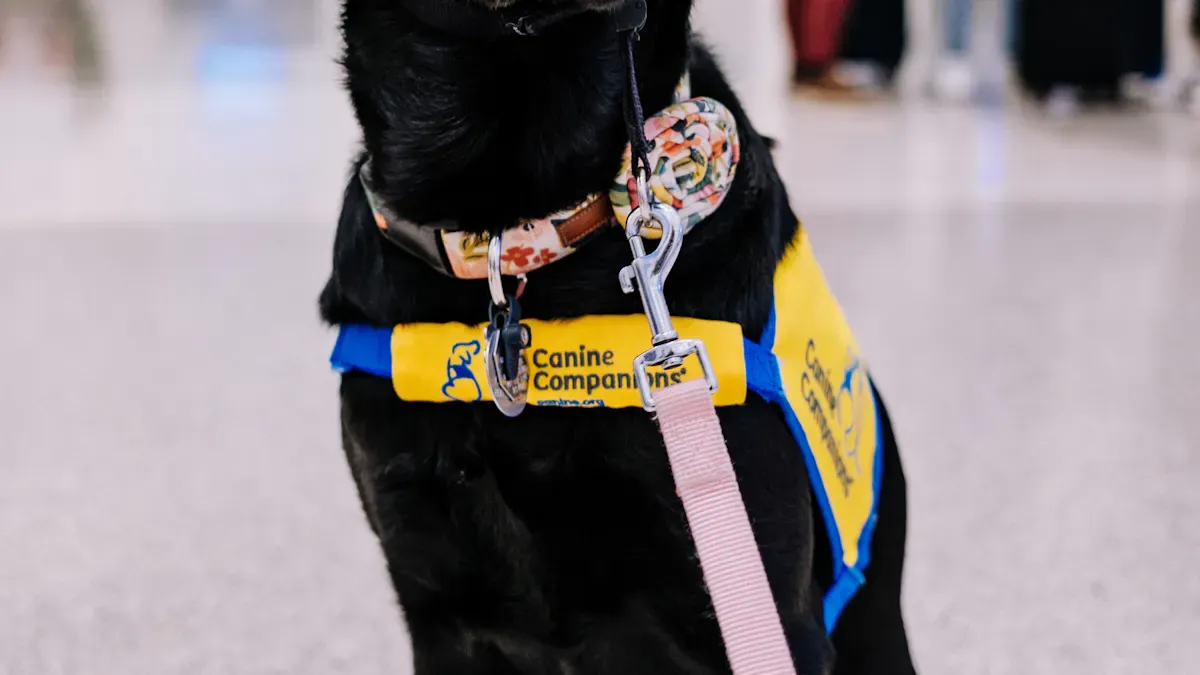
Rear lifting harnesses help you hold up your dog’s back legs. You use them if your dog’s back legs are weak or after surgery. These harnesses go around your dog’s hips and thighs. You can gently lift your dog to help them walk or climb stairs. They work well for dogs with arthritis or paralysis. Vets often use rear lifting harnesses during rehab.
Harness Type | Purpose and Benefits |
|---|---|
Rear Lift Harness | Helps the back legs, good for dogs with weak or paralyzed back legs, and helps after surgery. |
Front Lift Dog Harnesses | Supports the front legs, helps dogs with weak or hurt front legs, and keeps them steady. |
Full-Body Support Harness | Gives support to both front and back legs, good for gentle lifting and keeping balance. |
Full-Body Lift Harnesses
Full body support harnesses help you lift your dog safely. These harnesses wrap around both the front and back legs. You use them for dogs who need more balance or have weak spots in more than one area. Full body harnesses help you lift your dog for walking, moving, or going up stairs. Vets use these harnesses for dogs healing from big surgeries or with nerve problems. You can change the harness to fit your dog better.
IVDD Dog Lift Harness
An IVDD dog lift harness helps dogs with intervertebral disc disease. This harness keeps your dog’s spine straight and safe. It fits tight but does not press too hard. Handles over the hips let you lift your dog without twisting. You help your dog stand, walk, and move safely. The harness stops sudden moves and protects the neck and back. You use it when your dog is resting or getting better. The IVDD harness lets your dog take small, careful steps and lowers the chance of getting hurt.
Gives your dog balance and control when moving.
Stops quick moves or falls from happening.
Lets your dog stand, walk, and move safely.
Keeps the spine straight and helps stop injuries.
Fits tight so there are no sore spots.
Handles make it easy to lift and guide your dog.
Helps dogs who feel pain, weak, or have trouble walking.
Lets your dog take careful steps and stops jumping or twisting.
For a narrower read on crate rest, safe transfers, and full-body support in disc cases, see our IVDD dog lift harness guide.
Assisted Walking & Transfers
Assisted walking and transfer harnesses help you guide your dog every day. Sling style harnesses are good for dogs who can stand but feel wobbly. Front lift harnesses help dogs with weak front legs. Full body harnesses give full support for dogs who need extra help. Rehab harnesses help dogs during therapy and exercise.
Harness Type | Use Case Description |
|---|---|
Sling Style Support | Best for dogs who can stand but feel shaky, often used when getting better. |
Front Lift Dog Harnesses | Helps pets with weak front legs, keeps them steady when standing or walking. |
Full Body Support Harness | Gives full body support, can be used in different ways, and helps with many needs. |
Rehabilitation Support | Helps dogs in therapy, keeps them moving and safe during exercises. |
Tip: Pick the harness that matches your dog’s needs and what they do each day. Each harness gives special help for walking, moving, and getting better.
Choosing a Dog-Lifting Harness
Picking the right harness keeps your dog safe and comfy. You need to think about what your dog needs and does each day. Look at your dog’s body shape and how they move. This part will help you check how your dog moves, measure for a good fit, look at comfort, and check safety.
Assessing Mobility & Support Needs
Watch how your dog moves and what is hard for them. Dogs with weak back legs or arthritis need more help. Dogs healing from surgery also need support. Pick a harness that matches your dog’s problem:
Rear lifting harnesses help dogs with weak or paralyzed back legs. These are good for dogs with hip dysplasia, knee injuries, or degenerative myelopathy.
Front lifting harnesses help dogs with weak front legs or nerve problems in the neck or shoulders.
Full-body harnesses give support to both front and back legs. These are best for dogs who need gentle lifting and balance.
Measure your dog’s height and weight before you buy a harness. This helps you pick the right size and keeps your dog safe. Use the two-finger method to check the fit. Put two fingers under the straps. The harness should feel snug but not too tight. Take the harness off when your dog sleeps or is alone so they stay safe.
Note: There is no one way to measure how dogs move. Watch your dog stand, walk, and go up stairs. This helps you know what kind of help your dog needs.
Sizing & Measurement Guide
A good fit keeps your dog safe and comfortable. Use a soft tape to measure your dog. Wrap it around the widest part of the chest and ribs. Start at the spine above the ribs, then go under the front legs and around the body. If your dog is between sizes, pick the bigger one. This gives more room and comfort.
Wrong measurements can hurt how your dog moves and feels. The table below shows why getting the size right matters:
Evidence Point | Description |
|---|---|
Impact on Gait | Bad measurements can stop your dog from moving their shoulders right and change how they walk. |
Cost of Veterinary Care | A poor fit can cause joint pain and make vet bills go up. |
Long-term Effects | A harness that does not fit can cause muscle loss or joint pain, making it harder to move. |
Check the fit often, especially if your dog gains or loses weight. A good fit helps your dog move well and stops new problems.
Comfort & Material Factors
Comfort is very important when picking a harness. Choose harnesses made from soft and strong materials. Many good harnesses use rayon and nylon. For example, some have 42% rayon and 58% nylon. This mix makes the harness strong and flexible for daily use.
Look for padding where the harness touches your dog’s skin. Soft straps and fabrics that let air through stop rubbing and keep your dog cool. Straps you can adjust help you get the best fit as your dog changes.
Tip: If your dog looks upset or tries to take off the harness, check for rough spots or tight places. Change the straps or try a new size to help your dog feel better.
Safety Features
Safety keeps your dog protected every day. Pick harnesses with strong handles for lifting and guiding. Reflective strips help you see your dog when it is dark. Strong buckles and stitching make the harness safer.
Always use the two-finger method to check the fit before you use the harness. A good fit will not slip or choke your dog. Take the harness off when your dog is resting or alone so they do not get stuck.
Picking a dog-lifting harness means you must check your dog’s needs, measure right, and look at comfort and safety. When you do these things, your dog can move safely and feel good every day.
Fitting & Using a Dog Lifting Harness
Measuring for Proper Fit
You need to measure your dog carefully before using a dog lift harness for back legs. Accurate measurements help you choose the right size and avoid discomfort. Use a soft tape measure and follow these best practices:
Best Practice | Description |
|---|---|
Multiple Measurements | Measure three times to check for accuracy. |
Dog Positioning | Keep your dog standing straight for each measurement. |
Marking Anatomical Landmarks | Mark key points with chalk for clear reference. |
Understanding Dog’s Movement | Let your dog move between measurements to keep their natural gait. |
Consider Breed and Build | Think about your dog’s breed and shape when picking a harness. |
Strap Width and Placement | Make sure straps are wide and placed to avoid discomfort or movement limits. |
You should always check how the harness fits after measuring. This step helps you prevent rubbing or slipping.
For broader setup advice on walking support, stability, and daily comfort routines, review our dog mobility support solutions.
Putting On & Adjusting
You can put on a dog lifting harness in a few simple steps. Start by loosening all straps. Place the harness over your dog’s head and secure the buckles around the body. Adjust the straps for a snug fit. You should be able to slide two fingers between the harness and your dog’s body. Follow these steps for best results:
Measure the widest part of the chest and neck.
Loosen all straps before placing the harness.
Position the harness and secure all buckles.
Adjust straps for a comfortable fit.
Check for rubbing, especially under the armpits.
Walk your dog to see if the harness stays in place.
Recheck the fit often, especially if your dog changes weight.
For safer transfer technique, sling handling, and home lift checks, review our lift a large dog safely guide.
Ensuring Comfort & Security
Comfort and security matter every day. Choose a harness with soft padding and wide straps. Watch your dog as they walk and move. If you see signs of discomfort, adjust the harness or try a different size. Make sure the harness does not restrict movement. Regular checks help you keep your dog safe and happy. A good fit supports your dog without causing pressure points or chafing. You can use these steps for any harness, including a rear support sling for dogs or a full body lift harness.
Tip: Always monitor your dog during use. Remove the harness when your dog rests to prevent accidents.
Daily Use & Practical Support
Assisted Walking & Stairs
You can use a dog lift harness for back legs to help your dog walk and climb stairs. This harness gives you control and support. Dogs with hind limb weakness or mobility issues often struggle with steps or uneven surfaces. You guide your dog gently, making sure they move safely. The harness lets you help your dog get into the car or walk up stairs without strain. You support their weight and keep them steady. Many owners use the harness for daily walks and transfers. This support improves your dog’s quality of life.
You help your dog walk on slippery floors.
You assist your dog when climbing stairs.
You guide your dog into vehicles.
Tip: Always check the fit before each walk. Adjust the harness if your dog changes weight or shape.
Bathroom Breaks & Hygiene
Bathroom breaks can be hard for dogs with mobility issues. You use the harness to help your dog stand and relieve themselves outside. The harness supports dogs with hip dysplasia or mild arthritis. You keep your dog clean and comfortable. The harness lets you lift your dog gently, reducing strain on both you and your pet. You maintain hygiene by preventing accidents and making cleanup easier.
You support your dog during bathroom breaks.
You help your dog stay clean and dry.
You reduce the risk of falls or slips.
Note: Always wash the harness after bathroom use to keep it hygienic.
Recovery & Senior Dog Support
Recovery is a key part of daily care for dogs with mobility issues. You use the harness to help your dog during physiotherapy and post-surgery recovery. The harness lets your dog move in a controlled way, which strengthens muscles and manages pain. Senior dogs need extra support to prevent falls and reduce strain on joints. You make daily activities safer and easier for both you and your dog. For example, a full-body harness helps elderly dogs stand and walk short distances. A hind-leg support harness assists dogs recovering from surgery, letting them regain strength without slipping.
You provide support during recovery routines.
You help your dog avoid falls and joint strain.
You make lifting large dogs easier for yourself.
Callout: Use the harness for recovery exercises and daily walks to keep your dog active.
Monitoring Fit & Comfort
You must monitor the fit and comfort of the harness every day. Check for signs of rubbing or discomfort. Adjust the straps as needed. Watch your dog’s response during walks and activities. If your dog seems uncomfortable, change the harness or try a new size. Fit-monitoring helps prevent new mobility issues and supports recovery. You keep your dog safe and happy by checking the harness often.
Monitoring Step | Action |
|---|---|
Check for rubbing | Inspect skin after each use |
Adjust straps | Tighten or loosen as needed |
Observe movement | Watch for limping or stiffness |
Respond to changes | Switch harness if needed |
Tip: Regular fit checks help you spot problems early and keep your dog comfortable.
Maintenance & Care for Dog Support Harnesses
Cleaning & Hygiene
You need to keep your dog lift harness clean to protect your dog’s skin and maintain hygiene. Wash the harness regularly, especially after bathroom breaks or outdoor walks. Use mild soap and warm water. Avoid harsh chemicals that can damage the fabric or irritate your dog’s skin. If the harness has removable padding, take it out and wash it separately. Air dry the harness to prevent shrinking or weakening the material.
Tip: Check the care label for washing instructions. Some harnesses are machine washable, while others require hand washing.
A clean harness helps prevent skin infections and keeps your dog comfortable. You should clean the harness at least once a week or more often if your dog is active.
Inspecting for Wear
You must inspect the harness for signs of wear and tear. Look for frayed straps, loose stitching, or broken buckles. These issues can reduce the harness’s support and safety. Check the handles and padding for damage. If you see any problems, repair or replace the harness right away.
Inspection Checklist | What to Look For |
|---|---|
Straps | Fraying, stretching |
Buckles | Cracks, loose parts |
Padding | Tears, thinning |
Handles | Weakness, detachment |
Regular inspections help you catch problems early. You keep your dog safe and avoid accidents.
Storage & Longevity
Store the harness in a dry, cool place when not in use. Avoid leaving it in direct sunlight or damp areas. Sunlight can fade colors and weaken materials. Moisture can cause mold or mildew. Hang the harness or lay it flat to keep its shape.
Note: Proper storage extends the life of your harness and keeps it ready for daily use.
If you care for your harness properly, it will last longer and provide more reliable support. You protect your investment and ensure your dog always has safe mobility assistance.
Safe Handling & Professional Guidelines
Preventing Injury & Strain
You must protect both yourself and your dog when using a dog lift harness for back legs. Always lift with your legs, not your back. Keep your movements slow and steady. This reduces the risk of muscle strain for you and your dog. Make sure the harness has a proper fit before each use. A good fit helps prevent pressure points and keeps your dog comfortable during recovery. Watch for signs of discomfort, such as whining or shifting weight. If you notice these signs, stop and check the harness.
Tip: Use a harness with padded handles to make lifting easier and safer for your hands.
Handling Techniques
You need to use the right techniques when helping your dog move. Support your dog’s hindquarters and chest at the same time. This gives balanced support and helps your dog feel secure. When you help your dog stand, keep their body straight. Avoid twisting or jerking motions. These can cause pain or slow down recovery. For dogs in physical therapy and rehabilitation, follow the instructions from your veterinary team. Practice gentle, even pressure when lifting or guiding your dog. If your dog resists, pause and try again calmly.
Here is a simple checklist for safe handling:
Check the harness fit before each use.
Lift with your legs, not your back.
Support both the chest and hindquarters.
Move slowly and avoid sudden pulls.
Watch your dog’s reaction and adjust as needed.
When to Consult a Veterinarian
You should contact your veterinarian if your dog shows new pain, swelling, or trouble moving. If your dog refuses to walk or seems weaker during recovery, seek advice. Your vet can help you adjust your support plan or recommend changes to your harness. Dogs in physical therapy and rehabilitation may need regular check-ins. Always ask your vet before making big changes to your dog’s routine. Early help can prevent bigger problems and support a safe recovery.
Note: Keep a record of your dog’s progress and share it with your veterinary team during checkups.
When picking a dog lift harness for back legs, think about what your dog needs during walking, transfers, recovery, and everyday support tasks. Here are some easy steps to follow for the best results:
Pick a harness that fits how your dog moves and what they need to heal.
Make sure the harness is snug but not tight, so you can fit two fingers under it.
Let your dog get used to the harness slowly, so they feel safe as they recover.
Check every day to see if the harness still fits well and use safe ways to help your dog move. If your dog is still healing, talk to your vet for advice and use this guide to help you.
FAQ
How do you choose the right size for a dog lift harness?
You measure your dog’s chest and hips with a soft tape. Check the harness sizing chart. Pick a size that fits snugly but allows two fingers between the harness and your dog’s body.
Can you use a dog lift harness for bathroom breaks?
Yes, you can use the harness to support your dog during bathroom breaks. The harness helps your dog stand and stay steady. Clean the harness after each use to maintain hygiene.
How often should you check the harness fit?
You should check the harness fit every day. Look for signs of rubbing or discomfort. Adjust the straps if your dog gains or loses weight.
Is a dog lift harness safe for senior dogs?
A dog lift harness provides safe support for senior dogs. You help your dog move, stand, and walk without strain. Choose a harness with soft padding and strong handles.
What is the best way to clean a dog lift harness?
You wash the harness with mild soap and warm water. Remove padding if possible. Air dry the harness to keep the material strong. Always follow the care instructions on the label.
