
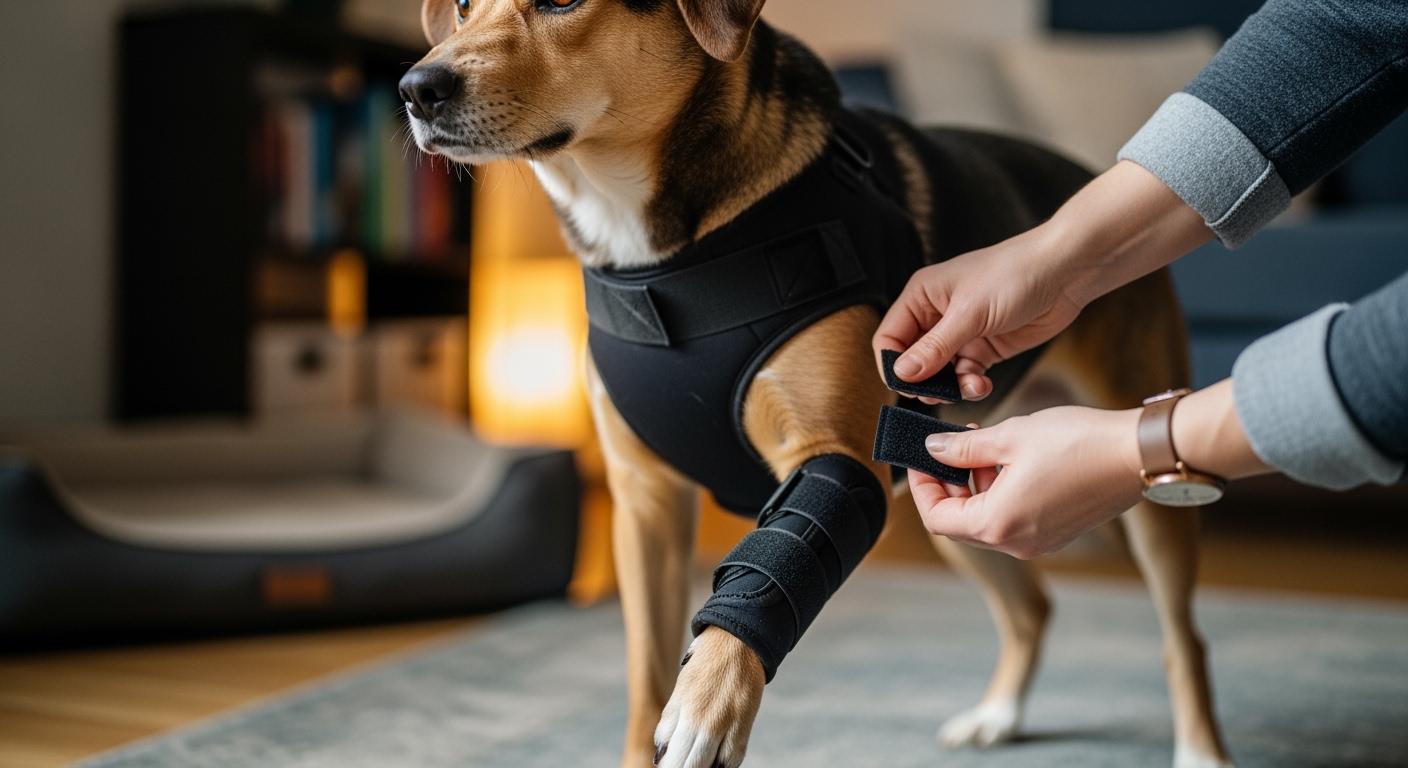
A carpal hyperextension dog brace is used when a dog’s front wrist drops too far during weight-bearing and needs structured support during walking, recovery, or daily activity. This guide is for owners, rehab teams, and buyers who need to understand what carpal hyperextension is, when a brace may help, how to choose support level, and how to monitor fit and comfort safely. If you are comparing condition-first support in the Solutions hub, deeper education in the GaitGuard blog, or device options in the products hub, this page should act as the top-level starting point.
Quick Answer: A carpal hyperextension dog brace is usually most helpful when a dog needs front-wrist support to reduce collapse, improve controlled walking, and protect healing tissues during daily activity. It is not the same as every wrist brace, and it is not the best fit for every front-leg problem.
- Best for: carpal hyperextension, carpal instability, and selected post-injury or post-surgical wrist protection
- Not always enough for: broader forelimb weakness, shoulder or elbow issues, or cases needing a different diagnosis-first path
- Most important factors: support level, fit, walk-test, and daily skin checks
Key Takeaways
- A carpal hyperextension dog brace is a condition-led support tool for dogs whose front wrist needs more control during weight-bearing.
- More rigid support usually fits higher-instability cases, while lighter support fits lower-control daily needs.
- Fit, walk-testing, and daily skin checks matter as much as the brace itself.
- A brace works best as part of a broader care plan that may also include veterinary guidance, rehab work, and activity control.
Understanding Carpal Hyperextension in Dogs
What Is Carpal Hyperextension?
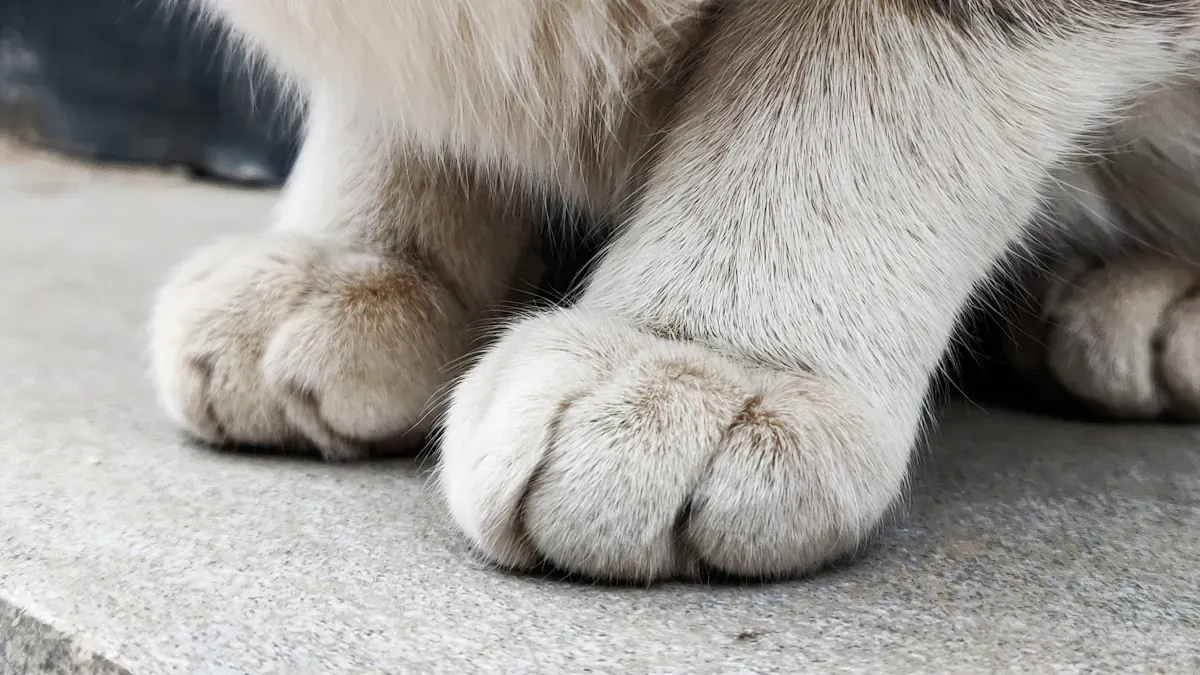
Carpal hyperextension happens when a dog’s wrist bends downward farther than it should during weight-bearing. In practical terms, the front limb can no longer hold the wrist in a normal supported position, so walking becomes less stable and more stressful for the joint. This is why carpal hyperextension is best handled as a front-wrist support problem first, not just a general limping problem.
Causes and Risk Factors
Common causes include trauma, repeated overload, ligament damage, post-injury weakness, and chronic degenerative change. Larger active dogs, older dogs, overweight dogs, and dogs with previous front-leg injury may be more vulnerable. This is why a condition-first guide should focus on front-wrist support need, not only on breed or activity history.
Common Signs in Dogs
You can often notice carpal hyperextension by watching how your dog loads the front limb. Common signs include:
- dropping at the wrist during weight-bearing
- limping or reluctance to use the limb normally
- swelling, pain, or warmth near the carpal joint
- a less stable front-leg gait
- reduced willingness to walk, turn, or play
You may also see a lower wrist angle or a palmigrade-like stance in more obvious cases. If you notice these signs, the next step is not just “buy a brace,” but to confirm how much support the joint actually needs.
Why Use a Carpal Hyperextension Dog Brace?
Benefits of Carpal Support
You want your dog to move more safely and with better front-wrist support. A carpal hyperextension dog brace helps by reducing wrist collapse, improving controlled walking, and protecting healing tissues from repeated stress. The brace should be judged by whether it improves stability and daily comfort, not by dramatic promises.
When Bracing Is Recommended
You need to know when to use a carpal hyperextension dog brace. Vets suggest bracing in different cases. The table below shows when bracing is best:
| Case Type | When Bracing Often Helps |
|---|---|
| Trauma or ligament injury | When the wrist needs protection during conservative care or early rehab. |
| Chronic instability or hyperextension | When daily walking needs more front-wrist support and control. |
| Post-surgical or transitional support | When the wrist still needs protection during controlled movement. |
You can use a brace for trauma or chronic problems. The brace gives carpal and tarsal support. It helps the joint stay steady.
Role in Recovery and Daily Activity
A carpal hyperextension dog brace helps most when it supports the front leg during controlled walking, protects the wrist from repeated collapse, and makes daily activity safer. The goal is not to “normalize everything instantly.” The goal is to create better-supported movement while the broader recovery plan continues.
Types of Carpal Support Braces
Rigid vs. Flexible Braces
It is important to compare rigid and more flexible support by wrist-control need, not by generic “serious vs mild” wording alone. More rigid braces matter when the wrist needs stronger motion control. More flexible support matters when daily comfort and moderate support are the main goals.
| Support Type | Main Strength | Usually Best For | Main Tradeoff |
|---|---|---|---|
| More rigid brace | Stronger wrist control | Higher-instability or more protective support needs | Can feel bulkier and needs more careful fitting |
| More flexible brace | Lighter daily support | Lower-control support or easier daily tolerance | May not control a more unstable wrist well enough |
You can read more about rigid and flexible dog carpal brace choices in our dog carpal brace guide.
Custom and Off-the-Shelf Options
You can pick custom or off-the-shelf braces for your dog, but the better choice depends on fit difficulty, support need, and whether standard sizing can stay aligned during walking. More individualized options matter most when regular sizing keeps slipping, rotating, or failing to control the wrist well enough.
| Comparison Point | Custom-Fit Brace | Off-the-Shelf Brace |
|---|---|---|
| Fit approach | Built around more individualized limb measurements | Based on standard size ranges and adjustment points |
| Usually best for | Hard-to-fit dogs or cases needing more exact control | Simpler fitting situations or faster trial support |
| Main strength | More precise fit potential | More accessible starting point |
| Main tradeoff | More setup and commitment | Less individualized fit control |
Custom braces change as your dog heals and give comfort. Off-the-shelf braces give fast support but may not be as steady. You can learn more about dog wrist brace and dog front leg brace choices in our guides.
Choosing the Right Brace for Your Dog
You should look at three main things when picking a dog brace for carpal hyperextension:
- how much wrist collapse or instability is actually present during weight-bearing
- whether the dog needs lighter daily support or stronger motion control
- whether the brace can stay aligned comfortably during real walking
The best brace is not automatically the strongest one. It is the one that matches support level, fit quality, and daily-use tolerance. For broader fit education, point readers to canine rehabilitation brace fit, comfort, and safety.race helps your dog move better and feel less pain. You can find more tips in our dog leg braces fitting guide.
Tip: Always check the brace for damage and make sure your dog feels good when using it every day.
Fitting a Carpal Hyperextension Dog Brace
Measuring for Proper Fit
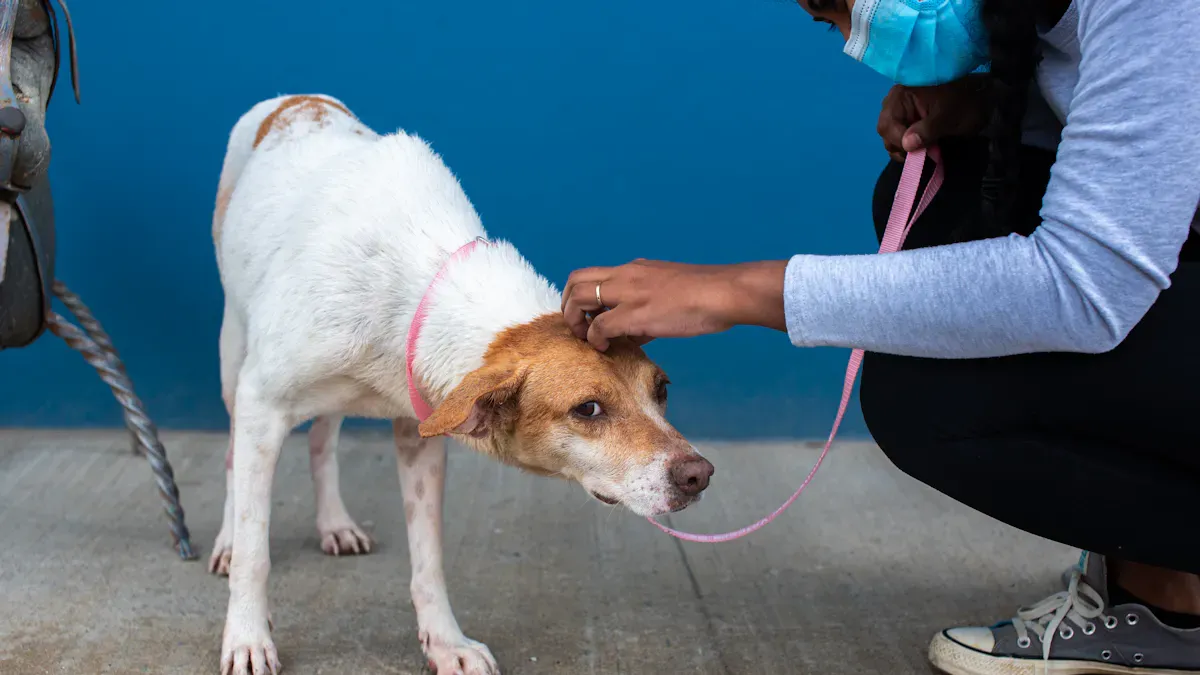
You do not need this guide to function like a clinical casting protocol. For a user-facing guide, the most useful measurements are the ones that help you compare support fit and coverage logically.
- measure the wrist circumference at the carpal support zone
- measure the lower forelimb circumference above and below the wrist support area
- measure the support length the brace needs to cover
- check the fit again while the dog is standing and bearing weight
The goal is not just to record numbers. The goal is to choose a support path that will stay aligned once the dog starts moving.
Tip: Good measurements stop pain and help your dog move. You can read more steps in our dog leg braces fitting guide.
Sizing and Positioning
Sizing and positioning are very important because a brace that looks correct at rest can still fail during walking. The support zone should center over the wrist, stabilize above and below the carpal joint, and stay aligned without slipping or twisting. If the brace is too loose, support drops quickly. If it is too tight, rubbing and gait problems appear just as quickly.
Check the fit every time you use the brace and recheck it after movement. Good placement should improve front-wrist stability without creating new discomfort.
| Fit Factor | Why It Matters |
|---|---|
| Wrist circumference | Helps the main support zone fit securely. |
| Support length | Determines whether the brace covers enough of the wrist area. |
| Position over the carpus | Keeps support centered where collapse control is needed most. |
| Movement check | Confirms that the brace still works once the dog starts walking. |
Note: You can learn more about safe daily routines in our safe daily-use guide.
Adjustment and Comfort
You need to adjust the brace so your dog feels supported without becoming uncomfortable. Use the adjustment points to improve alignment, not just to make the brace tighter. After each fit change, check for slipping, twisting, pressure marks, or worse gait.
Good adjustment helps the dog tolerate the brace and get more consistent support from it. Poor adjustment can create soreness, rubbing, or reluctance to move. Recheck the fit often as activity level and recovery status change.
Callout: The right fit and changes are needed for joint support, less pain, and better movement. Check the brace every day and make small changes when needed.
You can find more tips in our dog wrist brace guide.
Daily Use and Monitoring
Wearing Schedule and Routines
You need a clear routine for using a carpal hyperextension dog brace, but the schedule should follow tolerance rather than a rigid one-size-fits-all timeline. Use a phase-based approach instead:
| Phase | Main Goal | Wear Rule |
|---|---|---|
| Early break-in | Confirm fit and skin tolerance | Use short supervised sessions only |
| Early daily use | Use during controlled walking or activity | Increase only if gait, fit, and skin stay stable |
| Stable routine | Repeatable support during selected daily use | Use during active periods, not automatically all day |
Remove the brace during longer rest periods unless your veterinarian gives a different plan. This approach is more realistic for a guide page because not every dog adapts at the same speed.
Checking for Skin and Fit Issues
You must check your dog’s skin and wrist every day. Look for redness, swelling, pressure marks, or pain after use. Make sure the brace does not rub, pinch, or shift during walking. If you notice repeated fit problems, remove the brace, reassess the fit, and contact your veterinarian if the issue continues.
Helping Dogs Adapt to Bracing
You help your dog adapt by making the brace routine calm, predictable, and comfortable. Use short sessions, positive reinforcement, and controlled walks instead of forcing long wear too early. Watch how your dog moves, stands, and turns in the brace. Adaptation works best when support improves mobility without making the dog feel trapped or sore. For broader movement support context, point readers to dog mobility support and walking stability solutions.
Tip: Consistent routines and gentle support make bracing easier for your dog and protect the joint.
Cleaning and Maintaining the Brace
Cleaning Instructions
You need to keep your dog’s brace clean to protect the skin and keep the support working well. Dirt and moisture can build up after daily use, especially outdoors. Wipe the brace down regularly, use mild soap if needed, and let it air dry fully before reuse. Avoid putting the brace back on while any part is still damp.
Tip: Clean the brace regularly to prevent skin problems and keep your dog comfortable.
Maintenance and Longevity
You help your dog by keeping the brace in good shape and checking whether it still matches the current support need. Regular maintenance improves reliability and reduces avoidable skin or fit problems.
| Maintenance Task | Why It Matters |
|---|---|
| Clean regularly | Helps keep the brace hygienic and more comfortable. |
| Inspect for wear or hardware problems | Prevents loss of support or alignment failure. |
| Check fit regularly | Helps the brace stay useful as the dog’s needs change. |
| Monitor skin health | Reduces irritation and catches problems early. |
Note: A well-maintained brace gives your dog reliable support and helps them stay active.
Evaluating Progress and When to Consult a Veterinarian
Signs of Improvement
You want your dog to feel better with the right brace and daily care. Look for progress signs like these:
- smoother front-leg movement during controlled walking
- less visible wrist collapse during weight-bearing
- better willingness to use the limb normally
- less pain behavior around the wrist
- no new skin irritation under the brace
The most useful progress marker is not “perfect movement.” It is safer, steadier, more comfortable movement over time.
Tip: Write down your dog’s activity and comfort each day. This helps you and your vet see changes over time.
When to Seek Professional Advice
You need to know when to ask your veterinarian for help with your dog’s brace. Some situations need expert review to keep your dog safe:
- worsening wrist collapse or worsening limp
- swelling, pain, or refusal to bear weight
- redness, sores, odor, or skin breakdown under the brace
- a brace that keeps slipping, twisting, or no longer fits the recovery phase
- uncertainty about whether the dog needs stronger support or a different treatment path
If any of these appear, stop assuming the current brace plan is still correct. Recheck the case with your veterinarian before continuing the same routine.
Note: A brace can be very useful, but regular veterinary review gives the best chance for safer long-term progress.
You help your dog most by following a clear support process: identify the real wrist problem, choose the right support level, fit the brace carefully, and monitor walking and skin every day. A carpal hyperextension dog brace works best when it improves front-wrist stability without creating new fit, gait, or comfort problems.
Use this Pillar page as your starting point, then continue into the Solutions hub, the Blog hub, and the Products hub depending on whether you need condition planning, article-level comparison, or product review. Data authenticity note: This guide is for educational purposes only. It is designed to help readers understand carpal hyperextension dog brace fit, support level, and daily use, not to replace veterinary diagnosis or individualized treatment advice.
Checking the brace often and getting help from your veterinarian keeps your dog safer and makes the support plan more reliable.
Simple Daily Carpal Hyperextension Brace Log
| Date | Wear Time | Activity | Wrist Stability | Skin Check | Next Step |
|---|---|---|---|---|---|
| Example | 45 min | short walk / rehab / rest | better / same / worse | clear / red / rubbing | hold / adjust / shorten use |
This simple log helps you track whether the brace is improving wrist stability, whether fit changes are needed, and whether your dog is tolerating daily use safely.
FAQ
Does every dog with carpal hyperextension need a brace?
No. Some dogs may need lighter support, some may need stronger support, and some may need a different treatment path altogether. The right choice depends on diagnosis, wrist stability, and daily-use goals.
What is the difference between a carpal hyperextension dog brace and a dog carpal splint?
A carpal hyperextension brace is the condition-focused support category. A dog carpal splint usually implies stronger wrist control within that category. The real decision is support level, not just the product name.
How long should a dog wear a carpal hyperextension brace?
That depends on fit, skin tolerance, activity level, and veterinary instructions. Most dogs do better with a phased break-in rather than a fixed timeline.
What signs mean the fit is wrong?
Common warning signs include slipping, twisting, redness, pressure marks, swelling, and movement that looks worse instead of better.
When should I contact my veterinarian?
Contact your veterinarian if your dog shows worsening limp, swelling, pain, skin injury, brace refusal, or a brace that no longer seems to control the wrist properly.
