
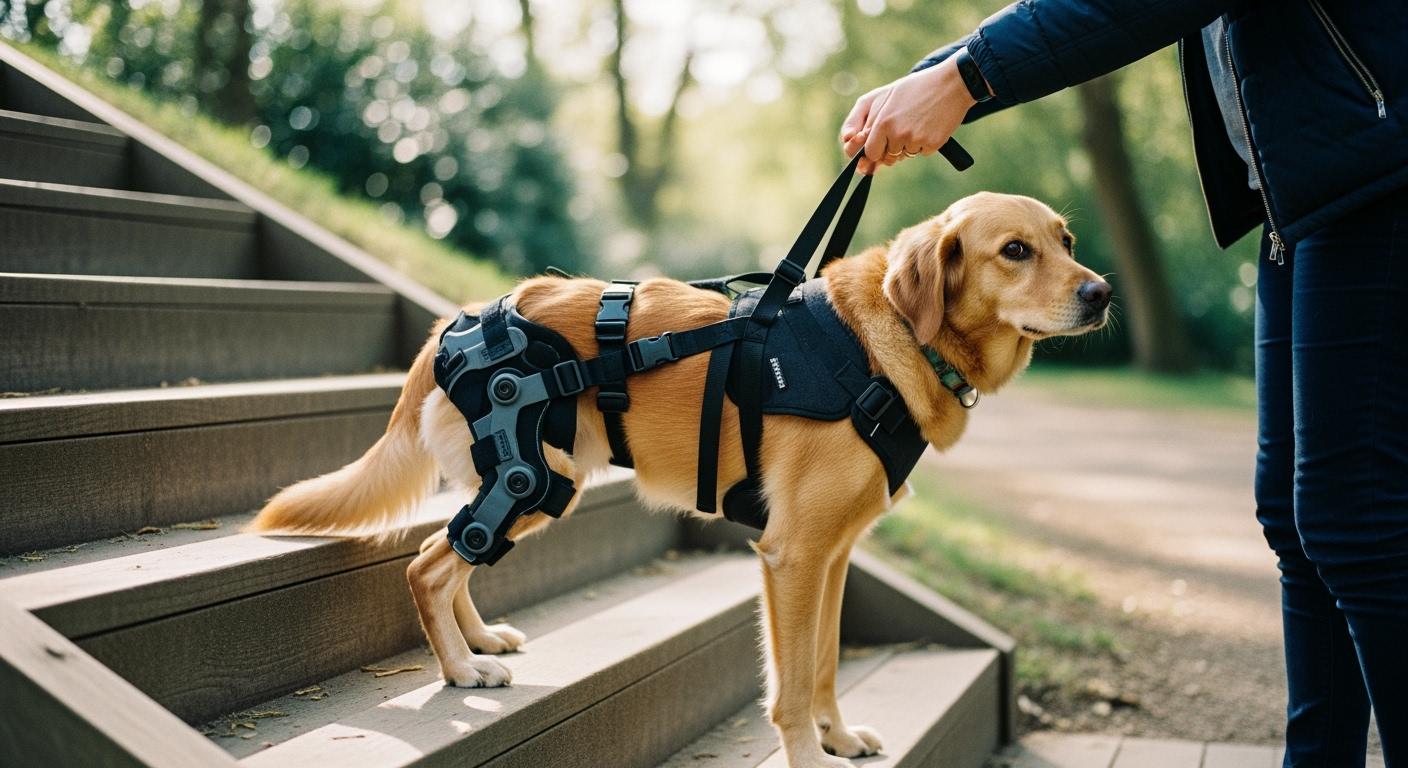
When comparing a dog brace for hips vs lift harness, the main question is whether your dog needs joint-level support for ongoing movement or handler-assisted support for standing, stairs, and daily transfers. This article is for owners, clinics, and rehab-minded buyers who need to compare how these two support categories differ in purpose, fit, and daily use. Read it to decide when a hip brace is usually the better match, when a lift harness is more practical, and when to review condition-based support pathways before choosing a product direction.
Key Takeaways
Choose a hip brace when the dog still uses the hind legs but needs more stability and support around the hips.
Choose a lift harness when the dog needs handler assistance for standing, stairs, walking support, or transfers.
Fit, tolerance, and daily-use practicality matter as much as support category.
Diagnosis and mobility pattern should guide the decision, not appearance alone.
Dog Brace for Hips vs Lift Harness: Quick Comparison
The practical difference is simple: a hip brace supports the body during movement, while a lift harness allows the handler to provide movement assistance directly. That means the right choice depends on whether the dog still has usable hind-limb function or now needs more external help during daily activity.
Decision point | Hip Braces | Lift Harnesses |
|---|---|---|
Main role | Supports hip-area stability during movement | Provides handler-assisted mobility support |
Best fit | Dogs with some hind-limb function still present | Dogs needing help standing, walking, or climbing stairs |
Typical use | Daily comfort and movement support | Transfers, stairs, bathroom trips, short assisted walks |
Key advantage | Hands-free support once fitted correctly | Immediate practical assistance |
Main limitation | Less useful when the dog cannot support weight well | Depends on owner assistance during use |
Support for Stairs and Walking
For stairs and walking, the decision usually comes down to whether the dog needs movement support from the device itself or physical assistance from the person handling the dog.
A hip brace is more relevant when the dog still walks independently but needs more stability, support, and comfort around the hips during routine movement.
A lift harness is more relevant when the dog needs your assistance to stand, climb stairs, manage slippery surfaces, or complete short daily transitions safely.
Decision rule: choose a lift harness when the problem is assisted movement; choose a hip brace when the problem is supported movement.
Support for Weak Hind Legs
When your dog shows signs of hind leg weakness, you want to choose the right support for their daily life. Here is how a dog brace for hips vs lift harness compares:
A dog hip brace supports the hip and lower back. It helps dogs with weak back legs from arthritis or hip dysplasia. The brace can make your dog feel more stable and confident when moving. Some owners report their dogs can run, play, and walk longer with a hip brace.
A lift harness gives you control over your dog’s movement. You can use the harness to lift your dog’s hind end and help them walk, stand, or climb stairs. This is important if your dog cannot support their own weight or needs help after surgery.
Hip braces work best for dogs who still have some strength in their legs but need extra support for stability and comfort.
Lift harnesses work best for dogs with severe hind leg weakness, those recovering from surgery, or older dogs who need help with daily activities.
If the hind-leg weakness pattern is still unclear, review the broader decision paths in our Solutions overview before comparing specific products.
Understanding Dog Support Options
What Is a Dog Hip Brace?
A dog hip brace is a support device designed to stabilize the hip area and improve comfort during standing and walking. It is usually more relevant when the dog still has usable hind-limb strength but benefits from added support around the hips or lower back. If you want broader educational background before comparing products, review the foundational material in our GaitGuard Guides.
What Is a Support Harness?
A support harness is a handler-assisted mobility tool. It is usually the better choice when the dog needs help rising, climbing stairs, managing short walks, or transferring in and out of cars. The harness does not stabilize the hip joint in the same way a brace does, but it can make daily assistance much more manageable.
Key Differences in Support
The difference is not whether one device is better overall. It is whether the case calls for stabilization or assisted mobility. Hip braces are usually better when the dog can still participate actively in movement. Lift harnesses are usually better when the handler needs to provide a meaningful share of the support.
Choosing a Dog Brace for Hips
How Hip Braces Support Dogs
A hip brace supports dogs by adding stability and controlled support around the hips during standing and walking. It is most useful when the dog still has some active hind-limb use and needs help with comfort, steadiness, and routine movement rather than direct lifting.
Best Uses for Hip Braces
Hip braces are usually the better fit for dogs with mild to moderate hip weakness, arthritis-related discomfort, or hip dysplasia patterns where the dog can still move but does not move comfortably. The device is less useful when the dog needs frequent manual lifting during routine activity.
Pros and Cons for Daily Mobility
Benefits | Drawbacks |
|---|---|
Non-surgical and reversible support | Not a cure for hip conditions |
Improved mobility and comfort | Requires gradual adaptation and daily skin checks |
Tailored support for your dog’s needs | May need refitting as your dog’s body changes |
A hip brace should be viewed as part of a broader mobility plan. It may improve comfort and steadiness, but it does not remove the underlying condition. Daily fit checks and skin checks remain necessary, especially in repeat-use routines.
Choosing a Lift Harness for Dogs
How Lift Harnesses Support Movement
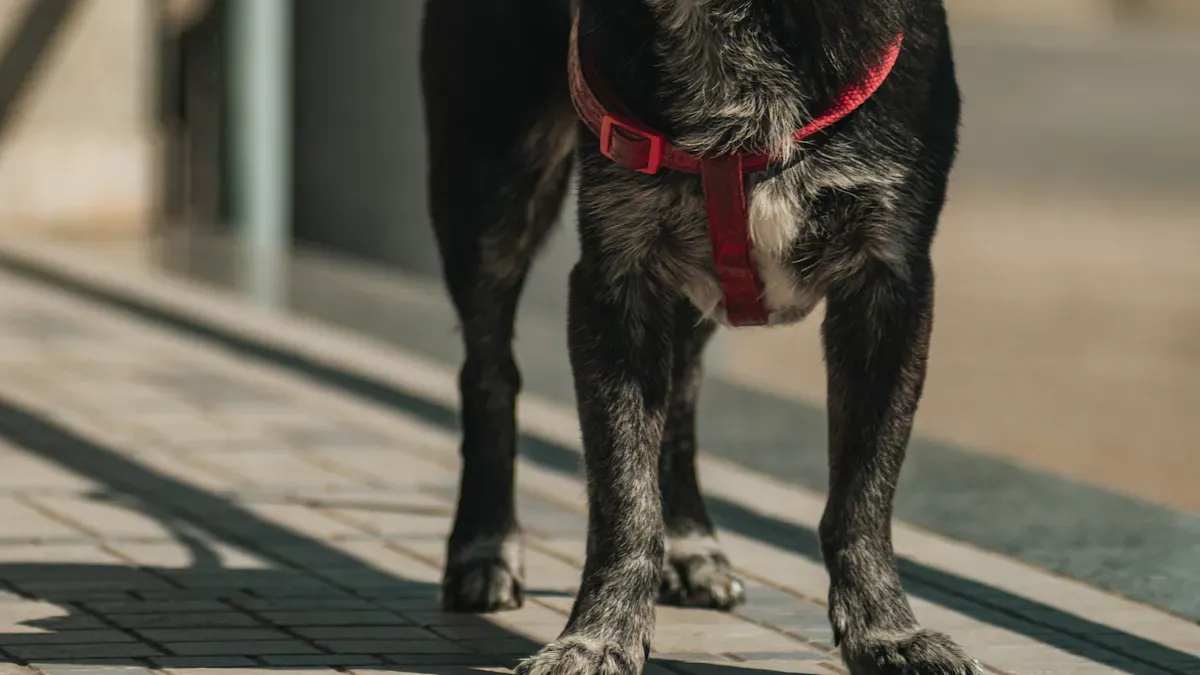
A lift harness supports movement by allowing the handler to offload some body weight and guide the dog through daily activities that would otherwise be difficult or unsafe. This is especially relevant for stairs, bathroom trips, short assisted walks, and transfers. When you reach the stage of evaluating actual device options, compare product options based on handle design, support coverage, and ease of assisted use.
Lift harnesses give important support so your dog moves easier.
They spread weight out and make joints feel less strain.
Harnesses help your dog stand, walk, and go up stairs.
They give gentle help, stop falls, and make your dog feel braver.
Dogs with nerve or movement problems can exercise safely and not get stuck in one spot.
Best Uses for Lift Harnesses
Lift harnesses are usually the better choice when the dog needs direct help with body support, especially after surgery, during advanced weakness, or in senior-dog mobility situations where standing up and stairs are major friction points.
Tip: Always check the harness fits right before using it. A comfy harness keeps your dog safe and happy.
Pros and Cons for Helping Your Dog
You want to know the good and bad parts of using a lift harness every day. The table below shows the main points:
Advantages | Disadvantages |
|---|---|
Immediate assisted support for stairs, standing, and transfers | Fit and handling technique still need monitoring |
Useful when the dog cannot manage weight-bearing independently | Not a joint-stabilizing solution by itself |
Can reduce fall risk during short daily tasks | Can reduce fall risk during short daily tasks |
A lift harness is most valuable when the dog’s problem is practical daily mobility rather than joint stabilization alone. Good fit and calm handling matter because the harness works only when the dog accepts assisted movement safely.
Key Factors for Support Selection
Dog’s Condition and Diagnosis
Diagnosis should come before product choice. Hip dysplasia, arthritis, post-surgical weakness, neurologic issues, and generalized hind-limb weakness do not all point to the same support category. The device should match the mobility problem being solved, not just the body area that looks affected.
Size, Strength, and Tolerance
Every dog is different. You should consider your dog’s size, strength, and how much support they can tolerate. Some dogs accept a harness easily, while others may resist. Dogs with limited mobility or severe health problems may need a lifting harness for daily activities. Pets with mild mobility issues might do better with a hip brace. Make sure you choose a support that fits your dog’s body and does not cause discomfort.
Owner’s Ability to Assist
Owner handling capacity is part of the device decision. Use this checklist before choosing:
Can the dog still bear enough weight for a brace to be useful?
Will the dog need active help with stairs, transfers, or standing up?
Can the owner assist safely and consistently every day?
Does the dog tolerate wearable support calmly enough for repeat use?
Proper fitting is crucial for your dog’s health and safety. Early use of a support device can help prevent further mobility loss. You should also watch for changes in your dog’s behavior or health, as these can affect how well they use a harness or brace.
Comfort and Fit for Your Dog
Fit quality determines whether either support option will remain usable. A brace that rotates or a harness that rubs can fail quickly in daily use. Check alignment, pressure points, and tolerance repeatedly during the first days of use rather than assuming the first fit is correct.
Helping Your Dog: Real-Life Scenarios
Mild Hip Weakness Example
If the dog still walks independently but shows mild hip weakness, reduced comfort after activity, or lower confidence when standing up, a hip brace is often the more relevant support category. In these cases, the goal is not lifting assistance but steadier daily movement.
Severe Hind Leg Weakness Example
If the dog cannot stand reliably, needs help with stairs, or risks falling during routine movement, a lift harness is usually the more practical first-line support. In these cases, owner-assisted mobility matters more than joint-level stabilization alone.
Stairs are safer and less scary.
Bathroom breaks are easier for injured dogs.
Getting in and out of the car is safer.
A lift harness helps you move your dog every day and during rehab. This support is important for dogs healing from surgery or with serious mobility loss. For more info, check our dog lift harness solution page and support sling guide.
Support for Stairs Only
If the main problem is stairs rather than general walking, a lift harness is often the simpler and more practical solution because it lets the handler provide support exactly when needed.
Put non-slip stair treads or traction socks for grip.
Use a lift harness or support sling for extra help.
Add ramps or safety gates to change stair access.
Give treats and praise to encourage slow, safe movement.
Helping your dog with stairs may not need a device all the time. Pick the right support based on your dog’s needs and how much you can help. For more tips, see our condition-based support pages and dog support sling guide.
Tip: Always watch your dog for pain or new weakness. Early support and rehab can make your dog’s life better.
Record for 5 days before changing support type: walk tolerance, stair difficulty, ability to stand up, amount of owner assistance needed, skin response, and whether the device stayed aligned during use.
Tips for Safe Support Use
Fitting and Adjusting Devices
Use this fit routine for either device category:
Measure with the dog standing naturally.
Place the device in the intended support position before tightening.
Check for slipping, twisting, or restricted stride.
Confirm the dog can sit, stand, and take short steps comfortably.
Inspect the skin after each early wear session.
Adjust gradually rather than over-tightening for control.
You can find more fitting tips in our dog hip brace guide and lift harness solution page.
Training Your Dog
Help your dog get used to a harness or hip brace with these training techniques:
Make sure the harness fits properly to enhance comfort.
Keep your dog relaxed during the introduction.
Use positive reinforcement, such as treats and praise, to create a good association.
Gradually introduce the harness, allowing your dog to adjust to each part.
Training helps pets accept new devices and makes safely lifting your pet easier. For more guidance, visit our support sling guide.
Mistakes to Avoid
You want to avoid common mistakes when using a harness or hip brace. The table below shows what to watch for:
Common Mistakes | Description |
|---|---|
Adjusting the sling | Make sure the sling is fitted correctly for comfort. |
Getting used to the sling | Introduce the sling gradually with positive reinforcement. |
Check your dog often for signs of discomfort. Avoid forcing pets to wear a harness if they resist. Always focus on safe, gentle handling. For more tips, see our condition-based support pages.
Choosing between a hip brace and a lift harness depends on one practical distinction: does the dog need supported movement or assisted movement? Hip braces are usually more relevant for dogs that still walk but need more stability and comfort. Lift harnesses are usually more relevant for dogs that need help with stairs, standing, transfers, or short daily mobility tasks.
For follow-up after this comparison, continue only to the most relevant internal paths: use Guides for educational background, Solutions for condition-based support direction, and Products when the case is ready for device evaluation.
Data authenticity note: This article is for educational purposes only. It is designed to help readers compare when a hip brace is more appropriate than a lift harness, and when a lift harness is more practical than a brace. It does not replace veterinary diagnosis, individualized fitting, or a full mobility support plan.
FAQ
How do I know if my dog needs a hip brace or a harness?
Start by asking whether the dog still moves independently but less comfortably, or whether the dog now needs direct assistance to move safely. The first situation usually points more toward a hip brace. The second usually points more toward a lift harness.
Can I use a hip brace and a harness together?
Sometimes, yes. A brace and harness can play different roles when the dog benefits from both joint-area support and handler-assisted mobility. The decision should still be based on tolerance, fit, and veterinary guidance rather than using both by default.
Which harness works best for stairs?
A rear-support or lift harness is usually the better match for stairs because it lets the handler provide timed assistance exactly where the dog struggles most. Fit stability and handle control matter more than extra features.
Will my dog accept wearing a harness?
Many dogs do, but tolerance depends on fit, handling style, and how gradually the device is introduced. Resistance should be treated as a fit or setup problem to review, not something to push through blindly.
Where can I learn more about fitting and using these supports?
Use Guides for educational background, Solutions for condition-based direction, and Products when you are ready to compare actual support options.
