
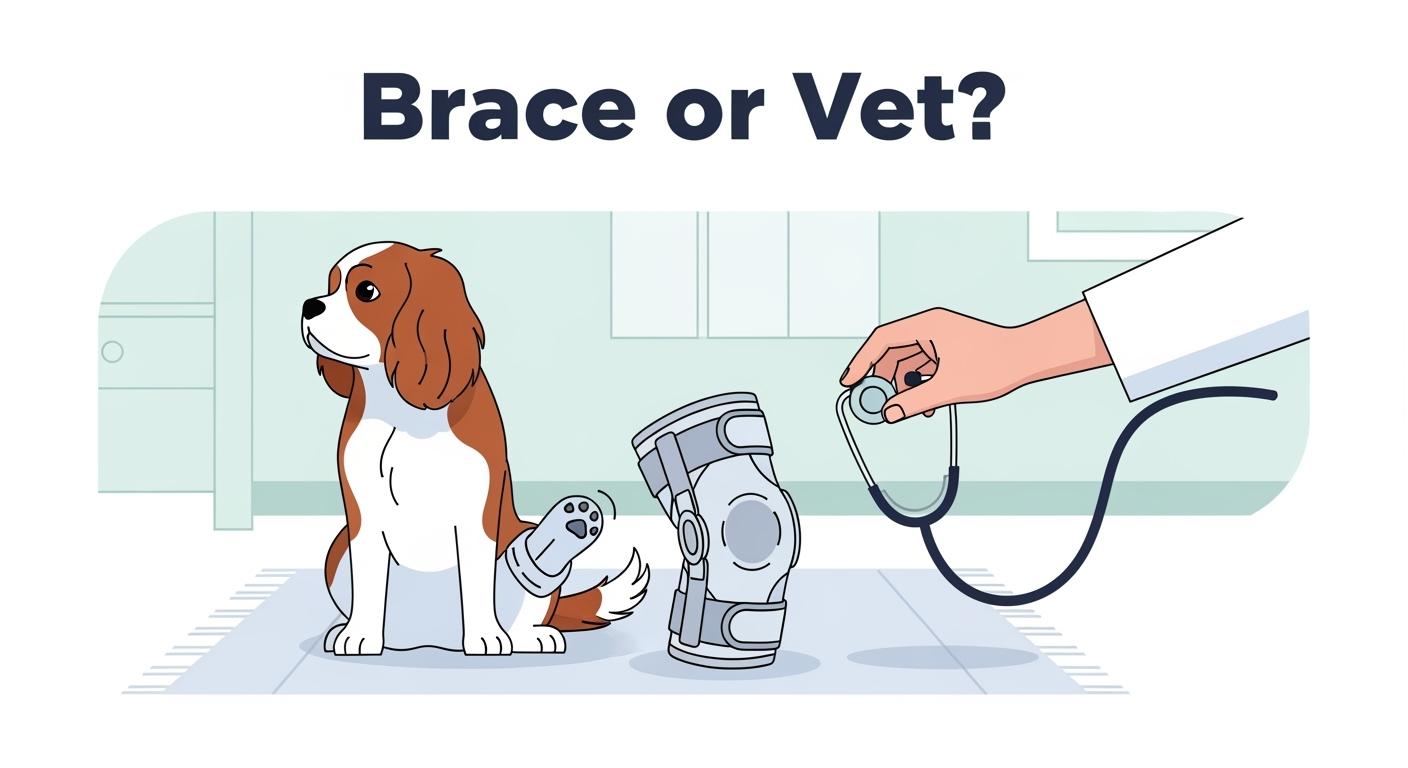
Small dog luxating patella can look mild at first, but you should talk to a veterinarian before using braces. Many small breeds, like Pomeranians and Yorkshire Terriers, have a higher chance of getting luxating patella because of their genes and how their legs are shaped. If you get help early, your vet can check the patella grade and tell you the safest plan. Braces might help your dog feel better in some cases, but they do not fix luxating patella. You need a vet’s advice to keep your dog safe and know what to expect.
Key Takeaways
You should always talk to your vet before using a brace for luxating patella. The vet will check how bad it is and tell you the best way to help your dog.
Watch for warning signs like sudden limping, swelling, or pain that does not go away. These signs mean you need to see the vet right away.
Braces can help support mild cases but do not fix luxating patella. Use them with other treatments your vet suggests.
Watch your dog closely when it wears a brace. Look for skin problems and changes in how your dog moves to make sure the brace is working and your dog feels okay.
Do what your vet says about how much your dog should move and how to help it get better. This will help control symptoms and help your dog heal.
Vet-First Signs for Small Dog Luxating Patella
When you see certain signs in your small dog, you should contact your veterinarian before trying braces. Some symptoms mean your dog needs a professional exam right away. Early vet care helps prevent further injury and ensures the right treatment plan.
Severe Pain or Sudden Lameness
You may notice your dog suddenly limping or refusing to put weight on a leg. These changes can happen quickly and often signal a serious problem. Watch for these signs:
Sudden or severe limping that appears without warning
Your dog cannot use one leg or holds it up
Swelling, heat, or redness around the knee joint
Clicking or popping sounds from the knee when your dog moves
Your dog stops playing, avoids stairs, or seems less active
These symptoms often point to dog knee pain, inflammation, or a possible injury. Do not try braces before your vet checks for other knee injuries or complications.
Persistent Limp or Swelling
If your dog keeps limping or the limp gets worse, you should not wait. Swelling or redness around the knee can mean infection or ongoing inflammation. Early veterinary attention can reduce pain and prevent more damage. You might also hear clicking or popping from the joint, which means the knee is unstable. Reluctance to move or play is another warning sign. These problems need a vet’s diagnosis before you consider braces.
Grade III-IV or Non-Weight-Bearing Cases
Your vet will grade the severity of luxating patellas from I to IV. Grades III and IV are advanced and need special care. Here is a quick guide:
Grade | Description |
|---|---|
III | The patella is out most of the time. The vet can move it back into position, but it pops out again immediately. |
IV | The patella is permanently out of position and the vet cannot push it back in place again. |
If your dog cannot bear weight or has a deformed leg, braces are not enough. These cases need a vet’s plan for treatment.
When Surgery or Strict Rest Is Needed
Some dogs with luxating patella need surgery or strict rest. Your vet may recommend surgery if:
The kneecap dislocates often or stays out of place
Your dog has significant lameness or pain
Both knees are affected
Your dog is active and needs full joint function
Delaying surgery in advanced cases can lead to arthritis or more serious knee injuries. Surgery helps restore alignment and reduces stress on the joint. Strict rest may be needed to protect the knee during recovery. Always follow your vet’s advice before using braces or starting any new treatment.
Tip: If you see any of these signs, call your vet first. Braces can support mild cases, but they are not a cure for severe luxating patella.
When Braces May Support Small Dog Luxating Patella
Mild or Intermittent Symptoms (Grade I-II)
Sometimes, your small dog might skip a step or hold up a back leg for a moment. Then, your dog walks normally again. These signs often happen in Grade I or II luxating patella. In these cases, braces can give gentle support. They help your dog feel better during safe activities. You may see your dog pause on stairs or slip on smooth floors. Braces help keep the knee steady and lower the risk of more problems. Your vet must say the luxating patella is mild before you use a brace.
Braces do not fix the problem or move the kneecap back. They only support the joint and help with symptoms. You should use braces as part of a bigger plan, not by themselves.
Note: If your dog has pain, swelling, or cannot stand on the leg, do not use braces without seeing your vet.
Vet-Approved Brace Trial
You need a vet check before using braces. The vet will look for other injuries, like meniscal tears, and check the luxating patella grade. This step makes sure there are no problems braces cannot help. Your vet will help you set goals, like less pain and better movement, not a cure.
Your vet can tell you which brace is best for your small dog. Some braces are soft, and some have hinges for more support. The brace must fit right so it does not rub or slip. Always have a professional fit the brace and start with a short trial. Watch your dog closely to make sure the brace does not hurt.
Tip: Ask your vet if you should use braces with weight control, pain medicine, and rehab for the best results.
Controlled Activity and Monitoring
Use braces when your dog does safe activities, like short walks or play with you watching. Do not let your dog jump or run on slippery floors. Start with short times wearing the brace, about 15 to 30 minutes, two or three times each day. Check your dog’s skin after every use for redness or marks. If you see any irritation that stays for more than 20 to 30 minutes, stop using the brace and call your vet.
Keep watching your dog. Look for changes in how your dog walks, feels, or acts. If things get worse or new problems show up, see your vet again. Braces work best with other ways to help, like keeping your dog at a healthy weight and following your vet’s advice for exercise and medicine.
Callout: Braces can help your small dog feel better and move more easily, but they do not cure the problem. Always work with your vet to make a safe and good plan.
Choosing the Right Dog Knee Brace
Fit, Comfort, and Sizing Tips
You want your small dog to feel comfortable and safe with dog knee braces. Choosing the right dog knee brace starts with measuring your dog correctly. Use a soft measuring tape and measure from one inch above the knee to the middle of the back. Avoid guessing or rounding numbers. Make sure your dog stands during measurement. Double-check your numbers before you order. Many owners make mistakes by using a stiff ruler or measuring while the dog sits or lies down.
Here is a quick table to help you compare features:
Feature | Description |
|---|---|
Material | Support inside metal with reflective stripes, SBR fabric for breathability. |
Size Choosing | Measure from 1″ above the knee to the middle of the back for proper fit. |
Warm Tips | Gradually increase wear time and consult a vet if conditions worsen. |
You can choose between rigid braces and flexible braces. Rigid braces hold the patella firmly and need a custom fit. Flexible braces allow limited movement and stabilize the knee cap. Flexible braces are usually less expensive.
Early Wear and Skin Checks
Start with short sessions when your dog wears dog knee braces. Try 15 to 30 minutes, two or three times a day. Check your dog’s skin after every session. Skin irritation is common in the first weeks. Many dogs get redness, pressure sores, or even skin sores. If you see irritation, stop using the brace and let your dog rest. Most skin marks should fade within 20 to 30 minutes. If they do not, call your vet.
Tip: Skin checks help you catch problems early. You protect your dog from discomfort and injury.
When to Stop or Adjust Brace Use
Watch your dog closely for signs that you need to stop or adjust brace use. Look for swelling, increased limping, chewing at the brace, signs of pain, or changes in walking. If you notice any of these, remove the brace and contact your vet. Dog knee braces should provide joint support and comfort, not cause new problems. You must monitor your dog’s response and adjust the plan as needed.
Dog knee braces help with joint support and symptom management. They do not cure luxating patella or realign the joint permanently. Always follow your vet’s advice for the best outcome.
Decision Checklist for Braces vs Vet Care
Small dog luxating patella can seem mild at times. Owners may see their dog walk fine, then limp or skip. This makes people think braces will fix everything. You need a clear plan to know when braces are safe and when you must call your vet.
Quick Reference Table for Owners
Here is a simple guide to help you decide:
Look for signs like knee pain, skipping, or limping.
Ask your vet for a diagnosis before buying a brace. Your vet checks for other injuries and grades the patella.
Talk with your vet about your goals. Do you want pain relief, delay surgery, or find long-term help?
Measure your dog carefully. A bad fit can cause skin sores and problems.
Plan for rehab and weight control. Braces work best with these steps.
Start with short times wearing the brace. Only increase time if your dog is okay.
Check your dog’s skin after every use. Stop if you see redness or swelling.
Brace Suitability Table
Case Type | Possible Brace Role | Safe Customer-Facing Wording | Claim to Avoid |
|---|---|---|---|
Mild, intermittent luxation | Support during activity | May help comfort and stability | Will cure or permanently fix |
Avoids stairs, slips occasionally | Paired with activity control | Can support joint during movement | Replaces vet care |
Persistent limp, pain, swelling | Not suitable | Vet assessment needed | Safe for all cases |
Grade III-IV, non-weight-bearing | Not suitable | Needs vet plan, not brace-only | Corrects severe deformity |
Red-Flag Table
Red Flag | Why It Matters | Next Step |
|---|---|---|
Sudden severe lameness | May signal injury or tear | Call your vet |
Persistent swelling or redness | Possible infection or damage | Vet check needed |
Repeated leg holding | Ongoing instability or pain | Stop brace, see vet |
Questions to Ask Your Vet
Which brace fits my dog best?
Is the brace custom-fit or adjustable?
What happens if my dog cannot use the brace?
How often should I visit for brace checks?
Signs to Re-Evaluate Your Plan
Signs to Monitor | Description |
|---|---|
Skip or hop on one hind leg | Possible luxating patella episode |
Lame sometimes or all the time | Ongoing discomfort or instability |
Trouble climbing stairs or getting up | May mean pain or joint issues |
Painful knees or yelping | Shows inflammation or injury |
Tip: If you notice any of these signs, stop using the brace and call your vet to update your plan.
B2B Product Safety Checklist
Use clear and honest words on product pages.
Give step-by-step sizing and fitting instructions.
Add reminders for skin checks to packaging.
Train customer support to ask about vet diagnosis and warning signs.
Do not claim braces cure or permanently fix the patella.
What to Expect from Braces and Support
Realistic Outcomes and Limitations
You want the best for your small dog, but braces offer symptom management, not a cure. Braces can give non-surgical relief by supporting the knee and helping your dog move with less discomfort. Many owners notice their dogs stand taller and walk with more confidence after a few weeks. Braces often reduce the frequency of skipping and help with stability during walks. You may see your dog use the injured leg more and show less dog knee pain.
Here is a table showing what you might expect after four weeks of brace use:
Metric | Without Brace | With Brace (4 weeks) | Improvement % |
|---|---|---|---|
Weight Bearing on Injured Leg | 42 % body weight | 57 % body weight | +35 % |
Stride Length Balance | 0.72 (L/R ratio) | 0.91 (L/R ratio) | +26 % |
Pain Response Score (VAS 1–10) | 7.3 | 3.9 | –46 % |
Braces do not correct the patella or fix joint alignment. If you stop using the brace, symptoms may return. Some dogs resist rigid braces because they limit movement. Long-term use without breaks can lead to muscle loss, which may affect knee stability. Real-world results depend on fit, activity level, and how well you follow your vet’s plan.
Monitoring Progress and Comfort
You need to watch for changes in your dog’s mobility and comfort. Regular checks help you spot problems early and keep your dog safe. Use this table to guide your monitoring:
Monitoring Method | Description |
|---|---|
Gait | Watch for smoother walking and fewer skips. |
Weight-bearing | See if your dog puts more weight on the affected leg. |
Confidence | Notice if your dog moves more willingly. |
Pain levels | Look for signs of dog knee pain during activity. |
Skin inspection | Check for redness, swelling, or irritation. |
Skin cleaning | Wipe the area gently to keep it clean. |
Brace fit monitoring | Make sure the brace is not too tight or loose. |
Vet follow-up | Schedule visits to confirm comfort and fit. |
If you see redness, swelling, or your dog chews at the brace, stop use and call your vet. Always check for dog knee pain, especially after activity or brace wear.
When to Seek Further Help
You must know when to get more help. If your dog shows signs of ongoing pain, limps more, or avoids using the leg, contact your vet. Grades 2, 3, and 4 luxation need extra care. Dogs with grade 2 may develop arthritis and need more than braces for relief. Grade 3 and 4 cases often have constant pain and mobility changes. These dogs need a new plan from your vet.
Call your vet if you notice:
Persistent dog knee pain or swelling
Trouble bearing weight on the leg
Worsening mobility changes or new injury signs
Braces can help with support and relief, but they do not replace expert care. Always work with your vet for the best management of your dog’s knee injuries.
If you see signs of small dog luxating patella, talk to your vet first. Many dogs do not get help unless a vet checks them. Braces might help with mild cases, but they do not solve the real problem. If you use braces, watch your dog closely and keep your vet updated. Caring for your dog the right way and knowing what to expect helps your dog stay safe and comfortable.
FAQ
Can a knee brace cure luxating patella in small dogs?
No, a knee brace cannot cure luxating patella. You can use a brace to support your dog’s knee and help with comfort. Always ask your veterinarian for advice before starting any brace.
When is it safe to try a brace for my dog?
You can try a brace if your veterinarian says your dog has mild or intermittent symptoms. Your vet should confirm the grade and check for other injuries first.
How do I know if the brace fits my dog correctly?
Check that the brace stays in place and does not rub or slip. Measure your dog as the product instructions show. Watch for redness or marks after each use. If you see problems, stop and ask your vet.
What should I do if my dog’s symptoms get worse with a brace?
Stop using the brace right away. Call your veterinarian for a new plan. Do not keep using the brace if your dog shows pain, swelling, or limping.
Can I use a brace without seeing a vet first?
No, you should not use a brace without a veterinary diagnosis. Your vet will help you choose the right support and make sure your dog stays safe.
