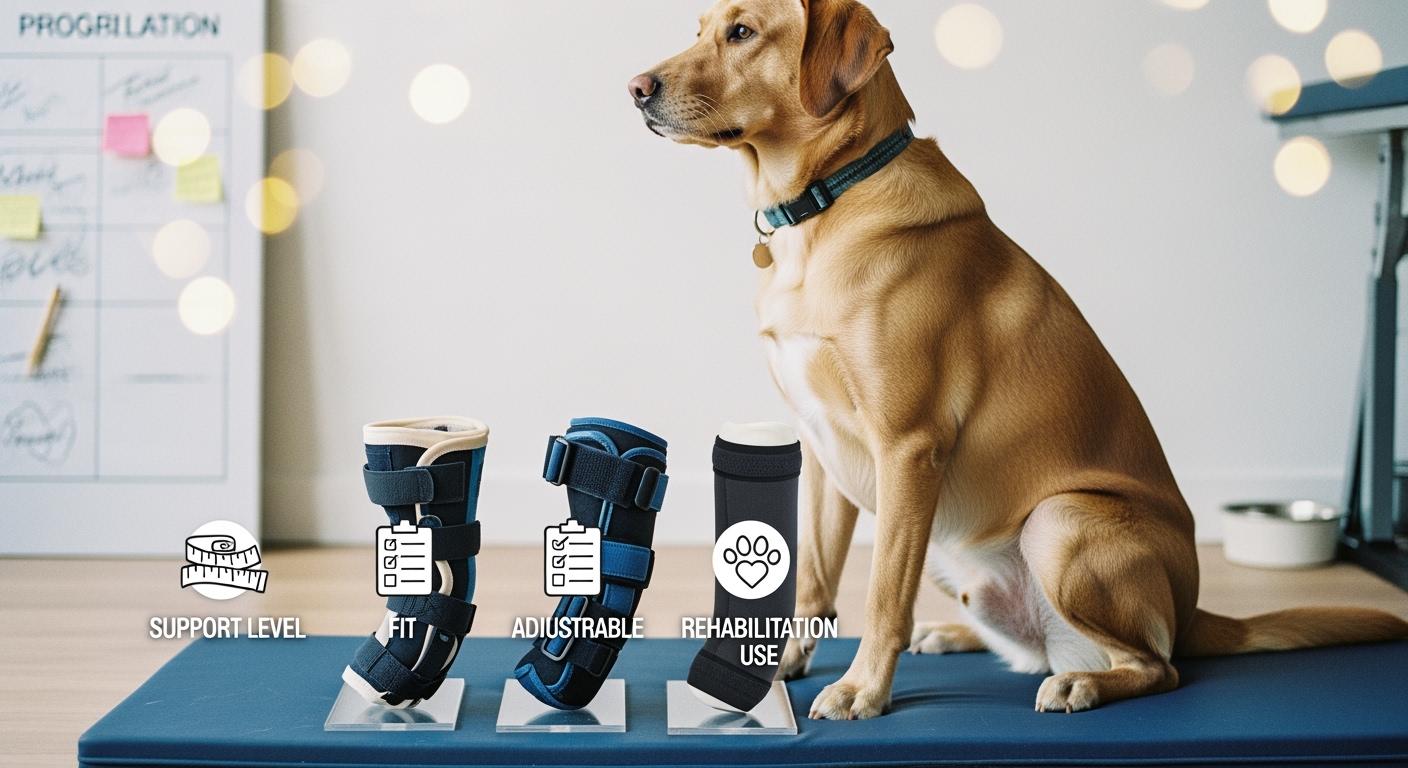
When comparing dog ACL brace alternatives, the key question is not which option sounds most advanced, but which support category matches the knee problem, wear routine, and rehabilitation objective. This article is for owners, clinics, and rehab-minded buyers who need to compare support level, fit demands, and practical rehab use before choosing a brace pathway. Read it to understand how hinged, soft, custom, and off-the-shelf options differ, when each category is more realistic, and when to review condition-based support pathways before moving into product selection.
Key Takeaways
Choose brace alternatives by support role, not by product language alone.
Custom and higher-control options usually fit more demanding support needs.
Soft or simpler options usually fit lighter support goals and easier daily wear.
Fit quality, wear tolerance, and veterinary oversight matter as much as brace type.
What Are Dog ACL Brace Alternatives?
Types of Dog Leg Braces
Dog ACL brace alternatives generally fall into a few practical categories: higher-control designs, softer wrap-style designs, custom-fit options, and simpler off-the-shelf supports. The real difference is not just construction. It is how much control the brace provides, how closely it matches limb shape, and whether it is realistic for the intended daily routine.
Here is a table that shows the main categories of dog ACL brace alternatives:
Brace category | How to think about i |
|---|---|
Hinged braces | Used when stronger motion control and more structure are needed. |
Soft or wrap-style braces | Used when support needs are lighter and daily wear tolerance matters more. |
Custom-fit braces | Used when fit precision and long-term support demands are higher. |
Off-the-shelf braces | Used when needs are simpler, short-term, or still being evaluated. |
The practical decision is to match brace category to support demand. More supportive is not always better. Better matched is better.
When to Consider Alternatives
Consider brace alternatives when the case requires support, but the right support category is still unclear. That may happen with mild to moderate instability, staged rehab, changing activity demands, or when current brace tolerance is poor.
A brace alternative may be considered in conservative management, after surgery, during staged rehab, or when daily support needs are changing. The decision should follow the case direction first, then the brace style.
Decision rule: define the support goal first, then compare brace categories by fit demands, control level, and realistic daily use.
Comparing Support Level in Dog ACL Brace Alternatives
Stability and Motion Control
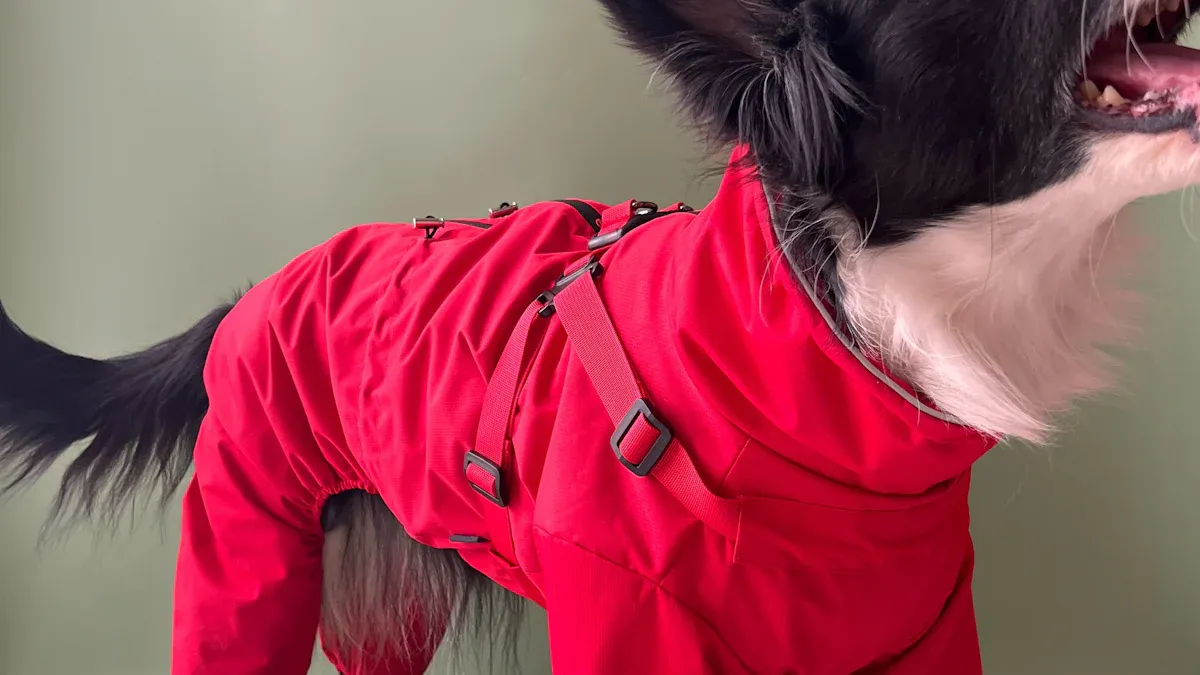
Support level is the first practical filter in this comparison. Some brace alternatives are built for stronger motion control, while others are better suited to lighter support and easier wear. The correct choice depends on how much instability needs to be managed, not on whether the brace looks more advanced.
Support evaluation should include fit quality, control level, wear tolerance, and whether the brace remains stable during normal movement. A brace only works when it stays aligned and can be used consistently.
Here is a table that shows how veterinarians check support in dog ACL brace alternatives:
Evaluation point | Why it matters |
|---|---|
Fit quality | Support fails quickly when the brace shifts or rotates. |
Control level | The brace should match the instability level, not exceed it blindly. |
Wear tolerance | A brace that cannot be worn consistently has limited practical value. |
Case purpose | Support goals differ between daily management and post-op rehab. |
Follow-up adjustment | Fit and response should be reviewed, not assumed to stay correct. |
Published findings in this area are generally small and should be read cautiously. The safer conclusion is that some dogs show functional improvement with bracing, but response depends heavily on fit, case selection, and how the brace is integrated into the larger care plan.
Hinge Design Differences
Hinged and non-hinged options solve different problems. Hinged designs usually provide more control and are more relevant when the knee needs stronger guidance. Non-hinged or softer designs are usually more relevant when support needs are lighter and daily wear practicality is the higher priority.
The right design depends on instability level, activity pattern, body type, and tolerance for bulk. More structure is useful only when the case actually benefits from more structure.
Note: Braces can help your dog move better, but they do not replace surgery for bad ACL injuries. Always talk to your vet before you pick a brace.
Dog ACL brace alternatives give you choices for different needs. You can match the support level and hinge design to your dog’s joint health and rehab goals.
Fit and Comfort for Dog Leg Braces
Custom vs. Off-the-Shelf Fit
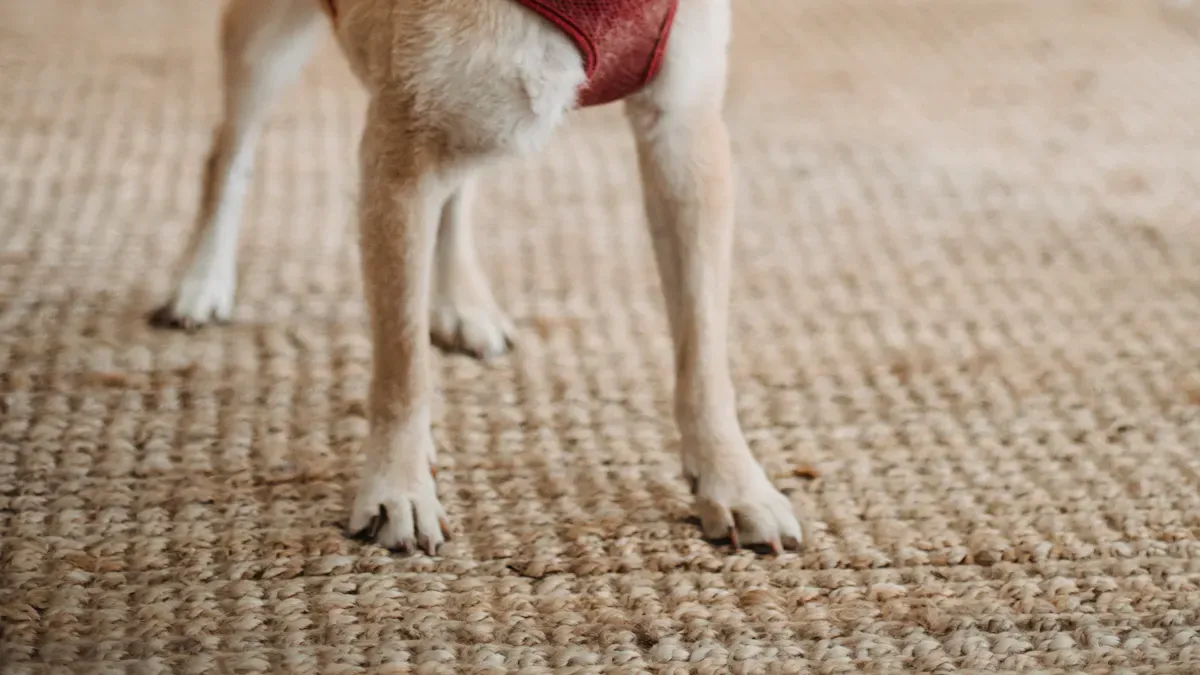
Fit quality can matter more than brace category. Custom options usually offer more precision when limb shape, long-term use, or support demands are higher. Off-the-shelf options may still be useful, but only when the fit remains stable enough for the intended routine.
Here is a table that compares custom and off-the-shelf dog leg braces:
Feature | Custom Dog Leg Braces | Off-the-Shelf Braces |
|---|---|---|
Fit | Higher fit precision when measurements are handled correctly | Standardized sizing with more fit variability |
Comfort | Can improve wear stability when matched well | May be acceptable for simpler or shorter-term use |
Support | Often better for higher support demands | Usually better for lighter or less complex support needs |
Usage | More suitable for demanding or longer-term routines | More suitable for demanding or longer-term routines |
Custom braces often work best for long-term stability or active dogs. Off-the-shelf braces may help with mild injuries or short-term needs.
Slippage and Daily Wear
Daily wear success depends on whether the brace stays aligned without creating rubbing, twisting, or resistance to use. Adjustment range, material tolerance, and strap stability matter more than feature lists by themselves.
Use these checkpoints when evaluating wear practicality:
Accurate measurement and placement
Stable positioning during normal movement
Adjustment points that allow small corrections
Skin tolerance during repeated wear
Structure appropriate to activity level and body size
Dog ACL brace alternatives give you choices for your dog’s joint health and daily stability. You can pick a knee brace that matches your dog’s needs, whether for rehab, support, or comfort.
Fit check rule: if the brace slips, bunches, twists, or leaves repeat pressure marks, treat that as a support failure, not just a comfort issue.
Rehab Use for Torn ACL in Dogs
Post-Op vs. Conservative Rehab
Brace alternatives may be used in both conservative management and post-op rehab, but the support objective is different in each. Conservative use is usually about symptom management and controlled support. Post-op use is usually about protection and staged recovery.
If the case is post-op, brace use should follow the recovery stage rather than a generic wear routine:
Initial Phase (Weeks 1-2): Keep your dog resting. Only let your dog walk on a leash for bathroom breaks. Use cold packs to help swelling go down.
Intermediate Phase (Weeks 2-6): Start gentle therapy. Help your dog move its legs and stand with support.
Advanced Recovery Phase (Weeks 6-12): Add strength exercises. Practice balance and let your dog climb stairs with help.
Late Phase (After 12 Weeks): Slowly return to normal walks and play.
Check for pain, swelling, skin response, and gait quality during every phase. Brace value should be judged by repeatable functional changes, not by assumptions or headline success rates.
If the case is being managed non-surgically, focus on controlled rehab, activity adjustment, weight management, and repeated reassessment. Conservative support outcomes vary widely, so case selection and monitoring matter more than broad percentage claims.
Activity Level and Daily Support
Your dog’s activity level affects the best rehab plan. Active dogs need braces made from strong materials and that adjust well. The right size keeps the brace in place during play or walks. Dogs with mild injuries or older dogs may do well with soft wraps.
Watch your dog’s weight. Too much weight puts stress on the knee and slows healing. A healthy diet and safe exercise help your dog heal faster.
When you compare dog acl brace alternatives, look for these features:
Adjustable straps for a snug fit
Tough materials for active dogs
Designs that fit your dog’s injury and lifestyle
Functional improvement should be tracked through gait quality, tolerance for routine movement, swelling response, and skin condition. That is more useful than relying on a single percentage claim.
Tip: Regular vet visits and a good-fitting brace help your dog recover strong.
Record for 7 days before changing brace type: wear time, walk duration, weight-bearing quality, swelling after activity, skin response, and whether the brace stayed aligned during movement.
Practical Comparison of Dog ACL Brace Alternatives
The practical comparison should stay focused on four variables: support level, fit precision, wear tolerance, and rehab role. That framework is more useful than comparing products by marketing position alone.
Support Level
Support level should be matched to instability level and rehab objective. Custom and casting-based options are more relevant when control demands are higher. OTC and soft-wrap options are more realistic when support needs are lighter or still being evaluated.
Here are the main things to check for support:
Does the brace provide the level of control the case actually needs?
Does the fit stay stable during movement?
Can the routine be maintained consistently?
Does the use case justify higher-control structure?
You can see how support levels compare in this table:
Brace Type | Control level | Fit demand | Wear practicality | Typical role |
|---|---|---|---|---|
Custom | High | High | Moderate to high when fitted well | Demanding support cases, longer-term routines |
Casting-based | High | High | Moderate | Structured rehab and high-support use |
OTC | Moderate | Moderate | Moderate to high | Simpler support needs or evaluation-stage use |
Soft Wraps | Light | Lower | High | Light support, comfort-first routines |
You can read more about support and brace types in the ACL/CCL article and the dog knee brace page.
Fit and Adjustability
Fit is important for the brace to work well. Custom braces use your dog’s size. They fit close and do not move around. Casting braces also fit well, but a vet or therapist must make them. OTC braces come in set sizes. These may not fit every dog just right. Soft wraps are easy to change but can slip when your dog moves.
Custom braces fit your dog and give strong support.
Off-the-shelf braces are easier to get and cost less but do not fit as well.
Custom braces are better for long-term use.
Off-the-shelf braces can be hard to size right.
Check the brace often. Look for rubbing or slipping. Tighten straps to keep the brace snug. Dogs with special legs need extra care for fit.
You can find more tips on fit and adjusting braces on the support page.
Comfort and Materials
Comfort is important for your dog to wear the brace every day. The brace should not hurt or bother your dog. What the brace is made of matters for comfort and how long it lasts. Custom and casting braces use advanced composites and carbon fiber. These are light and strong. OTC braces and soft wraps use neoprene or soft padding. These feel nice but may not last as long.
Here is a table about materials and how they feel:
Material | Impact on Comfort | Impact on Durability |
|---|---|---|
Carbon Fiber | Lightweight, enhances comfort | Highly durable, long-lasting |
Advanced Composites | Provides flexibility and support | Strong and resilient |
Soft Padding | Protects skin, prevents discomfort | N/A |
Check your dog’s skin under the brace. If you see redness, change the fit or try a new material.
Cost and Veterinary Involvement
Cost should be evaluated together with fit precision, support demand, and expected wear duration. Higher-support options usually require more professional involvement because fit quality and setup accuracy matter more.
Veterinary involvement should be treated as part of brace performance, not as an optional add-on. Fit checks, response monitoring, and escalation decisions all affect whether the brace remains clinically useful.
You can learn more about vet help and cost on the support page.
Side-by-Side Comparison Table
Here is a table that compares the main dog ACL brace alternatives:
Brace Type | Support | Fit precision | Daily Wear | Rehab Role | Professional setup need |
|---|---|---|---|---|---|
Custom | High | Excellent | Good | Strong | Required |
Casting | High | Very Good | Good | Strong | Required |
OTC | Moderate | Good | Fair | Moderate | Optional |
Soft Wraps | Light | Fair | Good | Gentle | Optional |
You can use this table to pick the best dog ACL brace for your dog’s joint health and rehab. Each brace type works for different needs, like partial tears, after surgery, gentle rehab, or daily support. You can read more in the ACL/CCL article and the dog knee brace page.
Tip: Always choose a brace that matches your dog’s injury and activity. Ask your vet for help with fit and support.
Mistakes to Avoid When Choosing Dog ACL Brace Alternatives
Overlooking Proper Fit
A big mistake is not checking if the brace fits right. If the dog ACL brace is too loose, it will not help your dog heal. The joint will not get enough support. This can slow down recovery. If the brace is too tight, it can hurt your dog. It might stop blood from moving well. This makes healing harder. The right fit is very important for comfort and healing. Check the brace often and fix it if needed. This stops the brace from slipping or rubbing the skin. A good fit helps the knee stay steady. It also helps your dog heal better, especially with knee pain or non-surgical care.
Ignoring Rehab and Activity Needs
Some owners forget to think about their dog’s activity or rehab needs. Not all braces work the same way. A soft wrap can help with mild arthritis or gentle rehab. But it is not strong enough for a dog that runs or just had surgery. A hinged brace gives more support. It is better for dogs with a partial tear or after surgery. If you pick the wrong brace, your dog may not heal well. The injury could get worse. Make sure the brace matches your dog’s daily life and rehab plan. The right support can lower pain and help your dog move better. But it must fit your dog’s injury and how active they are.
Skipping Veterinary Advice
Another mistake is not asking your vet for help. Your vet knows what your dog needs. They can tell you which brace is best. If you do not ask your vet, you might pick the wrong brace. A brace that is too tight can make it hard for your dog to move. A brace that is too weak will not help the joint. Your vet can help you choose the right support. They will make sure the brace works with your dog’s rehab plan. Your vet can also help you avoid problems like pain or skin rubbing. This helps your dog heal faster.
Next Steps and Further Resources
When to Consult a Vet
You want your dog to heal well and stay comfortable. After you choose an ACL brace alternative, you should follow a clear plan. Here are the steps you can take to help your dog recover:
Rest your dog and limit activity. Avoid running or jumping to protect the injured ligament.
Start physical therapy sessions. These exercises build muscle strength and improve flexibility.
Give nutritional supplements if your vet recommends them. These can support joint health and reduce swelling.
Schedule regular check-ins with your vet. Your vet will monitor your dog’s progress and adjust the plan if needed.
You should watch your dog closely during each phase of recovery. In the first one to two weeks, keep your dog resting and only allow short leash walks for bathroom breaks. In weeks two to four, begin gentle leash walks and add simple therapy exercises. From weeks four to eight, focus on building strength and stability in the injured leg. Over the next three to six months, slowly return your dog to normal activity. Always check for pain or changes in movement. If you see swelling, limping, or your dog refuses to use the leg, contact your vet right away.
Tip: Your vet is your best partner in your dog’s recovery. Never skip check-ups or ignore new symptoms.
Where to Learn More About Dog ACL and CCL Support
You can find many helpful resources if you want to learn more about ACL and CCL support for your dog. Articles on CCL tears explain common symptoms and help you understand treatment options. Guides on dog leg braces show how these devices support and stabilize the knee, especially for dogs that cannot have surgery. Other resources outline the causes of ligament injuries, describe different treatments, and explain what to expect during recovery. You can also read about how CCL dog braces may help your pet heal faster and return to daily activities.
For more details, explore the main dog knee brace category page, the ACL/CCL condition-based support page, and broader educational articles on ligament injuries. These resources give you practical advice and help you make informed choices for your dog’s health.
Note: Always use trusted sources and talk to your vet before making changes to your dog’s care plan.
When you look at dog ACL brace alternatives, remember these important things:
Custom-made braces fit your dog well and give strong support.
Good materials let your dog move without feeling too tight.
Your vet helps make sure the brace fits and works right.
Regular check-ups and slow use help stop problems.
Pick a brace that matches your dog’s injury and recovery plan. Soft wraps are good for mild injuries. Hinged braces help active dogs after surgery.
Always ask your vet before picking a brace. Smart choices help your dog heal and feel better.
FAQ
What type of dog ACL brace works best for a partial tear?
There is no single best alternative for every case. The better option depends on support demand, fit precision, wear tolerance, and whether the brace is being used for daily management or rehab support.
How do you know if a dog knee brace fits correctly?
A custom brace usually makes more sense when support demands are higher, limb shape is harder to match, or the brace is expected to play a longer-term role. It is not automatically better in every case, but it is often more relevant in more demanding ones.
Can a dog wear an ACL brace all day?
A poor fit usually shows up as slipping, twisting, bunching, pressure marks, shortened stride, or refusal to wear the brace calmly. Those signs should trigger reassessment, not just tighter strapping.
What helps stop a dog knee brace from slipping?
Wear time should follow the support objective and veterinary plan. A brace used for conservative support does not always follow the same daily routine as one used within structured rehab.
Do you need a vet to fit a dog ACL brace?
You should involve your vet for the best results. Vets help measure, fit, and adjust the brace. They also guide rehab plans. For custom and casting braces, professional fitting is required.
For follow-up after this comparison, continue only to the most relevant internal paths: use Guides for educational background, Solutions for condition-based support direction, and Products when the case is ready for brace evaluation.