You want your dog to heal and feel good after surgery. Many pet owners worry when regular dog cones make pets uncomfortable. You may see pets have trouble with regular dog cones. About 77% of pet owners say their pet’s life gets worse with these collars. People often worry about:
Pets feeling uncomfortable
Pets not getting used to the cone
Pets getting hurt or irritated
You need dog cone alternatives after surgery to keep your dog safe. The right alternatives can help your dog feel better and move easier. This makes caring for your pet simpler for you. Dog cone alternatives after surgery help your pet feel good and stay safe. There are pet-friendly choices for every pet and situation. Dog cone alternatives focus on comfort and care so your pet can heal. You can find the best choices for active dogs. You can also find good options for dogs with more than one wound. There are elizabethan collar alternatives that fit what you need. Every dog should feel safe and cared for while healing. If you pick the right dog cone alternatives after surgery, you help your pet feel better. Regular dog cones often make pets uncomfortable and hard to move, but alternatives help your pet feel better. Many pet owners now pick elizabethan collar alternatives or other types of cones to help pets heal. Your dog’s comfort and care are very important. Regular dog cones do not always help with this. Look for dog cone alternatives after surgery to help your pet feel good and safe. Regular dog cones may not work for every dog, but the right alternatives can help your pet heal and feel better. Pet owners want the best for their pets, and regular dog cones are not always the best choice. The right dog cone alternatives after surgery can help your dog heal and feel good. Regular dog cones may make your pet stressed, but alternatives focus on comfort and care. Pets need to feel safe and move easily while healing, and regular dog cones sometimes do not help. By picking dog cone alternatives after surgery, you can make sure your pet feels good and safe with every choice.
Key Takeaways
Pick dog cone alternatives that focus on comfort and safety. This helps your pet heal well after surgery. Do the reach test to make sure your dog cannot touch their wound. Your dog should not reach it with their tongue or paw. This step is very important for good protection. Look at your dog’s wound and check the barrier two times each day. Watch for any redness or problems. Finding issues early helps your dog recover faster. Think about different alternatives based on where the wound is. Each type has special benefits for certain injuries. Talk to your vet if you see any healing problems. Ask your vet if your dog keeps getting past the barrier. Getting help from your vet is very important.
Why stopping licking matters after surgery
Licking and wound healing risks
You want your dog to heal quickly and safely after surgery. Licking may seem harmless, but it can cause serious problems for pets. When your dog licks a surgical wound, bacteria from the mouth can enter the incision. This can lead to infection and slow down healing. Veterinary studies show that pet owners often struggle to keep pets from licking wounds, especially when protective collars do not fit well. If your dog licks the wound, you may notice redness or discharge. These signs mean the healing process is not going well. You need to check the wound often and use the right types of barriers to protect it. Good care helps your dog recover and lowers the risk of complications. Pet owners play a big role in making sure pets heal properly. You should always follow your vet’s advice and use the best types of protection for your dog’s wound. Effective healing depends on stopping licking and keeping the wound clean.
Tip: Check the wound twice a day for redness, swelling, or discharge. If you see any problems, call your vet right away.
Why even brief licking is a problem
Even a few seconds of licking can harm your dog’s recovery. Licking can quickly damage the incision and make healing harder. You may think a short lick is not a big deal, but studies show it can cause trouble fast. Here are some risks:
Licking can irritate the incision site, causing inflammation and leading to further infection.
Excessive licking may cause the wound to reopen, complicating the healing process.
Licking can tear sutures, necessitating a return visit to the vet for proper closure.
Pets may develop habits that make it harder for pet owners to provide good care.
Different types of wounds may need special protection to prevent licking.
Pet owners need to use the right types of barriers and check them often. You help your dog heal by stopping licking every time. Good care and attention make post-surgical recovery safer for pets.
The reach test: the one rule for dog cone alternatives
How to do the reach test
You need to make sure your dog cannot reach the wound with their tongue or paw. The reach test helps you check if the barrier works. Start by watching your dog when they try to lick, chew, or scratch the wound. If your dog can touch the wound while wearing the alternative, it does not protect them. You should use the reach test every time you put on a new barrier or adjust the fit.
Steps for the reach test:
Put the cone alternative on your dog.
Watch your dog closely for a few minutes.
Look for any attempt to lick, chew, or scratch the wound.
If your dog’s tongue or paw touches the wound, the barrier fails the test.
Try again with a different fit or a new type of protection.
Tip: Always check the fit with the two-finger rule at the neck. The collar should be snug but not tight.
Signs the barrier is failing
You must know when a cone alternative is not working. Some signs show the barrier does not protect your dog’s wound. If you see these signs, you should act quickly to prevent problems.
Your dog can lick, chew, or scratch the wound.
The cone collapses or bends, letting your dog reach the area.
Your dog shows stress or tries to remove the barrier.
Skin irritation appears around the neck or where the barrier touches.
The wound is not covered, especially if it is on the face, leg, or tail.
Your dog gets anxious or restless while wearing the barrier.
If you notice any of these signs, you should change the barrier or ask your vet for advice. Keeping your dog safe and comfortable helps them heal faster.
Quick reference card: dog cone alternatives after surgery
You want to protect your dog after surgery and make recovery as smooth as possible. Use this quick reference card to help you choose the best options for your pet’s comfort and safety.
Unified Assumptions for All Options
You need to prevent licking, chewing, or scratching at the wound.
Your dog should wear protection for about 10–14 days or until your vet says it is safe to remove.
Always follow your surgeon’s discharge instructions before using any alternatives.
Check the incision site two times each day for signs of trouble.
Remove barriers only for eating or drinking, and supervise your dog closely during these times.
Fit and Safety Checks
Use the two-finger rule for collars. You should fit two fingers between the collar and your dog’s neck.
Perform the reach test. If your dog can touch the wound with their tongue or paw, the option fails.
Watch your dog for stress or attempts to remove the barrier.
Make sure the wound stays covered and clean.
What Not to Do
Do not allow licking, even for a few seconds.
Do not use ointments or sprays unless your vet tells you to.
If stitches or staples come out, call your clinic right away.
Tip: Monitor your dog while they wear any alternative. Some options may offer more comfort, but you must check that they provide enough protection.
Quick Reference Table for Pet Owners
Wound Location | Best Options | Notes on Use |
|---|---|---|
Abdomen (spay) | Recovery suit, soft e-collar | Verify reach test, check fit daily |
Flank/back/side | Recovery suit | Ensure suit stays clean and dry |
Paws/legs/tail/groin | Wraps, boots, head-blocking | Combine types for extra protection |
Face/eyes/ears | Head-blocking collars | Avoid anything that rubs the wound |
You have many dog cone alternatives to choose from. Pet owners often find that combining options gives pets better comfort and care. Try different types until you find what works best for your dog’s recovery. Always put safety first and check your pet often.
Location-by-option table for wound protection
You want to give your pets the best recovery possible after surgery. Choosing the right alternatives for injury protection depends on the wound location. You need targeted protection that matches your dog’s needs and behavior. Pet owners often ask which types work best for each area. You must check the wound and barrier often to keep your dog safe.
Here is a table to help you decide which alternatives work best for each wound location. You can see the best option, common failures, and safer backup choices. This table helps pet owners make quick decisions and improve care.
Wound Location | Best Option | High-Risk Failures | Safer Backup |
|---|---|---|---|
Abdomen (spay) | Recovery suit, soft e-collar | Inflatable collar (donut), loose shirts | Rigid cone, closer fit recovery suit |
Flank/back/side | Recovery suit | Loose shirts, donut collar | Soft e-collar, rigid cone |
Paws/legs/tail/groin | Wraps, boots + head-blocking | Wraps alone, donut collar | Soft e-collar, rigid cone |
Face/eyes/ears | Head-blocking collar | Donut collar, recovery suit | Rigid cone, soft e-collar |
Tip: Always perform the reach test after you put on any alternative. If your dog can touch the wound, switch to a safer option.
Step-by-step decision path for targeted protection
Identify the wound location on your dog.
Choose the best option from the table for targeted protection.
Put the alternative on your pet and check the fit using the two-finger rule.
Watch your dog and do the reach test. Make sure your pet cannot reach the wound with their tongue or paw.
If the alternative fails, switch to the safer backup listed in the table.
Check the wound and surrounding skin twice daily for signs of trouble.
If you see redness, swelling, or disturbed stitches, call your vet.
Worked Example Scenario
Imagine your dog has a spay incision on the abdomen. You try an inflatable collar (donut) for comfort. During the reach test, your dog bends and licks the wound. The donut collar fails to provide targeted protection. You switch to a recovery suit. You check the fit and make sure the suit covers the incision. You watch your dog and see no licking. You check the wound twice a day. If the suit gets loose or dirty, you switch to a soft e-collar or a rigid cone for better injury protection.
When to escalate your care
Pet owners must know when to change alternatives. You should escalate to a different type if:
The wound does not heal as expected.
The skin around the wound looks worse.
Your dog has other medical conditions that slow recovery.
Your pet keeps defeating the barrier.
Note: Collaboration with your vet helps you choose the best targeted protection. Sometimes you need a referral for special wound care.
You play a key role in your dog’s recovery. You must use the right types of alternatives and monitor your pet closely. Good care and targeted protection help pets heal safely and comfortably. Always put safety first and act quickly if you see problems with stitches or wound healing.
Soft e-collars, suits, and inflatable collars: pros and cons
When soft e-collars work
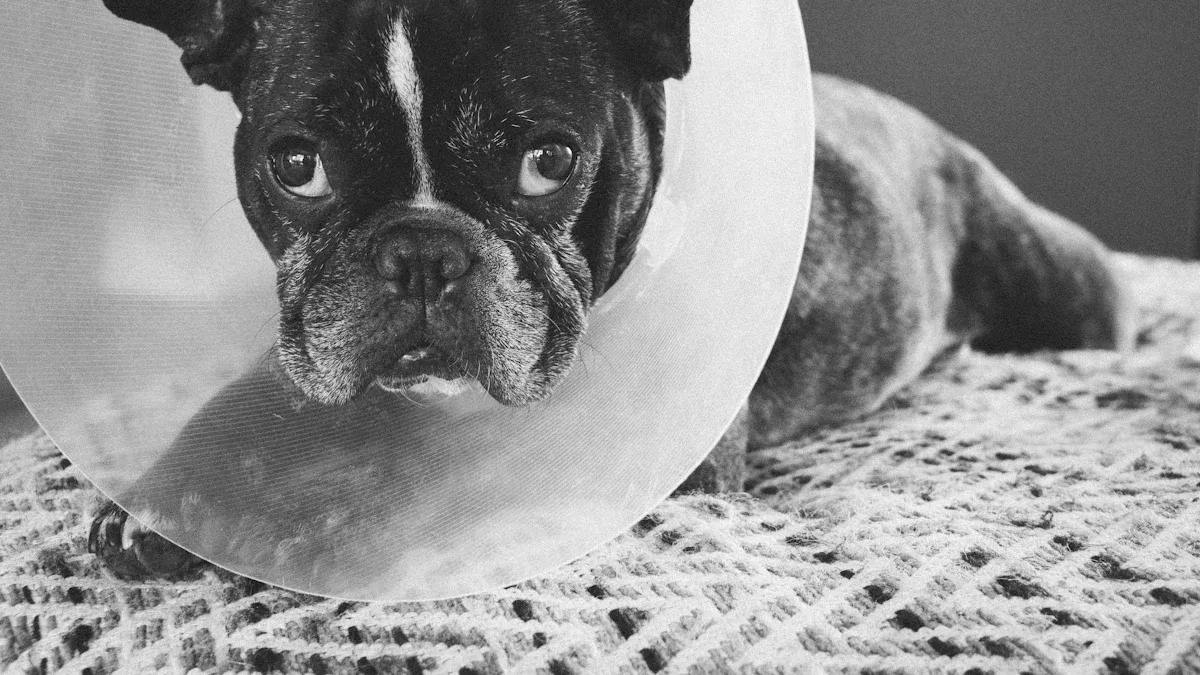
You want your dog to heal and feel safe. Soft e-collars are a gentle choice instead of rigid cones. Many pet owners pick soft e-collars because dogs move easier and feel less upset. These collars stop licking and biting at wounds. This helps your dog recover faster. Vets often suggest soft e-collars after surgery. You can change the size for a better fit. This helps keep the wound safe. Soft e-collars are best for dogs who do not keep trying to reach their wounds. You need to check the fit often. If the collar is too loose, your dog might reach the wound. Soft collars can hold moisture, so keep them clean and dry. Some soft collars do not last as long as rigid cones. Always use the reach test to make sure your dog cannot touch the wound.
Tip: Soft e-collars help with healing, but watch for chewing or pawing. Get a new collar if it gets damaged.
Recovery suits for trunk wounds
Recovery suits cover the body and protect wounds on the chest, back, or belly. Pet owners like these suits because dogs can eat, drink, and play more easily. Recovery suits help dogs feel calm and safe while healing. You can use these suits for trunk wounds if you want less restriction than a cone. Recovery suits work for most dogs, but you must check for wetness inside. If the suit does not fit well, your dog might reach the wound or get rubbed skin. Some dogs can slip out of loose suits. You need to look at the suit and wound two times a day. Recovery suits do not work for every injury, especially on legs or the face. Use other options with recovery suits if your dog tries to get past the barrier.
Recovery suits give comfort and let dogs move.
You must check for heat and wetness.
Use the reach test to make sure the wound is safe.
Inflatable collars: comfort vs. protection
Inflatable collars are made for comfort and let dogs see better. Pet owners often choose these collars for dogs who hate cones. Inflatable collars work best for wounds on the upper body. You can make them firmer for a better fit. These collars do not block your dog’s view, so they move around more. But inflatable collars may not protect flexible dogs or wounds on legs. If the collar does not fit right, your dog might reach the wound. Some dogs chew or pop the collar, which makes it less safe. Inflatable collars do not work for wounds on the face or ears. You must check the collar often and use the reach test. If your dog gets past the collar, try another option for better care.
Type of Collar | Advantages | Disadvantages |
|---|---|---|
Soft e-collars | Comfortable, less scary, easy to move in, can adjust size | Not as strong, not good for stubborn dogs, needs cleaning, protection changes |
Inflatable collars | Comfortable, easy to move and see, can adjust firmness, lasts longer | Not much protection, can be chewed or popped, not for face or ear wounds, fit problems |
Recovery suits | Covers whole body, comfortable, lets dogs move, helps dogs feel calm | Not for every wound, can get too hot, needs cleaning, some dogs escape |
Note: Always check the fit and dryness for every type. Do not trust any product too much. If you see a problem, change the collar or ask your vet for help.
Wraps, boots, and sleeves: limb and tail recovery
Bandages and boots for paws and legs
You want your dog to heal well after surgery. Pet owners often look for alternatives that protect paws and legs while keeping pets comfortable. You can use bandages, wraps, and boots to cover wounds and prevent licking. These types of protection work best when you measure your dog’s paw for a proper fit. A good fit helps keep the bandage clean and dry. Many pet owners choose the Medipaw protective boot because it keeps wounds safe during recovery. The VetMedWear boot uses softshell, water-resistant, and breathable materials. These features help pets stay comfortable and active. You should check the boot often to make sure it stays in place. If the boot slips or gets wet, change it right away. You must watch for signs of irritation or swelling. Pet owners need to use boots and wraps as directed by their vet. Always follow safety tips and check the wound twice a day.
Recommended types of boots and wraps:
Medipaw protective boot: keeps bandages dry and clean
VetMedWear boot: softshell, water-resistant, breathable
Measure your dog’s paw for the correct size
Tip: Use traction aids if your dog slips on smooth floors. This helps pets move safely during recovery.
When head-blocking is still needed
Some dogs can remove wraps or boots, even with a good fit. Pet owners may need to use head-blocking collars along with other alternatives. You should watch your dog closely, especially if they try to chew or pull off the protection. If your pet keeps reaching the wound, add a soft e-collar or a rigid cone. This extra layer of care helps prevent licking and chewing. You can also use sleeves for limb wounds. These types of sleeves, like the Lick Sleeve or bilateral suits, offer comfort and mobility. They protect wounds from mud, scratches, and bites. The K9 TailSaver works well for tail injuries and allows easy access for cleaning. Recovery suits cover more body parts and help anxious pets feel calm.
Product Name | Description | Key Features |
|---|---|---|
K9 TailSaver | For tail injuries | Padded, breathable, machine washable |
Lick Sleeve | For rear leg wounds | Unrestricted movement, protects from scratches |
Recovery Suit | Covers body, calms pets | Designed for post-surgery care, lowers infection |
Rear Bilateral Suit | Protects both hind legs | Sure-fit, smooth recovery |
Front Bilateral Suit | Protects both front legs | Durable, prevents irritation |
Pet owners should always check the fit and dryness of wraps, boots, and sleeves. You must use the reach test to make sure your dog cannot touch the wound. If your pet defeats every alternative, talk to your vet for safer options. Good care and the right types of protection help pets recover with comfort and safety.
Fit and failure modes table for dog cone alternatives
You want your dog to heal with comfort and safety. Pet owners often try different types of alternatives to help pets during recovery. Each option needs a proper fit to give the best protection. You should always check the fit and watch for signs that the barrier is not working. This helps you give the best care and keeps your pets safe.
Use the table below to see how to check the fit, spot common problems, and fix them for each type of alternative. This table helps pet owners make quick decisions and improve comfort for their pets.
Option | Fit Check | Common Failure Mode | Fix |
|---|---|---|---|
Soft e-collars | Two-finger rule at neck, reach test | Collar too loose, dog reaches wound, collar collapses | Tighten collar, switch to firmer type, check reach test again |
Inflatable collars | Two-finger rule, reach test | Dog bends to reach wound, collar deflates or pops | Add head-blocking, replace collar, try another type |
Recovery suits | Suit covers wound, snug but not tight | Suit too loose, dog slips out, wound exposed | Adjust fit, use backup collar, check suit twice daily |
Wraps/boots | Wrap snug, covers wound, not too tight | Dog removes wrap, wrap gets wet, swelling | Add head-blocking, rewrap, keep dry, check paws often |
Rigid cones | Two-finger rule, reach test | Cone cracks, dog gets around edge, cone too short | Replace cone, use longer cone, check for damage |
How to use fit checks:
Always use the two-finger rule for collars. You should fit two fingers between the collar and your dog’s neck.
Do the reach test every time you put on a new alternative. Watch your dog try to reach the wound.
Check for comfort by watching your dog’s movement and behavior.
Tip: If you see your dog licking, chewing, or scratching, the alternative is not giving enough protection. Try another type or adjust the fit right away.
Pet owners should check all types of alternatives at least twice a day. This helps you spot problems early and keep your pets safe during recovery. Good care and the right fit give your dog the best chance for comfort and healing.
Red-yellow-green escalation table: what to do if your dog defeats every option
You want your dog to heal and feel safe. Sometimes, pets get past every barrier you use. You need a simple plan to keep wounds safe and help recovery. Pet owners often worry when nothing works. The red-yellow-green escalation table can help you know what to do next. This table shows when to change types, fix the fit, watch your dog more, or call your vet.
Zone | Action Trigger | What You Should Do | Goal |
|---|---|---|---|
🟢 Green | Barrier passes reach test, wound stays protected | Keep using current alternative, check fit twice daily | Maintain comfort and protection |
🟡 Yellow | Dog defeats barrier once, tries to lick or chew | Swap to a different type, adjust fit, add supervision | Restore protection and comfort |
🔴 Red | Dog defeats every alternative, wound exposed, stitches disturbed, or signs of infection | Call your vet right away, follow professional advice | Ensure safety and proper recovery |
Watch your dog closely while they heal. If your dog gets past the barrier, act quickly. Try new types for better comfort and safety. Fix the fit and do the reach test each time. If your dog keeps getting past barriers, watch them more when they are awake. You might need to use more than one type for extra help.
Note: If you see bleeding, swelling, or missing stitches, call your vet. Do not wait for problems to get worse.
Pet owners help pets heal by picking the right alternatives and checking them often. Use this table to make fast choices and keep your dog safe. Good care and comfort help your dog heal and stay protected.
Checklist: pass the reach test for recovery
You want your dog to heal with comfort and safety. Pet owners need a simple checklist to confirm that their chosen alternatives provide enough protection for pets during recovery. Use this step-by-step guide to help you make the best decisions for your dog’s care.
Step-by-step checklist for pet owners:
Choose the right types of alternatives for your dog’s wound location. Review the options that offer comfort and protection.
Put the alternative on your dog. Make sure it fits well and does not cause stress.
Use the two-finger rule at the neck for collars. You should fit two fingers between the collar and your dog’s neck.
Watch your dog for a few minutes. Look for any attempts to lick, chew, or scratch the wound.
Perform the reach test. If your dog can touch the wound with their tongue or paw, the alternative fails.
Check the wound and surrounding skin for redness, swelling, or discharge. Good care means checking twice daily.
If the alternative fails the reach test, switch to another type. Try a safer option that gives more comfort and protection.
Monitor your dog for signs of discomfort or stress. Pet owners should look for changes in behavior or movement.
Keep the alternative clean and dry. Wet or dirty types may not provide enough protection.
Call your vet if you see bleeding, missing stitches, or signs of infection. Pet owners should never wait if they notice problems.
Tip: Set a reminder to check your dog’s wound and barrier every morning and evening. Consistent care helps pets recover with comfort and safety.
Pet owners play a key role in recovery. You must use the reach test every time you change alternatives. If your dog defeats the barrier, act quickly to restore protection. Good care and the right types of alternatives help pets heal and stay comfortable.
FAQ
Keep answers short and safety-first
What are the most common questions pet owners have about cone alternatives after surgery?
Why should you consider alternatives for your dog?
What problems do traditional cones cause for pets?
What types of alternatives can you use for recovery?
How do you pick the right option for your dog?
Why do some pet owners choose special products like sleeves?
Why should you look for alternatives to the traditional cone?
You want your dog to heal with less stress. Many pet owners notice that traditional cones can lower comfort and make daily care harder. Alternatives often let pets eat, sleep, and move with less trouble.
What are the drawbacks of regular cones?
Regular cones can block your dog’s view and make it hard to eat or drink. Some pets feel anxious or bump into things. Pet owners often see less comfort and more stress during recovery.
What types of alternatives can you use for your dog’s recovery?
You can use soft e-collars, inflatable collars, recovery suits, wraps, boots, and sleeves. Each type offers different levels of comfort and protection. Pet owners should always check that the option fits well and keeps pets safe.
How do you choose the right alternative for your dog?
Start by looking at the wound location. Think about your dog’s size and habits. Try the reach test to make sure your dog cannot touch the wound. Pet owners should check the fit and comfort every day.
How do you keep your dog safe during recovery?
Check the wound and barrier twice daily. Watch for licking or chewing. If your dog gets past the barrier, switch to another type. Pet owners should call their vet if they see swelling, bleeding, or missing stitches.
Always put your dog’s safety first. Good care and the right alternatives help pets heal with comfort and protection.
You help your dog heal by choosing the right alternatives for each wound location and behavior. Pet owners improve recovery when they match types of protection to their pets’ needs. Passing the reach test keeps wounds safe and supports healing. Use the tables and checklists for quick decisions and better comfort. If you notice problems or your dog’s healing slows, consult your vet for care. Most pet owners see their pets recover well with proper protection, daily inspection, and gentle activity. You give your dog comfort and safety during healing.