
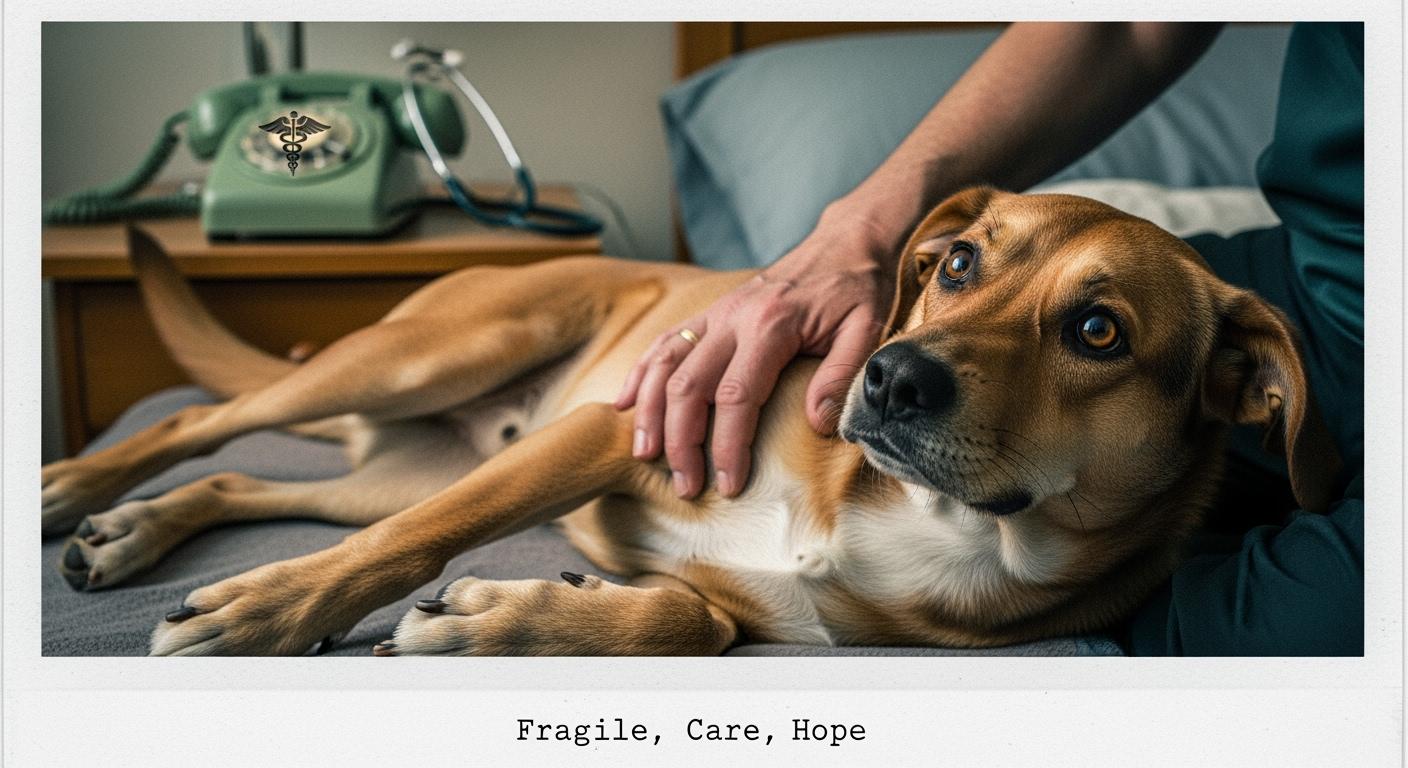
If your dog is dragging the back legs, suddenly knuckling, scuffing the paws, stumbling, or unable to stand, stop normal activity and contact a veterinarian. These signs can come from a spinal, neurological, orthopedic, or other medical problem, and the cause cannot be confirmed safely at home. Keep your dog calm, prevent unnecessary movement, and ask the clinic how to transport your dog without twisting the back or allowing a fall.
Emergency note: Go to an emergency veterinary clinic promptly if the weakness appeared suddenly, your dog cannot stand or walk, shows severe pain, loses bladder control, cannot urinate, has been injured, or is getting worse quickly.
Key takeaways
- Back-leg dragging is a sign, not a diagnosis. Do not assume it is arthritis, IVDD, or simple weakness.
- Sudden loss of movement, severe pain, trauma, inability to urinate, or rapid worsening requires urgent veterinary care.
- Limit movement while arranging care. Do not make your dog walk to test the legs and do not twist or stretch the back.
- Support equipment is not a substitute for diagnosis. A sling, harness, brace, or paw aid should be selected only after the support need is clear.
- Record when the problem started and any changes in pain, walking, urination, bowel control, appetite, or behavior for the veterinary team.
Dog dragging back legs: when is it an emergency?
Dragging can look different from one dog to another. Some dogs scrape the nails or walk on the top of a paw. Others cross the back feet, sway, fall, or cannot support any weight. The speed of change and the presence of pain, trauma, or bladder problems help determine how urgently your dog needs care.
| What you observe | Recommended response |
|---|---|
| Sudden inability to stand or walk | Contact an emergency veterinary clinic immediately. |
| Severe pain, crying, trembling, rigid posture, or distress when moved | Seek urgent veterinary care and minimize handling. |
| Cannot urinate, repeatedly strains without producing urine, or suddenly loses bladder control | Treat as urgent and contact an emergency clinic. |
| Weakness after a fall, collision, bite, or other trauma | Keep the body supported and seek emergency care. |
| New paw dragging or stumbling while still able to walk | Restrict activity and contact your veterinarian promptly for guidance. |
| Gradual weakness that is not rapidly worsening | Arrange a veterinary examination; do not rely on home diagnosis or support gear alone. |
Red flags to report
- The problem began within minutes or hours.
- Your dog cannot rise, repeatedly collapses, or drags both back legs.
- The paws knuckle under, the nails scrape, or the legs cross while walking.
- Your dog cries, pants, trembles, guards the back, or resists being touched.
- There is new urine leakage, difficulty urinating, loss of bowel control, or a swollen abdomen.
- The weakness followed trauma or is rapidly becoming worse.
What to do right now
- Stop walking and stair use. Do not ask your dog to walk farther to see whether the problem improves. Block access to stairs, furniture, and slippery floors.
- Call your veterinarian or emergency clinic. Explain when the problem began, whether one or both legs are affected, whether your dog can stand, and whether pain or bladder changes are present.
- Keep movement controlled. Let your dog remain in a comfortable position while you prepare for transport. Avoid bending, stretching, massaging, or testing the spine and legs.
- Prepare a supported transfer. Ask another person to help with a medium or large dog. Support the chest and pelvis together so the body does not swing or twist.
- Record useful details. Note the time of onset, recent falls or activity, current medications, urination, bowel movements, appetite, and any change in pain or coordination.
How to move a dog with weak or dragging back legs
The safest method depends on your dog’s size, pain level, and the suspected problem. Follow the clinic’s transport instructions whenever possible. The goal is to prevent falls and avoid unnecessary bending or twisting.
For a small dog
Keep the body level while supporting the chest and hindquarters. Place the dog in a secure carrier or on a stable padded surface if the clinic advises it. Do not let the back end hang unsupported.
For a medium or large dog
Use two people when available. One person supports and guides the front of the body while the other supports the pelvis and hindquarters. A folded blanket may help as a temporary stretcher when the dog cannot walk, but move slowly and follow veterinary instructions if trauma or severe pain is present.
| Do | Do not |
|---|---|
| Support the front and rear of the body together. | Pull the dog by the legs, collar, or tail. |
| Use a second person for better control. | Force the dog to walk to the vehicle. |
| Keep the route clear and the floor nonslip. | Twist the spine or let the hindquarters swing. |
| Stop if handling causes marked distress. | Massage, stretch, or manipulate the back before diagnosis. |
What not to do before the veterinary examination
- Do not wait for sudden paralysis or rapidly worsening weakness to resolve on its own.
- Do not give human pain medicine or leftover medication unless a veterinarian specifically directs you to do so.
- Do not perform home tests for pain sensation, reflexes, or spinal movement.
- Do not begin a fixed crate-rest, exercise, massage, or rehabilitation schedule without a diagnosis and individualized veterinary plan.
- Do not use a brace or lifting device to delay veterinary assessment.
Why a dog may drag the back legs
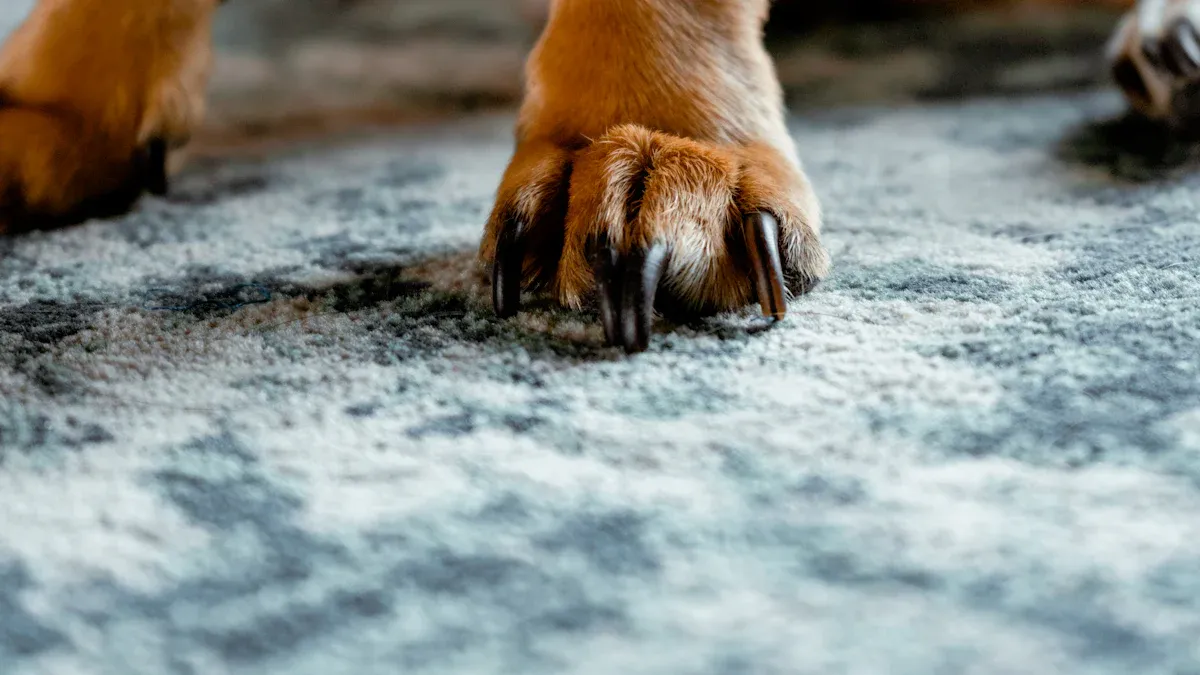
Back-leg dragging can result from different problems that require different treatment. Possible categories include spinal cord or nerve disorders, orthopedic pain or injury, muscle weakness, trauma, and other systemic illness. The appearance of the gait alone does not confirm the cause.
For example, IVDD can cause pain, knuckling, weakness, or paralysis, while degenerative conditions may progress more gradually. Joint or soft-tissue pain can also make a dog avoid normal weight bearing. Because these patterns can overlap, the veterinarian needs the history and physical examination before recommending treatment or mobility equipment. For more detail on safe movement after an IVDD diagnosis, see the IVDD lift-harness and controlled-movement guide.
What the veterinary team may evaluate
The examination usually begins with the timeline and the pattern of weakness. The veterinarian may observe standing and walking if it is safe, check the limbs and spine, assess neurological responses, and look for pain or trauma. Additional testing depends on what the examination shows and may include laboratory work or imaging.
Useful information to bring includes:
- A video of the gait taken before movement became unsafe.
- The exact time the dragging or weakness began.
- Whether the signs are constant, intermittent, or worsening.
- Any fall, collision, rough activity, surgery, or known spinal problem.
- Changes in urination, bowel control, appetite, or behavior.
- A current medication and supplement list.
Mobility support after the cause is assessed
After the veterinary team identifies the likely cause and sets activity limits, mobility equipment may help with a specific task. The correct option depends on whether the dog needs rear-only lifting, full-body balance, trunk support, or paw protection.
| Support option | Possible role after veterinary guidance | Main limitation |
|---|---|---|
| Rear-lift harness | Assists the hindquarters during short transfers or bathroom trips when the front legs remain stable. | Does not control the front end or stabilize the spine. |
| Full-body lift harness | Provides broader control when both balance and weight distribution need support. | Requires correct strap adjustment and may be unnecessary for rear-only support. |
| Back brace | May provide trunk support in selected cases when a veterinarian considers bracing appropriate. | Does not replace diagnosis, rest instructions, surgery, or rehabilitation. |
| Paw protection or a knuckling aid | May reduce scraping or help manage a specific paw-position problem. | Does not treat the underlying neurological cause and requires frequent skin checks. |
For a practical comparison of rear-only and full-body lifting, review the dog lift harness selection guide. If trunk support is being considered after assessment, the dog back support brace guide explains the difference between spinal support and lifting assistance.
Stop using any support device and contact the veterinary team if your dog shows more pain, increased weakness, breathing difficulty, skin injury, or a sudden change in bladder or bowel function.
FAQ
Why is my dog suddenly dragging the back legs?
Sudden dragging may be associated with spinal, neurological, orthopedic, traumatic, or other medical problems. The sign alone cannot identify the cause. Sudden loss of walking ability or rapid worsening should be treated as an emergency.
Should I make my dog walk to test the legs?
No. Repeated walking can increase the risk of falling and may add unnecessary movement before the problem is assessed. Keep activity controlled and follow the clinic’s transport instructions.
Can I use a towel or sling to move my dog?
A temporary support under the hindquarters may help prevent a fall during a necessary transfer, but it does not stabilize every part of the body. Ask the veterinary clinic how to move your dog, especially when severe pain, trauma, or possible spinal injury is present.
Is paw knuckling the same as back-leg paralysis?
No. Knuckling describes abnormal paw placement, while paralysis means loss of voluntary movement. Both can occur with neurological problems and should be evaluated, particularly when they begin suddenly or worsen.
How long should crate rest last?
There is no single safe duration for every dog. Activity restrictions depend on the diagnosis, severity, treatment, and veterinary plan. Do not use a generic online timeline in place of individualized instructions.
Can a harness or brace fix back-leg dragging?
No support device diagnoses or cures the underlying cause. Equipment may assist a defined movement or support task after veterinary assessment, but it should not delay urgent care or replace treatment.
Dog dragging back legs deserves prompt attention, even when the dog can still stand. Restrict unsafe movement, report red flags clearly, and let the veterinary examination determine whether the next step is emergency treatment, diagnostic testing, controlled rest, rehabilitation, or carefully selected mobility support.
