
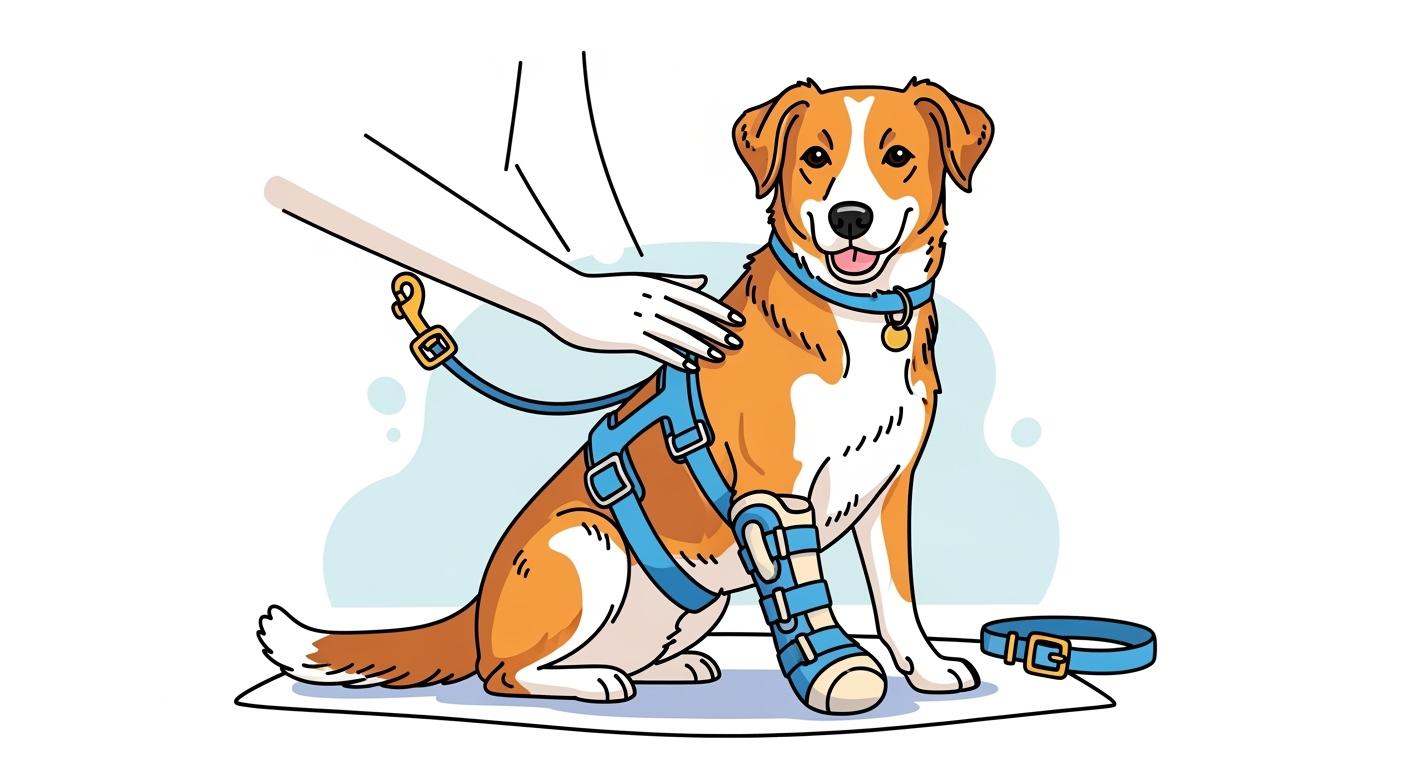
You want your dog to be active and feel good, even if their front leg needs help. A dog front leg brace can help with many problems. It can help with hyperextension injuries from sudden accidents. It can help with sprains after your dog slips. It can help with arthritis that makes joints stiff. It can also help with growth deformities in young dogs. You can find braces for the carpal, elbow, or whole front leg. Picking the right fit, comfort, and safety for your dog is not hard.
Key Takeaways
Find out where your dog is hurt. This helps you pick the right brace. It could be for the carpal, elbow, or the whole front limb.
Choose a brace made from strong materials like neoprene. It should be comfortable and flexible. Make sure it fits well but does not stop blood flow.
Check your dog’s skin under the brace often. Look for irritation or redness. Take off the brace when your dog rests. This helps your dog heal.
Ask your veterinarian for advice. They can help you pick the best brace and support. They know what your dog needs.
Watch your dog to see if the brace feels good. Change the brace if needed. Make sure it supports your dog but lets them move naturally.
Dog Front Leg Brace Overview
A dog front leg brace is a general term. People use it for carpal, elbow, or front-limb support. Some dogs need help at the wrist. Others need support at the elbow or the whole front leg. You should know which part needs help before you pick a brace. If you want more information, check a pillar-style brace guide or look at pages for certain injuries.
Types of Braces
Dog front leg braces come in different styles. There are custom-made braces, wraps you can adjust, and orthotics for special needs. Most braces use mesh or nylon. They are simple to clean. Here is a table with some popular choices:
Product Name | Description |
|---|---|
Custom Thera-Paw Carpal Brace | Custom-made soft brace with stabilizing components |
LABRA DOG FRONT LEG BRACE | Canine wrist support for healing and comfort |
DOGLEGGS FRONT LEG CARPAL SUPPORT | Made based on your dog’s measurements |
WIMBA ORTHOTICS | Adjustable wrist and ankle supports |
MY PET’S BRACE | Custom leg orthotics and prosthetics |
HERO DOG ORTHOTICS | Helps your dog return to activity |
Carpo-Flex-X | Customizable brace with stability straps |
Carpo-Flex Sports Wrap | Flexible brace with light support |
Carpo-Flex-X Mini | Moderate support for small pets |
Carpo-Flex Sports Wrap Mini | Light support for small pets |
Support Areas: Carpal, Elbow, Front Limb
You need to match the brace to the right spot. Carpal braces hold the wrist steady and help with pain or hyperextension. Elbow braces are stiff and help with arthritis or elbow injuries. General front-limb braces cover both joints and help weak legs. Here is a quick chart to compare:
Brace Type | Design Features | Functionality |
|---|---|---|
Carpal Braces | Supports carpal joint, allows natural paw placement | Stabilizes wrist, reduces pain, improves mobility |
Elbow Braces | Rigid support, jointed or non-jointed | Supports elbow, reduces discomfort, improves movement |
General Front-Limb | Covers carpal and elbow, tailored for joint issues | Provides stability for multiple injuries |
When Braces Help
Dog front leg braces help with many problems. You can use them for angular limb deformity, carpal hyperextension, elbow dysplasia, ligament tears, or arthritis. Braces keep the leg steady and help muscles heal. They can make recovery faster for small injuries and help your dog get back to normal. Studies show braces help dogs move better and feel happier. They also stop wounds from casts and sometimes mean your dog does not need surgery.
Tip: Always ask your vet if your dog has a lot of pain or cannot walk. Braces work best for small or medium injuries.
FAQ
Q: How do I know which brace my dog needs?
A: Look at the spot that hurts. If your dog limps at the wrist, try a carpal brace. If the elbow is weak, use an elbow brace. For weak legs, pick a front-limb brace.
Q: Can a dog front leg brace replace surgery?
A: Braces help with small injuries and healing. Bad injuries may still need surgery or a vet.
Q: Where can I learn more about brace fitting?
A: Check our pillar-style brace guide or look at pages for certain injuries to get more tips.
Key Features for Choosing a Brace
When picking a dog front leg brace, you want your dog to be safe, comfy, and able to move. The right brace helps your dog heal and enjoy life. Here are the top things to think about:
Material and Durability
The material matters for how long the brace lasts and how well it works. You want a strong brace if your dog is active.
Material | Durability | Flexibility | Waterproof | Comfort |
|---|---|---|---|---|
Neoprene | High | High | Yes | Soft |
Non-neoprene | Moderate | Moderate | No | Varies |
Neoprene is a favorite for many braces. It bends easily and feels soft. It also keeps water out, which is good for outdoor dogs. Nylon and polyester blends make the brace stronger. Some braces, like the Labra Dog Knee Brace, last a long time. Others, like the Balto Bone, use non-neoprene for more support but do not make the leg stiff.
Tip: If your dog runs a lot, pick a brace with a lining that keeps skin dry. This helps stop itching and rubbing.
Support Level
You need to match the support to your dog’s problem. Some braces give light help for small sprains. Others are firm for joint pain or weak legs. Neoprene braces are warm and squeeze gently, which helps swelling and pain. Hard braces or ones with molded parts give more support for bad injuries.
Material Type | Benefits | Considerations |
|---|---|---|
Neoprene | Great for warmth, bending, and gentle pressure—good for active dogs. | Make sure it has a lining that keeps skin dry. |
Nylon & Polyester Blends | Strong and tough in spots that hold weight. | |
Adjustable Straps | Let you change the fit and take the brace off easily. | Stay away from cheap plastic that can rub skin. |
Ask your vet if you do not know how much support your dog needs.
Sizing and Adjustment
A good fit is very important for any dog front leg brace. You must measure your dog’s leg the right way. Most braces have straps or panels you can adjust.
Ortho Dog braces fit many breeds and sizes.
You need to measure your dog carefully to get the right size.
Most braces let you change the fit for comfort.
Check often to make sure the brace does not hurt or fit wrong.
Use a soft tape to measure your dog’s leg. Wrap it around the spots shown in the brace guide. The brace should sit in the right place. Even a good brace will not work if it is put on wrong.
Adjustment Feature | Description |
|---|---|
Velcro® straps | Many straps let you make the brace tighter or looser. |
Flexible support panels | Light, shaped parts you can move for better fit. |
Growth accommodation | Braces that change size as your dog grows. |
Note: If your dog is still growing, pick a brace that can get bigger too.
Comfort and Skin Safety
Comfort is just as important as support. If the brace hurts, your dog will not want to wear it. A snug brace stays in place and helps more. Soft edges and good padding stop rubbing and make the brace feel better.
Owners say their dogs walk better when the brace is comfy.
Soft edges and padding make custom braces nicer and stop rubbing.
A snug fit gives extra help, which is important for healing.
To keep your dog’s skin safe:
Look under the brace every day for red spots or sores.
Keep the fur under the brace clean and dry.
Use braces with soft edges and good padding.
Make straps tight enough but not too tight.
Alert: Most problems with braces come from skin getting sore. Always check for rubbing or red spots.
Quick FAQ
Q: How do I know if the brace fits right?
A: The brace should not slide. Your dog should walk fine and not limp or rub.
Q: Can my dog wear the brace all day?
A: Most dogs can wear a brace when active. Take it off at night or when your dog rests. Always check the skin for problems.
Q: What if my dog is between sizes?
A: Pick the size that matches the main measurement. Use the adjustment parts to make it fit well. Ask the company or your vet if you are not sure.
Measuring and Fitting the Brace
How to Measure
You need accurate measurements to choose the right dog front leg brace. Start with your dog standing or lying on its side. Use a cloth measuring tape. Keep the tape flat and snug against the leg, but do not squeeze the skin.
Measure the circumference halfway between the knee and groin.
For height, measure from the floor to the top of the hip.
Take clear photos of each measurement for reference.
Make sure the opposite leg is flat if your dog is lying down.
You can also measure specific leg segments:
Measure thigh length from the groin to the knee cap.
Measure knee length from the knee to the tibial tuberosity.
Measure tibia length from the knee to the back of the hock.
Tip: Double-check your measurements before ordering. Accurate numbers help you avoid sizing mistakes.
Proper Positioning
Positioning the brace correctly helps your dog move comfortably and heal faster. Align the brace with the area that needs support. Make sure the brace covers the joint or limb as intended.
Benefit | Description |
|---|---|
Limited Range of Motion | Prevents hyperextension, allows normal walking flexion. |
Stability During Healing | Immobilizes the joint, supports healing tissues. |
Support for Weak Areas | Provides external support for weak structures. |
Pain Reduction | Limits painful movement, reduces discomfort. |
A well-fitted brace stabilizes the joint. It reduces unnecessary movement and strain. Your dog feels more secure and can walk with less pain.
Secure Fit
A secure fit keeps the brace in place without restricting circulation. You should be able to slide one or two fingers under the straps. The brace should feel snug but not tight.
Check for areas where the brace might rub the skin.
Make sure the brace allows the prescribed range of motion.
Observe your dog for signs of discomfort or irritation.
Perform regular checks to ensure the brace stays properly fitted.
Follow these steps for a secure fit:
Position the brace on your dog’s leg, aligning it with the support area.
Fasten the straps snugly, but avoid overtightening.
Adjust for comfort and mobility.
Ensure your dog can move without restriction.
Check the fit often and make adjustments as needed.
Note: Comfort matters as much as support. A well-fitted brace helps your dog heal and stay active.
FAQ
Q: How tight should the brace be?
A: The brace should be snug, but you must be able to slide a finger or two under the straps.
Q: What if my dog seems uncomfortable?
A: Check for rubbing or tight spots. Adjust the straps or reposition the brace.
Q: How often should I check the fit?
A: Check daily, especially during the first week of use.
Care, Comfort, and Common Mistakes
Skin Checks
You should check your dog’s skin every day when using a front leg brace. Look for red spots, swelling, or any signs of irritation under the brace. Clean and dry the area under the brace to help prevent infections. If you see any sores or your dog licks the spot often, remove the brace and let the skin breathe. Add extra padding if you notice rubbing. A clean, dry brace helps your dog stay comfortable and safe.
Tip: Start with short wear times and slowly increase them. This helps your dog get used to the brace and lowers the risk of skin problems.
When to Remove
You should remove the brace during sleep and rest breaks. This gives your dog’s skin time to breathe and helps prevent pressure sores. Take off the brace if you see swelling, redness, or if your dog seems uncomfortable. Give your dog gentle massages during breaks to help with blood flow and healing. Always make sure the brace is dry before you put it back on.
Remove the brace at night.
Give breaks during the day.
Clean the brace with mild soap and water.
Dry the brace fully before using it again.
If your dog keeps showing signs of discomfort, talk to your veterinarian. You can also find more tips on our solution pages for carpal, elbow, or general front-leg support.
Mistakes to Avoid
Many pet owners make simple mistakes when using a dog front leg brace. Here are the most common ones:
Mistake | Explanation |
|---|---|
Not monitoring fit frequently | Check the fit every 2-3 hours at first to prevent discomfort and ensure support. |
Failing to give breaks | Dogs need breaks from the brace for comfort and to help healing. |
Ignoring swelling | Watch for swelling, especially after switching from a cast to a brace. |
You should also avoid leaving the brace on a wet or dirty leg. Do not make the straps too tight. Watch for signs like limping, licking, or changes in how your dog walks. Adjust the brace if needed. If problems continue, contact your vet.
Note: Regular checks and good hygiene keep your dog safe and happy.
Quick FAQ
Q: How often should I check my dog’s skin under the brace?
A: Check daily, especially during the first week.
Q: Can my dog wear the brace all day?
A: No. Remove it at night and during rest breaks.
Q: What if I see swelling or redness?
A: Take off the brace and let the skin rest. Contact your vet if it does not improve.
For more help, visit our solution pages for carpal, elbow, or front-limb support.
Specific Support Needs
Carpal vs. Elbow vs. Limb Support
You need to pick the right brace for your dog’s injury. Carpal, elbow, and front-limb injuries all need different support. The table below shows how they are not the same:
Injury Type | Support Needs | Treatment Options |
|---|---|---|
Carpal Injuries | Joint stabilization, exercise restriction | Dog wrist wraps, anti-inflammatory meds, hydrotherapy |
Elbow Injuries | Joint support, pain management | Elbow braces, physical therapy, surgery if needed |
General Front-Limb Injuries | Varies; may need multiple supports | Splints, rest, pain relief, supportive devices |
You can tell if your dog needs a brace by watching how they act. Limping, not wanting to move, or getting tired fast are signs. Your dog might bite or lick a sore spot. Sometimes your dog walks funny or does not want to jump. You might hear a click in the joint or see your dog hold up a leg.
Tip: Not all braces fit every injury. Carpal braces are best for wrist problems. Elbow braces help with joint pain. General limb braces help weak legs but may not work for every injury.
When to Consult a Vet
You should talk to your vet before using a brace if your dog has a broken bone, a bad dislocation, or a new injury. Braces do not replace emergency care. Using the wrong brace can hurt your dog or make the skin sore.
Broken bones need a vet right away.
Bad dislocations must be checked by a vet.
New injuries mean you should see your vet soon.
If you see swelling, redness, or pain, take off the brace and call your vet.
Alert: Always ask your vet if you are not sure about the injury or which brace to use.
Next Steps
After you pick a dog front leg brace, you need to help your dog get better. Try these steps:
Keep your dog’s weight healthy to help the joints.
Take short, easy walks for safe exercise.
Physical therapy can help your dog heal faster.
Use medicine or supplements to lower swelling.
Make your home safer with non-slip floors and ramps.
Note: Taking good care of your dog and checking often helps them heal and feel better.
FAQ
Q: How do I know which brace my dog needs?
A: Watch for limping, not wanting to move, or joint pain. Pick the brace that matches the sore spot.
Q: Can I use a brace for any injury?
A: No. Braces do not help with broken bones, bad dislocations, or new injuries. Always ask your vet.
Q: What else helps my dog recover?
A: Keeping your dog at a good weight, gentle walks, physical therapy, and making your home safer all help your dog heal.
You can help your dog feel better with the right front leg brace. Start with a veterinary check. Choose the correct size and follow fitting instructions. Watch your dog’s comfort and check the skin every day. An ill-fitting brace can cause irritation, so regular checks matter. Clean the brace often and keep a journal of your dog’s progress.
Quick Checklist for Success:
Get a veterinary diagnosis
Order the correct size or custom fit
Plan a break-in schedule
Supervise first sessions and check skin daily
Set up a rehab and weight plan
For more details on brace fitting or condition-specific support, visit our main brace guide or related solution pages.
