
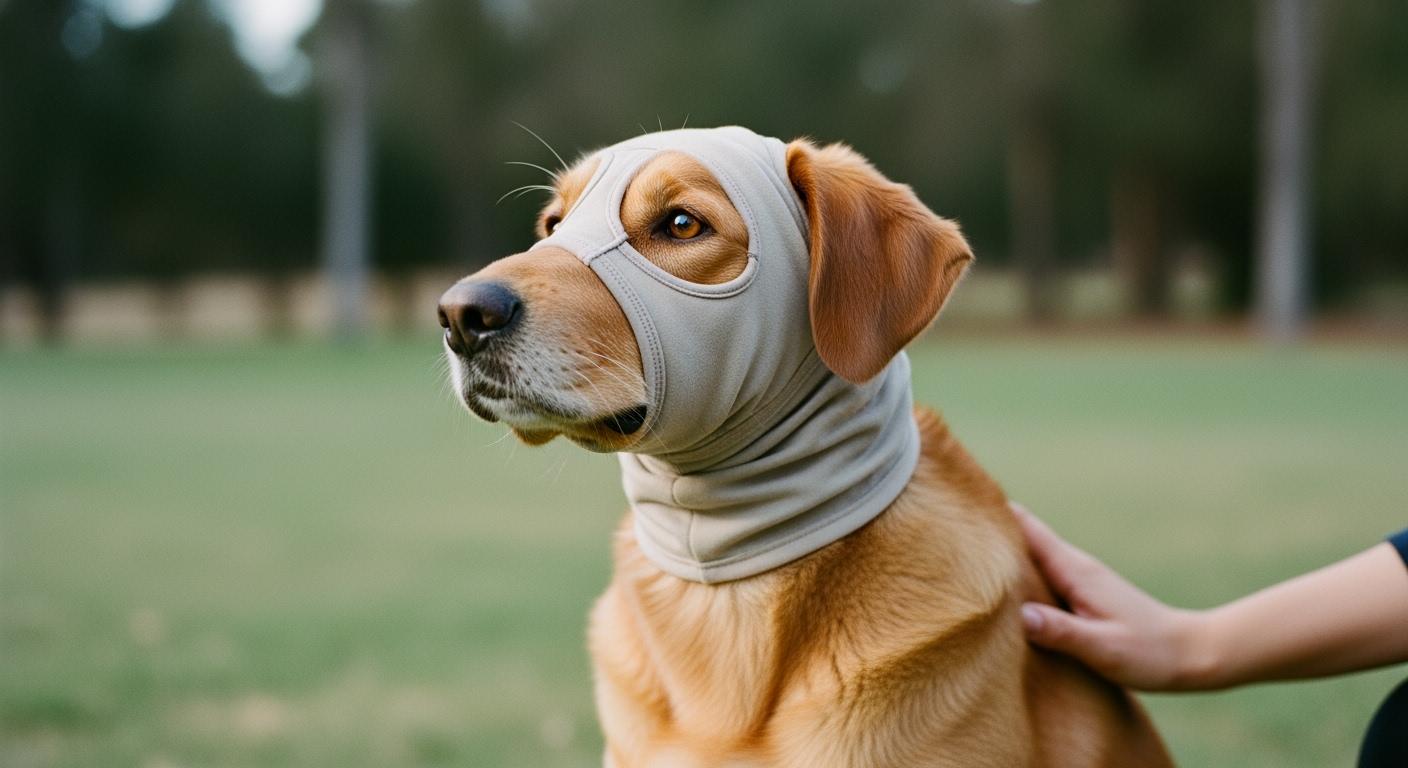
Imagine your dog feels worried after a small injury or surgery. You want to help your dog feel better, so you look for ways to give comfort and protection. A dog head cover protects the head and face. It can help your dog heal and stop licking. Veterinarians say to use a dog head cover if your dog feels scared, upset, or needs more comfort. Sometimes, you need to protect certain spots, but not all dogs need the same thing. Some dogs do better with sleeves or suits for more comfort and protection. Always check if the dog head cover fits well and feels good. If you are not sure, ask your veterinarian for help. This will make sure your dog gets the best comfort and protection.
Key Takeaways
A dog head cover keeps your dog’s head and face safe when your dog is healing from injuries or surgery.
Use a dog head cover to stop your dog from licking or scratching. This helps wounds heal quicker.
Pick the right recovery product for your dog’s injury spot. Head covers are for head wounds. Sleeves and suits are for body injuries.
Comfort matters. Make sure the head cover fits well. Your dog should be able to see and hear. This helps your dog feel less stressed.
Always ask your veterinarian for advice. They can help you choose the best recovery option for your dog’s needs.
Dog Head Cover Uses and Benefits
When Dogs Need Head or Face Protection
Sometimes, your dog needs extra help after getting hurt or having surgery. A dog head cover keeps the head and face safe from more harm. Dogs need this kind of protection for different reasons:
Concussions can happen if your dog gets hit or attacked. Head protection is important in these cases.
Dog bite injuries on the head and neck are common. You must stop your dog from licking or scratching these wounds.
After surgery, your dog may need special protection for the face or ears.
If your dog keeps licking or biting the head, healing takes longer. A dog head cover helps stop this.
Use a dog head cover when your dog has a wound on the head or face. You should also use it if your veterinarian says it will help recovery. If your dog has wounds on the legs or body, try recovery sleeves or suits instead. These options protect other parts of the body.
Tip: Always ask your veterinarian if you are not sure which recovery product to use. You can learn more about anti-lick solutions and recovery gear in our anti-lick protection guide and recovery gear category.
How Dog Head Covers Support Recovery
A dog head cover helps wounds stay clean and safe. It stops your dog from licking, biting, or scratching the hurt area. This helps wounds heal faster and lowers the chance of infection. The cover also keeps your dog from messing with stitches or bandages after surgery.
Dog head covers let your dog see and hear, so your pet feels less worried. You can use these covers after surgery, accidents, or animal bites. Some covers are soft for comfort. Others are clear so your dog can see better.
You are important in your dog’s recovery. You need to watch your dog and make sure the cover fits right. If your dog seems uncomfortable, change the cover or try something else. Recovery sleeves and suits are better for wounds on the legs or body.
Differences from Other Recovery Products
Dog head covers are not the same as other recovery products. They work differently and look different. You must pick the best one for your dog’s injury and recovery needs. The table below shows the main differences:
Type of Product | Function | Design | Pros | Cons |
|---|---|---|---|---|
Dog Head Covers | Protects the head and face, stops licking or biting | Clear materials for seeing and hearing | Less stress for your dog | Only works for head injuries |
Recovery Sleeves | Covers and protects wounds on legs | Soft fabric for comfort | Lets your dog move easily | Only works for leg injuries |
Recovery Suits | Covers body and legs for full protection | Light, airy fabric | Comfort and less worry | Can get too warm, not for head injuries |
Dog head covers give special protection for the head and face. Recovery sleeves help with leg wounds. Recovery suits cover the body and legs. Some dogs need face protection, but others do better with sleeves or suits. You must choose the right product for your dog’s wound and recovery.
Note: Dog head covers do not replace advice from your veterinarian. Always talk to your vet before picking a recovery product. For more choices, see our recovery sleeve solutions and dog recovery suit options.
You help your dog heal by picking the right recovery product. You make sure your dog feels safe and comfortable. You support your dog’s healing every step of the way.
Types of Dog Head Covers and Recovery Cone Alternatives
Soft Covers and Fabric Options
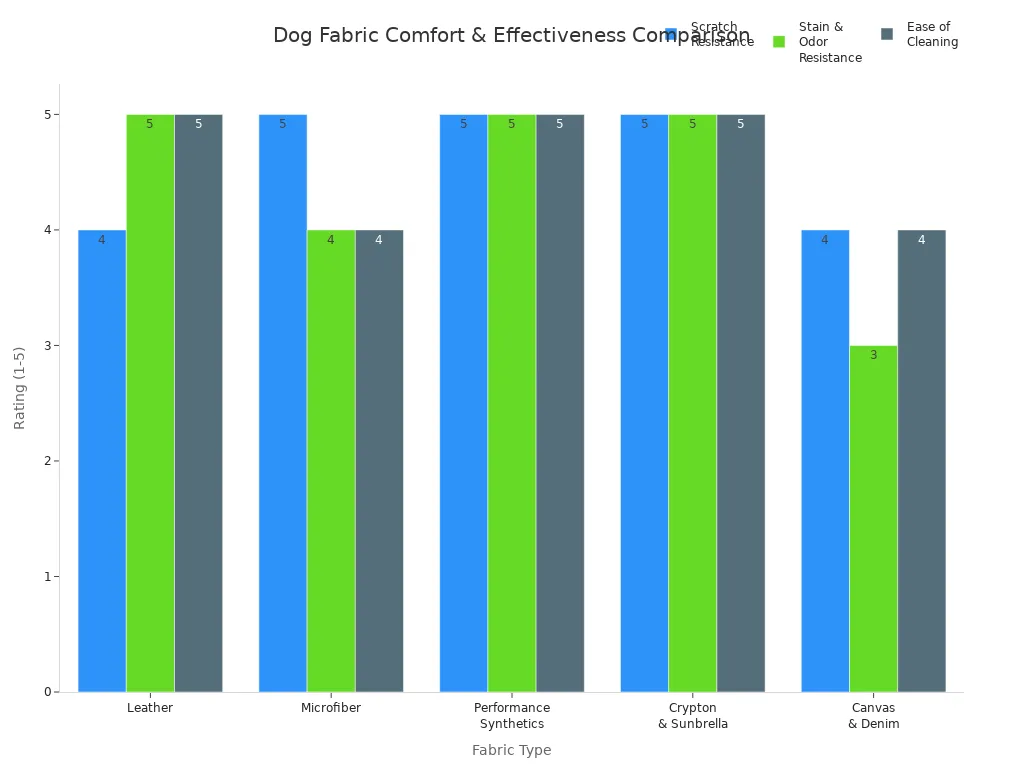
Soft covers use gentle materials to protect your dog’s head and face. These covers often use fabrics like microfiber, leather, or performance synthetics. You get comfort and flexibility, which helps lower stress during recovery. Soft covers are good for dogs who do not like hard recovery cones. They let your dog move more easily and make less noise.
Fabric Type | Scratch Resistance | Stain & Odor Resistance | Ease of Cleaning | Best For |
|---|---|---|---|---|
Leather | 4 | 5 | 5 | Easy cleaning, classic look |
Microfiber | 5 | 4 | 4 | Repels hair and claws |
Performance Synthetics | 5 | 5 | 5 | Active dogs, high durability |
Crypton & Sunbrella | 5 | 5 | 5 | Stain, moisture, and fade resistance |
Canvas & Denim | 4 | 3 | 4 | Tough, washable, casual homes |
Soft covers do not protect as much as plastic recovery cones. They give more comfort and less stress for your dog.
Plastic Recovery Cones
Plastic recovery cones are a common choice for head and face protection. These cones use hard plastic to stop your dog from licking or biting wounds. They are strong and last a long time. Some cones have soft edges to help your dog move and stop neck chafing. Dogs can eat and drink with these cones, but some dogs may feel stressed or confused.
Type of Cone | Durability | Protection Level |
|---|---|---|
Plastic Recovery Cone | More durable | Stronger protection |
Fabric Recovery Cone | Softer, comfortable | Less protection |
Plastic recovery cones can block vision and make sounds louder. This can upset some dogs. Soft dog cone alternatives use flexible fabric for comfort and help your dog know where things are.
Full Face Shields and Masks
Full face shields and masks, like the Novaguard, protect facial injuries and let your dog see clearly. These covers stop licking and scratching but do not block vision. They feel lighter than regular recovery cones and help your dog avoid bumping into things. Use these when your dog needs face protection and less stress.
Face shields are best for facial wounds.
They let your dog see and feel comfortable.
They cause less confusion than standard recovery cones.
Dog Cone Alternatives and When to Use Them
You have many dog cone alternatives for different injuries. Inflatable collars, neck control collars, and soft neck braces limit movement and keep your dog from touching wounds. Flat frisbee-type cones let your dog move more. Muzzles stop biting but do not cover wounds. For leg or body injuries, recovery suits and sleeves work better than head covers.
Alternative Product | Key Features | Effectiveness |
|---|---|---|
Medipaw Protective Boot | Waterproof, breathable, reusable | Best for foot or leg injuries |
DogLeggs Surgi-Sox | Tailored fit, anti-microbial fabric | Great for post-surgery recovery |
WiggleLess Dog Back Brace | Support, stability, comfortable fit | Good for spinal issues, allows mobility |
Recovery suits and sleeves cover more of your dog’s body and help lower infection risk. They let your dog move naturally and stay calm. You should pick cone alternatives based on your dog’s injury and comfort needs.
Tip: Every dog is different. Try different recovery cone options and dog cone alternatives to find what works best for your pet.
Choosing the Right Dog Head Cover
Assessing Your Dog’s Needs
First, look at your dog’s injury. Check where the wound is. Think about how much protection your dog needs. If the wound is on the head or face, use a dog head cover. This gives special protection. For wounds on the legs or body, sleeves or suits may be better. These help your dog move more easily.
Watch your dog during recovery. Some dogs like head covers. Others feel nervous or upset. If your dog seems uncomfortable, try something else. Comfort is important for healing. You want your dog to feel safe and calm. Ask your veterinarian if you do not know which product to use.
Tip: Pick a dog head cover that fits your dog’s needs. Comfort and movement help your dog heal faster.
Key Features for Comfort and Fit
When you choose a dog head cover, look for features that make it comfortable. The right features help your dog feel safe and heal well. Here are some important things to look for:
Feature | Description |
|---|---|
Adjustability | Straps or drawstrings let you change the cover as your dog heals. |
Material | Soft, breathable materials keep your dog cool and stop irritation. |
Durability | Strong materials last longer and stay in place during play. |
Ear Holes | Ear holes fit your dog’s head shape and make the cover more comfortable. |
Sun Protection | Brims or visors protect your dog’s eyes outside. |
Comfort and movement depend on these features. Adjustable straps let you change the fit as your dog gets better. Breathable materials keep your dog cool. Ear holes stop rubbing and help your dog move. Sun protection is good for outdoor recovery.
Note: A good head cover should not make your dog feel stressed or stop movement. Comfort and fit help your dog heal and feel less worried.
Measuring and Adjusting for Proper Fit
Measure your dog to make sure the head cover fits right. Use a soft tape measure or string. Follow these steps:
Measure the forehead if you want a forehead strap. Skip this if you do not need it.
Measure the head length to find out how long the side straps should be.
Measure the neck to pick the right collar size. The strap should fit behind the ears.
Adjust the neck strap first. Make sure your dog cannot pull it off.
Make sure the muzzle lets your dog pant. Leave a gap between the muzzle and nose.
Add extra space for panting if needed.
Your dog’s head shape may change while healing. Adjustable sizing helps keep the cover comfortable. Some covers have a sewn-in skeleton to keep their shape. Cinch straps work with this skeleton to stop the cover from moving or being pawed off. These features protect the ears and keep the cover in place.
Feature | Description |
|---|---|
Adjustable Sizing | Four points let you change the fit for every dog. |
Skeletal Structure | Sewn-in skeleton keeps the cover’s shape and adapts as your dog heals. |
Cinch Strap | Works with the skeleton to keep the cover secure and protect the ears. |
Alert: Always check the cover during recovery. Change the fit if your dog needs more comfort or movement.
Common Mistakes to Avoid
Avoid mistakes that can slow healing or make your dog uncomfortable. Here are some common errors:
Picking a cover that does not match the wound location. Use sleeves or suits for leg or body wounds.
Not measuring your dog. A cover that is too loose or tight is not comfortable.
Forgetting about adjustable features. Fixed covers may not fit as your dog heals.
Using poor materials. Bad materials can cause irritation and make your dog uncomfortable.
Putting the cover on too quickly. Let your dog get used to the cover slowly.
Tip: Take your time to measure, adjust, and introduce the head cover. Comfort and fit help your dog heal faster and feel safe.
If you want more information about other products, check our anti-lick protection resources and recovery gear category. You can find solutions for different wounds and recovery needs.
Picking the right dog head cover helps your dog feel safe and comfortable while healing. You must choose a cover that fits your dog’s needs. This helps your dog heal faster and feel less worried. The table below shows how good protection and comfort help your dog get better:
Feature | Benefit for Your Dog |
|---|---|
Full-Body Barrier | Stops licking, chewing, and scratching for protection |
Comfort and Mobility | Lets your dog eat, sleep, and move with comfort |
Veterinary Input | Ensures safety and effective protection |
Protection from Dirt | Shields wounds for better comfort and healing |
Gentle Compression | Calms your dog and keeps treatments in place |
You should check if the cover fits well and feels good. If you are not sure, ask your vet for help. There are many products that protect and comfort dogs with different wounds. Recovery sleeves, suits, and soft collars give more choices for comfort and safety. These tools help your dog heal with less stress and more comfort.
Look at more anti-lick and recovery resources to find what works best for your dog.
FAQ
What is a dog head cover?
A dog head cover is a protective accessory. You use it to shield your dog’s head or face during recovery. It helps prevent licking, scratching, or biting at wounds or stitches.
When should you use a dog head cover?
You should use a dog head cover if your dog has a head or face injury, surgery, or skin condition. Always ask your veterinarian before using one for your pet.
How do you measure your dog for a head cover?
Use a soft tape measure. Measure around your dog’s head, neck, and muzzle. Check the product’s sizing guide. A good fit keeps your dog comfortable and safe.
Can your dog eat and drink with a head cover on?
Most dog head covers allow your dog to eat and drink. You should watch your dog during meals to make sure the cover does not block access to food or water.
Tip: Always check the fit and comfort of the dog head cover daily. Adjust as needed for your dog’s safety.
