
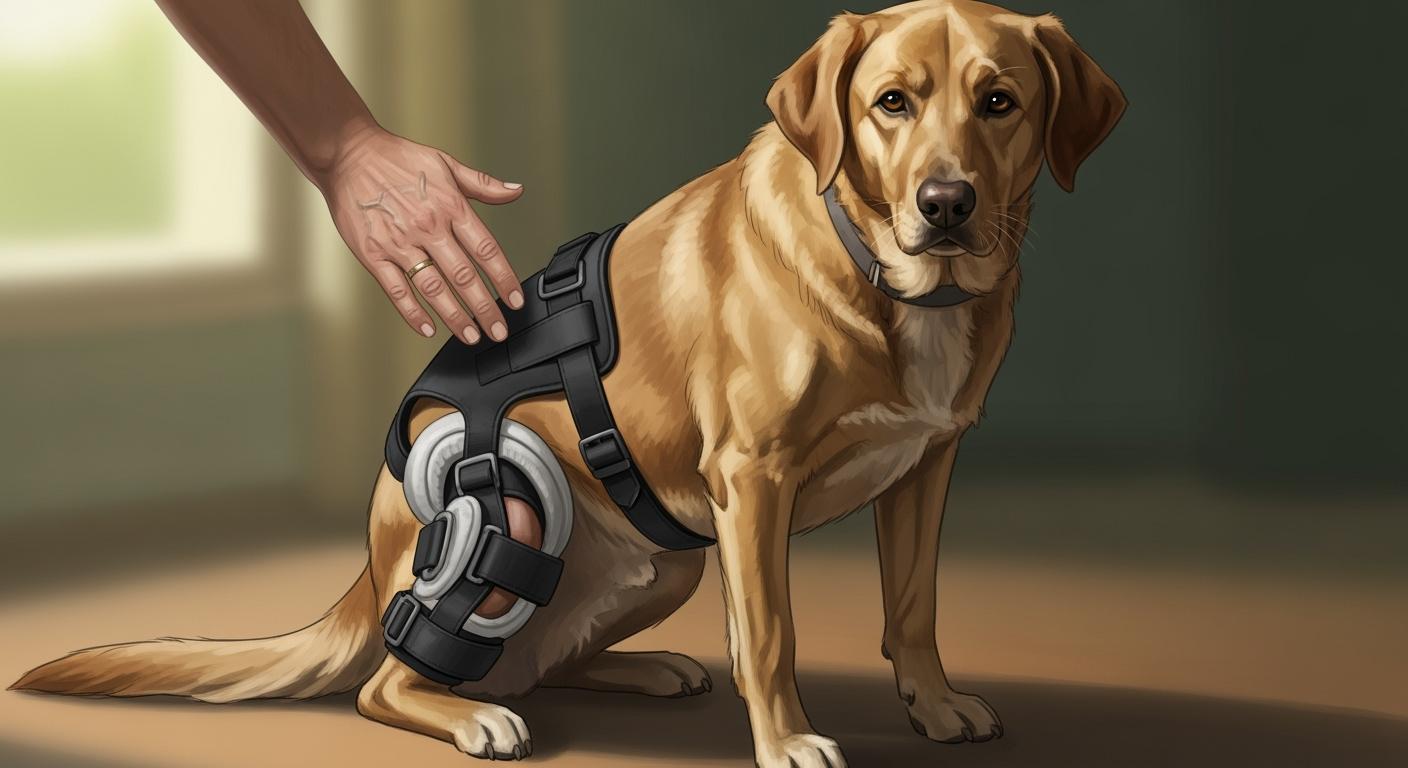
You might notice your dog limping, with wobbly or dropped hocks, or avoiding stairs and jumping. These signs often mean pain or instability in the hock joint—the dog’s ankle. Many owners look for a dog hock brace to help with comfort and movement, but always check with your veterinarian first.
Key Takeaways
A dog hock brace helps your dog’s hock joint. It can help with injuries and arthritis. You should talk to your veterinarian before you use one.
Braces keep the hock joint steady. They stop bad movements. They help with pain. This makes it easier for your dog to walk. It also helps your dog play.
Pick the right brace for your dog’s needs. Medical-grade braces give more support than simple wraps.
Dog Hock (Tarsal) Joint Basics
Hock Location
Your vet might say “hock” or “tarsus” when talking about your dog’s back leg. The hock is a joint that links the tarsal bones and the tibia. It is like your ankle. This joint sits right above your dog’s paw. It makes the back leg bend at an angle. Here is a table that explains what the hock joint is:
Feature | Description |
|---|---|
Joint | The hock is where the tarsal bones meet the tibia. |
Homology | It matches the human ankle in structure and function. |
Articulations | Sometimes involves the fibula, though in some breeds, the fibula is vestigial. |
When your dog walks or runs, you can see the hock bend and straighten.
Weight-Bearing Role
The hock joint is very important for your dog’s movement. It helps take in shock and holds up most of your dog’s weight. This happens when your dog walks, runs, or jumps. If the hock is not steady, your dog might limp. Your dog may not want to use that leg. A dog hock brace or tarsal brace for dogs can give more support. This is helpful if your dog has weak or shaky back legs.
Impact of Injury or Arthritis
The hock joint can get hurt or have arthritis. Some common problems are cartilage disorders like osteochondritis dissecans (OCD) and Achilles tendon injuries. OCD makes the joint hurt, mostly in big dogs. It can cause limping even after treatment. Achilles tendon injuries usually happen from an accident. They might need surgery or other care. Here is a table that shows more:
Injury Type | Description | Clinical Outcome |
|---|---|---|
Osteochondritis Dissecans | Cartilage disorder causing pain and stiffness | Surgery can help, but arthritis may still cause lameness |
Achilles Tendon Injuries | Trauma-related, common in active dogs | Surgery or alternative therapies may be needed |
If your dog limps or has swelling, talk to your vet. Only a vet can find out what is wrong with the hock. The vet can tell you if a hock brace for dogs is a good idea.
What Is a Dog Hock Brace
Brace Definition
A dog hock brace is a special support device for your dog’s hock joint, which is like the ankle in humans. You use this brace to help your dog walk better when the hock is weak, injured, or painful. The brace wraps around the lower part of the back leg, just above the paw, and gives extra stability to the joint.
You might hear your vet call it a “tarsal brace for dogs” or a “canine hock brace.” These terms all mean the same thing—a device that helps support the hock joint. The main goal is to limit harmful movement and help your dog feel more comfortable.
Tip: Always ask your veterinarian before using a dog hock brace. Only a vet can tell you if your dog needs one and which type is best.
Medical-Grade vs Wraps
You will find different types of braces on the market. Some are medical-grade, and some are simple wraps. Medical-grade braces use strong, safe materials that clinics trust. These braces often have adjustable straps, soft padding, and sturdy support. They are designed to fit well and protect your dog’s skin.
Simple wraps are softer and less structured. You might see these as stretchy sleeves or bandages. Wraps can help with mild swelling or minor sprains, but they do not give the same level of support as a medical-grade dog hock brace. If your dog has a serious injury or needs long-term support, your vet will likely recommend a medical-grade brace.
Here is a quick comparison:
Feature | Medical-Grade Dog Hock Brace | Simple Wraps |
|---|---|---|
Material | Medical-grade, durable | Soft, stretchy fabric |
Support Level | High | Low to moderate |
Adjustability | Yes | Sometimes |
Skin Protection | Good padding | Minimal |
Use Case | Injuries, arthritis, rehab | Mild sprains, swelling |
Note: Medical-grade braces, like those from GaitGuard, use quality materials and offer better protection for your dog’s hock joint.
Hock vs Rear-Leg Splints
You might wonder how a dog hock brace is different from a rear-leg splint. A hock brace supports only the hock joint. It lets your dog move the paw and toes freely. This is important for natural walking and comfort.
A rear-leg splint is a bigger device. It covers the hock, paw, and sometimes the toes. Splints keep the whole lower leg straight and limit movement more than a hock brace. Vets use splints for serious injuries, like fractures, or after surgery.
Here is a simple breakdown:
Dog Hock Brace:
Supports the hock joint only
Allows paw and toe movement
Used for mild to moderate injuries, arthritis, or instability
Rear-Leg Splint:
Supports the hock, paw, and toes
Limits movement of the whole lower leg
Used for fractures, severe injuries, or post-surgery care
If your dog needs help with just the hock joint, a dog hock brace is usually the right choice. Your veterinarian will decide which device is best for your dog’s condition.
Reminder: Never choose a brace or splint without your vet’s advice. Each dog and injury is different.
When to Use a Dog Hock Brace
Sprains & Soft-Tissue Injuries
Your dog might limp after playing hard or jumping down. Sprains and soft-tissue injuries can stretch ligaments or bruise muscles. These problems often make the hock joint swell and hurt. A dog hock brace can keep the joint steady and stop too much movement. This helps your dog heal better. Always talk to your veterinarian before using any brace. Only your vet can check the injury and pick the right support.
Hyperextension & Instability
Sometimes, the hock joint bends too much. This is called hyperextension. It can happen after an accident or in older dogs with weak ligaments. Instability means the joint shakes or gives out when your dog walks. Your dog may not want to step on the leg. A tarsal brace for dogs or canine hock brace gives extra support. It helps your dog walk with less pain. Your vet will choose if this is the best help.
Arthritis & Joint Disease
Arthritis makes the hock joint stiff and sore. Joint disease, like osteochondritis dissecans, also causes pain and swelling. If your dog has trouble getting up or seems stiff after resting, your vet may suggest a hock brace for dogs. The brace lowers strain and supports the joint. This makes moving each day easier.
Post-Surgery Support
After surgery for a hock injury, your dog needs help while healing. A rear leg brace or hock joint support keeps the joint steady. It stops harmful movement. Your veterinarian will tell you when and how to use the brace. Braces help recovery but do not replace medical care.
Note: These are just examples. Always ask your veterinarian for a diagnosis and treatment plan.
How Dog Hock Braces Help
When your dog struggles with hock joint problems, you want to know how a brace can make a difference. Let’s break down the main ways a dog hock brace supports your pet’s comfort, stability, and safer movement.
Joint Stabilization
The hock joint, also called the tarsal joint, acts like your dog’s ankle. When this joint becomes weak or unstable, your dog may limp or avoid putting weight on the leg. A dog hock brace wraps around the lower leg and holds the joint steady. This extra support helps your dog walk with more confidence.
You might notice your dog stands straighter and moves with less wobbling. Stabilizing the joint can help prevent further injury. Your veterinarian will decide if this type of support is right for your dog’s condition.
Benefits of Joint Stabilization:
Reduces wobbling and shaking in the back leg
Helps your dog stand and walk more naturally
Supports healing after injury or surgery
Tip: Always ask your vet before using a brace. Only a professional can tell you if joint stabilization is needed.
Limiting Harmful Motion
Some injuries or diseases make the hock joint bend too far or twist in ways that cause pain. Hyperextension means the joint stretches beyond its normal range. Arthritis can make the joint stiff and sore. A tarsal brace for dogs limits these harmful movements.
The brace acts like a gentle guard. It keeps the joint from moving in directions that could make the injury worse. Your dog can still walk and use the paw, but the brace blocks unsafe motions.
Here’s a simple table showing how braces help limit motion:
Problem | How Bracing Helps |
|---|---|
Hyperextension | Stops joint from bending too far |
Arthritis | Reduces twisting and strain |
Ligament injuries | Prevents unsafe stretching |
Note: Your vet will choose the right type of brace to match your dog’s needs.
Weight Support
Dogs put a lot of weight on their hock joints, especially when running or jumping. If the joint is weak, your dog may avoid using the leg. A hock brace for dogs helps share the load. The brace spreads out the pressure and gives the joint a break.
You’ll see your dog use the leg more often and with less hesitation. This support can make daily activities easier, like climbing stairs or going for walks.
How Weight Support Helps:
Eases pressure on sore joints
Encourages your dog to use the leg
Supports recovery after surgery or injury
Reminder: Only a veterinarian can decide if weight support from a brace is safe for your dog.
Pain Relief
Pain is a big reason dogs struggle with hock injuries or arthritis. When the joint moves too much or carries too much weight, it can hurt. A canine hock brace helps by keeping the joint steady and limiting painful motion.
You may notice your dog seems more comfortable and willing to move. The brace doesn’t cure the problem, but it can make life easier while your dog heals or manages arthritis.
Ways Bracing Can Ease Pain:
Reduces swelling and irritation by stabilizing the joint
Limits movements that trigger pain
Supports gentle activity and rehab exercises
Callout: Braces work best as part of a complete care plan. Always follow your veterinarian’s advice for pain management and recovery.
In summary:
A dog hock brace can help your dog by stabilizing the joint, limiting harmful motion, supporting weight, and easing pain. These benefits work together to improve comfort and mobility. Remember, only your veterinarian can diagnose hock problems and recommend the right brace for your dog.
Types of Dog Hock Braces
When you look for a dog hock brace, you’ll see many styles and features. Let’s break down the main types so you can understand what might work best for your dog.
Soft vs Rigid
Soft braces use flexible materials like neoprene or padded fabric. These feel gentle on your dog’s skin and allow some movement. Soft braces work well for mild sprains or early arthritis. Rigid braces use hard plastic or metal parts. They hold the hock joint steady and limit motion. Vets often choose rigid braces for serious injuries or after surgery.
Soft braces offer comfort and light support. Rigid braces provide strong stability for healing.
Short vs Long
Short braces cover just the hock joint. They let your dog move the paw and toes freely. Long braces extend up the leg and may cover part of the paw. Long braces give more support but can limit movement. Your vet will decide which length fits your dog’s needs.
Custom vs Standard
Custom braces are made from your dog’s measurements or a cast. They fit perfectly and suit complex or long-term cases. Standard braces come in set sizes. They work for basic support but may not fit every dog well.
Here’s a quick table to help you compare:
Feature | Custom Dog Hock Braces | Standard Options |
|---|---|---|
Fit | Precise, made for your dog | Generic, may not fit well |
Suitability | Great for complex or active cases | Best for basic needs |
Comfort | Tailored, enhances comfort | May cause discomfort |
Key Features
When you shop for a brace, look for medical-grade materials, adjustable straps, and soft padding. Brands like GaitGuard use high-quality materials and offer both standard and custom designs. Clinics and rehab centers often choose custom braces for tough cases and standard ones for general use.
Tip: Always ask your veterinarian which type of brace is right for your dog’s condition.
Choosing & Fitting a Dog Hock Brace
Measuring & Sizing
You want your dog’s brace to fit just right. Start by measuring the circumference of your dog’s leg above and below the hock joint (the ankle-like joint in dogs). Measure the length from the bottom of the paw to just above the hock. Use a soft tape measure for accuracy. GaitGuard offers both standard sizes and custom options, so you can find a brace that matches your dog’s shape. If you’re unsure, ask your veterinarian or clinic staff for help.
Tip: Write down your measurements before you order. Double-check them to avoid mistakes.
Fit & Skin Protection
A good fit keeps your dog comfortable and safe. The brace should be snug but not tight. Check for any rubbing or pinching, especially around the edges. Soft padding helps protect your dog’s skin. Look for medical-grade materials that prevent irritation. If you see redness or sores, remove the brace and call your vet.
Safety Check | What to Do |
|---|---|
Daily Check | Look for redness or swelling |
Weekly Check | Clean the brace and inspect straps |
Activity Level Match
Think about your dog’s daily routine. Active dogs may need a brace with extra support and durability. If your dog rests often, a softer brace might work better. GaitGuard’s custom design options let you choose features that match your dog’s lifestyle.
Vet Guidance
Always talk to your veterinarian before using a dog hock brace. Only a vet can diagnose hock problems and recommend the right support. Your vet will help you fit the brace and set up a care plan. Never skip this step.
Note: A brace supports healing, but it does not replace veterinary care.
Daily Use & Care
Fitting Steps
When you first get a dog hock brace, take your time with the fit. Start by gently sliding the brace over your dog’s lower back leg, just above the paw. Make sure the brace sits right over the hock joint (the dog’s ankle). Secure the straps so the brace feels snug but not tight. You should fit one or two fingers between the brace and your dog’s skin. If you see bunching or gaps, adjust the straps for a smoother fit.
Tip: Always check with your veterinarian for the first fitting. They can show you the safest way to put on the brace.
Building Wear Time
Your dog needs time to get used to a new hock brace. Begin with short sessions—about 15 to 30 minutes at a time. Watch your dog walk and rest. If your dog seems comfortable, slowly add more time each day. Most dogs adjust within a week. If you notice limping, licking, or discomfort, remove the brace and call your vet.
Daily Checks
Check your dog’s skin every day. Look for redness, swelling, or hair loss under the brace. These signs may mean the brace is too tight or rubbing. Also, check the straps and padding for wear. A quick daily check keeps your dog safe and comfortable.
What to Check | What to Do |
|---|---|
Skin | Look for irritation |
Straps | Tighten if loose |
Padding | Replace if worn |
Cleaning Tips
Keep your dog hock brace clean for comfort and skin health. Remove the brace before cleaning. Use mild soap and warm water to wipe down the brace. Let it air dry completely before putting it back on your dog. Avoid harsh cleaners, as they can damage the material or irritate your dog’s skin.
Note: Clean braces last longer and help prevent skin problems.
Dog Hock Braces in Clinics & Rehab Centers
Treatment Plans
When you visit a veterinary clinic or rehab center, your dog’s care team may include a dog hock brace in the treatment plan. The hock joint, which works like an ankle, often needs extra support after injury or surgery. Your veterinarian will decide if a hock brace for dogs is right for your pet. Clinics use braces to help dogs walk better, reduce pain, and protect healing tissues. Studies show that most dogs using joint braces return to normal function or show less limping. Here’s a quick look at some findings:
Study | Findings | Limitations |
|---|---|---|
Tomlinson et al. | 79% of dogs with carpal ligament instability improved and walked normally. | Results based on owner reports. |
Hart et al. | 88% of dogs with stifle orthoses had mild or no limping. | No control group. |
Conzemius et al. | 5% improvement in walking force seen as important. | Patient group differed from guideline. |
Note: Only your veterinarian can diagnose hock problems and choose the best brace.
Home Exercise Support
You might need to help your dog with exercises at home. Rehab centers often recommend gentle activities to build strength and flexibility. A tarsal brace for dogs can make these exercises safer by keeping the joint steady. You can use simple routines like slow walks or gentle stretches. Always follow your vet’s advice and watch for signs of discomfort.
Try short walks on a leash
Use treats to encourage movement
Stop if your dog seems tired or sore
Stocking Quality Braces
Clinics and rehab centers stock medical-grade dog hock braces to support different needs. Quality braces, like those from GaitGuard, use safe materials and offer adjustable fits. When you choose a reliable brace, you help your dog feel more comfortable and recover faster. Staff can help you pick the right size and style for your pet.
Tip: Ask your clinic about custom options if your dog has special needs.
Case Example
Hock Injury Story
Let’s meet Max, a playful Labrador who loved chasing tennis balls at the park. One day, you notice Max limping after a long run. He hesitates to jump into the car and seems stiff when getting up from his bed. You take him to your veterinarian, who examines his back leg and explains that Max has a mild hock hyperextension. The hock, also called the tarsal joint, works like an ankle in dogs. Hyperextension means the joint bends too far, making it unstable and sore.
Your vet suggests a structured recovery plan. This includes rest, gentle walks, and a dog hock brace for extra support. The vet explains that a dog hock brace, sometimes called a tarsal brace for dogs or canine hock brace, helps stabilize the joint and limits harmful movement. You choose a medical-grade brace, like those from GaitGuard, because it offers a comfortable fit and reliable support.
Mobility Improvement
You start using the hock brace for dogs as your vet recommends. At first, Max wears the brace for short periods. You watch him closely for any signs of discomfort. Over the next week, Max seems more confident. He puts more weight on his leg and walks with less wobble. The brace gives his hock joint support, making daily activities easier.
You continue to follow your vet’s advice, combining the brace with gentle exercise and regular checkups. Max’s comfort improves, and he enjoys his walks again. Remember, only your veterinarian can diagnose hock injuries and decide if a rear leg brace is right for your dog. A dog hock brace supports healing, but it works best as part of a complete care plan.
A dog hock brace can help your dog move better and feel more comfortable after injury or with arthritis. You should always talk to your veterinarian before choosing a brace. Your vet will guide you on diagnosis, fitting, and care. For best results, look for trusted brands like GaitGuard.
FAQ
How long should my dog wear a hock brace each day?
You should start with short periods, like 15–30 minutes. Your veterinarian will guide you on increasing wear time based on your dog’s comfort and needs.
Will a dog hock brace cure my dog’s arthritis or injury?
A dog hock brace supports and protects the joint. It does not cure arthritis or injuries. Only your veterinarian can recommend the best treatment for your dog’s condition.
Can I use a hock brace for dogs without seeing a vet?
No, you should always consult your veterinarian first. Only a vet can diagnose hock joint problems and decide if a hock brace for dogs is right for your pet.
