You notice your dog limping and worry about a CCL tear. Many dogs face this injury each year, and a dog knee brace for CCL tear can offer stability. Comfort matters most—snug fit, proper traction, and daily skin checks keep your dog safe. Your veterinarian’s plan overrides general tips.
CCL injuries affect about 2610 out of 100,000 dogs in high-risk breeds.
About 19% of dogs with one CCL rupture may injure the other within a year.
Begin with a vet visit for diagnosis.
Select a brace that ensures comfort and stability.
Monitor fit and comfort daily.
Key Takeaways
First, take your dog to the vet to check for a CCL injury. This helps you pick the right treatment for your dog.
Choose a knee brace that fits well and keeps the knee steady. Check every day to make sure it is comfortable and fits right.
Make your home safe with floors that do not slip and things that help with traction. This lets your dog walk safely while getting better.
What a CCL tear means for your dog’s knee
Stability support vs ligament healing
A torn ccl makes your dog’s knee hurt. Walking gets hard for your dog. You might see limping or skipping stairs. The ccl keeps the knee steady. If it tears, the knee wobbles. Braces help the knee stay steady during walks. Braces do not fix the ligament. Surgery is best for full tears. Braces let your dog walk with less pain. Always follow your veterinarian’s advice.
Study Focus | Findings |
|---|---|
Limb Mechanics | Bracing helps dogs move better with ccl problems. |
Weight-Bearing | Braces help dogs put more weight on the leg. |
Braces keep the knee from moving too much.
Braces help your dog feel better but do not fix the knee.
Arthritis and meniscus risks
Ccl injuries often cause arthritis in the knee. The medial meniscus can also get hurt and cause pain. Arthritis often gets worse after a ccl tear. Meniscus tears happen because the knee is not steady.
Ccl injuries often lead to arthritis over time.
The medial meniscus can tear after a ccl injury.
Arthritis and meniscus tears are common when the knee is unstable.
Vet diagnosis checklist
Your veterinarian uses many steps to find a ccl tear:
They check the knee for pain and movement.
They use pictures to look at the knee.
They ask about your dog’s age, breed, and activity.
Pain when the knee is straight can mean a ccl tear.
Special tests check if the knee is loose.
Limping and pain may mean a partial tear.
Prevalence of CCL Disease | Co-occurring Conditions |
|---|---|
0.56% – 2.55% | Hip dysplasia, patellar luxation |
Bilateral CCL Rupture | Sample Size | Percentage |
|---|---|---|
10 of 17 | 17 | 59% |
Always follow your veterinarian’s advice.
Choosing between dog knee braces, surgery, and rehab
When bracing is used
Dog knee braces help keep the knee steady. They give your dog more confidence when moving. Braces are used for partial CCL tears or mild limping. Some dogs cannot have surgery because of age or health. Vets often suggest braces for older or smaller dogs. Bracing works best with a good rehab plan. Always ask your vet if a brace is right for your dog.
Tip: Bracing can stop the knee from moving the wrong way. It can help your dog walk better. Your vet’s advice is most important.
Dogs who may not benefit from bracing
Not all dogs do well with braces. Young, active dogs with full tears often need surgery. Big dogs may not get enough help from a brace. Dogs with bad pain or skin problems may need other choices. If your dog has other joint issues, a brace may not work. Your vet might suggest surgery or another plan.
Young, active dogs with full tears often need surgery.
Large dogs may need more support than braces give.
Dogs with pain or skin problems may not use braces.
Your vet will help you pick the best choice.
Questions for your vet
Ask your vet these questions before you choose a brace, surgery, or rehab:
What kind of CCL injury does my dog have?
Is my dog a good fit for bracing or surgery?
How much can my dog move during healing?
What signs show the brace is not working?
How often should I check my dog’s skin and brace?
When should I see the vet again?
Note: Your vet’s advice is always most important.
Decision table: brace, surgery, or other support
This table can help you think about what your dog needs. Your vet must check your dog’s knee and set a goal.
Option | Best For | Success Rate (%) | Owner Satisfaction | Notes |
|---|---|---|---|---|
Dog knee braces + Rehab | Older dogs, small-to-medium breeds, partial tears | ~60–70 | ~85% | Many dogs get better with this option |
Surgery | Young, active, large-breed dogs, full tears | Higher | ~98% | Surgery gives the knee more support |
General Non-surgical | Mild injuries, dogs not fit for surgery | 35–65+ | ~86% | Results can change by dog and follow-up |
Safety First: Your vet’s advice is always most important.
Comparison table: knee brace vs sling vs harness
Dog knee braces, slings, and harnesses all help in different ways. The table shows how each one helps with a CCL tear.
Device | Stability | Pain Relief | Mobility Support | Best Use Case |
|---|---|---|---|---|
Dog knee braces | High | High | Moderate-High | CCL tears, controlled walking |
Sling | Moderate | Low | High | Short-term lifting, stairs |
Harness | Low | Low | Moderate | General support, walking aid |
Studies show custom dog knee braces give strong support and help with pain. Slings and harnesses are good for short lifts or walks. They do not keep the knee as steady as braces. Pick the device that fits your dog’s injury and how active they are.
Reminder: Your vet’s advice is always most important.
How to select a dog knee brace for CCL tear
Picking the right dog knee brace for CCL tear helps your dog walk better. The brace should fit your dog’s needs and give good support. Your veterinarian’s plan is always the most important.
Custom vs off-the-shelf options
You can choose a custom or off-the-shelf dog knee brace. Custom braces are made using your dog’s measurements. These braces fit your dog’s leg shape well. Off-the-shelf braces come in set sizes and may not fit as well. Custom braces usually give more comfort and keep the knee steady. Off-the-shelf braces cost less and arrive sooner, but they might slip or rub your dog’s skin.
Feature | Custom Braces | Off-the-Shelf Braces |
|---|---|---|
Fit | Individualized design for optimal fit | Generalized fit, may cause discomfort |
Effectiveness | Enhanced stability, limits slippage | May not provide adequate support |
Cost | Higher cost, requires specialist | Cheaper and quicker to obtain |
Recommendation | Preferred for recovery and comfort | May lead to poor fit and slippage |
A study from the University of Tennessee found braces give short-term help. Braces do not heal the ligament or give long-lasting support. Other studies agree that braces help for a short time but do not fix the main problem.
Tip: Custom braces are best for dogs who need more comfort and support. Off-the-shelf braces can help for mild injuries or short use.
Key features: stays, hinges, straps, liners
When picking a dog knee brace for CCL tear, look for features that help comfort and support. Stays and hinges keep the knee steady and stop it from moving too much. Adjustable straps help you get a snug fit. Liners made of soft or mesh fabric protect your dog’s skin and let air flow.
Ask your vet to check your dog before you buy a brace.
Think about your dog’s size and breed. Some dogs need more support.
Pick a brace that matches how active your dog is. Strong dogs need tough braces.
Find braces with easy straps and liners that let air in.
Always ask your veterinarian for advice.
Note: Stays and hinges make the brace steady. Straps and liners help your dog feel comfortable and stop rubbing.
Measuring and sizing tips
Getting the right size and fit keeps your dog safe. Use a soft tape to measure your dog’s leg. Measure while your dog stands or lies down in a relaxed way. Do not guess or round up numbers. Check your measurements again before you order.
Common mistakes people make:
Guessing or rounding up numbers
Using a hard ruler instead of a soft tape
Measuring while your dog is sitting or lying down
Not checking measurements twice
Tip: Good measurements stop rubbing, slipping, and pain.
Fit-check checklist: no twist, no rub
You want the dog knee brace for CCL tear to stay in place and feel soft on your dog’s skin. Use this checklist to make sure the brace fits right:
Fit Logic Checklist
Make sure your dog stands or lies down in a comfy way.
Slide the brace up the leg and line up the knee with the hinge.
Fasten the straps from top to bottom and make them snug.
Look for soft lining and mesh to stop rubbing.
Check that flat edges do not poke or pinch your dog.
Pick strong materials like neoprene for comfort and strength.
Let your dog stand and walk a few steps. Watch for twisting, slipping, or rubbing.
Check the brace two times a day for the first two weeks.
Safety Consideration | Description |
|---|---|
Proper Fitting | Custom-fit braces spread pressure and keep joints lined up |
Gradual Introduction | Start with short sessions and add more time each day |
Regular Monitoring | Check for skin problems, swelling, or slipping every day |
Veterinary Oversight | Keep your vet involved for advice and changes |
Comprehensive Rehab Plan | Use braces with exercise, therapy, and weight control |
Your veterinarian’s plan is always the most important.
If you follow these steps, your dog gets the best fit and size. You lower the chance of twisting, rubbing, or slipping. You help your dog stay safe and comfortable while healing.
First week: acclimation and fit checks
Calm brace application and removal
You help your dog adjust to a new knee brace by starting slow. The first 24–72 hours matter most. Put the brace on during short walks or gentle play. Let your dog stand and move naturally. Use calm words and gentle hands when you apply or remove the brace. If your dog seems nervous, pause and try again later. Each dog needs a different amount of time to get used to the brace. Patience helps build confidence.
Tip: Begin with short sessions and increase time as your dog gets comfortable.
Use the brace for walks and gentle exercises like sit-to-stand.
Watch your dog’s mood and movement each day.
Skin monitoring and hotspot prevention
Check your dog’s skin at least two times a day for the first two weeks. Focus on areas under the brace, especially near joints and bony spots. Look for redness, warmth, or swelling. Early signs of rubbing or hotspots include pink skin or small bumps. If you see any changes, remove the brace and let your dog rest.
Check skin before and after each brace session.
Watch for redness or warmth under the brace.
Avoid lotions or ointments under the brace.
Your veterinarian’s plan overrides general tips.
Moisture and cleaning rules
Keep the brace clean and dry to prevent skin problems. Wash the brace with mild detergent and water. Soak for five minutes, scrub gently, and rinse well. Air-dry the brace before using it again. If the brace gets wet, remove it and let it dry fully. Clean your dog’s skin with mild soap and water. Do not use oils or creams under the brace.
Clean the brace regularly to stop odors and irritation.
Use vinegar to remove smells and kill bacteria.
Progress tracker: weekly mobility log
Track your dog’s movement and comfort during the first week. Write down how far your dog walks, how easily they stand, and any changes in mood or activity. Use a simple log to spot improvements or problems.
| Day | Walk Distance | Standing Ease | Skin Check | Notes |
|-----|--------------|--------------|------------|-------|
| 1   | 5 min        | Stiff        | Clear      | Nervous, slow pace |
| 2   | 7 min        | Easier       | Redness    | Adjusted brace fit |
| 3   | 10 min       | Confident    | Clear      | More playful      |
Consistent tracking helps you and your vet see progress and spot issues early.
Home setup for traction and safety
Creating a safe home environment helps your dog recover from a CCL tear. Good traction prevents slips, twisting, and panic steps. You can make simple changes to support your dog’s stability.
Runners and no-slip surfaces
You improve traction by adding non-slip rugs and runner mats in areas where your dog walks most. Clean floors often and wipe up spills right away. Dry floors reduce slipping hazards. You can use anti-skid tape on bare floors or apply non-slip treatments to surfaces like tile or wood. These changes help your dog walk with confidence and lower the risk of falls.
Traction Plan Checklist:
Place runner rugs in hallways and near food bowls.
Use non-slip mats at entryways and sleeping areas.
Clean and dry floors daily.
Apply anti-skid tape or non-slip treatments on smooth surfaces.
Tip: Traction reduces twisting and panic steps, making movement safer for your dog.
Traction socks and booties
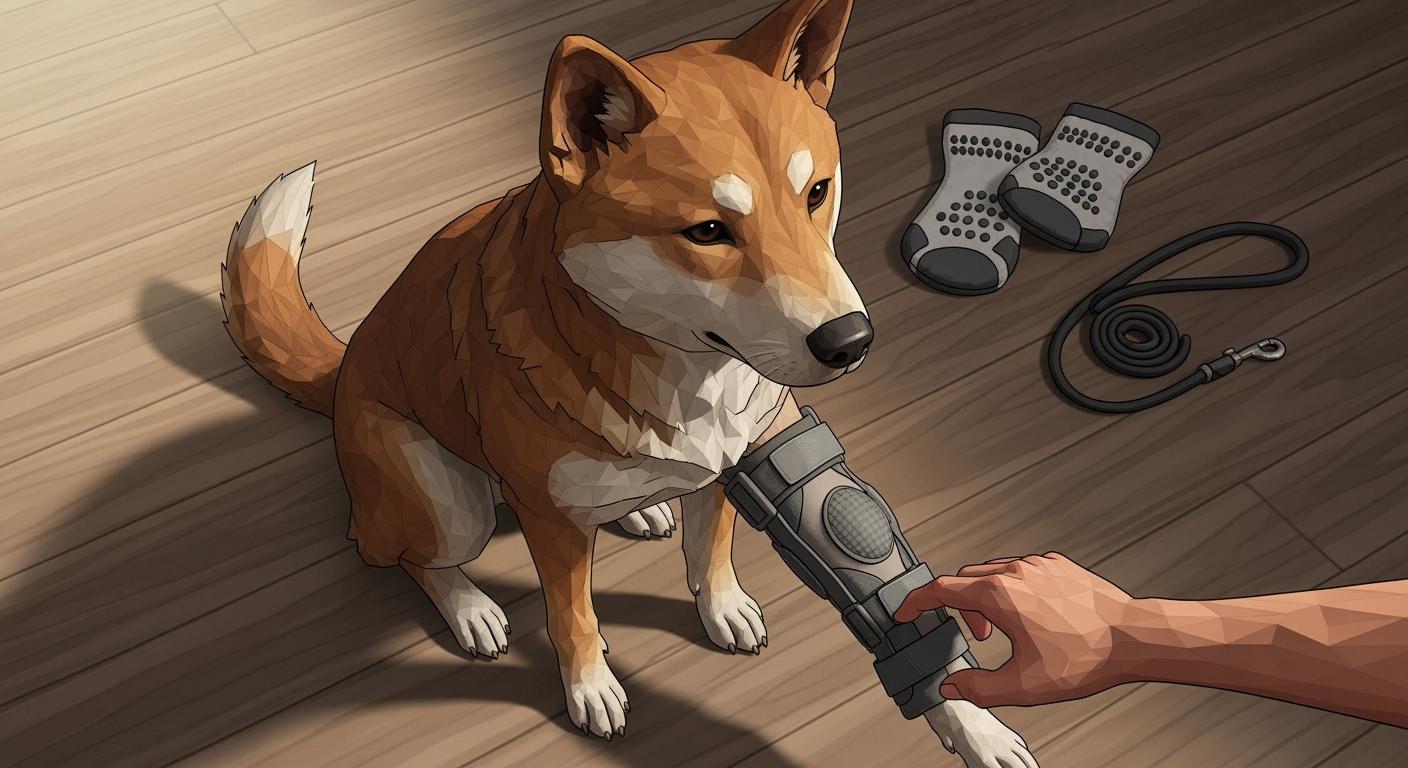
Traction socks and booties give your dog extra grip on slippery floors. Many owners report their dogs stand and walk better with paw treads or grip socks. Mobility boots help dogs with CCL tears by improving stability and reducing falls. These products let your dog move safely across smooth surfaces.
Benefits of Traction Gear:
Improves grip and stability.
Helps prevent slips and falls.
Supports safe movement during recovery.
Stairs and car entry tips
You should limit your dog’s activity, especially in the first 8 to 12 weeks after injury. Avoid running, jumping, and rough play. Assist your dog on stairs by using a harness or sling. Guide your dog slowly and avoid slippery steps. For car entry, lift your dog gently or use a ramp. Gradually reintroduce low-impact activities as your dog heals.
Safety Tip | How It Helps |
|---|---|
Use harness/slings | Supports joints on stairs |
Avoid slick steps | Reduces risk of falling |
Use ramps for cars | Prevents jumping injuries |
Your veterinarian’s plan overrides general tips.
Daily routines with a dog knee brace
Controlled leash walking
You help your dog recover by following a steady walking routine. Start with short, slow leash walks. Keep your dog close to you and avoid sudden turns. Increase walk time little by little as your dog gets stronger. Use the brace only during supervised walks or activities. Do not let your dog run, jump, or play roughly. Skip dog parks and group play for at least three months. Uphill walking can help build strength, but always go slow.
Best practices for leash walking:
Begin with a vet check and set clear goals.
Measure and fit the brace carefully.
Introduce the brace slowly, starting with short walks.
Watch for any signs of discomfort.
Pair walks with gentle rehab exercises.
Your veterinarian’s plan overrides general tips.
Potty breaks and brace safety
Potty breaks need extra care. Always use a leash and keep your dog close. Guide your dog to a safe, flat spot. Avoid slippery or uneven ground. Do not let your dog twist or make sudden moves.
Micro-SOP: Potty Breaks
Clip the leash and walk slowly to the potty area.
Keep your dog’s steps steady and straight.
Stand beside your dog and prevent quick turns.
Watch for signs of discomfort or slipping.
Give your dog breaks from the brace during naps or quiet times. Only use the brace when you can supervise.
Rest setup and preventing sprints
Set up a quiet rest area with soft bedding. Place the bed in a spot away from stairs or busy paths. Use gates to block off rooms or stairs. Prevent your dog from sprinting or jumping up quickly. If your dog must use stairs, use a harness handle or sling for support.
Micro-SOP: Stairs Protocol
Put on a harness or sling before stairs.
Hold the handle to support your dog’s weight.
Move slowly, one step at a time.
Never rush or let your dog jump.
Keep your dog’s routine calm and steady. Your veterinarian’s plan overrides general tips.
Troubleshooting and effectiveness of dog knee braces
Slipping and twisting issues
Sometimes, your dog’s knee brace might slip or twist when walking. This can happen if the straps are not tight enough. It also happens if the brace does not line up with the knee joint. Check the straps to make sure they are snug. Make sure the brace sits straight on your dog’s leg. Some dogs do not like the brace at first. Most dogs get used to it after a day or two. If the brace keeps slipping, try using it for short times. Check the fit every time you put it on. Many owners say training and slow practice help their dogs wear the brace.
Rubbing, hair loss, and swelling
The brace can rub or cause hair loss if the liner gets wrinkled. Moisture under the brace can also cause problems. Look at your dog’s skin two times a day, especially in the first two weeks. Watch for red spots, swelling, or warm areas. Clean and dry the brace before each use. If you see any changes on the skin, take off the brace and let your dog rest. Do not use lotions or ointments under the brace.
Troubleshooting table: common problems
You can fix many brace problems with easy checks. Use this table to help you each day:
Problem | Quick Fix | When to Recheck |
|---|---|---|
Slipping | Adjust straps, check alignment | After each walk |
Twisting | Reposition brace, tighten straps | Before activity |
Rubbing | Smooth liner, check for bunching | Twice daily |
Hair Loss | Remove brace, inspect skin | If redness or swelling appears |
Moisture | Dry brace fully before use | After rain or cleaning |
Your veterinarian’s plan overrides general tips.
Studies show that dog knee braces help dogs walk better after a few weeks. Dogs like Maya and Jax walked with more confidence and moved easier with a brace and rehab. Custom braces help dogs put more weight on the leg and walk with less pain. Braces do not always make the knee as steady as surgery.
Rehab guidance and safety tips
Gentle range-of-motion exercises
You can help your dog move again after a CCL tear. Start with gentle range-of-motion exercises in the first two or three weeks. These exercises help keep the knee loose and lower swelling. Try slow movements like bending and straightening the knee while your dog is calm. You can also use easy stretches and gentle massage to help healing. Physical therapy helps lower pain and keeps your dog feeling better.
Note: Always go slow and stop if your dog looks upset.
Strength and stability basics
Getting stronger helps your dog feel more sure when moving. After three weeks, you can add easy strength exercises. Try sit-to-stand, slow leash walks, and gentle uphill walks. These activities help the thigh and hamstring muscles. Hydrotherapy, like walking in water, makes moving easier and helps your dog heal faster. Keep a steady routine and only add more activity if your dog is not tired.
Phase | Timeline | Focus |
|---|---|---|
I | Weeks 1-3 | Range-of-motion and swelling management |
II | Weeks 4-6 | Strength exercises, gentle walking |
III | Weeks 7-12 | Progress to more active exercises |
Tracking progress over time
Keep a simple log of your dog’s daily activity and mood. Write down any changes in how your dog moves. Look for signs like easier walking, less limping, or more play. Tracking helps you see if your dog is getting better or if there are problems. This helps your dog have a better life.
Safety callout: when to contact your vet
⚠️ Safety Callout:
Call your veterinarian if you see swelling or redness. If your dog stops using the leg, call your vet. Changes in mood, like being grumpy or not wanting to move, mean you should call too.
Your veterinarian’s plan overrides general tips.
FAQs and quick recap
Bracing, fit, and daily use questions
Frequently Asked Questions:
How long should my dog wear the knee brace each day?
You should follow your veterinarian’s advice. Most dogs start with short sessions and build up to longer wear.What signs show the brace fits well?
You should see no twisting, slipping, or rubbing. Your dog should walk with more confidence.Can my dog sleep with the brace on?
Many veterinarians recommend removing the brace at night. Always ask your vet first.How often should I check my dog’s skin?
You should check the skin under the brace at least two times a day for the first two weeks.
Your veterinarian’s plan overrides general tips.
Brace success checklist
Use this checklist to track your dog’s progress:
✅ Brace fits snugly and does not twist.
✅ No redness, swelling, or hair loss under the brace.
✅ Your dog walks with more stability.
✅ You clean and dry the brace regularly.
✅ You follow your veterinarian’s instructions.
When to recheck with your clinic
You should schedule a recheck with your clinic about two weeks after fitting the brace. Call your veterinarian if you see swelling, redness, or if your dog stops using the leg. Regular check-ins help keep your dog safe and comfortable.
Safety Tip: Always contact your veterinarian if you notice any problems or changes.
Choose a knee brace that fits your dog’s needs.
Use traction solutions and a rear sling or harness for extra support.
Set up a home traction lane for safe movement.
Check fit daily with this script: “Does the brace sit straight? Is the skin clear?”
Your veterinarian’s plan overrides general tips.