
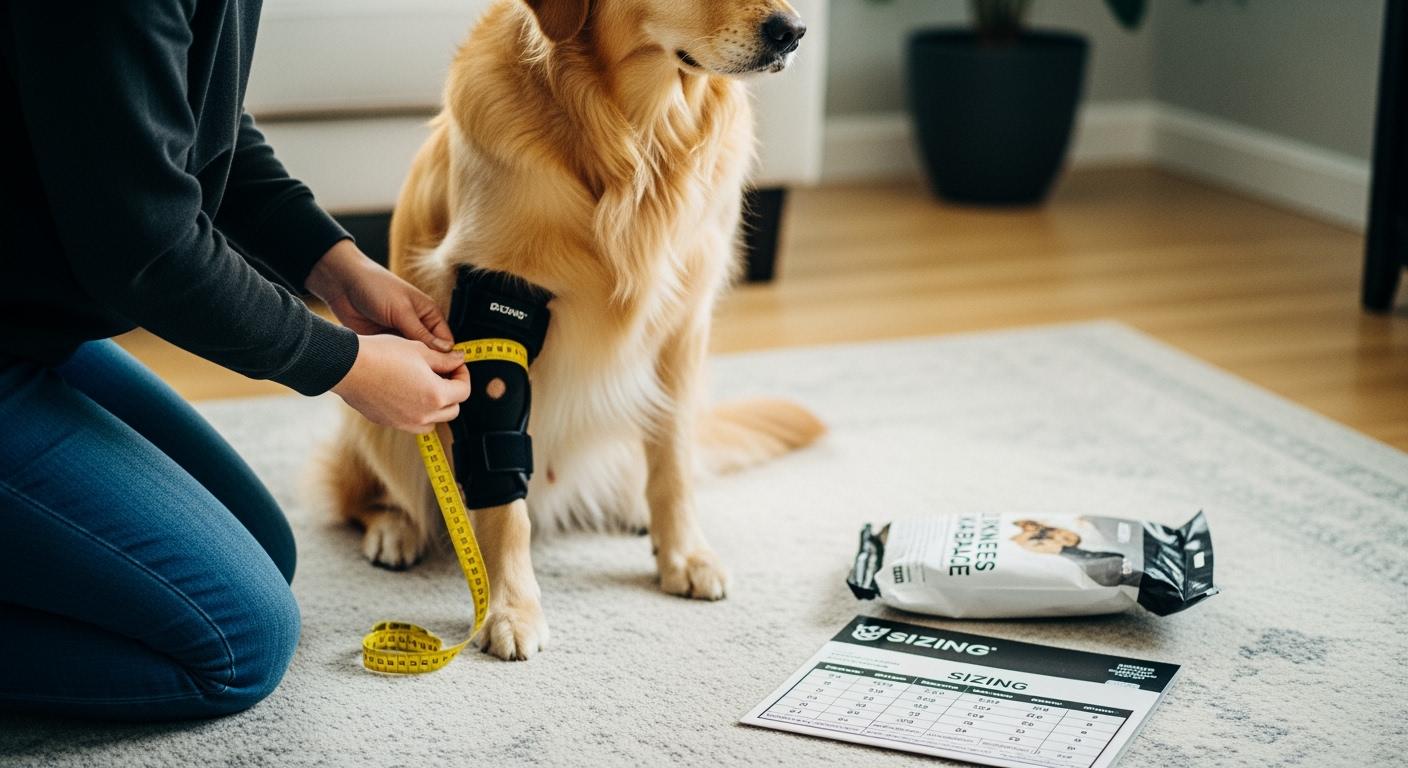
A proper dog knee support brace fit and sizing is essential for optimal performance. A well-fitted brace enhances stability and allows your dog to move more freely. Many owners report improved mobility in their dogs when the brace fits correctly. Accurate measurements not only ensure comfort but also help prevent skin irritations and slippage.
Evidence Type | Description |
|---|---|
Custom Fit | Tailoring a brace specifically for your dog enhances comfort and mobility. |
Owner Compliance | Regularly checking the brace ensures your dog’s healing process is supported. |
Veterinary Oversight | Continuous monitoring by a veterinarian is crucial to confirm the brace’s effectiveness. |
Always consult a licensed veterinarian for assistance with diagnosis or treatment plans.
Key Takeaways
A dog knee brace that fits well helps your dog walk better and move easier.
It is very important to measure your dog the right way. Measure places like the thigh and the length of the leg to make sure the brace fits.
Check the brace often to stop skin problems and keep your dog comfortable while healing.
Ask a veterinarian for help to see if the brace works and to watch how your dog gets better.
If your dog is between two sizes, pick the smaller one so the brace stays on and does not slip.
Why Dog Knee Support Brace Fit and Sizing Matter
Impact on Performance and Stability
It is important to make sure the dog knee support brace fits right. The fit and size of the brace change how well it works. If you pick the correct size, your dog can walk with better balance. Studies show that a good stifle brace helps dogs with joint injuries walk better. Braces stop joints from moving in the wrong way and help keep them steady.
Evidence Type | Findings | Source |
|---|---|---|
Biomechanical Study | Knee braces that fit well stop joints from moving wrong. This helps dogs with joint injuries stay steady. |
Braces give short-term help but do not fix serious injuries. Surgery is still needed for bad injuries. Most research says that measuring your dog the right way gives the best results.
Comfort and Consistency of Wear
Dog knee support brace fit and sizing also change how comfortable your dog feels. If the brace fits well, your dog can wear it all day. You will see less scratching or trying to take it off if it feels good. Dogs get used to wearing a brace in a few days or weeks. Surgery takes much longer to heal.
Aspect | Dog Knee Brace | Surgical Intervention |
|---|---|---|
Recovery Time | Days to weeks (adapting to brace) | 2-4 months of restricted activity |
Outcome | Pain relief, stability, improved mobility | Mechanical correction, long-term solution |
A study in 2023 showed that dogs with moderate injuries moved 65% better after eight weeks with a brace. This only happens if you find the problem early and the brace fits well.
Risks of Incorrect Fit
If the dog knee support brace does not fit right, many problems can happen.
Skin can get sore
Dogs may not move well
Muscles can get weak
Dogs may feel pain
Allergies can happen
Sores can form
The brace might break
Dogs may not want to wear it
You should look for signs like red spots, missing hair, or sores. If your dog does not like the brace or seems hurt, check the fit. Always watch your dog and ask a vet if you see problems.
Tip: Making sure the dog knee support brace fits right stops problems and helps your dog move better.
How to Measure Your Dog for a Knee Brace
Key Measurements Needed
You need to collect several key measurements to ensure the dog knee support brace fit and sizing is correct. Each measurement helps you select a brace that matches your dog’s anatomy. Use the table below to guide your process:
Anatomical Landmark | Description |
|---|---|
Groin | Where the thigh meets the belly (often a change in hair direction) |
Top of the knee | First bend below the groin |
Bottom of the knee | Second bend before the hock |
Hock | The joint just above the paw |
Measurement A | From the groin to the top of the knee, ensuring the brace isn’t too tall |
Measurement B | From the top of the knee to the apex of the hock, determining the brace’s length |
You should measure your dog at these points:
Thigh circumference at the groin
Knee circumference at the joint
Lower leg circumference just above the hock
Leg length from groin to hock
Distance between legs (if the manufacturer requests it)
Tip: If your dog falls between two sizes, choose the smaller size for a snugger fit. This helps prevent slippage and improves stability.
Tools and Preparation
Gather the right tools before you begin. Using the correct equipment helps you accurately measure your dog and reduces errors. You will need:
A flexible measuring tape or fiberglass casting tape
A cut strip for marking
A pair of gloves to keep your hands clean
A stockinette to protect your dog’s fur and skin
A clever cutter or scissors for trimming
A helper to keep your dog calm and steady
Your dog, relaxed and standing
Prepare your workspace. Make sure your dog stands on a non-slip surface. Calm your dog with gentle words or treats. Ask your helper to support your dog during the process.
Measurement Steps
Follow these steps to measure your dog for a knee brace:
Cover your dog’s leg with the stockinette. This protects the fur and skin.
Prepare the casting tape by dipping it in water. Squeeze out extra water.
Wrap the tape around your dog’s leg. Start just above the hock and move up to the groin.
If you need more support, repeat the wrapping with a second roll of tape.
Gently squeeze the mold at the knee as it dries. This shapes the brace for a better fit.
Use scissors or a clever cutter to carefully remove the mold once it dries.
Note: Always reference the manufacturer’s sizing chart before you order. Each brand may use different measurement points or sizing logic.
Sizing Checklist
Use this checklist to review your measurements before you select a brace:
Did you measure your dog at all required points (thigh, knee, lower leg, leg length)?
Did you use a flexible tape or casting tape for accuracy?
Did you record each measurement in centimeters or inches as requested?
Did you check the manufacturer’s sizing chart?
Did you choose the smaller size if your dog’s measurements fall between two sizes?
Did you keep your dog calm and standing during the process?
A careful approach helps you accurately measure your dog and improves the chance of a proper fit. If you have questions about the process, consult a veterinary professional or contact the brace manufacturer for guidance.
Evaluating Dog Knee Brace Fit
Signs of Proper Fit
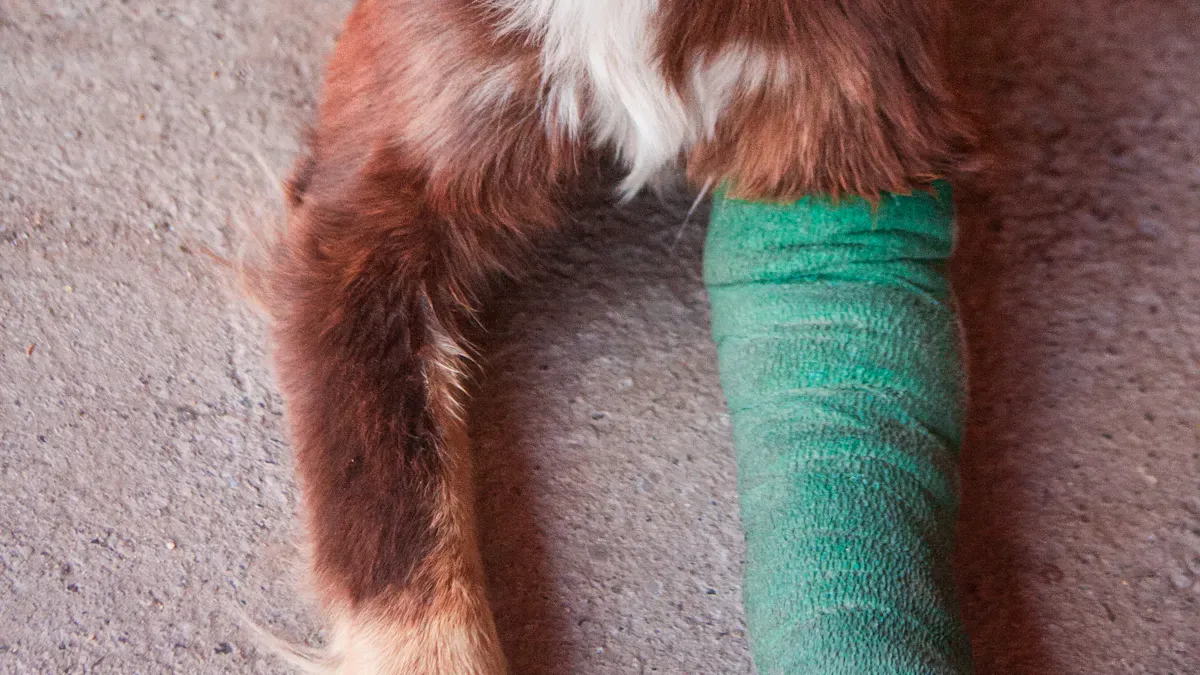
You need to check a few things to see if the dog knee brace fits right. The brace should support your dog’s knee without hurting or stopping movement. Use the table below to help you check:
Indicator | Description |
|---|---|
Snug Fit | The brace should feel tight but not too tight. You should be able to slide one or two fingers under the straps. |
No Rubbing or Chafing | Look for places where the brace touches your dog’s skin. |
Full Range of Motion | Make sure your dog can move as your vet says. |
Your Dog’s Comfort | Watch how your dog acts. The brace should not make your dog feel worse. |
Watch your dog walk, sit, and lie down. The brace should stay in place and not move or slip.
Signs of Poor Fit
If the brace does not fit right, problems can happen. You might see these signs if the dog knee brace is wrong:
Red skin, missing hair, or sores under the brace
Your dog tries to take off the brace or looks upset
The brace slides down or turns when your dog moves
Your dog limps more or does not use the leg
If you notice these problems, take off the brace and check your measurements. Dogs have different body shapes, like muscle size or leg length, which can change the fit. Some breeds need extra care because their bodies are special.
Tip: If you cannot fix the fit, ask a vet or think about getting a custom brace.
Adjustability and Movement
Being able to adjust the brace is very important. Look for straps and closures you can change. These help you make the brace fit better as your dog heals.
A good brace keeps the knee steady and stops bad movements.
It helps your dog walk and move more easily.
The brace protects the joint and stops painful motions.
Controlled movement helps your dog heal and do daily things.
Check the fit often, especially if your dog’s weight changes. If you are not sure about fit or movement, ask a professional for help. This makes sure your dog gets the best support.
Common Sizing Mistakes and Limitations
Overlooking Body Shape Differences
Dogs come in many shapes and sizes. There are 364 breeds, and each one is different. Some dogs have thick thighs. Others have skinny legs or knees that bend in odd ways. This makes picking the right size hard.
Aspect | Details |
|---|---|
Number of Breeds | 364 recognized breeds |
Size Variability | Each breed has unique anatomical differences affecting brace fit |
Customization Requirement | Custom-made braces are often necessary due to the diversity in sizes |
Human Comparison | If humans had 14 sizes, dogs would need over 5,000 to match breed variety |
You should think about your dog’s shape, not just weight or age. If you are not sure, measure your dog or ask about custom braces. For more help with breed fit, check our knee brace selection guide.
Ignoring Sizing Charts
Some people do not look at the sizing chart. Others guess the size instead of measuring. This can make the brace fit badly or hurt your dog’s skin. Most companies give guides or let you try fitting at a clinic. Always measure your dog and check the chart before you buy.
Bad fit can make the brace slip or rub the skin.
Each brand may use a different way to size.
Some dogs need custom braces for their shape.
If you want more help, see our mobility solutions page for step-by-step tips.
Understanding Bracing Limitations
Dog knee support braces help many dogs, but they do not fix every problem. You should know what braces can and cannot do:
Braces do not make the joint as stable as surgery.
About half of dogs get skin sores or the brace slips.
Good fit and checking the brace often are important.
Surgery is best for full ligament tears.
Braces help but do not fix bones or ligaments.
Braces work best for small tears or dogs who cannot have surgery.
You can learn more about braces on our dog knee brace category page. Always talk to your vet before you decide.
Remember: Measuring your dog the right way helps you avoid most mistakes. If you have questions, ask a pro or read our comprehensive knee brace resource.
Making sure the dog knee support brace fits right is very important for your dog’s comfort and how well it works. You should check your dog’s measurements often. Go to the vet for follow-up visits to make sure the brace still fits and helps your dog move. Look for signs like pain, swelling, or if your dog acts differently. Ask a vet for help if you see these problems. Some companies give custom braces and tools to help you measure at home. This helps you get a better fit. Checking the brace often keeps it working well and helps your dog stay active and healthy.
FAQ
How do you know if a dog knee support brace fits correctly?
You should check for a snug fit without pinching. The brace should not slip or twist. Your dog should walk comfortably. Watch for red spots or hair loss. If you see these, adjust the fit or consult a professional.
What measurements matter most for dog knee support brace fit and sizing?
Focus on thigh, knee, and lower leg circumference. Measure leg length from groin to hock. Always use the manufacturer’s sizing chart. Accurate measurements help you select the right brace and avoid discomfort.
Can you use a standard size brace for any breed?
No, breed differences affect fit. Some dogs need custom braces due to unique body shapes. Always measure your dog and compare with the sizing chart. If unsure, ask about custom options.
What should you do if your dog falls between two sizes?
Tip: Choose the smaller size for a snugger fit. This helps prevent slippage and improves stability. If you still have concerns, contact the manufacturer or your veterinary professional for advice.
How often should you check the fit of a dog knee support brace?
Check the fit daily, especially during the first week. Dogs can change shape as they heal or gain weight. Regular checks help you spot issues early and keep your dog comfortable.
