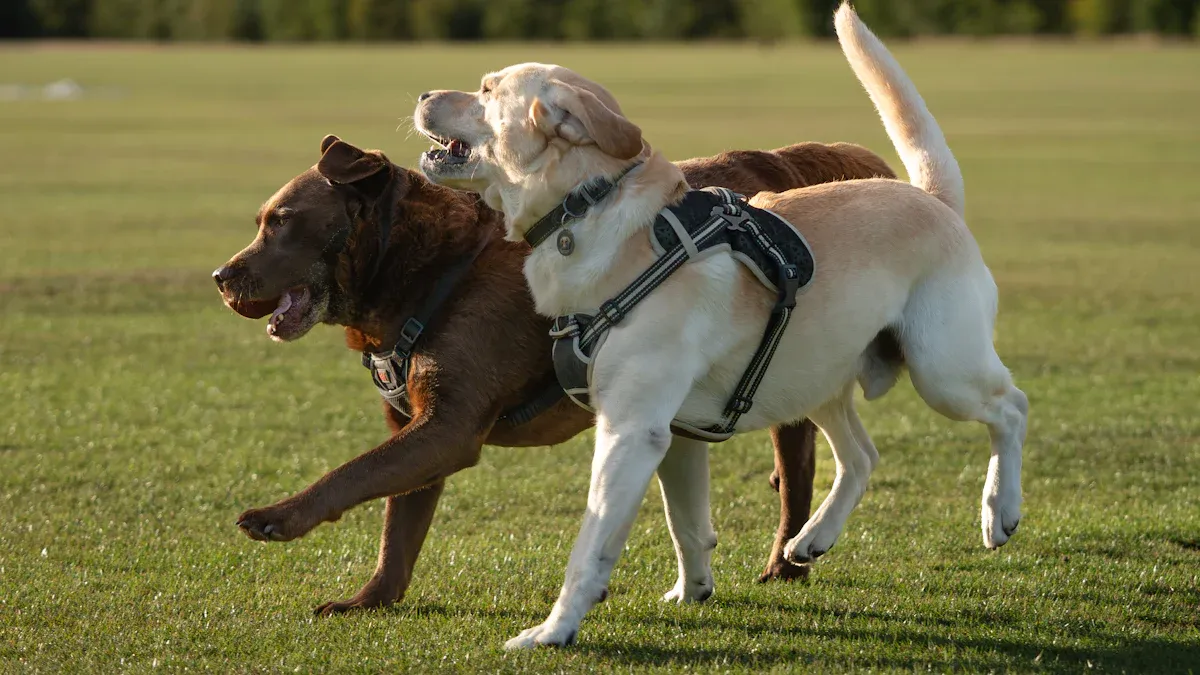
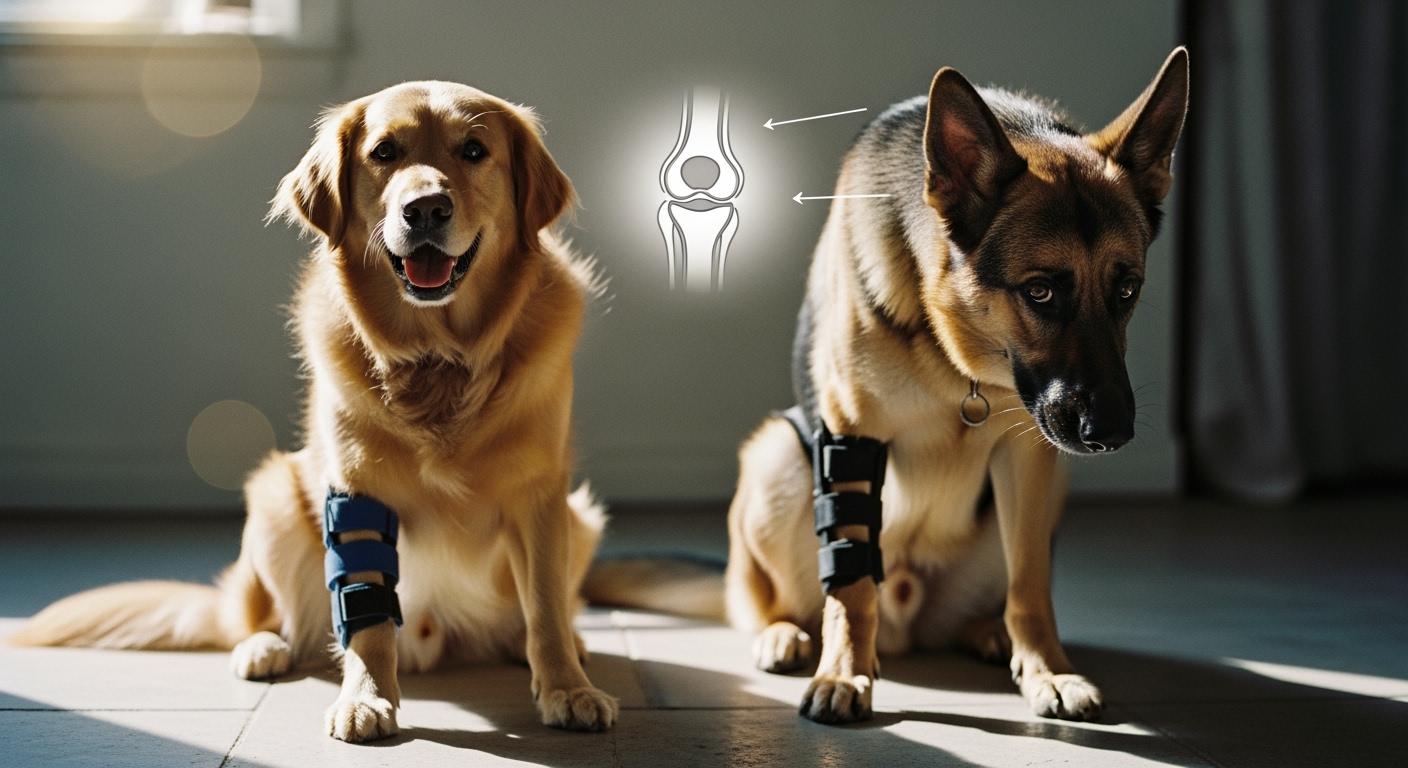
When comparing dog patella luxation brace mild vs severe, the main question is whether bracing is being used for symptom management in a milder grade or whether the knee has progressed to a level where external support is no longer enough. This article is for owners, clinics, and rehab-minded buyers who need to compare when bracing may help, when it usually has limited value, and what signs should move the case toward veterinary reassessment. Read it to understand how grade changes the role of a brace, what support goals are realistic in mild cases, and when to review condition-based support pathways before making a product decision.
Bracing is usually most relevant in mild to some moderate cases where the goal is support, comfort, and better daily function.
Bracing does not correct the underlying bone and groove changes that drive severe patella luxation.
Grade, gait changes, and veterinary findings should determine whether a brace is a support tool or an insufficient solution.
Case type | What bracing can realistically do | Decision direction |
|---|---|---|
Mild to lower-grade cases | May improve comfort, support daily movement, and reduce symptom burden. | Consider bracing as part of a broader management plan. |
Higher-grade or more persistent cases | Usually offers limited correction because the brace cannot realign structural change. | Escalate veterinary review and discuss whether bracing is only temporary or insufficient. |
If limping is becoming more frequent, the knee is harder to use, or the dog is resisting normal activity, veterinary reassessment should come before purchase. Grade changes, pain response, and joint mechanics matter more than marketing labels. Use this article to narrow the support category first, then review fit and product considerations only after the case direction is clear.
Key Takeaways
Bracing is generally more useful in mild cases where the goal is support, comfort, and movement management.
Severe cases usually exceed what a brace can correct because the structural problem remains.
Grade, gait pattern, and tolerance should guide the brace decision, not symptom severity alone.
Fit, daily monitoring, and veterinary review determine whether bracing is helping or simply delaying escalation.
Dog Patella Luxation Brace Mild vs Severe
Understanding Patella Luxation Grades
Grade is the first filter in any dog patella luxation brace mild vs severe decision. Veterinarians use a four-grade system to describe how easily the patella moves out of place, how consistently it stays displaced, and how much that instability changes gait and daily function. If you need broader background on knee-support categories before comparing management options, review the educational material in our GaitGuard Guides.
Grade | Clinical Signs | Description |
|---|---|---|
I | Asymptomatic | Patella can be moved out but returns to normal. Occasional skipping lameness. |
II | Mild lameness | Patella luxates with movement or manipulation. Can evolve to grade III. |
III | Persistent lameness | Patella stays out most of the time. Abnormal posture and semiflexed leg. |
IV | Severe lameness | Patella always out. Crouched gait, stifles close together, legs abducted. |
Veterinarians check for dog patella luxation by watching your dog walk and feeling the patella. They look for signs like limping, skipping, or not wanting to put weight on the leg. Grades I and II are mild, but III and IV are severe.
Key Differences in Mild and Severe Cases
Mild cases usually show intermittent skipping, short limp episodes, or inconsistency during movement rather than constant functional loss. In that setting, bracing may help improve comfort, add support, and make daily activity more manageable, especially when used alongside weight control, exercise adjustment, and veterinary follow-up.
Severe cases usually involve more persistent displacement, more obvious gait change, and a lower chance that external support alone will meaningfully change function. When the patella remains out more consistently, the brace may still offer limited support value, but it does not resolve the structural mechanics behind the condition. That is why severe cases are much more likely to require escalation beyond bracing.
Quick decision rule: intermittent skipping and recoverable gait changes usually fit a “support may help” discussion; persistent limp, abnormal stance, or steady functional decline usually means bracing alone is unlikely to be enough.
The key distinction is not whether a brace exists for both cases, but whether bracing still matches the job that needs to be done. In mild cases, that answer is often yes. In severe cases, the answer is often only partially or temporarily.
When Braces Help in Mild Dog Patella Luxation
Support Goals for Mild Cases
In mild cases, the role of a brace is support management rather than correction. The main goals are to improve comfort, reduce symptom-provoking motion, support more stable daily walking, and make conservative management easier to execute consistently.
Use the table below as a support-goal checklist rather than as a promise of correction:
Support Goal | What That Means In Practice |
|---|---|
Daily comfort support | Reduce symptom burden during walks, standing, and routine movement. |
Movement management | Limit some abnormal motion and improve more confident use of the limb. |
Conservative-care support | Work alongside weight control, rehab work, and veterinary monitoring. |
Progress tracking | Help assess whether mild-case management is stable or whether escalation is becoming necessary. |
A stifle brace for luxating patella in dogs helps your dog walk, run, and play with less pain. You may see your dog feels safer and limps less. The brace does not fix bones, but it helps your dog use the leg better. Many owners use a brace along with weight control and rehab exercises.
Daily Comfort and Mobility Benefits
In mild cases, a brace may improve day-to-day function by making movement feel more stable and less symptom-provoking. The most useful benefits are usually better walking confidence, lower irritation during routine activity, and a more manageable daily support plan rather than dramatic correction.
Here are some ways a brace can help your dog with mild luxating patella:
Reduces limping and skipping during walks.
Helps retrain muscle memory so your dog uses the leg more.
Makes your dog more playful and active.
Decreases licking or chewing at the knee.
Delays the need for surgery by supporting the joint while you work on muscle strength and weight management.
Note: In mild cases, success should be judged by repeatable changes you can observe: fewer skip steps, better tolerance for walks, less licking at the knee, and fewer post-activity setbacks.
Fit still decides whether the brace can do its job. A support device that slips, rotates, or rubs will not perform well even in a mild case. When you begin comparing dog knee brace product options, evaluate structure, adjustment range, and skin tolerance rather than only looking at broad marketing claims.
A stifle brace for luxating patella in dogs works best when you use it with other treatments. You should talk to your vet about the best brace and other ways to help your dog. Braces can help with symptoms and comfort, but they do not replace expert care.
If you see your dog limping less, playing more, or acting happier, the brace is helping. Keep watching for changes and talk to your vet if you worry. The right brace for luxating patella can help your dog enjoy life, even with mild patellar luxation.
Bracing Limitations in Severe Patella Luxation
Why Severe Cases Need More Than Braces
Severe patella luxation usually exceeds what bracing can realistically solve. Once the joint mechanics and structural alignment problems become more persistent, the brace may offer only limited assistance because it cannot reshape the groove, correct alignment, or reliably maintain patellar position on its own.
That does not mean a brace has zero role in every severe case, but it usually means bracing is no longer the main solution. At that point, the decision should shift toward veterinary assessment of function, pain, progression, and whether procedural or surgical intervention needs to be part of the plan.
Escalation rule: when the patella is out more consistently, gait changes are persistent, or the dog is not functionally improving, the brace should be reassessed as a limited-support tool rather than a sufficient treatment strategy.
Signs Bracing May Not Be Enough
Look for signs that the brace is no longer matching the case. These signs matter more than whether the product is technically still wearable:
Your dog limps all the time or will not use the leg.
The patella stays out and will not move back.
Your dog does not like the brace or seems upset.
The muscles around the knee get smaller.
The brace makes it hard for your dog to walk.
Sign | What It Means for Your Dog |
|---|---|
Persistent limping | Bracing does not take away the pain |
Patella always out | Severe patellar luxation may need surgery |
Muscle atrophy | Knee gets weaker over time |
Resistance to brace | Dog feels pain or cannot move well |
If these signs are present, bracing should no longer be judged by whether it can still be worn. It should be judged by whether it is still clinically useful. In those cases, move the discussion back to veterinary planning instead of simply trying another brace.
Choosing the Right Dog Patella Luxation Brace
Fit and Comfort Factors
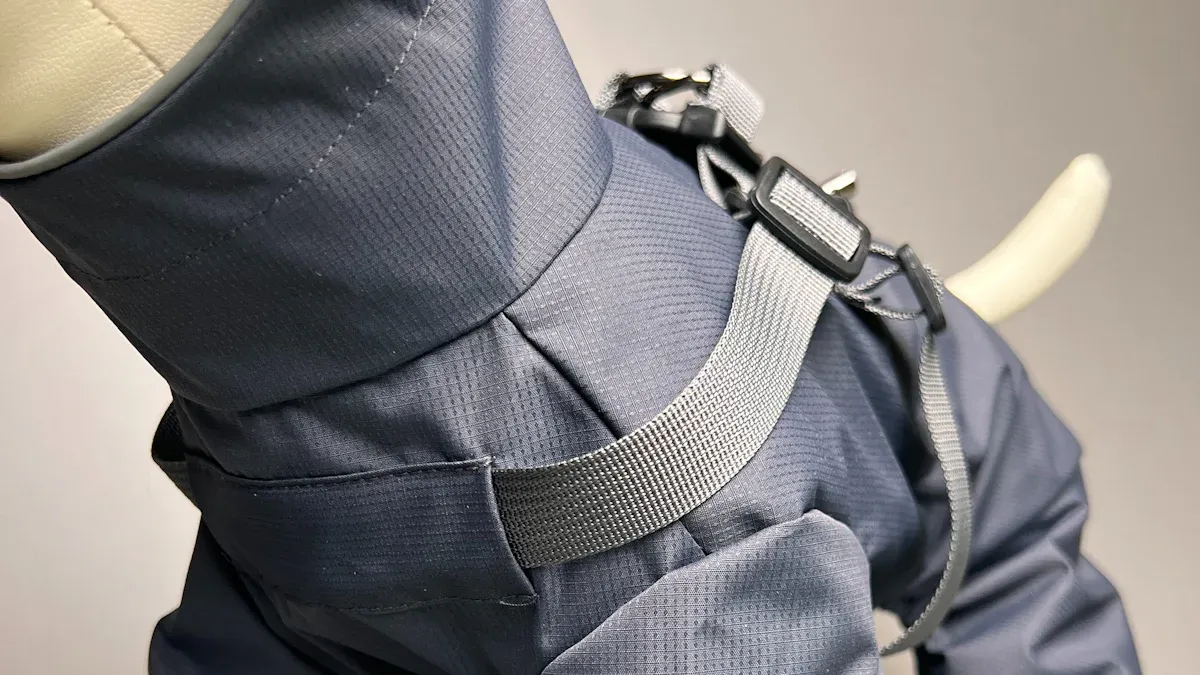
Fit is the first performance variable in patella luxation bracing. The brace should match limb shape, support goal, and tolerated wear time closely enough to stay aligned without creating avoidable pressure problems. Even the right support category underperforms when the fit is unstable.
Here are the main factors to consider when choosing a brace for your dog:
Size and fit: Measure your dog’s leg carefully. A snug fit gives proper support and prevents slipping.
Adjustable vs. fixed designs: Adjustable braces work well for growing dogs. Fixed braces suit dogs with stable measurements.
Material and durability: Choose a brace made from strong, soft materials. This keeps your dog comfortable and helps the brace last longer.
Level of support needed: Some braces offer more support for dogs with mild patella issues. Others help dogs with more movement problems.
Comfort and ease of use: Your dog should wear the brace for hours without discomfort. Pick a brace that is easy to put on and take off.
Tip: Always check the brace fit after your dog walks or plays. Look for signs of rubbing or redness. Adjust padding or use a sleeve liner if needed.
Avoiding Common Mistakes
Many owners make mistakes when fitting a dog patella luxation brace. You can avoid problems by following these steps:
Do not measure your dog’s leg too loosely. A tight fit gives better support.
Make sure your dog stands while you measure. This gives the most accurate fit.
Double-check measurements before you buy or fit the brace.
Do not buy by symptom description alone. Veterinary grading, gait findings, and progression pattern should determine whether the case is still appropriate for bracing, what support level makes sense, and what response would count as a successful trial period.
Here are some practical tips for fitting and monitoring a brace:
Get a proper diagnosis from your vet. They will check your dog’s knee and patella.
Discuss your goals with your vet. Decide if you want to avoid surgery, reduce pain, or help your dog recover.
Choose a brace that matches your dog’s needs. Your vet may recommend a clinic fitting for best results.
Use the brace with weight control and rehab exercises. This helps your dog’s knee stay strong.
Monitor your dog’s progress. Check the fit often and look for signs of discomfort.
Note: Expect a break-in period. Start with short, supervised sessions. Increase wear time slowly. Check your dog’s skin daily for irritation.
A dog patella luxation brace can help your dog feel better and move more easily. The right fit and careful monitoring make a big difference. Always work with your vet to choose and fit the best brace for your dog.
When to Seek Veterinary Guidance
Red Flags and Next Steps
Bracing should pause and veterinary review should move forward when the case shows signs of progression, functional decline, or poor brace response. Use the following red flags as escalation signals rather than as reasons to keep testing support products.
Your dog starts limping suddenly or very badly.
Your dog keeps limping or it gets worse.
You see swelling or redness around the knee.
You hear clicking or popping from the joint.
Your dog does not want to move or play.
If you see any of these signs, call your veterinarian. Your dog may need a full checkup. The veterinarian will look at the knee and decide if a brace is enough or if surgery is needed. Do not wait if your dog is in pain or stops using the leg.
Your veterinarian will grade how bad your dog’s patella luxation is. This helps you know what might happen next:
Severity Grade | Description | Surgical Candidate |
|---|---|---|
1 | Patella slips out but goes back in place | Usually managed conservatively first |
2 | Patella slips out more often, may need surgery | May need escalation if function, pain, or progression worsens |
3 | Patella stays out a lot, likely needs surgery | Often requires advanced veterinary planning |
4 | Patella always out, needs surgery | Commonly requires intervention beyond bracing |
Use grade as a planning tool, not as a stand-alone treatment answer. The actual decision depends on gait impact, pain response, recurrence, tolerance for conservative care, and how well the dog is functioning over time.
Internal Links to More Resources
For broader background after this comparison, continue to the most relevant internal paths only: use Guides for educational context, Solutions for condition-based support direction, and Products when the case is ready for fit and product evaluation.
The value of this sequence is simple: understand the grade first, confirm whether bracing still fits the case, and only then compare brace options.
Workflow tip: grade first, product second. That order reduces poor-fit purchases and improves support matching.
Bracing for patella luxation works best when the article’s central distinction stays clear: mild cases may still benefit from support management, while severe cases often move beyond what external bracing can realistically correct. The practical job is to match the brace to the grade, monitor response, and stop treating bracing as the whole solution when the case is clearly progressing.
Mild cases may justify bracing when the goal is comfort, support, and function management.
Severe cases usually require reassessment because the brace cannot resolve structural displacement by itself.
Success should be tracked through repeatable gait and comfort changes, not assumptions.
Use a short monitoring record after brace introduction so you can judge whether the case is stabilizing or whether escalation is needed:
What to record | Why it matters |
|---|---|
Skip-step frequency | Helps show whether daily function is improving or becoming more unstable. |
Walk tolerance | Shows whether the brace is improving routine activity or not changing it enough. |
Post-activity response | Helps identify flare-ups, fatigue, or need for reassessment. |
Skin and fit check | Confirms whether the brace is wearable enough to stay clinically useful. |
Review the record every few days and use it to decide whether the brace is supporting a stable mild-case plan or whether the case is moving beyond what bracing can do. For broader educational background after this article, continue through our Guides. Data authenticity note: This article is for educational purposes only. It is designed to help readers compare how brace usefulness changes between mild and severe patella luxation cases. It does not replace veterinary diagnosis, grading, imaging, individualized brace fitting, or a full treatment plan.
FAQ
Can a brace help all grades of patellar luxation in dogs?
No. Bracing is usually most useful in mild cases and more limited in severe ones. The better question is whether the brace still matches the grade and function of the case, not whether the same product can technically be worn across all grades.
What are non-surgical options for patella luxation in dogs?
Non-surgical management usually makes the most sense in milder cases or when the veterinary plan supports conservative care. Common elements include bracing, activity adjustment, weight management, rehab work, and ongoing reassessment of function.
How does a brace provide pain relief for dogs with patellar luxations?
A brace may reduce symptom-provoking motion, improve support around the knee, and make daily movement easier to manage. It does not remove the underlying cause of luxation, so pain relief should be evaluated as functional improvement rather than assumed correction.
When should you seek treatment for a luxating patella in dogs?
Seek treatment when limping becomes persistent, function is declining, the dog is resisting weight-bearing, or the brace is no longer changing daily movement in a meaningful way. Those signs suggest the case needs reassessment, not just continued support use.
Can a brace improve joint stability and pain relief for dogs?
A brace makes the joint steadier and helps with pain. Dogs with mild luxation get extra support from a brace. You should check the brace often and look for pain or discomfort.