
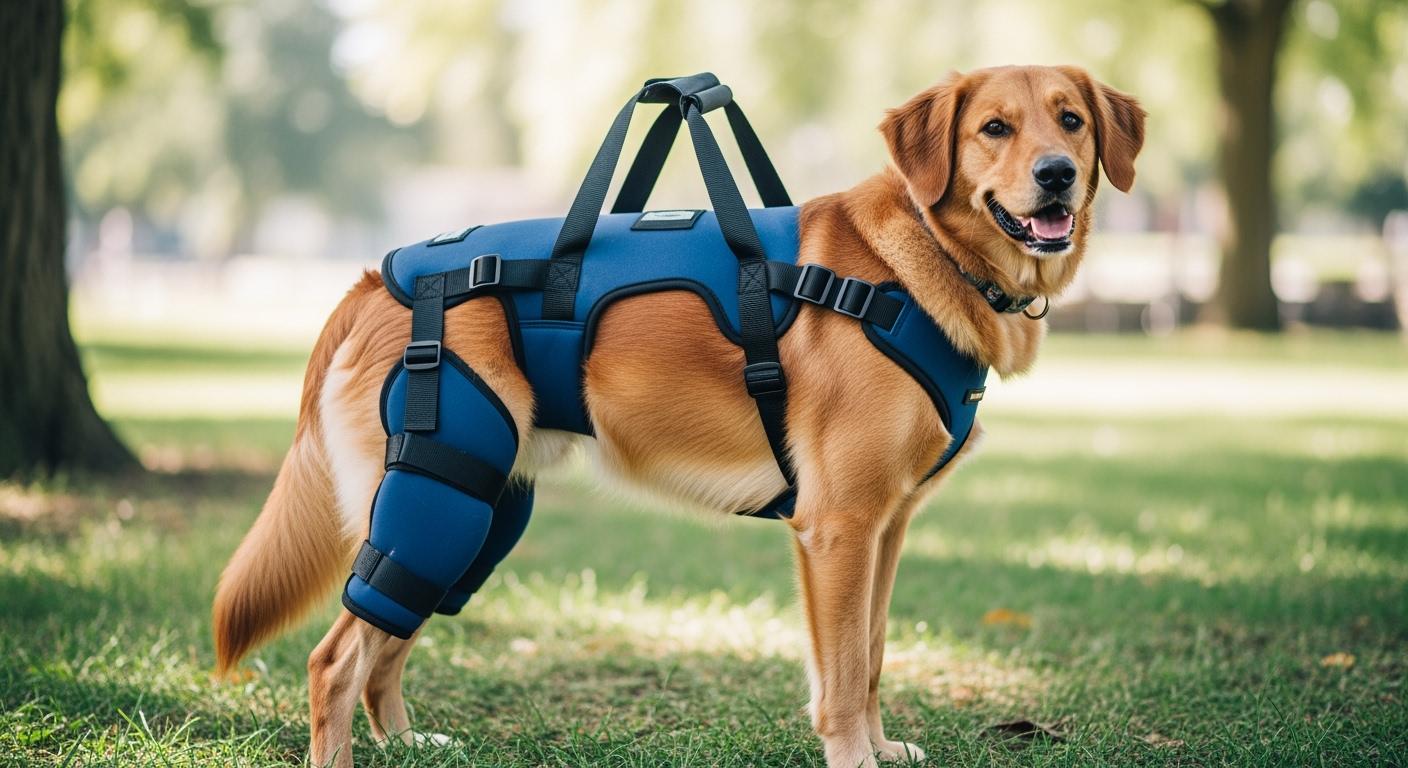
Evaluating the dog rear lift harness fit and pressure points is essential for ensuring your dog remains comfortable and supported throughout daily activities. By examining how the harness sits and interacts with your dog’s body, you can enhance their safety and well-being. For clinics and resellers, achieving the right fit is crucial to effectively assist dogs while preventing pain or injury.
A properly fitting harness allows you to guide and stabilize your dog without causing discomfort or hindering their natural movement. This aspect is vital for providing daily assistance and ensuring safety.
To determine if the harness is suitable for walks, navigating stairs, and transferring your dog, pay close attention to the contact areas and overall fit.
Key Takeaways
A harness that fits well gives comfort and support. It lets your dog move easily and without pain. Check the harness fit and pressure points often. This helps stop discomfort and keeps your dog safe on walks and when lifting. Measure your dog’s neck, chest, and belly carefully. This helps you pick the right harness size. Adjust the straps so they do not press on sensitive spots. These spots are the armpits and belly. The harness should be snug but still comfy. Watch for signs your dog feels bad, like redness or rubbing. If you see these, fix the harness or ask a professional for help.
Dog Rear Lift Harness Fit and Pressure Points
Why Fit Matters for Comfort and Support
You should check the dog rear lift harness fit and pressure points before picking one. The right fit gives your dog steady support for moving and staying comfortable every day. When the harness fits well, it spreads weight and pressure so your dog does not get hurt or sore. You can also keep control when lifting and help your dog move better.
Tip: Always look at the harness fit before you use it. Change the straps to fit your dog’s shape and size. This keeps pressure off sensitive spots and helps the harness work right.
A harness that fits well supports your dog’s back legs without pain. The best rear lift harness helps your dog walk, go up stairs, or move from place to place. Picking the right harness makes your dog’s life better and lowers the chance of getting hurt.
A good harness spreads pressure across your dog’s body.
How the harness is made and how you adjust it changes comfort and movement.
Do not put straps over spots like armpits or the soft belly.
You need to think about these things so the harness helps your dog move and use it every day.
Common Pressure Areas and Contact Points
You should look at where the harness touches your dog to find spots where pressure can build up. The fit and pressure points of the dog rear lift harness are important for your dog’s comfort and safety. If you miss these spots, your dog might feel pain or have trouble moving.
Evidence Type | Findings |
|---|---|
Shoulder Extension | Some harnesses can stop shoulders from moving well. |
Gait Dysfunction | Bad fit can change how your dog walks and cause muscle problems. |
Long-term Effects | Wrong fit can wear out joints and cause arthritis. |
Studies show that a harness that does not fit right can stop shoulders and spine from moving. This can make your dog walk in a strange way and cause muscle and joint problems. You should check the harness fit and pressure points often to stop these problems.
Different harness styles change how pressure feels and how comfy your dog is. Some harnesses for pulling dogs put more pressure on the chest. Y-harnesses can stop shoulders from moving as much when your dog walks or trots. You should think about these things when picking a harness.
Harness Type | Pressure Distribution (Sternal Region) | Shoulder Extension Restriction (Degrees) |
|---|---|---|
Guide Harness | Most pressure on right chest area | N/A |
Y-Harness | N/A | 5° (walk), 9° (trot) |
Norwegian Harness | N/A | 2° (walk), 5° (trot) |
Y-Harness with Weight | N/A | More restriction than Y-Harness without weight |
You should look for rubbing, red marks, or pinching where the harness touches. These signs mean the harness does not fit right. If the harness slips or moves while your dog walks, check the fit again or try a different one.
When you check the fit and pressure points of the dog rear lift harness, you help clinics, sellers, and owners make good choices. You make sure dogs get safe and comfy support for moving and daily life.
Measure Your Dog for a Harness
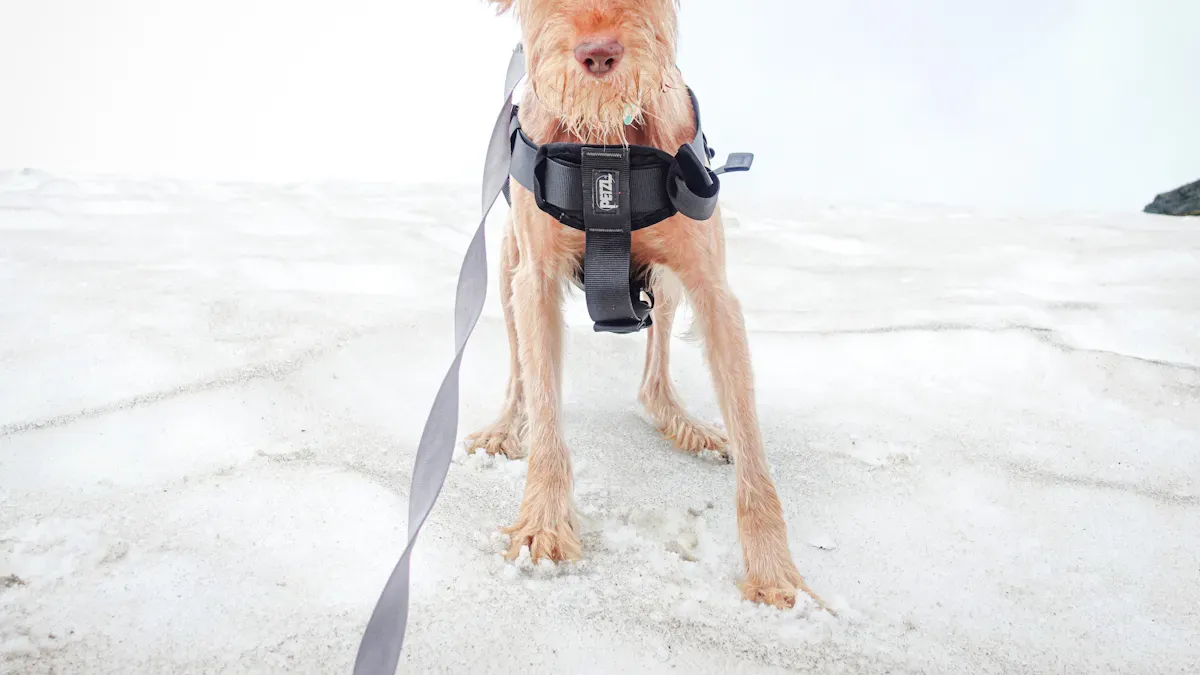
Key Measurement Points: Neck, Chest, Back
You need to measure your dog for a harness before choosing the right dog harness size. Accurate measurements help you achieve the perfect harness fit and prevent discomfort. You should focus on several key points: neck, chest, belly, and back. Each area affects how the harness supports your dog during daily activities.
Here is a table that shows the main measurement points and their descriptions:
Measurement Point | Description |
|---|---|
Chest Girth | Measure around the widest part of the rib cage, right behind the front legs. Add an inch for comfort. |
Neck Size | Measure around the lower part of the neck, above the shoulders, where the harness will sit. |
Belly Circumference | Measure just in front of the back legs to ensure the belly strap fits properly. |
Back Length | Measure from the base of the neck to where the tail begins, important for long-bodied dogs. |
You must measure the girth of your dog to get the correct dog harness size. If you skip this step, the harness may not fit well. Poor fit can cause rubbing, slipping, or uneven weight distribution. You should always check these points before putting a harness on your dog.
Tip: Use a soft measuring tape for best results. Keep your dog calm with treats or toys. Ask someone to help if your dog moves a lot.
Achieving the Perfect Harness Fit
You want to achieve the perfect harness fit for your dog. Start by gathering the right tools. Use a measuring tape, paper, and pen to record each measurement. Treats or toys help your dog stay still. An assistant can make the process easier.
Follow these steps for exact measurements:
Wrap the tape measure around the widest part of your dog’s neck, just behind the ears.
Measure the chest girth by wrapping the tape around the widest part, right behind the front legs.
Measure the belly circumference just in front of the back legs.
Measure the back length from the base of the neck to the base of the tail if the harness design requires it.
Make sure the tape is snug but not tight. Allow space for one or two fingers between the tape and your dog’s body.
You must measure your dog for a harness with care. Exact measurements help you select the right dog harness size and avoid mistakes. Inaccurate measurements can lead to a harness that does not fit properly. This can hinder your dog’s movement and cause discomfort or injury. The harness may not distribute weight evenly, which reduces its effectiveness. This is especially important for service dogs and dogs needing daily support.
You should check the fit after you receive the harness. Try it on your dog and look for signs of rubbing or slipping. Adjust the straps as needed. Repeat the measurement process if your dog’s weight or shape changes.
Note: Precise measurement is the foundation of tips for dog harness sizing. You improve safety and comfort by following these steps.
You help clinics, resellers, and owners make informed decisions by focusing on dog harness size and fit. You ensure your dog receives consistent support for walks, stairs, and transfers. For more guidance, visit our mobility support guide, hind-leg weakness solution page, or explore our rear lift harness category.
Adjusting for the Best Rear Lift Harness Fit
Proper Strap Tightness and Placement
You need to make sure the straps are not too tight or too loose. Check the harness straps every time you put it on your dog. Padding helps protect soft spots and stops rubbing. The handle lets you lift your dog safely and gives you control. If the harness does not fit right, lifting your dog can hurt them.
The harness has 10 places you can adjust for a snug fit. This helps your dog feel comfortable and supported.
Spreading weight evenly makes lifting easier and keeps your dog comfy.
The belly strap should fit well so the harness does not slip.
Pick a harness style and size that matches your dog’s body. This lets your dog move easily and helps stop injuries.
Multiple Adjustment Points and Customization
Having many adjustment points means you can change the harness to fit your dog better. This helps lower pressure on certain spots and makes the harness more stable. The table below shows why being able to adjust the harness is good:
Benefit | Explanation |
|---|---|
Proper Fit | Many adjustment points help the harness fit well and spread pressure across your dog’s body. |
Reduced Pressure Points | Lessens pain and stops pressure spots, which is good for dogs with special body shapes. |
Enhanced Stability | More ways to adjust means the harness will not slide around. This stops rubbing and stress. |
You can change the harness to give your dog both support and freedom. Making these changes helps your dog on walks, stairs, and when moving from place to place.
Daily Usability: Walks, Stairs, Transfers
Try the harness during things you do every day. Watch how your dog moves when wearing the harness. Make sure the harness does not stop your dog from moving or make them hurt. After walks or going up stairs, look for red marks or slipping. If you see problems, fix the straps. The handle should help you lift your dog without hurting them. Padding and adjusting the straps make lifting more comfortable.
When you fit the harness the right way, your dog can stay active and safe. Clinics and sellers can use these ideas to help dogs who need extra support. For more help, check out our mobility support guide, hind-leg weakness solution page, or look at our rear lift harness category.
Signs of a Poorly Fitted Dog Harness
Identifying Pressure Points and Discomfort
You should look for signs that the dog harness does not fit right. A harness that is too tight or loose can hurt your dog. It can also make it hard for your dog to move. Check your dog after walks, going up stairs, or moving from place to place. This helps you find problems early.
Checklist: Signs of Discomfort and Poor Fit
Red skin or missing hair under the straps
Rubbing or sore spots near the armpits or belly
Skin gets pinched when you change the harness
Harness moves to one side or spins around
Dog stops walking or tries to take off the harness
Sore or swollen spots where the harness touches
Note: If you see any of these signs, take the harness off. Check how it fits. Make sure there is no pressure on your dog’s throat.
If your dog gains or loses weight, check the harness fit again. If your dog moves differently, look at the harness. You might need a new style or size to keep your dog safe and happy.
Common Fit Mistakes to Avoid
Many people make mistakes when they put on a dog rear lift harness. You can stop these problems by following simple steps.
Top Mistakes and How to Avoid Them
Mistake | How to Avoid It |
|---|---|
Picking the wrong style for your breed | Choose a harness designed for your dog’s body shape |
Failing to measure your dog correctly | Measure chest, neck, and belly before buying |
Creating armpit chafing | Adjust straps away from the armpit; use Y-shaped harness |
Leaving the gear on all day | Remove harness when not in use |
Neglecting gear maintenance | Check for wear and tear often |
Restricting shoulder movement | Pick a harness that allows free movement |
Do not use a harness instead of training your dog. Always make sure the harness fits well and does not stop your dog from moving. For older dogs or dogs who have trouble walking, use a rear lift harness or sling for extra help.
If you want more tips, check out our mobility support guide, hind-leg weakness solution page, or look at our rear lift harness category for more help.
You can evaluate a dog rear lift harness by following these steps:
Place the belly strap with a hand’s width from the front leg, away from the elbow.
Set the chest strap to let the shoulder blades move freely.
Adjust the chest bridge to meet at the top of the sternum, not on the larynx.
Regular fit checks help you provide safe, daily support. A well-fitted harness gives stability, prevents muscle loss, and keeps dogs active and happy. For more guidance, visit our mobility support guide, hind-leg weakness solution, or rear lift harness category.
FAQ
How do you know if a dog rear lift harness fits correctly?
You should check for snug straps that do not pinch or rub. The harness must stay in place during walks. Your dog should move freely and show no signs of discomfort.
Where are the most common pressure points with a rear lift harness?
You often find pressure near the belly, armpits, and chest. You must check these areas for redness or soreness after each use. Adjust straps to reduce pressure.
Can you use a rear lift harness for stairs and transfers?
You can use a rear lift harness for stairs and transfers. Make sure the harness fits well and allows your dog to move naturally. Always support your dog’s weight evenly.
How often should you check harness fit and pressure points?
You should check harness fit and pressure points before every walk or activity. Regular checks help prevent discomfort and keep your dog safe.
What should you do if you see signs of discomfort?
You must remove the harness and inspect the fit. Adjust straps or try a different size. If discomfort continues, consult a mobility support guide or a professional.
