
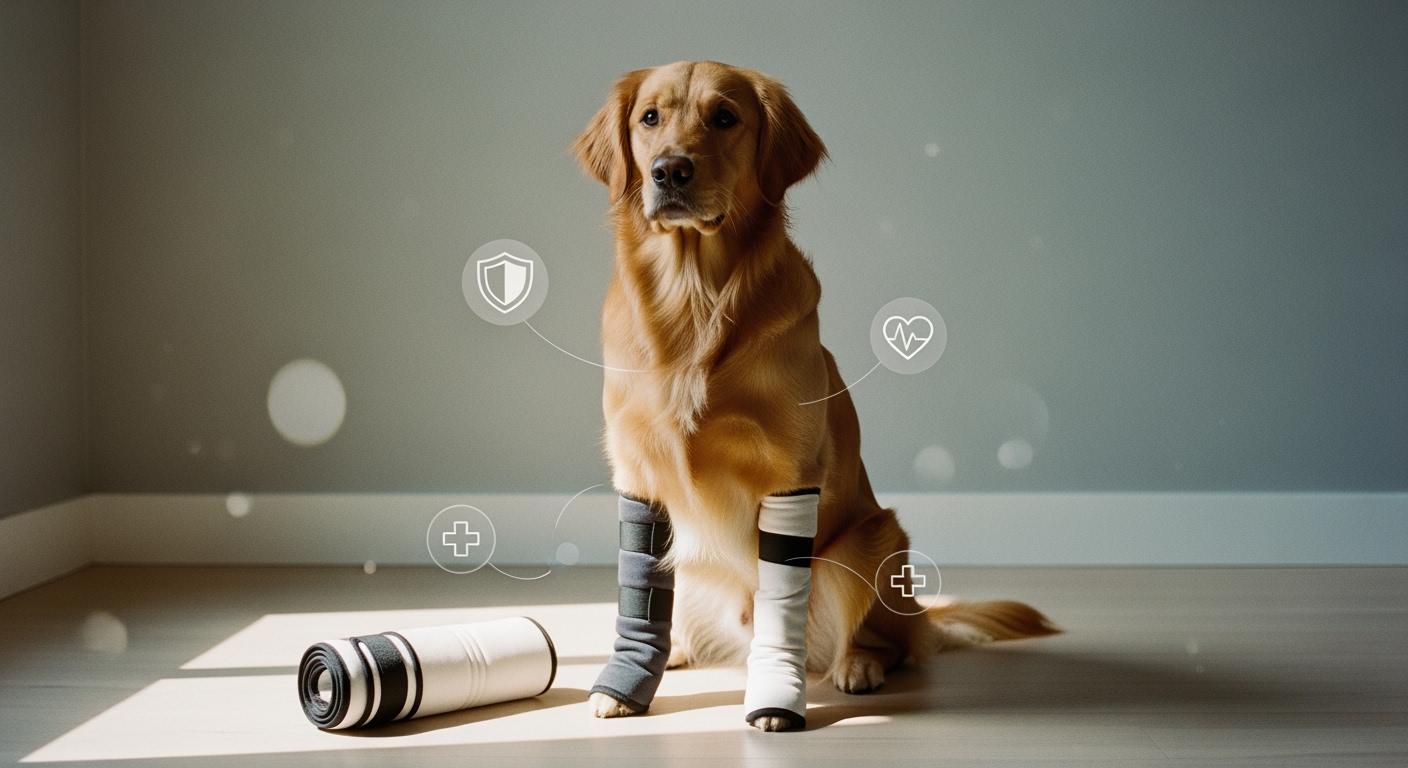
You want your dog to heal and feel good, but picking the right dog sleeve can be hard. Dogs need sleeves for problems with ligaments or tendons, arthritis, or bone injuries. Many owners use sleeves to keep wounds safe from dirt, mud, scratches, or licking. A good sleeve keeps your dog safe and helps support them, but still lets them move easily. Remember, sleeves are not the same as going to the vet. You can find more tips and advice about anti-lick or recovery in our other resources.
Key Takeaways
Figure out what your dog needs before picking a sleeve. Think about where the injury is and what kind it is.
Pick the right sleeve type. Use a front leg sleeve for front injuries. Use a hind leg sleeve for back leg problems. Use a recovery sleeve for full-body help.
Measure your dog carefully to get the right fit. A good fit stops pain and helps your dog heal.
Look at the sleeve often to check fit and if it is clean. Change it if needed so your dog stays comfy.
Always ask your vet for help with a dog sleeve. Your vet gives the best advice for your pet.
What Is a Dog Sleeve?
Definition and Uses
A dog sleeve is a cover that goes over your dog’s leg or body. You use it to help your dog heal from injuries, surgery, or skin issues. The sleeve keeps wounds safe from dirt, licking, and scratching. It also holds bandages in place and helps your dog feel less stressed while healing. Many vets suggest dog sleeves for dogs with arthritis, soft tissue injuries, or after surgery. Using a dog sleeve can help with swelling, support joints, and help your dog get better faster. Sleeves are not as bulky as cones or big bandages, so your dog can move and feel better.
Note: A dog sleeve helps your dog heal and feel better, but it does not take the place of your vet’s advice. Always talk to your vet if you have questions about your dog’s care.
Types: Front Leg, Hind Leg, Recovery
The word “dog sleeve” means different kinds of protective gear. Each type helps with a different problem, depending on where your dog needs help.
Type | Description | Example Brands |
|---|---|---|
Front Leg | Covers the front leg to protect and help wounds heal. | Suitical |
Hind Leg | Goes on the back leg and is comfy and lets air in. | Lick Sleeve |
Recovery Suit | Covers the whole body, legs, and neck for more protection. | Cover Me By Tui, K9 Top Coat |
Sleeves Only | Covers just one leg, so your dog can move easily. | Suitical (single sleeve) |
You might pick a front leg sleeve if your dog hurt its front leg or had surgery there. A hind leg sleeve is good for problems with the back leg. Recovery sleeves or suits cover more of the body and stop your dog from licking or scratching after surgery. Some sleeves can go on either the front or back leg, based on what your dog needs.
Dog sleeves give special protection and comfort. They are usually easier for your dog than cones and let your dog walk, rest, and play more easily. You should check the sleeve often to make sure it fits and stays clean, so your dog stays safe and happy.
Identifying the Right Sleeve Type
Choosing the right dog sleeve starts with understanding your dog’s needs. You want to match the sleeve to the area that needs protection and the type of injury or condition your dog has. Veterinarians look at the type of injury, your dog’s activity level, and comfort features like padding and adjustable straps when they recommend a sleeve. You can use these same ideas to help your dog heal safely and comfortably.
When to Use a Front Leg Sleeve
You should use a front leg sleeve if your dog has a wound, bandage, or skin problem on the front leg. This type of dog sleeve works well for:
Protecting wounds from dirt and licking
Covering bandages or splints
Helping with skin conditions or hot spots
Giving comfort and support after surgery
Front leg sleeves also help prevent pressure sores, especially on the elbows. If your dog has an elbow hygroma or needs to keep a bandage clean, a front leg sleeve can make a big difference. You can read more about anti-lick solutions and wound care in our anti-lick support guide.
When to Use a Hind Leg Sleeve
A hind leg sleeve is best for dogs with injuries or surgery on the back leg. One common reason for using this type of sleeve is a cranial cruciate ligament (CCL) injury. The CCL helps keep your dog’s knee stable. If your dog hurts this ligament, you may notice pain, limping, or trouble moving. A hind leg sleeve supports the joint and helps your dog heal. Your vet may suggest a sleeve after surgery or to protect a wound on the back leg. You can find more recovery tips in our dog recovery support article.
When to Use a Recovery Sleeve
A recovery sleeve covers a larger area and gives extra protection after surgery or injury. You might choose this sleeve if your dog needs to stop licking or scratching a wound. Recovery sleeves are also good for dogs who do not like wearing a cone. They let your dog move, eat, and drink more easily.
Here is a quick look at the benefits of a recovery sleeve:
Feature | Recovery Sleeve Benefits |
|---|---|
Targeted Protection | Shields wounds or surgery sites on the legs or body. |
Comfort and Mobility | More comfortable than a cone, allows better movement. |
Easy to Use | Simple to put on and take off for wound checks. |
Less Restrictive | Does not block eating, drinking, or walking. |
If your dog needs full-body coverage or has multiple wounds, a recovery sleeve can help. For more ideas on recovery and wound protection, visit our recovery solutions page.
Remember, always check with your vet before choosing a dog sleeve. The right sleeve can support healing, but it does not replace professional care.
Dog Sleeve: Key Features to Consider
Fit and Sizing Tips
You want your dog’s sleeve to fit just right. A sleeve that is too loose can slip off, while one that is too tight can cause discomfort. Always measure your dog’s leg or body before you buy. Use a soft tape measure to check the length and width of the area that needs protection. Look for sleeves with adjustable fasteners or stretch straps. These features help you get a snug fit and make it easier to put the sleeve on or take it off. Interchangeable sleeves can also help if your dog needs protection on different legs. Avoid guessing the size. A poor fit can lead to rubbing, slipping, or even more injury.
Material and Comfort
The best sleeves use a blend of natural and synthetic materials. This mix gives strength and durability but still feels soft on your dog’s skin. Lightweight and breathable fabrics help keep your dog cool and comfortable. Some sleeves use ergonomic designs to match your dog’s shape. This helps your dog move freely and reduces stress. You want a sleeve that does not wear down your dog’s fur or cause irritation. Soft, stretchy materials also make it easier for your dog to walk, rest, and play.
Protection Level
A good dog sleeve should cover the wound or injury without blocking movement. For example, a lick protection sleeve gives direct coverage to the area that needs it. This keeps wounds clean and helps your dog heal. Some sleeves, like the Canine Comfy Front Leg Sleeve, use lightweight, breathable fabric and a non-skid bottom. This design helps your dog move safely and recover with less stress. Always check that the sleeve protects the right spot and does not limit your dog’s natural behavior.
Ease of Use and Cleaning
You want a sleeve that is easy to use and clean. Look for these features:
Feature | Description |
|---|---|
Soft, breathable, stretchy fabric | Keeps your dog comfortable and mobile |
Adjustable fasteners | Prevents slipping and allows for a custom fit |
Machine-washable | Makes cleaning simple for you |
Simple design | Easy to put on and take off |
Proper sizing and coverage | Ensures the sleeve stays in place and protects well |
Tip: Always follow the care instructions for your sleeve. Clean it often to keep your dog’s skin healthy.
Remember, a dog sleeve supports healing but does not replace your vet’s advice. Check the fit often and watch for signs of discomfort. If you are unsure, ask your vet for help.
Using and Monitoring Your Dog Sleeve
How to Put On and Adjust
Start by reading the instructions that come with your dog sleeve. Slide your dog’s paw gently through the opening. Make sure the sleeve sits smoothly along the leg or body. Use adjustable straps or fasteners to secure the sleeve. The sleeve should feel snug but not tight. Check that it does not twist or bunch up when your dog moves. If your sleeve has interchangeable parts, double-check that you attach them to the correct leg.
Tip: If you need more options or want to compare different styles, visit our dog sleeve product page or browse the sleeve category for more choices.
Checking Comfort and Fit
You need to check your dog’s comfort every day. Watch for signs that the sleeve does not fit well or causes discomfort:
Red marks or chafing in the armpit area
Skin irritation from fabric rubbing or sliding
The sleeve rotates or moves out of place with your dog’s shoulder
Your dog seems bothered or tries to remove the sleeve
A proper fit means the armhole cups the shoulder closely and the sleeve stays anchored. If you see any of these signs, adjust the sleeve or try a different size or style.
Mistakes to Avoid
Do not ignore your dog’s reaction to the sleeve. If your dog shows irritation or distress, take action:
Watch how your dog moves and behaves with the sleeve on
Make sure the sleeve does not cause extra stress or discomfort
Try a different sleeve if the current one does not work
You should also monitor healing and cleanliness. Use this table to help:
What to Check | How Often | What to Do Next |
|---|---|---|
Skin and wound | Daily | Contact vet if changes |
Sleeve fit | Each use | Adjust as needed |
Cleanliness | After activity | Wash if dirty |
Check the fit and comfort often. If you feel unsure, ask your vet for advice. For more recovery and anti-lick support, explore our related articles and product categories.
Picking the right dog sleeve helps your dog heal better. Here are some important steps to follow:
Find out which part of your dog needs help.
Choose the sleeve that fits your dog’s problem.
Measure your dog to get the right size. Elbow-length sleeves are good for dogs that move a lot. Wrist-length sleeves need to fit just right, so check them carefully.
After you put the sleeve on, look at how it fits. Make sure it does not twist or bother your dog.
Dog sleeves help your dog get better, but they do not take the place of your vet. If you want more ways to help your dog heal, try soft e-collars, recovery suits, or flexible collars. You can read more tips in our other articles.
FAQ
How do I know which dog sleeve my dog needs?
You should look at where your dog has an injury or needs protection. Front leg sleeves help the front legs. Hind leg sleeves cover the back legs. Recovery sleeves protect larger areas or stop licking.
Can my dog wear a sleeve all day?
You can let your dog wear a sleeve during the day, but you should check the fit and skin often. Take the sleeve off for cleaning and to let the skin breathe.
How do I measure my dog for a sleeve?
Use a soft tape measure. Measure the length and width of your dog’s leg or body where you want the sleeve. Check the size chart for the product you choose.
Will a dog sleeve stop my dog from licking wounds?
A dog sleeve covers wounds and helps stop licking. You should still watch your dog. If licking continues, ask your vet for more advice.
How do I clean a dog sleeve?
Most sleeves are machine-washable. You should follow the care instructions on the label. Clean the sleeve often to keep your dog’s skin healthy.
