

If you notice your older dog slowing down or struggling to move, you are not alone. Many senior dogs face hip problems, such as:
Arthritis
Hip dysplasia
Muscle loss
Past injuries
A hip support brace for senior dogs can give your pet the extra help they need. This tool supports weak hips and eases discomfort. Remember, a brace cannot cure joint issues. Always work with your veterinarian to use a hip brace as part of your dog’s care plan.
Key Takeaways
A hip support brace helps older dogs move better. It is useful if they have arthritis, hip dysplasia, or weak muscles.
Watch for signs like stiff legs or trouble standing up. If your dog does not want to jump, it may need more hip support.
Pick a brace that fits well and has straps you can change. This makes it more comfortable and works better. Ask your vet for help.
Use the hip brace with easy exercise and healthy food for joints. Take your dog to the vet often for check-ups to get the best results.
Check how your dog is doing and feeling often. It may take a while to see changes, so be patient and change care if needed.
Hip Problems in Senior Dogs
Arthritis and Hip Dysplasia in Senior Dogs
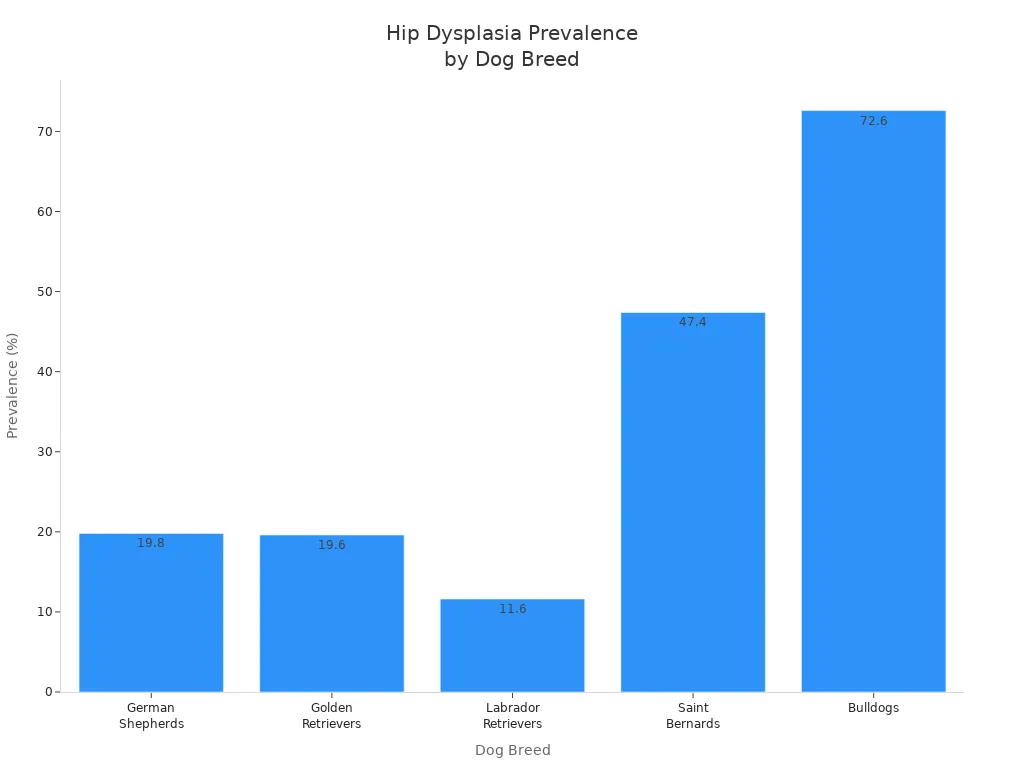
Older dogs often get arthritis or hip dysplasia. Arthritis makes joints hurt and stiff. This makes it hard for dogs to move. Hip dysplasia happens when the hip joint does not fit right. It is a genetic problem. Dogs with hip dysplasia feel pain and limp. They may have trouble walking. Some breeds get hip dysplasia more often. Look at the table to see which breeds have it most:
Dog Breed | Prevalence of Hip Dysplasia |
|---|---|
German Shepherds | 19.8% |
Golden Retrievers | 19.6% |
Labrador Retrievers | 11.6% |
Saint Bernards | 47.4% |
Bulldogs | 72.6% |
Dogs with arthritis or hip dysplasia may limp or move slowly. They might not want to play. A hip support brace for senior dogs can help with these problems. It makes daily life easier for your dog.
Tip: Watch for stiffness after resting and trouble getting up. These are early signs of hip problems.
Muscle Loss and Weakness Around the Hips
Older dogs lose muscle around their hips and back legs. This is called sarcopenia. It makes dogs weaker and walking harder. Muscle atrophy can happen if dogs move less or eat differently. You may see your dog struggle with stairs or standing up.
Losing muscle can cause falls and injuries.
Weak hips make walks and playtime harder.
Supporting hips helps your dog feel less tired and stay active.
A hip support brace for senior dogs gives gentle lift and support. It helps your dog move safely and feel better.
Why Extra Hip Support Helps Aging Dogs
Extra hip support helps senior dogs move better. Braces keep the hip joint steady. They spread weight more evenly. This lowers pain and helps balance. You can also help your dog’s joints with food and supplements. Here is a table with ingredients that help joints:
Ingredient | Benefit |
|---|---|
Omega-3 fatty acids | Help with swelling and joint pain. Make moving easier. |
Green-lipped mussels | Special omega-3s help with joint pain and swelling. |
Curcumin (from turmeric) | Fights swelling and protects joints. |
Antioxidants | Keep joint tissue healthy and strong. |
Undenatured type-II collagen | May slow arthritis by helping the immune system. |
Boswellia | Lessens pain and stiffness. Helps dogs move better. |
You can help your dog by:
Changing their food for joint health.
Using gentle exercise to keep muscles strong.
Trying rehab to help joints work better.
Giving joint supplements like glucosamine and chondroitin.
A hip support brace for senior dogs works best with these steps. It gives your dog extra help to stay active and comfortable.
Signs Your Dog Needs Hip Support
As your dog ages, you may notice changes in how they move or act. These changes can signal that your dog needs extra hip support. Paying attention to these signs helps you take action early and keep your dog comfortable.
Stiffness and Difficulty Rising
Many senior dogs show stiffness, especially after resting or sleeping. You might see your dog struggle to get up from their bed or move slowly in the morning. This stiffness often improves once your dog starts moving, but it can return after periods of rest. Veterinarians often see these early signs:
Stiffness after rest
Difficulty rising from a lying position
Noticeable decrease in activity or enthusiasm for play
Tip: If your dog seems slow to get up or avoids moving after naps, this could mean their hips need extra support.
Weak Back Legs, Wobbling, or “Bunny Hopping”
Weakness in the back legs is another common sign. Your dog may wobble when walking or have trouble keeping their balance. Some dogs show a “bunny hopping” gait, where both back legs move together instead of one at a time. This movement helps them avoid pain in their hips.
Gait Change | What You Might Notice |
|---|---|
Bunny hopping | Both back legs move together, especially when running |
Shortened stride | Steps look smaller or more careful |
Weight shifting | Dog leans forward, putting more weight on front legs |
Wobbling | Hips sway or dog appears unsteady |
Other signs include:
Rear legs held forward under the belly
Sudden hind leg weakness
Limping or changes in walking style
Reluctance to Jump or Climb Stairs
If your dog avoids jumping onto the couch or hesitates at the stairs, this can point to hip discomfort. Many older dogs with hip problems stop doing activities that once came easily. You may notice:
Hesitance to climb stairs
Difficulty jumping into the car or onto furniture
Less interest in running or playing
These changes often happen because jumping and climbing put extra stress on sore hips. Over time, your dog may become less active and playful.
Note: If you see these signs, a hip support brace for senior dogs can help your pet move more comfortably and safely.
How a Hip Support Brace for Senior Dogs Works
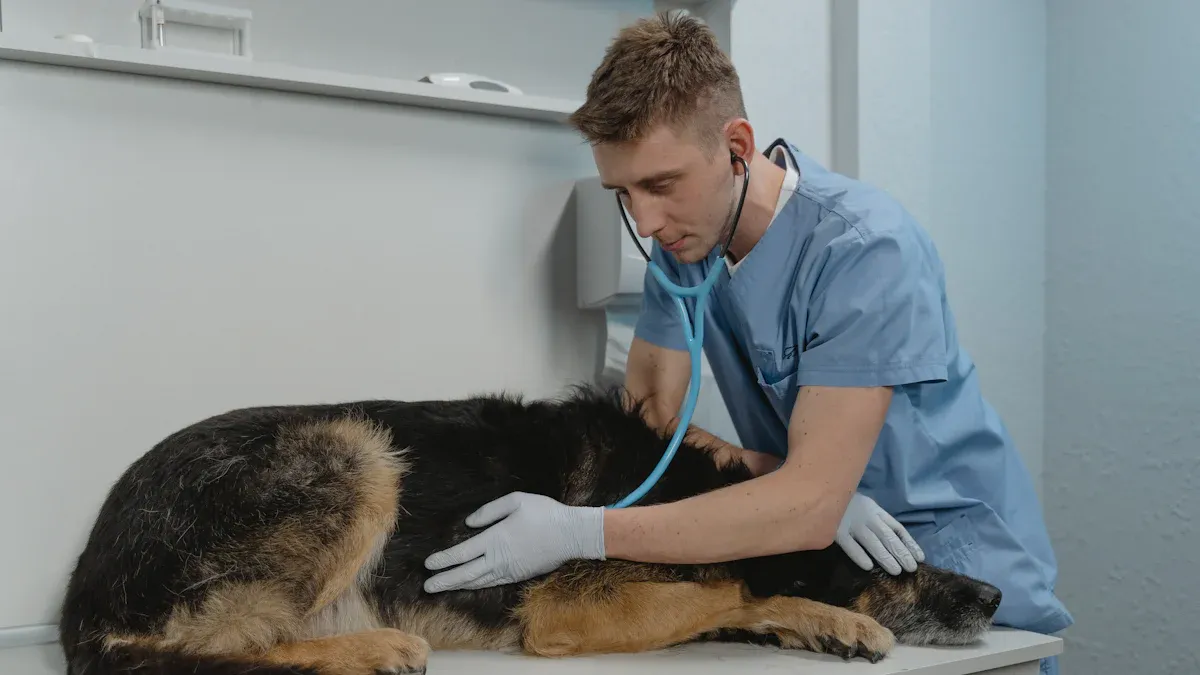
A hip support brace for senior dogs gives your pet the help they need to move with less pain and more confidence. You may wonder how this device actually works. Let’s break down the main ways a hip brace supports your dog’s mobility and comfort.
Joint Stabilization and Rear-End Support
A hip support brace for senior dogs wraps around the hips and back legs. It holds the hip joint in a stable position. This support helps keep the pelvis and legs in better alignment. When your dog walks, the brace reduces the strain on weak or painful joints. You may notice your dog stands taller and moves with less wobble.
Many braces, like those from GaitGuard, Hip Hound, and Balto® Life, use adjustable straps and soft padding. These features let you fit the brace snugly to your dog’s body. A good fit means the brace stays in place and gives steady support. Custom braces offer the best fit and comfort, but high-quality off-the-shelf options can also help many dogs.
Here’s a quick look at how different brace features impact your dog’s comfort and safety:
Feature | Custom Braces | Off-the-Shelf Braces |
|---|---|---|
Fit | Tailored to your dog’s shape for a snug fit | Pre-made, may not fit every dog perfectly |
Comfort | Soft materials reduce skin irritation | Risk of discomfort if fit is not perfect |
Support | Targets your dog’s specific needs | May offer less support for severe cases |
Stability | Stays in place, helps prevent injuries | Can slip, leading to less stability |
Skin Issues | Low risk of pressure sores | Higher risk if not adjusted correctly |
A well-fitted brace stabilizes the hip joint and supports the rear end. This makes it easier for your dog to walk, stand, and even enjoy gentle play.
Tip: Always check the fit of your dog’s brace. Adjust it as needed to prevent rubbing or slipping.
Pain Relief, Comfort, and Confidence When Walking
You want your dog to walk without pain. A hip support brace for senior dogs helps by giving gentle compression around the hips. This compression can reduce swelling and ease discomfort. Many owners see their dogs walk with a smoother stride and less limping.
When your dog feels less pain, they gain confidence. You may notice your dog is more willing to go outside or walk farther. The brace helps your dog move their legs in a natural way. This support can make daily walks and bathroom breaks less stressful for both of you.
Some key benefits you might see include:
Less limping or favoring one leg
More interest in walks or playtime
Fewer signs of pain, like whining or licking the hips
Braces from trusted brands, such as GaitGuard, are designed with comfort in mind. Soft, breathable materials and adjustable straps help prevent skin problems. Many veterinarians recommend these braces as part of a full care plan for senior dogs.
Improved Stability and Balance During Daily Activities
Older dogs often lose balance and may slip or fall. A hip support brace for senior dogs gives extra stability during daily activities. The brace spreads your dog’s weight more evenly across their hips and back legs. This support helps your dog stand up, climb a small step, or turn around without falling.
You may see your dog:
Stand up from their bed with less effort
Walk across smooth floors without slipping
Move with a steadier, more balanced gait
A stable, confident dog is less likely to get hurt. You can feel more at ease knowing your pet has extra support during walks, bathroom breaks, and time at home.
Note: Always talk to your veterinarian before starting any new mobility aid. They can help you choose the right brace and show you how to use it safely.
A hip support brace for senior dogs works best when you combine it with gentle exercise, a healthy diet, and regular check-ups. With the right support, your dog can enjoy more good days and stay active longer.
Benefits for Senior Dogs

Increased Mobility on Walks and at Home
You want your older dog to walk and move easily. A hip support brace for senior dogs can help a lot. The brace gently lifts and steadies your dog’s hips. This makes walking and standing easier. Your dog might explore the yard more. They may greet you at the door with new energy.
Dogs start to enjoy short walks again.
Owners see their pets move with less fear.
Your dog may feel braver on slippery or bumpy floors.
Tip: Use the brace when your dog does favorite things. You might see more tail wags and playful times.
Reduced Strain on Weak Hips and Back Legs
Weak hips and legs can make walking hurt. Hip support braces hold the hips steady. They wrap neoprene panels around the upper back leg. This gives gentle pressure to help swelling go down. It helps healing, too. The brace covers the lower back. This lets your dog walk with less pain. Dogs with mild or moderate hip dysplasia get the most help.
You help your dog by:
Taking pressure off sore joints.
Lowering the chance of falls or getting hurt.
Helping muscles during rehab moves.
Your dog feels safer and steadier. This is true when getting up or climbing a step.
Enhanced Comfort and Quality of Life
Comfort is important for older dogs. A hip support brace helps your dog rest and enjoy daily life. Many owners say their dogs seem happier and hurt less after using a brace. You may see your dog sleep better and play more. They may spend more time with family.
Here is what owners say about better quality of life:
Quality of Life Enhancement | Description |
|---|---|
Improved Mobility | Owners say their dogs move better with hip braces. Dogs are more active. |
Reduced Pain | Braces help lower pain. Dogs do more things without hurting. |
Increased Activity Levels | Many dogs play more and are more active. This makes life better. |
Your dog may like toys and games more.
You might see less licking or whining.
Dogs often want to be with family and join in.
Note: A hip support brace gives extra safety for dogs who feel wobbly in the back. You help your dog stay active, comfy, and safe.
Choosing and Using a Hip Support Brace
Fit and Adjustability
You want your dog’s hip support brace to fit well and feel comfortable. The right fit helps your dog move safely and prevents rubbing or slipping. Look for adjustable straps and soft padding. These features let you change the fit as your dog’s needs change. You can choose between off-the-shelf neoprene braces or custom-made options. Here is a table to help you compare:
Type of Brace | Best For | Fit and Adjustability |
|---|---|---|
Neoprene Hip Support | Early to mid-stage hip dysplasia | Off-the-shelf, quick shipping, affordable |
Custom Hip Brace | Custom fit for specific needs | Hand-fabricated, adjustable after fitting |
GaitGuard offers braces with medical-grade materials and adjustable designs. You get a product that supports your dog’s comfort and safety.
Tip: Measure your dog’s hips and legs before buying. Ask your vet or rehab specialist for help with sizing and fitting.
Vet Guidance
Your veterinarian plays a key role in choosing the right hip support brace for senior dogs. They know your dog’s health history and can recommend the best type of brace. Always ask your vet before starting any new mobility aid. They can show you how to put the brace on and check for proper fit. If your dog’s pain or weakness gets worse, contact your vet right away.
Schedule regular check-ups to monitor progress.
Ask about physical therapy or rehab exercises.
Share any changes in your dog’s movement or mood.
Care and Monitoring
Caring for your dog’s brace and monitoring their comfort keeps them safe and happy. Follow these steps:
Use gentle exercise routines to keep joints flexible.
Try physical therapy, like underwater treadmill sessions.
Watch your dog’s weight to reduce joint strain.
Add non-slip rugs and ramps at home.
Give your dog a soft, warm place to rest.
Check for skin irritation or changes in gait.
Meet with your vet or rehab specialist often.
Note: Introduce the brace slowly. Watch for signs of rubbing or discomfort. If you see new limping or pain, remove the brace and call your vet.
Limitations and Risks
What Hip Braces Can’t Do (Not a Cure for Arthritis)
A hip support brace for senior dogs helps with mobility, but it does not cure arthritis or fix joint damage. You should know that braces cannot reverse bone changes or repair worn cartilage. If your dog has advanced arthritis or nerve problems, a brace may not give enough help. Braces work best for mild to moderate hip weakness or early joint pain.
Note: Always talk to your veterinarian before starting a brace. They can help you decide if a hip support brace is right for your dog’s condition.
Risks of Poor Fit or Improper Use
Using a hip support brace the wrong way can cause problems. You need to make sure the brace fits well and your dog gets used to it slowly. Cleaning the brace often keeps your dog’s skin healthy. Watch for signs of discomfort, like redness or sores. If you see these, stop using the brace and call your vet.
Here is a table showing common risks:
Risk Type | Description |
|---|---|
Incorrect Fitting | A brace that does not fit right can rub and hurt a dog’s skin. |
Not Acclimating Slowly | Putting the brace on too fast can make a dog resist it. |
Irregular Cleaning | Not cleaning the brace often can cause skin problems. |
Ignoring Discomfort Signs | If owners see redness or sores, they should not ignore them. |
Tip: Check your dog’s skin every day. Adjust the brace if you see any rubbing or discomfort.
How Braces Fit With Other Treatment Options
A hip support brace for senior dogs works best with other treatments. You can use braces along with joint supplements, pain medicine, gentle exercise, and physical therapy. Your veterinarian may suggest a mix of these options for the best results. Braces help your dog move, but they do not replace medical care or surgery when needed.
Combine braces with rehab exercises for stronger muscles.
Use joint-friendly foods and supplements for better joint health.
Ask your vet about pain relief if your dog still struggles.
Remember: A hip support brace is one part of a complete care plan. Work with your vet to help your senior dog stay comfortable and active.
What to Expect From a Hip Support Brace
Common Improvements Owners May Notice
When you start using a hip support brace for your senior dog, you may see positive changes within days or weeks. Many pet owners report that their dogs move with more confidence and less pain. You might notice your dog stands up faster or walks with a steadier gait. Some dogs show more interest in walks and playtime.
Here are common improvements you may observe:
Easier time getting up from beds or floors
Less wobbling or swaying in the back legs
More willingness to climb stairs or step over small obstacles
Reduced limping or “bunny hopping” gait
Increased energy during daily activities
Tip: Keep a simple journal to track your dog’s progress. Write down changes in movement, mood, or activity level. This helps you and your veterinarian see how well the hip support brace is working.
When Results May Be Limited or Slow
Every dog responds differently to a hip support brace. Some dogs need more time to adjust. If your dog has severe arthritis or advanced muscle loss, improvements may come slowly. You may not see big changes right away.
Factors that can affect results include:
Factor | Impact on Results |
|---|---|
Severity of hip issues | More severe problems may slow progress |
Age and overall health | Older dogs may need more time |
Consistency of use | Regular use brings better results |
Fit of the brace | Proper fit is key for comfort |
Note: Patience is important. Give your dog time to get used to the brace. Always follow your veterinarian’s advice for best results. If you do not see improvement after a few weeks, talk with your vet about other options.
A hip support brace for senior dogs can make a big difference in your pet’s comfort and mobility. With the right support and care, you help your dog enjoy more active and happy days.
A hip support brace helps your older dog move with less pain. Your dog feels braver when walking. You can help by using gentle exercise and healthy food. Omega-3s in food are good for joints. Regular vet visits are important for your dog’s health.
Check-ups help your dog stay active and manage pain.
Easy activities and special training help your dog’s body and mind.
Ask your vet to make sure the brace fits your dog well. With good care, your dog can be happier and move around more.
FAQ
How do I know if my senior dog needs a hip support brace?
You may notice your dog struggling to stand, walking with a limp, or avoiding stairs. If your dog shows signs of hip pain or weakness, ask your veterinarian about a hip support brace for senior dogs.
Can my dog wear a hip support brace all day?
Most dogs can wear a hip support brace during active times, like walks or play. Remove the brace during rest or sleep. Always check your dog’s skin for irritation and follow your veterinarian’s advice.
Will a hip support brace cure my dog’s arthritis?
A hip support brace for senior dogs helps manage symptoms. It does not cure arthritis or joint damage. Use the brace as part of a complete care plan with your veterinarian.
How do I choose the right size hip support brace?
Measure your dog’s hips and back legs. Look for adjustable straps and soft padding. Brands like GaitGuard offer medical-grade materials and sizing guides. Ask your veterinarian for help with fitting.
Is a hip support brace safe for all senior dogs?
Most senior dogs can use a hip support brace safely. Always consult your veterinarian before starting. Monitor your dog for discomfort or skin changes. Adjust the brace as needed for comfort and safety.
