
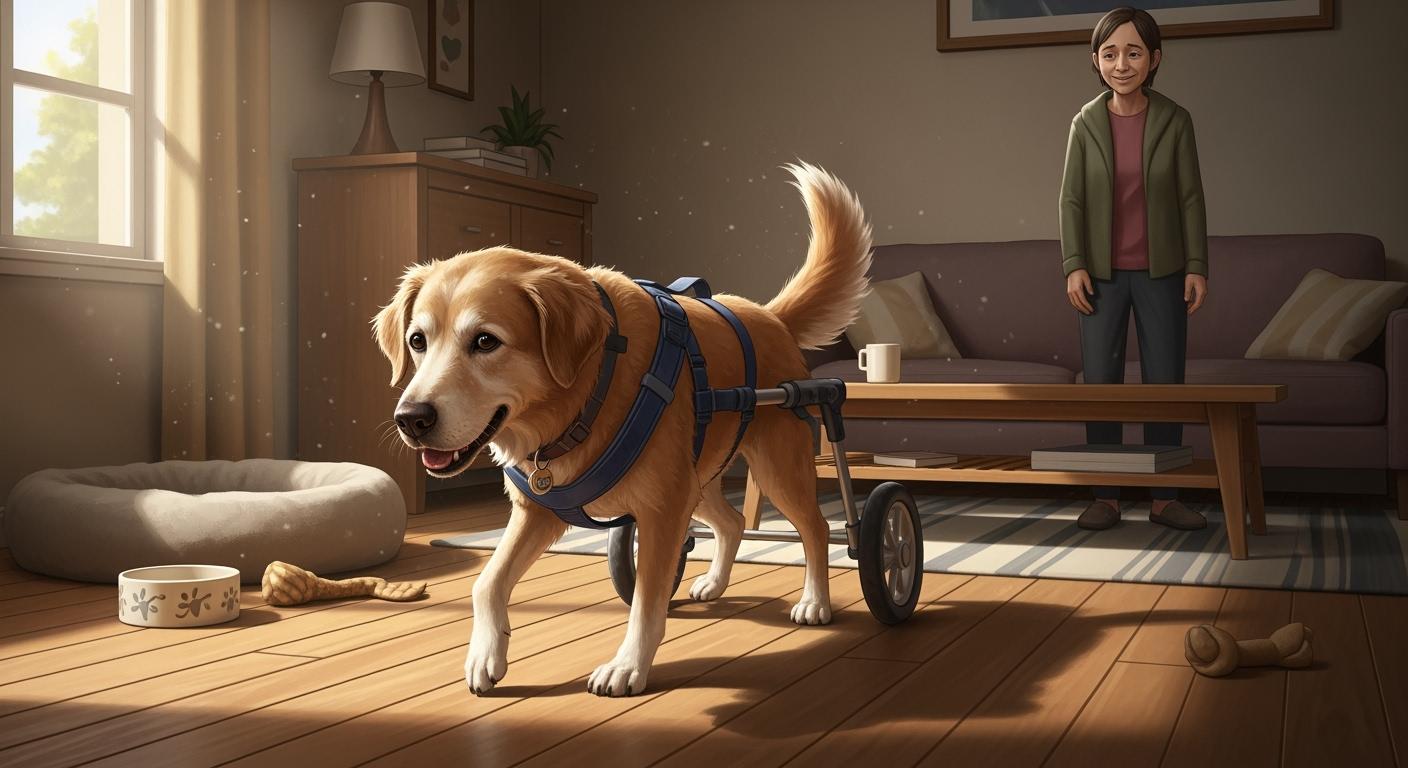
You want your dog to stay safe, comfortable, and as independent as possible at home, especially as they grow older or face health challenges. Home mobility aids for senior and disabled dogs can make a real difference in daily life. The right tools make it easier for your dog to move around the house, avoid slips and falls, and keep enjoying time with the family.
Nearly 80 percent of senior dogs experience some level of joint discomfort that affects how they walk, climb stairs, or get on and off furniture. Instead of watching your dog struggle, you can use simple home mobility solutions such as:
Support and lifting harnesses
Slings
Dog ramps and pet stairs
Floor and traction products
Wheelchairs and carts for severe mobility loss
Used together, these home mobility aids for senior and disabled dogs can make life easier for both you and your pet, turning your home into a safer, more accessible space.
Key Takeaways
Home mobility aids like support harnesses and ramps can help senior and disabled dogs move safely and confidently indoors.
Creating a safe environment by using non-slip rugs and keeping walkways clear reduces the risk of falls for dogs with mobility issues.
Consulting a veterinarian ensures you choose the right mobility aids based on your dog’s specific health needs and conditions.
Emotional support from family members boosts your dog’s confidence and helps them adjust to new mobility aids.
Regularly check the fit and comfort of mobility aids to prevent irritation and ensure your dog’s safety and independence.
Mobility Challenges for Senior and Disabled Dogs
Aging and Movement Issues at Home
As your dog grows older, you may notice changes in how they move around your home. Senior dogs often face joint pain, arthritis, and reduced mobility. These changes can make daily activities like climbing stairs or getting onto the sofa more difficult. You can help by making small adjustments in your home. The table below shows common challenges and simple solutions:
Mobility Challenges | Solutions |
|---|---|
Joint pain and arthritis | Use ramps and pet stairs |
Reduced mobility | Place rugs or traction mats |
Changes in vision and hearing | Avoid rearranging furniture |
Cognitive decline | Provide a quiet retreat space |
Difficulty climbing stairs | Elevate food and water bowls |
Slippery surfaces | Use nightlights, block off stairs |
Common Health Conditions That Limit Mobility
Many senior dogs develop health problems that affect how they move. Arthritis and hip dysplasia are two of the most common issues. About 15% of dogs experience hip dysplasia, with some breeds at even higher risk. Arthritis can cause pain and stiffness, making it hard for your dog to stand up or walk. You may also notice changes in vision or hearing, which can add to mobility issues. When feeding your senior dog, keep their bowls at a comfortable height to reduce strain.
Injury, Surgery, and Recovery Periods
If your dog has an injury or surgery, their movement at home may become limited. Stairs and slippery floors can become major hazards during recovery. You should block off stairways and use non-slip mats to prevent falls. Recovery periods can also lead to boredom or frustration, especially for active dogs. Try gentle training games or puzzle toys to keep your dog engaged while they heal.
Emotional Well-Being and Confidence
Your dog’s emotional health plays a big role in their mobility. When your senior feels safe and supported, they move with more confidence. Emotional support from you and your family can help your dog adjust to new routines and mobility aids for senior dogs. Studies show that emotional well-being can improve overall functioning, so keep your dog included in daily life and offer plenty of encouragement.
Home Mobility Risks to Watch For
Stairs, Slippery Floors, and Tight Corners
Stairs and slippery floors create some of the biggest challenges for senior and disabled dogs. You might notice your dog hesitating at the top of the stairs or slipping on hardwood or tile. Tight corners can make movement even harder, especially if your dog has a stiff or stilted gait. Many dogs with mobility issues show signs like limping, changes in posture, or difficulty standing up after lying down. To help, place non-slip rugs or traction mats in high-traffic areas. Block off stairs with baby gates if your dog struggles with steps. Dog ramps and stairs offer safer ways for your dog to reach favorite spots.
Access to Food, Water, Beds, and Outdoor Areas
Easy access to essentials keeps your dog comfortable and independent. If your dog tires quickly or cannot walk as far as before, move food and water bowls to a spot that is easy to reach. Place beds in quiet, accessible areas. If your dog vocalizes or seems uncomfortable when trying to get on or off furniture, consider using a support harness or pet stairs. For outdoor access, a gentle ramp at the door can make bathroom breaks less stressful.
Furniture, Clutter, and Hidden Obstacles
Furniture and clutter can become unexpected hazards. Dogs with mobility problems may bump into furniture or trip over objects left on the floor. You can help by keeping walkways clear and rearranging furniture to create wide, open paths. Remove loose rugs or cords that could cause tripping. A tidy space supports senior dog mobility and reduces the risk of falls.
Fall and Strain Hazards for Dogs and Owners
Falls pose a serious risk for both dogs and their owners. Dogs with weak hindquarters or those who tire easily may slip or lose balance. You might also strain your back if you lift your dog without proper support. Use lifting aids or support harnesses to help your dog move safely. Always encourage slow, steady movement and watch for signs of pain, such as whining or yelping during certain movements. By staying alert to these risks, you protect both your dog and yourself.
Types of Home Mobility Aids for Senior and Disabled Dogs
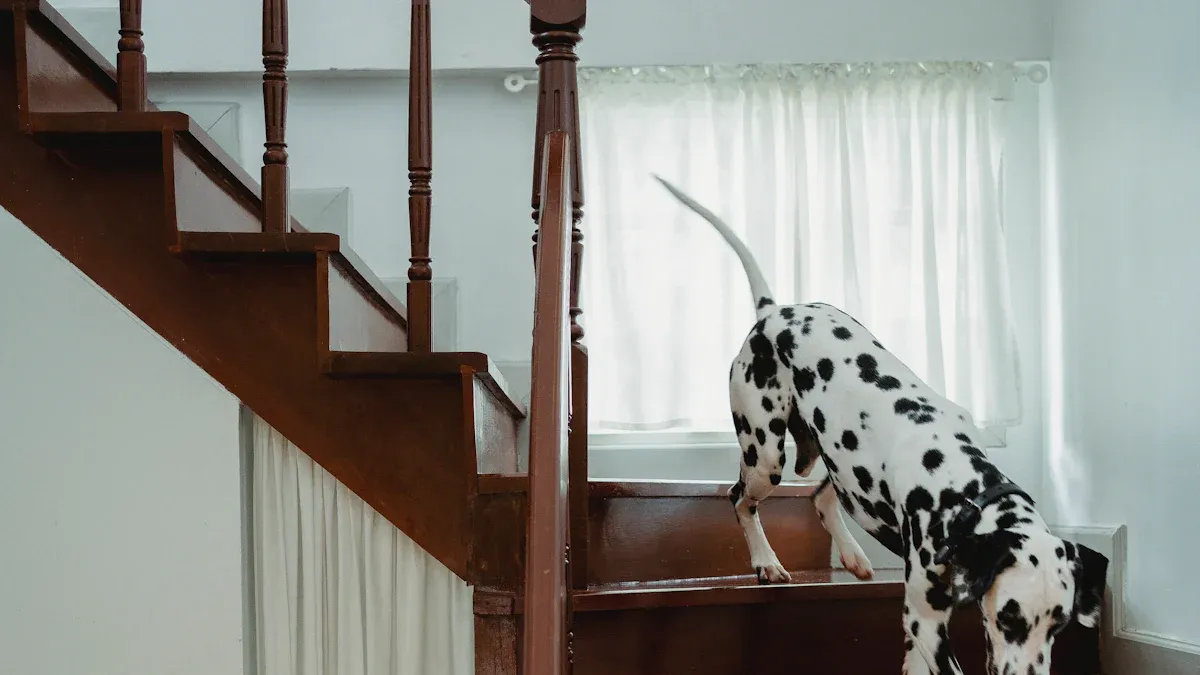
Support and Lifting Aids (support harnesses, slings, lifting harnesses)
You can help your senior dog move safely around your home with support harnesses, slings, and lifting harnesses. These mobility aids give you control and stability when your dog needs help standing, climbing stairs, or getting into the car. Veterinary professionals recommend sturdy options for daily use.
A high-quality lift harness with sturdy construction, smooth mobility, and full-body support can be a life-changing tool for dogs who need a little extra help.
GaitGuard’s lift-aid solutions follow this same principle, offering adjustable, medical-grade support for everyday use.
Here is a quick look at price ranges for support harnesses and slings:
Price Range | Cost | Description |
|---|---|---|
Inexpensive | $10 to $20 | Basic sling type harnesses, better for short-term use. |
Mid-range | $20 to $40 | Good quality harnesses, suitable for most dog owners. |
Expensive | $40 to $70 | High-end harnesses with optimal support and comfort features for dogs. |
You can find DIY options online, such as homemade slings using towels, but commercial products often provide better support and safety.
Walking and Standing Aids (rear support, hip support, leg braces)
Walking and standing aids help your dog maintain balance and stability. Rear support harnesses, hip support braces, and leg braces are popular choices for senior dogs with arthritis or limb weakness. These mobility aids allow your dog to walk with less pain and more confidence.
Mobility aids help manage discomfort and mobility issues in aging pets.
Ramps reduce pressure on joints and spine, preventing injuries from jumping or slipping.
Support harnesses and slings assist pets with balance and limb weakness, allowing for safer movement.
GaitGuard’s anti-licking dog brace stands out for dogs recovering from surgery or injury. This innovative device prevents licking and biting at wounds, promoting faster healing and safer recovery. Adjustable designs fit dogs of all sizes and provide gentle support during rehabilitation.
Wheelchair and Cart Solutions for Severely Disabled Dogs
If your dog has severe mobility challenges, a wheelchair or cart can restore independence. Dog wheelchair options include rear-wheel dog chair models for hind limb weakness and four-wheel wheelchair designs for dogs with more extensive disabilities. These mobility aids allow your dog to move freely, play, and interact with family.
Wheelchairs and carts can significantly enhance the quality of life and independence of severely disabled dogs.
Owners reported that carts improved the ability of dogs to perform basic activities for independent mobility and instrumental activities for daily quality of life.
Carts facilitate better posture for urination and defecation, keeping animals elevated during these activities.
Most animals showed improved functionality when using carts, particularly in their ability to play and interact with their environment.
You can choose from different types of wheelchairs based on your dog’s needs. Prices range from $100 to $500, depending on size and features. Some owners build DIY carts using PVC pipes and wheels, but commercial models offer better adjustability and support.
Ramps and Pet Stairs for Beds, Sofas, and Doorways
Ramps and pet stairs make it easier for your dog to reach favorite spots like beds, sofas, and doorways. These mobility aids reduce the risk of injury from jumping or climbing. You can use a dog ramp for outdoor access or place pet stairs next to furniture.
Pet ramps for furniture and cars help senior dogs access furniture and vehicles safely.
GaitGuard’s ramps feature non-slip surfaces and gentle slopes for safe movement. You can find ramps for $30 to $150, depending on material and size. Pet stairs are available in foam, plastic, or wood, with prices ranging from $25 to $100. Some owners create DIY ramps using plywood and carpet for traction.
Floor and Traction Products (non-slip rugs, traction mats, socks or boots)
Slippery floors pose a major challenge for senior dogs. Floor and traction products, such as non-slip rugs, traction mats, socks, or boots, help prevent falls and boost confidence. You can place rugs or mats in hallways and living rooms to create safe walking paths.
Providing dogs with good traction helps them gain confidence and remain active.
Older dogs and those with injuries can struggle on slippery floors, leading to inactivity and potential injuries.
Suggestions for improving traction include trimming nails, using traction socks, dog boots, and modifying the home environment.
Dogs with long nails slip more easily because their paw pads have less contact with the ground. You can trim nails regularly and use traction socks or boots for extra grip. GaitGuard’s traction mats offer medical-grade materials for durability and comfort.
Rest and Recovery Zones (orthopedic beds, safe resting areas near family)
Rest and recovery zones are essential for senior dog mobility support. Orthopedic beds provide joint support and relieve pressure, helping your dog sleep better and recover faster. You can place beds in quiet areas near family activity to keep your dog included.
Orthopedic beds provide essential support for dogs with joint issues and arthritis.
They are designed with high-density memory foam to alleviate pressure and enhance sleep quality.
These beds can improve mobility and reduce joint discomfort, especially in senior dogs.
GaitGuard’s orthopedic beds use high-density foam and washable covers for easy cleaning. You can find beds for $40 to $200, depending on size and features. Some owners create DIY beds using memory foam toppers and blankets.
Tip: Place your dog’s bed in a spot where they can see and hear family members. This helps your dog feel included and boosts emotional well-being.
You can combine these home mobility aids for senior and disabled dogs to create a safe, comfortable environment. Support harnesses, ramps, wheelchairs, and traction products work together to keep your dog active and independent indoors.
How to Choose the Right Mobility Aids for Your Dog
Matching the Aid to Your Dog’s Condition (arthritis, hip dysplasia, paralysis, weakness, post-surgery)
Choosing the right mobility aid starts with understanding your dog’s specific health needs. Each condition requires a different approach. For example, arthritis often responds well to support harnesses and ramps, while paralysis may require a wheelchair. Dogs recovering from surgery benefit from braces that prevent licking and promote healing. You should always consider your dog’s activity level and daily challenges.
Carts, harnesses, and braces help dogs with physical limitations stay active and comfortable.
Each mobility aid works best for certain conditions, whether your dog needs temporary recovery or permanent support.
Always match the aid to your dog’s size and health needs.
GaitGuard’s anti-licking brace and lift-aid solutions offer medical-grade support for dogs in recovery or with chronic issues.
Considering Size, Breed, and Daily Routine at Home
Your dog’s size and breed influence which mobility aid works best. Large breeds may need sturdier ramps or wider harnesses. Small dogs often do better with lightweight aids. Think about your dog’s daily routine. If your dog spends time on the sofa, pet stairs or ramps make access easier. For dogs who love to follow you around, traction mats in hallways can prevent slips.
When to Get Professional Guidance (vet or rehabilitation therapist)
You should consult a veterinarian or rehabilitation therapist if you feel unsure about which aid to choose. These professionals can assess your dog’s movement and recommend the best solution. Personalized advice ensures your dog gets the right support and avoids further injury.
Balancing Budget, Durability, and Overall Quality
Mobility aids come in a range of prices and durability levels. Use this table to compare options:
Price Range | Durability Consideration |
|---|---|
$60 to $100 | Suitable for temporary use, not ideal for long-term needs. |
$100 to $250 | Mid-range, basic functionality, may lack advanced features. |
$250 to $600 | High-quality, durable, designed for daily use and all-terrain capabilities. |
Durability matters most for dogs needing daily support. For long-term use, invest in a high-quality product like those from GaitGuard, which uses medical-grade materials and adjustable designs. This ensures your dog receives reliable support every day.
Tip: Always check the fit and comfort of any mobility aid. Adjust as your dog’s needs change to maintain safety and independence.
Safe Use and Training Tips for Home Mobility Aids
Introducing New Aids Slowly and Positively
When you introduce home mobility aids for senior and disabled dogs, take it slow. Let your dog sniff and explore the new support harness, dog ramps and stairs, or traction mats before using them. Use treats and praise to create a positive experience. Start with short sessions, allowing your dog to adjust at their own pace. If your dog seems unsure, stay patient and keep the mood upbeat. This approach helps build trust and confidence.
Monitoring Fit, Skin, and Comfort Regularly
Check the fit of every mobility aid daily. A support harness should fit snugly but not pinch or rub. Look for signs of redness, hair loss, or irritation on your dog’s skin. Adjust straps as needed to keep your dog comfortable. Clean the harness or brace often to prevent dirt buildup. If you notice any discomfort, stop using the aid and consult your veterinarian.
Encouraging Independence Without Overexertion
You want your dog to stay active, but not overdo it. Encourage your dog to perform daily tasks with help from mobility aids, such as retrieving toys or moving between rooms. This builds independence and keeps your dog engaged. At the same time, watch for signs of fatigue like heavy panting or reluctance to move. Create a routine that balances activity and rest. A structured schedule helps prevent overexertion and supports your dog’s well-being.
Tip: Emotional support and a consistent routine can motivate your dog to stay active while avoiding strain.
Adjusting Routines as Your Dog’s Needs Change
Your dog’s mobility needs may change over time. Adjust routines by shortening walks or switching to low-impact activities as your dog ages. For medium or large dogs with joint issues, use controlled stair walking with traction pads or a support harness. Carry small dogs up and down stairs to protect their joints. Always monitor your dog for signs of discomfort and adapt your approach as needed. Consistency and flexibility help maintain senior dog mobility support at home.
When to Seek Veterinary or Rehabilitation Advice
Warning Signs That Mobility Is Getting Worse
You want your dog to stay active and safe at home, but sometimes mobility can decline quickly. Watch for these warning signs that show your dog needs professional help:
Limping that lasts more than 24–48 hours
Visible paw collapse or unusual paw posture
Swelling, heat, or clear pain in a paw or joint
Refusal to bear weight, jump, or climb
Stiffness after naps or resting that keeps coming back
Sudden change in gait
Reluctance to exercise
If you notice any of these changes, contact your veterinarian. Early action can prevent further injury and help your dog regain confidence with the right home mobility aids for senior and disabled dogs.
Medical Conditions That Require Professional Input
Some medical conditions need immediate attention from a vet or rehabilitation specialist. You should seek help if your dog shows:
Cranial cruciate ligament rupture, which often causes sudden hind limb lameness and may require surgery and a wheelchair for recovery
Intervertebral disc disease, which can lead to severe pain and mobility loss, sometimes needing surgery and a wheelchair for support
Sudden inability to stand or walk, loud vocalizing in pain, refusal to bear weight, trauma, rapid swelling, visible deformity, or uncontrolled bleeding
A professional can recommend the best support harness, dog ramps and stairs, or even a wheelchair to keep your dog safe and comfortable at home.
Long-Term Support Plans for Senior and Disabled Dogs
Providing an elderly dog with a wheelchair offers them the chance to remain active longer, supporting their mobility and overall quality of life.
A long-term plan helps your dog enjoy life at home. Include these elements:
Health care
Exercise
Diet
Supplements
Grooming
Home modifications
You can also add pre- and probiotics, calming aids, fatty acids for skin, hip and joint supplements, and urinary tract support. Regular vet visits, a balanced diet, and a flexible routine help your dog adapt as needs change. A wheelchair, combined with senior dog mobility support, lets your dog stay included in family life and enjoy daily activities.
Keeping Your Dog Comfortable, Included, and Confident at Home

Adapting the Home Environment Over Time
Your dog’s needs change as they age. You can make small adjustments to your home to improve comfort and safety. Start by placing non-slip rugs on smooth floors where your dog walks most often. Install pet ramps or stairs to help your dog reach beds or sofas without jumping. Move food and water bowls to an elevated stand to reduce neck strain. These changes support your dog’s independence and help prevent falls.
Here are some effective ways to adapt your home:
Place non-slip rugs on smooth floors.
Install pet ramps or stairs for easy access to furniture.
Move food and water bowls to an elevated stand.
Provide soft bedding, such as orthopedic or memory foam beds.
Keep walkways clear of clutter and obstacles.
These steps play a big part in keeping your old dog comfortable and safe.
Creating Resting Zones Close to Everyday Family Life
Dogs feel happiest when they stay close to their family. You can create resting zones in rooms where your family spends time, such as the living room or kitchen. Place an orthopedic bed or soft mat in a quiet corner, but make sure your dog can still see and hear you. This helps your dog feel included and reduces stress.
Research shows that pets who stay near their family enjoy better morale and less loneliness. The table below highlights some findings:
Study | Findings |
|---|---|
Lago et al. (1989) | Pets improve morale in older adults. |
Branson et al. (2017) | Seniors with companion animals feel less lonely. |
A resting zone near family life supports emotional well-being and encourages your dog to stay engaged.
Emotional Support and Involving the Whole Family
Your support makes a difference in your dog’s confidence. Involve everyone in the family in daily care, such as gentle brushing, short walks, or playtime. Family involvement is crucial for rehabilitation and emotional health. When everyone helps, your dog feels loved and secure.
Family members can take turns using a support harness or guiding your dog up dog ramps and stairs.
Encourage gentle interaction and praise to boost your dog’s confidence.
Keep routines consistent to help your dog feel safe.
A strong family bond, paired with senior dog mobility support, helps your dog stay active and happy at home.
You want your dog to enjoy a safe, independent life at home. Home mobility aids for senior and disabled dogs – such as support harnesses, dog ramps and stairs, traction products, and wheelchairs – give your dog that chance. When you combine smart home modifications with the right equipment and professional advice, everyday activities become easier and more comfortable.
Soft, supportive beds and heated pads cushion sore joints and encourage deep rest.
Ramps, slings, and non-slip surfaces reduce the risk of falls and make it easier to reach favorite spots.
A well-fitted wheelchair can restore independence for dogs with severe mobility loss.
Guidance from your veterinarian helps you choose the safest and most effective aids for your dog’s condition.
With the right home mobility aids, your dog can stay active, included in family life, and full of joy. If you are looking for reliable, medical-grade solutions, consider practical options from trusted brands like GaitGuard to support your dog’s mobility at every stage.
FAQ
How do I know if my dog needs a wheelchair at home?
You should watch for signs like dragging legs, frequent falls, or struggling to stand. If your dog cannot move around with a support harness or dog ramps and stairs, a wheelchair may help restore independence and comfort indoors.
Can my dog use a wheelchair indoors and outdoors?
Yes, you can use a wheelchair both inside and outside. Choose a model with smooth-rolling wheels for indoor floors. For outdoor use, select a wheelchair with sturdy tires. Always supervise your dog to prevent accidents on stairs or uneven ground.
Will my dog adjust quickly to a wheelchair?
Most dogs adapt to a wheelchair within a few days. Start with short sessions in familiar rooms. Use treats and praise to encourage movement. Keep pathways clear of obstacles and use home mobility aids for senior and disabled dogs to support confidence.
What other aids work well with a wheelchair?
You can combine a wheelchair with a support harness, traction mats, or dog ramps and stairs. These tools help your dog move safely between rooms and rest comfortably. Senior dog mobility support products create a safer environment for daily activities.
How do I keep my dog comfortable in a wheelchair?
Check the fit of the wheelchair every day. Adjust straps to prevent rubbing. Place soft bedding in resting zones. Give your dog breaks from the wheelchair to relax. Monitor for any skin irritation and consult your veterinarian if you notice discomfort.
