You want your dog to feel safe and comfortable. If your dog has intervertebral disc disease, you must keep movements safe. An ivdd dog lift harness helps you move your dog. It also helps you control your dog’s activity. Most dogs need to rest for at least 6 weeks. You can make things safer by changing the environment. Keep your dog’s weight steady. Support your dog’s back when moving. Handle your dog gently to protect the spine. This helps your dog get better. Always listen to your veterinarian for the best results.
Key Takeaways
Use an IVDD dog lift harness to help your dog’s back and hips. This keeps your dog safe from falls and quick moves.
Keep your dog’s walks short and controlled. Do not let your dog twist or jump. This protects your dog’s spine.
Check the harness fit every time before you use it. Make sure it is snug but not too tight. This stops skin problems and sore spots.
Listen to your veterinarian’s crate rest rules. Most dogs need at least 6 weeks of less activity to heal well.
Watch your dog for pain or changes in how they act. Call your veterinarian if you see new pain or weakness.
IVDD dog lift harness: support and limits
Stability for dog mobility and transfers
You want your dog to move safely during recovery from intervertebral disc disease. An ivdd dog lift harness gives you control and stability when you help your dog stand, walk, or transfer between spaces. You can use a harness to support your dog‘s back and hips. This reduces the risk of sudden movements or falls. Many veterinarians recommend harnesses for dogs with mobility loss or weakness. You can find harnesses with handles over the hips or rump. These handles let you lift and guide your dog with less strain.
The help ’em up harness has a handle over the rump for better control.
A short-handled hip-lift sling works well for large breeds and tall dogs with ivdd.
Harnesses assist in lifting and stabilizing dogs with dog intervertebral disc disease.
You should always check the harness fit before each use. Make sure the straps are snug but not tight. You want to avoid pressure points. You can use mobility aids like harnesses to help your dog move from crate to outdoor area or to stand for short periods. This support helps you protect your dog’s spine and keep transfers safe.
Preventing twisting and overuse
You must prevent twisting and overuse when you use an ivdd dog lift harness. Twisting can harm your dog’s spine and slow recovery. You should always lift your dog with both hands on the harness handles. Keep your dog’s back straight and avoid bending or turning the body. You can use a harness to guide your dog in a straight line. Do not let your dog jump, twist, or run. You should limit walking to short, controlled steps.
Here is a table showing the benefits and limits of harnesses for ivdd:
Benefits of Dog Lift Harnesses | Limitations of Dog Lift Harnesses |
|---|---|
Provides support for recovery | Potential for skin irritation with prolonged use |
Assists in movement | Requires proper fitting and supervision |
Designed for comfort | May not fully restore mobility or prevent further injury if misused |
You should watch for signs of discomfort or skin irritation. Remove the harness when your dog rests or sleeps. You can help your dog by using the harness only when needed. This reduces the risk of pressure sores and keeps your dog comfortable.
Role in crate rest timelines
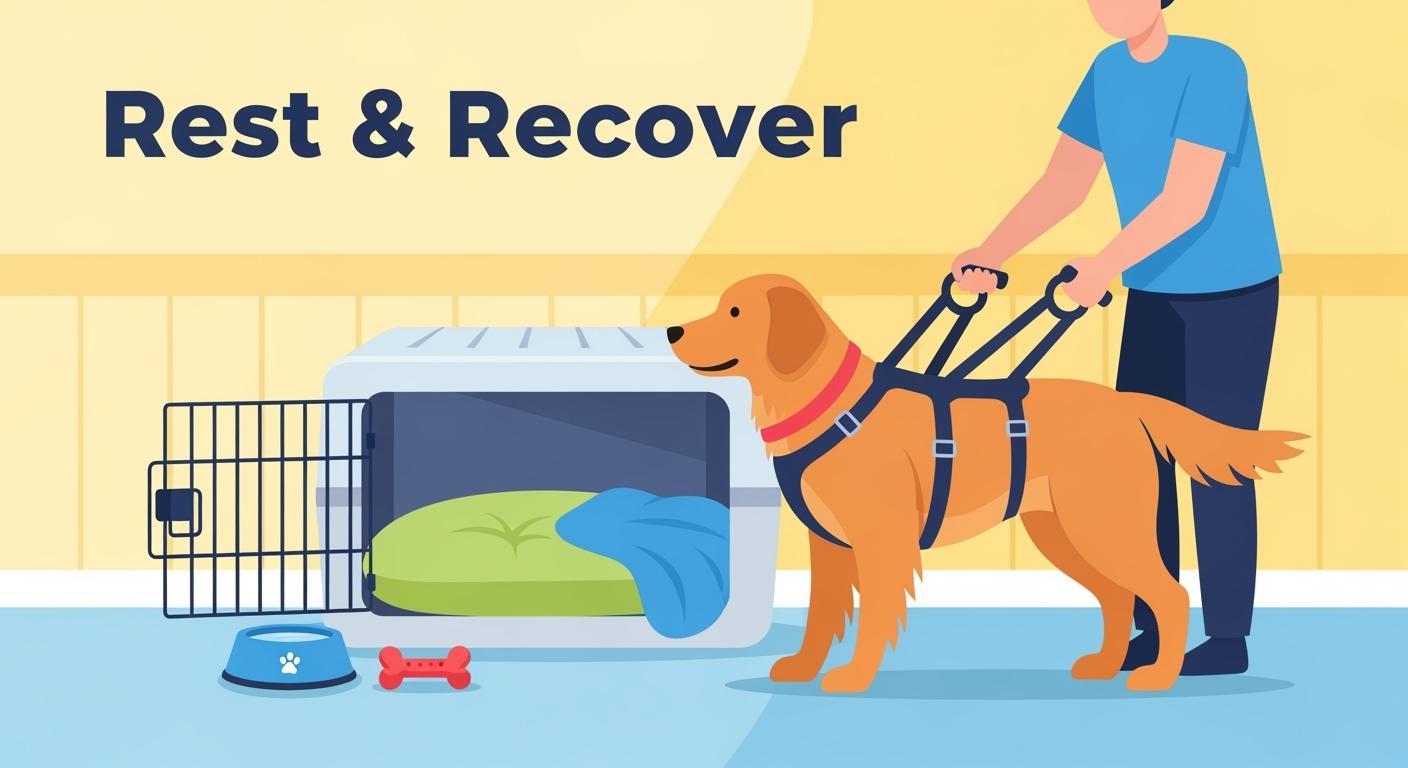
You must follow crate rest guidelines for ivdd. Most dogs need at least six weeks of restricted activity. You can use an ivdd dog lift harness to help your dog move safely during this time. The harness does not heal the disc. It supports your dog and helps you control movement. You should use the harness for transfers, short walks, and supported standing.
Here is a step-by-step protocol for safe harness use and crate rest:
Identify your dog’s track: Watch how your dog moves. Look for weakness, pain, or slipping.
Choose the support tool: Select a full-body harness or sling that fits your dog’s size and needs.
Fit the harness: Place the harness on your dog. Adjust straps for a snug fit. Check for pressure points.
Controlled use: Use the harness for transfers and short walks. Keep your dog’s spine straight. Avoid twisting or sudden movements.
Remove when not needed: Take off the harness during rest or sleep. Check your dog’s skin for irritation.
Weekly reassessment: Review your dog’s progress each week. Adjust the harness fit and use as needed. Ask your veterinarian for advice if you see changes.
You should keep your dog in a confined space during crate rest. For small dogs, use an area about one meter by one meter. For large dogs, use two meters by two meters. You can use the harness for up to six to eight hours at a time, but remove it for comfort and skin health. You should always follow your veterinarian’s treatment plan and reassess your dog’s needs each week.
Tip: Harnesses support movement and caregiver safety. They do not replace medical treatment or heal the disc. Always use harnesses as part of a complete care plan for ivdd.
Which dogs with intervertebral disc disease need full-body support
Pain-managed dogs needing stability
Some dogs have trouble moving when they are healing from intervertebral disc disease. If your dog has pain, even if it is managed, they may need more help. Watch for signs that show your dog needs extra support from a lift harness:
Not wanting to move
Back is arched or neck feels stiff
Sensitive when touched
Weakness or trouble walking
Acting differently than normal
If you see these signs, use a full-body lift harness. This harness keeps your dog’s spine straight. It lowers the chance of sudden moves. Your dog will feel steadier and more comfortable when you help them walk or move.
Rear weakness and slipping risks
Dogs with intervertebral disc disease can have weak back legs. Some dogs drag or slip with their rear legs. A lift harness helps support your dog’s back end. This makes it easier for your dog to stand and walk. Harnesses help dogs go outside to relieve themselves. They also help stop falls. Always lift your dog gently. Do not pull on the neck. Using a harness instead of a collar keeps your dog’s neck and back safe.
A lift harness helps dogs with IVDD who cannot walk well. It lets them go outside to relieve themselves.
Always be gentle when lifting a dog with IVDD. This helps keep their condition from getting worse.
Using a harness instead of a collar protects the neck and back from more injury.
Caregiver safety and team-lift for dogs over 40 lb
If your dog weighs more than 40 lb, get help to lift them. Lifting together keeps you and your dog safe. Follow these safety steps:
Safety Protocols | Description |
|---|---|
Do not lift by the belly only | Support both the front and back when going up stairs to avoid injury. |
Make sure the harness fits well | The harness should be snug but not tight. You should be able to fit two fingers under any strap. |
Use good posture when lifting | Bend your knees, not your back. Let the harness help you lift. |
Check for pressure sores | Look at your dog’s skin often. Check places where the harness touches to stop sores from forming. |
These steps protect your dog’s spine and your own health. They also help your dog move better and make daily care easier. Full-body support helps your dog heal safely. It lowers the chance of injury for you and your dog.
IVDD red flags: when not to use a lift harness
You want your dog to stay safe while healing from intervertebral disc disease. Sometimes, you need to stop using a lift harness and call your veterinarian. Look for warning signs that show the harness is not safe for your dog.
Worsening pain or neurologic signs
If your dog has new pain or gets worse, stop using the harness. Signs are yelping, shaking, or sudden weakness. Your dog might drag their legs or lose balance. These changes mean your dog needs help from a veterinarian right away. The harness should hold up the middle of your dog’s body and keep the spine straight. If your dog cannot stand or walk with help, do not make them move.
Alert: If your dog suddenly cannot move or has strong pain, call your veterinarian right away.
Panic or resistance to restraint
Some dogs get scared or fight when you try to use a harness. If your dog does not let you handle them, stop right away. You might see your dog twist, bite, or try to get away. This can hurt your dog and slow down healing. The harness should let your dog go to the bathroom without blocking them. Handles that adjust help you guide your dog gently. If your dog does not stay calm with the harness, stop and check what to do next.
Watch for signs of fear or panic.
Take off the harness if your dog fights or struggles.
Ask your veterinarian for help if your dog cannot use the harness.
Bladder and bowel changes needing urgent care
Bladder and bowel changes are very serious for dogs with dog intervertebral disc disease. If your dog cannot pee or poop, or has accidents, get help from your veterinarian right away. Some dogs need medicine to help the bladder work. For poop problems, a low residue diet can help make less stool. Do not use the harness if your dog has these changes until your veterinarian tells you what to do.
Sudden pee or poop accidents need quick help.
Your veterinarian might suggest medicine or a new diet.
Always check your dog’s bathroom habits while they heal.
You need to look for these warning signs every day. If you see any, stop using the harness and call your veterinarian. This keeps your dog safe and helps you care for intervertebral disc disease the right way.
Fitting the ivdd dog lift harness: spine-neutral setup
Snug fit and strap placement
You want your dog’s harness to fit snugly and keep their spine straight. Start by measuring your dog’s chest and neck base with a soft tape measure. Choose a harness with breathable mesh and padded contact points. Place the harness gently on your dog while they stand on level ground. Adjust each strap so you can fit two fingers under it. Make sure the harness does not twist or slip. Test the fit by letting your dog sit, stand, and stretch. Watch for rubbing or restricted movement.
Step-by-step fitting protocol:
Calm your dog before lifting.
Kneel beside your dog and place one hand on their chest, the other under their hindquarters.
Lift slowly, keeping the spine straight.
Secure the harness, checking alignment of the spine and rear legs.
Adjust straps for a snug fit before each use.
Avoiding pressure points and hot spots
Pressure points and hot spots can harm dogs with ivdd. Standard collars put pressure on the neck and spine, which increases risk. Traditional harnesses may strain the middle of the back. You should use a harness that spreads pressure across the chest and avoids disc compression. Look for padded chest plates and front attachments that discourage lunging. Check for warning signs like coughing, difficulty breathing, or reluctance to walk. Remove the harness during rest and sleep to prevent hot spots.
Tip: Always check for visible pressure points after walks. Rotate harness position if needed to keep skin healthy.
Skin checks and comfort adjustments
Skin checks help you catch problems early. After each use, inspect areas under the harness for redness, hair loss, or sores. If you see irritation, loosen the straps or remove the harness. Dogs with ivdd need comfort and support, so adjust the harness as needed. Limit wear-time to 6–8 hours, and always remove the harness when your dog rests. Weekly reassessment helps you spot changes in fit or comfort.
Skin Check Checklist | What to Look For |
|---|---|
After each use | Redness, swelling, sores |
Weekly review | Hair loss, reluctance |
During walks | Rubbing, slipping |
A well-fitted harness keeps your dog safe and comfortable. You help your dog recover by following these steps and checking their skin often.
Crate rest for dog intervertebral disc disease: best practices

Crate rest is a key part of recovery for dogs with dog intervertebral disc disease. You help your dog heal by limiting movement and providing a safe, comfortable space. Most veterinarians recommend crate rest for at least 6 weeks. Some dogs may need up to 8 weeks, depending on their condition. You should always follow your veterinarian’s advice for your dog’s specific needs.
Safe transfers with harness
You need to move your dog safely in and out of the crate. An ivdd dog lift harness gives you control and support during these transfers. Always keep your dog’s spine straight. Place one hand under the chest and the other under the hindquarters. Hold your dog close to your body. This position keeps your dog stable and prevents sudden movements. Avoid letting your dog jump or twist. Use slow, gentle motions every time you lift or set your dog down.
Step-by-step safe transfer:
Calm your dog before moving.
Slide your hands under the chest and hindquarters.
Lift with the ivdd dog lift harness, keeping the back straight.
Hold your dog close to your body for extra stability.
Set your dog down gently in the crate or on the ground.
Tip: Always use a non-slip surface inside the crate. This helps prevent slipping and keeps your dog safe during transfers.
Supported standing vs walking
During crate rest, your dog should only stand or walk when absolutely necessary. Supported standing helps maintain muscle strength without risking injury. You can use the harness to help your dog stand for a few minutes at a time. This allows your dog to stretch and shift weight safely. Short, controlled walks are sometimes needed for bathroom breaks. Keep these walks brief and always use the harness for support. Do not allow your dog to walk freely or explore. Limit activity to what your veterinarian recommends.
Activity | Purpose | How to Support |
|---|---|---|
Supported standing | Maintains muscle and comfort | Use harness, keep spine straight |
Short walks | Bathroom breaks only | Harness support, no twisting |
Note: Never let your dog jump, run, or climb stairs during crate rest. These actions can slow recovery and increase the risk of injury.
Harness wear-time: 6–8 hour comfort range
You want your dog to stay comfortable while using the harness. Most full-body harnesses are safe for 6–8 hours of wear. Remove the harness when your dog is resting or sleeping. Check your dog’s skin for redness or sores after each use. Adjust the harness if you see any signs of discomfort. Always use the harness only when needed for transfers, standing, or short walks. This routine helps your dog avoid pressure points and keeps the skin healthy.
Crate rest setup checklist:
Choose a crate that is strong and secure.
For small dogs, use a crate or pen about 1 meter by 1 meter.
For large dogs, use a space about 2 meters by 2 meters.
Make sure your dog can lie down, stand, and turn around comfortably.
Place soft bedding and a water bowl inside.
Use a non-slip mat to prevent slipping.
Callout: Crate rest gives your dog the best chance for recovery. You control your dog’s mobility and support healing by following these best practices.
Post-op care for IVDD: activity and mobility
6–8 week restriction after surgery
After IVDD surgery, your dog needs to stay in a small, safe space for at least 6 weeks. Most veterinarians say to keep your dog restricted for 6 to 8 weeks. This keeps the spine safe and helps your dog heal. Do not let your dog use stairs, jump, or play rough. Only take your dog outside on a leash for bathroom breaks, about 4 or 5 times each day. Do not let your dog meet other dogs during this time. The main goal is to stop too much movement and avoid injury. Many veterinarians use this timeline because studies show dogs heal better with strict rest after surgery.
Tip: Pick a crate or pen where your dog can stand, turn around, and lie down easily. Add soft bedding and keep the area quiet.
Recheck and rehab timing
You should make a recheck appointment with your veterinarian about 14 days after surgery. This visit lets your vet see how your dog is healing and change the care plan if needed. Rehab usually starts after this checkup. A physiotherapist will show you how to do gentle exercises and watch your dog’s progress. Early rehab helps lower swelling and keeps muscles from getting stiff. Your dog’s rehab plan will change as they get stronger. Always follow your vet’s advice and ask questions if you see changes in your dog’s movement or behavior.
Start rehab about 14 days after surgery.
Do gentle exercises and massage.
Do not let your dog do anything that causes pain or stress.
Safe progression for dog mobility
You want your dog to get stronger and feel more confident. Begin with easy things like standing, sitting, and taking short steps. Use a full-body lift harness to help your dog and keep the spine straight. Add more activity slowly as your dog gets better. Physical therapy, massage, and underwater treadmill sessions can help your dog move better. Always ask a canine physiotherapist for help. The goal is to help your dog move without getting hurt. Exercise should match what your dog can do and what feels good.
Note: The crate keeps your dog safe but does not mean your dog cannot move at all. Stop risky things like dragging or going outside alone.
You help your dog heal by following these steps and working with your vet team. Careful planning and rehab give your dog the best chance to get strong again.
Decision and comparison tables for IVDD mobility
Traffic-light: is a full-body lift harness right today?
You want to know if your dog should use a full-body lift harness today. This traffic-light table helps you decide. Match your dog’s needs to the right color.
Status | Signs You See | What You Should Do |
|---|---|---|
🟢 Green | Stable, pain managed, needs help moving | Use harness for transfers and short walks |
🟡 Yellow | Mild pain, new weakness, unsure about fit | Reassess fit, call vet if unsure |
🔴 Red | Sudden pain, panic, loss of bladder/bowel | Do not use harness, call vet now |
Tip: Always make sure your dog feels safe and comfortable before using any mobility aid.
Comparison: harness vs sling vs wheelchair vs no-gear
Mobility aids help dogs with ivdd move safely. You can pick from different tools. Each one works best for certain needs. Use this table to compare choices for support and movement.
Support Option | Best For | Mobility Level | Ease of Use | Price Range |
|---|---|---|---|---|
Harness/Sling | Temporary support, stairs, car entry | Can walk with help | ⭐⭐⭐⭐⭐ Very Easy | $25–80 |
Wheelchair | Paralysis, severe hind leg weakness | Little or no hind leg use | ⭐⭐⭐ Moderate | $150–500+ |
Joint injuries, arthritis | Walks but needs joint support | ⭐⭐⭐ Needs guidance | $50–300 | |
No-Gear | Mild cases, full recovery | Normal mobility | ⭐⭐⭐⭐⭐ Easiest | Free |
Dog wheelchairs help dogs with very weak or paralyzed legs move again.
Slings and harnesses help dogs stand or go up stairs.
Joint braces give extra help for injured joints.
Pet strollers let dogs go outside without getting tired.
B2B clinic script for discharge notes
Here is a sample script for clinic discharge notes. It helps you plan your dog’s recovery and daily care.
Discharge Plan Quick Reference Card:
- Recovery calendar: Limit activity for 6 weeks (42 days). Recheck at 2 weeks and again at 4–6 weeks.
- Harness wear-time: Use harness for transfers and short walks. Keep wear under 6–8 hours each day. Take off during rest and sleep.
- Bladder expression: If needed, check and empty bladder every 6 hours (4 times/day).
- Mobility aid: Use full-body lift harness for safe movement. Check fit every week.
- Contact clinic if you see pain, panic, or bathroom changes.
Note: Print or save this card so you can check it easily while your dog recovers.
Top mistakes in IVDD dog mobility and harness use
When you help your dog with ivdd, you want to avoid common mistakes. These errors can slow recovery and make dog mobility harder. You can learn from these top mistakes and use prevention tips to keep your dog safe.
Lifting errors and spinal twisting
Many owners lift dogs the wrong way. You might twist the spine or lift by the belly. This can cause pain or injury. Always support both the chest and hindquarters. Keep the spine straight when you lift. Use the harness handles for control.
Lift with two hands, not one.
Avoid twisting your dog’s body.
Keep your dog close to your body during transfers.
Over-walking during recovery
You may think short walks help, but too much activity can harm dogs with ivdd. Over-walking can stress the spine and slow healing. Limit walks to bathroom breaks only. Use the harness for support and stop if your dog seems tired.
Watch for signs of fatigue.
Follow your veterinarian’s advice for walk length.
Use a timer to track activity.
Poor fit causing discomfort
A harness that fits poorly can rub or pinch your dog’s skin. This leads to sores and discomfort. Check the fit every time you use the harness. Adjust straps so you can fit two fingers under them. Remove the harness during rest.
Inspect your dog’s skin after each use.
Choose a harness with padded contact points.
Top 12 Mistakes and Prevention Tips:
Lifting by the belly — Support chest and rear together.
Twisting the spine — Keep your dog’s back straight.
Using a loose harness — Check fit before each use.
Leaving harness on too long — Remove after 6–8 hours.
Skipping skin checks — Inspect for redness daily.
Over-walking — Limit walks to bathroom breaks.
Ignoring pain signs — Stop activity if your dog yelps.
Not using a team-lift for large dogs — Ask for help over 40 lb.
Pulling on the neck — Use harness, not collar.
Allowing jumping or stairs — Block access to risky areas.
Forgetting weekly reassessment — Review progress every week.
Missing vet rechecks — Schedule follow-ups as directed.
Tip: You help your dog recover faster when you avoid these mistakes and follow prevention steps.
IVDD FAQs for dog owners
Harness wear-time per day
You want your dog to stay comfortable during recovery. Most full-body lift harnesses work best for 6–8 hours of wear each day. You should put the harness on only when you need to help with transfers, standing, or short walks. Take it off when your dog rests or sleeps. This routine helps prevent skin problems and keeps your dog happy.
Sample harness schedule:
Morning: Put harness on for bathroom break (15 minutes)
Midday: Use harness for transfer to crate or bed (10 minutes)
Afternoon: Short assisted walk (10 minutes)
Evening: Remove harness for rest and sleep
Tip: Always check your dog’s skin after each use. Adjust straps for comfort.
Crate rest with harness use
Crate rest gives your dog the best chance for recovery. You should keep your dog in a secure area for at least 6 weeks. Use a crate or pen that fits your dog’s size. For small dogs, use a space about 1 meter by 1 meter. For large dogs, use 2 meters by 2 meters. Only use the harness for transfers and bathroom breaks. Remove it when your dog is resting.
Recovery planning calendar:
6 weeks = 42 days. Make a daily checklist to track crate rest and harness use.
Example:
Day 1: Harness for bathroom, crate rest
Day 2: Harness for transfer, crate rest
...
Day 42: Recheck with veterinarian
When to switch to a wheelchair
Some dogs need more support for dog mobility. You should think about a wheelchair if your dog cannot stand or walk with a harness. Signs include dragging back legs, falling often, or not improving after several weeks. Ask your veterinarian before switching. Wheelchairs help dogs move safely when they have severe weakness.
Support options for IVDD mobility and transfers:
Option | Best for | Limits | Key fitting note | When to escalate |
|---|---|---|---|---|
Transfers, support | Not for paralysis | Spine-neutral fit | If dog cannot stand safely | |
Rear-only sling | Mild rear weakness | Less control | Rear snug, not tight | If slipping increases |
Towel sling | Temporary aid | Not secure | Use for short tasks | If dog needs more support |
Wheelchair/cart | Severe weakness | Needs training | Measure for fit | If dog cannot walk at all |
No-gear transfers | Mild cases | Risk of twisting | Carry with both hands | If dog resists handling |
Note: Always reassess your dog’s needs weekly. Talk to your veterinarian if you see changes in mobility.
You help your dog recover by using a full-body lift harness for safe movement and crate rest. Stick to the 6–8 week restriction and watch for red flags every day. Handle your dog gently and keep the spine straight during transfers. Check your dog’s skin often for signs of irritation. Create a calm space, use positive reinforcement, and add mental enrichment to prevent boredom. Your care and attention make a big difference in your dog’s healing journey. 🐾
FAQ
How long should my dog wear the lift harness each day?
You should use the harness only for transfers, standing, or short walks. Keep wear-time under 6–8 hours. Remove the harness when your dog rests or sleeps. Check your dog’s skin after each use for redness or sores.
What size crate or pen is best for IVDD recovery?
Choose a crate or pen that lets your dog stand, turn, and lie down. For small dogs, use about 1 meter by 1 meter. For large dogs, use 2 meters by 2 meters. Add soft bedding and a non-slip mat.
When should I call my veterinarian during recovery?
Call your veterinarian if you see new pain, sudden weakness, panic, or changes in urination or bowel habits. Stop using the harness if your dog cannot stand, drags legs, or fights restraint. Quick action keeps your dog safe.
Can I help my dog walk outside during crate rest?
You can help your dog walk outside for bathroom breaks only. Use the harness for support. Keep walks short and controlled. Do not let your dog run, jump, or climb stairs. Follow your veterinarian’s advice for activity limits.
What is the best way to lift my dog with IVDD?
Use both hands and the harness handles. Support the chest and hindquarters. Keep your dog’s spine straight. Lift slowly and avoid twisting. Hold your dog close to your body for stability. Team-lift dogs over 40 lb for safety.