

You can help your senior dog stay comfortable and active as they age. Mobility changes happen naturally due to arthritis, muscle loss, or other health conditions. Early action makes a big difference. Some research suggests that strong bonds with your dog and regular care can lead to better health and mobility.
Try these strategies for senior dog care:
Home modifications
Mobility aids for dogs
Tailored exercise
Joint-friendly diet
Regular vet checkups
Remember, mobility support for senior dogs improves their quality of life but does not cure aging or replace veterinary care.
Key Takeaways
Early intervention is crucial. Address mobility issues in senior dogs promptly to improve their comfort and activity levels.
Regular vet checkups are essential. Schedule at least two visits a year to monitor your dog’s health and adjust care as needed.
Implement home modifications. Use non-slip surfaces, raised bowls, and supportive beds to create a safer environment for your senior dog.
Incorporate low-impact exercises. Activities like swimming and short walks help maintain your dog’s strength without straining their joints.
Consider mobility aids. Tools like braces, harnesses, and ramps can enhance your dog’s independence and comfort.
Senior Dog Mobility Changes
Why Mobility Declines
As your senior dog ages, you may notice changes in how they move. Aging affects their joints, muscles, and nerves. Arthritis often develops, causing inflammation and pain in the joints. Muscle loss makes it harder for your dog to stand up or walk long distances. Nerves may not work as well, leading to slower reactions and weaker back legs. Healing also takes longer, so injuries or strains can linger.
Veterinary research shows several common causes of mobility decline in older dogs:
Condition | Description |
|---|---|
Degenerative joint disease | Affects hips, stifles, and tarsi, leading to pain and reduced mobility. |
Degenerative lumbosacral disease | Impacts the lower back, causing weakness in hind limbs. |
Compressive thoracolumbar spinal cord disease | Results from disc herniations or neoplasia, affecting mobility. |
Degenerative myelopathy | A progressive disease affecting spinal cord function. |
Diskospondylitis | Inflammation of the intervertebral discs, causing pain and mobility issues. |
Peripheral neuropathies | Affecting sciatic nerves, leading to weakness. |
Systemic illness | Severe conditions can lead to overall weakness and mobility decline. |
Common Signs of Mobility Issues
You might see your senior dog struggle with everyday activities. Watch for these signs:
Stiffness after resting
Difficulty rising from lying down
Hesitation on stairs or avoiding jumps
Slipping on smooth floors
Weak back legs or dragging paws
These signs often mean your dog needs extra joint support and attention.
Early Support Matters
Taking action early helps your senior dog stay comfortable and active. Physical therapy can help improve quality of life and may slow some age-related decline. Specialized therapies target common mobility problems and help maintain lifelong movement.
Tip: Early intervention makes a big difference. Rehabilitation offers non-drug options for pain management and can help older dogs recover after surgery.
When to Talk to Your Vet About Mobility Support
If you notice stiffness, weak back legs, or slipping, it is a good time to talk with your veterinarian about mobility support options for your dog. These symptoms show your dog may need help with joint health and safe movement. Talk to your veterinarian about the best options for your pet.
Veterinary Assessment for Senior Dogs
Importance of a Checkup
Regular veterinary checkups play a key role in keeping your senior dog comfortable and active. As dogs age, their needs change. Mobility support for senior dogs starts with a clear understanding of their health. Early diagnosis helps you and your vet create a plan that addresses pain, joint support, and overall well-being. Routine exams also help catch problems like arthritis or weak back legs before they get worse.
Tip: Schedule checkups for your senior dog at least twice a year. More frequent visits help your vet track changes and adjust care as needed.
What to Expect During Evaluation
During a veterinary assessment, your vet will look at several important areas. These checks help spot issues that affect movement and quality of life. Here is what a typical evaluation includes:
Assessment Type | Description |
|---|---|
Full neurologic exam | Checks for subtle nerve or spinal issues, sometimes using videos you provide. |
Physical exam | Focuses on spine, limbs, joints, and pain to find musculoskeletal problems like osteoarthritis. |
Body Condition Scoring (BCS) | Looks at body fat to monitor health and prevent obesity. |
Muscle Condition Scoring (MCS) | Assesses muscle health, which is important for strength and movement. |
Chronic pain assessment | Uses pain scales and exams to see how pain affects daily life. |
Quality of life assessment | Reviews your dog’s daily function and mental state to track long-term trends. |
Your vet may also ask about changes in your dog’s behavior, appetite, or activity at home.
When to Call the Vet
You should contact your vet if you notice any of these signs:
Sudden trouble standing or walking
Severe pain or crying out
Loss of bladder or bowel control
Refusal to eat or drink
Rapid decline in activity or mood
These symptoms may signal urgent problems that need immediate care. Always trust your instincts. If you feel something is wrong, reach out to your veterinary team. Early action and regular care help your senior dog enjoy a better quality of life.
Mobility Support for Senior Dogs
Mobility support for senior dogs starts with a strong foundation in weight control, joint health, and daily routines. You can help your senior dog stay active and comfortable by making small changes at home and choosing the right activities. These strategies do not cure aging, but they can improve your dog’s quality of life and help manage common problems like weak back legs or joint pain.
Weight and Joint Health
Managing your dog’s weight is one of the most effective ways to support joint health. Extra pounds put stress on joints and can make arthritis worse. Many dogs in the United States are overweight or obese, which increases the risk of mobility problems. Even a small weight loss, such as one or two pounds, can make a big difference in how your senior dog moves and feels.
Obesity shortens lifespan and threatens overall health.
Weight loss often improves joint health more than any supplement.
Special diets for weight loss can help reduce joint strain.
You can talk to your veterinarian about a joint-friendly diet. Many senior dog foods contain ingredients that support joint health, such as omega-3 fatty acids and antioxidants. Joint supplements like glucosamine, chondroitin, and green-lipped mussel are popular choices. Products such as Dasuquin, Cosequin, and Senior Healthy Hip & Joint for Dogs contain these ingredients and are commonly recommended by veterinarians. YuMOVE Joint Care uses ActivEase Green Lipped Mussel to help soothe stiff joints and may improve mobility over time.
Tip: Ask your vet about joint-supporting diets like Hill’s Prescription Diet J/D, Royal Canin Advanced Mobility, or Purina Pro Plan Veterinary JM Joint Mobility. These foods are formulated to help senior dogs maintain healthier joints.
Low-Impact Exercise
Low-impact activities keep your senior dog moving without putting too much stress on their joints. You can choose exercises that match your dog’s comfort level and ability. Swimming is a great option because water supports your dog’s body and reduces pressure on joints. Short, frequent walks help maintain flexibility and strength. Gentle play with soft toys encourages movement and keeps your dog engaged.
Here are some recommended low-impact exercises:
Swimming or hydrotherapy
Short, frequent walks
Indoor games with soft toys
Slow, controlled stair climbing
Balance and mobility exercises
Physical rehabilitation sessions
Obedience skills and tricks
You can modify favorite games to make them less strenuous. Always watch your dog for signs of fatigue or discomfort. If your senior dog enjoys swimming, ask your vet if hydrotherapy is a good choice. Physical rehabilitation can help improve muscle mass and range of motion, helping your dog stay active longer.
Home and Lifestyle Adjustments (shorter walks, non-slip surfaces, raised bowls)
Simple changes at home can make a big difference in mobility support for senior dogs. You can create a safer environment by adding non-slip rugs, yoga mats, or carpet runners to high-traffic areas. These surfaces help your dog grip the floor and prevent slipping, especially if they have weak back legs or arthritis.
Use runner rugs for better traction.
Place yoga mats or carpet runners in hallways and living rooms.
Make floors slip-proof with area rugs or non-slip mats.
Raised bowls reduce strain on your dog’s neck and back during meals. Feeding your senior dog on a raised platform helps them eat comfortably and supports joint health. Supportive beds with memory foam cushion sore joints and provide restful sleep.
Shorter walks are easier on aging joints. You can break up exercise into several short sessions each day. If your home has stairs, consider using a ramp to help your dog move safely between levels. Ramps also help your dog get in and out of cars or onto furniture without jumping, which protects their joints.
Note: Ramps are often very helpful for senior dogs with mobility issues. You can use a ramp for stairs, vehicles, or beds to reduce the risk of injury and make daily life easier.
You can combine these home modifications with regular exercise and a joint-friendly diet to maximize mobility support for senior dogs. These steps help your dog stay active, safe, and comfortable as they age.
Home Modification | Benefit for Senior Dogs |
|---|---|
Non-slip rugs/mats | Prevent slipping, support weak legs |
Raised bowls | Reduce neck/back strain, aid comfort |
Supportive beds | Cushion joints, improve sleep quality |
Ramp | Enable safe movement, protect joints |
Mobility support for senior dogs works best when you address weight, joint health, exercise, and home safety together. You can help your senior dog enjoy more active years with thoughtful changes and regular care.
Mobility Aids for Senior Dogs
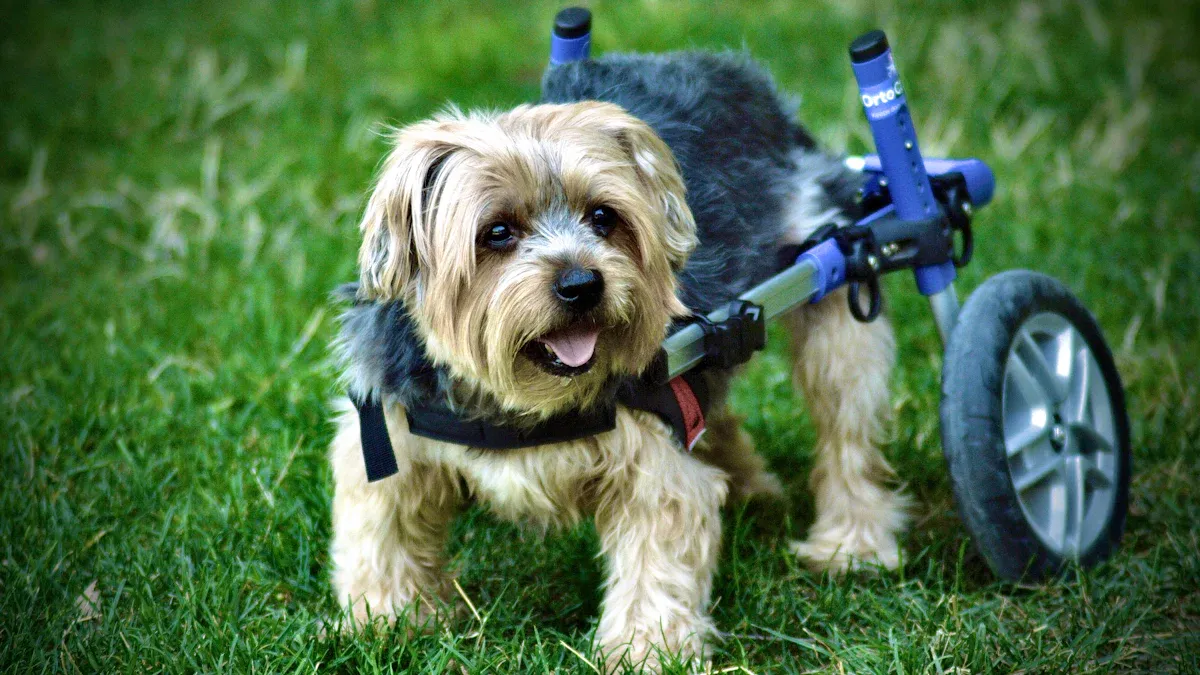
Mobility aids for senior dogs can make a big difference in your pet’s comfort and independence. These tools help your dog move safely, protect their joints, and support daily activities. You should always use these aids as part of a plan developed with your veterinarian.
Types of Mobility Aids (braces, harnesses, ramps, beds)
You have many options when choosing mobility aids for your senior dog. Each tool offers unique benefits:
Dog Braces: Support weak joints in the hip, knee, wrist, or hock. Braces help stabilize the limb and can reduce discomfort during movement.
Lifting Harnesses and Slings: Help you assist your dog with walking, climbing stairs, or getting into vehicles. The PetSafe CareLift Support Harness and PFL Adjustable Dog Lifting Harness are popular choices. Many owners report improved mobility and confidence, especially for dogs with weak back legs.
Ramps and Steps: Allow your dog to avoid jumping, which can strain joints and cause injury. Ramps make it easier for your dog to reach beds, cars, or couches.
Orthopedic Beds: Provide cushioning and support for sore joints. These beds help distribute weight evenly and relieve discomfort from arthritis.
Other helpful aids include dog wheelchairs, booties for traction, and strollers for outdoor adventures.
Tip: Orthopedic beds and ramps may help reduce future joint stress and make daily life easier for your senior dog.
Choosing the Right Aid for Your Dog
Selecting the best mobility aid depends on your dog’s needs. Consider these factors:
Your dog’s condition, such as arthritis or muscle weakness.
The level of support needed—slings for light help, wheelchairs for severe mobility loss.
Safety and comfort for your dog.
Real-life examples of improved quality of life.
If your dog can walk but needs extra help, a sling may be enough. For dogs with significant mobility loss, a wheelchair might be necessary. Always check with your veterinarian before making a decision.
What to Look For in Quality Dog Protective Gear (e.g., GaitGuard)
High-quality dog protective gear stands out for its safety and effectiveness. GaitGuard Dog Protective Gear uses medical-grade materials for durability and comfort. You can find gear for post-surgery recovery, rehabilitation, and daily support. GaitGuard offers adjustable anti-licking devices, rehabilitation nursing gear, and auxiliary lifting straps. The company provides custom styles and quick production to meet your needs.
Benefit | Description |
|---|---|
Improved Mobility | Wheelchairs and harnesses help dogs exercise and prevent muscle atrophy. |
Enhanced Mental Health | Mobility aids keep your dog engaged and happy. |
Prevention of Injury | Ramps and beds protect joints and reduce the risk of falls or strains. |
Bonding Opportunities | Aids allow your dog to join family activities and outings. |
Mobility aids for senior dogs support comfort and activity. They do not cure aging or replace veterinary care, but they help your dog enjoy life to the fullest.
Daily Routine for Senior Dogs
Balancing Rest and Activity
You can help your senior dog thrive by building a daily routine that balances gentle exercise with plenty of rest. Veterinarians recommend a schedule that includes short walks, play sessions, and quiet time. Here is a sample routine you can follow:
7:00 AM: Wake up and bathroom break
7:30 AM: Morning walk or play (20–30 minutes)
8:00 AM: Breakfast
8:30 AM–12:00 PM: Rest or nap time
12:00 PM: Short walk or interactive play
1:00–4:00 PM: Quiet time with enrichment toys
4:30 PM: Evening walk or exercise (20–30 minutes)
6:00 PM: Dinner
7:00 PM: Light play or relaxation
9:00 PM: Final bathroom break
9:30–10:00 PM: Bedtime
Tip: Choose shorter, more frequent walks and gentle play to support joint health and prevent fatigue.
Adapting to Changing Needs
As your senior dog ages, you may need to adjust their routine. Watch for signs of tiredness or discomfort. You can:
Offer gentle movement with shorter walks to maintain muscle and joint flexibility.
Use puzzle toys and scent games for mental stimulation.
Schedule regular vet check-ups to monitor health changes.
Small changes help your dog stay comfortable and engaged as their needs evolve.
Monitoring Progress and Keeping Your Dog Engaged
Track your dog’s mobility and activity each day. Look for signs like limping, stiffness, or difficulty standing. You can make simple adjustments at home, such as elevating food and water bowls to reduce strain. Some owners use health-monitoring collars to collect data on activity and posture.
PetPace collars can provide real-time analytics and alerts that may help you spot joint issues earlier.
Regular low-impact exercise and environmental changes support your dog’s comfort and mobility.
Mental Stimulation and Emotional Support
Mental enrichment is just as important as physical activity. You can try these activities:
Scent-tin search games
Name that toy memory challenges
Slow, explorative walks with time to sniff
Window watching stations for visual stimulation
Gentle grooming sessions for bonding
Playing music or audiobooks
Spending quality time through gentle play and conversation
These activities engage your dog’s senses and provide emotional support without requiring strenuous movement. Adjust enrichment based on what your dog enjoys most. Meaningful activities help your senior dog feel loved and connected every day.
Warning Signs and When to Seek Help
As your dog ages, you play a vital role in watching for changes that signal a need for veterinary attention. Recognizing urgent mobility issues early helps protect your dog’s comfort and safety. Some problems require immediate action to prevent further injury or distress.
Urgent Mobility Issues
You should contact your veterinarian right away if you notice any of these red-flag signs:
Sudden or severe lameness
Inability to stand or walk
Dragging legs or paralysis
Loss of bladder or bowel control
Crying out in pain
Difficulty with stairs, hopping on or off furniture, or getting in and out of the car
Stiff or slow gait
Swollen joints or limping
Leg weakness or incoordination
Changes in behavior, such as aggression or irritability
Rapid decrease in activity or energy level
🐾 Note: These symptoms may point to serious conditions like nerve injury, advanced arthritis, or spinal problems. Quick veterinary care can ease pain and may help prevent lasting damage.
Signs of Pain or Decline (when mobility support is not enough)
Sometimes, mobility support for senior dogs is not enough to keep your pet comfortable. You may see signs that your dog is struggling more than usual. Watch for these symptoms:
Struggling to stand up due to loss of muscle strength and arthritic pain
Swaying hind end or loss of balance
Unwillingness to jump on furniture or into a car
Refusing to climb stairs or showing lack of control
Scraping nails or dragging paws
If you notice these changes, your dog may need extra joint support or a new treatment plan. Pain can make daily activities difficult and reduce your dog’s quality of life. You should talk to your veterinarian about advanced options, such as physical therapy, medication, or specialized mobility aids for dogs.
If your dog shows ongoing pain or decline, regular checkups and honest communication with your vet help you adjust care and keep your pet comfortable.
You can support your senior dog’s mobility with simple, effective steps. Focus on:
Feeding a balanced diet and maintaining a healthy weight
Offering low-impact exercise and consistent routines
Using comfort tools like orthopedic beds, ramps, and harnesses
Creating a safe environment with non-slip mats
Stay alert to changes and adapt your approach as needed. Regular veterinary care ensures you address pain and mobility issues early. By prioritizing care and keeping your old dog comfortable, you give your companion the best chance for a happy, active life.
Small changes and ongoing care make a big difference for your senior dog.
FAQ
What is mobility support for senior dogs?
Mobility support for senior dogs means using tools, routines, and care strategies to help your aging dog stay active and comfortable. You can use aids, exercise, and home changes to improve movement and quality of life.
How do I know if my senior dog needs joint support?
Watch for signs like stiffness, weak back legs, limping, or slipping on floors. If your dog struggles to stand, climb stairs, or walk, joint support for older dogs may help. Ask your veterinarian for advice.
Are mobility aids for dogs safe to use every day?
Yes, you can usually use mobility aids for dogs daily when your veterinarian recommends them, as long as they fit well and your dog is comfortable. Choose high-quality gear like harnesses, braces, or ramps. Always check for comfort and fit to keep your dog safe.
Can diet and supplements help with senior dog mobility?
A balanced diet and joint supplements support senior dog mobility. Look for foods with omega-3s, glucosamine, and chondroitin. These ingredients can help reduce inflammation and support joint health. Ask your vet about the best options.
When should I call my veterinarian about mobility issues?
Call your veterinarian if you see sudden weakness, severe pain, loss of bladder control, or rapid decline in activity. Early action helps manage weak back legs in senior dogs and prevents serious problems.
