
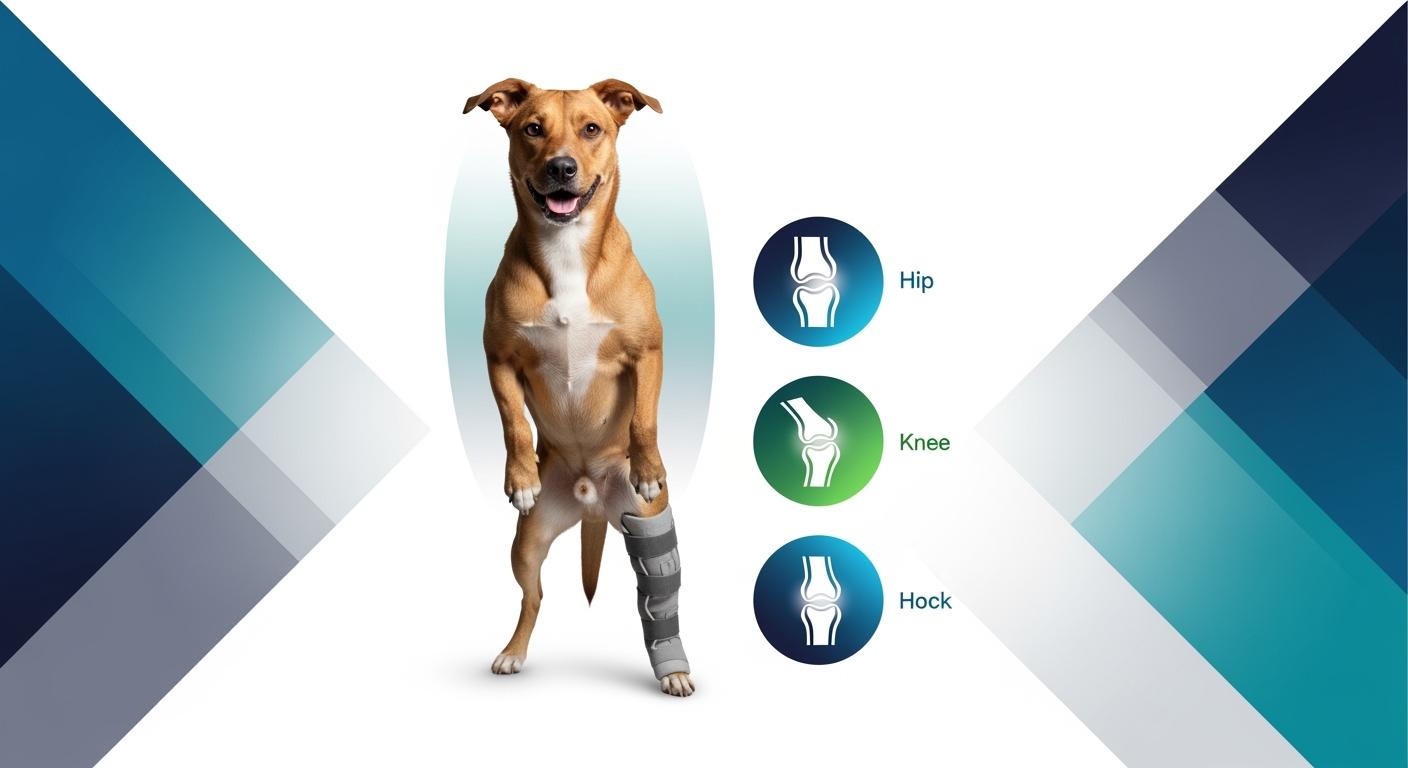
You want to help your dog move better. Choosing the right dog back leg brace starts with knowing which joint or leg area needs support. Watch your dog walk, run, or rest. Look for limping, stiffness, or weakness in the back leg. Some dogs need a brace for the knee, others for the hock or hip. Daily activities show where your dog needs support. Fit and comfort matter for every brace. Consult your veterinarian before you buy a dog back leg brace. Use this article to begin your search for the best brace for your dog’s leg needs. Explore related guides for more details.
Key Takeaways
Watch your dog walk to see which joint needs help. Look for limping or if your dog moves stiffly.
Pick the right brace for your dog’s needs. Choose knee, hock, or hip support.
Measure your dog’s leg carefully for a good fit. A brace that fits well helps your dog feel better.
Ask your veterinarian before you buy a brace. They can tell you which brace is best for your dog.
Check the brace often to make sure it fits well. Change it if needed so your dog stays comfortable and active.
Understanding Dog Back Leg Brace Support Areas
A dog back leg brace can mean many things. You might need joint support for the knee, hock, hip, or general hind-leg weakness. Each area has its own signs. You must watch your dog closely to find out which brace will help most.
Knee Support Signs
Dogs often show knee problems by limping or avoiding weight on one leg. You may see your dog licking or biting the knee area. Swelling around the knee joint is common. Some dogs hold the affected leg up when standing. After running or playing, your dog might show pain or stiffness. Visible swelling and wobbly movement in the leg can signal knee issues. Bunny hopping is rare for knee problems but can happen. Reduced activity or reluctance to play also points to knee trouble.
Hock Support Signs
Hock injuries often cause your dog to walk on tiptoes. You may notice a “dropped” appearance in the leg. Swelling is very visible around the hock. Dogs with hock pain lick the joint often. Limping after exercise and refusing to put weight on the leg are common. Your dog may show mild muscle loss over time. Hock and Achilles tendon injuries need special support.
Hip Support Signs
Hip problems make it hard for your dog to stand up. Bunny hopping is a classic sign. Your dog may sway or wobble when walking. Reluctance to jump or climb stairs is very common. Muscle loss in the rear legs and hips happens over time. Increased sensitivity when you touch the hip area can signal hip pain. Arthritis and joint instability often affect the hip.
General Hind-Leg Weakness
Some dogs show weakness in both rear legs. You may see a narrow stance or decreased muscle mass. Swaying gait and reluctance to climb stairs are signs. Difficulty rising after rest is common. Dogs with general hind-leg weakness need broad support.
Tip: Use the table below to compare symptoms and find the right area for joint support.
Symptom | Hip | Knee | Hock |
|---|---|---|---|
Difficulty standing up | Very common | Moderate | Mild |
Bunny hopping gait | Classic sign | Rare | Rare |
Won’t put weight on leg | Moderate | Very common | Common |
Limping after exercise | Very common | Very common | Common |
Swollen joint | Rare | Common | Very visible |
Walking on tiptoes | Rare | Rare | Classic sign |
Licking the joint | Rare | Common | Very common |
“Dropped” appearance | No | No | Characteristic |
Reluctance to jump | Very common | Common | Moderate |
Muscle loss visible | Over time | Over time | Mild |
If you need more details, check out our broader brace guide or visit solution pages for hind leg weakness and condition-based support. You can find help for partial cranial cruciate ligament tears, arthritis, post-surgical recovery, muscle weakness, luxating patella, and hock injuries.
Dog Back Leg Brace Types and Uses
Dog leg braces come in several types. You need to know which brace fits your dog’s needs. Each brace supports a different joint or area. You can use this section to compare the main types of dog leg braces and decide which one helps your dog most.
Knee Braces
Dog knee braces support the knee joint. You often see these braces used for dogs with ACL injuries. Many owners choose a dog knee brace for acl support when their dog shows signs of limping or pain. The brace helps stabilize the knee and limits movement. You may notice your dog moving better with a dog knee brace. These braces are called stifle braces. They help your dog recover from ligament tears or strains. Custom dog acl brace options work well for ongoing knee problems. Off-the-shelf dog knee brace models fit many breeds, but custom braces fit unique leg shapes. Dog knee braces are common for cruciate ligament injuries and post-surgery recovery.
Note: If your dog has a CCL tear, a dog acl brace can help limit abnormal movement and ease pressure on the ligament.
Hock Braces
Hock braces support the lower back leg. You use these braces when your dog has hock instability or hyperextension. The brace wraps around the tarsal joint and prevents excessive movement. Dogs with hock injuries often walk on tiptoes or show a dropped leg. Hock braces help stabilize the leg and reduce pain. You may see your dog regain confidence with a hock brace. Custom dog leg braces for hock injuries fit dogs with unique limb shapes. Off-the-shelf hock braces work for mild injuries. Hock braces are not used for knee or hip problems.
Hip Braces
Hip braces provide comfort and support to the hip joint. You use these braces for dogs with hip dysplasia or arthritis. The brace offers compression and muscle engagement. Your dog may walk with less pain and more stability. Hip braces help dogs who struggle to stand up or climb stairs. Custom hip braces fit dogs with severe hip issues. Off-the-shelf hip braces work for mild hip pain. Hip braces do not support the knee or hock.
Brace Type | Function | Design Features |
|---|---|---|
Hock Brace | Stabilizes the lower back leg, addressing hyperextension and instability | Designed to support the tarsal joint and lower leg, preventing excessive movement |
Knee Brace | Supports injured knees, aids in healing | Often referred to as a stifle brace, it immobilizes the knee for recovery |
Hip Brace | Provides comfort and support to the hip joint | Offers compression and muscle engagement to improve stability and reduce pain |
You can find more details in our broader brace guide or visit solution pages for hind leg weakness and condition-based support. Custom-made dog leg braces are best for ongoing issues and sensitive breeds. Off-the-shelf options are easier to buy but may not fit every dog perfectly. You should always check fit and comfort before choosing a brace.
Tip: Compare types of dog braces to match your dog’s needs. Focus on the joint that needs support and look for features that help your dog move comfortably.
Choosing a Dog Back Leg Brace
Selecting the right dog back leg brace can make a big difference in your dog’s daily comfort and mobility. You want your dog to feel secure and supported during walks, play, and rest. The right brace helps with knee, hock, or hip issues and can play a key role in your dog’s rehabilitation and rehab journey. You need to focus on fit, comfort, adjustability, and ease of use when comparing options.
Fit and Sizing
Fit and sizing matter most when you choose a dog back leg brace. You must measure your dog’s leg carefully. Use a soft tape measure to check the circumference above and below the knee, hock, or hip. Accurate measurements help you find a brace that fits snugly but does not squeeze. If the brace is too loose, your dog will not get enough support. If it is too tight, your dog may feel pain or lose circulation. Proper placement is also important. Make sure the brace lines up with the joint that needs support. Always check the fit after your dog walks or rests. Look for signs of rubbing, swelling, or discomfort. You want your dog to wear the brace during rehab without problems.
Tip: Write down your dog’s measurements and compare them with the sizing chart for each brace. This step helps you avoid common mistakes and ensures the best fit for rehabilitation and rehab.
Comfort and Materials
Comfort keeps your dog happy during rehabilitation and rehab. The materials in a dog back leg brace affect both comfort and durability. You want a brace that feels soft against your dog’s skin but still gives strong support. Many braces use nylon for strength and a good fit over time. Neoprene adds cushioning and keeps the brace waterproof. Elastic fabrics allow the brace to move with your dog’s leg and reduce muscle fatigue. Plastics or composite materials give extra support for severe knee or hock injuries.
Material | Benefits |
|---|---|
Nylon | Strong, lightweight, resists wear, keeps shape and support during rehab |
Neoprene | Soft, cushioned, waterproof, fits well without blocking blood flow |
Elastic Fabrics | Flexible, helps with movement, reduces muscle tiredness, good for active dogs in rehabilitation |
Plastics/Composites | Rigid, lightweight, adds structure for serious knee or hock support |
You should check the inside of the brace for rough seams or hard edges. Your dog will wear the brace for many hours during rehab, so comfort is key. If your dog seems uncomfortable, try other options or ask your vet for advice.
Adjustability and Durability
Adjustable features help you get the best fit for your dog’s changing needs during rehabilitation and rehab. Look for braces with multiple straps or Velcro points. These let you tighten or loosen the brace as your dog’s leg changes shape or as swelling goes down. Adjustable braces also work well if your dog gains or loses weight during rehab. A good brace should last through daily walks, play, and rest. Durable materials like nylon and reinforced plastics keep the brace strong and supportive for a long time.
Adjustable braces give a custom fit for your dog’s rehab needs.
You can change the fit as your dog’s condition improves or changes.
Long-lasting braces help your dog stay active and comfortable during rehabilitation and rehab.
Hinged designs add extra support for knee or hock injuries and allow natural movement.
You want a brace that stays in place and does not slip during rehab. Check the straps and fasteners often. Replace worn parts to keep the brace working well.
Ease of Use
You need a dog back leg brace that is easy to put on and take off. Simple designs save time and reduce stress for both you and your dog during rehab. Look for clear instructions and easy-to-use fasteners. Some braces have color-coded straps or quick-release buckles. These features help you fit the brace quickly, even if your dog moves around. Lightweight braces are easier for your dog to wear during rehabilitation and rehab.
Note: Braces are not a cure for knee, hock, or hip problems. They do not replace surgery or a full veterinary diagnosis. Always talk to your vet before starting any new rehab options for your dog.
Common Buying Mistakes to Avoid
Do not guess your dog’s size. Always measure before you buy a brace.
Avoid braces that do not match your dog’s specific knee, hock, or hip support needs.
Do not choose a brace based only on price. Focus on fit, comfort, and durability for the best rehab results.
Read reviews from other dog owners who used the brace for rehabilitation and rehab.
Ask your veterinarian for recommendations on the best options for your dog’s leg and rehab needs.
You can find reliable options from trusted brands like Hip Hound Brace and The Most Comfortable Dog Knee Brace. These brands offer choices for knee, hock, and hip support. Custom and off-the-shelf options are available for different rehab needs.
Choosing the right dog back leg brace helps your dog move better, feel less pain, and enjoy a more active life during rehabilitation and rehab. Focus on fit, comfort, and adjustability to support your dog’s knee, hock, or hip. Always consult your veterinarian for the best rehab options.
Measuring and Fitting Your Dog
How to Measure Correctly
You want your dog’s back leg brace to fit well and give the right support. Accurate measurements help you choose the best brace for your dog. Follow these steps for a proper fit:
Place a stockinette over your dog’s leg to protect the fur and skin.
Use a flexible measuring tape to measure the thigh circumference about one inch above the knee joint.
Measure the knee circumference directly over the knee cap.
Measure the lower leg circumference just below the knee.
Measure the length from the top of the thigh down to the ankle or hock joint.
If your dog needs a double knee brace, measure the distance between the legs.
Double-check each measurement for accuracy.
Tip: Always measure your dog’s leg when they are standing. This gives the most accurate results for brace fitting.
If you need to make a mold for a custom brace, wrap casting tape around your dog’s leg, starting just above the hock. Squeeze gently at the knee as the mold dries. Cut and remove the mold once it sets.
Fitting Mistakes to Avoid
Many dog owners make simple mistakes when fitting a back leg brace. These errors can lead to poor support or even harm your dog. Here are common mistakes and how to prevent them:
Choosing the wrong size by guessing instead of measuring.
Using a generic brace that does not match your dog’s leg shape.
Skipping professional fitting or not following the manufacturer’s instructions.
Placing the brace incorrectly on the leg, missing the problem area.
Fastening straps too tightly or too loosely.
Forgetting to check the brace for wear or discomfort.
Ignoring your dog’s skin under the brace.
You should check the brace often and adjust it as needed. Regular check-ups with your veterinarian help keep the brace working well. A good fit lets your dog move comfortably and safely every day.
Mistake | How to Prevent It |
|---|---|
Wrong size | Measure carefully and double-check |
Poor alignment | Position brace over the problem area |
Loose or tight straps | Adjust for a snug, comfortable fit |
Ignored skin checks | Inspect skin daily for redness or sores |
Note: Accurate measuring and regular adjustments keep your dog’s leg brace effective and safe.
When to Consult a Veterinarian
Professional Guidance
You should talk to a veterinarian before you pick a dog back leg brace. A vet can help you find the right support for your dog. They will watch how your dog walks and check muscle strength. The vet also looks at your dog’s skin for any problems. Sometimes, they use X-rays or other tests to make sure of the problem. If you guess wrong about a sprain or tear, your dog might not get the right care. This can make the leg worse. If you see swelling, sudden limping, or wounds, go to the vet right away.
Start with a vet visit before you buy a brace.
The vet will tell you which brace is best for your dog’s leg.
They might work with brace experts to make changes.
You will learn how to check your dog and care for the brace.
Key Point | Explanation |
|---|---|
Proper Fitting | Makes sure pressure is even and the brace lines up right, so there are fewer problems. |
Regular Check-ups | Help you see if the brace fits and spot things like sore skin or swelling. |
Comprehensive Rehab | Combines the brace with other treatments to help your dog get better. |
Tip: Getting help from a vet makes it easier to pick the right brace. Your dog will get used to the brace faster. You and your vet can work together for the best results.
Monitoring Progress
Once your dog starts using a back leg brace, you need to watch how things go. Check the brace every day to see if it fits well. Look for red skin, swelling, or if the brace slips. Let your dog wear the brace for short times at first. Slowly let your dog wear it longer as they get used to it. Use the brace as part of a plan with exercise, swimming, and weight control. Go to the vet often to see how your dog is doing and change the plan if needed.
Watch how your dog moves and feels with the brace.
Change the brace if your dog seems sore or the leg looks different.
Write down what your dog does and any changes you see.
Go back to the vet to talk about how your dog is doing.
Note: Your dog will do better with the brace if you help and your vet helps too. Watch your dog every day and go to the vet for check-ups. This gives your dog the best chance to move better and feel good.
First, you need to find which leg needs help. Look at different brace types for the knee, hock, or hip. Make sure the brace fits well and feels good. Ask your vet for advice before you buy. A brace that fits right helps your dog walk better and feel less pain. Your dog can move more and hurt less with daily use. Pick soft materials and padding to keep your dog happy. Use straps you can adjust so the brace stays in place. Check out guides like The Complete Guide to Dog Leg Braces and tips on measuring. Braces help your dog walk better and enjoy life more.
Benefit | Description |
|---|---|
Mobility Improvement | Braces can help dogs walk and move better. |
Comfort Enhancement | Dogs feel more comfortable when the brace fits well. |
Dependence on Compliance | Braces work best if owners follow care instructions. |
Active Medical Device | Braces need a vet’s help to fit and use the right way. |
You help your dog move better and feel happier by picking the right brace and listening to your vet’s advice.
Pick a custom or ready-made brace for your dog’s comfort.
Measure your dog’s leg carefully for the best fit.
Talk to your vet to find the best brace for your dog.
Study Title | Findings |
|---|---|
Orthotic Device Use in Canine Patients | Dogs using braces have a better life and move more easily. |
Braces, prosthetics, and wheelchairs for rehabilitation | Braces support dogs, lower pain, and help them heal so they can walk better. |
FAQ
How do I know which dog back leg brace my dog needs?
Watch your dog move. Look for limping, weakness, or pain in the back leg. Check if the problem is at the knee, hock, or hip. Ask your veterinarian for help before you choose a brace.
Can a dog back leg brace help with arthritis?
A brace can give your dog extra support and comfort. It may help your dog walk better and reduce pain in the leg. You should use a brace as part of a plan with your veterinarian.
How do I measure my dog for a back leg brace?
Use a soft tape measure. Measure the thigh, knee, and lower leg. Write down each number. Make sure your dog stands while you measure. Compare your numbers to the brace sizing chart.
Will my dog need a custom brace or an off-the-shelf option?
Some dogs need custom braces for unique leg shapes or severe injuries. Most dogs can use off-the-shelf braces for mild support. Ask your veterinarian which brace fits your dog best.
Are dog back leg braces a substitute for surgery?
Dog back leg braces do not replace surgery. They support your dog’s leg and help with movement. Always talk to your veterinarian about the best treatment for your dog.
