
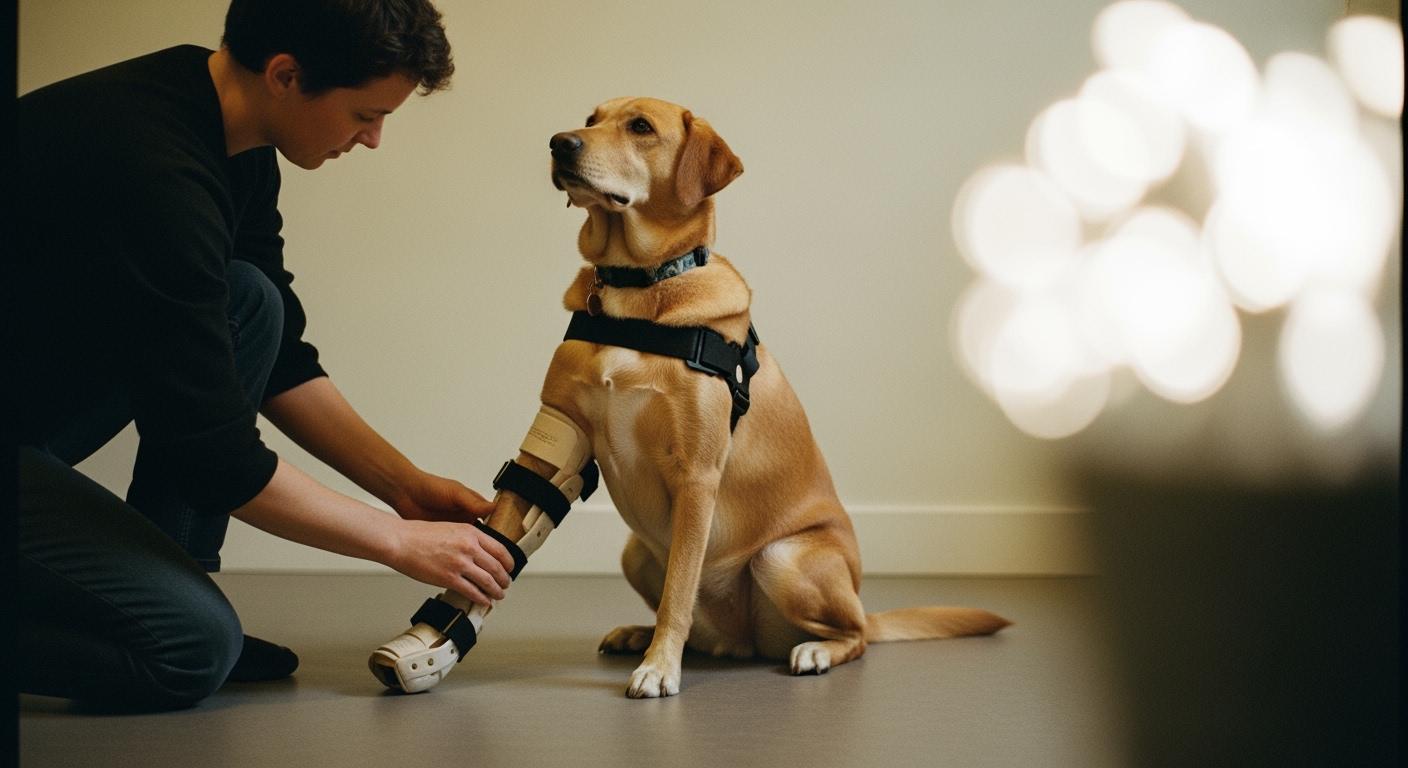
Choosing the right dog leg brace knee helps your dog walk better. It can make your dog feel less pain and more confident. Most knee injuries in dogs happen to the cranial cruciate ligament. Some dogs may need a custom brace. You should focus on fit and stability. A brace that fits well keeps the knee steady. It also lowers swelling and stops more injury. Knee-specific support is not the same as a regular leg brace. Always ask your veterinarian for help before you decide.
Key Takeaways
A dog knee brace that fits well can help your dog feel less pain. It can also make your dog feel more confident when walking.
Custom braces give stronger support for bad injuries. Off-the-shelf braces cost less and work for smaller problems.
You should talk to your veterinarian before picking a brace. This helps make sure the brace is right for your dog.
Look for signs like limping or stiffness. These signs can show your dog needs knee support.
Check the brace often to see if it fits and feels good. This helps stop irritation and helps your dog heal better.
Dog Leg Brace Knee: What It Means
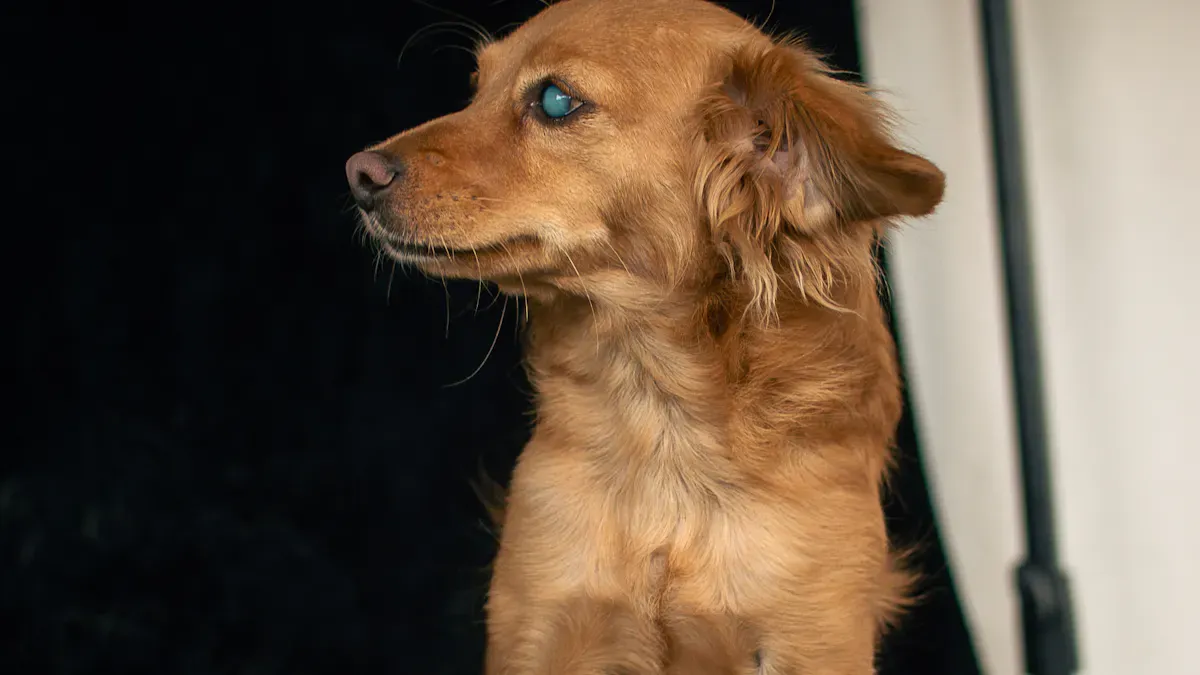
When you see the phrase dog leg brace knee, you should know it points to a brace made for your dog’s knee joint. This is not the same as a generic leg brace. A knee brace targets the stifle joint, which is the main hinge in your dog’s back leg. You often need this kind of support if your dog has an ACL or CCL injury, or if your dog is recovering from knee surgery or needs extra stability during rehab.
Knee Brace vs. Leg Brace
You might wonder how a knee brace differs from a general leg brace. The main differences come down to design, fit, and function. Here’s a quick comparison:
Feature | Dog Knee Brace | Generic Dog Leg Brace |
|---|---|---|
Target Area | Specifically supports the stifle joint | May not target specific joints |
Customization | Tailored to fit unique anatomy | Often off-the-shelf, less tailored |
Material | Made with foam, fabric, plastic, metal | Varies, may not provide adequate support |
Comfort | Designed for maximum comfort | May not fit properly or provide comfort |
A dog knee brace gives focused support to the knee. It helps stabilize the joint and can be custom-made for your dog’s shape. Generic leg braces may not fit well or support the right area. You want a brace that matches your dog’s needs, especially for knee injuries.
Why Knee Support Matters
Knee-specific support matters most when your dog faces issues like ACL or CCL tears, or needs controlled rehab. A dog leg brace knee helps keep the stifle joint steady. This can reduce pain and help your dog move safely. Veterinary studies show that dogs with stifle joint braces often have higher satisfaction than those with only general leg braces. Targeted knee support can improve your dog’s comfort and recovery.
If you want a broader overview of brace categories and joint terminology before narrowing into knee support, review our dog leg brace guide. If the diagnosis is already confirmed, start with our solutions by condition page.
When to Use a Dog Knee Brace
Common Knee Issues
You might ask when your dog needs knee support. Dogs can get hurt in their knees. This can make walking hard for them. Some common knee problems are:
Ligament injuries like CCL tears happen in active dogs. These injuries often need extra help from a brace.
Arthritis can start as dogs get older. A brace takes pressure off the knee joint.
After surgery, a brace helps your dog heal. It keeps the knee steady after ligament repairs.
Patella luxation means the kneecap is out of place. A knee brace can help manage this problem.
For conservative-use context in cruciate cases, review our dog knee brace for torn ACL article.
Veterinarians check for these issues with exams. They may use a drawer test to see if the joint is loose. Radiographs show changes from arthritis. Arthroscopy lets vets look closely at the knee joint. These tests help your vet decide if a dog leg brace knee is good for your pet.
Tip: If your dog has a cruciate ligament injury or patellar luxation, a knee brace can help your dog recover.
Signs Your Dog Needs Support
You can notice signs your dog needs knee support by watching how they move and act. Here are some signs and what they mean:
Observable Sign | Implication |
|---|---|
Consistent leg lifting | Shows your dog feels pain or the brace does not fit right. |
Hesitation to bear weight | Means your dog is hurt or the brace needs checking. |
Altered stride pattern | Could mean a CCL injury or pain. |
Restrained gait | Might show a CCL injury or knee pain. |
Stiffness | Tells you your dog is hurt or needs support. |
Behavioral shifts | Early signs your dog feels pain and needs help. |
Physical discomfort | Shows your dog needs support or more tests. |
Lameness | Means your dog is badly hurt and needs quick care. |
Dogs with partly torn ligaments may wear a brace for months. This helps scar tissue form and keeps the knee stable. Many dogs walk and play well with the right brace. Their healing and health decide how well they do.
If you see any of these signs, talk to your veterinarian. Getting help early keeps your dog happy and moving.
Choosing the Right Brace: Features and Fit
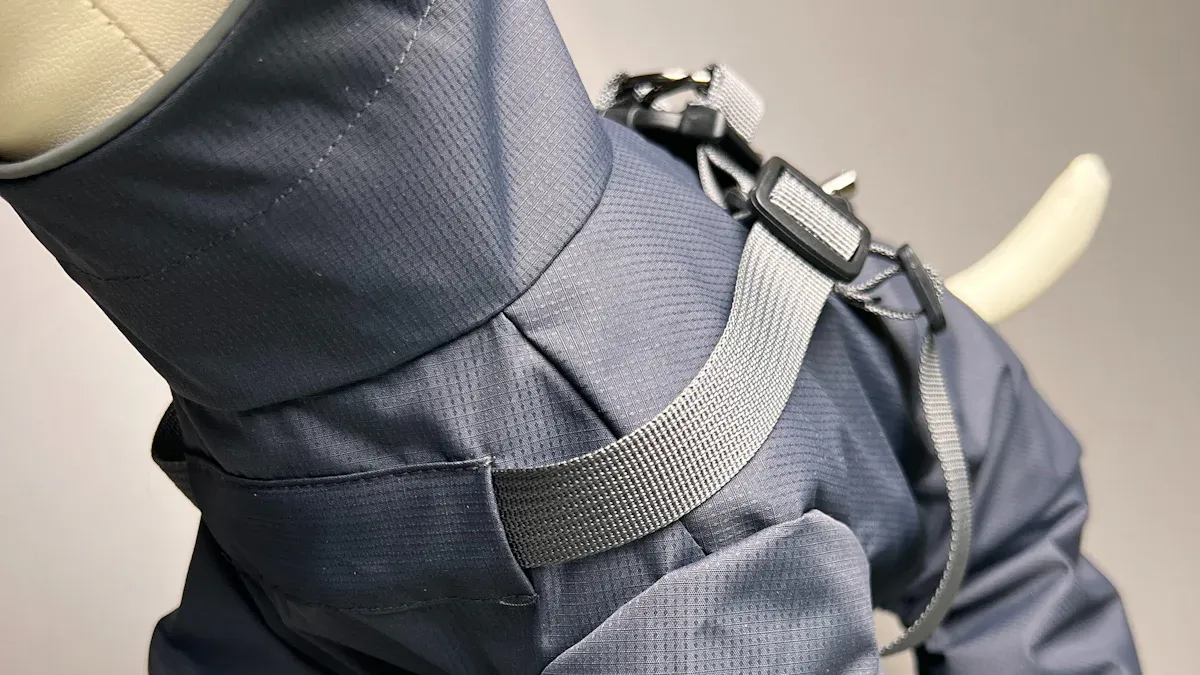
Picking the right dog leg brace knee helps your dog heal. You should check how the brace fits and what it is made of. You also need to see how much support it gives. Every dog is different, so think about your dog’s injury and how active they are. The breed of your dog matters too when you pick a brace.
If you want a diagnosis-first path instead of a fit-first path, start with our solutions by condition page before final brace selection.
Custom vs. Off-the-Shelf
You can get a custom or off-the-shelf knee brace. Both types have good and bad points. The table below shows how they are different:
Feature | Custom Braces | Off-the-Shelf Braces |
|---|---|---|
Fit | Tailored to your dog’s measurements | Generalized fit |
Cost | Higher price range ($1,000–$1,800) | More affordable (under $100) |
Comfort | Superior, less likely to chafe | May lack comfort |
Material Quality | Durable, long-lasting, waterproof | Less durable, may wear out faster |
Longevity | Longer lifespan | Shorter lifespan |
Use in Water | Yes | Not always |
Custom braces fit your dog better and give more support. They are best for dogs with serious injuries or special leg shapes. Off-the-shelf braces cost less and are easy to buy. But they might not fit as well or last as long. The price of a custom brace depends on what it is made of and how hard it is to make. Sometimes a vet needs to help fit it.
Tip: If your dog has a hard-to-fit leg or a more serious injury, a custom brace may be worth considering. For smaller injuries or shorter-term use, an off-the-shelf brace may work.
Materials and Comfort
The material of a knee brace changes how it feels and lasts. You want a brace that helps your dog but does not hurt their skin. Here are some common materials and what they do:
Material | Benefits |
|---|---|
Neoprene | Soft, flexible, keeps the joint warm, resists wear and tear |
Nylon | Strong, resists moisture, dries quickly |
Spandex | Adds stretch for a snug fit, allows natural movement |
Moisture-Wicking | Pulls sweat away, keeps skin dry, helps prevent rashes and odor |
Plastic | Rigid, offers strong support, waterproof, best for severe injuries |
Many soft braces use linings that pull sweat away from the skin. This keeps your dog’s skin dry and healthy. If your dog has allergies or skin problems, look for braces with special fibers.
Note: Fabric braces are lighter and let your dog move more. Plastic braces give more support but can feel stiff. Pick what works best for your dog.
Measuring for Fit
A brace must fit right to help your dog. If it is too loose or tight, it can hurt or rub the skin. You should measure your dog before you buy a brace. Here is how you do it:
Measure around the thigh, just above the knee.
Measure over the knee cap.
Measure below the knee for the lower leg.
Measure from the top of the thigh to the ankle joint.
For a double knee brace, measure between the legs.
Use a soft tape and write down each number. Having someone help and giving treats can make it easier. Always check your numbers twice. If you are not sure, ask your vet or a brace expert.
Alert: Bad measurements can make the brace fit wrong. This can hurt your dog or slow down healing. Take your time and measure well.
Stability Levels
Not every knee injury needs the same support. The right amount of support depends on your dog’s injury and how active they are. The table below can help you pick:
Injury Severity | Recommended Brace Type |
|---|---|
Mild to moderate injuries | Soft-support or neoprene braces for moderate stabilization |
Severe or complete tears | Rigid-frame or hinged braces for maximum joint control |
Post-surgical recovery | Custom-molded braces for precise alignment and protection |
Preventative support | Supportive braces for the healthy leg if your dog is at risk |
For small injuries or early arthritis, a soft brace may be enough. Dogs with big tears or after surgery need a strong brace for more control. If your dog is big or very active, you may need a brace with extra support.
Vets often watch how your dog moves and feels pain to help you choose. They might tell you to rest your dog, give medicine, or do therapy with the brace.
Tip: Always talk to your vet before you pick a brace. They can help you choose the right support and avoid mistakes.
Choosing the right dog leg brace knee means checking fit, comfort, and support. Good measurements and advice from a pro help your dog heal better.
Mistakes to Avoid and Next Steps
Common Buying Errors
You can make mistakes when buying a dog knee brace. These errors often lead to discomfort or poor results. Here are some common pitfalls:
Buying a generic brace that does not fit your dog’s unique needs.
Skipping a veterinary exam before choosing a brace.
Failing to measure your dog’s leg accurately.
Picking a brace that does not target the knee joint.
Ignoring adjustable straps and material quality.
Trying to diagnose the injury yourself without professional help.
Tip: Always start with a vet visit. A poorly fitted brace can cause chafing or make your dog’s injury worse.
Introducing the Brace
You need to help your dog adjust to wearing a knee brace. Follow these steps for a smooth introduction:
Measure your dog’s leg carefully for the right fit.
Begin with short sessions of 20–30 minutes.
Gradually increase the time each day.
Watch your dog’s behavior for signs of discomfort.
Check the brace fit often and adjust as needed.
Inspect your dog’s skin for irritation after each use.
Experts recommend a gradual ramp-up. Start with 1–2 hours per day and add more time as your dog gets comfortable. Daily checks for redness or swelling help prevent problems.
Maintenance Tips
Keeping the brace clean and functional is important. Use this routine:
Step | Description |
|---|---|
Soaking | Mix pet-safe detergent with water and soak the brace for five minutes. |
Scrubbing | Use a soft cloth to scrub all sides, focusing on stains. |
Rinsing | Rinse under running water to remove soap and dirt. |
Drying | Air-dry or use a cool hairdryer if needed. |
Odor Removal | Wipe with vinegar if smells persist, then rinse and dry. |
Check for fraying, loss of elasticity, or hotspots after each wear. Clean the brace regularly and monitor your dog’s weight, as changes can affect fit.
When to Consult a Vet
You should consult your veterinarian in these situations:
Your dog shows swelling, redness, or limping.
The brace causes rubbing, excessive movement, or discomfort.
You notice licking, chewing, or avoidance of walking.
You suspect a severe injury or need advice on surgery.
Your dog’s health or age changes.
Alert: Persistent limping, new sores, or hair loss around the brace area mean you need professional guidance.
A vet can help you choose the right brace, ensure proper fit, and tailor a management plan for your dog’s needs. For product-side browsing across current knee-support lines, review our dog knee brace options.
Choosing the right dog leg brace knee starts with a few key steps:
Know your dog’s injury.
Measure for a proper fit.
Pick comfortable, durable materials.
Check for stability and easy cleaning.
For a broader overview of dog leg brace categories and knee terminology, review our dog leg brace guide. For product-side browsing, compare our dog knee brace options.
Ongoing care and regular vet visits help your dog heal and stay comfortable. Watch for changes in walking or swelling. For more details on brace selection, fit checks, and condition-led support planning, review our related GaitGuard resources below.
FAQ
How do I know if my dog needs a knee brace?
You may notice limping, stiffness, or trouble standing. Your dog might avoid putting weight on one leg. If you see these signs, talk to your veterinarian for advice.
Can a dog knee brace replace surgery?
A knee brace does not replace surgery. It can help support your dog’s knee during healing or rehab. Always ask your veterinarian if a brace is right for your dog’s condition.
How long should my dog wear a knee brace each day?
Start with short sessions of 20–30 minutes. Slowly increase the time as your dog gets used to the brace. Watch for discomfort or skin irritation.
How do I clean my dog’s knee brace?
Use mild soap and water. Rinse well and let the brace air dry. Check for dirt or damage after each use to keep it safe and comfortable.
