
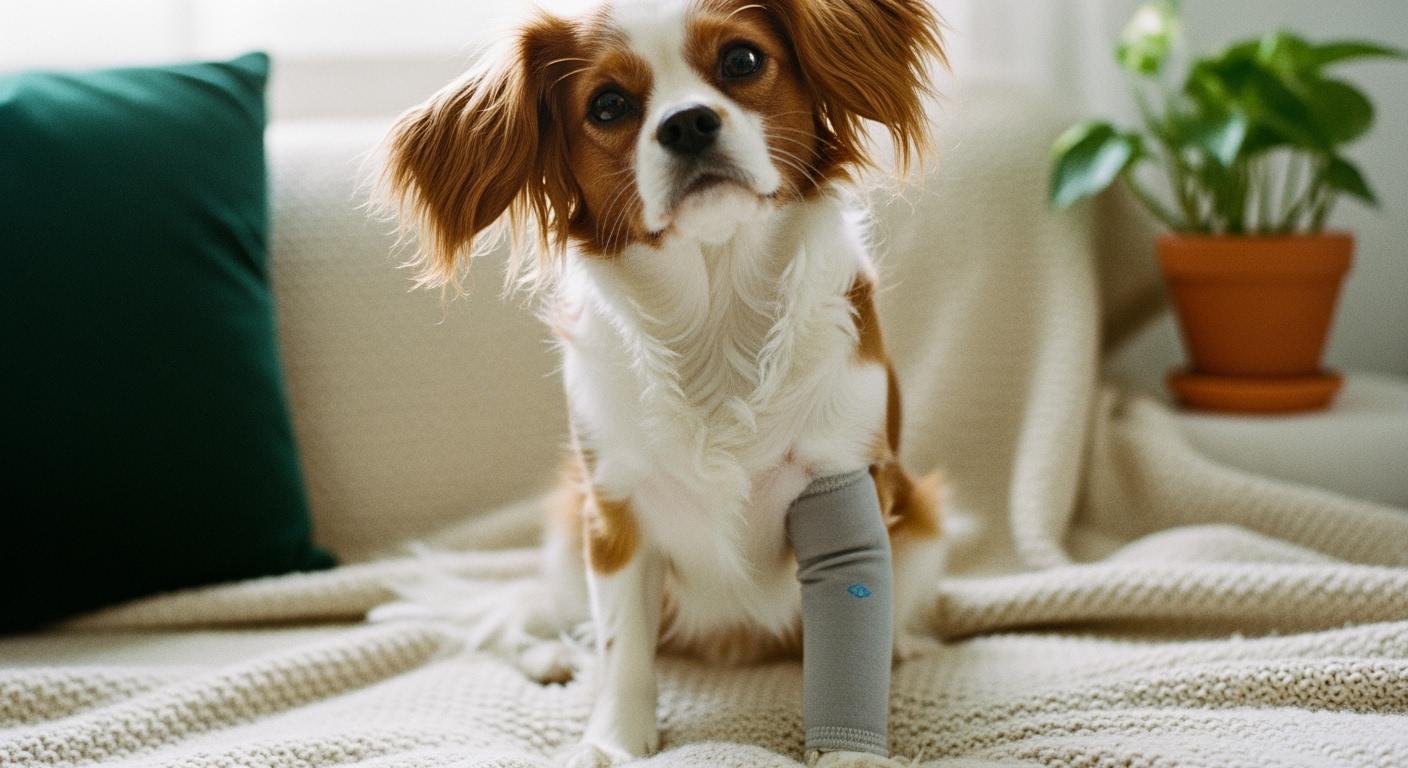
You want a dog recovery sleeve for small dogs that fits right and keeps them safe while they heal. Small dogs have different body shapes and move in special ways, so you need to think about how each sleeve works every day. If you are a clinic, reseller, or B2B buyer, you need clear size charts, easy fitting steps, and good help after you buy. The table below shows how your needs can be different:
Buyer Type | Key Needs | Features |
|---|---|---|
B2B Buyers | High-quality, clinically reliable | Easy to size, clean, and ship |
Clinics/Resellers | Customer support resources | Fitting guides, after-sales help |
You make better choices and skip common mistakes when you use the right tools and follow the right steps.
Key Takeaways
Measure your dog’s chest, neck, and back carefully. This helps make sure the recovery sleeve fits right. – Pick a sleeve that covers the wound completely. It should stay in place when your dog moves. This helps your dog heal. – Choose soft and breathable materials for comfort. This is important for small dogs with thick fur or sensitive skin. – Check the sleeve often to see if it fits well and feels good. Adjust it if it slips or bunches up. – Ask your vet for help if your dog seems uncomfortable. Also ask if the sleeve does not fit right.
Checking if the Dog Recovery Sleeve Fits Small Dogs
Picking the right dog recovery sleeve for small dogs starts with knowing how to measure and see if it fits well. Small dogs have special body shapes and move differently. You need to focus on the right size and a snug fit so the sleeve works during daily activities.
Measuring Chest, Neck, and Back
Getting accurate measurements is very important. Use a soft measuring tape and do these steps:
Measure back length from the base of the neck to the base of the tail. Keep the tape straight along the spine.
Measure chest girth by wrapping the tape around the widest part of the chest, just behind the front legs. This is very important for a good fit.
Measure neck size where a collar would sit. The tape should be snug but not tight.
Tip: Double-check each measurement before choosing a size. Even a small mistake can change how well the sleeve fits and works.
If you want more detailed measuring tips, visit our Dog Sleeve Fit & Measurement Guide.
Reading Sizing Charts
After measuring, compare your numbers to the sizing chart from the maker. Good brands make charts to help you match your dog’s size and weight to the right sleeve. Here is an example of a typical chart:
Size | Length (inches) | Weight (lbs) | Suggested Breeds |
|---|---|---|---|
XS | 12.5–14.5 | 8–16 | Toy Poodle, Pug, Yorkshire Terrier |
S | 14.5–20.5 | 18–25 | Beagle, French Bulldog, Shih Tzu |
M | 20.5–25.5 | 30–60 | Husky, Cocker Spaniel, Bulldog |
L | 25.5–30.5 | 65–90 | Labrador, Golden Retriever, German Shepherd |
Always pick the size that matches your dog’s measurements best. If your dog is between sizes, think about the fabric stretch and how active your dog is. A sleeve that is too loose might slip or bunch up. One that is too tight can limit movement.
Fit Problems for Small Breeds
Small breeds like Chihuahuas, Dachshunds, and Pomeranians each have their own fit issues. Chihuahuas need extra warmth because they are delicate. Dachshunds have long backs, so watch the back length to avoid putting pressure on the spine. Pomeranians have thick coats that need grooming, which can change how the sleeve sits.
You also need to think about how body shape affects the sleeve’s security and use:
A good fit stops slipping or bunching, keeping the sleeve secure when the dog moves.
The sleeve should cover the wound or area that needs healing without gaps, even when the dog moves.
Loose sleeves might shift and be unsafe. Tight sleeves can block blood flow and slow down healing.
Note: Always check the sleeve after your dog moves, sits, or lies down. Adjust it if needed to keep it secure.
Carefully checking the fit, size, and breed needs helps you pick a dog recovery sleeve that helps healing and keeps your dog comfortable. For more tips on fit and protecting against licking, see our Dog Sleeve Protection Guide.
Assessing Post-Surgery Coverage and Protection
Coverage for Surgical and Wound Areas
You need to make sure the dog recovery sleeve covers the wound or surgery spot. Check the length and shape of the sleeve. The fabric should cover the area that needs to heal. There should not be any gaps or open skin. Small dogs have different body shapes, so check the sleeve after your dog stands, sits, or lies down.
Dog sleeve protection keeps wounds safe from licking, scratching, and dirt. This lowers the chance of infection and helps with healing after surgery. You can use sleeves to protect wounds on the chest, belly, or legs. Some sleeves have extra padding or strong panels for more support and safety.
Tip: Check the sleeve after every activity. Fix it if you see skin showing or if the sleeve moves away from the wound.
Dog sleeve protection works best when the sleeve covers the wound. For more tips about wound care, visit our Solution page.
Adjusting for Movement and Activity
Small dogs move fast and bend easily. You need to see if the dog recovery sleeve stays in place when your dog walks, rests, or plays a little. The sleeve should not slip or bunch up. If it moves too much, the wound might show or your dog might feel bad.
Dog sleeve protection should let your dog move normally and keep the wound covered. Watch your dog during rest and short play times. If the sleeve moves, you may need to adjust it or pick one with better straps.
Dog sleeve protection also stops licking and scratching after surgery. This keeps the wound safe and helps it heal. You can use sleeves for wound safety during daily life, but always look for signs of pain or trouble.
Note: Some dogs may not like sleeves at first. You can help them get used to it by giving treats and letting them wear it for short times.
Limitations and Realistic Support Goals
Dog recovery sleeves give support and safety, but you need to have real goals. Vets say there are some good things sleeves can do for small dogs:
Recovery sleeves give comfort and warmth, especially for dogs with thin fur.
They help lower stress by letting pets wear something that feels safe.
Protective clothes cover wounds and sore spots, making it easier for dogs to move and heal.
Dog sleeve protection works best as part of a full care plan after surgery. Do not use sleeves instead of vet care or advice. Some things can make sleeves work less well:
Limitation | Implication |
|---|---|
Poor fit | Bad support, discomfort, or dogs not wanting it |
Lack of adjustability | Hard to fit all sizes and breeds |
Material selection | More returns and unhappy customers |
Excessively rigid designs | Can cause sores, skin problems, or dogs not wearing it |
Overly soft designs | Not enough support for healing |
You need to check the fit and material before you use a dog recovery sleeve. Dog sleeve protection only works if you pick the right size and watch your dog. You can use sleeves for wound safety, to stop licking, and for short play times. Always ask your vet for help with hard cases.
Dog recovery sleeves for small dogs help with healing, wound safety, and daily care. You can find more tips about wound care on our Solution page.
Comfort and Daily Use of Dog Recovery Sleeve
Material and Breathability
You want a dog recovery sleeve that is soft and cool. Pick a sleeve made from light, breathable fabric. This lets air move around your dog’s skin. It also keeps moisture away from the body. Breathable sleeves help stop skin irritation. They make daily wear more comfortable. Clinics and resellers want sleeves that are strong but gentle. Breathable sleeves help small dogs with thick coats feel better. Always check if the sleeve says it is breathable before buying.
Tip: Breathable fabric helps dogs feel good every day, especially if they are active or have long hair.
Fastening, Adjustability, and Hygiene
You need a sleeve that is easy to use and can be adjusted. Look for sleeves with straps or closures you can change. These help you get a snug fit and make it easy to put on or take off. Adjustable sleeves fit many body shapes and help protect wounds. Good fasteners keep the sleeve in place when your dog moves. Check if the sleeve can go in the washing machine. Clean sleeves help stop infection and support healing. Some sleeves have panels you can move for toileting, which makes care easier.
Straps you can adjust give a better fit.
Easy closures save time for owners and clinics.
Machine-washable sleeves help keep things clean and comfy.
For more choices, visit our dog recovery sleeve product page.
Monitoring Comfort and Tolerance
You should watch your dog for signs of being uncomfortable. Check the sleeve often for rubbing, red spots, or swelling. Make sure straps do not pinch or slip off. If your dog seems upset or tries to take off the sleeve, change the fit or try another kind. Daily comfort is important for healing and wound protection. You can help your dog get used to the sleeve with treats and praise. Always ask your vet if you see problems or if your dog does not like the sleeve.
Note: Watching for comfort helps you find problems early and keeps your dog safe while healing.
Common Mistakes and When to Seek Guidance
Fit and Coverage Errors
You may see common mistakes when you use a dog recovery sleeve for small dogs. These mistakes can affect healing and comfort. You need to check for these issues before and after you put on the sleeve.
You might pick a sleeve that is too loose. This can cause the sleeve to slip or bunch up. Dog sleeve protection will not work if the wound is exposed.
You may choose a sleeve that is too tight. This can cause swelling or limit movement. Your dog may not want to wear it.
You could miss spots that need coverage. Dog sleeve protection should cover all wounds or surgical areas. Gaps can lead to licking or scratching.
You might not adjust the sleeve after your dog moves. Small dogs change position often. Dog sleeve protection can shift and leave areas open.
Tip: Always check the fit after your dog stands, sits, or lies down. Adjust the sleeve to keep dog sleeve protection in place.
When Veterinary Input Is Needed
You should know when to ask for help from a veterinary professional. Some problems need expert advice. You want the best outcome for your dog.
You see redness, swelling, or sores under the sleeve.
Your dog tries to remove the sleeve or seems in pain.
The wound does not heal or looks worse.
You cannot keep the sleeve in place, even after adjustments.
You feel unsure about the right size or type of dog recovery sleeve.
A veterinary professional can help you choose the right dog recovery sleeve. They can also check if dog sleeve protection is enough for your dog’s needs. You should always follow their advice for wound care and recovery.
Note: Dog sleeve protection supports healing, but it does not replace veterinary care. Always seek guidance if you have concerns.
You want to pick the best dog sleeve protection. First, measure your dog’s chest, neck, and back. Check if the sleeve fits well and covers all wounds. The dog recovery sleeve should not move when your dog walks or plays. Pick soft materials that let air flow. Watch your dog for any signs of pain or discomfort. Use this checklist to compare different sleeves:
Step | What to Check | Why It Matters |
|---|---|---|
Measure and fit | Chest, neck, back, and breed needs | Dog sleeve protection works best with a good fit |
Coverage | Wound and surgical area fully covered | Dog sleeve protection keeps wounds safe |
Comfort and breathability | Soft, breathable fabric | Dog sleeve protection supports daily use |
Adjustability and hygiene | Easy to adjust and clean | Dog sleeve protection stays effective |
If you notice problems or have a tough case, ask a vet for help. Using dog sleeve protection the right way helps dogs heal faster and feel better.
FAQ
How do you know if a dog recovery sleeve fits your small dog?
You should check if the sleeve covers the wound and stays in place during movement. Dog sleeve protection works best when the fit is snug but not tight. Always measure your dog’s chest, neck, and back before choosing a size.
Can dog sleeve protection replace an e-collar?
Dog sleeve protection can help stop licking and scratching. You may still need an e-collar for some dogs. Ask your vet if you are unsure. Dog sleeve protection works well for many small dogs, but it does not suit every case.
How often should you check the sleeve during recovery?
You should check dog sleeve protection several times a day. Look for slipping, bunching, or signs of discomfort. Adjust the sleeve as needed. Frequent checks help you spot problems early and keep your dog safe while healing.
Is dog sleeve protection safe for all small breeds?
Most small breeds can use dog sleeve protection. You need to watch for breed-specific fit issues. Some breeds have unique body shapes or thick coats. Always monitor your dog for comfort and ask your vet if you have concerns.
What should you do if your dog dislikes wearing the sleeve?
If your dog resists dog sleeve protection, try short wear periods and offer treats. Make sure the fit is correct. If your dog still struggles, consult your vet. Comfort and safety come first during recovery.
