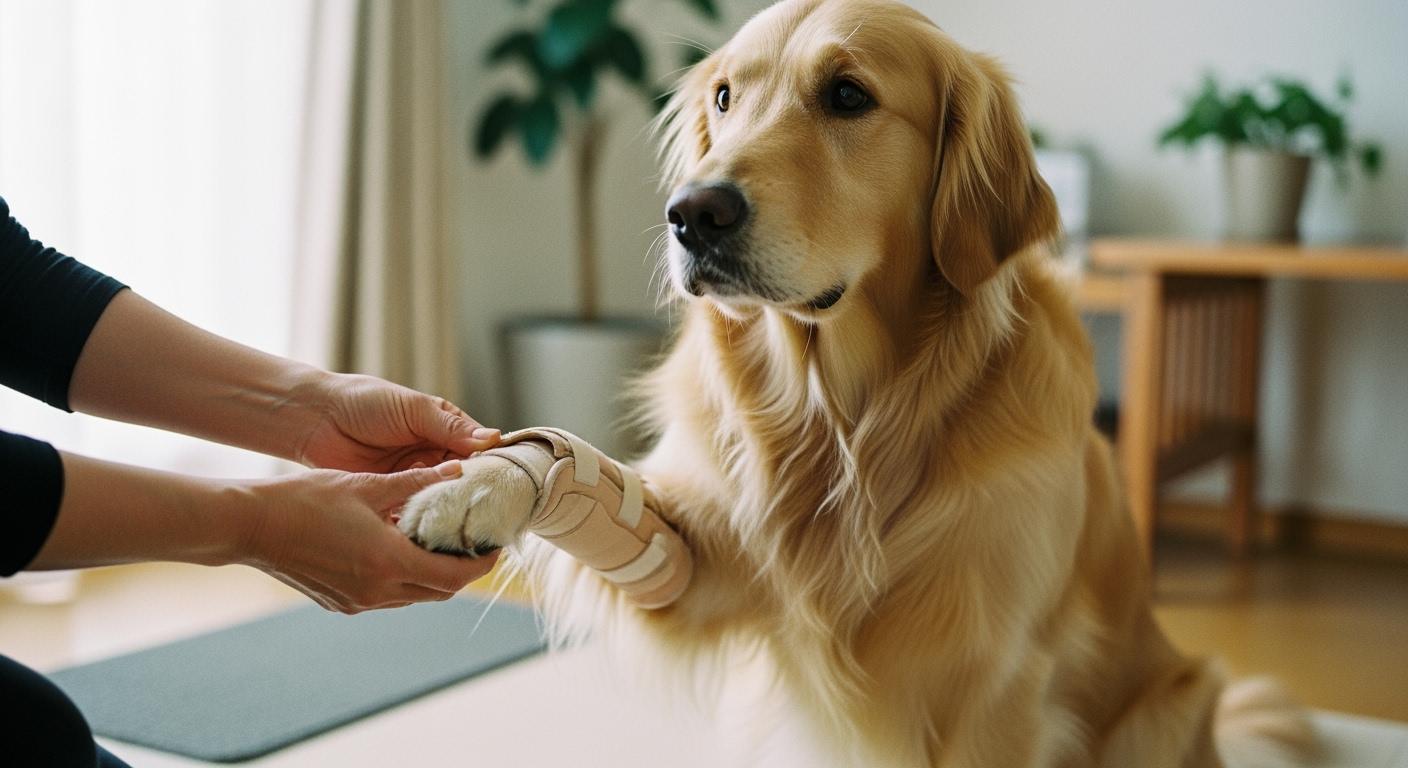
Choosing the right dog wrist brace helps your dog get the carpal support and stability they need for comfort and movement. Start by measuring your dog’s leg carefully. Always talk to your veterinarian before buying a brace. Know that a dog wrist brace offers targeted support for the front leg’s carpal joint, which is different from general front-leg braces. This approach gives your dog the best chance for daily comfort.
Key Takeaways
Measure your dog’s leg carefully. This makes sure the dog carpal brace guide recommendations can be applied correctly. A good fit gives the right support and comfort.
Talk to your veterinarian before picking a wrist brace. The veterinarian can find problems and suggest the best support for your dog.
Pick a dog wrist brace made for the carpal joint. This gives special support and helps your dog heal.
Find a brace with adjustable straps. These straps help the brace fit tight and stop discomfort when your dog moves.
Check the brace often for any irritation or discomfort. Change the fit if needed so your dog stays happy and comfortable.
When Does Your Dog Need a Wrist Brace?
Signs Your Dog Needs Carpal Support
Your dog might limp or use one front leg less. Sometimes, your dog moves slower or does not want to jump. These changes can mean your dog needs help for the carpal joint. Look for these signs:
Limping or not using the front paw
Stiffness or slow movement
Swelling or redness near the wrist joint
Not wanting to play as much
Hesitating to stand up from sitting
Whining or showing pain
Swollen paws or joints
Standing in a strange way
Dogs with arthritis, weakness, or balance problems may need carpal support. For a fuller buying and support overview, review our dog carpal brace guide. Dogs healing from broken bones or torn muscles can also benefit. Older dogs or weak dogs may need extra help to stay comfortable and steady every day.
Tip: If your dog shows these signs for more than one day, write them down and talk to your veterinarian.
Why Consult Your Veterinarian
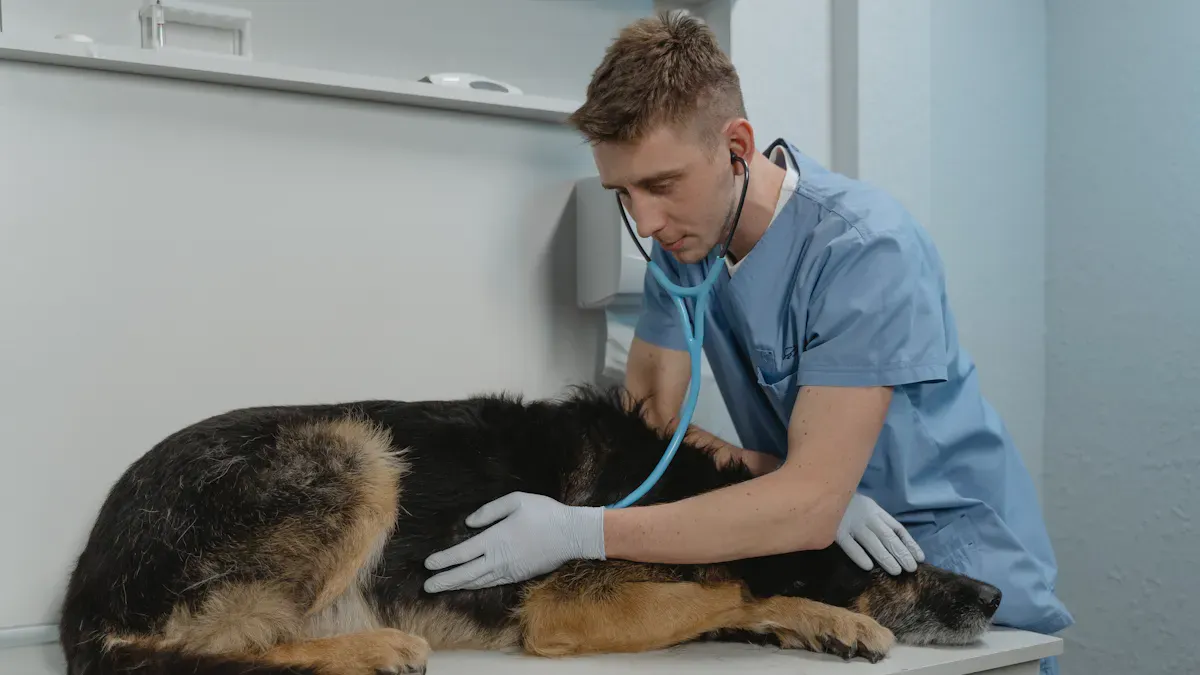
You should ask your veterinarian before picking a dog wrist brace. Vets suggest bracing when they see signs of carpal instability or injury. A study from the University of Minnesota Veterinary School showed most dogs with ligament instability got better and limped less after using a wrist brace.
Your veterinarian can:
Check your dog’s condition
Use exams or X-rays to find serious problems
Suggest the best support for your dog
Make sure the brace fits well and works
Trying to figure it out at home can miss or delay treatment for big problems. Some issues, like arthritis or muscle strains, may look small but need a vet’s care. Seeing your veterinarian early helps you pick the right brace and gives your dog the best chance to feel better.
Dog Wrist Brace vs. General Front-Leg Braces
What Is a Dog Wrist Brace?
A dog wrist brace gives special help to the carpal joint. This joint is above your dog’s paw on the front leg. You use this brace if your dog needs more support or has pain in the wrist. The brace stops too much movement but lets your dog walk and bend the joint. People use a dog wrist brace for carpal injuries, arthritis, or after surgery.
If your dog’s diagnosis is already confirmed and you want a condition-first path instead of a body-part-first path, start with our solutions by condition hub.
Key Differences from Other Dog Braces
There are many kinds of dog braces. Some are for the front legs and some are for the back legs. Each one helps in a different way. A dog wrist brace helps the carpal joint. General front leg braces cover more of the leg. The table below shows how these braces are not the same:
Feature | Dog Wrist Brace | General Front-Leg Brace |
|---|---|---|
Targeted Support | Specifically designed for carpal joint | General support for front leg |
Range of Motion | Limits hyperextension while allowing flexion | May restrict movement more broadly |
Stability During Healing | Provides immobilization for specific injuries | Offers general stability for various conditions |
Support for Weak Structures | Tailored to support weakened carpal structures | Supports overall leg structure |
Pain Reduction | Focused on reducing pain in the wrist | Aims to alleviate discomfort in the entire leg |
A dog wrist brace does not take the place of other braces. If your dog has problems higher up the leg or in the back legs, you may need a different brace. For broader fit, comfort, and selection criteria across rehabilitation braces, review our canine rehabilitation brace fit, comfort, and safety guide.
When to Choose Carpal Support
Pick carpal support if your dog has weakness, pain, or an injury in the wrist. If your veterinarian says your dog needs more help for the carpal joint, use a dog wrist brace. Use general front leg braces for bigger injuries or if the whole leg hurts. Hind leg braces are for back leg problems. Always choose the right brace for your dog’s needs so they feel better and stay comfortable.
Key Features for Choosing the Right Dog Brace
Accurate Measurement and Fit
Getting the right fit is the most important step in choosing the right dog brace. A dog wrist brace must match your dog’s leg shape and size for proper support and comfort. You should always measure your dog’s leg while they stand in a normal position. Use a soft measuring tape, not a stiff ruler. Ask a friend to help if your dog feels nervous. Measure both legs to check for symmetry.
Follow these steps for accurate measurement:
1. Measure the circumference just above the carpal joint on the front leg.
2. Measure around the narrowest part of the wrist area if the size chart asks for joint circumference.
3. Measure the brace length from the lower forearm to the area just above the paw, based on the support zone you need.
4. Check paw width if the design includes lower-strap or wrap coverage near the foot.
5. Write down your dog’s weight, breed, and whether the left or right front leg needs support.
Avoid common mistakes like guessing numbers, measuring while your dog sits, or forgetting to double-check. Accurate measurements help you pick a brace that stays in place and gives the right support every day.
Support Level and Mobility
The level of support affects how well your dog moves and heals. A dog wrist brace should give enough stability to protect the carpal joint but still let your dog walk and bend the leg. Too much restriction can make your dog uncomfortable. Too little support can slow healing.
Here is how support levels help your dog:
Benefit | Description |
|---|---|
Limited Range of Motion | Stops harmful movements but lets your dog walk and flex the joint. |
Stability During Healing | Holds the joint steady so tissues can heal without full restriction. |
Support for Weak Structures | Gives extra help for weak joints, arthritis, or chronic instability. |
Pain Reduction | Lessens discomfort by limiting painful movement and adding compression for pain relief. |
You should always balance support with mobility. The goal is to help your dog stay active and comfortable during daily life. Avoid braces that claim to cure all problems or replace surgery. Dog leg braces and hind leg braces serve different needs, so choose the right type for your dog’s condition.
Material and Comfort
Materials play a big role in comfort and support. The best dog wrist brace uses soft, breathable materials that do not rub or cause skin problems. Some braces use rigid parts for extra stability, while others use flexible fabrics for mild support.
Here is a quick look at common materials used in dog wrist brace construction:
Material | Benefits |
|---|---|
Neoprene | Keeps the joint warm, adds compression, and reduces swelling while letting your dog move naturally. |
Elastic Fabric | Stretches for a custom fit, good for mild support and long wear. |
Rigid Supports | Adds strong stability and limits harmful movement, best for serious injuries. |
Soft-Touch Linings | Feels gentle on the skin, lowers friction, and prevents chafing, great for sensitive dogs. |
Choose a brace with soft-touch linings for daily comfort. Check for breathable and moisture-wicking materials. These features help your dog wear the brace longer without irritation.
Adjustability and Daily Use
Adjustability makes a big difference in daily comfort and usability. Look for dog braces with adjustable straps. These let you change the fit as needed, so the brace stays snug but does not dig into the skin. Adjustable designs also prevent the brace from shifting during movement.
For daily use, make sure the brace fits well and stays in place. Check the brace often for signs of slipping or skin irritation. Adjust the straps if your dog seems uncomfortable. Regular monitoring helps you catch problems early and keeps your dog happy.
When choosing the right dog brace, focus on fit, support, comfort, and adjustability. These features help your dog get the most out of carpal and elbow supports. Remember, a dog wrist brace is for the front leg’s carpal joint. For other needs, such as front leg braces or hind leg braces, look for a different type of canine support.
Tip: Always talk to your veterinarian before using a new brace. They can help you choose the best option for your dog’s daily routine and comfort.
Dog Wrist Brace and Your Dog’s Lifestyle
Activity Level and Routine
You should pick a dog wrist brace that matches your dog’s daily life. Dogs who have lots of energy need stronger support. If your dog likes to run or play outside, they need extra stability. Dogs who stay inside most of the time may only need light support for comfort. Always think about how active your dog is before you choose a brace.
Pick a brace made from strong materials that can handle your dog’s activity.
Choose a brace that helps the joint but does not stop movement.
Get a design that fits your dog’s daily habits, like walking or playing.
Make sure the brace keeps your dog steady if they jump or climb.
If your dog does sports or agility, they need a brace that helps prevent injuries during hard play. Dogs who go outside a lot need a brace that does not stretch out or bother their skin. You can read more about picking the right brace for your dog’s lifestyle, fit needs, and daily comfort in our canine rehabilitation brace guide.
Durability for Daily Wear
A strong brace is important for everyday use. You want a brace that will last through walks, play, and rest. The best dog braces use tough and breathable materials. These keep your dog comfy and protect the carpal joint every day. Check the table below to see what features help with daily comfort and support:
Feature | Description |
|---|---|
Support for High Activity | Made for sports dogs, gives support during hard play and training. |
Anatomy-Led Fit | Fits around the wrist but lets the elbow and paw move. |
Secure, Non-Slip Design | Many straps and soft liners keep the brace in place. |
Breathable, Durable Materials | Fabric does not stretch or hurt skin, good for daily use. |
Check the brace often to see if it is wearing out. Get a new one if it stops giving support or feels bad for your dog. If your dog needs more help after diagnosis, start with our solutions by condition hub to compare condition-led support paths. Visit our product-category pages to find more choices for canine support.
Tip: Pick a dog wrist brace that matches your dog’s daily life and where they spend time. This helps your dog stay active and comfortable with the right joint support.
Common Mistakes When Choosing Dog Braces
Fit and Sizing Errors
You might want to help your dog fast, but not measuring right can cause problems. The dog wrist brace must fit your dog’s leg just right to give good support. If the brace is too loose, your dog will not get enough help. If it is too tight, your dog could feel pain or lose blood flow. This can make healing take longer and make your dog less comfortable. Always measure your dog’s leg while they are standing. Write down the numbers and check them again. Dog braces come in many sizes, so pick the one that fits your dog’s shape. Vets say you should only use a brace after you measure the right way.
Ignoring Comfort and Monitoring
You need to check your dog’s brace often, especially in the first days. If you do not check, the brace can rub or hurt your dog’s skin. This can even cause an injury. Look for signs your dog is not comfortable every 2-3 hours at first. Take off the brace for 15-20 minutes and gently rub your dog’s leg. After a few days, check every 4-6 hours. If you see redness or swelling, fix the brace or ask your vet for help. Checking every day helps your dog feel good and keeps the brace working. The dog wrist brace should help the carpal joint without causing new problems.
Note: Checking the brace often helps you find problems early and keeps your dog happy.
For rubbing prevention, red-flag signs, and daily skin checks under a brace, review our dog brace pressure sores guide.
Skipping Professional Advice
You might think you can pick a brace by yourself, but you need a vet’s help. Your veterinarian knows how much support your dog needs to heal and stay steady. Too much support can make muscles weak. Too little support does not protect the joint. Your vet can tell you the best brace for your dog’s daily life and activity. Do not use braces instead of surgery or a vet’s advice. Always talk to your vet before you start using a brace. This makes sure your dog gets the right carpal support and stays safe.
Mistake | Impact on Dog | How to Avoid |
|---|---|---|
Wrong size | Poor support, discomfort | Measure carefully |
Ignoring comfort | Irritation, slow recovery | Check brace daily |
No vet input | Missed diagnosis, wrong brace | Consult your veterinarian |
Tip: Dog wrist brace means carpal support for the front leg. Always pick the brace that fits your dog’s needs.
Choosing the right dog wrist brace starts with these steps:
Get a diagnosis from your veterinarian.
Measure your dog’s leg for a custom fit.
Align the brace with the carpal joint.
Pick a brace with adjustable straps.
Check the brace daily for comfort.
You help your dog most by focusing on fit, comfort, and expert advice. A well-chosen brace supports healing and keeps your dog active. For more product-side browsing across current rehabilitation categories, visit our dog braces options page. 🐾
FAQ
What is a dog wrist brace?
A dog wrist brace gives support to the carpal joint in your dog’s front leg. You use it to help your dog move comfortably and protect the wrist during healing.
How do you measure your dog for a wrist brace?
You measure your dog’s leg while they stand. Use a soft tape to check leg circumference and height. Write down the numbers for a proper fit.
Can a dog wrist brace replace surgery?
A dog wrist brace does not replace surgery or a veterinarian’s diagnosis. You use it for support and comfort. Always ask your vet before making decisions.
How long should your dog wear a wrist brace each day?
Your dog should wear the brace as your veterinarian recommends. Check the brace often for comfort. Remove it if you see redness or swelling.
Is a dog wrist brace different from a front-leg brace?
Yes. A dog wrist brace supports the carpal joint only. A front-leg brace covers more of the leg and helps with other injuries or conditions.