
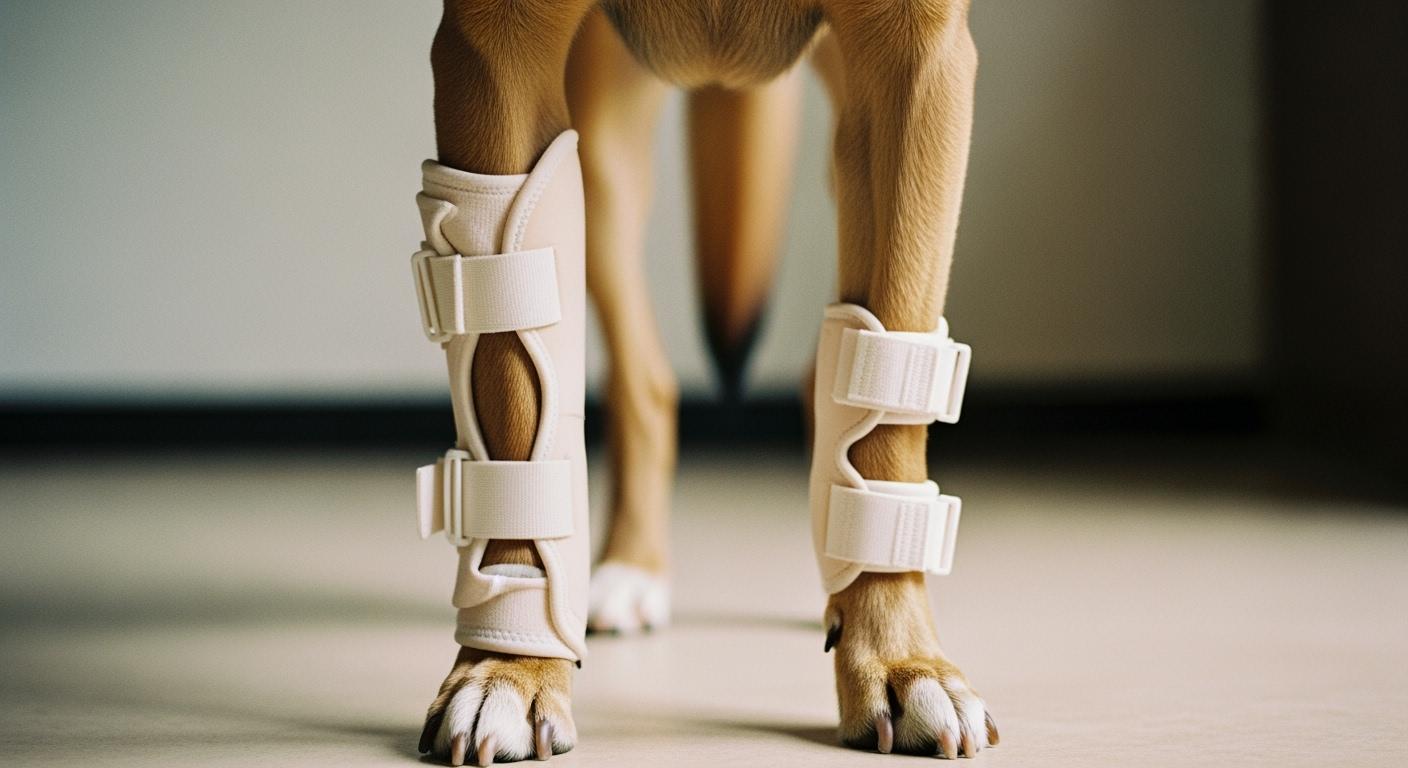
When evaluating hind leg dog brace fit and slipping, it’s important to closely observe how the brace sits on the dog and whether any movement or shifting occurs during use. A proper hind leg dog brace fit and slipping prevention are essential for ensuring the dog’s comfort and supporting natural movement. Clinics, resellers, and informed buyers recognize that over 80% of dogs demonstrate improved mobility when the hind leg dog brace fit and slipping are addressed correctly. Persistent slipping often indicates that the brace may require adjustment or a different size. If the brace slides below the ankle, this typically signals that the tension or strap configuration is not optimal. Please note, this article is intended for informational purposes only and does not replace guidance from a licensed veterinary professional or cover every brace type.
Key Takeaways
A good fit is very important for a hind leg dog brace. Measure your dog’s leg carefully so the brace helps your dog move and feel comfortable.
You need to adjust the brace often. Check the brace every day to stop it from slipping. Make sure it is snug but not too tight.
Watch for any signs that your dog is not comfortable. Look for red skin or if your dog moves differently. Fix any problems with the fit right away.
Pick the right kind of brace for your dog’s needs. Some braces help with certain injuries. Choose the one that fits your dog’s problem.
Ask a vet for help and advice. They can make sure the brace fits well. They can also give you tips on how to care for and adjust the brace.
Understanding Hind Leg Dog Brace Fit and Slipping
What Buyers Look For in Dog Leg Braces
When you check hind leg dog brace fit and slipping, you look for certain things. Clinics and sellers have rules to make sure the brace helps the dog move and feel good. You need to pick a brace that fits the dog’s size, shape, and how active it is. The table below lists what experts check:
Criteria | Description |
|---|---|
Proper Fit | Makes sure the brace is the right size and in the right spot. |
Regular Adjustments | You may need to adjust the brace often at first as the dog gets used to it. |
Monitoring for Skin Irritation | Check the dog’s skin and the brace for any sores or damage. |
Re-evaluation Appointment | Go back to the clinic two weeks after getting the brace to fix any problems. |
Device Inspection | Look for cracks or tears in the brace to keep it working well. |
You also think about what matters most for hind leg dog brace fit and slipping. Custom fit, good materials, help from a professional, easy adjustments, and checking for stability all help stop slipping and skin problems. These things keep the dog comfortable and help it move better for a long time. If you want more help picking a brace, see our dog leg brace selection guide.
Why Fit and Hold Matter for Mobility
Fit and hold are very important for a hind leg dog brace to work. When the brace fits right, it keeps the joint steady and stops bad movement. This support lets the dog move with less pain and more confidence. A tight hold keeps the brace from slipping, which can hurt or make the brace not work well. You want the dog to walk, stand, and rest without the brace moving out of place.
A good brace can make the dog feel better by gently squeezing around the hip and lower back. This helps with pain and helps the dog know how it is moving, so it can walk better. Clinics use special casting or 3D scanning to make sure the brace fits just right and does not slip. Checking the brace often and getting help from a professional can fix problems early. For more tips, see our mobility support solutions or hind leg brace product page.
By paying attention to hind leg dog brace fit and slipping, you help dogs move better and stay comfortable while they heal or need long-term care.
Key Signs of Good or Poor Fit
Practical Fit Checks for Dog Braces
You need to check the fit of a hind leg dog brace before you trust it for daily use. Clinics and rehab buyers rely on simple checks to make sure the brace supports the dog and keeps comfort high. Start with precise measurements. Measure the circumference of the dog’s leg at the points recommended for the brace type. Accurate measurements help you select the right size and prevent slipping.
Use this practical checklist to evaluate fit:
Take measurements at the recommended points on the dog’s leg.
Place the brace on the dog and check that it sits snugly but does not squeeze too tight.
Perform the finger test. You should fit one or two fingers between the brace and the dog’s skin. This keeps comfort and circulation balanced.
Look for rubbing or chafing. Add extra padding in areas where the brace touches the dog’s skin.
Watch the dog walk, sit, and stand. The brace should stay in position and not slide down the leg.
Adjust straps as needed. Frayed or stretched straps can cause poor fit and slipping.
Inspect the padding for wear. Excessive wear can create pressure points and reduce comfort.
Tip: Regularly check the brace’s fit as the dog moves. Small adjustments help maintain comfort and effectiveness.
Common Indicators of Slipping or Discomfort
You can spot signs of poor fit and slipping by observing the dog and the brace during daily activities. A well-fitted brace keeps the dog comfortable and stable. Poor fit often leads to slipping, irritation, and reduced support.
Common signs of poor fit include:
The brace slides below the dog’s ankle or shifts during movement.
The dog shows signs of discomfort, such as licking or biting at the brace.
Skin irritation or redness appears under the brace.
Padding wears out quickly, creating pressure points.
Straps become frayed or stretched, making the brace loose.
The dog loses muscle tone or develops chafing from the brace.
You may notice false confidence in the brace’s effectiveness if it slips or does not fit well. Owners sometimes overlook these signs, thinking the brace is working. Always check for slipping and discomfort to protect the dog’s mobility and comfort.
Note: An improper fit can restrict blood flow or fail to support the dog’s leg. If you see persistent slipping or discomfort, seek guidance from a veterinary professional. Diagnosis and treatment planning should always come from licensed experts.
A good fit starts with accurate measurements and regular checks. Clinics and informed buyers use these steps to ensure the dog brace supports mobility and comfort. For more guidance, visit our knee brace fit pillar page or explore solutions for hind leg weakness and arthritis support.
Factors Affecting Brace Stability
Dog Movement and Leg Shape
You need to understand how a dog’s movement and leg shape affect brace stability. Every dog moves differently. Some dogs walk slowly, while others run or jump. The way a dog bends its joint changes how the brace fits. If a dog has a thin leg, the brace may slip more easily. A thick leg gives the brace more grip. You must watch the dog’s joint as it walks, sits, or stands. The brace should stay in place and not slide down the leg. When a dog bends its joint, the brace must move with it. If the brace does not match the shape of the dog’s joint, it can cause slipping or discomfort.
You should check the brace often. Look for signs that the brace moves out of position. If you see the brace sliding, you may need to adjust it or try a different size. Clinics and rehab buyers use these checks to keep the dog comfortable and support joint stability. You can find more guidance on our brace selection pillar page.
Design Features That Improve Hold
You can improve brace stability by choosing the right design features. Adjustable straps help you fit the brace to the dog’s joint. Strong straps keep the brace from slipping. Non-slip materials add grip and prevent movement. Some braces use extra padding to protect the dog’s joint and skin.
Here is a table showing how different materials affect fit and stability:
Material Type | Fit Characteristics | Stability Characteristics |
|---|---|---|
Fabric Braces | Flexible, breathable, lightweight | Gentle support, suitable for daily wear |
Plastic Braces | Sturdy, durable, waterproof | Superior stability, ideal for severe injuries |
You should select a brace with features that match the dog’s joint needs. If the dog moves a lot, you may need a brace with more stability. If the dog has sensitive skin, you may want a fabric brace. Adjustable straps and non-slip pads help keep the brace in place. Clinics and informed buyers use these features to reduce slipping and improve joint support. For more information, visit our hind leg brace product page or solution page for condition-based brace planning.
Tip: Always check the brace after the dog moves. Small changes in strap tension can improve stability and comfort.
Reducing Slipping in Daily Use
Adjusting Straps and Position
You can reduce slipping by focusing on how you adjust the straps and position the brace each day. A good fit helps the dog move with confidence and keeps the brace in place. You should check the straps before every use. Make sure they feel snug but not too tight. The brace should support the problem area and stay comfortable for the dog during all activities.
Here is a table that shows what to look for in daily adjustments:
Characteristic | Description |
|---|---|
Snug and comfortable fit | Keeps the brace in place without slipping |
Supportive of the problem area | Gives stability to the hind leg |
Easily adjustable | Lets you change the fit as needed |
Quick to put on or take off | Makes regular checks and adjustments simple |
Made of durable materials | Lasts through daily wear and activity |
You should always check the position of the brace after the dog walks, sits, or lies down. If you see the brace sliding, adjust the straps right away. You may need to reposition the brace several times a day, especially when the dog is active. If the dog has a thin leg or changes in muscle, you may need to adjust the fit more often. Clinics and rehab buyers use these steps to keep the brace stable and support mobility. For more details on condition-based brace planning, visit our solution page for hind leg weakness.
Tip: Use the finger test each time you put the brace on. You should fit one or two fingers between the strap and the dog’s skin. This keeps the brace secure and comfortable.
Maintenance and Monitoring Tips
You need to follow a routine to keep the brace working well and reduce slipping. Start slow when you introduce the brace. In the first few days, let the dog wear the brace for one to two hours during calm times. Watch for any signs of discomfort. If the dog seems uneasy, remove the brace and check the skin.
During the next week, increase wear time to two to four hours. Let the dog walk or play in short sessions. Check the skin often for redness or chafing. After the first week, the dog can wear the brace for four to eight hours during active times. Always remove the brace for rest.
Watch for these signs that may show slipping or discomfort:
Redness or chafing under the brace
Swelling above or below the brace
Licking or chewing at the brace
Reluctance to walk or move
Changes in gait or a limp
You should clean the brace with mild soap and water. Dry it completely before putting it back on the dog. Check for wear and tear, such as frayed straps or worn padding. Fix small problems quickly. Replace the brace if you see broken parts. Store the brace in a cool, dry place. Keep it away from sharp objects. Add extra padding if you see signs of irritation. Keep the dog’s skin clean and dry under the brace.
Note: Regular checks and maintenance help the brace last longer and support the dog’s mobility. If you see ongoing slipping or discomfort, consult a veterinary professional. For more information on planning for arthritis support or ACL/CCL conditions, see our solution page.
You can help the dog move better and stay comfortable by following these steps. Daily care and proper adjustment keep the brace effective and reduce the risk of slipping. For more guidance, visit our product page for hind leg dog braces or our pillar page on knee brace fit.
Choosing the Right Dog Brace for Mobility
When to Consider Different Brace Types
You should think about a few things when picking a dog brace for mobility. Every dog is different because of its leg shape, injury, and how active it is. A brace only helps if it fits the leg the right way. If the brace is too loose, it will not support the leg enough. If it is too tight, it can hurt or stop blood from moving well. You need to measure the dog’s leg carefully and put the brace on the right spot for the best help.
Different braces help with different problems. Hock braces help weak ankles. Knee braces are for knee issues. Hip braces help with hip dysplasia or other hip problems. Each type of brace supports the leg in its own way. You should pick the brace that matches the dog’s injury or problem. This helps the dog move better and feel more comfortable.
Key things to think about are:
Type of brace: Each one helps the leg in a special way.
Size and fit: The right size keeps the brace safe and comfy.
Type of injury: The dog’s problem helps you choose the brace.
Activity level: Dogs that play a lot may need stronger braces.
Comfort: Soft padding and air flow help the dog wear the brace longer.
Durability: Tough materials make the brace last longer.
You can learn more about brace types and how to use them on our dog leg brace selection page or our hind leg brace product page.
Limitations and Professional Guidance
You need to know that store-bought braces do not always fit perfectly. If a brace does not fit right, it can cause sore spots, skin cuts, or even infection. Custom braces fit better and give more support. They also help stop problems from a bad fit.
Always look for signs that the brace is slipping or making the dog uncomfortable. If you see red skin, sores, or if the dog moves differently, talk to a vet. Only a licensed expert can tell you what is wrong and how to fix it. Do not use a brace instead of seeing a professional.
Tip: Work with your clinic or provider to make sure you have the right size, put the brace on the right way, and tighten the straps just enough. Doing this helps your dog move better and get the most support.
For more help with picking a brace for certain problems, visit our solution page for hind leg weakness or arthritis support. You can also check our product page for new dog leg braces.
You need to check your dog’s brace fit and slipping risk often. This helps your dog move better and stay comfortable. Use these tips every day:
Complications can happen in the first few weeks, so watch your dog closely.
A custom brace made from a cast or scan gives the best fit.
Regular vet checks help spot skin issues or slipping early.
Veterinarians give tips for choosing the right brace for your dog.
Professional tips improve your dog’s mobility and comfort.
Use tips to adjust the brace for your dog’s needs.
Tips help you find problems before they get worse.
Clean the brace and follow tips for care.
Tips from experts keep your dog safe.
Always ask for tips from your clinic if you see slipping.
A good fit and daily tips make the brace work well for your dog.
FAQ
How do you know if a dog knee brace fits correctly?
You should check that the dog knee brace sits snugly without pinching. You must see no sliding or twisting during movement. Use the finger test for comfort. For more details, visit our knee brace fit pillar page.
What causes a dog knee brace to slip?
A dog knee brace may slip if you choose the wrong size, adjust straps poorly, or ignore changes in muscle. Custom options and regular checks help prevent slipping. Learn more on our hind leg weakness solution page.
When should you choose a custom brace?
You should select a custom brace if the dog has unique leg shape, severe injury, or does not fit standard sizes. Custom solutions support canine rehabilitation and reduce slipping risk. See our custom brace product page for options.
How does a custom dog knee brace help with canine rehabilitation?
A custom dog knee brace matches the dog’s anatomy. It supports joints, reduces slipping, and improves comfort. This helps you achieve better outcomes in canine rehabilitation. Explore our canine rehabilitation solution page.
What is the best way to maintain a custom dog knee brace?
You should clean the custom dog knee brace with mild soap and water. Check for wear, adjust straps, and inspect padding daily. Proper care extends brace life and supports canine rehabilitation. Visit our brace maintenance guide for more tips.
