
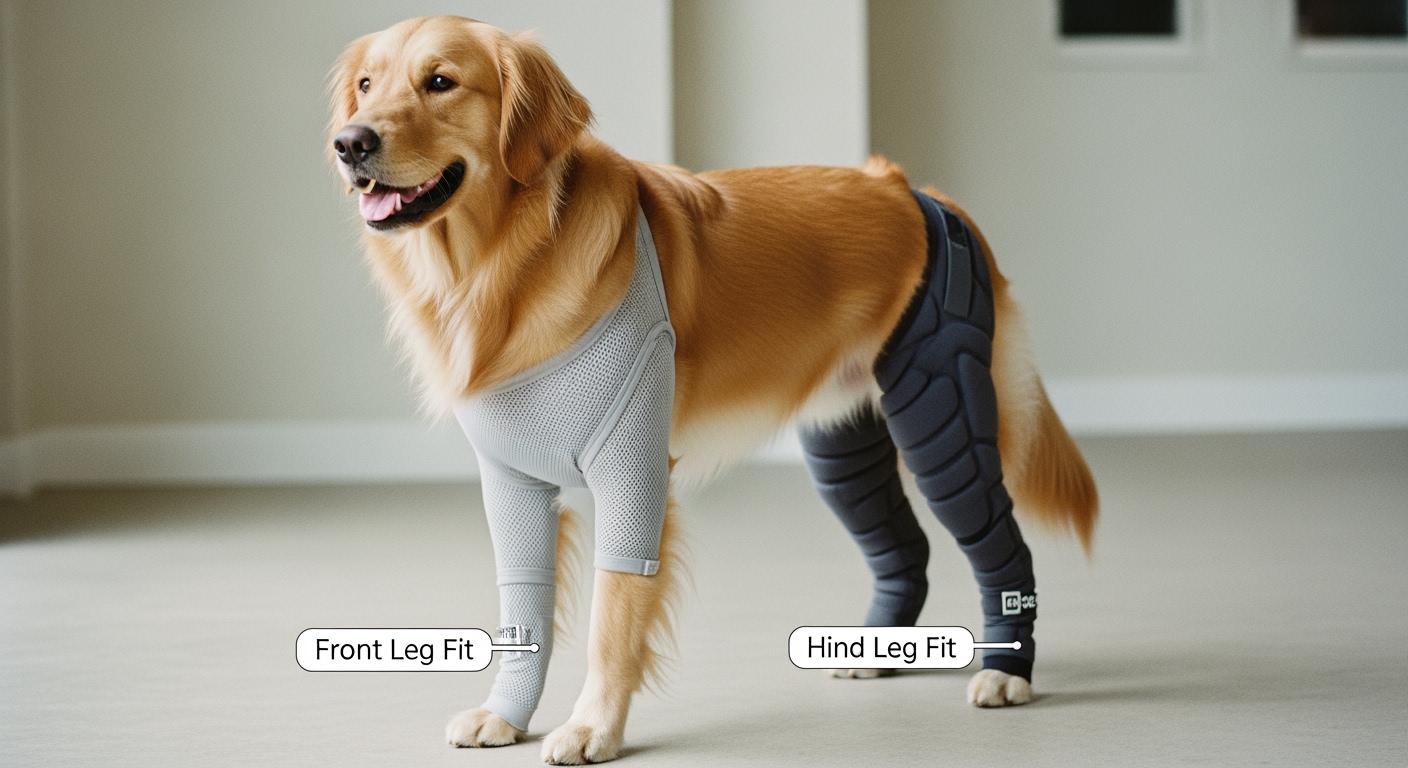
When considering a leg sleeve for dog front vs hind leg, it’s essential to select the most suitable option for your dog’s recovery. The choice should be based on the specific injury location, the coverage area provided by the sleeve, and how well it fits to ensure daily comfort for your dog. Each type of sleeve is designed to accommodate different movement patterns and offers unique wound protection benefits. Always consult with a veterinarian for guidance and a treatment plan before deciding on the appropriate sleeve for your dog.
Key Takeaways
Pick the right leg sleeve for where your dog is hurt. Front sleeves help the shoulder and elbow. Hind sleeves cover the hip and thigh.
Make sure the sleeve fits well for comfort and healing. Measure your dog’s leg carefully. Check the size chart before you buy a sleeve.
Watch your dog for any signs of pain. If the sleeve slips or rubs, fix the fit or ask your vet.
Choose a sleeve that fits your dog’s activity level. Active dogs need a tight fit. Less active dogs may like a softer sleeve for comfort.
Always talk to your vet before picking a sleeve. They can help you choose the best one for your dog’s needs.
Leg Sleeve for Dog Front vs Hind Leg: What Buyers Need to Know
When you look for a leg sleeve for dog front vs hind leg, you want to know which one is best for your dog. You might search for details about how much of the leg it covers, if it feels good to wear, and how it helps your dog get better. You need to pick the right sleeve for the injury or support your dog needs. This helps your dog feel comfortable every day and heal faster.
Key Differences in Sleeve Design
You will see that the design of a leg sleeve for dog front vs hind leg changes depending on what part of the leg it protects. Companies make sleeves with different shapes and special parts for the front and back legs. The table below shows how these sleeves are not the same:
Sleeve Type | Purpose | Design Features |
|---|---|---|
Front Bilateral Suit | Protects both front legs from licking and irritation | Durable, full coverage, designed for comfort |
Rear Bilateral Suit | Protects both hind legs from licking and infection | Sure-fit design, allows more mobility |
Shoulder Protective Sleeve | Protects wounds on the front leg after surgery or skin issues | Lightweight, breathable fabric for healthy healing |
Hip and Thigh Protective Sleeve | Protects wounds on the back leg after surgery or skin issues | Lightweight, breathable fabric for healthy healing |
You can see that a leg sleeve for dog front vs hind leg has its own special features. Front sleeves usually cover the shoulder or elbow. Hind sleeves are made for the hip or thigh. Each sleeve is made to fit how dogs move and to stop them from licking or scratching.
Typical Use Cases for Dogs
There are many reasons to use a leg sleeve for dog front vs hind leg. Dogs often need a front leg sleeve after surgery, for skin problems, or to stop licking. Hind leg sleeves help dogs heal from hip or thigh wounds or keep them safe from infection. You should pick the sleeve that fits where the wound is and how active your dog is.
Tip: Always ask your veterinarian before you choose a sleeve. This helps you fix the right problem and helps your dog get better.
A leg sleeve for dog front vs hind leg helps you take care of wounds, support healing, and make your dog feel better. You can read more about picking the right sleeve and how it should fit in our Dog Sleeve Protection Guide.
Coverage Area Comparison
Front Leg Sleeve Coverage
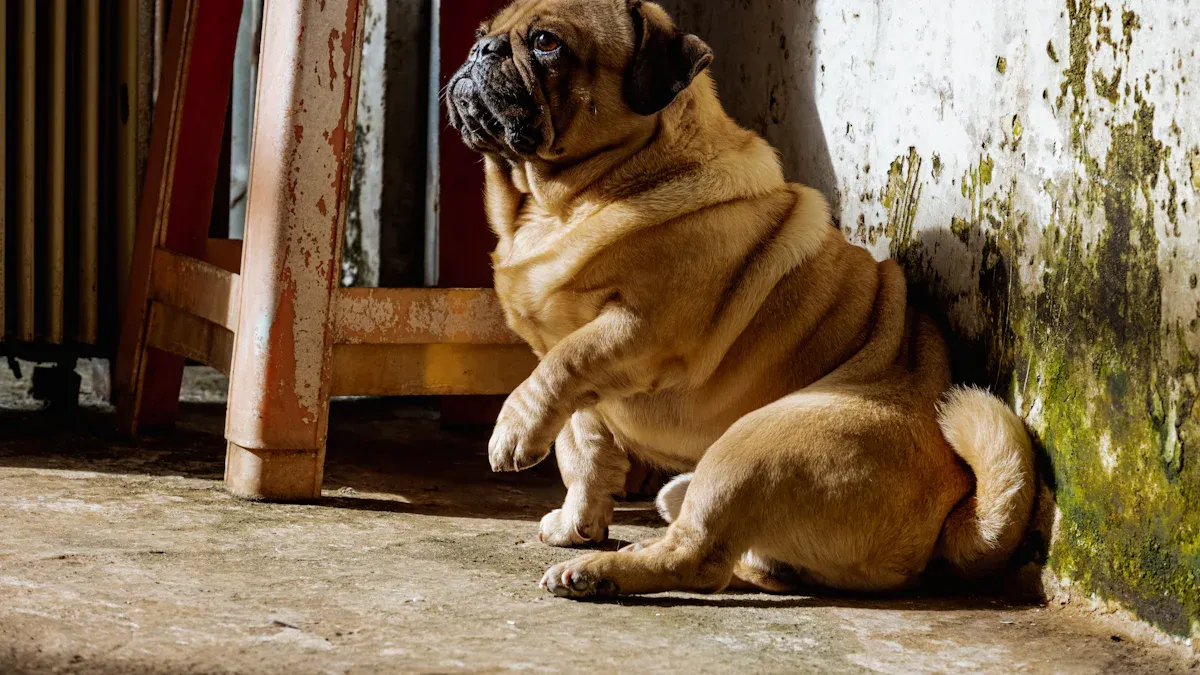
Front leg sleeves go from the paw to the elbow or shoulder. These sleeves cover the whole front leg. They keep wounds, surgery spots, or skin problems safe from licking and dirt. Dogs often try to lick or bite their front leg injuries. The sleeve stops them from doing this. You can use a front leg sleeve for cuts on the lower leg, elbow, or upper shoulder. The fabric lets air in, so dogs can move and stay dry. Always check if the sleeve fits well and does not slip when your dog walks or plays. Measure your dog’s leg to pick the right size.
Hind Leg Sleeve Coverage
Hind leg sleeves cover the back leg from the paw to the thigh or hip. These sleeves protect wounds or surgery spots on the back legs. Back legs can have different problems than front legs. Dogs might get hurt near the knee, thigh, or hip. Hind leg sleeves are shaped to fit the back leg’s curve. They let dogs move in a normal way. These sleeves also use fabric that lets air in for comfort and easy movement. Dogs use their back legs for jumping and running. The sleeve must stay on during these activities. Measure your dog’s leg to make sure the sleeve fits and does not stop movement.
Choosing Based on Wound or Injury Location
Pick the sleeve that matches where your dog is hurt. The right sleeve keeps the spot safe and helps it heal. Think about these things when you choose a front or hind leg sleeve:
Leg sleeves cover wounds on the front or back legs.
The sleeve you pick depends on where the injury is. Leg sleeves stop licking and keep the area clean.
These sleeves use fabric that lets air in. This helps your dog feel good and move while the wound stays safe.
If your dog has a front leg wound, use a front sleeve for the best cover. For a back leg injury, use a hind sleeve to fit the back leg and protect the spot. Always measure your dog’s leg to get the right sleeve. This makes sure the sleeve covers the wound and stays on during daily life.
Tip: Ask your veterinarian before you pick a sleeve. The vet can help you choose the best one for your dog.
You can read more about how sleeves fit and cover in our Dog Sleeve Protection Guide. For more help with healing and wound care, visit our solution page or look at our leg sleeve products for dogs.
Fit and Comfort for Dogs
Fit Challenges: Front vs Hind Leg
You want your dog to feel good every day. The fit of a leg sleeve matters for both comfort and healing. Front and hind leg sleeves have different fit challenges. The front legs move in a wide range. Dogs bend their elbows, stretch, and use their paws to balance. A front leg sleeve must stay in place during all these movements. The sleeve should not twist or slide down. Hind legs support most of your dog’s weight. Dogs use their back legs for running, jumping, and standing. A hind leg sleeve must fit the curve of the thigh and hip. It should not bunch up or cause rubbing. Some sleeves have adjustable pieces. These help you get a snug fit for different breeds and body shapes.
Breed differences also affect fit. A Greyhound has a slim leg. A Bulldog has a thick leg. You need to check the size chart for each sleeve. Some dogs have long fur. Others have short fur. The sleeve must fit close to the skin but not squeeze. Always look for adjustable pieces if your dog has a unique shape. You can find more details about fit and breed differences in our Dog Sleeve Protection Guide.
Comfort and Movement
Comfort is critical for daily use. Dogs wear sleeves for many hours. If the sleeve feels tight or loose, your dog may not want to walk or play. A good fit lets your dog move naturally. The sleeve should not block the joint or pinch the skin. Dogs need to bend their legs, lie down, and get up with ease. You want your dog to feel safe and relaxed. The right size helps prevent chafing and keeps the wound covered.
You should check the sleeve often. Look for signs of rubbing or redness. If your dog licks or chews the sleeve, it may not feel comfortable. Try to adjust the fit or check the size chart again. Some sleeves use soft, breathable fabric. This helps with comfort and keeps the skin dry. Dogs with sensitive skin need extra care. You can read more about comfort and movement in our daily support planning guide.
Note: Comfort and fit go together. A sleeve that fits well will help your dog heal and stay active.
How to Choose the Right Size
Choosing the right size is important for both fit and comfort. You need to measure your dog carefully. Use a soft tape measure and follow these steps for the most critical measurements:
Prepare your dog. Pick a calm time and have your dog stand on a flat surface.
Measure the neck. Wrap the tape around the base of the neck.
Measure the chest. Find the widest part behind the front legs and wrap the tape around it.
Measure the back length. Start at the base of the neck and run the tape to the base of the tail.
Measure the waist. Wrap the tape around the narrowest part before the hind legs.
Measure the legs. For sleeves, measure from the top of the leg to the paw.
You should write down each size. Compare your numbers to the size chart for the sleeve you want. Each brand may have a different size chart. Always check before you buy. If your dog is between sizes, choose the larger size for comfort. Some sleeves have extra straps or Velcro for a better fit. This helps you adjust the sleeve for your dog’s shape.
Tip: Measuring your dog the right way helps you choose the right size and avoid returns.
You can find more tips and a full size chart on our product pages. For more help, visit our solution page for wound protection or see our guide on how to choose the best leg sleeve for your dog.
Daily Use and Practicality
Ease of Application and Removal
You want to make sure you can put on and take off a leg sleeve for your dog quickly. Many clinics and owners notice that front-leg sleeves are easier to apply and secure. You can wrap the sleeve around the front leg and fasten it without much trouble. Hind-leg sleeves often slide off and become tangled. Some users report that wrapping the sleeve on the back side of the leg is hard because you cannot see the area well. Veterinary staff and owners sometimes feel frustrated when hind-leg sleeves slip or do not stay in place. You need to check the fit and adjust the straps for each dog. The right size helps you avoid these problems and keeps the sleeve secure.
Front-leg sleeves: Easy to apply and remove for most dogs.
Hind-leg sleeves: May slide off and require extra care to keep in place.
Always follow the instructions for each sleeve type to improve safety and fit.
Impact on Dogs’ Activity
Dogs need to move, play, and walk every day. You want a sleeve that lets your dog stay active. Front-leg sleeves usually allow dogs to bend their elbows and use their paws. Hind-leg sleeves must fit the curve of the thigh and hip so dogs can run and jump. If the sleeve does not fit the right size, your dog may limp or avoid walking. You should watch your dog for signs of discomfort. Some sleeves have adjustable straps to help you match the size to your dog’s shape. Dogs with larger or smaller legs need special attention to size and fit. You want to keep your dog safe while letting them move freely.
Tip: Check the sleeve often for signs of slipping or rubbing. Adjust the size or straps to protect your dog’s safety and comfort.
Cleaning and Maintenance
You need to clean the sleeve to keep your dog safe and healthy. Most sleeves, like the Lick Sleeve, are machine washable. You can hang the sleeve to dry or use a low-heat cycle. Always follow the cleaning instructions for each sleeve. For hind legs, secure the sleeve as directed in the instructions. For front legs, drape the long strap across the chest and use the correct side for each limb. Cleaning keeps the sleeve fresh and protects your dog from dirt and germs. You should check the sleeve for wear and tear. Replace the sleeve if you see damage or if the size no longer fits your dog.
Machine wash the sleeve for easy cleaning.
Hang to dry or use low heat for best results.
Follow instructions for each sleeve type to maintain safety and fit.
You can find more cleaning tips and maintenance advice in our Dog Sleeve Protection Guide. For product details and sizing help, visit our leg sleeve product pages.
Common Mistakes When Comparing Leg Sleeves
Overlooking Coverage Needs
You may focus on price or appearance and forget to check if the sleeve covers the right area. Each injury or wound needs a specific type of protection. A front-leg sleeve will not protect a hip wound. A hind-leg sleeve may not fit a shoulder injury. Always match the sleeve to the exact location of the wound or support need. If you choose the wrong coverage, your dog may still lick or scratch the area. This can slow healing and cause more problems. Review the injury site and select a sleeve that fully covers and protects it. You can find more details about coverage in our Dog Sleeve Protection Guide.
Ignoring Fit and Comfort
Fit and comfort play a big role in your dog’s recovery. If you ignore these factors, your dog may not wear the sleeve as needed. Problems can include:
Restricted movement if the sleeve does not fit properly
Discomfort that leads to behavioral issues
Licking or chewing at the sleeve due to irritation
You should measure your dog carefully and follow the size chart for each product. A sleeve that fits well allows your dog to walk, rest, and play without trouble. Check the sleeve often for signs of rubbing or slipping. Adjust the fit as needed to keep your dog comfortable. For more tips on fit and comfort, visit our daily support planning guide.
Not Considering Daily Routine
Your dog’s daily routine affects how well a sleeve works. Some dogs stay active and need a sleeve that stays in place during running or jumping. Others rest more and need soft, breathable fabric for long periods. If you do not think about your dog’s habits, the sleeve may slip or cause discomfort. Watch how your dog moves and rests. Choose a sleeve that matches their activity level and lifestyle. This helps your dog heal while staying comfortable throughout the day. For more information on choosing the right sleeve for your dog’s routine, see our product and solution pages.
When to Seek Veterinary or Product Guidance
Signs a Sleeve May Not Be Enough
You want your dog to heal and feel good. Sometimes, a leg sleeve for the front or hind leg is not enough. You might see signs that show the sleeve is not working well for your dog. Watch for these problems:
The wound does not get better or looks worse after a few days.
Your dog keeps licking, biting, or scratching even with the sleeve on.
You see swelling, redness, or fluid around the covered spot.
Your dog limps, does not want to walk, or acts like it hurts.
The sleeve falls off a lot or makes the skin sore.
If you notice any of these signs, call your veterinarian. The vet can check your dog and tell you what to do next. Sometimes, your dog needs a different product or a new plan to get better. Always use a sleeve as part of your dog’s health care, not instead of seeing the vet. For more help, read our main guide about dog sleeve protection.
When to Explore Other Dog Support Solutions
A leg sleeve helps many dogs, but sometimes your dog needs more support. You should look for other options if your dog needs extra help or pain relief. These choices can help your dog heal, especially with injuries like ACL tears or joint problems. You might want to try:
Extra support that keeps the knee in place while healing.
Pain relief by stopping too much movement and lowering stress on the joint.
Stability that helps your dog heal and move better faster.
Your veterinarian can help you pick the right product for your dog’s needs. Braces, wraps, or other tools may work better for some injuries. Always listen to your vet and check our solution pages to compare choices. Your dog’s health and comfort are most important, so use all the guides and tools you can to help your dog recover.
Quick Reference: Front vs Hind Leg Sleeve Comparison
You want your dog to heal well. This quick guide helps you see the differences between front-leg and hind-leg sleeves. It can help you pick the sleeve that works best for your dog.
Feature | Front Leg Sleeve | Hind Leg Sleeve |
|---|---|---|
Coverage Area | Paw to elbow or shoulder | Paw to thigh or hip |
Movement Pattern | Supports bending, stretching, balancing | Supports running, jumping, weight bearing |
Fit Stability | Stays in place during paw use | Needs secure fit for active movement |
Comfort | Allows natural front leg movement | Allows natural hind leg movement |
Typical Use | Protects wounds, surgery, skin issues | Protects hip, thigh, knee injuries |
Application | Easy to apply and remove | May require extra care for secure fit |
Licking Behavior | Prevents licking of front leg wounds | Prevents licking of hind leg wounds |
Key Points to Consider:
Pick a sleeve that matches where your dog is hurt. Front-leg sleeves are good for shoulder, elbow, or lower leg wounds. Hind-leg sleeves work for hip, thigh, or knee injuries.
Always check the size before you buy a sleeve. The right size keeps the sleeve in place and helps your dog feel good.
Dogs use their legs in different ways. Front sleeves help with balance and using the paw. Hind sleeves help with jumping and running.
Watch your dog for licking or chewing. Choose a sleeve that covers the spot your dog tries to lick most.
Pick a sleeve that fits how active your dog is. Dogs that move a lot need a sleeve that stays on well. Dogs that rest more may like a softer sleeve for comfort.
Tip: Measure your dog’s leg and check the size chart before you buy. This helps you get the right fit and keeps the wound covered.
You can read more about fit, size, and coverage in our Dog Sleeve Protection Guide. For help with wounds, visit our recovery solution page. Check our leg sleeve product category for size charts and choices.
Note: Only veterinarians should diagnose and make treatment plans. Use sleeves as part of your dog’s recovery with your vet’s advice.
You can tell that front-leg and hind-leg sleeves are not the same. Front sleeves help dogs with elbow injuries or joint problems. Hind sleeves are better for knee or hock wounds. Pick the sleeve that fits your dog’s needs. This helps your dog feel safe and comfortable. Small wounds need sleeves that cover just the spot. Big wounds need sleeves that cover more of the leg. Make sure the sleeve fits well so it does not slip. A good fit keeps the sleeve in place when your dog moves.
Use front leg sleeves for elbow injuries or joint support.
Pick hind leg sleeves for knee or hock injuries.
Choose the sleeve that helps your dog heal and feel good.
Get targeted or bigger coverage based on how big the wound is.
Make sure the sleeve fits right for stability and movement.
Always ask your veterinarian for help with diagnosis and treatment.
For more help, read our Dog Sleeve Protection Guide, visit our recovery solution page, and check our leg sleeve product category for sizes and choices.
FAQ
What is the main difference between a front-leg and a hind-leg dog sleeve?
You use a front-leg sleeve to protect the shoulder, elbow, or lower front leg. You use a hind-leg sleeve for the hip, thigh, or knee. Each sleeve matches the movement and shape of the specific leg.
How do I know which sleeve my dog needs?
Check where your dog’s wound or injury is. If it is on the front leg, choose a front-leg sleeve. For back leg issues, pick a hind-leg sleeve. Always ask your veterinarian for advice before you buy.
Will a leg sleeve stop my dog from licking the wound?
A well-fitted sleeve covers the wound and helps prevent licking. You should watch your dog closely. Some dogs may still try to lick or chew. If this happens, talk to your veterinarian for more support options.
Can my dog walk and play while wearing a leg sleeve?
Yes, most dogs can walk and play with a properly fitted sleeve. You should check the fit often. Make sure the sleeve does not slip or cause discomfort. Choose the right size for your dog’s activity level.
When should I ask my veterinarian about using a leg sleeve?
You should contact your veterinarian if your dog’s wound does not heal, looks worse, or if your dog seems uncomfortable. Only a veterinarian can diagnose injuries and recommend the best treatment plan.
