
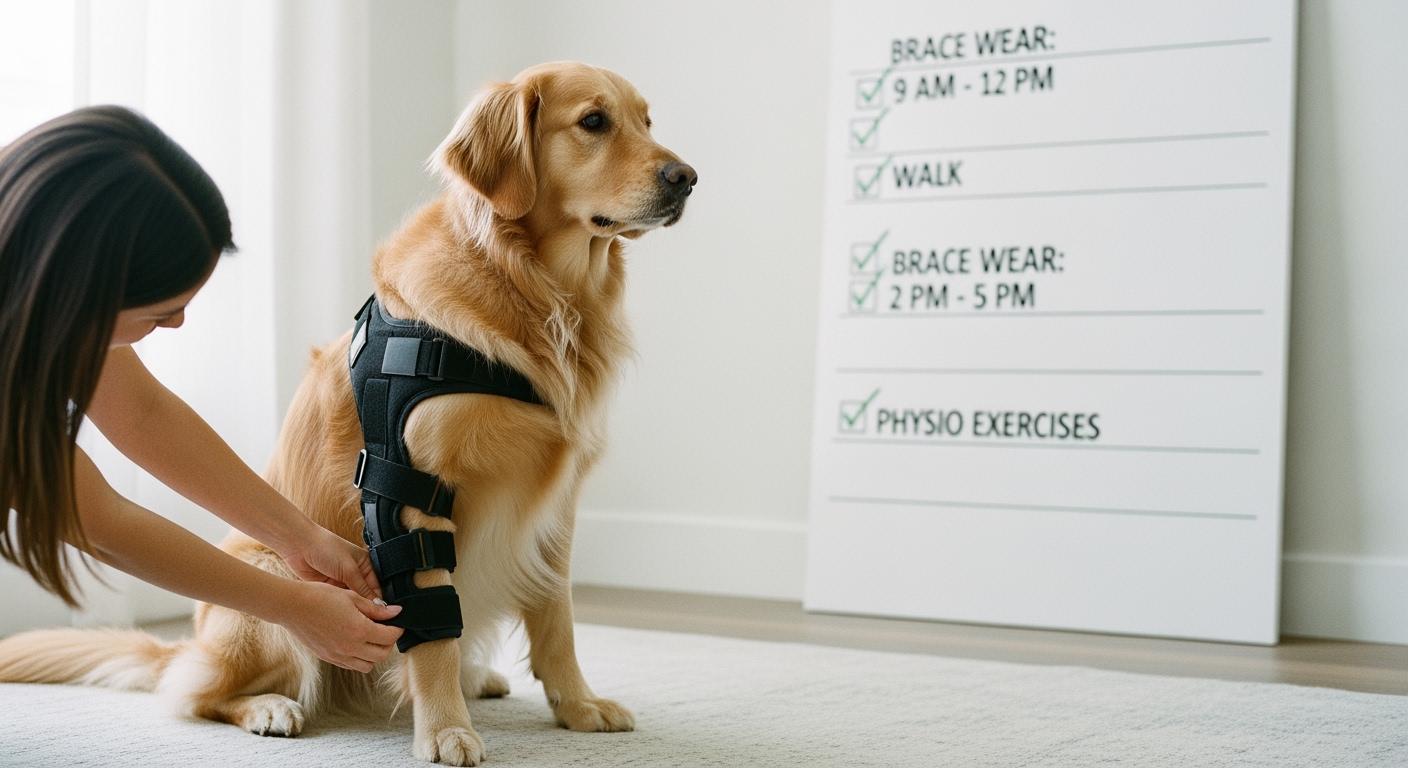
You need a clear plan when using an orthopedic dog brace for torn ACL wear schedule during recovery. Veterinary studies recommend a gradual increase in wear time to help your dog adjust safely. Most clinics follow this schedule:
Day 1: 30 minutes
Day 2: 1 hour
Day 3: 1 hour 30 minutes
Day 4: 2 hours
Day 5: 3 hours
Day 6: 4 hours
Day 7: 6 hours
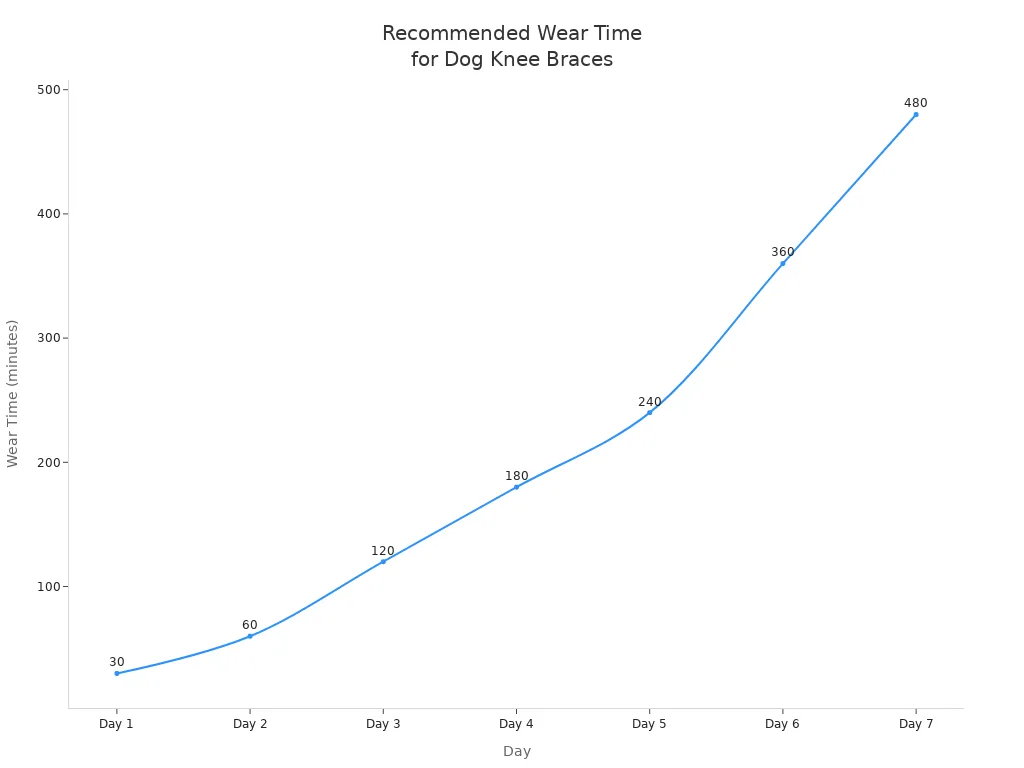
Gradual adjustment and daily skin checks are essential to prevent irritation and support safe recovery. Clinics report up to 65% improvement in mobility with a structured orthopedic dog brace for torn ACL wear schedule. Always consult your veterinarian for specific guidance.
Key Takeaways
Begin with short wear times of 30 to 60 minutes. Add more time each day so your dog gets used to the brace. Watch your dog’s skin after each use to check for redness or problems. This helps keep your dog comfortable and safe. Put the brace on during walks and playtime. Take it off at night and when your dog is in a crate. This keeps your dog’s skin safe. Ask your veterinarian for advice that fits your dog’s needs. They can help you change the wear schedule if needed. A set schedule helps your dog move better. It also helps your dog heal from a torn ACL.
Orthopedic Dog Brace for Torn ACL Wear Schedule: Core Principles
Why Wear Time Matters
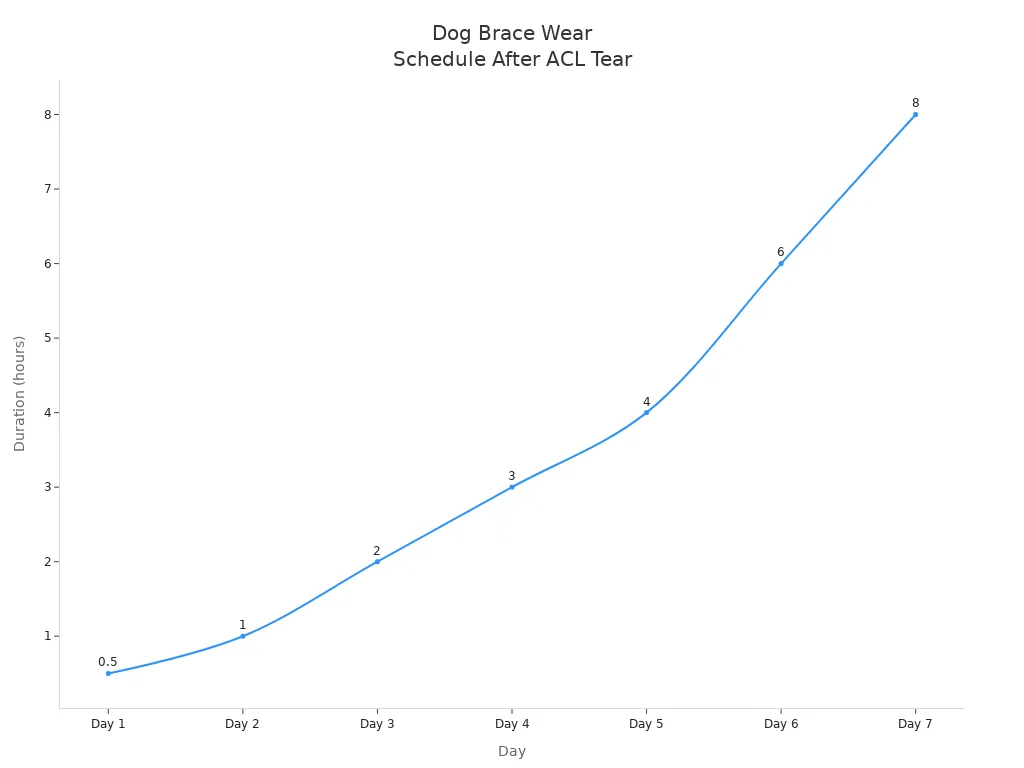
You need a structured orthopedic dog brace for torn ACL wear schedule to help your dog recover safely. A clear schedule supports muscle strength and prevents abnormal knee movement. Veterinary professionals recommend a gradual break-in period. This approach allows your dog to adjust to the brace and helps you spot any issues early. Consistent use during activity hours gives the best support. You should not use the brace overnight or when your dog is crated. The table below shows a typical schedule for the first week:
Day | Duration of Wear | Frequency |
|---|---|---|
1 | 30 mins | 2-3 times a day |
2 | 1 hour | 2-3 times a day |
3 | 2 hours | 2-3 times a day |
4 | 3 hours | 2-3 times a day |
5 | 4 hours | 2 times a day |
6 | 6 hours | 1 time a day |
7 | 8 hours | 1 time a day |
Gradual Introduction and Adjustment
You should introduce the orthopedic dog brace for torn ACL wear schedule slowly. Start with short periods and increase wear time each day. This helps your dog get used to the brace and reduces the risk of discomfort. Adjust straps and cuffs several times a day. Hair coat compression, swelling, or strap stretching can change the fit. Always check the brace before each use. Most clinics find that gradual adjustment leads to better mobility and fewer problems. Over 80% of owners report improved movement when they follow a structured plan.
Tip: Remove hair from Velcro with a toothbrush and wash the brace weekly with mild dish soap. Let all parts air dry.
Monitoring Skin and Comfort
You must check your dog’s skin every time you remove the brace. Look for redness, hair loss, or sores. Skin sores are the most common issue, but most resolve with quick action. If you see any irritation, stop using the brace and contact your veterinarian. Never ignore signs of discomfort. Monitoring your dog’s comfort is a key part of the orthopedic dog brace for torn ACL wear schedule. This routine helps you catch problems early and keeps your dog safe.
Note: The orthopedic dog brace for torn ACL wear schedule supports recovery, but it does not replace veterinary care. Always consult a professional for diagnosis and treatment planning. For more on brace fit and ACL support, visit our knee brace selection guide or see our ACL recovery solutions.
Building a Safe Dog Knee Brace Routine
Initial Break-In Period (First 7–10 Days)
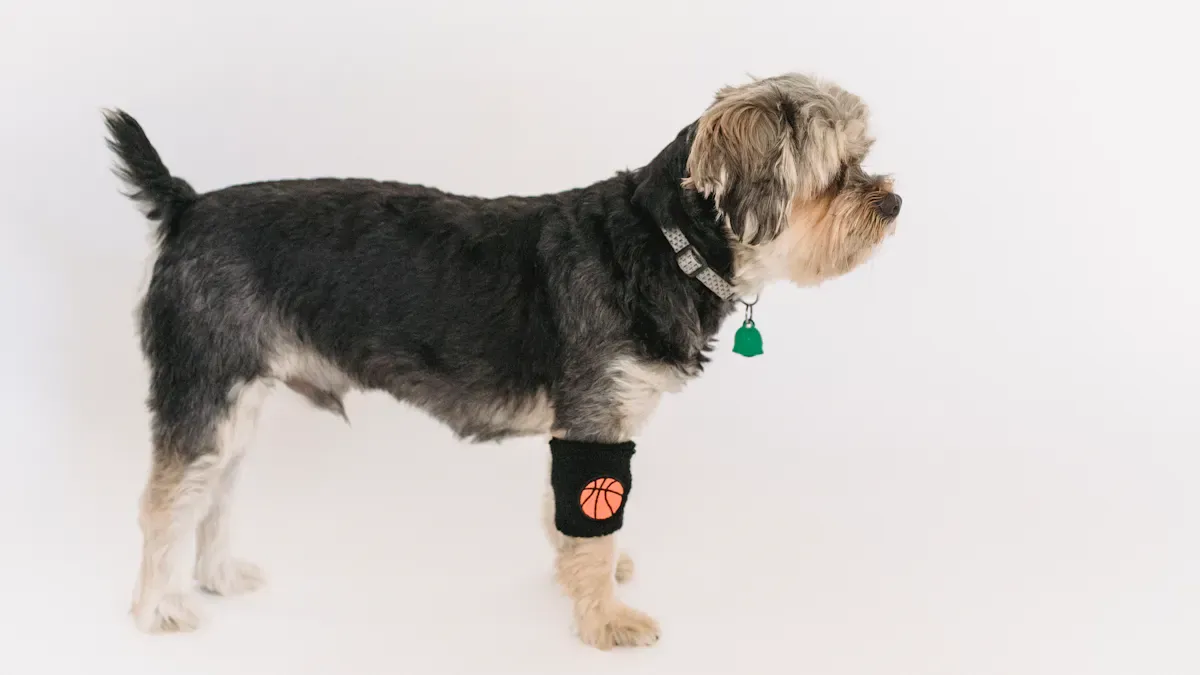
Start with a short wearing schedule to help your dog get used to the dog knee brace. Begin with 30 minutes to 1 hour, two or three times each day. This helps your dog learn about the brace and lets you watch for any problems. Add 30 to 60 minutes more each day. By the end of the first week, your dog can wear the brace for up to 6 hours when active. Always take the brace off at night and when your dog is in a crate. This plan helps your dog adjust and keeps the skin safe.
Tip: Use this time to check if the knee brace fits well. Change the straps if your dog needs more comfort or support.
Increasing Wear Time Safely
After the first week, you can make the dog knee brace time longer. Add one hour each day, but only if your dog’s skin looks healthy. Most dogs wear the brace for 6 to 12 hours during the day. This is best for walks, play, or therapy. Take the brace off when your dog is resting or in a crate. Slowly adding more time helps your dog get stronger and keeps the knee safe.
A normal daily plan might look like this:
Day | Total Wear Time | Activity Focus |
|---|---|---|
1 | 1 hour | Short walk |
2 | 2 hours | Walk + light play |
3 | 3 hours | Walk + therapy |
4 | 4 hours | Walk + play + rehab |
5 | 5 hours | Multiple activities |
6 | 6 hours | Full activity blocks |
7+ | 6–12 hours | All active periods |
Note: Always look at your dog’s skin after every use. If you see redness or sores, stop using the brace and call your vet.
When to Wear and Remove the Brace
Put the dog knee brace on during all active times. This means walks, play, and rehab exercises. Take the brace off at night and when your dog is in a crate. Wearing the brace at night or in a crate can hurt your dog’s skin. Most clinics say this routine is best for safety and comfort.
Wear the dog knee brace:
On walks
During play with supervision
During therapy or rehab
Remove the dog knee brace:
At night
When crated or resting alone
If you see any skin problems
Using the dog knee brace with exercise, joint supplements, and therapies like hydrotherapy or laser therapy can help your dog heal. Always listen to your vet for the best care plan.
Quick Checklist: Safe Dog Knee Brace Routine
Start with 30–60 minutes, 2–3 times each day for week one
Add 30–60 minutes more each day
Use the brace when your dog is active, not when resting or crated
Check your dog’s skin and comfort after every use
Change the fit if needed during the period
Ask your vet if you have any worries
Practical Example: In the first week, you might use the dog knee brace for a 30-minute walk in the morning and a 30-minute play in the afternoon. By week two, your dog could wear the brace for up to 6 hours, covering all active times.
A set routine helps your dog get used to the dog knee brace and supports safe healing. For more about brace fit and ACL help, see our knee brace guide. If you need help for torn ACL recovery, check our ACL recovery page. You can also look at our dog leg brace products for more choices.
Daily Routine Planning and Rehabilitation Support
Activity vs. Rest Periods
You must balance activity and rest for dogs with ACL injuries. At first, use the brace for 2 to 4 hours each day. Split this time into short sessions. As your dog gets stronger, increase wear time to 6 to 8 hours. Use the brace during walks, play, and other active times. For long-term care, you may use the brace up to 10 to 12 hours a day. Never use the brace all day or overnight. Always take the brace off when your dog is resting or in a crate. This keeps your dog’s skin safe and comfortable.
Here are some daily routine planning strategies for dogs with knee injuries:
Use knee support for dogs on short, gentle leashed walks.
Schedule therapy sessions with a professional.
Manage your dog’s weight to help the joint and ease dog knee pain.
Add home changes like non-slip floors or ramps to stop re-injury.
Integrating the Brace into Rehabilitation
You can help your dog recover by using knee support for dogs with therapy. Start with simple exercises, like gentle weight-shifting, to help your dog balance. Isometric exercises, such as stretch-and-hold moves, can begin right away. By week three, add sit-to-stand exercises if your vet says it is okay. These activities help reduce dog knee pain and support healing after surgery. Always check the brace fit before each session to keep your dog safe and comfortable.
Common activities for brace use include:
Supervised walks
Light play sessions
Therapy exercises
Support for older dogs with arthritis or mild instability
If you want more details about brace fit or therapy, visit our knee brace selection guide or look at our ACL recovery solutions.
Common Mistakes and Limitations
Many owners make mistakes when planning a knee support for dogs routine. You should avoid these errors:
Hoping for instant results. Healing takes time, and dog knee pain may last for weeks.
Using the brace only sometimes. Skipping days can slow healing.
Picking the wrong fit. Not all braces work for every dog or knee injury.
Ignoring weight management. Extra weight makes pain worse.
Allowing too much activity too soon. Even if your dog seems better, the ligament may still be weak.
You should also know the limits of knee support for dogs. Braces do not fix joint damage or replace care from a vet. Always start with short wear times and increase slowly. Watch your dog’s skin for irritation. If you see redness or sores, take off the brace and call your vet or therapy professional. For more information about products and recovery, see our dog knee pain solutions and product pages.
Note: Only a licensed veterinarian can diagnose knee injuries and make a full therapy plan. Use this schedule as a guide, not instead of expert advice.
Factors Affecting Dog Brace Wear Schedule
Fit and Brace Type
You need to pick the right fit and type of brace for your dog’s torn CCL. The fit of a good brace changes how long and how often your dog should wear it. Braces that are one-size-fits-all do not work well because every dog is shaped differently. A custom dog knee brace or a special knee brace made for your dog gives better support and comfort. This support helps you make a safe wear schedule and stops problems during recovery from a torn CCL. A good fit keeps the brace in place and stops movements that could make the CCL injury worse. You should check the fit before every time your dog wears the brace. Custom braces are best for small or medium dogs or dogs under a certain weight. You get the most help when you use a good brace with a rehab plan and check your dog’s skin often.
For more details on picking a brace and making sure it fits, visit our knee brace selection guide.
Activity Level and Supervision
Your dog’s activity level changes how you plan the wear schedule. Dogs should wear the brace when they are active, starting with 30 to 60 minutes each time. You can slowly increase this to 6 to 12 hours a day as your dog gets used to the brace. Energetic breeds like Labradors may need more support and longer wear times. Older dogs often need to wear the brace longer because their muscles are weaker. Overweight dogs need more wear during activity to help their joints. You must watch your dog closely every time they wear the brace. Watching your dog helps you see skin problems early and keeps your dog comfortable.
For more about recovery routines and support, see our ACL recovery solutions.
When to Seek Professional Guidance
You should always ask a vet for help if you see any problems during wear. If your dog shows pain, swelling, or skin sores, stop using the brace and call your vet. Only a licensed expert can tell if your dog has a CCL injury and make a full rehab plan. You can help your dog get better with weight control, safe exercise, and physical therapy. Anti-inflammatory support and home changes like non-slip floors also help.
For more information on products and recovery, visit our dog knee brace product page.
You can make a safe orthopedic dog brace for torn ACL wear schedule by starting with short times. Check your dog’s skin every day to keep it healthy. Change the plan if your dog needs something different.
Look at the brace fit often so your dog’s skin stays safe.
Watch for signs like limping or pain and call your vet if you see these problems.
Pick a custom fit and use a rehab plan with help from your vet.
Strategy | Description |
|---|---|
Advanced Orthotics | Custom braces help your dog move better and give support. |
Gait Analysis | Change care for your dog’s needs to get better results. |
Digital Technologies | Use special tools to check and change the plan as needed. |
Always use this advice with your vet’s help. For more about brace fit and recovery, look at our knee brace guide and ACL recovery solutions.
FAQ
How long should my dog wear an orthopedic dog brace for a torn ACL each day?
You should start with 30–60 minutes, then increase wear time daily. Most dogs reach 6–12 hours during activity. For more details, see our knee brace selection guide.
Can my dog sleep with the brace on?
No, you should remove the brace at night. This prevents skin irritation and keeps your dog comfortable. Only use the brace during active periods.
What signs mean I should stop using the brace?
Watch for redness, swelling, or sores on your dog’s skin. If you see these, stop using the brace and contact your veterinarian. For more support, visit our ACL recovery solutions.
How do I know if the brace fits correctly?
Check that the brace stays in place and does not rub or slip. Adjust straps as needed. For fit tips, visit our brace fit guidance page.
When should I consult a veterinarian about the wear schedule?
You should contact your veterinarian if your dog shows pain, limps, or the injury worsens. Only a licensed professional can give a full rehab plan. See our dog knee brace products for more options.
