
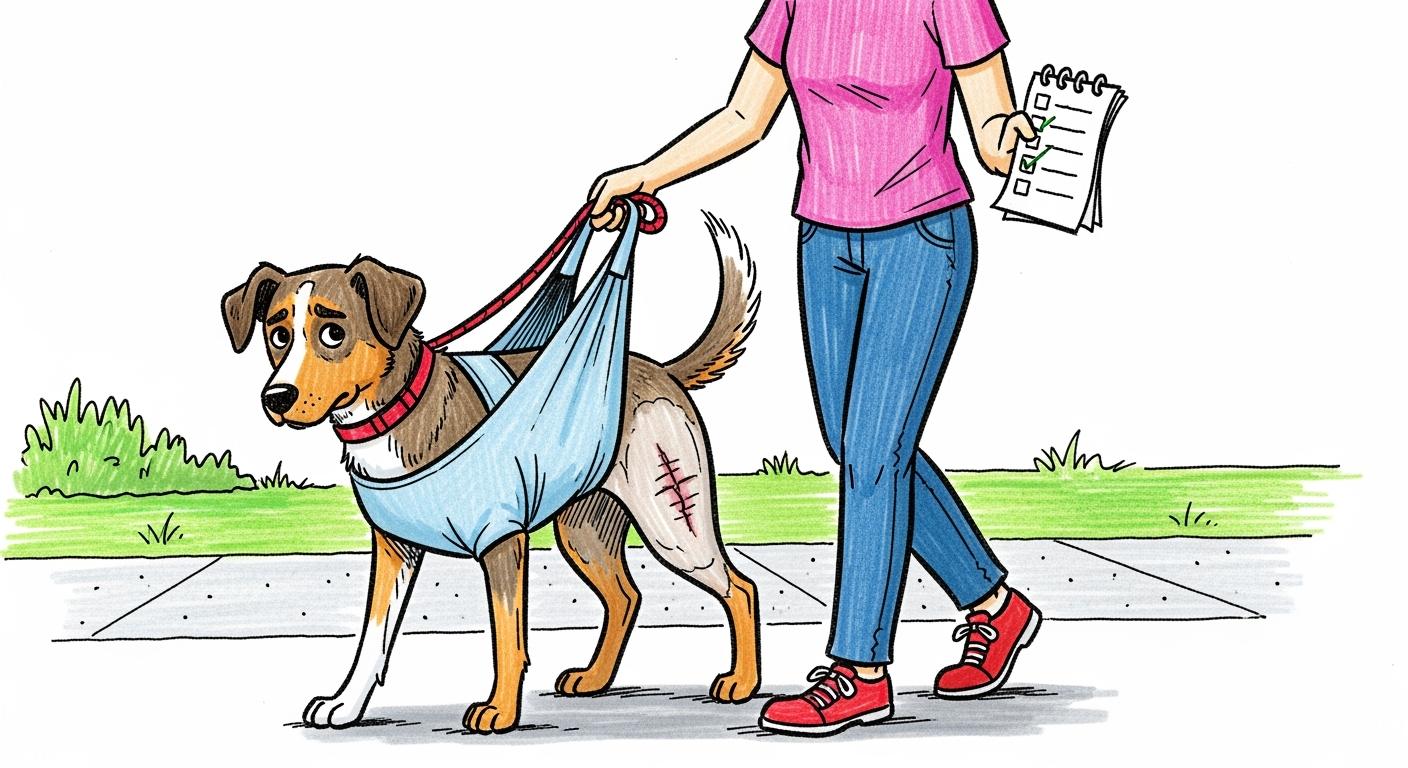
You should give your dog short and safe TPLO potty breaks after TPLO surgery. This helps your dog heal and stops pain. Always use a leash and a support sling to keep your dog steady and calm during these potty breaks. Watch your dog closely to spot infection, pain, or joint problems early. Follow your surgeon’s care plan for the best healing. Routine, physical therapy, and less activity help manage and lower pain. Vet visits, check-ups, and physical therapy are important after TPLO surgery. Use checklists for taking care of the incision, stopping infection, and managing TPLO potty breaks. This routine keeps your dog calm, helps joints heal, and controls pain.
Key Takeaways
Use short, calm walks for potty breaks after TPLO surgery. Limit each trip to 5-10 minutes to protect your dog’s healing joint.
Always use a leash and a support sling during potty breaks. This keeps your dog steady and reduces the risk of injury.
Watch for signs of pain or infection after each walk. Look for swelling, limping, or changes in the incision to catch problems early.
Follow your veterinarian’s care plan closely. Regular check-ups and physical therapy are essential for your dog’s recovery.
Create a consistent routine for potty breaks. This helps your dog feel secure and supports their healing process.
TPLO potty breaks: first two weeks
Bathroom only, no wandering
For the first two weeks after TPLO surgery, only take your dog outside for bathroom breaks. Use a short leash, about 4 to 6 feet long, for these trips. Do not let your dog sniff or walk around. This keeps the joint safe and helps it heal. Less activity stops twisting, running, or jumping. These actions can hurt the surgery spot and slow healing. After each bathroom trip, bring your dog back to a quiet area. Follow your vet’s instructions for every step. This plan helps with pain, stops infection, and keeps your dog comfortable.
Slow steps for safe weight bearing
Walk your dog slowly during TPLO potty breaks. Go at a speed where your dog uses the sore leg each time. Short walks of 5 to 10 minutes, three or four times a day, work best. Use a support sling if your dog has trouble standing. Moving slowly helps the joint heal and eases pain. Watch how your dog walks and acts on each trip. If you see limping, swelling, or pain, do less and call your vet. Doing the same routine and physical therapy helps your dog heal and feel better.
Common mistakes to avoid
Many owners make mistakes during TPLO potty breaks after surgery. These mistakes can slow healing and cause more pain. Look out for these common problems:
Mistake | Why it happens | Safer alternative | When to call the vet |
|---|---|---|---|
Too much activity | Dog seems eager or restless | Stick to short, calm walks | Limping, swelling, or pain increases |
Neglecting wound care | Incision not checked daily | Inspect after every potty break | Redness, oozing, or infection signs |
No E-collar | Dog licks incision | Use E-collar as directed | Incision opens or looks infected |
Missing follow-up | Forgetting appointments | Schedule and attend all visits | Any new or worsening symptoms |
Improper rehabilitation | Skipping physical therapy | Follow your veterinarian’s plan | Dog struggles with movement |
A strict routine for TPLO potty breaks helps your dog heal, controls pain, and stops infection. Always use your surgeon’s plan instead of general tips. Watching your dog closely during recovery gives the best chance for healing and comfort.
Potty break routine for dog recovery
Having a clear routine for each TPLO potty break helps your dog heal and stay calm. Following these steps can stop problems and help with pain. Always use your veterinarian’s discharge plan as your main guide. This routine helps the joint heal, lowers infection risk, and helps with pain relief.
Pre-walk setup: leash, harness, sling
Before each TPLO potty break, get your dog ready for safety and comfort. You need to make sure activity is controlled and you can watch your dog. Here is what you should do:
Put a short leash (4–6 feet) on your dog’s harness. This keeps your dog close and stops sudden moves after TPLO surgery.
Use a rear support sling if your dog feels weak or wobbly. The sling helps your dog balance and puts less strain on the joint.
Pick a flat, non-slip place for the walk. This stops slipping and twisting, which can slow healing.
Check your dog’s incision before going outside. Look for redness, swelling, or signs of infection.
Make sure your dog wears an e-collar or surgical suit if your veterinarian says to. This stops licking and keeps the incision safe.
Keep treats nearby for calm behavior and to reward your dog during the walk.
This setup helps you control your dog’s activity and manage pain. It also makes it easier to watch your dog and helps with rehab.
Controlled walk steps
During the TPLO potty break, keep the walk short and slow. This protects the joint and helps healing. Follow these steps for each walk:
Walk your dog slowly. Make sure your dog uses the surgical leg every step.
Keep the walk to 5–10 minutes. This stops overuse and helps with pain.
Do not let your dog run, jump, or wander. Only let your dog move enough to pee or poop.
Hold the leash tight and guide your dog to a calm spot to go.
Use the support sling if your dog stumbles or gets tired. This helps with balance and lowers pain.
Watch how your dog walks. If you see limping, more pain, or swelling, stop the walk and go inside.
Praise your dog for being calm. This helps with rehab and keeps your dog relaxed.
A controlled walk routine helps your dog recover from TPLO surgery. It lowers the chance of infection and helps the joint heal. You also make pain easier to manage by keeping activity the same each time.
Tip: Always follow your surgeon’s discharge plan. Never let your dog go off-leash or do extra activity during recovery.
After infrastructure safety check
After each TPLO potty break, check your dog for any problems. Watching your dog helps you find issues early and manage pain. Use this table to help with your safety check:
Safety Check | Description |
|---|---|
Incision Protection | Use an e-collar or surgical suit to stop licking or scratching. |
Monitor Bandages | Make sure bandages are not too tight so blood can flow. |
Daily Monitoring | Check the incision every day for changes in color, warmth, or texture. |
Normal vs. Abnormal Swelling | Mild swelling is normal; more swelling means there could be a problem. |
Follow-Up X-Rays | X-rays show if the implant is stable and the bone is healing if swelling stays. |
Look for redness, heat, or discharge at the incision. If you see signs of infection, call your veterinarian. Check for more swelling or pain after the walk. If your dog limps more or seems tired, do less activity and call your veterinarian for help. Write down what you see to help with vet visits and rehab plans.
A strong routine for TPLO potty breaks helps healing, pain relief, and stops infection. Careful watching, physical therapy, and calm activity help your dog recover. Always use your veterinarian’s advice for the best results.
Potty frequency and walk duration after TPLO
Daily schedule template
You need a strict routine for your dog after TPLO surgery. This routine helps with recovery, pain management, and infection control. Take your dog out for potty breaks 3–4 times each day. Each trip should last 5–10 minutes. Use a short leash and go to the same spot every time. This helps your dog understand the routine and keeps the joint safe. Always supervise your dog during these walks. Routine prevents setbacks and supports healing.
Here is a sample daily schedule for TPLO surgery recovery:
Morning: 5–10 minute calm leash walk for potty break
Midday: 5–10 minute calm leash walk for potty break
Evening: 5–10 minute calm leash walk for potty break
Late-night (if needed): brief, calm leash walk for potty break
If you see more limping or pain, scale back to shorter walks and call your veterinarian. This helps with pain relief and keeps the joint safe.
Handling requests for longer walks
Your dog may want to walk longer during recovery. Do not allow extra activity. Stick to the routine for TPLO surgery. Longer walks can slow healing and increase pain. If your dog seems restless, use calm praise and gentle physical therapy instead of more walking. Always follow your veterinarian’s discharge plan. Monitoring your dog during each walk helps you spot pain or infection early. If you notice swelling or limping, reduce activity and schedule a follow-up.
Nighttime potty trips
Nighttime potty breaks are important for TPLO surgery recovery. Keep these trips short, calm, and supervised. Use a short leash and harness for control. Choose stable ground like grass or rubber mats. Avoid distractions such as other dogs or loud noises. Use a rear support sling if your dog needs help with balance. Limit outings to 3–5 minutes. This routine helps with pain management, infection prevention, and joint healing. Always check your dog after each trip and report any changes to your veterinarian.
Support sling and harness tips for TPLO recovery
Rear support sling: when and how
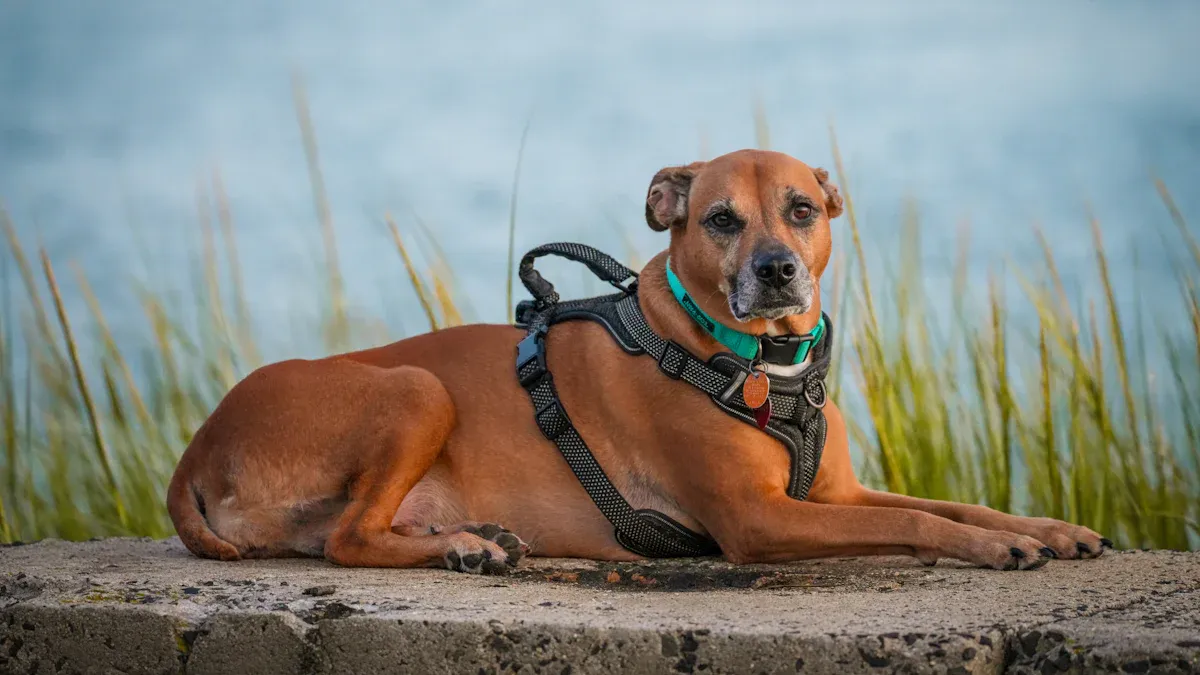
You should use a rear support sling during the first two weeks after tplo surgery. This tool helps your dog walk safely and keeps the joint stable. The sling supports your dog on slick surfaces and stairs, making each potty break calm and controlled. You can slow your dog’s pace with the sling if they pull on the leash. Choose a padded sling or an adjustable harness for comfort and control. Always check the sling for fit before each activity. If your dog starts using the surgical limb more, you can phase out the sling. Routine use of the sling helps with pain management, infection prevention, and healing. Your veterinarian may recommend a sling for longer if your dog struggles with rehabilitation.
Doubleback Strength-Rated Safety Dog Harness
K9 Sling Lift Adjustable Straps Support Harness
Padded K9 Slings with Leash for Control & Comfort
Tip: Always follow your surgeon’s discharge plan for sling use. Never let your dog walk off-leash during recovery.
Full-body harness pros and cons
A full-body harness gives your dog support after tplo surgery. This harness distributes weight evenly, reducing pressure on the joint and surgical site. You help your dog move with confidence and comfort. Built-in handles make lifting easier for you and lower your risk of injury. Adjustable straps allow a snug fit for every dog. Full-body harnesses work well for senior dogs or those with pain. You can use the harness for physical therapy and pain relief. Some harnesses may feel bulky, so monitor your dog for discomfort. Always check for rubbing or skin changes to prevent infection. Your veterinarian can help you choose the best harness for your dog’s care.
Pros | Cons |
|---|---|
Full-body support | May feel bulky |
Even weight distribution | Needs regular monitoring |
Easier lifting for owners | Can cause skin irritation |
Adjustable fit | May require follow-up checks |
Surface traction hacks
Safe surfaces help your dog recover from tplo surgery. You should use non-slip mats or rugs to prevent slips and falls. Paw traction socks or booties give extra grip on smooth floors. Orthopedic shoes or boots add support and stop sliding. Always use a sling or harness if your dog struggles with balance. Calm walks on stable ground lower pain and help healing. Monitor your dog for signs of discomfort or limping. Routine traction aids support rehabilitation and pain management. Your veterinarian may suggest new traction tools during follow-up visits. Clean surfaces often to reduce infection risk and support joint health.
Use non-slip mats or rugs for stability.
Try paw traction socks or booties for grip.
Consider orthopedic shoes or boots for support.
Use a sling or harness for balance during activity.
Note: Routine, monitoring, and physical therapy help your dog heal after tplo surgery. Always follow your surgeon’s discharge plan for every step.
TPLO recovery progression table
Week-by-week plan
You need a simple plan for your dog after tplo surgery. A week-by-week routine helps your dog heal and feel less pain. It also helps stop infection. Always follow your veterinarian’s discharge plan for your dog. The table below shows a normal tplo recovery schedule for walks, activity, and checking your dog. Use it for daily care, but your veterinarian’s advice is most important.
Week Range | Walk Duration | Trips/Day | Allowed Add-ons | Scale-Back Signs |
|---|---|---|---|---|
1–2 | 5–10 min | 3–4 | Calm leash walks only | Limping, swelling, pain |
3–4 | 10–15 min | 3–4 | Gentle physical therapy | Tiredness, joint discomfort |
5–6 | 15–20 min | 3–4 | More rehab, no stairs | Increased pain, infection signs |
7–8 | 20 min | 3–4 | Add slow inclines | Refusal to walk, swelling |
9+ | Vet approval only | 3–4 | Gradual activity | Any new pain or limping |
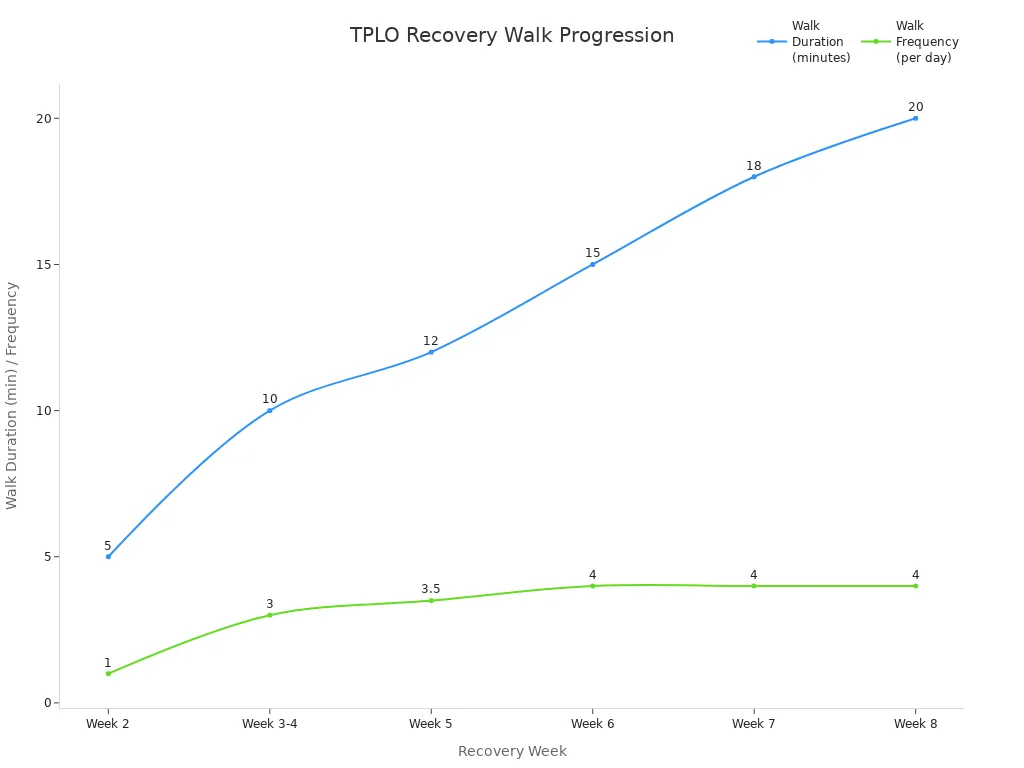
Use this table for tplo surgery recovery, but always ask your veterinarian before you change anything. This routine helps stop problems, lowers the chance of slipping or twisting, and gives you clear rules for your dog’s care.
Safe progression tips
You must watch your dog closely during tplo recovery. Good watching helps you find problems early and helps with pain. Only add more activity if your veterinarian says it is safe. Look for these signs before you let your dog do more or start physical therapy:
Your dog walks steady and uses the surgical leg well.
You do not see pain or swelling after calm walks.
Your dog puts weight on the joint without yelping or whining.
The incision looks clean, with no infection or redness.
Your dog enjoys gentle rehab and stays calm.
If you see limping, swelling, or your dog will not walk, do less and call your veterinarian. Sudden pain, heat, or infection means you need a check-up right away. Always use pain medicine, calm routines, and check your dog every day for the best healing. Physical therapy and regular care help your dog get better after tplo surgery. Your veterinarian’s plan is the most important guide for every step.
Red flags during TPLO potty breaks
Swelling, limping, incision changes
You need to watch your dog every time they go outside. Careful watching helps you find problems early and keeps healing on track. Swelling, limping, and changes at the incision are important signs. These signs can mean your dog needs more pain help, less activity, or a vet visit.
Look for these red flags during TPLO surgery recovery:
Too much swelling or redness around the joint or incision. This can mean infection or trouble with healing.
Discharge from the incision, especially if it is yellow, green, or smells bad. This often means infection.
A bad smell from the incision site. This is a sign of infection and needs quick care.
The incision opens or gaps. This can slow healing and cause pain.
Bleeding from the incision after the first day. This is not normal and needs a vet’s help.
A hard lump near the surgery spot. This could be a seroma or another problem.
Limping or lameness that does not get better with rest and pain medicine.
Heat or warmth at the incision or joint. This can mean infection or swelling.
Check your dog’s incision and joint after every potty break. Be gentle and keep your dog still while you check. If you see any of these signs, stop activity and call your vet. Quick care helps with pain and healing.
Decision table: green, yellow, red cues
You can use a simple table to know what to do during TPLO potty breaks. This table helps you decide when to keep going, when to slow down, and when to call your vet. Always follow your surgeon’s plan for every choice.
What you see | What it may mean | What to do next |
|---|---|---|
Mild, improving soreness | Normal recovery | Keep calm walks and watch your dog |
Stable gait, no new limping | Healing as expected | Keep up pain medicine and physical therapy |
Limping gets worse during or after walk | Overuse, pain, or joint stress | Do less, keep calm, call vet if not better |
Swelling or discomfort after activity | Possible swelling or infection | Watch closely, use pain help, call vet if worse |
Dog seems tired or does not want to use leg | Tiredness, pain, or joint issue | Do less, keep calm, call vet if it keeps going |
Sudden refusal to use leg | Serious problem | Stop activity, call vet right away |
Incision open, oozing, or bad smell | Infection or wound problem | Stop all walks, call vet right away |
Marked heat, severe pain, rapid swelling | Emergency | Get urgent vet care |
Note: Always use calm, slow walks and support tools during TPLO surgery recovery. Never let your dog run, jump, or go off-leash. The routine stops problems and helps with pain.
Stop and call the vet: Red cues
Call your vet right away if you see any of these red flags during TPLO potty breaks:
Limping gets much worse or your dog will not use the leg
The incision opens, bleeds, or smells bad
Fast swelling or heat at the joint or incision
Your dog keeps licking or chewing the incision
Bad pain that does not get better with pain medicine
Quick action helps your dog heal and stops big problems. Always keep your vet’s number close during recovery.
Photo tracking for your vet
Photo tracking is a smart way to help your vet watch your dog’s TPLO surgery recovery. Take a photo of the incision every day for two weeks. Use the same angle and light each time. This helps you see changes in swelling, redness, or infection. Show these photos at check-ups or if you see a problem.
Photo tracking helps you and your vet watch for problems. It also helps you feel sure about your dog’s healing. Keep a simple log with each photo. Write down any changes in pain, activity, or therapy. This routine helps with pain, infection, and joint healing.
Common setbacks during TPLO potty breaks
You can avoid most problems by following your routine and your surgeon’s plan. Here is a table of common mistakes, why they happen, safer choices, and when to call your vet:
Mistake | Why it happens | Safer alternative | When to call the vet |
|---|---|---|---|
Too much activity | Dog seems restless | Stick to calm, short walks | Limping, swelling, or pain increases |
Skipping monitoring | Busy schedule | Check incision after every walk | Redness, discharge, or infection |
No support sling | Dog looks steady | Use sling for balance | Dog stumbles or struggles |
Ignoring pain signs | Dog hides discomfort | Watch for small limps | Pain does not get better |
Missing follow-up | Forgetting appointments | Set reminders for visits | Any new or worse symptoms |
Tip: Routine, calm activity, and close watching help your dog heal after TPLO surgery. Always use pain medicine and therapy as your vet says.
You give your dog the best chance to heal by using a clear routine, watching for red flags, and following your vet’s plan. This helps with healing, pain, and safe rehab after TPLO surgery.
When to call the vet after TPLO surgery
Sudden deterioration
You need to watch your dog very closely after TPLO surgery. If you see any sudden changes, call your veterinarian right away. Sudden problems can mean something serious is wrong. These signs need fast help:
Too much swelling, redness, or heat near the incision or joint
Thick pus or a bad smell coming from the wound
Pain that does not go away or gets worse, even with rest
Fever, tiredness, or not wanting to eat
Sudden changes in how your dog acts, like not wanting to move or being extra sensitive
Acting fast helps your dog get the care and pain relief needed for healing. Always follow your surgeon’s plan and check your dog often.
Incision and licking issues
Taking care of the incision is very important after TPLO surgery. You should check the incision every time your dog goes outside and during daily checks. Signs of infection are redness, swelling, or discharge at the incision. If your dog licks the spot or seems bothered, use an E-collar or cover it as your veterinarian says. Too much licking can slow healing and make infection more likely. If your dog acts tired or does not want to move, call your veterinarian for advice. Getting help early helps with pain and joint healing.
Pain control questions
Pain control is very important for your dog after TPLO surgery. Ask your veterinarian about ways to help with pain before it starts and the best ways to manage it. You can talk about things like nerve blocks or long-lasting numbing medicine. Watch for signs of pain in the first weeks after surgery so you can change care if needed. If your dog limps or does not want to use the leg, ask your veterinarian if you should change the pain plan. Good pain control helps with therapy, rehab, and healing. Go to all follow-ups and tell your veterinarian how your dog is doing.
🐾 Tip: Keeping a calm routine, watching your dog, and calling your veterinarian quickly can stop problems and help your dog heal after TPLO surgery.
TPLO potty break FAQ
Dog won’t poop—walk longer?
You may worry if your dog does not poop after TPLO surgery. Do not walk your dog longer or add extra activity. Stick to the calm routine for recovery. Longer walks can slow healing and increase pain. If your dog has not had a bowel movement seven days after surgery, call your veterinarian. Try gentle home care, like adding canned pumpkin, for two days. If your dog still does not poop, contact your veterinarian for advice. Watch for straining or blood in the stool. These signs mean you need help for pain relief and infection prevention. Monitoring your dog’s bathroom habits helps with pain management and joint healing. Always follow your surgeon’s discharge plan for every step.
Tip: Routine and calm walks support recovery and pain management. Never increase activity without your veterinarian’s advice.
Limping more—change tomorrow?
If your dog limps more after a TPLO potty break, you should adjust the routine. Limping can mean too much activity or pain. Slipping, jumping, or chasing can make lameness worse. Lower the walk time and keep your dog calm. Use a support sling for balance and joint protection. If your dog does not put weight on the leg or seems sore, call your veterinarian. Monitoring your dog helps you spot infection or pain early. You may need to change the walk schedule for better pain relief and healing. Always use your veterinarian’s plan for physical therapy and follow-up care.
Watch for signs of pain or discomfort.
Lower activity if limping gets worse.
Call your veterinarian if your dog does not improve.
Stairs for potty breaks?
Stairs can be risky for your dog after TPLO surgery. Most dogs should avoid stairs during the first six weeks of recovery. Use non-slip flooring and a support sling if stairs are needed for bathroom trips. Keep your dog on a short leash for control and calm movement. Start with two or three steps only if your veterinarian says it is safe. Move slowly and watch your dog’s foot placement and joint use. Stop if you see pain, limping, or fatigue. Gradual stair use is part of rehabilitation and physical therapy, but only with your veterinarian’s guidance. Monitoring your dog during stairs helps prevent infection and supports healing.
Note: Never let your dog run, jump, or use stairs as exercise during recovery. Always follow your surgeon’s discharge plan for safe care.
You can help your dog get better after TPLO surgery by using a calm routine and watching your dog closely. Always keep your dog on a leash for every potty break. Use support tools to keep the joint safe and lower pain. Take short walks and follow your veterinarian’s plan each time. Tables and checklists make daily care, pain checks, and infection checks easier. Go to every follow-up visit and use physical therapy to help your dog heal and feel less pain. A clear routine stops problems and helps your dog recover safely.
Pick safe places for every walk or activity.
Look for warning signs after each walk.
Keep the incision clean and dry at all times.
Use a rear support sling if your dog needs help with balance.
Never miss a follow-up with your veterinarian.
Criteria | Green: Advance | Yellow: Hold/Regress | Red: Stop & Call the Vet |
|---|---|---|---|
Incision Appearance | Dry, calm, no redness | Mild redness, mild scab | Open, draining, hot, or smelly |
Swelling/Heat | None or mild, stable | Mild, improving slowly | Marked swelling, heat, or pain |
Weight-Bearing Trend | Using leg every step | Hesitant, partial use | Refuses to use leg |
You can find more tips in “TPLO recovery week by week” and “managing pain and swelling during CCL recovery.” Always follow your veterinarian’s advice for the best healing and pain relief.
