Safety Disclaimer: Dog braces help support dogs. They do not replace care from a veterinarian. Always talk to a veterinarian for pain. See a vet for nerve problems, wounds, or after surgery.
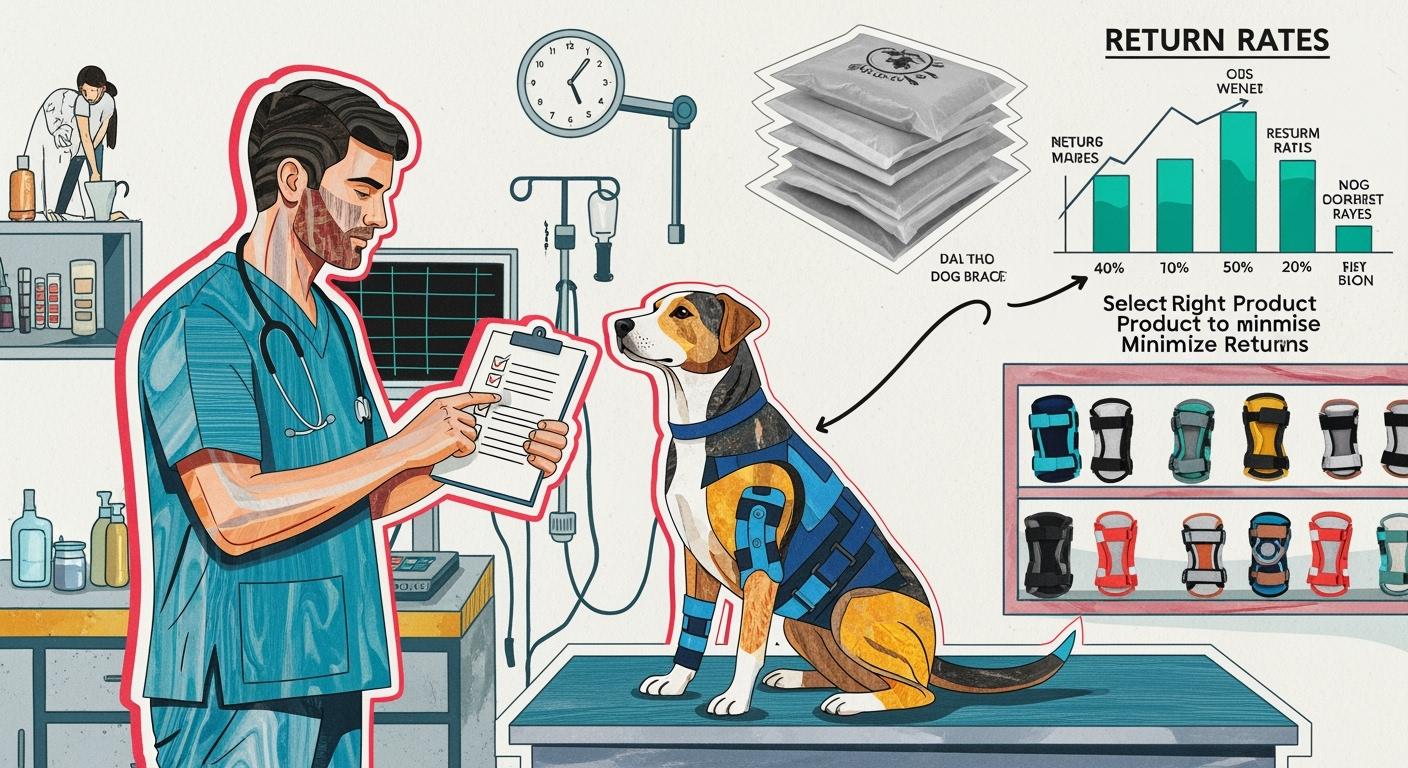
Picking the right wholesale dog braces helps your clinic do well. The right braces make dogs more comfortable. They also help stop problems. Good products protect your clinic’s reputation. They help lower the number of returns. You build trust by giving clear warranty details. Make returns easy for customers. Give great support after the sale. Fast technical help lets your team give better care. It helps you keep good relationships with clients for a long time.
Key Takeaways
Pick the best dog brace for each injury. This helps dogs feel better and lowers returns.
Give easy sizing guides and videos. These help clients pick the right brace size.
Explain warranty and return rules in simple words. This builds trust and stops confusion.
Check braces often for fit and comfort. This stops skin problems and gives good support.
Choose good suppliers with quality products. They should also give helpful resources for your clinic.
Wholesale Dog Braces: What’s Included and What’s Not
Key Types: Orthopedic Braces and Support Devices
When you buy wholesale dog braces, you need to know what kinds there are. Most sellers have special orthopedic dog braces and support devices. These help with different joints and problems. You can get braces for the knee, hock, carpal, elbow, hip, and back. Some items have sleeves for light support or after surgery care.
Here is a table with the most common types:
Type of Brace | Description |
|---|---|
Helps with CCL tears and arthritis. Custom-fit choices help older dogs move better. | |
Dog Hock Brace | Supports achilles injuries and hyperextension. Used after surgery, may cover the paw. |
Carpal Brace | Helps with carpal joint problems and fractures. Can be made with or without paw coverage. |
You will not see braces for inside organs or tools for advanced surgery in wholesale catalogs. Sellers focus on outside support products, not medical implants or medicine.
Tip: Always look at the seller’s product list for sizing guides and fitting steps. This helps you pick the right support device for each dog and lowers returns. (Check our brace sizing guide for more info.)
Safe Marketing: Support vs. Medical Treatment
You need to know the difference between orthopedic braces and medical treatment devices. Orthopedic braces and support devices help dogs move better when surgery is not possible. These products help with movement problems and let dogs get back to normal life. They do not take the place of medical treatments like surgery or medicine.
Veterinary rules say support devices are for comfort and steadiness. Medical treatment devices are for fixing or treating sickness. You should tell people braces are for support, not for cures. This keeps your clinic following the rules and keeps your good name.
Note: Always tell customers to talk to a veterinarian for pain, wounds, or nerve problems. Support devices work best with help from a professional vet.
Who Buys Wholesale Dog Braces and Why
Clinic, Retail, Rehab, Shelter, eCommerce
Many people buy wholesale dog braces. Clinics use braces for dogs after injuries or surgery. Braces help dogs walk again after joint problems. Retail stores sell braces to pet owners who want extra support. Rehab centers use braces in therapy plans for dogs. Shelters need braces for dogs with special needs. eCommerce stores sell braces online to many people.
Each group wants something different. Clinics want braces that help dogs heal and move safely. Retailers want products that sell well and have easy instructions. Rehab centers need braces that give steady support during recovery. Shelters look for braces that do not cost too much. eCommerce stores want braces that are easy to size and do not get returned a lot.
Tip: Use a clear sizing guide for braces. This helps buyers pick the right size and lowers returns.
Buyer Priorities: Fit, Comfort, Durability, Returns
You need to know what buyers care about most. Fit is the most important thing. Braces must match each dog’s size. If the fit is wrong, buyers will want to exchange them. Comfort is also very important. Dogs need braces that do not hurt or rub. Buyers like it when they can exchange unused braces.
Durability is important for clinics and stores. Braces should last through daily use and cleaning. Hygiene matters a lot, especially in clinics. Buyers want braces that stay clean and safe. Return rules are important for your business. Most sellers do not take back used braces. You need clear rules so buyers do not get confused.
Here is a table that shows what buyers care about most:
Priority | Details |
|---|---|
Fit | Buyers can exchange braces if the size is wrong. Good fit means fewer returns. |
Comfort | Unused braces can be exchanged. Comfort keeps dogs happy and safe. |
Durability | Buyers want strong, safe braces because of hygiene worries. |
Return Policies | Used braces cannot be returned. Clear rules help buyers know what to expect. |
You can lower returns by giving buyers easy sizing guides and support. This helps clinics and stores pick the right brace for every dog.
Choosing Orthopedic Braces for Your Inventory
High-Demand Categories for Clinics and Stores
You should know which braces are most wanted. Clinics and stores sell some types more than others. These braces help many dogs and make clients happy.
Adjustable hinged hock braces are very popular. They work for many breeds and problems. These braces are flexible and a good buy for your clinic.
Fixed hinged hock braces are also liked by many. They give strong support but do not change size as much.
Custom hinged hock braces are special. You use them for dogs with different injuries or body shapes.
Braces for knees, elbows, and backs are also needed. Many clinics keep double knee brace for dogs to help with CCL injuries. You should also have back brace for ivdd dogs in your stock. These braces help dogs with spine problems move safely.
Note: Having many types of braces helps you help more dogs. You can lower returns by picking the right brace for each dog. For sizing help, check our brace sizing guide.
Adjustable vs. Custom-Fit Braces
You must choose between adjustable and custom braces. Each kind has good and bad points. Knowing these helps you pick the best one for your clinic.
Type of Brace | Advantages | Disadvantages |
|---|---|---|
Custom-fit | Fits well, gives better support and comfort | Costs more, takes longer to fit |
Adjustable | Changes size, easy to get fast | May not support as well |
Custom braces fit the dog very well. They stop slipping and help dogs stay steady. This is good for dogs that need strong support. Custom braces also help stop sores and pain. These braces cost more and take longer to get, but they work best for hard cases.
Adjustable braces are faster to get and cost less. You can use them for many dogs of different sizes. They are good for clinics that need quick answers. But, they may not support as well as custom braces. Some dogs may not get enough squeeze or the right shape from adjustable braces.
You should always look at what each dog needs. Think about the dog’s body, the injury, and how much support is needed. Double knee brace for dogs is used a lot for CCL injuries. Back brace for ivdd dogs is needed for spine problems. Custom braces are best for dogs with odd shapes or bad injuries.
Tip: Ask a veterinarian or brace expert to help you pick. This lowers returns and helps dogs get better. For more on stopping fit problems, see our pressure sore prevention guide.
Clinics have problems when picking wholesale dog braces. You must think about breed, injury, and how the brace fits. Custom braces can help with these problems, but adjustable ones are faster and easier. Having both types lets you help more dogs.
For more on cleaning and fitting, see our post-op mobility support and harness chafing prevention resources.
Supplier Vetting for Wholesale Dog Braces
Picking the right supplier for wholesale dog braces is important. It helps your clinic give safe and helpful orthotic solutions to dogs. You need to check each supplier before you buy their products. This keeps your clinic’s good name safe and helps stop returns.
Quality, Safety, Reliability Checklist
You want to choose suppliers who have high standards. They should care about quality, safety, and being reliable. Use a checklist to look at each supplier and make smart choices.
Supplier Scorecard
Product materials: Medical-grade, hypoallergenic, and strong.
Orthotic design: Tested for comfort and support for all sizes of dogs.
Custom fabrication: Offers both adjustable and custom orthotics.
Quality assurance: Has certificates, batch tests, and clear QA signs.
Documentation: Gives detailed product specs and safety info.
Sizing guides: Has clear charts and instructions for measuring.
Fitting videos: Shows step-by-step guides for clinics and staff.
Cleaning instructions: Gives easy steps for keeping things clean.
Return policy: Has simple and clear rules for returns.
Support: Gives fast technical help and warranty coverage.
Custom orthotics: Can make braces for special cases.
Delivery: Ships on time and gives tracking options.
Tip: You can put this scorecard in a spreadsheet. This helps you compare suppliers side by side.
You should ask for product samples before you buy a lot. Samples let you check the materials and see how the orthotic devices fit. You can test custom fabrication and see if the braces work for your clinic.
Sizing Guides, Fitting Videos, Cleaning Instructions
Suppliers who give clear sizing guides, fitting videos, and cleaning steps help you lower returns. They also make customers happier. Good sizing info helps you match braces to each dog’s size. This means fewer mistakes and more comfort for dogs.
Here is a table that shows how supplier resources help your clinic:
Resource Type | Benefit for Clinic and Customers |
|---|---|
Sizing Guides | Clear charts help you pick the right size and lower returns. |
Fitting Videos | Step-by-step videos make fitting easier for staff and clients. |
Cleaning Instructions | Easy steps keep braces clean and safe for dogs. |
Suppliers who show the height and weight of models in their sizing guides make things easier. You can see how the sizes fit real dogs. Smart fit tools use data to suggest the best size. This helps lower returns and gives better support.
Good sizing charts and fit guides help you choose well.
Clear sizing rules build trust and lower returns.
Fitting videos teach your team and make fitting easier.
Cleaning steps keep orthotic devices safe and last longer.
Note: For more on sizing and fit, see our brace sizing guide. For cleaning tips, visit our post-op mobility support resource.
You should always look at supplier support before you buy. Good guides and training help your clinic use braces safely. They also keep dogs comfortable. Good suppliers make it easy to give quality care and lower the chance of returns.
Sizing Systems to Reduce Returns
Measurement Workflow and Fit Checks
Getting the right size is very important. It helps your clinic have fewer returns. It also helps dogs feel better. You should always measure each dog while it is standing. This is because muscles and joints look different when a dog sits or lies down. Write down the size for both left and right legs. Even small changes can make the brace fit wrong.
A clear plan helps your team not make mistakes. Never guess or round up numbers. Use a soft tape to measure, not a hard ruler. Always check your measurements again before you order.
Step | What to Check |
|---|---|
Strap check | One finger fits under each strap; no pinching |
Skin check | No redness, sores, or hair loss after removal |
Movement check | Dog walks without tripping or toe drag |
Comfort check | No signs of pain, limping, or chewing at brace |
Re-check later | Inspect skin and movement after 30–60 minutes |
You should clean braces every time you use them. Follow the cleaning steps from the supplier to keep things clean. Stop using the brace if you see swelling or sores. Also stop if the dog acts like it hurts. For more help, see our brace sizing guide and pressure sore prevention resources.
Preventing Common Fit Failures
Most problems happen in the first few weeks. The biggest problems are skin irritation, brace breaking, and slipping. You can stop these problems by doing a few smart things:
Use a custom cast or 3D scan to fit the brace if you can.
Let the dog wear the brace for a short time at first.
Check often for red skin, swelling, or slipping.
Make the brace part of a full rehab plan with exercise and weight checks.
Checking on the dog often and giving clear steps to your staff helps lower returns. It also helps dogs get better support. For more tips, see our harness chafing prevention and post-op mobility support pages.
After-Sales Support and Customer Guidance
Warranty, Replacement, Support Scripts
You need to have clear warranty and replacement rules for every product. Top wholesale suppliers have different rules for custom and off-the-shelf braces. The table below shows what is normal:
Product Type | Warranty Duration | Return Policy Details |
|---|---|---|
Custom Braces & Prosthetics | 1 year | Non-refundable after 3 months; refundable within 3 months if not fabricated, with restocking fees. |
Off the Shelf Bracing & Products | 4 months | Returnable within 15 days if unused and unopened, with a $15 restocking fee. |
You should keep these rules easy for your team and clients to find. Use support scripts to help talk about warranty and returns. For example, you can say, “Unused braces can be sent back in 15 days. Custom braces have a one-year warranty, but returns depend on if they are made yet.” This helps everyone know what to expect and stops confusion.
Tip: Put a link to your return policy on every product page and order email.
Advising Safe Use and Vet Consultation
Your clinic must give simple steps for safe use. You help dogs heal and stop problems when you share these tips:
Measure carefully with the sizing guide for each breed and leg.
Let the dog wear the brace for short times at first.
Check the skin and blood flow after every use. Watch for red spots or swelling.
Use the brace with rehab and gentle exercise.
Check the fit again after a few days. Straps can get loose when the dog moves.
You should always tell clients to talk to a veterinarian if the dog has pain, new sores, or will not use the leg. Ask your vet how long the dog should wear the brace. Suggest seeing a vet for custom orthosis or prosthesis choices.
Note: Add a product page kit with words like “For best results, call your vet if you see pain, swelling, or changes in movement.” For more sizing help, add a link to your brace sizing guide.
Pricing and Logistics: Custom Dog Knee Brace Price and Terms
Price Ranges for Custom and Off-the-Shelf Braces
When you get braces for your clinic, you need to know the custom dog knee brace price. You should also see how it compares to off-the-shelf braces. Custom dog knee brace price is much higher than regular braces. Custom braces are made for dogs with special needs or tough injuries. Off-the-shelf braces fit many dogs and cost less money.
Here is a table that shows the usual prices for each type:
Type of Brace | Price Range |
|---|---|
Custom Dog Knee Braces | £700 – £1,200 |
Off-the-Shelf Braces | £40 – £235 |
You can see that custom dog knee brace price is a big cost. Clinics pick custom braces for dogs who need extra help. The custom dog knee brace price is high because it takes more work and better materials. Off-the-shelf braces let you help more dogs fast and for less money.
Tip: Check what your patients need before you buy. For sizing help, look at our brace sizing guide.
Packaging, Barcodes, Returns, Hygiene Rules
You need to look at packaging and barcode info before you order. Good packaging keeps braces safe and clean when they ship. Barcodes help you keep track of braces and sales. Always ask if the custom dog knee brace price includes packaging and labels.
Return rules are important for your clinic’s money. Most sellers only take back braces that are new and not opened. Hygiene rules are strict. Used braces cannot be returned because of health reasons. Make sure your team knows the return and hygiene rules. This stops mistakes and saves money.
Keep braces in a clean, dry place.
Use barcodes to track braces.
Go over hygiene rules with your staff.
Note: For more about returns, see our return policy page.
Compliance and Risk Management for Orthopedic Braces
Safe Claims, Disclaimers, Veterinary Care Guidance
Your clinic should give safe and trusted orthotic products. Always use simple words when talking about orthopedic braces. Tell your team and clients that these devices give support and help joints stay steady. They do not fix sickness or take the place of surgery. You need to put disclaimers on every product page and in training. These notes remind buyers that only a veterinarian can find out what is wrong or treat a dog’s health problem.
Note: Put a clear message on each product page. For example, “Orthotic devices give support and help joints. They do not replace care from a veterinarian. Always ask a vet for help with diagnosis and after surgery.” For more fitting tips, see our brace sizing guide.
You can lower risk by telling clients when to see a vet. Ask them to watch for pain, swelling, or if their dog moves differently. Tell them to visit a vet if the dog does not get better. This helps build trust and keeps your clinic following the rules.
Avoiding “Miracle Cure” Positioning
Never call orthotic products “miracle cures.” These words can make people think braces work like magic. If braces do not work fast, people may stop trusting your clinic. They might also forget to ask a vet for help.
Saying braces are miracle cures can make people upset.
Big promises can make people skip real vet advice.
Honest ads help people know what to expect.
Most top companies do not say their braces cure injuries or replace surgery. They talk about how braces help support dogs after surgery. You should do the same to keep your clinic’s good name and lower returns.
Tip: Check your ads and what your staff says. Only promise what orthotic devices can really do. For more on safe claims, see our pressure sore prevention and return policy pages.
You make your clinic do well when you pick wholesale dog braces carefully. Dogs get better help when you use easy sizing guides and give good support after the sale. Always check if the supplier has good quality and ask for samples before buying a lot. Keep your clinic’s stock fresh and look at supplier papers often. For the best results, ask for training tools and fitting guides. You can find more tips in our brace sizing guide.
Ask for product samples and training before you buy many braces
Check supplier papers and sizing guides often
FAQ
What types of dog braces should you stock for clinics?
You should have knee, hock, carpal, elbow, and back braces. Adjustable and custom-fit choices help many dogs. Look at our brace sizing guide for more information.
How do you reduce returns on wholesale dog braces?
You can lower returns by using clear sizing charts and fitting videos. Train your staff well. Always measure dogs when they are standing. For more tips, visit our return policy page.
What is the typical warranty for custom and off-the-shelf braces?
Custom braces usually have a one-year warranty. Off-the-shelf braces often have a four-month warranty. Check the supplier’s paperwork for the exact rules.
How do you ensure proper hygiene with dog braces in a clinic?
Keep braces in a clean and dry place. Clean each brace after every use. Follow the supplier’s cleaning steps. Never use returned braces again. See our pressure sore prevention guide for more advice.
When should you advise clients to consult a veterinarian?
Tell clients to talk to a veterinarian if a dog has pain, swelling, or moves differently. Always suggest a vet check before and during brace use.