
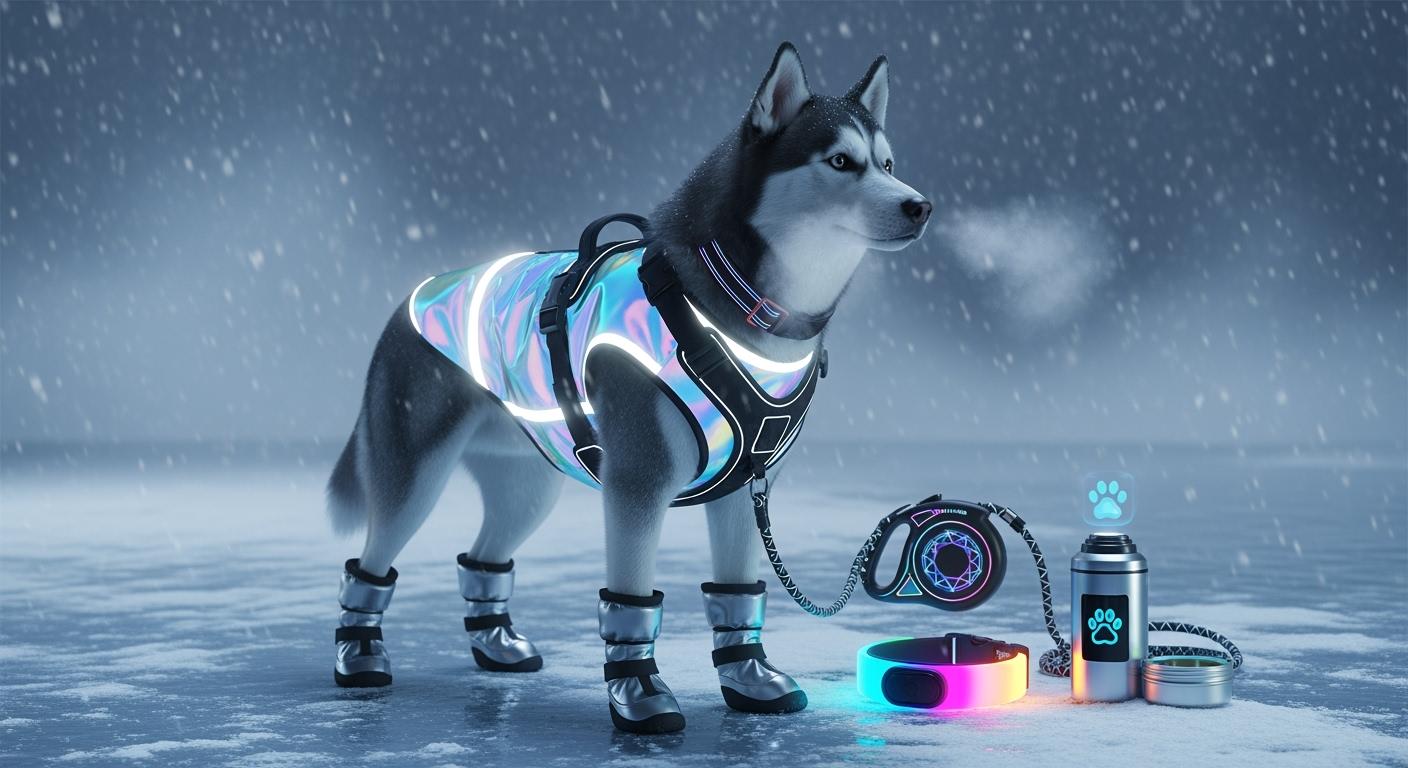
When you get ready for winter pet safety, think about gear that keeps your dog safe from cold, ice, and when it is hard to see. Important winter dog safety gear includes warm coats, booties for paws, and things that help your dog stand out. Good gear covers your dog’s body and lets them move easily. Fashion gear often uses thin materials that do not protect well. GaitGuard’s reflective stitching on braces helps make your dog easier to see at night and adds gentle support around the joints. When you choose well-made, functional gear, you help keep your pet safer and lower the risk of cold-related injuries.
Key Takeaways
Pick insulated coats and jackets to keep your dog warm. These help stop frostbite and hypothermia on winter walks.
Put dog booties on your dog’s paws to keep them safe. Booties protect from ice, salt, and chemicals. This stops injuries and keeps your dog comfortable.
When it is hard to see, use reflective gear and LED collars. These make your dog easier to spot and help prevent accidents.
Check your dog often for cold injuries like frostbite. Make sure your dog always wears the right winter gear.
Put all important winter gear together in kits for easy use. Include booties, braces, and visibility lights for full protection.
Winter Dog Safety Gear Overview
Winter can be dangerous for dogs. You need to pick gear that keeps your dog safe from cold, ice, and when it is hard to see. The right gear helps your dog stay warm and safe on walks. Here are the main types of gear and how they help your dog.
Category | Specific Risks Addressed |
|---|---|
Dog Jackets and Sweaters | Frostbite, hypothermia |
Dog Booties | Frostbite, injuries from deicers or sidewalk salt |
Paw Wax | Ice and snow clumping between toes and pads |
Dog Coats and Jackets
Dog coats and jackets keep your dog warm in winter. Pick ones made with waterproof or water-resistant material so your dog stays dry. Research shows jackets help dogs keep their body heat, especially on their back and belly.
Thermal cameras show dogs lose less heat with jackets. This helps stop frostbite and hypothermia during winter walks.
Small dogs get cold faster because of their size.
Dogs with short hair or from warm places need more warmth.
If your dog shivers or hides, put on a coat or sweater.
GaitGuard makes medical-grade, adjustable sleeves and braces. These fit under jackets and give extra warmth to joints. GaitGuard braces have reflective stitching to help your dog be seen at night.
Dog Booties and Paw Protection
Dog booties protect paws from ice, salt, and chemicals. Booties block cold ground and harmful stuff. They help small dogs, old dogs, and dogs with sensitive paws. Booties also stop ice and salt from getting between toes.
Vets say booties help prevent injuries and sore paws. Make sure booties fit well and stay on during walks. GaitGuard’s booties and braces use medical-grade materials for comfort and safety.
Visibility Gear for Low Light
It is often hard to see in winter. You need gear that makes your dog easy to spot. The best types are:
Luminous vests
Reflective dog collars
Bright leashes and shoes
Dog safety lights
GaitGuard braces have reflective stitching. This helps your dog stand out at night and keeps them safer.
Winter Gear Options for All Needs
Dogs need different gear based on their breed and coat. Some dogs need more protection than others. Use this table to find the best winter gear for your dog:
Dog Breed | Coat Type | Winter Gear Recommendation |
|---|---|---|
Beagle | Short-haired | Sweater/Coat |
Pug | Short-haired | Sweater/Coat |
Chihuahua | Short-haired | Sweater/Coat |
Siberian Husky | Thick, insulating | Minimal gear needed |
Alaskan Malamute | Thick, insulating | Minimal gear needed |
Great Dane | Short-haired | Sweater/Coat |
Saluki | Short-haired | Sweater/Coat |
German Shorthaired Pointer | Short-haired | Sweater/Coat |
Newfoundland | Dense coat | Minimal gear needed |
Italian Greyhound | Sparse coat | Sweater required |
Boxer | Sparse coat | Sweater required |
Pick gear that fits your dog’s size and coat. GaitGuard’s adjustable products fit all sizes and give extra joint support.
Layering Guide
Layering helps your dog stay warm and safe. Start with a base layer like a joint brace or sleeve. This keeps sore joints warm. Add a waterproof coat or jacket on top to block wind and water. GaitGuard braces work well as a base layer and help your dog be seen with reflective stitching.
Winter Hazard Checklist
Check these things before every winter walk:
Look for frostbite (pale or red skin, cold ears and paws)
Stay away from places with antifreeze spills
Watch out for sidewalk salt and deicers
Make sure your dog wears the right winter gear
Use visible gear for night walks
You can keep your dog safe and happy by picking the right gear and following these tips. GaitGuard’s medical-grade, adjustable products help protect your dog and make them easier to see on every winter walk.
Cold Weather Protection
Winter is cold and can make your dog feel bad. Cold weather can hurt your dog’s health. You need gear to stop hypothermia and frostbite. Cold air makes joints stiff and sore. Older dogs and dogs with arthritis feel this more. When it gets cold, joint fluid gets thick. This makes moving harder and hurts more. Dogs move less in winter. Muscles get weak and dogs can gain weight. This puts more stress on joints. Some dogs feel more pain in winter, like people with arthritis.
Insulated Dog Coats and Jackets
Insulated coats and jackets keep dogs safe from cold. They help stop hypothermia and frostbite. Pick coats with thick insulation for very cold days. Small dogs, short-haired dogs, and older pets need extra warmth. Make sure the coat fits well. A good fit keeps your dog warm and lets them move. If the coat is too loose, it can trap water and make your dog cold. Dogs with thin fur and little fat, like Chihuahuas and Italian Greyhounds, need thermal clothes. This helps them avoid hypothermia and frostbite. Use lighter coats when it is not so cold.
Insulated coats are best for small, short-haired, or old dogs.
Thick insulation is needed for very cold days.
A good fit helps your dog stay comfy and move well.
Thermal clothes stop hypothermia and frostbite in thin-furred dogs.
Neoprene Thermal Braces
Neoprene thermal braces keep your dog’s joints warm. You can put these braces under a coat or jacket for extra protection. Neoprene braces are especially helpful for keeping sore joints warm on winter walks. GaitGuard’s sleeves use medical-grade neoprene to support dogs with joint pain and stiffness. All GaitGuard braces include reflective stitching, which makes your dog easier to see at night and adds an extra layer of safety.
Tip: Put a neoprene brace under your dog’s coat. This gives joints more warmth and keeps your dog safe in cold weather.
Arthritis Support Gear
Vets say to use special gear for dogs with arthritis in winter. You can use slings, harnesses, wraps, and non-slip aids to help your dog walk. Heated or orthopedic beds keep your dog warm and help joints feel better. Gentle walks help keep joints flexible. Joint supplements like glucosamine and omega-3s help joints stay healthy. GaitGuard’s braces and lifting straps are designed to provide extra support and comfort for dogs with arthritis, especially in cold weather.
Note: Always check your dog for frostbite or hypothermia after winter walks. Use cold weather gear to keep your dog safe and comfy.
Ice and Paw Safety
Winter brings many dangers for your dog’s paws. Ice, road salt, and chemicals can cause painful injuries. You need to protect your dog’s feet from these hazards to keep them safe and comfortable.
Dog Booties for Ice and Salt
Dog booties shield your dog’s paws from ice and toxic road salt. Salt burn is a serious problem in winter. Road salt can irritate your dog’s skin and cause chemical burns. If your dog licks their paws after a walk, they might swallow harmful chemicals. You may notice limping, redness, or swelling. Sometimes, dogs refuse to walk or show pain after being outside. Dog booties create a barrier that keeps salt and chemicals away from sensitive paw pads. Studies show that dog booties protect against snow, ice, and road salt, and help prevent injuries.
Dog booties are not just for warmth. They also block chemicals and sharp objects hidden under snow.
Rubber-Sole Booties
Rubber-sole booties give your dog extra traction on icy sidewalks. The anti-slip soles help prevent slips and falls. Rubber soles also keep moisture out and insulate paws from cold ground. This means your dog stays dry and warm, even when walking on ice. Rubber-sole booties offer better grip than regular boots, making winter walks safer.
Advantage | Explanation |
|---|---|
Superior slip-resistance | Rubber soles provide excellent grip on icy surfaces due to their high coefficient of friction. |
Waterproof properties | Rubber creates a watertight barrier, preventing moisture from entering the boot. |
Insulation from cold ground | Rubber acts as a poor conductor of heat, helping to keep feet warm by slowing heat loss. |
Paw Care Tips
You can keep your dog’s paws healthy with simple routines. Use paw balm or wax to moisturize and protect against dryness. Trim the fur between your dog’s toes to stop ice balls from forming. Clean your dog’s paws after every walk to remove salt and chemicals. Choose pet-safe de-icing products for your yard. Always check for cracks, redness, or swelling. If you see any problems, treat them right away.
Use paw protection like balm or wax.
Trim toe fur to prevent ice buildup.
Clean paw pads after walks.
Offer winter boots for added safety.
Buy pet-safe de-icers.
Pay special attention to your dog’s paws during winter. GaitGuard’s reflective stitching on braces adds safety for night walks and helps you spot your dog in low light.
Winter Hazard Checklist:
Watch for frostbite (pale, cold skin)
Avoid antifreeze spills
Check for salt burns or chemical irritation
Use booties and safety gear for every walk
Your dog depends on you for protection. With the right booties and paw care, you can keep them safe from cold, ice, and salt all winter long.
Visibility in Winter
Winter days are short and nights are long. You must help your dog stay visible on walks. When it is dark, accidents can happen more easily. Cars and bikes may not see your dog in fog or at night. Visibility gear helps your dog stand out and stay safe.
Reflective Harnesses
Reflective harnesses use materials that shine when light hits them. Car headlights or streetlights make these harnesses glow. Drivers and walkers can see your dog from far away. A bright harness helps stop accidents. Many reflective harnesses work in rain or snow. They stay bright even when the weather is bad. GaitGuard’s braces have shiny strips for extra safety. You can use these braces with any harness to help your dog stand out.
Reflective materials glow in the dark.
Harnesses with shiny strips work in any weather.
Making your dog visible helps prevent accidents.
LED Collars and Safety Lights
LED collars and safety lights help your dog stand out at night. LED collars glow without needing outside light. You can see your dog from far away. These collars are best for walks at night. If your dog runs off, you can find them quickly. LED collars help stop accidents in dark places. Always take off the collar after walks so your dog does not chew it.
LED collars glow at night.
You can find your dog in the dark.
Safety lights help keep your dog safe.
High-Vis Accessories
Pet safety experts say to use high-visibility gear for winter walks. You can use padded harnesses with shiny trim for comfort and safety. Bright jackets with bold colors and shiny panels keep your dog warm and easy to see. Safety lights that are waterproof and last long work well in snow and rain. Reflective dog jackets give warmth and help your dog stand out in cold weather.
Padded harnesses with shiny trim
Jackets with bright colors and shiny panels
Waterproof safety lights that last a long time
Reflective dog jackets for warmth and safety
You keep your dog safe by picking the right gear. GaitGuard’s bright straps and shiny stitching give extra protection on winter walks.
GaitGuard Product Highlights
Insulated Recovery Sleeves
You want your dog to feel warm on winter walks. GaitGuard’s insulated recovery sleeves use medical-grade neoprene to keep joints warm. These sleeves fit under any coat or jacket. They help dogs with arthritis or joint pain move better in the cold. Every sleeve has reflective stitching, so your dog is easier to see at night. This product gives both warmth and safety. The adjustable design fits dogs of all sizes, from puppies to seniors.
Tip: Put a recovery sleeve under your dog’s coat for extra joint warmth and better visibility.
Anti-Lick Braces
Dogs sometimes lick or bite their injuries, which can slow healing. GaitGuard’s anti-lick braces help stop this. You help your dog heal faster and avoid infections. These braces use soft, medical-grade materials for comfort. Adjustable straps make it easy to fit the brace on your dog’s leg or paw. Reflective stitching helps your dog be seen at night. You protect your dog’s skin and keep them visible in low light.
Feature | Benefit |
|---|---|
Anti-lick design | Stops licking and biting |
Medical-grade material | Feels comfortable and helps heal |
Reflective stitching | Makes your dog easier to see |
Auxiliary Lifting Straps
If your dog has trouble walking, GaitGuard’s auxiliary lifting straps help you support them. These straps make it easier to help your dog get in and out of cars or go up stairs. You lower the risk of slipping on icy sidewalks. Dogs with trouble moving feel safer and more comfortable. You can use these straps for daily walks or rehab. The adjustable design fits most dogs and supports all major joints.
You help your dog walk on slippery ground.
You help your dog with stairs and cars.
You make winter walks safer for dogs with injuries or disabilities.
GaitGuard offers OEM and ODM services for stores, clinics, and pet brands. You can stock high-quality, customizable products for your customers’ needs.
Bundling Winter Walking Kits
Bundling winter walking kits helps keep dogs safe in winter. You can make a kit that covers cold, ice, and low visibility. When you put boots, braces, and lights together, it is easy for pet owners to get full protection. Stores can use these kits to show how each item works as a team.
Boots, Braces, and Lights
A good winter kit has three main things:
Dog Booties: These keep paws safe from ice, salt, and sharp things. Rubber soles help dogs not slip on icy ground.
Neoprene Braces: Neoprene braces are very effective at keeping sore joints warm. GaitGuard’s braces use medical-grade neoprene and have reflective stitching for safer night walks.
Visibility Lights: LED collars and safety lights help dogs stand out in the dark. Reflective harnesses and jackets make dogs even easier to see.
Tip: Put a Winter Hazard Checklist in your kit. Remind pet owners to look for frostbite, stay away from antifreeze, and check for salt burns.
You can also make a “Winter Senior Dog Display.” Put joint supplements, thermal braces, and non-slip boots together. This helps older dogs stay safe and comfy on winter walks.
Kit Item | Purpose |
|---|---|
Booties | Paw protection, traction |
Neoprene Braces | Joint warmth, night safety |
LED Collar/Light | Visibility in low light |
Joint Supplements | Support for senior dogs |
Retailer Stocking Tips
You want to pick products that sell fast and help customers. Look at reviews and sales to see what sells best in winter. Do not stock items that do not sell well. Put bundled kits near the front of the store or in busy spots. Use clear signs to show why each item is good.
Group items by what they do, not just by brand.
Make displays for older dogs with thermal braces, joint supplements, and non-slip boots.
Show off GaitGuard’s shiny stitching as a safety feature for night walks.
Sell bundled kits at a special price to help customers get full protection.
Note: When you stock useful gear, you help pet owners keep dogs safe from cold, ice, and low visibility. Bundled kits make shopping simple and help every dog stay safe.
Practical Winter Walk Tips
Preparing for Cold Weather
Make sure your dog is safe and comfy before going outside. Pick the right gear for winter walks. Put a warm coat or sweater on your dog. Use boots that fit well to protect paws from the cold. Add reflective gear or an LED collar so cars and bikes can see your dog. Always keep your dog on a leash for safety. Watch how your dog acts during the walk. If your dog shivers or does not want to walk, go home early. Check your dog’s paws for any cold injuries after each walk. Clean and dry your dog’s paws, belly, and legs to stop skin problems. If it is too cold or stormy, skip the walk and play inside instead.
Step | Description |
|---|---|
Choosing the Right Gear | Use coats, sweaters, and boots for protection. |
Visibility and Safety | Add reflective gear or LED collars; keep your dog leashed. |
Monitoring Body Language | Watch for discomfort; shorten walks if needed. |
Regular Paw Checks | Inspect and clean paws after walks. |
Post-Walk Care | Dry paws, belly, and legs to prevent skin issues. |
Indoor Activities | Play inside during unsafe weather. |
Emergency Essentials
Be ready for emergencies by packing a winter dog kit. Bring a dog coat to keep your pet warm. Use a harness for safer walks. Take a long leash so your dog can move but stay safe. Pack a scarf or bandana, which can help in an emergency. Carry a first aid kit and blankets for extra warmth. Keep your vet’s phone number with you. Bring ID papers, recent photos, and proof you own your dog. Pack enough food and water for a few days. Include bandages, wipes, and any medicine your dog needs. Use a strong leash, a favorite toy, and a travel carrier for comfort and safety.
Dog coat
Harness
Longline
Scarf or bandana
First aid kit
Blankets
Emergency vet numbers
Identification and documents
Food and water
Medical supplies
Sturdy leash and travel carrier
Monitoring Dog Comfort
Watch your dog closely during winter walks. Walk when it is warmest outside. Use a jacket for dogs with short hair. Wipe your dog’s paws with a wet cloth after walks to get rid of salt and ice. Keep walks short when it is very cold. Walk on snow-covered grass instead of icy sidewalks. Dress your dog in coats and booties, especially if they are small or have thin fur. Paw balm or booties protect paws from salt and sharp things. Give extra warmth to old dogs or those with arthritis. Do not let your dog play outside too long when it is freezing.
Hypothermia can happen if your dog’s body gets too cold. Watch for shivering, moving slowly, tiredness, and pale gums. Frostbite can hurt paws, tails, and ears if your dog is outside too long.
Winter Hazard Checklist
Look for frostbite (pale, cold skin)
Avoid antifreeze spills
Check for salt burns or chemical irritation
Use reflective gear for night walks
GaitGuard’s reflective stitching on braces helps your dog stay more visible and safer on winter walks. Neoprene braces are a great way to keep sore joints warm and protected.
You keep your dog safe by choosing functional gear for winter walks. Cold weather can cause frostbite and hypothermia, especially in small or short-haired dogs. Senior dogs and puppies need extra protection. Bright coats and reflective stitching help your dog stand out in low light. GaitGuard’s Neoprene Braces keep arthritic joints warm and visible at night. Use this checklist for every walk:
Paw balm or boots
Proper harness
Treat pouch
Boot grips
Lights and high visibility
Coats and winter attire
Pet spa appointments
Towels
First aid kit
Stay prepared and choose quality gear to make every walk safe and comfortable.
FAQ
What gear keeps my dog safe from cold weather?
You need a warm coat to protect your dog’s body from the cold. Neoprene braces are especially helpful for keeping arthritic joints warm. GaitGuard’s insulated sleeves add extra warmth and comfort around sore joints. Always choose gear that fits well and covers sensitive areas.
How do I protect my dog’s paws from ice and salt?
Dog booties with rubber soles shield paws from ice, salt, and sharp objects. Clean your dog’s paws after every walk. Use paw balm for extra protection. Check for redness or cracks. GaitGuard’s booties offer comfort and safety.
Why is visibility gear important for winter walks?
Low light makes it hard for drivers to see your dog. Reflective harnesses, LED collars, and GaitGuard’s reflective stitching help your dog stand out. You lower the risk of accidents when your dog wears high-visibility gear.
What should I check before every winter walk?
Use this Winter Hazard Checklist:
Look for frostbite signs
Avoid antifreeze spills
Check for salt burns
Use visible gear for night walks
Can I use fashion gear instead of safety gear?
Fashion gear often uses thin materials and does not protect well against cold, ice, or low visibility. You should choose functional gear like insulated coats, neoprene braces, and reflective accessories for real protection and safer winter walks.
