

When you select a dog carpal brace for hyperextension or arthritis, you need to focus on clinical assessment, precise fit, and proven support. Look for reinforced metal stays, breathable neoprene, and double-stitched Velcro to ensure durability and comfort.
Reliable suppliers like GaitGuard deliver consistent quality and a full range of sizes, making your clinic or retail operation more efficient. Prioritize both the dog’s recovery and your business value when choosing a trusted brand.
Key Takeaways
Clinical Standard: Choose a brace with reinforced metal stays and breathable neoprene for optimal support.
Fit Matters: Accurate measurement of the dog’s leg is crucial for reducing returns and improving outcomes.
Inventory Strategy: Stocking a full range of sizes (S-XL) allows clinics to treat patients immediately, boosting efficiency.
Supplier Choice: Partner with reliable factories like GaitGuard for OEM options and stable supply chains.
Clinical Indications for Dog Carpal Brace
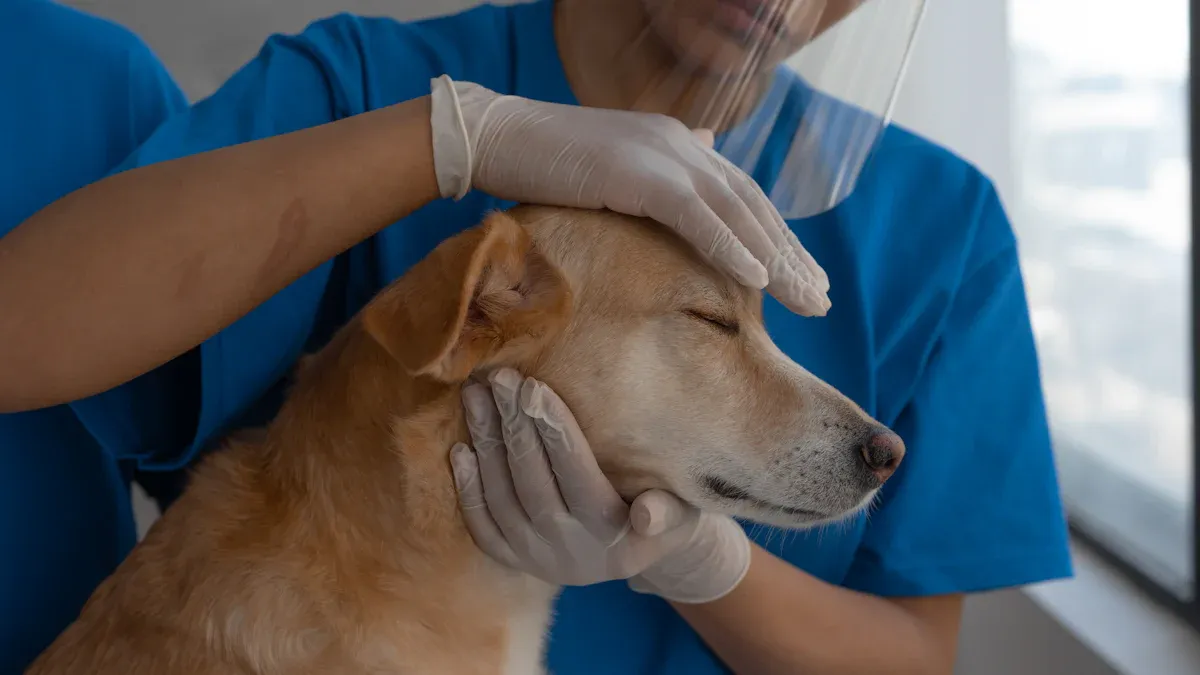
Carpal Hyperextension and Arthritis
You often see carpal hyperextension in dogs with ligament laxity or tendon injuries. This condition causes the radio-carpal joint to collapse, leading to pain and instability.
A dog carpal brace helps stabilize the joint, reduces discomfort, and improves mobility. It is essential for:
Mild to Moderate Hyperextension (Compensatory or tendon condition)
Osteoarthritis in the carpal joint
Post-Surgical Protection (during the 6-8 week recovery phase)
Support for Obese Dogs placing extra strain on limbs
Ligament Injuries and Non-Surgical Options
You may encounter mild to moderate ligament sprains, especially Grades 1 and 2, in your practice. These injuries respond well to non-surgical management. You can prescribe an orthosis, such as a dog carpal brace, to provide external support. Specialized wraps, orthotics, splints, or casts help stabilize the joint for six to eight weeks. Rehabilitation therapy often accompanies bracing to restore function and prevent further injury. You avoid surgery when the injury is not severe, and you want to minimize recovery time.
When to Choose Orthotic Devices for Dogs
You choose orthotic devices for dogs in several scenarios:
Surgery Alternative: When anesthesia is risky for elderly dogs or those with heart conditions.
Interim Support: To prevent disuse atrophy while waiting for surgery.
Conservative Management: For Grade 1 and 2 sprains that heal with rest and stabilization.
Dog Carpal Brace Mechanics and Features
Stabilizing Metal Splints and Stays
You want a brace that delivers reliable joint support. Reinforced metal splints are the backbone of any effective carpal brace.
Function: They act as an exoskeleton, preventing the wrist from collapsing under the dog’s weight.
Customization: Malleable aluminum splints can be contoured to fit the specific angle of the dog’s leg.
Medical-Grade Neoprene and Comfort
Comfort and skin health matter for long-term wear.
Breathability: Perforated neoprene allows air circulation, preventing “hot spots” and skin infections.
Durability: Closed-cell foam resists moisture and bacteria, making it ideal for active dogs.
Adjustable Velcro Straps and Fit
Proper fit is essential. Double-stitched Velcro straps allow you to adjust the compression levels throughout the day, accommodating changes in swelling.
💡 Retailer Tip:
Instruct owners to check the fit daily. The brace should be snug like a hiking boot—tight enough to support, but loose enough to allow blood flow.
Custom Bracing vs. Standard Solutions
Rigid Splints vs. Soft Wraps
You face a choice between rigid splints and soft wraps.
Feature | Soft Wraps | Rigid Splints (GaitGuard Standard) |
|---|---|---|
Clinical Scenario | Mild sprains, Arthritis | Hyperextension, Post-Op, Fractures |
Support Level | Low / Compression only | High / Total Immobilization |
Material | Neoprene fabric | Reinforced Metal + Neoprene |
Best For | Daily wear, Prevention | Recovery, Acute Injury |
Why Stock Standard Sizes?
While custom-casting has its place, Standard (Off-the-Shelf) Braces are the most profitable choice for retailers and general clinics.
Immediate Treatment: No waiting 2 weeks for fabrication. You can fit the patient the same day.
Lower Cost: Significantly more affordable than custom prosthetics, making it accessible to more pet owners.
Adjustable Fit: Modern standard braces (like GaitGuard’s) offer enough adjustability to fit 90% of cases perfectly.
Wholesale Selection and Business Value
Stocking Size-Inclusive Dog Carpal Braces
Quality Assurance and Supplier Vetting
You must ensure that every dog carpal brace you stock meets strict quality standards.
GaitGuard’s vertically integrated model ensures quality control at every stage. Unlike generic trading companies, we control the raw materials (medical-grade neoprene) and the manufacturing process (double-stitching).
Customization, Branding, and OEM Options
Enhance your business value by offering your own branded line of braces. GaitGuard supports OEM (Private Label) partnerships:
Your Logo: We can add your clinic or store logo to the brace straps.
Custom Packaging: Retail-ready packaging designed for your specific market.
Flexible MOQs: Start with a small trial order to test your market.
Boosting Clinic and Retail Revenue
The veterinary orthotics market is projecting 8-10% growth. Clinics that offer immediate, size-inclusive solutions attract more clients.
By stocking a “Starter Kit” (Sizes S, M, L, XL), you ensure that you never have to turn a patient away due to lack of inventory.
FAQ
How do I know if a dog needs a carpal brace?
Look for signs like “sinking” of the wrist (hyperextension), limping, or swelling. A brace provides immediate stability and pain relief.
What features make a dog carpal brace medical-grade?
It must have Reinforced Metal Stays for stability, Breathable Neoprene to prevent skin rot, and Double-Stitched Velcro for longevity.
Why should clinics stock standard sizes instead of custom-casting?
Standard sizes allow for immediate treatment, which improves patient outcomes. They are also more cost-effective, increasing compliance from pet owners.
How do I clean the brace?
Hand wash with mild soap and warm water. Lay flat to air dry. Do not machine wash to protect the metal components.
