
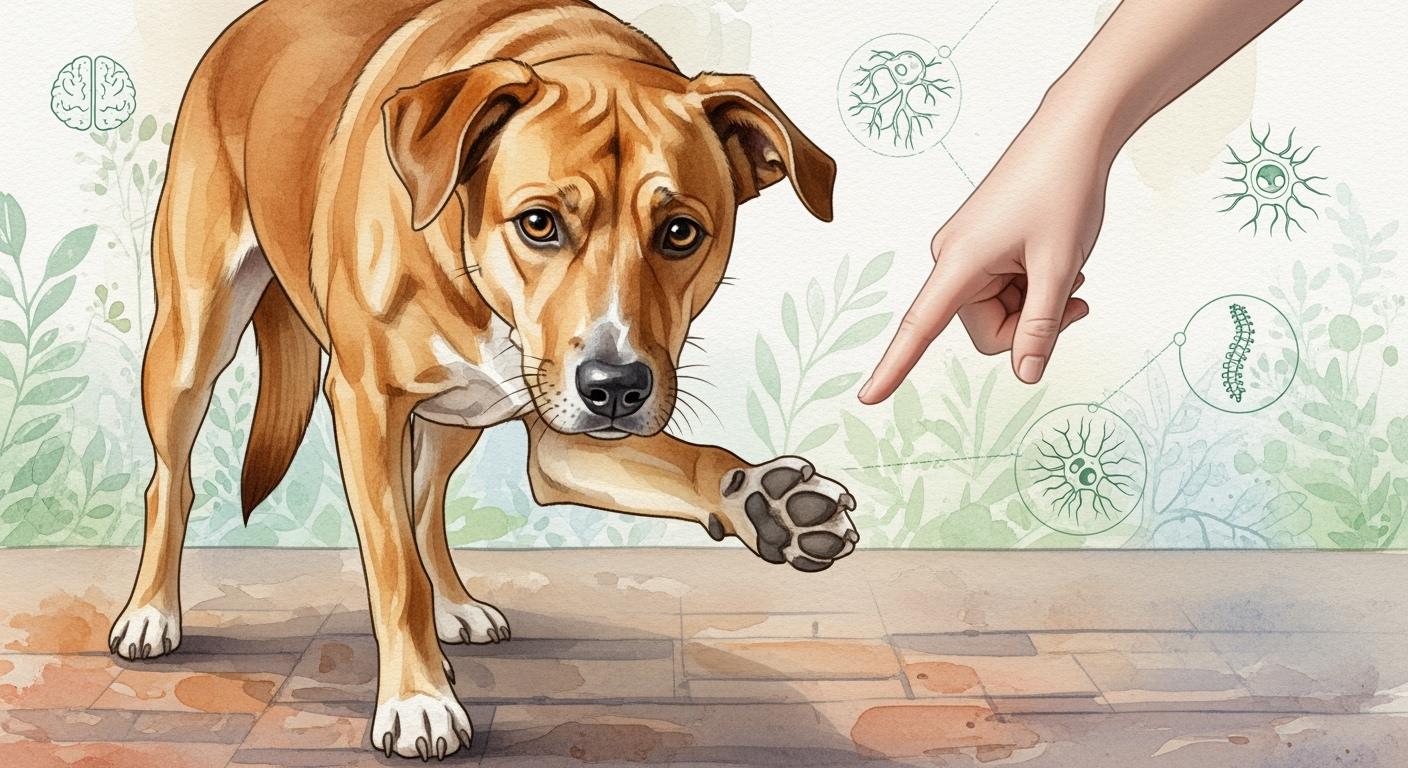
Dog knuckling paws means your dog’s paw flips so the top touches the ground instead of the pad. You may see your dog drag the paw or scuff the nails. This sign often shows up in dogs with nerve problems. Dog knuckling paws can warn you about serious issues. If you notice dog knuckling or changes in how your dog walks, you should act quickly. Signs like dog knuckling paws, scuffed nails, and weak legs mean your dog needs help. What does it mean when a dog is knuckling? It often points to nerve trouble. Spotting signs early gives your dog the best chance for recovery and protects the paws from injury.
Key Takeaways
Dog knuckling paws happens when the top of the paw touches the ground. The pad should touch the ground, not the top. This can mean there are nerve problems. You need to act quickly if you see this.
Watch for signs like dragging paws and scuffed nails. Weakness is another sign to look for. These symptoms help you spot knuckling early. You should get your dog to the vet if you see these signs.
Keep a log of your dog’s symptoms. Write down changes in walking and paw placement. This helps your vet know what is happening. It helps them make better choices for your dog.
If your dog suddenly gets weak or cannot walk, call your vet right away. Severe pain is also a serious sign. These problems need quick help from a vet.
Use non-slip surfaces at home to help your dog. Limit your dog’s movement so they do not fall. This keeps your dog safe while you manage knuckling.
Recognizing dog knuckling paws and early signs
What is dog knuckling paws
Dog knuckling paws means your dog stands or walks with the top of the paw touching the ground instead of the pad. You may see the paw curl under, drag, or scrape against surfaces. This symptom often points to a loss of limb awareness, called proprioception. Paw knuckling usually signals a neurological issue, especially a conscious proprioception deficit. You might notice your dog’s toes tucked under, making them walk on the top of the paw. This can happen in one or more paws. Sometimes, the onset is sudden, but it can also develop gradually. You should watch for pain signs, changes in bladder or bowel control, and triggers like slippery floors.
Describe it like a clinician:
Which paw or paws are affected?
Did the problem start suddenly or slowly?
Does your dog show pain, or seem uncomfortable?
Have you noticed any bladder or bowel changes?
Do slippery floors make the paw knuckling worse?
How to spot knuckling in dogs and puppies
You can identify knuckling in dogs and puppies by watching how they walk and stand. Look for these signs of knuckling:
Paw curling under while walking or standing
Dragging paws on the ground
Weakness or incoordination in the legs
Frequent stumbling or trouble standing up
Less active or reluctant to go on walks
If you ask, “how can I tell if my dog is knuckling?” Watch for these behaviors. Puppies may show toe-dragging or slip more often on smooth floors. You may see dragging paws or uneven nail wear. Puppies sometimes stumble or hesitate to move. Dogs with knuckling in puppies often act less playful or avoid running. You should check each paw for signs of scraping or wounds. If you notice these changes, write down which paw is affected and when you first saw the problem. This log helps your veterinarian decide the next steps.
Why scuffed nails and paw tops are warning signs
Scuffed nails and scraped paw tops warn you about improper paw placement and control. Knuckling in dogs causes dragging, which leads to nails scraping against the ground. You may see uneven nail wear or wounds on the top of the paw. These signs often point to nerve damage, spinal cord injury, or a progressive neuromuscular disorder. Paw knuckling can link to conditions like Intervertebral Disc Disease (IVDD) and degenerative myelopathy. You should treat these signs as urgent, especially if you see sudden weakness, pain, or changes in bladder control.
Safety Tip:
Protect your dog’s paws from further injury. Use soft surfaces and limit movement until your veterinarian can check for neurologic causes.
If you notice knuckling in puppies or adult dogs, act quickly. Early recognition helps protect the paw skin, reduces caregiver strain, and improves safe handling. Keeping a clear symptom log supports better veterinary care and decision-making.
Red flags and urgent signs in knuckling dogs
Sudden non-walking or rapid worsening
You should look for urgent symptoms if you see knuckling in dogs. Some signs mean you must get emergency help fast. If your dog cannot walk or stand all of a sudden, this is very serious. Symptoms that get worse quickly, like trouble standing or moving, can mean spinal cord compression. You might see your dog drag its back legs or act like it hurts when touched. These signs show the problem is getting worse fast.
Alert:
If your dog cannot stand, loses the ability to walk, or has sudden paralysis, call your veterinarian right away. Acting quickly can help protect your dog’s nerves and improve recovery.
Watch for these urgent symptoms:
Sudden knuckling
Cannot stand or walk
Dragging back legs
Severe pain or paralysis
Trouble standing that gets worse fast
If you notice any of these, keep your dog still and use a soft surface. Write down when the symptoms started and how they changed. This record helps your veterinarian make quick choices.
Loss of bladder control or severe pain
Loss of bladder control or strong pain in dogs with knuckling means you need to act fast. Some diseases, like degenerative myelopathy, can make your dog lose bladder and bowel control. Intervertebral Disc Disease (IVDD) can also cause sudden bladder problems because of spinal cord compression. These signs need a veterinarian right away to stop permanent harm.
You might see:
Cannot walk
Strong pain when touched
Loss of bladder control
Dragging back legs
If your dog has these signs, keep them calm and move them as little as possible. Use soft bedding to protect the paw skin. Write down all symptoms and changes in a clear record. This helps your veterinarian choose the best care and keeps your dog safe.
Safety Tip:
Acting early lowers injury risk and helps your dog get the right care. Always call your veterinarian if you see red flag symptoms.
Main causes of knuckling in dogs and puppies
Knuckling in dogs can happen for many reasons. You should know the main causes to help your dog. Some causes need quick help. Others may get worse slowly. Always keep a symptom log and share it with your veterinarian.
Spinal causes and IVDD timing
Spinal problems often cause knuckling in dogs. Intervertebral Disc Disease (IVDD) can cause sudden knuckling in adult dogs. IVDD happens when a disc presses on the spinal cord. Your dog may drag a paw or stop walking. You must act fast if this happens. If your dog cannot walk or loses bladder control, get emergency care that day. IVDD may need strict rest for up to 6 weeks or surgery. Myelitis and meningoencephalitis can also affect the spinal cord and cause knuckling.
Degenerative myelopathy and progression
Degenerative myelopathy causes knuckling in older dogs, usually over 8 years old. This disease affects the spinal cord and gets worse over time. Your dog may start with mild knuckling and weak back legs. Over 6 to 12 months, your dog may stop walking. Muscle wasting and poor muscle tone make it worse. Some breeds, like German Shepherds, get this more often. There is no cure, but early support and rehab can help protect paw skin and comfort.
Peripheral nerve and orthopedic causes
Peripheral nerve injuries, sore paws, and orthopedic problems can cause knuckling. Puppies may knuckle from carpal flexural deformity, unbalanced growth, or weak muscles. Poor footing, genetics, and bad nutrition can make knuckling worse. Some breeds, like Dobermans and Shar Peis, get these problems more, especially between 6 and 16 weeks old. Joint instability, hip dysplasia, and muscle wasting in older dogs can also cause knuckling. Always check for wounds or scuffed nails, as these show loss of paw control.
Tip:
If you see knuckling in your dog, write down when it started, which paw is affected, and any changes in walking or standing. This helps your veterinarian find the cause and choose the best treatment.
What to expect at the vet for dog knuckling
When you take your dog to the vet for knuckling, the vet will follow careful steps. The main goal is to find out why your dog is knuckling and keep the paws and nerves safe. Always call your vet if you see knuckling or sudden changes in how your dog walks.
Neurologic exam and localization
The vet will do a full neurologic exam. This helps figure out what part of your dog’s nervous system is causing knuckling. You might see the vet do these things:
Watch your dog walk and stand
Flip your dog’s paw over to see if it fixes itself (proprioception test)
Test leg reflexes
Check for pain along the spine
Look for weak muscles or muscle loss
The vet will ask when you first saw knuckling, which paw is having trouble, and if your dog’s behavior changed. Keeping a clear symptom log helps the vet pick the best treatment for knuckling.
Imaging and anesthesia considerations
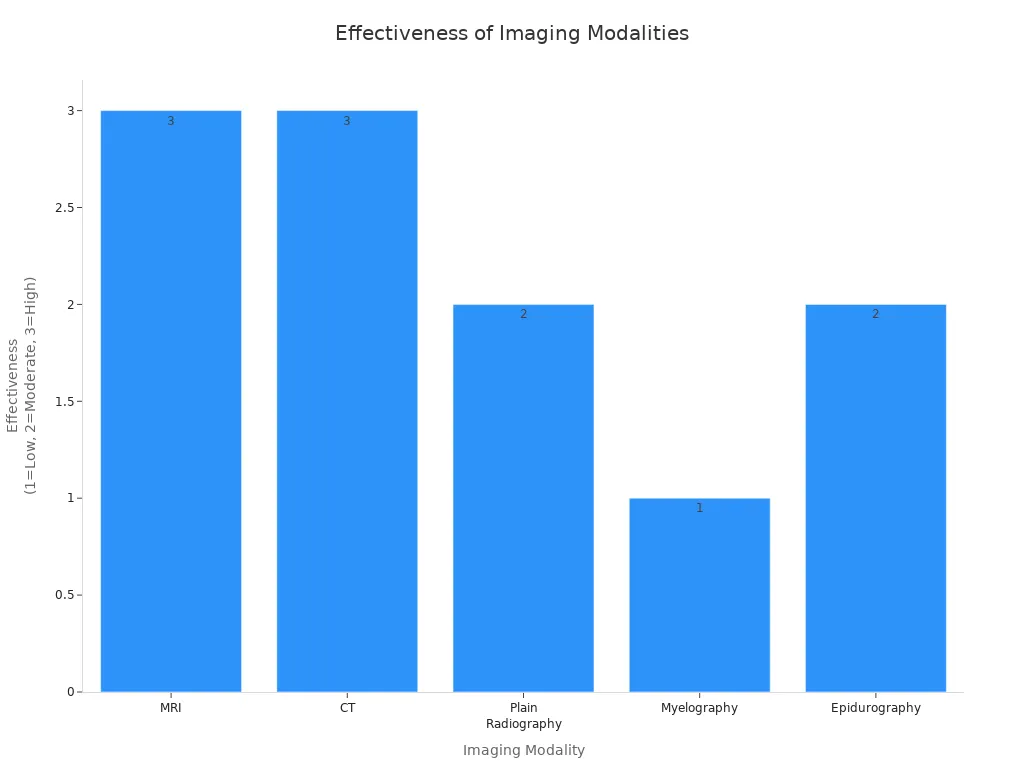
If the vet thinks there is a problem inside the spine or nerves, they may suggest imaging. Imaging helps find the cause and plan treatment. Here are common imaging choices:
Imaging Modality | Effectiveness | Notes |
|---|---|---|
MRI | High | Best for checking the nervous system; shows soft tissue well. |
CT | High | Shows soft tissue better than regular x-rays; helps see complex body parts. |
Plain Radiography | Moderate | Good for screening but hard to read; can rule out other problems. |
Myelography | Low | Not very useful for some spinal problems. |
Epidurography | Moderate | Easier than myelography but can be hard to read. |
Some imaging tests need anesthesia to keep your dog still and safe. The vet will talk about risks and benefits before starting. Ask your vet if you have questions about anesthesia or imaging.
Acting fast and keeping a good symptom log helps your vet find out what is wrong and talk about treatment. If you wonder, “can knuckling in dogs be cured,” your vet will help you choose the best care for your dog. Early checks protect paw skin, make handling safer, and help caregivers.
Safe home management for knuckling in dogs
Slip prevention and movement limits
You can help your dog stay safe at home by focusing on slip prevention and controlled movement. Dogs with knuckling need extra support to avoid falls and injuries. Place non-slip rugs or mats on floors where your dog walks. This gives your dog better grip and confidence. Limit movement by keeping your dog in a small, safe area. Use crate rest for up to 6 weeks if your veterinarian recommends it. Short, gentle walks help maintain muscle strength without causing fatigue. Always supervise your dog during activity.
Safety Tip:
Use a harness or towel under your dog’s belly for support during walks. This helps your dog balance and reduces strain on weak legs.
Here are steps for a ‘do no harm’ home plan:
Schedule regular veterinary visits to monitor your dog’s progress.
Add ramps or steps to help your dog avoid jumping.
Use protective dog shoes to prevent paw injuries.
Keep your dog’s nails trimmed to reduce scuffing.
Maintain a gentle exercise routine as advised by your veterinarian.
Safe transport tips
Transporting your dog safely protects both your dog and you from injury. Always lift your dog with support under the chest and hindquarters. Avoid twisting or bending your dog’s spine. Use a sturdy carrier or crate for car rides. Place soft bedding inside to cushion your dog’s paws.
Do / Don’t List for Lifting and Stairs:
Do | Don’t |
|---|---|
Use two hands to lift your dog | Lift by the legs or tail |
Support both front and back ends | Let your dog jump from furniture |
Carry your dog on stairs | Allow unsupervised stair use |
Note:
Keep a clear symptom log and share it with your veterinarian. This helps guide care and protects your dog’s paw skin.
Gentle handling, slip prevention, and safe transport reduce injury risk and make daily care easier. These steps support your dog’s comfort and help you manage knuckling at home.
Support gear for dog knuckling paws
Rear sling vs full-body harness
You can help your dog move safely by choosing the right support gear. Rear slings and full-body harnesses both offer stability, but each works best in different situations. A rear sling supports the back end of your dog, making it easier for you to help with walking. This option works well for dogs with weak back legs or mild knuckling. A full-body harness supports both the front and back, giving you more control. You should use a full-body harness for dogs with weakness in all four legs or when you need to lift your dog completely.
Here is a comparison table to help you decide which gear fits your dog’s needs:
Option | Best for | Risk if misused | Fitting/usage tip |
|---|---|---|---|
Rear Sling | Back leg weakness, mild knuckling | Skin chafing, poor balance | Place under belly, check for rubbing |
Full-Body Lift Harness | Weakness in all legs, heavy dogs | Strain on shoulders, falls | Adjust straps for snug fit, lift evenly |
Rough surfaces, outdoor walks | Pressure sores, slipping | Use correct size, check paws often | |
Knuckling Sleeve/Sock | Paw dragging, mild knuckling | Restricts blood flow, sores | Follow vet instructions, monitor skin |
Traction Socks | Slippery floors, indoor use | Falls if loose, tripping | Ensure tight fit, remove for cleaning |
Support gear provides outside support, reduces pressure on the spine, and limits movement to keep your dog safe. These tools help maintain spinal stability, relieve pain, and allow safe mobility. You should always check the fit and watch for signs of discomfort.
Paw protection and skin checks
Protecting your dog’s paws is important when knuckling occurs. You should inspect your dog’s paws every day. Look for cuts, redness, or swelling. Moisturize dry pads to prevent pain and infection. Use paw wax or booties to shield paws from hot pavement or cold weather. Clean your dog’s paws after walks to remove chemicals and dirt.
Knuckling braces and orthotic devices help dogs walk safely. These supports keep the paw in the right position and reduce dragging. They also prevent sores and make movement easier. Always follow your veterinarian’s advice for fitting and break-in schedules. Regular skin checks help you catch problems early and keep your dog comfortable.
Tip: Keep a symptom log and note any changes in your dog’s paws or walking. This record helps your veterinarian provide the best care.
Rehab and recovery for knuckling in dogs
Brace break-in and skin checks
You play a key role in helping your dog recover from knuckling. Braces and orthotics support your dog’s paw and help prevent further injury. Start with a careful break-in schedule to keep your dog comfortable and safe. Follow these steps for the first week:
Day 1: Wear the brace for 30 minutes, 2–3 times.
Day 2: Wear for 1 hour, 2–3 times.
Day 3: Wear for 2 hours, 2–3 times.
Day 4: Wear for 3 hours, 2–3 times.
Day 5: Wear for 4 hours, 2 times.
Day 6: Wear for 6 hours.
Day 7: Wear for 8 hours.
After the first week, you can increase brace time up to 12 hours a day. Remove the brace at night while your dog sleeps.
Always check your dog’s skin every time you put on or take off the brace. Look for redness, swelling, or sores. If you see redness that does not fade in 15 minutes, stop using the brace and contact your veterinarian. Make sure the brace fits well and does not pinch or slip. These steps protect your dog’s paw skin and help you spot problems early.
Tip: Use a simple calendar to track brace sessions. For example, if you do 3 sessions a day for 7 days, you complete 21 sessions in the first week.
Tracking rehab goals
Recovery from knuckling depends on the cause, severity, and timing of treatment. Many dogs improve with medication, physical therapy, and support gear. Some dogs with mild injuries or inflammation show progress in a few weeks. Dogs with severe or degenerative conditions may not fully recover, but you can still help them stay comfortable and safe.
Set clear rehab goals with your veterinarian. Track your dog’s walking, standing, and paw placement each day. Use a symptom log to record changes and share updates at each visit. This helps your vet adjust the treatment plan and keeps your dog’s recovery on track.
Rehab Goal | How to Track | Benefit |
|---|---|---|
Paw placement | Daily observation | Prevents skin injury |
Walking distance | Record each walk | Measures progress |
Skin health | Check after each brace | Avoids sores and swelling |
Activity level | Note play and rest | Guides safe exercise |
Stay patient and follow your veterinarian’s advice. Your careful steps protect your dog’s paws, reduce strain, and support safe handling during recovery.
Triage actions for dog knuckling (traffic-light table)
You need to act quickly and safely when you see knuckling in your dog. Use a traffic-light system to decide what steps to take. This helps you protect your dog’s paws, reduce stress, and improve safe handling. The table below shows what to do based on your dog’s symptoms.
Symptom | Green: Monitor & Log | Yellow: Call Vet Today | Red: Emergency Now |
|---|---|---|---|
Ability to stand/walk | Walks normally, stands well | Trouble standing, mild knuckling | Cannot stand or walk, sudden collapse |
Speed of change | Stable, no new symptoms | Slow worsening, new knuckling | Rapid change, sudden paralysis |
Pain behaviors | No pain, relaxed | Mild pain, whimpers sometimes | Severe pain, cries, resists touch |
Bladder control | Normal urination | Occasional accidents | Loss of bladder control, cannot urinate |
Repeated falling | No falls, steady gait | Stumbles sometimes, mild slips | Frequent falls, cannot get up |
Safety Tip:
If you see any red-level symptoms, keep your dog still and call your veterinarian or emergency clinic right away. Early action protects nerves and paw skin.
Symptom log checklist for your vet
A clear symptom log helps your veterinarian understand your dog’s knuckling and choose the best care. Write down these details before your visit:
Paw placement: Does your dog fix its paw if you gently fold the toes under?
Nail and skin clues: Look for uneven nail wear or scuff marks.
Line test: Walk your dog along a straight line and note if the hind feet cross over. You can film this for your vet.
Fatigue pattern: Record if crossing happens all the time or only when tired.
Log the onset: Write the date you first saw knuckling, what triggered it, and which surfaces make it worse. Note if one or both legs cross.
Keeping a detailed log helps your vet spot patterns, protect paw skin, and plan safe handling. You support your dog’s comfort and safety with every note.
You need to pay attention if your dog is knuckling. This sign means your dog needs help soon. Getting your dog checked by a vet early keeps your dog moving and feeling good. Dogs get better when you act fast and listen to your vet. Watch how your dog walks and use safe ways to help. Pick support gear that fits your dog. This makes caring for your dog easier each day. Take your dog to the vet often. Give gentle exercise and protect your dog’s paws. These steps keep your dog comfortable. If you notice changes, act quickly. This gives your dog the best chance to get better.
FAQ
What should you do first if you notice your dog knuckling?
Write down the date you saw knuckling. Keep your dog from moving too much. Put your dog on soft surfaces. Call your vet for advice. Acting early keeps paws and nerves safe.
Can knuckling in dogs get better with home care alone?
You should not try to fix knuckling at home by yourself. Your dog needs a vet to check the problem. Home care helps protect paw skin and lowers injury risk, but only your vet knows the right treatment.
How can you protect your dog’s paw skin during knuckling?
Put non-slip mats on the floor.
Look at your dog’s paws every day for scrapes.
Keep nails short and trimmed.
Use booties if your vet says it is okay.
These steps help stop wounds and make caring for your dog easier.
Why is keeping a symptom log important for your veterinarian?
Benefit | How It Helps |
|---|---|
Tracks changes | Helps pick treatment |
Shows urgency | Speeds up choices |
Protects paw skin | Makes handling safer |
A clear log helps your vet give better care and keep your dog safe.
