
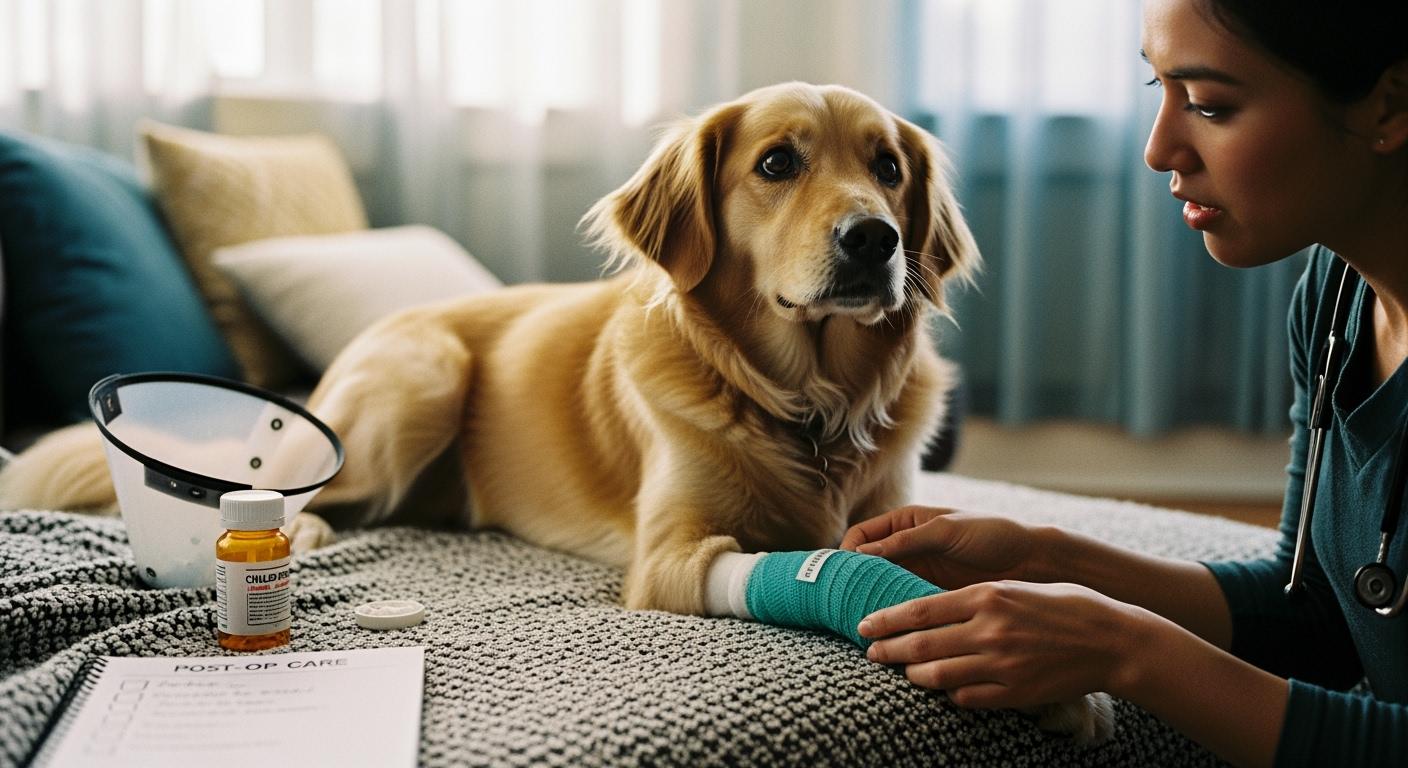
You might notice your dog limping after surgery and worry if it is normal or a problem. Some limping can happen as your dog gets better. Watching your dog closely helps you see changes that need help. Use checklists and tools to be ready. If you see warning signs, act fast to help your dog heal. Your veterinarian’s plan is more important than general advice.
Key Takeaways
Watch your dog carefully after surgery. Notice if your dog limps, moves less, or eats less. These signs can mean your dog is sore or has a problem.
Do everything your veterinarian tells you to do after surgery. Check the incision often and keep your dog calm. This helps your dog heal better.
Put down non-slip mats and use a harness. This stops your dog from falling or moving too much. It keeps your dog safe while healing and lowers the chance of getting hurt.
Know the warning signs that need a vet right away. These include very bad pain, swelling, or fluid coming from the incision. Getting help fast can stop bigger problems.
Write down how your dog is doing each day. Track changes in behavior, how the incision looks, and when you give medicine. Share this with your veterinarian.
Dog limping after surgery: main reasons
You might see your dog limp after surgery for different reasons. In the United States, most clinics give you special instructions for your dog. These instructions depend on the surgery and how your dog needs to heal. This article explains how to help at home. It uses hours, days, and weeks to show what to watch for. Your veterinarian’s plan is always the most important.
Soreness and stiffness after surgery
A lot of dogs feel sore or stiff after surgery. You may notice your dog walks slowly or takes small steps. Some dogs do not want to play or may rest alone. These signs usually mean your dog feels uncomfortable. Your dog might not want to walk or eat as much. These things can happen because of soreness or stiffness. If your dog limps, seems tired, or moves less, pay close attention. Your veterinarian’s plan is always the most important.
Not wanting to walk
Playing less or staying alone
Limping or walking strangely
Less energy or activity
Compensation and muscle guarding
Sometimes, your dog limps because the body is trying to protect the hurt area. This is called compensation or muscle guarding. Your dog may put more weight on another leg or limp to avoid pain. Over time, this can make muscles get smaller or joints stiff. You might see muscles shrink or your dog walk differently. Knowing about limping helps you spot these changes early.
Shorter steps or uneven walking
Muscles getting smaller from not using them
Hips not moving as much
Other joints may get arthritis
Expected discomfort vs. complications
It is important to know why your dog is limping. Most mild limping after surgery is normal. But some signs mean you should call your clinic right away. Use this table to help you decide:
Clinical Sign | Description | Possible Complications |
|---|---|---|
Severe pain | Crying out, aggression, arched back | Internal injury, spinal issue |
Obvious trauma | Deep wounds, broken bones | Fractures, organ damage |
Neurological issues | Seizures, collapse, cannot stand or walk | Spinal cord injury, severe bleeding |
Breathing difficulties | Gasping, blue gums, constant coughing | Chest trauma, hernia |
If you see any of these signs, call your veterinarian right away. Limping after surgery can be normal, but you should always watch for changes. There are many reasons for limping, so keep a close eye on your dog.
Common causes of limping in dogs after surgery
Your dog might limp after surgery for many reasons. Knowing these reasons helps you watch your dog better. Your veterinarian’s plan is always the most important.
Arthritis and joint issues
Arthritis and joint problems can make dogs limp after surgery. Dogs with arthritis may have stiff or swollen joints. You might see your dog move slowly or not use one leg. Joint disease can get worse after surgery, especially if your dog had problems before. Weak muscles from not moving much can make limping easier to see. Watch for these signs:
Stiffness when getting up or lying down
Swelling around the joint
Less interest in walks or play
Trouble climbing stairs
Implant problems and meniscal tears
Some surgeries use implants like plates, screws, or pins. If an implant moves or breaks, your dog may limp or feel pain. Meniscal tears can also cause limping, especially after knee surgery. These tears often happen with ligament injuries. The risk of meniscal damage goes up if the injury is bad.
Condition | Incidence Rate |
|---|---|
Medial meniscal damage in CCL disease | At least 58% |
Meniscal tears with complete CCL rupture | Higher risk |
Implant problems and meniscal tears are big reasons for limping. Your veterinarian’s plan is always the most important.
Infection and trauma
Infection and trauma can also make your dog limp after surgery. Infections can start at the cut or deeper inside. Poor cleaning, dirt, or licking the cut can raise the risk. Osteomyelitis is a bone infection that can cause swelling, pain, and limping for a long time. Trauma, like a fall or bump, can also cause limping.
Redness, heat, or swelling at the incision
New or increased discharge
Sudden pain or lameness
If you see these signs, call your clinic. Knowing why dogs limp helps you keep your dog safe while healing.
First-day checklist for dog owners
What to expect in the first 24 hours
Your dog may limp after surgery, especially on the first day. The anesthesia can make your dog sleepy or confused. It is normal to see some mild limping as your dog starts moving again. Watch for swelling, bleeding, or changes in how your dog walks. Keep your dog calm and quiet to help healing. This is important for good post-operative care. Your veterinarian’s protocol is always the most important.
First 24 hours:
Your dog might look tired or confused.
Mild limping and soreness can happen.
Look for swelling, bleeding, or changes at the incision.
Keep your dog in a quiet and safe place.
Protecting from slips and overactivity
You can help your dog heal by stopping slips and too much movement. Put non-slip rugs or mats on the floor. Take away things that could trip your dog. Keep your dog away from stairs and furniture. Always use a harness and leash outside the recovery area. Watch your dog to stop sudden moves. These steps are important for safe post-operative care and pain relief.
Tips for safety and comfort:
Use non-slip mats like yoga mats or rubber runners.
Block off stairs and keep your dog off furniture.
Use a leash for bathroom trips.
Watch your dog every time it is out of the crate or pen.
Recording changes for the clinic
Keeping good notes helps your clinic give the best care. Write down how the incision looks each day. Track your dog’s pain level and activity. Note if your dog eats, acts, or feels different. Record all medicines, doses, and how your dog reacts. This helps with pain relief and lets your veterinarian change care if needed.
Example A: Incision monitoring workload
AM/PM checks for 14 days = 28 checks
Mini checklist for each check:
Incision: Is there redness, swelling, or discharge?
Pain: Does your dog seem more uncomfortable?
Activity: Is your dog walking, eating, or acting differently?
Medications: Are they given as directed?
Your veterinarian’s protocol is always the most important.
Incision checks and warning signs
Normal redness and swelling
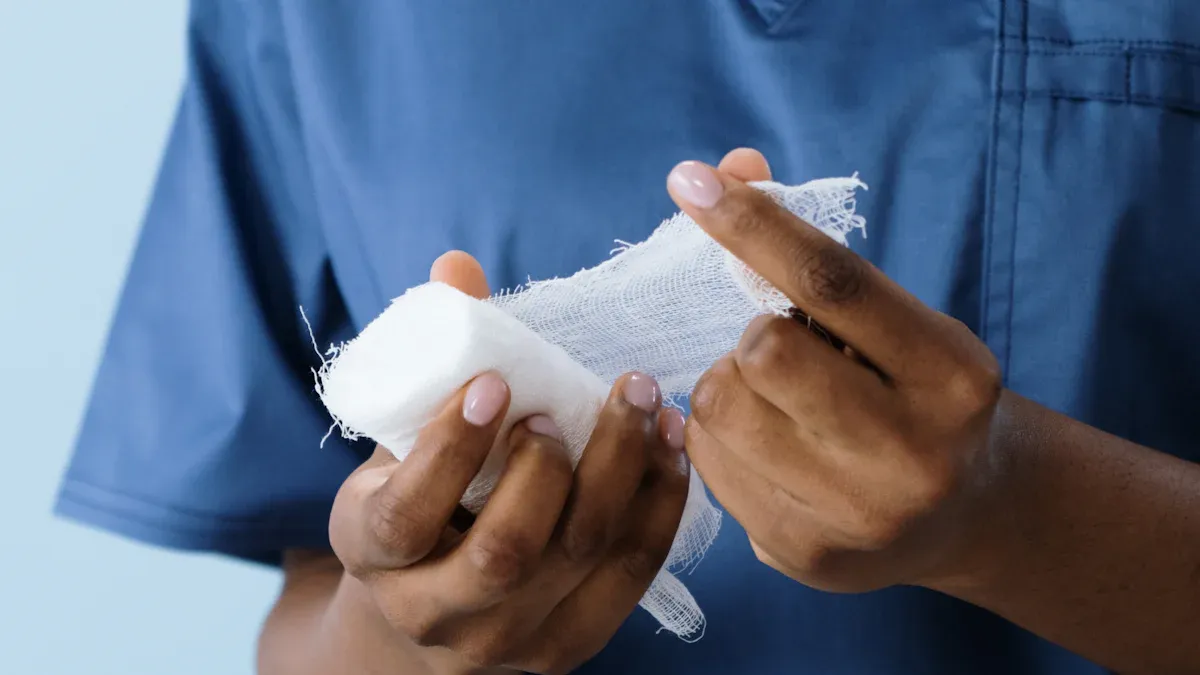
You should check your dog’s incision at least twice a day for the first two weeks. Mild swelling and slight redness are normal right after surgery. The skin around the incision may look pink or light red. This color should fade as your dog heals. You might see a small, firm lump under the incision. This is part of the healing process. A small scab or slightly firm skin around the edges is also normal. These signs show that your dog’s body is repairing the surgical site.
Mild swelling near the incision
Pink or light red skin that fades over time
Small, firm lump under the incision
Slightly firm or pink skin at the edges
Small scab forming
Tip: Always use an e-collar or anti-lick device to protect the incision. Licking can cause infection or open the wound. Your veterinarian’s protocol overrides general timelines.
Changes after 2–3 days
You should see the redness and swelling start to get better after the first two or three days. Many dogs begin to put weight on the leg within three to five days. This is a good sign. Mild swelling, bruising, or a little fluid around the incision can happen. These changes usually go away within a week. If you notice the incision looks the same or better each day, your dog is likely healing well.
Redness and swelling should decrease after two or three days
Bruising or mild fluid may appear but should not get worse
Your dog may start walking more on the leg
The incision should stay closed and dry
If you see redness, swelling, or discharge that does not improve or gets worse, contact your veterinarian. Your veterinarian’s protocol overrides general timelines.
Red flags: when to call the vet
You need to know when to call your veterinarian right away. Some changes mean your dog needs help fast. Watch for these warning signs:
Bleeding or pus coming from the incision
Gums that look pale, gray, or blue
Sudden collapse or very stiff movements
Refusing to move, eat, or drink
Vomiting, diarrhea, or fever that does not get better
No urination for more than 24 hours
Incision opens, smells bad, or has more swelling and redness after two or three days
New heat, pain, or drainage at the incision
Alert: If you see any of these signs, call your veterinarian right away. Do not wait to see if things get better. Protect the incision and keep your dog calm until you get help.
You should always follow your veterinarian’s instructions for incision checks, protection, and activity. Careful monitoring helps your dog heal and keeps problems from getting worse.
Decision table: is limping expected or a complication?
You want to know if your dog’s limping after surgery is normal or a sign of a problem. Careful observation helps you make the right choice. Use this traffic-light decision table to guide your next steps. Your veterinarian’s protocol overrides general timelines.
Is this limping expected today or a reason to call?
Green: Steady Improvement | Yellow: Watch and Reduce Activity | Red: Urgent Vet Contact | |
|---|---|---|---|
Limb Use Trend | Limping is mild and gets better each day. Dog puts more weight on the leg. | Limping stays the same for 2–3 days or gets a little worse after more activity. | Dog cannot use the leg, or sudden limping appears. Dog drags or holds up the leg. |
Incision Appearance | Incision looks better each day. Redness and swelling fade. | Redness or swelling does not improve after 2–3 days. | Incision opens, bleeds, or smells bad. New heat or pain at the site. |
Discharge/Odor | No discharge or only a small, clear scab. | Small amount of clear fluid, but no odor. | Pus, blood, or foul odor from the incision. |
Swelling Trend | Swelling is mild and goes down after 2–3 days. | Swelling stays the same or gets a little bigger. | Swelling gets much worse, limb feels hot, or skin looks tight and shiny. |
Pain Behavior | Dog acts comfortable, eats, and rests well. | Dog seems a little more sore, but still eats and drinks. | Dog cries, yelps, or will not eat. Dog seems very tired or weak. |
Tip: If you see signs in the red column, call your veterinarian right away. Do not wait to see if things get better.
Green: steady improvement
You see your dog getting better each day. Limping becomes less noticeable. Your dog starts to use the leg more and shows interest in short walks. The incision looks clean and dry. Swelling and redness fade. Your dog eats, drinks, and acts like themselves. You can continue your home care plan. Keep using a harness for walks and follow your veterinarian’s advice. Your veterinarian’s protocol overrides general timelines.
Yellow: watch and reduce activity
You notice limping stays the same for a few days or gets a little worse after a longer walk. Your dog may seem a bit more sore but still eats and drinks. The incision looks okay but does not improve as fast as you hoped. Swelling or redness does not go away after 2–3 days. Take these steps:
Shorten walks to 5–10 minutes.
Use a leash and harness for all outdoor trips.
Keep your dog calm and avoid stairs or jumping.
Watch for new pain, swelling, or changes in the incision.
Write down what you see and share it with your veterinarian.
If limping does not improve after you rest your dog for 1 day, return to the last activity level that did not cause problems. If limping does not get better in 2–3 days, contact your veterinarian for advice. This is called the setback rule. Always follow your veterinarian’s instructions.
Red: urgent vet contact
You see your dog cannot use the leg or shows sudden limping. Your dog cries when you touch the leg or refuses to move. The incision opens, bleeds, or smells bad. Swelling gets much worse or the limb feels hot. Your dog acts tired, will not eat, or has a fever. These signs mean you need help right away. Call your veterinarian if you see:
Inability to bear weight on a leg
Crying or yelping when touched or moved
Swelling, deformity, or visible bone
Limping with fever, loss of appetite, or lethargy
Limb that feels hot or looks much bigger
Bleeding, pus, or foul odor from the incision
A dangling or broken limb
Do not wait to see if things improve. Keep your dog calm and protect the incision until you reach your veterinarian.
Alert: Your veterinarian’s protocol overrides general timelines.
Activity restriction and recovery timeline
Soft-tissue surgery: 7–14 day rule
You have to keep your dog calm for two weeks after soft-tissue surgery. Most dogs rest a lot during the first week. This helps stop infection and lets the cut heal. In the second week, you can let your dog move a little more. You still need to protect the area where the surgery was done. Always use a harness for walks and keep your dog on a leash. Do not let your dog run, jump, or play rough. Your veterinarian’s protocol is always the most important.
First week: Let your dog rest and keep the cut safe.
Second week: Slowly let your dog do more, but be careful.
Orthopedic surgery: 8-week milestones
Orthopedic surgeries like TPLO or fixing a broken bone take longer to heal. You must follow a strict plan to help your dog get better. Here is a common schedule:
2 weeks post-surgery: Go to the clinic for a checkup and to see how the cut is healing.
8 weeks post-surgery: Go back for X-rays to see if the bone is healing. Your veterinarian may let your dog start doing more.
4 months post-surgery: Get final X-rays. If your veterinarian says it is okay, your dog can go back to normal activity.
Keep your dog on a leash outside for at least eight weeks. Do not let your dog play in the yard or run free. Only start rehab after tplo surgery when your veterinarian says it is safe. Your veterinarian’s protocol is always the most important.
Setback rule for increased limping
If your dog limps more after you let them do more, use the setback rule:
Rest your dog for one day and go back to the last safe activity.
If limping does not get better in two or three days, call your veterinarian.
Example B: Setback rule scenario
You let your dog walk longer, and limping gets worse. You rest your dog for one day and make walks shorter. If limping does not get better in two or three days, you call your clinic.
Post-op limping timeline: what’s common vs what changes the plan
Time window | Often seen | What you do | When to call |
|---|---|---|---|
First 24 hours | Mild limping, tiredness, some oozing | Rest, protect from slips | Sudden severe pain or collapse |
Days 1–3 | Redness, swelling, bruising | Leash walks, incision checks | Swelling or redness gets worse |
Days 7–14 | Limping improves, incision closes | Gradually increase activity | Incision opens or drains pus |
Days 10–14 | Suture/staple removal, anti-lick protection | Clinic recheck, keep cone on | Incision not healed or infected |
Week 8 milestone | X-rays, possible activity increase | Start rehab if cleared | Limping worsens or no progress |
Your veterinarian’s protocol is always the most important.
Comfort care and home support
Cold therapy and compress protocols
Cold therapy can help your dog feel better after surgery. You can use ice packs, cold baths, or frozen gel packs. These things help lower swelling and give pain relief. Put a cold pack on for 10 to 20 minutes each time. Do this a few times a day, mostly in the first three days after surgery. Wrapping the area with a bandage can also help with swelling.
When you put something cold on your dog’s skin for about 20 minutes, it slows blood flow. This helps stop tissue damage and gives more pain relief. Cold therapy works best in the first 72 hours after surgery or injury. Using cold and compression together helps your dog heal faster and feel better.
Example C: Cold therapy schedule
Day | Sessions per day | Duration per session |
|---|---|---|
Day 1–3 | 2–4 | 20 minutes |
Cold therapy is an important part of care after surgery. Always ask your veterinarian before you try new comfort care. Your veterinarian’s protocol is always the most important.
Harness walking and safe surfaces
You should use a harness instead of a neck collar when your dog is healing. A harness spreads weight and gives you more control. This helps stop falls and supports your dog after surgery. Keep your dog in a small space to stop too much movement. Take your dog on leash walks three to five times a day. This keeps your dog active but safe. Use a short leash and a harness or sling if the floor is slippery.
Use a harness or sling to help your dog.
Do not let your dog walk off-leash while healing.
Pick safe floors like carpet or rubber mats.
There are different harnesses for different needs:
Full body harness for weak dogs.
Hind leg harness for dogs after knee surgery.
Vest harness for dogs who need mild support.
Your veterinarian’s protocol is always the most important.
Preventing licking and incision protection
It is important to protect the incision after surgery. This helps with pain relief and healing. An Elizabethan collar (e-collar) is the best way to stop licking. Keep the collar on for seven to ten days after surgery. If your dog does not like hard plastic, try a soft or inflatable collar. You can also use a surgical shirt, wrap, or bandage to cover the area. Make sure these coverings are clean and do not rub or squeeze too much.
Use an e-collar to stop licking.
Try soft or inflatable collars if your dog needs comfort.
Use shirts or wraps to cover the incision.
Make sure coverings do not block blood flow.
Watch your dog closely to keep the incision safe. This helps with pain relief and helps your dog heal faster. Always follow your veterinarian’s advice after surgery.
Common causes of limping: top mistakes to avoid
You want your dog to get better after surgery. Knowing why dogs limp helps you stop problems. Some mistakes can make healing take longer or cause big problems. Your veterinarian’s plan is always the most important.
Too much activity too soon
Dogs like to move before they are ready. If your dog runs or jumps, the incision can open again. Fast movements can slow down healing and hurt your dog.
Do not let your dog run or jump.
Always use a leash and harness for walks.
Keep your dog in a quiet and safe place.
Missing incision changes
You need to check the incision two times every day. Swelling, bleeding, or leaking can mean there is an infection. If you do not see these signs, your dog can get sick fast.
Look for red skin, swelling, or fluid.
Watch for bumps that get red or leak.
Call your vet if your dog will not eat or seems tired.
Unsafe meds and surfaces
Some medicines and floors can be unsafe after surgery. Always do what your vet says.
Medication | Purpose | Duration | Side Effects |
|---|---|---|---|
Opioids | Pain relief | 3-7 days | Sleepiness, trouble pooping |
Gabapentin | Nerve pain | 7-21 days | Wobbly walking, very sleepy |
Antibiotics | Stop infection | 7-14 days | Allergies, diarrhea |
Your veterinarian’s plan is always the most important.
Top mistakes and prevention tips
Letting your dog run or jump too soon – Use a leash and harness.
Not checking the incision – Look at it two times a day.
Missing infection signs – Watch for red skin, swelling, or leaking.
Giving people pain medicine – Only use what your vet gives you.
Letting your dog use stairs or walk on slippery floors – Block off unsafe places.
Not using an e-collar – Stop licking with a cone or shirt.
Not noticing changes in eating or acting – Tell your clinic if your dog acts different.
Forgetting medicine – Set reminders for each dose.
Leaving your dog alone – Keep your dog in a safe spot.
Letting your dog do too much too soon – Follow your vet’s plan.
Not writing down changes – Take notes for your clinic.
Not calling the vet for new limping – Call if limping gets worse.
You can help your dog heal by not making these mistakes. Stay careful and always follow your veterinarian’s advice.
FAQs and clinic takeaways
How long does limping last?
You may see your dog limp for several weeks after surgery. Mild limping four weeks after surgery is normal during recovery. Most dogs improve a lot by 8 to 12 weeks. Full recovery can take three to six months. The time depends on your dog’s health, the type of surgery, and how well you follow post-operative care. Your veterinarian’s protocol overrides general timelines.
Is limping worse after walks normal?
You might notice limping gets worse after walks. This can happen if your dog does too much too soon. Short walks with a harness help with pain relief and healing. If limping increases, rest your dog and shorten walks. If limping does not improve in two or three days, contact your veterinarian.
When are rechecks and imaging needed?
You should schedule rechecks as your veterinarian recommends. You need to call your veterinarian if limping lasts longer than 8–12 weeks after surgery. Watch for these signs:
Your dog favors the other leg or cannot bear weight.
Sudden limping or loss of mobility.
Pain during movement or not using the leg.
Limping continues for a year or more.
These signs mean your dog may need X-rays or more tests. Your veterinarian’s protocol overrides general timelines.
What if my dog has sudden limping?
Sudden limping can mean a new injury or a problem with the surgery site. Keep your dog calm and call your veterinarian right away. Do not wait to see if it gets better.
How can I help with pain relief at home?
You can use cold packs, a harness for walks, and keep your dog on safe surfaces. Give only the pain relief medicine your veterinarian prescribes. Never give human medicine unless your veterinarian says it is safe.
What is the best way to do post-operative care?
Check the incision two times a day. Use an e-collar to stop licking. Keep your dog calm and use a harness for all walks. Write down any changes and share them with your veterinarian. Good post-operative care helps your dog heal faster.
Can my dog get back to normal activity?
Most dogs return to normal activity in three to six months. Your veterinarian will tell you when to increase walks or start play. Always follow the plan for post-operative care.
Clinic Discharge Script:
“Please check your dog’s incision every morning and evening. Use a harness for all walks. Give only the pain relief medicine we prescribed. Call us if you see swelling, redness, or sudden limping. Your veterinarian’s protocol overrides general timelines.”
You are important in helping your dog get better. Watch your dog carefully every day and use checklists. Keep your dog calm and do not let them move too much. Follow your veterinarian’s advice about activity. Call your veterinarian if you see warning signs or limping gets worse. Print or save the decision tables for quick help. Your veterinarian needs your notes and updates to give the best care. Your veterinarian’s protocol is always the most important. If you are not sure about something, contact your veterinarian. Your veterinarian’s protocol is always the most important.
