

You may notice your dog limping, dragging a paw, or showing sore pads. Sometimes, dogs develop knuckling, where the paw bends under, or show reluctance to walk. These signs can point to common dog back problems or nerve issues. A dog paw brace can help protect against further injury and support recovery. Only a veterinarian can diagnose these issues and decide if a brace is right for your pet. Braces work best as part of a complete, vet-guided plan. Watch for signs your dog may need back support, and always seek professional advice.
Key Takeaways
Dog paw braces help dogs heal and move better. They are good for dogs with injuries or arthritis. Always talk to a veterinarian before using a brace. This makes sure the brace fits your dog’s needs. Check your dog’s paws often for irritation or discomfort. Pick the right brace for your dog’s condition and activity level. Make sure the brace is comfortable for your dog. Use the brace as part of a full treatment plan. This helps your dog recover in the best way.
Dog Paw Anatomy & Common Issues
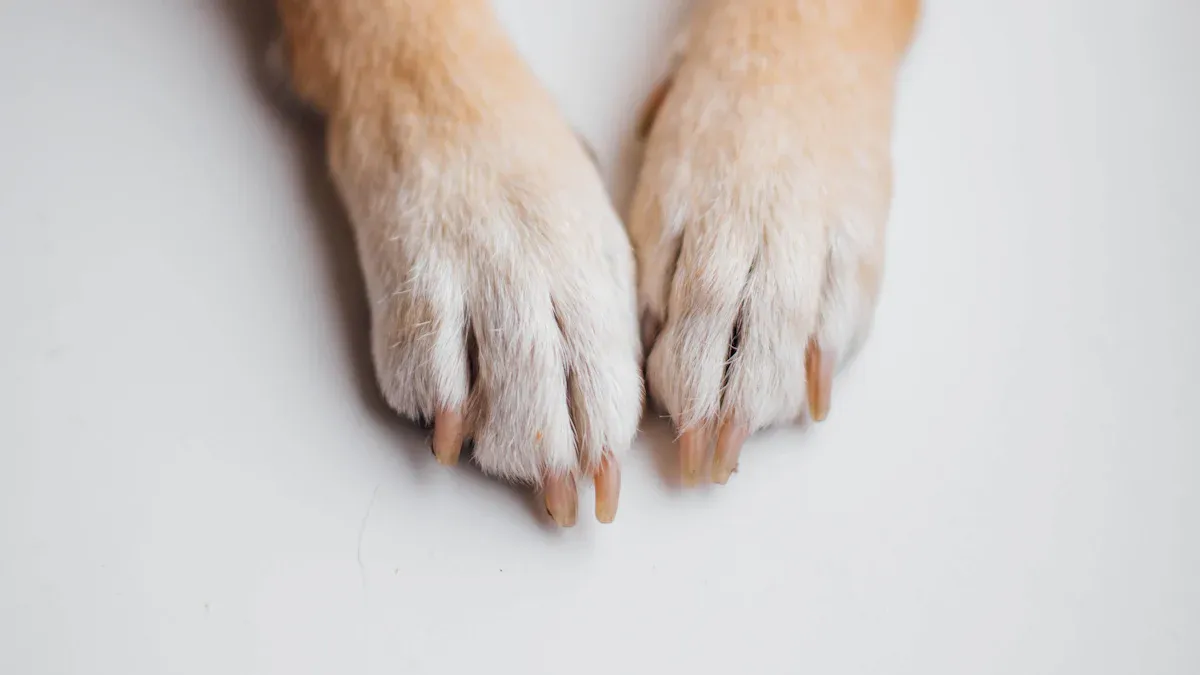
Paw Structure Overview
A dog’s paw is very important for movement and health. Each paw has special parts that help your dog walk and play. Paw pads are thick and soft cushions. They are made of fatty tissue, collagen, and blood vessels. These pads protect bones and joints from hard hits. They also help your dog grip different surfaces. Most dogs have six pads on their front paws. They have five pads on their back paws. Claws help dogs hold onto things and dig. The skin between the pads can get hurt easily.
Here is a simple table showing the main parts of a dog’s paw:
Anatomical Feature | Description |
|---|---|
Number of Paw Pads | 6 on front paws, 5 on hind paws |
Composition | Fatty tissues, collagen, blood vessels |
Function | Balance, stability, traction, shock absorption |
Vulnerability | Prone to cuts, burns, and damage from rough surfaces, hot pavement, chemicals, and extreme weather conditions |
Tip: Check your dog’s paws often for cuts or swelling. Finding problems early can stop them from getting worse.
How Injuries Affect Mobility
If a dog hurts its paw, it may limp or not want to walk. Cuts, burns, or sore pads can make walking hurt. Knuckling happens when a dog’s paw bends under. The paw does not land flat. This can be caused by nerve problems or diseases that affect nerves. These problems change how signals move from the brain to the paw. Arthritis makes joints stiff and sore. It can also change how your dog walks.
Injuries or health problems can make your dog drag a paw or lose balance. Your dog may not want to play or move much. Only a veterinarian can find out what is wrong. They can decide if a paw brace will help your dog. Paw braces help protect and support the paw. They work best when your vet makes a full treatment plan.
Dog Paw Brace Basics
What Is a Dog Paw Brace?
A dog paw brace is a special support device that helps protect and stabilize your dog’s paw. You use a dog paw brace when your dog has trouble walking, shows signs of limping, or drags a paw. The brace wraps around the paw and holds it in a natural position. This helps your dog move more comfortably and prevents further injury. Only a veterinarian can decide if your dog needs a brace. The brace does not cure disease or replace surgery. It works as part of a full treatment plan.
Tip: Always check with your veterinarian before using any brace. Your vet knows what is best for your dog’s health.
Medical-Grade vs. Standard Braces
You can find many types of braces for dogs. Medical-grade braces use high-quality materials and offer better support. These braces often come from brands like GaitGuard. Medical-grade braces fit well and protect the skin. They help your dog recover after injury or surgery. Standard braces include simple wraps, bandages, or boots. These may give some protection but do not offer the same level of support. Medical-grade braces last longer and work better for serious problems.
Here is a table comparing medical-grade and standard braces:
Feature | Medical-Grade Brace | Standard Brace (Wraps/Boots) |
|---|---|---|
Material Quality | Medical-grade, durable | Basic, less durable |
Support Level | High, stable | Low to moderate |
Skin Protection | Designed for comfort | May cause rubbing |
Fit | Adjustable, secure | Loose or generic |
Paw Braces vs. Leg & Knuckling Braces
Dog paw braces focus on the paw itself. They help with problems like sore pads, cuts, or knuckling. Dog leg braces support the whole leg, from the paw up to the knee or hip. You use dog leg braces for joint pain, arthritis, or after surgery. Dog leg braces help your dog walk better and reduce pain. Knuckling braces help dogs who bend their paw under when walking. Each brace has a special purpose. Your veterinarian will help you choose the right brace for your dog’s needs.
Note: Paw braces, dog leg braces, and knuckling braces work best when you follow your vet’s advice. They are tools to help your dog move and heal.
When to Use a Dog Paw Brace
Dog paw braces help your dog heal and move better. You might wonder when your dog needs a brace. Veterinarians suggest braces for certain problems. These include injury, after surgery, and long-lasting pain or arthritis. Each case needs your vet’s advice and care. Only a veterinarian can find out what is wrong and say if a brace will help your dog heal.
Injury & Recovery
Dogs get hurt from running, jumping, or playing. Common injuries are cuts, sprains, and ligament tears. Ligaments are strong bands that connect bones. They help joints move. If a ligament tears, your dog may limp or not want to walk. Knee injuries with ligament damage are very common in dogs. A paw brace helps your dog heal by giving support. The brace keeps the paw in a normal position and lowers pain. This helps your dog walk with less pain.
You might see your dog dragging a paw or moving strangely. Early help and stopping worse injury is important. A brace can protect the paw and help your dog heal faster. The table below lists some problems where a brace is needed:
Condition | Recommended Use of Brace |
|---|---|
Carpal hypertension | Yes |
Abnormal side-to-side movements of the carpus | Yes |
Medial shoulder instability | Yes |
Achilles tendon rupture | Yes |
Cranial cruciate ligament disease | Yes |
Tip: If your dog limps or has swelling, call your veterinarian. Do not try to fix serious injuries at home.
Braces help your dog heal by keeping the paw steady and stopping more injury. They also help with pain and make your dog feel better while healing. Always listen to your vet and use the brace as part of a full plan.
Post-Surgery Support
After surgery, dogs need extra help to heal well. Good care after surgery is very important. Your vet may suggest a paw brace after ligament or tendon surgery. The brace gives support and keeps the paw in the right spot. This lowers pain and helps your dog avoid problems.
Dog paw braces help your dog heal after surgery for torn knee ligaments. They also stop problems that can happen after surgery. A knee brace can start healing right away without causing pain. Use the brace as your vet tells you. This helps your dog heal and get back to normal life.
Dog paw braces help dogs heal after surgery for torn knee ligaments.
They help stop problems that can happen after surgery.
A knee brace can start healing right away without pain.
After surgery or with long-term problems, dogs need support for a long time. Braces help your dog heal by giving comfort and support. They also help your dog move and feel better while getting stronger.
Chronic Pain & Arthritis
Older dogs and dogs with long-lasting pain or arthritis need special care. Arthritis makes joints stiff and sore. This makes walking hard and painful. Chronic pain can come from old injuries or joint problems. A paw brace helps your dog heal by keeping joints steady. This lowers pain and helps your dog move better.
Dog paw braces keep joints steady and help your dog heal. Wearing the brace every day supports the paw and stops bad movements. These movements can cause more pain. Using braces for arthritis can help your dog feel better for a long time.
Dog paw braces keep joints steady, which helps with arthritis.
Using braces for arthritis can help your dog stay comfortable and active.
The braces should be worn every day to help joints and stop bad movements.
Always work with your vet to help with pain and arthritis. Braces are one way to help your dog heal and feel better. They do not cure the problem but help with pain and daily life.
Note: Only a veterinarian can find out if your dog has pain or arthritis. Always ask your vet before using a brace.
Dog paw braces help your dog heal in many ways. They give support, help with pain, and help with injury, after surgery, and long-term problems. Using a brace with your vet’s help lets your dog heal and move better.
Mobility and Recovery Benefits
Improving Paw Placement
You want your dog to walk without fear. A paw brace helps your dog put its paw down the right way. If your dog has an injury or nerve trouble, the paw might bend under or drag. This can hurt more and make healing slow. The brace keeps the paw in a normal spot. It spreads your dog’s weight better and helps your dog move. Experts say braces or prostheses can slow down joint problems. They also help dogs walk better. Max, a Labrador, had less pain and walked easier with a brace. Bella, a German Shepherd, liked her walks again after using a brace.
A brace helps your dog walk steady and lowers the chance of new injuries.
Protecting Skin & Pads
Your dog’s paw pads keep bones and joints safe from hard ground. If your dog drags a paw or walks oddly, the skin and pads can get hurt or sore. A brace works like a shield. It covers the paw and pads to stop rubbing and cuts. This is very important when your dog is healing from injury or surgery. The brace keeps the skin safe and helps your dog heal faster. You should look at the paw pads often for redness or swelling. If you see any problems, call your veterinarian.
Benefit | How a Brace Helps |
|---|---|
Prevents scrapes | Covers paw pads |
Reduces swelling | Limits friction |
Speeds recovery | Shields skin during movement |
Enhancing Comfort
Comfort is important for your dog’s healing and daily life. A paw brace gives gentle support that helps with pain and swelling. Materials like neoprene and nylon are soft and let air in. These let your dog wear the brace longer without feeling bad. Soft braces are good for small injuries and arthritis. Many owners pick them for dogs with long-term pain because they do not stop movement. Modern braces are made for dogs with sensitive skin.
Braces give comfort and support to dogs with arthritis.
Breathable materials let your dog wear the brace longer.
Soft braces are a good choice for pain and healing.
Always talk to your veterinarian before using a brace. Braces are just one part of your dog’s recovery plan.
Types of Dog Paw Braces
Dog paw braces come in several designs. You need to choose the right type for your dog’s needs. Each style offers different levels of support and comfort. Only your veterinarian can decide which brace works best for your dog.
Toe vs. Whole-Paw Designs
You will find two main types of dog paw braces: toe braces and whole-paw braces. Toe braces support just the toes. They help dogs who drag their toes or have mild knuckling. Whole-paw braces cover the entire paw. These braces protect the pads and help with more serious injuries. Whole-paw braces work well for dogs with arthritis or after surgery. Your veterinarian will help you pick the right design.
Tip: Toe braces work for mild problems. Whole-paw braces help with bigger injuries or recovery after surgery.
Soft vs. Structured Styles
Dog paw braces come in soft and structured styles. Soft braces use flexible materials like neoprene. They offer gentle support and moderate comfort. These braces work for minor injuries or mild arthritis. Structured braces use firm materials and custom designs. They give high support and comfort. Structured braces help dogs with serious injuries or after surgery.
Here is a table showing the difference between soft and structured braces:
Type of Brace | Support Level | Comfort Level | Notes |
|---|---|---|---|
Soft Braces | Minimal | Moderate | Not suitable for serious injuries like CCL/ACL tears or carpal hyperextension. |
Structured Braces | High | High | Custom fit with high-quality, hypoallergenic materials, designed for better support. |
You should ask your veterinarian which style fits your dog’s needs. Soft braces work for mild problems. Structured braces help with more serious conditions.
Custom vs. Off-the-Shelf
You can choose between custom and off-the-shelf dog paw braces. Custom braces fit your dog’s paw exactly. Your veterinarian will measure your dog and order a brace made just for them. Custom braces offer the best support and comfort. Off-the-shelf braces come in standard sizes. These braces work for many dogs and cost less. Off-the-shelf braces help with mild injuries or short-term use.
Custom braces fit your dog perfectly and help with long-term recovery.
Off-the-shelf braces work for mild problems and short-term support.
You should talk to your veterinarian before choosing a brace. Custom braces work best for serious injuries. Off-the-shelf braces help with minor problems.
Note: Dog paw braces are one tool in a full treatment plan. Your veterinarian will guide you to the best choice.
Choosing the Right Dog Paw Brace
Measuring & Fit
When you pick a dog back brace, measuring is very important. The brace must fit well so your dog can move easily. A good fit also keeps the paw safe. You should ask a veterinarian or a Certified Canine Rehabilitation Practitioner for help. They know how to measure your dog’s paw and leg the right way. You need to get the size right, but you also need a cast of the limb. The cast shows the shape and size of your dog’s paw in a normal position. This step helps the brace fit tight and not slip or rub.
Ask a vet or rehab expert for help.
Make a cast of the limb in a normal position.
Use both the cast and measurements for a good fit.
Comfort & Skin Protection
Your dog should feel comfortable in the leg brace. The brace should not hurt or bother your dog. Pick soft and airy materials to keep the skin and pads safe. Some dogs have skin that gets sore or itchy. Medical-grade materials help stop rubbing and sores. Check your dog’s paw often for red spots or swelling. If you see problems, call your veterinarian. A good brace helps your dog’s paw and keeps the skin healthy.
Tip: Pick a brace with straps you can adjust for better comfort and fit.
Activity Level Considerations
How much your dog moves changes what brace you need. Dogs that stay inside or move less need a different brace than active dogs. Older dogs or sick dogs may not be able to have surgery, so a brace helps them move. Small or light dogs do well with braces because their joints are not under much force.
Dog Type | Recommendation |
|---|---|
Older dogs | Not good for surgery because of age or health |
Dogs with low to moderate activity | Good for indoor pets or those who cannot have surgery |
Lightweight or small breeds | Braces work well because joints have less force |
Vet Consultation
You should always talk to your veterinarian before picking a dog leg brace. Your vet will check your dog and tell you which brace is best. They will say how long your dog should wear the brace each day. If your dog has a bad injury or just had surgery, your vet may want the brace on all the time while healing. Your vet’s advice helps you choose what is best for your dog.
Vets help you pick the right brace.
They tell you how long to use the brace.
Only a vet can find out what is wrong with your dog’s paw or walk.
Picking a dog paw brace helps your dog stay active and happy. Work with your vet to find the best fit and style for your dog.
Fitting & Daily Use of Dog Paw Braces
Fitting Steps
You want your dog to feel comfortable and safe when using a brace. Start by reading the instructions from your veterinarian or the product guide. Place your dog in a calm area. Gently slide the brace onto the paw, making sure it covers the right area. Adjust the straps so the brace fits snugly but does not pinch. Check that your dog’s toes and pads are not squeezed. The brace should stay in place when your dog walks. If you see any redness or swelling, remove the brace and call your veterinarian.
Tip: Always let your veterinarian show you how to fit the brace the first time. This helps you avoid mistakes and keeps your dog safe.
Wear Time & Checks
Your veterinarian will tell you how long your dog should wear the brace each day. At first, your dog may need short sessions to get used to the brace. Watch your dog walk and rest. Look for signs of discomfort, such as licking or chewing at the brace. Check the skin and paw pads for redness or sores. Remove the brace at night unless your veterinarian says otherwise. Increase wear time slowly as your dog adjusts.
Step | What to Do |
|---|---|
First fitting | Start with short periods (10–15 minutes) |
Daily checks | Inspect skin and pads for irritation |
Adjustments | Tighten or loosen straps as needed |
Vet follow-up | Report any problems to your veterinarian |
Cleaning & Maintenance
Keep the brace clean to protect your dog’s skin. Remove dirt and hair after each use. Wash the brace with mild soap and cool water. Let it air dry before putting it back on your dog. Do not use harsh cleaners or heat, as these can damage the brace. Check the brace for signs of wear, such as frayed straps or broken parts. Replace the brace if it no longer fits well or shows damage.
Note: Clean and well-maintained braces help your dog heal and stay comfortable. Always follow your veterinarian’s advice for care and use.
Professional Use of Dog Paw Braces
Integrating Paw Braces into Treatment Plans
Many dogs visit clinics with paw injuries or trouble walking. Veterinarians and therapists use braces as part of a full plan. First, your vet checks your dog carefully. They may suggest a brace to help healing and make your dog feel better. Physical therapists create programs with exercises, massage, and the right brace for each dog. These steps help dogs get better after surgery, injury, or joint pain.
“Bracing has helped many pets feel much better. One dog tore both CCLs in two years. The owner used a brace for one leg and let the other rest. Both knees are now stable. The braced knee moves better and has less scar tissue than the one without a brace.”
A brace cannot cure disease or take the place of surgery. It helps your dog walk better and keeps the paw safe while healing. Only a veterinarian can decide if your dog should use a brace.
Benefits for Clinics and Rehab Centers
Braces in clinics help dogs heal faster and get back to normal life. Dogs with braces often have less pain and move better. Owners feel happy when they see their dogs improve. Clinics that use braces as part of care get better results and more satisfied clients.
“We work hard to help pets stand and walk again. We want them to be happy and healthy after injury or surgery. We also help older dogs feel better as they age.”
Braces help sporting dogs, older dogs, and working dogs. Each dog gets a plan that fits their needs.
Stocking Quality Paw Braces and Educating Clients
Clinics should have high-quality braces like GaitGuard. Medical-grade materials keep skin safe and give strong support. When you teach owners how to use a brace, you build trust. You help them care for their dogs at home. Use easy words to explain how the brace works and why it matters.
Benefit for Clinics | Description |
|---|---|
Better patient outcomes | Dogs heal faster and move better |
Client satisfaction | Owners see real improvement in their dogs |
Professional reputation | Clinics known for quality care and products |
“After the first exam, a physical therapist makes a special plan for each pet. Sporting dogs get help to stay strong. Search-and-rescue dogs get tune-ups for training. Older dogs get extra care for their joints and muscles. We always give high-quality care and see good results.”
You help dogs live happier lives by using and suggesting the right brace. Always work with veterinarians to pick the best brace for each dog.
Case Example: Better Mobility with a Dog Paw Brace
Dog Background and Paw Problem
Meet Daisy, a 12-year-old Labrador who always loved her daily walks. Over time, you notice Daisy starts to limp and sometimes drags her front paw. She seems less eager to play and often rests more than usual. After a visit to your veterinarian, you learn Daisy has mild knuckling. Knuckling means her paw sometimes folds under when she walks, which can cause scrapes and make movement painful. The veterinarian explains that this problem often comes from nerve changes in older dogs.
Bracing and Rehab Plan
Your veterinarian suggests adding a dog paw brace to Daisy’s care plan. The brace supports her paw and keeps it in a natural position. This helps prevent her paw from folding under and protects her skin from scrapes. The vet also creates a simple rehab plan. Daisy does gentle exercises at home to strengthen her leg muscles. You bring Daisy for regular check-ups to make sure the brace fits well and her skin stays healthy. The vet adjusts the brace as needed and answers your questions at each visit.
You see that personalized care and follow-up appointments make a big difference. Other dogs, like Tansy and Diesel, also improved with a brace and a structured plan. Some dogs even avoided surgery by using a custom brace and staying in close contact with their care team.
Results and Owner Feedback
After a few weeks, Daisy walks with more confidence. She enjoys her walks again and shows less discomfort. You notice fewer scrapes on her paw, and she seems happier. The brace does not cure her condition, but it helps her move safely and comfortably. You feel relieved knowing you have support from your veterinarian and a plan that fits Daisy’s needs.
Lesson: A dog paw brace, when used as part of a vet-guided plan, can improve comfort and mobility for dogs with paw problems. Regular check-ins and a personalized approach help you get the best results for your dog.
FAQ: Common Questions About Dog Paw Braces
Can a dog paw brace replace boots or bandages?
You may wonder if a brace can take the place of boots or bandages. A brace gives support and keeps your dog’s paw in a safe position. Boots protect the paw from rough ground and weather. Bandages cover wounds and help them heal. A brace does not replace boots or bandages for every situation. Sometimes, your veterinarian may suggest using a brace with a boot or bandage. Always talk to your veterinarian before making changes to your dog’s care.
Can a dog paw brace replace surgery?
A brace helps your dog by supporting the paw and protecting it during movement. Surgery fixes problems inside the paw or leg, such as torn ligaments. A brace cannot replace surgery when your dog needs a repair. Sometimes, a brace helps your dog heal after surgery or when surgery is not possible. Only your veterinarian can decide if a brace is the right choice for your dog.
How long can my dog wear a paw brace each day?
The time your dog should wear a brace depends on the injury and your veterinarian’s advice. Some dogs start with short periods, such as 15 minutes, and slowly increase wear time. Your veterinarian may suggest wearing the brace during walks or all day for recovery. Always check your dog’s skin and pads for redness or swelling. Remove the brace if you see any problems and talk to your veterinarian.
Is a dog paw brace safe for senior or very active dogs?
A brace can help senior dogs with arthritis or chronic pain. It can also support active dogs recovering from injury. You must make sure the brace fits well and does not rub or pinch. Senior dogs may need extra padding for comfort. Active dogs may need a sturdy brace for support. Always talk to your veterinarian to choose the best brace for your dog’s needs.
What should I watch for on the skin and paw pads?
Check your dog’s skin and paw pads every day when using a brace. Look for redness, swelling, or sores. These signs may mean the brace is too tight or rubbing. Clean the brace often and keep the paw dry. If you see any problems, remove the brace and talk to your veterinarian. Healthy skin and pads help your dog heal faster.
What if my dog tries to chew the brace?
Some dogs may chew or lick the brace when they first wear it. You can distract your dog with treats or toys. Make sure the brace fits well and does not cause discomfort. If chewing continues, remove the brace and talk to your veterinarian. Your veterinarian may suggest a different style or add extra protection.
Tip: Always follow your veterinarian’s instructions for using a brace. This helps your dog stay safe and comfortable.
Dog paw braces give your dog many good benefits. They help protect your dog and help it heal. Braces also make it easier for your dog to move.
Pain relief and joint support help your dog walk easier.
Braces stop bad movements and help your dog heal.
Less pain means your dog can play and feel happier.
You should talk to your veterinarian before using a brace. Good brands like GaitGuard are part of a full care plan. If you work at a clinic or rehab center, keep trusted paw braces to help more dogs walk better.
