

Winter brings cold temperatures that can make movement harder for your pet. You may notice your dog slowing down or showing signs of discomfort. Cold weather impacts joint health, especially in older dogs or breeds prone to joint issues. You can protect your dog’s joints with simple changes at home and on walks. Remember, winter joint protection for dogs starts with understanding your dog’s needs and keeping them warm, supported, and gently active.
Tip: Consider your dog’s age, breed, and health when planning joint care for the winter months.
Key Takeaways
Cold weather can worsen joint stiffness in dogs, especially older ones. Keep your dog warm and active to reduce discomfort.
Short, gentle indoor play sessions help maintain muscle strength and joint mobility during winter. Avoid long periods of inactivity.
Use joint support braces and winter harnesses to provide stability and comfort for dogs with joint issues. Consult your vet for the best options.
Monitor your dog’s behavior for signs of joint pain, such as reluctance to jump or play. Early detection can lead to better care.
Create a warm, draft-free resting area for your dog. Use orthopedic beds and non-slip mats to enhance comfort and safety.
Why Winter Affects Dog Joint Health
Cold Weather and Joint Stiffness
You may notice your dog moving more slowly when cold temperatures arrive. Winter joint protection for dogs becomes essential because cold weather joint care helps reduce stiffness and discomfort. Cold temperatures can restrict blood flow to your dog’s limbs, making joints feel stiff and less flexible. Dogs with arthritis and cold weather sensitivity often experience more pain. The synovial fluid inside joints thickens in cold temperatures, which makes movement harder. Senior pets and those with joint health concerns need extra attention during winter.
Cold temperatures can worsen joint pain and stiffness, especially in older dogs.
Joint fluid thickens, making movement more difficult.
Reduced activity in winter leads to increased stiffness.
Dampness, Muscle Tightness, and Slow Warm-Up
Damp weather can make your dog’s muscles tighten and slow down their warm-up. You might see your pet hesitate before getting up or playing. Cold joints move differently because the fluid inside thickens, causing stiffer movements. Changes in barometric pressure before rain or snow can increase discomfort. Less activity during winter months can lead to loss of strength and more muscle tightness. You can help by encouraging gentle movement indoors and using joint support braces for dogs if needed.
Cold joints move slower due to thicker fluid.
Barometric pressure changes can increase discomfort.
Reduced activity results in muscle tightness.
Tip: Try short, gentle play sessions indoors to keep your dog’s muscles active and support cold weather joint care.
What Science Says About Winter Joint Pain
Scientific studies show that joint pain in dogs increases during winter. Osteoarthritis affects about 2.5% of dogs each year, with most cases in dogs aged 8 to 13. Cold temperatures and dampness make symptoms worse. Regular movement and winter support harnesses can help maintain joint health. You should watch for signs of pain and adjust your dog’s routine to support their comfort. Thoughtful cold weather joint care and the right winter support harnesses help many dogs stay active even when temperatures drop.
Osteoarthritis is more common in older dogs.
Cold weather joint care helps reduce pain and stiffness.
Winter joint protection for dogs includes monitoring activity and using supportive gear.
Which Dogs Need Dog Winter Joint Protection Most
Senior and Arthritic Dogs
You may notice your older dog moving more slowly or showing discomfort when temperatures drop. Senior dogs and those with arthritis often feel the effects of cold weather more than younger pets. Many pet owners report that colder weather leads to increased discomfort in their pets suffering from arthritis. Cold weather can make joints stiff and painful, which makes movement harder. Wet and frosty conditions also increase the risk of slips and falls, which can further injure already vulnerable joints. You can help by providing winter joint protection for dogs, such as orthopedic beds, warm resting spots, and joint support braces for dogs. These steps support joint health and help reduce joint pain in senior pets.
Tip: Keep a daily log of your dog’s movement and comfort. This helps you spot changes early and adjust your cold weather joint care routine.
Large Breeds and Overweight Dogs
Large breeds and overweight dogs put more stress on their joints, especially in winter. Extra weight increases the risk of joint pain in senior pets and can make cold weather joint care even more important. You can help by maintaining a healthy weight for your dog and using winter support harnesses during walks. These harnesses provide extra stability on slippery surfaces and help prevent injuries.
Dogs Recovering from Injury or Surgery
If your dog is recovering from an injury or surgery, winter can slow down healing. Cold weather can cause muscles to tighten and joints to stiffen. You should use joint support braces for dogs and lifting straps to help your pet move safely indoors and outdoors. Short, gentle walks and a warm environment support recovery and reduce the risk of further injury.
Breeds and Lines Prone to Joint Issues
Some breeds have a higher risk of joint problems, especially during colder months. The table below shows which breeds face increased risk for joint issues and when they are most vulnerable:
Dog Breed | Risk Factor (OR) | Season of Birth |
|---|---|---|
Newfoundland | 3.94 | Autumn |
Leonberger | 3.94 | Autumn |
Labrador Retriever | 3.94 | Autumn/Winter |
Irish Wolfhound | 3.94 | Autumn |
Pointers | Increased CHD | Aug to Feb |
Labrador Retrievers | Increased CHD | Sep to Feb |
If you have one of these breeds, you should pay close attention to their comfort and mobility. Regular use of winter joint protection for dogs, such as supportive gear and warm bedding, can make a big difference.
Signs Your Dog’s Joints Need Cold Weather Joint Care
Stiffness, Limping, and Slow Movement
You may notice your dog moving more slowly during winter. Stiffness, limping, and slow movement often appear as early signs of joint pain. Cold weather joint care becomes especially important for older dogs or those with arthritis. The cold can make joints stiff and uncomfortable, causing your pet to change their gait or hesitate before walking. These symptoms often show up in the morning or after your dog has rested for a while. If you see your dog struggling to stand up or walk, consider using joint support braces for dogs or winter support harnesses to help them move safely.
Reluctance to Jump, Climb Stairs, or Play
Dogs with joint pain may avoid activities they once enjoyed. You might see your dog hesitate to jump onto furniture, climb stairs, or play outside. Reluctance to move is a common sign of joint pain in winter. Short, gentle play sessions indoors can help maintain joint health and keep your dog comfortable. If your dog seems unsure about certain movements, provide ramps or non-slip mats to make their environment safer. Winter joint protection for dogs includes making these small changes at home.
Behavior and Mood Changes Linked to Pain
Joint pain can affect your dog’s mood and behavior. You may notice irritability, withdrawal, or restlessness. Some dogs lick one spot excessively or show less interest in socializing. These changes often signal discomfort. Watch for signs of joint pain such as difficulty standing up, limping, or decreased activity. Cold weather joint care means paying attention to these subtle shifts and responding with warmth and support.
Tip: Keep a journal of your dog’s daily habits. Tracking changes helps you spot patterns and address joint pain early.
When to Watch More Closely and Track Patterns
You should monitor your dog closely during winter. Look for trouble standing up after resting, slower walks, or wanting to turn back early. These signs of joint pain may become more frequent as temperatures drop. Regularly check for stiffness, limping, or reluctance to play. If you notice patterns, consult your veterinarian for advice on winter joint protection for dogs. Early intervention with joint support braces for dogs or winter support harnesses can make a big difference in your pet’s comfort.
Common signs of joint pain in winter:
Trouble standing up after resting
Hesitation to jump onto furniture
Slower walks or wanting to turn back early
Limping or stiffness
Irritability or withdrawal
Indoor Winter Joint Protection Strategies
Creating a safe and comfortable indoor environment is essential for winter joint protection for dogs. With a few simple changes at home, you can support your dog’s mobility and comfort throughout the colder months.
Warm, Draft-Free Resting Areas
You should keep your dog’s favorite resting spots warm and free from drafts. Cold air can worsen joint stiffness and discomfort. The ideal indoor temperature for dogs in winter ranges from 68 to 72 degrees Fahrenheit. Place your dog’s bed away from windows, doors, or uninsulated walls. Use thick curtains or draft stoppers to block cold air. A cozy, consistent temperature helps your pet relax and supports joint health.
Tip: Monitor your home’s temperature with a digital thermometer to ensure a steady, comfortable environment for your dog.
Orthopedic Beds and Soft, Supportive Surfaces
Orthopedic beds play a vital role in dog winter joint protection. These beds provide targeted support that helps relieve joint pain and discomfort. They distribute your dog’s weight evenly, which prevents pressure points from forming. Orthopedic foam conforms to your dog’s body, promoting proper spinal alignment and enhancing comfort during rest. You can add soft blankets or supportive mats to your dog’s favorite spots for extra cushioning.
Orthopedic beds alleviate joint pain and discomfort.
Even weight distribution prevents pressure points.
Proper spinal alignment improves rest and recovery.
If your dog is recovering from surgery or has arthritis, consider using joint support braces for dogs indoors. GaitGuard offers high-quality rehabilitation braces that provide stability and comfort. These braces help your dog move safely around the house and reduce the risk of further injury.
Non-Slip Mats and Flooring to Prevent Slips
Slippery floors can increase the risk of falls and joint injuries, especially in winter when your dog may already feel stiff. Place non-slip mats or rugs in high-traffic areas, near food and water bowls, and along hallways. Choose materials like rubber, carpet, or textured vinyl for better traction. These surfaces help your dog maintain balance and stability, reducing the need for awkward movements that can strain joints.
Non-slip flooring provides enhanced grip and stability.
Secure footing reduces stress on joints and prevents injuries.
Dogs feel more confident and secure on non-slip surfaces.
You can also use ramps for furniture or stairs to make movement easier. GaitGuard’s auxiliary lifting straps offer additional support for dogs who need help standing or walking indoors.
Gentle Indoor Movement Instead of Long Inactivity
Winter often leads to less outdoor activity, but prolonged inactivity can worsen joint pain and stiffness. Encourage your dog to move gently indoors throughout the day. Short play sessions, slow walks around the house, or interactive toys can help maintain joint mobility and muscle strength. Avoid letting your dog lie in one spot for hours without movement.
Gentle movement prevents stiffness and supports joint health.
Regular activity maintains muscle strength.
Short, frequent sessions are better than long periods of rest.
If your dog has wounds or is recovering from surgery, GaitGuard’s anti-lick devices can protect healing areas and allow safe, gentle movement indoors. These devices prevent licking and biting, which supports faster recovery.
Note: Combine these indoor strategies with regular monitoring and the use of supportive aids like GaitGuard’s braces and lifting straps for the best results in winter joint protection for dogs.
Outdoor Cold Weather Joint Care for Dogs
Winter brings unique challenges when you take your dog outside. You want to keep your dog active, but you also need to protect their joints from the cold. With the right strategies, you can make outdoor time safe and comfortable for your pet.
Short, Frequent Walks Instead of Long Outings
Short, frequent walks work best for dogs during winter. These walks help your dog stay active without the risks that come with long outings in cold or snowy weather. When you keep walks brief and repeat them throughout the day, you help maintain your dog’s mobility and prevent overexertion. This approach is especially important for dogs with arthritis or chronic pain. You reduce their exposure to extreme cold, which can worsen joint stiffness. Short walks also allow you to monitor your dog’s comfort and adjust the routine as needed.
Tip: Try two or three short walks each day instead of one long walk. Watch your dog’s energy and comfort level on each outing.
Choosing Safe Surfaces and Using Paw Protection
Icy sidewalks and salted roads can be dangerous for your dog’s joints and paws. You should choose walking routes with clear, dry paths whenever possible. Avoid areas with ice, deep snow, or rough terrain. These surfaces increase the risk of slips and falls, which can strain or injure joints.
Paw protection products add another layer of safety. You can use paw balms or waxes before and after walks. These products create a barrier against salt and snow, keeping your dog’s pads hydrated and preventing cracks. Moisturized pads help your dog grip the ground better, reducing the chance of slipping.
Use paw balm before and after outdoor activities to protect and hydrate your dog’s pads.
Paw waxes and balms shield paws from snow, ice, and salt, forming a protective layer that prevents cracks.
If your dog needs extra support, consider winter support harnesses or joint support braces for dogs. These aids help your dog move safely on slippery ground and provide stability during outdoor activities.
Simple Warm-Up and Cool-Down Routines
Just like people, dogs need to warm up before exercise, especially in cold weather. A proper warm-up increases heart rate and flexibility, preparing your dog’s muscles and joints for activity. Start each walk with a few minutes of loose leash walking. You can add position changes, such as sit-to-stand or down-to-stand, to engage different muscle groups. Walking in figure 8s also helps improve flexibility.
Begin with loose leash walking to warm up muscles.
Add position changes to engage more muscles.
Walk in figure 8s to enhance flexibility.
After your walk, help your dog cool down. Allow a few minutes of slow walking to lower their heart rate and breathing. Once your dog has calmed down, you can gently stretch their legs if they tolerate it. This routine helps prevent muscle tightness and supports joint health.
Start with loose leash walking.
Incorporate position changes.
Perform figure 8s.
Cool down with slow walking.
Gently stretch legs after the heart rate lowers.
Note: Avoid passive stretching before exercise. Focus on active movement to prepare your dog for outdoor activity.
Drying Off and Re-Warming After Walks
When you return home, dry your dog thoroughly. Wet fur and cold air can lower your dog’s body temperature, leading to joint stiffness. Use a towel to remove moisture from their coat and paws. Pay special attention to the areas between the toes, where ice and salt can hide.
Keeping your dog’s body temperature consistent is crucial for winter joint protection for dogs. Dress your dog in layers or use thermal clothing to trap warm air and provide insulation. A warm coat helps maintain flexibility and reduces discomfort. If your dog feels cold after a walk, you can use a warm blanket or a gentle heating pad to help them re-warm. Some owners find that a warm bath soothes aching joints, but always check with your veterinarian before trying new methods.
Dress your dog in layers to maintain warmth.
Dry off thoroughly after each walk.
Use warm blankets or heating pads to re-warm if needed.
Callout: A consistent body temperature keeps joints flexible and reduces the risk of stiffness after outdoor activity.
With these outdoor cold weather joint care strategies, you can protect your dog’s joints and keep them comfortable all winter. Dog winter joint protection starts with safe walks, proper gear, and attention to your pet’s needs. By making these small changes, you support your dog’s joint health and help them enjoy the season.
Braces and Support Harnesses for Joint Health
Winter joint protection for dogs often means using specialized gear to keep your pet comfortable and mobile. You can choose from several types of joint support braces, each designed to address specific needs. The right brace helps improve joint function and supports your dog during cold weather joint care.
Types of Joint Support Braces and Their Benefits
You will find different braces for various joint issues. Here is a table showing common types and their uses:
Type of Brace | Description | Ideal For |
|---|---|---|
Single Knee Braces | Support one knee | Partial CCL tears, early arthritis |
Double Dog Knee Braces | Balance weight and support both knees | Bilateral injuries, weak joints |
Hinged Knee Braces | Allow movement while keeping joints stable | Severe injuries, post-surgical recovery |
Braces help joints function better and assist dogs in standing. They prevent unhealthy movements, protect ligaments, and reduce swelling. Many veterinarians notice that a well-fitted brace improves walking and comfort for dogs. GaitGuard’s rehabilitation braces use medical-grade materials and adjustable designs to provide stability and comfort for pets recovering from injury or surgery.
Tip: Always consult your veterinarian before using medical-grade joint support braces for dogs. Your vet can recommend the best option for your dog’s condition.
Support Harnesses for Mobility on Slippery Ground
Winter support harnesses make outdoor walks safer for your pet. These harnesses offer stability and help prevent slips on icy or wet surfaces. You can use a harness to assist your dog in standing, walking, or climbing stairs. The table below highlights key features and benefits:
Feature | Benefit |
|---|---|
Custom fit harnesses | Designed for pets with mobility issues |
Stability and assistance | Prevent slips and falls, enhance mobility |
Reduces back injury risk | Helps you lift your pet safely |
GaitGuard’s auxiliary lifting straps give you better control and support during walks or indoor movement. These tools help your dog stay active and safe, even in challenging winter conditions.
When to Ask Your Vet About Braces or Harnesses
You should talk to your veterinarian if your dog shows signs of joint pain, stiffness, or difficulty moving. Your vet can help you choose the right joint support braces for dogs or winter support harnesses. Early intervention supports recovery and comfort. Remember, professional guidance ensures your pet gets the best care for cold weather joint care.
Note: Using braces and harnesses as part of winter joint protection for dogs can make a big difference in your pet’s quality of life.
Winter Clothing and Protective Gear for Joints
Choosing the Right Dog Coat or Jacket
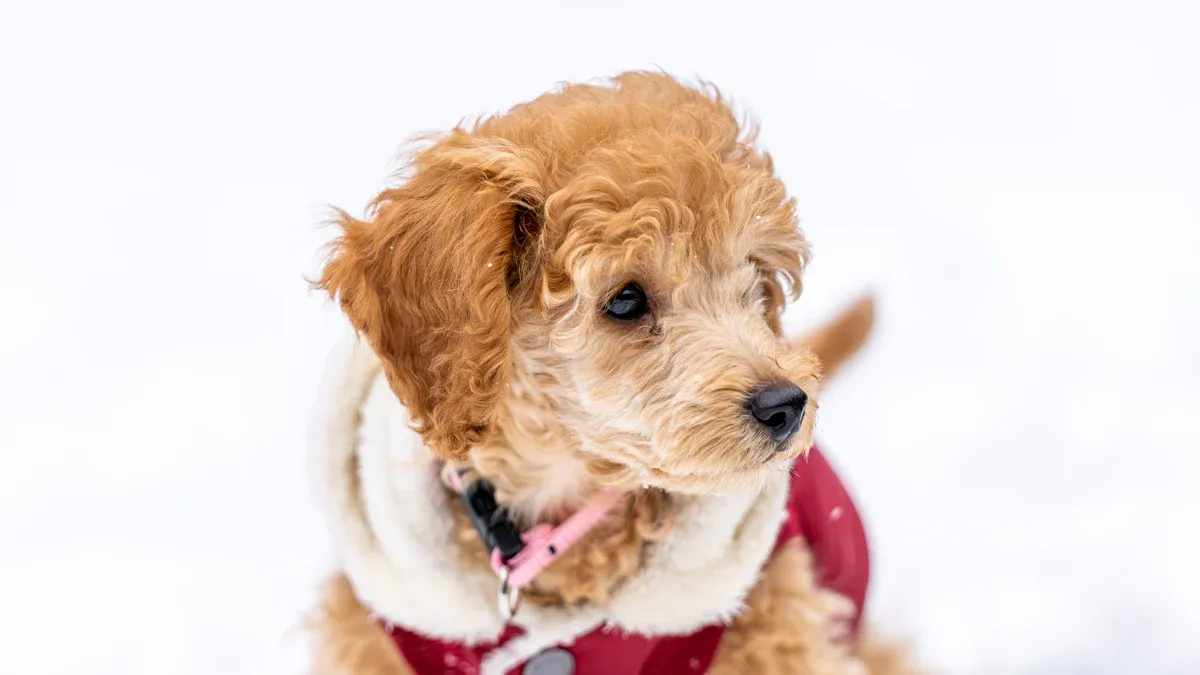
You want your dog to stay warm and comfortable during winter walks. The right coat or jacket can make a big difference for winter joint protection for dogs. When you shop for outerwear, look for features that help shield your dog from cold, wind, and moisture. The table below highlights important qualities to consider:
Feature | Description |
|---|---|
Insulation | Coats with insulation (e.g., 150g or 220g) keep dogs warm in cold weather. |
Waterproofing | Waterproof materials (e.g., 1200 denier polyester) protect against rain and snow. |
Fit | A snug fit with features like elastic rear leg straps ensures comfort and mobility for active dogs. |
Visibility | Reflective properties enhance safety during low-light conditions, important for winter walks. |
Durability | High-quality materials ensure the coat lasts through harsh winter conditions. |
A well-chosen coat helps maintain body heat and supports cold weather joint care. You should check the fit and make sure your pet can move freely. Reflective details add safety for evening walks.
Layering Braces or Support Gear Under/With Clothing
Many dogs benefit from joint support braces for dogs or winter support harnesses. You can layer these aids under a coat or jacket to boost warmth and comfort.
Layering braces or support gear under clothing enhances joint warmth and comfort by providing a snug fit that keeps the brace in place, reducing friction and irritation, and allowing for better moisture management. The choice of fabrics, such as cotton and moisture-wicking materials, contributes to overall comfort and effectiveness.
Choose soft, breathable fabrics for layering. This helps prevent skin irritation and keeps your dog comfortable during cold weather joint care. Make sure the brace or harness fits well under the coat without restricting movement.
Reflective and Weather-Resistant Materials for Dark, Wet Days
Winter brings shorter days and unpredictable weather. You need gear that keeps your dog visible and protected. Consider these advantages:
Reflective materials enhance visibility, helping motorists and pedestrians see dogs in low-light conditions, which is crucial for safety.
Weather-resistant materials ensure durability against harsh winter conditions like cold, rain, and snow, keeping the gear functional.
Comfort is improved with flexible materials that do not irritate the dog, ensuring they wear the gear without resistance.
Products made from materials like Biothane resist weather, ensuring they last through winter walks.
Special covers protect gear from grime, maintaining functionality and appearance.
High-visibility gear includes reflective collars, harnesses, and vests.
Rechargeable safety lights are also recommended to keep dogs visible during winter walks.
Reflective collars increase visibility in low light, reducing the risk of accidents.
You can combine these features with winter joint protection for dogs to keep your pet safe and comfortable. Choose gear that fits well and stands up to winter weather. This helps you enjoy outdoor activities while supporting your dog’s joint health.
Exercise, Weight, and Joint Health in Winter
Adjusting Exercise for Cold Weather and Shorter Days
You may notice your dog has less energy during winter. Shorter days and cold weather can make it harder to keep your pet active. You can adjust your routine to support winter joint protection for dogs. Try these strategies:
Warm up indoors with gentle play to loosen muscles and reduce stiffness.
Choose shorter, more frequent walks instead of long outings. This helps prevent overexertion and keeps your dog moving.
Set up an indoor obstacle course or play gentle games when it is too cold outside.
These changes help you provide cold weather joint care and keep your dog comfortable.
Maintaining a Healthy Weight to Reduce Joint Stress
Extra weight puts more strain on your dog’s joints, especially in winter when activity drops. You should watch your dog’s weight closely. Maintaining joint health means you need to adjust your dog’s calorie intake if they move less. Feed a balanced diet that matches your dog’s age, size, and activity level. This prevents extra pounds that can make joint pain worse. Staying active also helps manage arthritis symptoms. If you notice weight gain, talk to your veterinarian about a nutrition plan.
Tip: Use a measuring cup for meals and limit treats to keep your pet at a healthy weight.
Low-Impact Activities and Hydrotherapy (If Available)
Low-impact exercise supports your dog’s joints without causing pain. Walking on soft surfaces, like grass or carpet, protects joints and builds muscle. You can adjust the pace to match your dog’s comfort. Hydrotherapy is another great option for winter joint protection for dogs. Structured water-based exercises, such as swimming or using an underwater treadmill, reduce pressure on sore joints. Warm water soothes muscles and improves mobility. Many rehabilitation centers offer hydrotherapy with professional guidance. These activities, along with joint support braces for dogs or winter support harnesses, help your pet stay active and safe all winter.
Note: Always check with your veterinarian before starting new exercise routines, especially if your dog has joint issues.
Supplements and Diet for Dog Joint Health
Glucosamine, Chondroitin, Omega-3s, and Other Options
You can support your dog’s joint health with the right supplements. Glucosamine and chondroitin help form and repair cartilage. These ingredients may slow the progression of joint degeneration and improve mobility. Omega-3 fatty acids play a key role in helping reduce inflammation and supporting overall joint health. Many veterinarians recommend fish oil and products like Dasuquin for dogs with arthritis. You often need to give omega-3s separately to reach the best dose for your pet.
“Currently, we recommend fish oil and Dasuquin as things that might help slow the progression of joint issues in dogs.”
You can use supplements as part of winter joint protection for dogs. They work well with cold weather joint care routines, joint support braces for dogs, and winter support harnesses.
Omega-3 fatty acids help reduce inflammation and support joint health.
Glucosamine and chondroitin may slow joint degeneration and improve comfort.
Fish oil is a popular choice for reducing joint inflammation.
Natural Remedies and Oils Sometimes Used for Joints
Some owners try natural remedies to help with joint inflammation and pain. You may see products with turmeric, green-lipped mussel, or CBD oil. These options can help reduce inflammation and offer alternative treatments for joint pain. Always look for high-quality sources and check for safety. Natural oils like coconut oil sometimes appear in homemade diets, but you should use them with caution.
Remedy | Possible Benefit |
|---|---|
Turmeric | May reduce inflammation |
Green-lipped mussel | Supports cartilage health |
CBD oil | May help with pain management |
You can combine natural remedies with winter joint protection for dogs and cold weather joint care strategies.
Talking to Your Vet Before Starting Any Supplement
You should always talk to your veterinarian before starting any new supplement or treatment for joint pain. Your vet knows your pet’s health history and can recommend safe options. Some supplements interact with medications or may not suit every dog. Your vet can help you build a plan that includes winter joint protection for dogs, joint support braces for dogs, and winter support harnesses. This approach helps you reduce inflammation and keep your dog comfortable all winter.
Tip: Keep a list of all supplements and remedies you use. Share it with your vet during checkups.
When to Seek Veterinary Help for Joint Issues
Red Flags and Warning Signs That Need an Exam
You want to keep your dog comfortable all winter, but some signs mean you should call your veterinarian. Dogs often hide pain, so you need to watch for changes in behavior and movement. Look for these warning signs:
Reluctance to climb stairs or jump onto furniture
Signs of discomfort during usual activities
Decrease in activity level or reluctance to go outside
Limping or stiffness, especially when the weather turns cold
Changes in appetite or weight
Irritability or increased sleeping
Avoiding favorite play sessions
If you notice any of these, your dog may need more than home care. Early action helps with managing dog arthritis and prevents further joint damage.
Pain Relief, Rehab, and Bracing Options from Your Vet
Your veterinarian can offer many solutions for winter joint protection for dogs. Pain relief may include medications or supplements that target inflammation and discomfort. Rehab programs help improve mobility and strength. You can ask about joint support braces for dogs or winter support harnesses, which provide stability and comfort during cold weather joint care. These aids work well for dogs with arthritis or those recovering from injury. Your vet may also recommend physical therapy or hydrotherapy to keep your pet active and safe.
Tip: Bring a list of symptoms and changes you have noticed. This helps your vet create the best plan for your dog.
Building a Personalized Winter Joint Care Plan
Every dog is different, so you need a care plan that fits your pet’s needs. Your veterinarian will consider age, breed, health status, and lifestyle. Together, you can build a routine that includes warmth, gentle exercise, supportive gear, and regular checkups. Winter joint protection for dogs works best when you combine cold weather joint care at home with professional advice. Ask your vet about the right diet, supplements, and activity level for your dog. With a personalized plan, you help your dog stay comfortable and active all season.
Callout: Regular communication with your veterinarian ensures your dog gets the best care for arthritis and joint health during winter.
You can protect your pet this winter by focusing on warmth, safe movement, and regular monitoring. Use winter joint protection strategies such as joint support braces for dogs and winter support harnesses to keep your dog comfortable and stable. Cold weather joint care works best when you combine supportive gear, a healthy weight, and daily low-impact activity. High-quality products like those from GaitGuard can make a real difference. If your dog has arthritis or special needs, ask your veterinarian for a personalized joint care plan for the winter months.
FAQ
How do I know if my dog needs winter joint protection for dogs?
You should watch for signs like stiffness, limping, or reluctance to play. If your dog struggles with movement during cold weather, consider cold weather joint care and consult your veterinarian for advice.
Can joint support braces for dogs be worn indoors and outdoors?
Yes, you can use joint support braces for dogs both inside and outside. These braces help stabilize joints, reduce pain, and support safe movement on slippery surfaces. Always check the fit before each use.
What are the benefits of winter support harnesses?
Winter support harnesses help you assist your pet during walks. They provide stability on icy ground, reduce the risk of falls, and make it easier for your dog to climb stairs or get up from rest.
Should I change my dog’s routine if they have arthritis?
You should adjust your dog’s routine for arthritis. Try shorter, more frequent walks and gentle indoor activities. Use winter joint protection for dogs and supportive gear to keep your dog comfortable.
How do I keep my pet’s joints warm during cold weather?
You can use orthopedic beds, warm blankets, and dog coats. Place beds away from drafts. After outdoor walks, dry your pet and let them rest in a cozy spot. These steps support cold weather joint care.
