
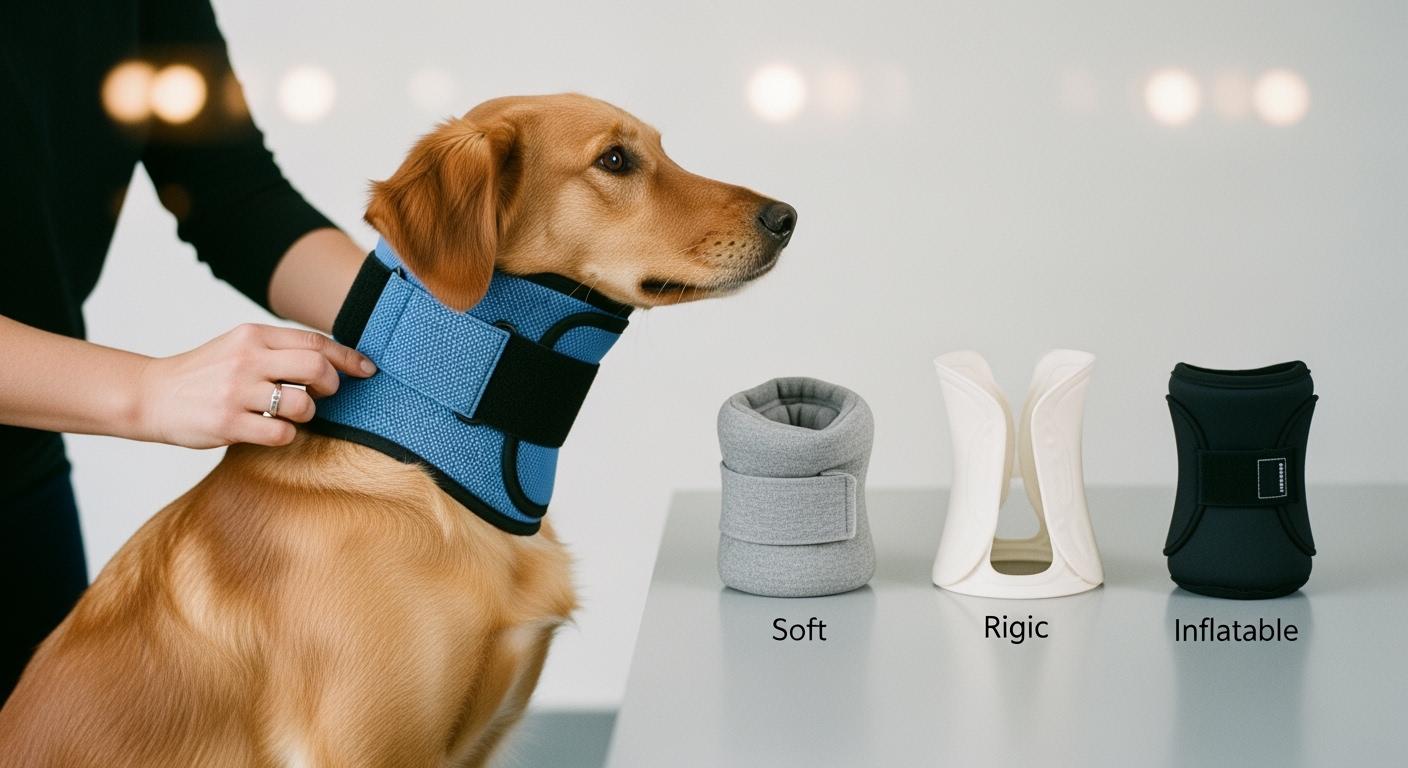
A cervical dog brace gives important support to your dog’s neck. It is used when your dog is healing or getting better. You might notice signs of neck pain in your dog. These signs include cervical hyperesthesia or trouble moving. These problems often need a vet to check them. Many dogs feel pain from things like intervertebral disc disease. Some have rare cervical malformations. In French Bulldogs, studies found that 20.9% with nerve problems had neck pain. Almost all of these dogs showed cervical hyperesthesia. A vet should help you fit and use the brace. This keeps your dog safe and helps the brace work well.
Key Takeaways
A cervical dog brace gives important support to dogs after neck injuries or surgeries. It keeps the neck steady and helps the dog heal.
Ask your veterinarian to pick the best brace for your dog. For condition-specific cervical support context, review our dog neck brace for cervical support article. There are soft braces and rigid braces, and each type helps in different ways.
You must measure your dog’s neck and chest girth carefully. This helps make sure the brace fits well and works correctly.
Check your dog often for discomfort or skin irritation. Change the brace if needed to keep your dog comfortable and supported.
Clean the brace to stop skin problems. Wipe it every day and look for damage or wear.
Cervical Dog Brace Overview
What Is a Cervical Dog Brace?
A cervical dog brace keeps your dog’s neck from moving too much. It helps your dog stay safe after neck injuries or surgeries. The brace also helps after problems with the upper spine or head. It stops your dog from turning its head to lick or bite wounds. Vets call this device a dog neck brace or cervical collar. The main reason for using it is to give support and protect your dog while it heals.
For product-side comparison, review our dog neck brace options category to compare neck-support designs and recovery use cases.
When Is Cervical Support Needed?
Dogs need cervical support in different medical cases. The table below lists common reasons for using a cervical dog brace:
Clinical Indication | Description |
|---|---|
Atlantoaxial Instability (AAI) | Used to keep the neck still in dogs with AAI. |
Mild Neurological Signs | Given to dogs with mild neurological problems. |
Surgical Limitations | Used when surgery is not safe because of age or anesthesia risk. |
If your dog is recovering from cervical IVDD or needs stricter neck-motion control, see our dog neck brace for cervical support article for recovery-focused use cases.
Vets often suggest cervical support for dogs with neck pain from disk problems. Where the disk problem is and how bad it is help your vet choose the right treatment. Dogs wearing a neck brace may get better, walk steadier, and have fewer nerve problems.
Symptoms of Dog Neck Pain
Look for signs that your dog has neck pain and needs help. These signs are a hunched back, holding the head low, not wanting to walk, not eating, making noise, and being tired. Dogs might walk wobbly, especially on smooth floors. Trouble getting up from lying down can also mean pain. In worse cases, your dog may walk with its head hanging down. Neck pain is the main sign in dogs with cervical myoclonus and intervertebral disc disease. Many dogs feel pain even if they do not have nerve problems. Knowing these signs helps you get your dog help from a vet quickly.
Cervical Dog Brace Types
Soft vs. Rigid Braces
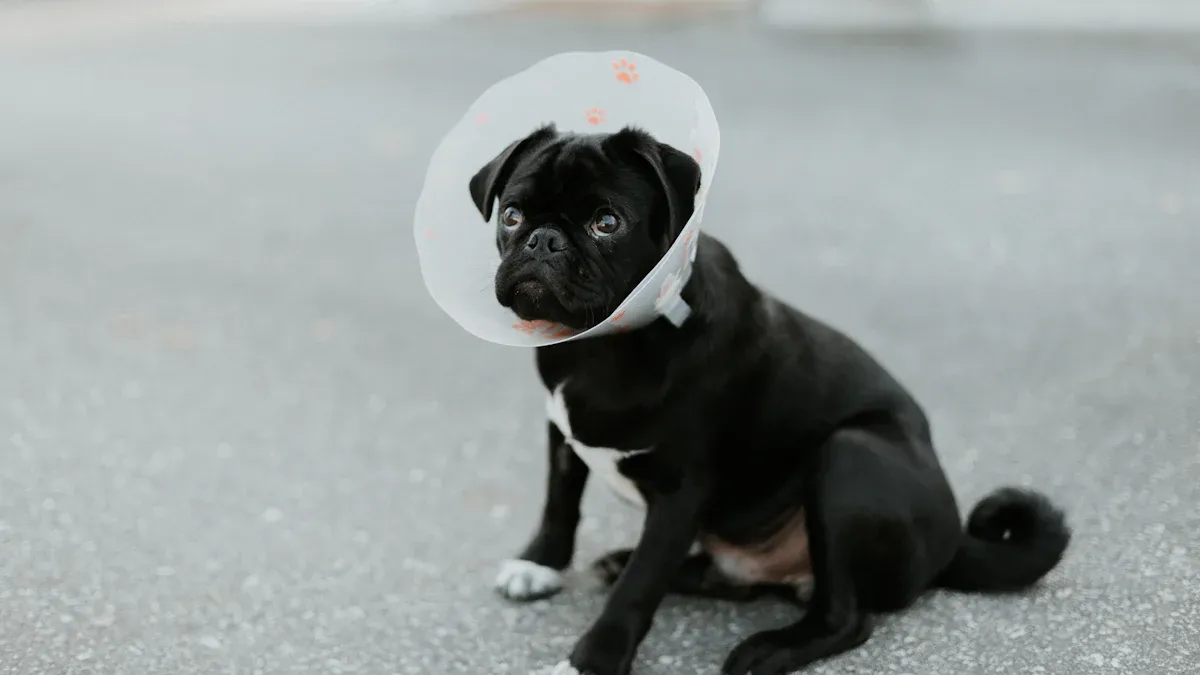
You can compare brace categories in our canine rehabilitation brace fit, comfort, and safety guide before deciding between soft or rigid support. Soft braces use bendable materials. They help with mild pain and give gentle support. These braces are good for daily comfort and light activity. Rigid braces use hard materials. They keep the neck still and stop movement. You may need a rigid cervical dog brace for serious injuries or after surgery. Your veterinarian will help you choose the right type for your dog’s needs.
Adjustable and Fixed Designs
Adjustable braces let you change the fit as your dog heals. You can make these braces tighter or looser for comfort. Fixed designs do not change shape. They give steady support and keep the neck in one spot. Adjustable braces are good for dogs who need changing support during recovery. Fixed braces work well for dogs who need strict control after injury or surgery.
Materials and Construction
Dog neck braces use different materials to balance comfort and strength. You may see fabric, plastic, nylon, or mesh in these devices.
Material Type | Benefits | Durability | Comfort |
|---|---|---|---|
Fabric | Breathable, flexible | May wear out quicker | More comfortable for daily wear |
Plastic | Superior stability, waterproof | More durable | Less flexible, firmer support |
Nylon | High tensile strength, moisture resistant | Durable | Flexible, breathable |
Mesh | Promotes air circulation | Durable | Reduces skin irritation |
Nylon and mesh are strong and let air flow. This helps stop skin problems and keeps your dog comfortable, even when it is hot. Plastic gives firm support and lasts longer. Fabric feels soft and works well for daily use, but it may wear out faster.
Pros and Cons of Each Type
Tip: Always match the brace type to your dog’s treatment plan and activity level.
Soft Braces:
Pros: Comfortable, easy to wear, good for mild pain.
Cons: Less support, may wear out faster.
Rigid Braces:
Pros: Strong support, good for serious injuries, helps alleviate dog neck pain.
Cons: Less flexible, may feel firm.
Adjustable Designs:
Pros: Custom fit, adapts to changes during treatment.
Cons: May need more checks for proper fit.
Fixed Designs:
Pros: Consistent support, simple to use.
Cons: Less adaptable if your dog’s neck changes.
You should always talk to your veterinary or rehabilitation team before picking a brace. This helps you match the brace to your dog’s pain pattern, treatment plan, and recovery stage.
Choosing a Cervical Dog Brace
Assessing Dog Size and Breed
You need to start with accurate measurements when you select a cervical dog brace. Each dog has a unique body shape and size. Proper fit helps you provide supportive care and avoid new problems. Use these steps to measure your dog:
Measure the girth at the widest part of your dog’s chest. Use a soft tape measure and wrap it snugly, especially if your dog has thick fur.
Measure the neck circumference where the brace will sit. Make sure the tape is snug but not tight.
Check your dog’s weight. This helps you choose a brace that gives the right support.
Consider your dog’s breed. Some breeds have short necks or wide chests. Others have long, slender necks. These differences affect how the brace fits.
A good fit helps you alleviate dog neck pain and keeps your dog comfortable during recovery. If you need more help with measuring and fit checks, review our canine rehabilitation brace fit, comfort, and safety guide.
Matching Support to Medical Needs
You must match the level of support to your dog’s medical needs. Dogs with mild pain may need a soft brace for gentle support. Dogs with cervical injuries or after surgery may need a rigid brace for strict control. Your goal is to reduce pain and help your dog heal. You should also think about your dog’s daily activity. Some dogs need more freedom to move, while others need their neck held still.
You can talk with your veterinary team about the best treatment options. They can help you choose a brace that fits your dog’s treatment plan. If your dog needs extra help with cervical recovery routines, daily handling, or harness-assisted movement, you can review our related cervical and IVDD support resources below.
Consulting Veterinary Professionals
You should always consult a veterinarian before you choose a cervical dog brace. A veterinarian can identify dog neck pains and recommend the right brace for your dog’s condition. They will check for signs of dog neck pain, such as stiffness, weakness, or changes in movement. They can also guide you on how to provide supportive care and monitor your dog’s progress.
A veterinary professional can adjust the brace for a proper fit. They can also help you set up a treatment plan that includes physical rehabilitation and daily care. This team approach helps you support your dog’s recovery and avoid further injury.
Tip: Regular check-ins with your veterinary care team help you track your dog’s healing and adjust the brace as needed.
Internal Links to Related Guides
You can find more information about safe handling, fitting, and recovery planning in our related resources:
These resources help you learn about daily use, support goals, and best practices for cervical support for dogs. You can use them to improve your dog’s comfort and safety during treatment and recovery.
Fitting and Positioning for Support
Measurement and Sizing Basics
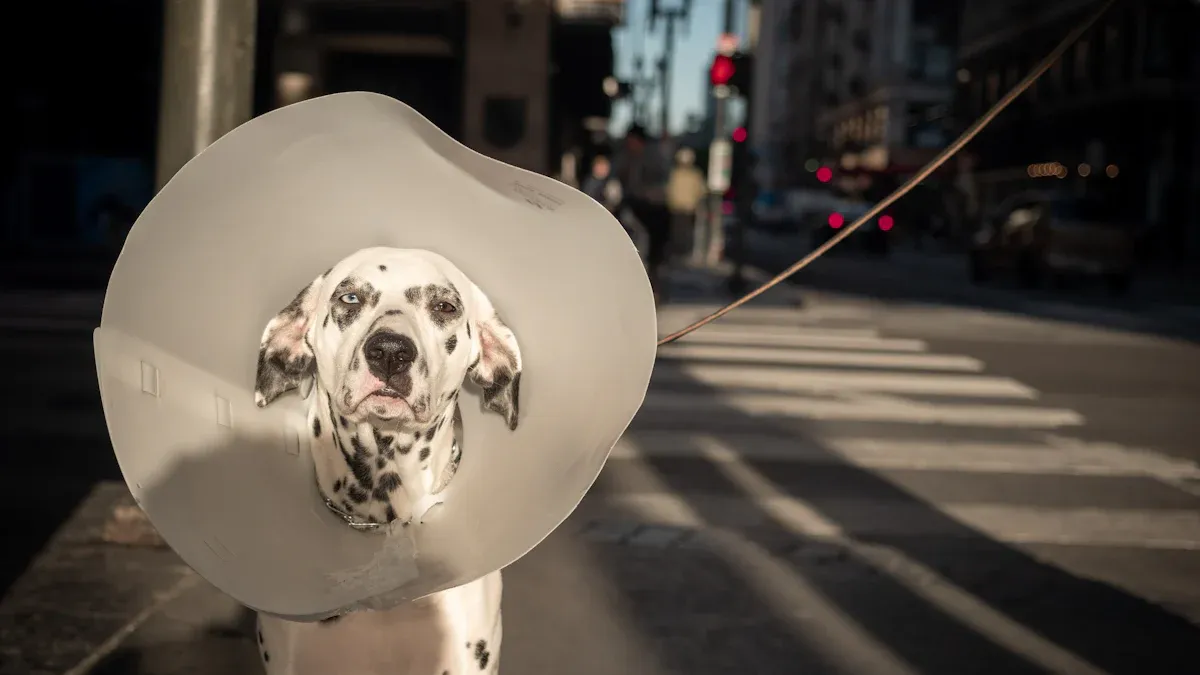
You need to measure your dog carefully before you fit a cervical dog brace. Start by measuring the neck circumference at the spot where the brace will sit. Use a soft tape measure and keep it snug but not tight. Measure the chest girth at the widest point. Record your dog’s weight. These measurements help you choose the right brace and provide support during treatment. Dogs with short necks or broad chests may need special sizing. Accurate measurements help you alleviate dog neck pain and improve comfort.
Step-by-Step Fitting Guide
Follow these steps to fit a neck brace for dogs:
Check the neck circumference to make sure the brace will stabilize the area.
Clean and dry your dog’s skin before you apply the brace.
Open the brace by unfastening the magnetic lock and snap fits.
Place the upper part of the brace on your dog’s back. Position the lower part under the neck and chest.
Fasten the brace by securing the snap-fit fasteners and reconnecting the magnetic lock. Make sure the brace sits symmetrically.
Confirm the fit. The brace should not twist or slide when your dog moves. It must stay secure but comfortable.
Tip: Always check the brace after activity to ensure it stays in place and continues to provide support.
Signs of Proper Fit
You can spot a proper fit by looking for these signs:
The brace sits flat against your dog’s neck and chest.
Your dog moves without the brace slipping or twisting.
Your dog shows less pain and appears more comfortable.
The brace does not cause skin irritation or restrict breathing.
A good fit helps your dog during treatment and physical rehabilitation. It also supports daily activity and improves recovery.
Common Fitting Mistakes
Avoid these mistakes when you fit a cervical dog brace:
Choosing a brace that is too tight or too loose.
Placing the brace unevenly on the neck.
Forgetting to check for skin irritation.
Not cleaning the skin before applying the brace.
Ignoring changes in your dog’s pain or movement.
Note: Regular checks help you adjust the brace and improve treatment options for your dog.
Daily Use and Handling
Supervision and Activity Guidelines
You must watch your dog when it wears a neck brace. Dogs may try to take off the brace. This can hurt them. You should:
Keep your dog in a safe area. Remove things that could fall or break.
Watch your dog during all activities. Do not leave your dog alone with the brace on.
Do not let your dog play outside with the neck brace. Sticks and leaves can get stuck in the brace.
Take your dog for bathroom breaks on a leash. Do not let your dog go outside alone.
These steps help keep your dog safe and help it heal.
If walking support is still needed while you avoid neck pressure, review our IVDD dog lift harness guide for safer assisted movement.
Monitoring for Comfort and Safety
Check your dog every day to make sure it feels comfortable. For crate-rest warnings and home monitoring basics, review our IVDD dog home care and mobility support article. Look for pain, red skin, or swelling under the brace. If your dog acts upset or scratches, the brace may not fit right. Adjust the brace or call your vet if you see problems. Checking often helps your dog feel better and keeps treatment working.
Cleaning and Maintenance
Clean your dog’s neck brace every day so it stays safe. You can:
Wipe the brace with a wet cloth and mild soap to clean dirt and oils.
Wash the brace well every two or three days. Use a soft sponge and pet-safe soap. Rinse and let it dry in the air.
Check if the brace can go in the washing machine by reading the instructions.
Look at the brace for cracks or worn spots. Replace it if you see damage.
Cleaning often stops germs, mold, and bad smells. This helps prevent skin problems and helps your dog get better.
Tips for Long-Term Support
Your dog may need a neck brace for a long time if it has neck pain or needs treatment. The table below shows ways to help at home and when to get more help:
Support Option | Best For | Limits | Owner Workload | When to Escalate |
|---|---|---|---|---|
Part-time rigid neck brace | Mild to moderate IVDD | Not for severe instability | Moderate (daily checks) | New pain, sores, worsening signs |
Continuous cervical collar | Instability, post-surgery | Needs daily skin checks | High (strict protocol) | Skin breakdown, breathing issues |
Harness-only management | Mild pain, skin issues | Less support for instability | Low | Worsening pain, new weakness |
Crate-rest-only management | Early or mild cases | No direct neck support | Low | No improvement, new symptoms |
Surgical pathway support | Severe or non-responsive | Surgery risks, recovery time | High (aftercare) | New pain, loss of function |
You should use these options with rehab and vet visits. This helps your dog feel better and live a happier life.
Picking the right cervical dog brace and making sure it fits well helps your dog heal and feel better. Check the brace every day. Look for any changes on your dog’s skin. Watch how your dog moves and acts. A veterinarian should help you use the brace safely. Always ask your vet if you have questions. Use this guide to learn how to care for your dog. For more help, read other guides or talk to rehab experts. This keeps your dog safe and comfortable.
FAQ
How long should my dog wear a cervical dog brace each day?
You should follow your veterinarian’s advice. Most dogs wear a cervical dog brace for several hours or as prescribed. Remove the brace for skin checks and cleaning. Always supervise your dog during use.
Can my dog sleep while wearing a neck brace for dogs?
Yes, many dogs can sleep with a neck brace for dogs. Make sure the brace fits well and does not cause discomfort. Check your dog’s skin and adjust the brace if you see redness or irritation.
What signs show that a cervical dog brace fits correctly?
You should see the brace sit flat against your dog’s neck and chest. Your dog should move comfortably without slipping or twisting. Watch for normal breathing and no skin irritation.
Is a cervical dog brace safe for all breeds and sizes?
Most breeds and sizes can use a cervical dog brace. Measure your dog carefully and choose the right size. Some breeds with unique neck shapes may need special fitting. Always consult your veterinarian.
How do I clean and maintain a dog neck brace?
Wipe the brace daily with a damp cloth and mild soap. Let it air dry. Check for cracks or worn areas. Replace the brace if you see damage. Cleanliness helps prevent skin problems and keeps your dog comfortable.
