
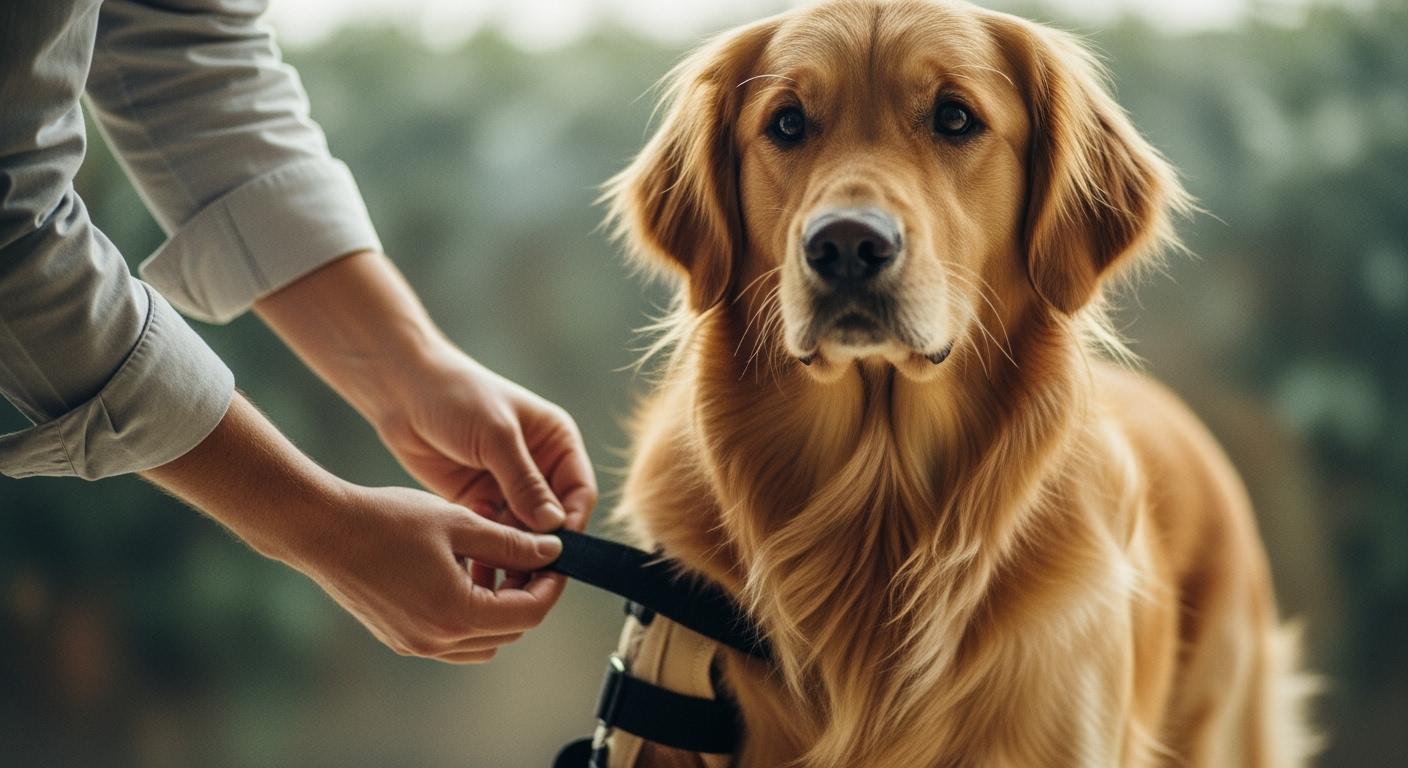
You see many dogs struggle with knuckling. This condition makes walking hard for dogs and can cause paw injuries. A dog foot brace for knuckling gives support to dogs who drag their paws. You use a brace to help dogs lift their toes and walk better. Clinics choose a brace to help dogs recover from injuries. Rehab teams rely on a brace to correct knuckling in dogs. Distributors offer a brace to meet the needs of dogs with weak paws. You fit a brace to match each dog’s unique paw shape. Every brace helps dogs move with less pain. You trust a brace to improve daily life for dogs with knuckling.
Key Takeaways
A dog knuckling brace helps dogs who drag their paws. It makes walking easier and safer for them.
Use our dog knuckling brace guide to compare support level, gait goals, and daily-use needs before choosing the right brace for your dog.
Use our no-knuckling brace for dogs guide to check fit, toe lift, and daily monitoring steps so your dog stays comfortable and safe.
Use the brace every day by starting with short times. Slowly let your dog wear it longer as they get used to it.
Watch your dog’s skin and paw for redness or cuts. Ask a vet for help if you see any problems.
Dog Foot Brace for Knuckling: Purpose and Benefits
What Is a Dog Knuckling Brace?
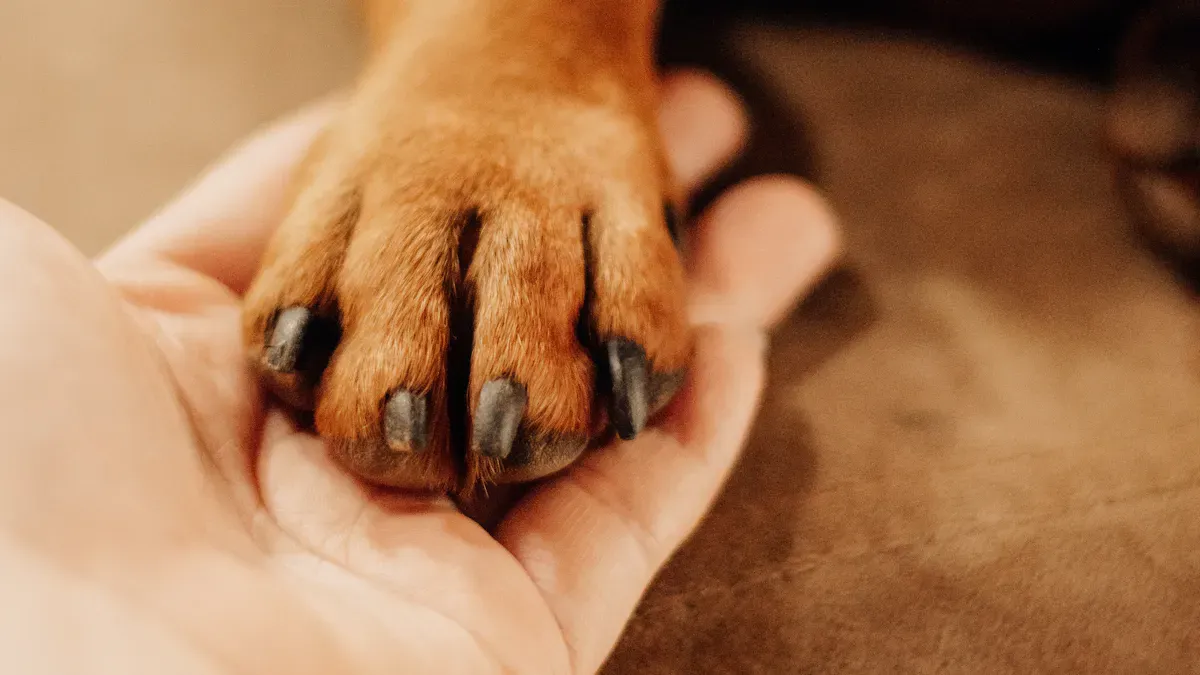
You use a dog foot brace for knuckling when you see dogs drag their paws or walk on the top of their feet. This device helps dogs who have trouble lifting their toes. The brace fits around the paw and lower leg. It gives gentle lift and structure to the foot. You can use a no-knuckling brace for dogs in clinics, rehab centers, or at home. The main goal is to help dogs walk with a normal paw position. You may hear this device called a paw dragging support brace or a no-knuckling brace. Each name describes the same type of support for dogs with weak or injured paws.
A dog knuckling brace plays a key role in veterinary and rehabilitation settings. You use it to help dogs recover from nerve injuries, spinal issues, or muscle weakness. The brace keeps the paw in the right position. This reduces the risk of scrapes, sores, and further injury. You can read more about clinical use cases, support logic, and selected indications in our dog knuckling brace guide.
How No-Knuckling Braces Work
You see the effects of knuckling when a dog’s paw drags on the ground. The toes curl under, and the top of the paw gets scraped. A no-knuckling brace for dogs works by lifting the toes and supporting the paw. You attach the brace to the lower leg and paw. The brace uses straps or a boot to hold the foot in a natural position. This support helps dogs clear their paw with each step.
You use a no-knuckling brace to improve mobility and comfort. The brace helps dogs walk with less pain. It also prevents injuries from paw dragging. You can use a no-knuckling brace for daily walks, therapy sessions, or during recovery. The brace gives you a tool to help dogs regain strength and confidence. For more details on how these devices work, see our no-knuckling brace for dogs guide.
If you are pairing toe-up support with short rehab walks, use our dog gait training support guide for walk-plan structure, stop signs, and daily safety checks.
Tip: Always check the fit of the brace before each use. A proper fit ensures the best support and comfort for your dog.
Main Types of Braces
You can choose from several types of dog foot brace for knuckling. Each type offers different levels of support for dogs with paw dragging or toe weakness. The main types include:
Type of Splint | Description |
|---|---|
Rear Splint | Supports hind leg and paw |
Hock Splint | Supports the tarsal or hock joint on the back leg |
Front Splint | Supports front limb and paw |
Carpal Splint | Supports the carpal joint and lower front leg |
Bootie Splint | Supports paw, toe, and ankle |
You may also see braces described by their design and function:
Hinged braces give maximum support for severe injuries or after surgery.
Non-hinged braces are lightweight and flexible. You use them for minor injuries or daily support.
Custom-made braces fit a specific dog. These offer the best fit and support for unique needs.
You select a brace based on the dog’s size, the limb affected, and the level of support needed. For example, a bootie splint works well for paw dragging support. A carpal splint helps dogs with wrist weakness. You can find more information about choosing the right brace in our paw dragging support brace guide.
A dog foot brace for knuckling gives you a practical way to help dogs move better. You use the brace to support recovery, prevent injury, and improve quality of life. The right no-knuckling brace for dogs can make a big difference in daily mobility and comfort.
Knuckling in Dogs: Causes and Signs
Causes of Knuckling
Dogs can have knuckling when their paws turn under or drag. There are many reasons why this happens. Some main causes of knuckling in dogs are:
Neurological disorders like intervertebral disc disease (IVDD), degenerative myelopathy, spinal stroke, and genetic problems
Poor nutrition and being overweight
Getting hurt or having an accident with the leg or paw
Neoplasia, which is cancer that affects nerves or muscles
Knuckling in dogs can come from nerve or bone problems. If nerves or muscles do not work right, dogs may lose control of their paws. This can cause paw injuries and make walking hard. You might see knuckling after an accident or from long-term health problems. Knowing what causes knuckling helps you pick the right support and stop more paw injuries.
Recognizing Paw Dragging
You can notice knuckling in dogs by watching how they walk. Early signs of knuckling are small changes in the way they move. Some common signs of knuckling and paw dragging are:
Shaking, weakness, or trouble moving the legs
Wobbling or swaying when walking
Stiff or long steps
Knuckling the paws or dragging feet
Tripping or falling, mostly on slippery floors
Limp tail or trouble getting up
Not able to fix paw position
Feeling unsure or uneasy when moving
You should look for these early signs to help stop paw injuries. Dogs with knuckling can get scrapes or sores on the top of their paws. If you see these signs, you can protect the dog’s paws and help them move better.
When to Consider a Brace
You might need a brace if knuckling makes it hard for dogs to walk or stand. A set of dog knuckling brace options gives support when dogs cannot use their leg well or drag their paw. Braces are often used for dogs with ongoing problems or after an injury. The type of brace depends on how the dog moves, what they can do, and their health outlook.
Note: You should think about a brace if you see paw injuries happening again, knuckling that does not stop, or trouble moving every day. Using a brace early can stop more damage and help dogs get better.
A brace is a helpful tool to deal with knuckling and lower the chance of paw injuries. You can help dogs feel better and move more by seeing the signs and acting quickly.
Choosing a Dog Foot Brace for Knuckling
Selecting the right brace for dogs with knuckling is important for clinics, rehab teams, and pet owners. You want to help dogs move safely and comfortably. The right brace gives support and protects the leg from further injury. This section will guide you through the key features, types, and decision points for choosing a dog foot brace for knuckling. If the diagnosis is already confirmed and you want a condition-first path, start with our solutions by condition hub.
Key Features of No-Knuckling Braces
When you look for a brace, you need to focus on features that keep dogs safe and comfortable. The right brace should fit the leg well and provide steady support. Here are some important features to consider:
Measure the dog’s hock carefully to get a good fit for the leg.
Choose materials that feel soft but give strong support to the leg.
Pick a brace that you can adjust as the dog’s condition changes.
Check the dog’s skin often to prevent irritation from the brace.
You can find more details about measuring, toe-up tension, and daily monitoring in our no-knuckling brace for dogs guide.
Tip: Always check the brace for signs of wear. Replace it if you see damage to keep dogs safe.
Types: Toe-Up, Boot, and Support Braces
You will see different types of braces for dogs with knuckling. Each type helps the leg in a special way. You should match the brace to the dog’s needs and the way the leg moves.
Toe-Up Braces: These braces lift the toes and help dogs clear the paw with each step. They work well for dogs who drag the top of the paw.
Boot Braces: A no-knuckling boot brace covers the paw and lower leg. It gives full support and protects the leg from scrapes. For toe-up fitting logic, boot-style coverage, and monitoring steps, review our no-knuckling brace for dogs guide.
Support Braces: These braces wrap around the leg and give steady support. They help dogs with weak muscles or mild knuckling.
You may also see braces called paw dragging support braces. These braces help dogs who drag their leg and need extra protection. For walk routines, support matching, and safety checks during rehab, see our dog gait training support article.
Matching Brace to Gait Support Goals
You need to match the brace to the dog’s gait and support goals. Each dog moves in a different way. The right brace helps the leg move in a safe and natural pattern. Use the table below to help you decide:
Factor | Description |
|---|---|
Veterinary Consultation | Ask a vet to check the dog’s leg and suggest the best brace for knuckling. |
Material and Durability | Pick a brace with strong materials for active dogs. Soft materials work for gentle support. |
Size and Fit | Measure the leg carefully. A good fit keeps the brace safe and comfortable for dogs. |
Reviews and Recommendations | Ask other clinics or rehab teams about their experience with the brace for knuckling. |
You can use these factors to choose a brace that matches the dog’s needs and your support goals.
When to Use Additional Aids
Sometimes, you need more than a brace to help dogs with knuckling. You can use extra aids to support the leg and improve safety.
Pick a lightweight device so the leg does not get tired.
Use aids that help dogs place their paw in the right position.
Try a harness if dogs need help standing or walking.
Watch dogs closely to prevent the leg from getting tangled in the device.
Choose aids that match the dog’s energy and the level of support needed.
You can combine a brace with these aids to give dogs the best chance to move safely. Always check the fit and comfort of every device you use.
Note: If you have questions about which brace or aid to use, talk to your veterinary team or consult our fitting guides for more help.
Fitting and Positioning the Brace
Measuring for Proper Fit
You need to measure carefully before you fit a brace for knuckling. Accurate measurements help you avoid problems for dogs. Many clinics use a casting kit to create a mold of the leg. This method gives a custom fit for dogs who need a brace for knuckling. You can also use a soft tape measure to check the length and width of the limb. Make sure the brace is not too loose, or it may slip and cause more knuckling. If the brace is too tight, it can lead to swelling or pressure sores. When you feel unsure, ask a veterinary professional to help you measure. Custom braces for dogs often use high-quality materials and are made from a cast sent to an orthotics company.
Step-by-Step Fitting Process
You should follow a clear process when you fit a brace for knuckling. Start by sliding the brace onto the leg so it sits just above the paw. Make sure the support lifts the toes and does not twist the paw. Fasten the straps so they feel snug but not tight. You should fit one finger between the strap and the leg. The brace should not rotate or slide when dogs move. Gently flex the paw to check that the brace keeps the toes from dragging. Watch dogs stand and walk a few steps. Look for signs of discomfort, such as licking or shaking the leg.
Positioning and Tension
You must check the position and tension of the brace for knuckling every time you use it. Use dual adjustable straps to keep the brace secure and reduce slipping. Adjust the angle if the brace has a dial, so the paw lands flat. Start with short wear times, no more than two hours a day, to help dogs get used to the brace. Increase the time slowly as dogs adapt. Always check for rubbing or redness on the skin.
Tip: Introduce the brace slowly to help dogs feel comfortable and safe.
Walk Test and Adjustment
You need to do a walk test after you fit the brace for knuckling. Watch how dogs move. The paw pads should land first with each step. Toes should not drag or scrape. The brace should stay in place and not twist or slide. If you see the paw flip under or the brace causes limping, adjust the fit right away. If dogs try to remove the brace or show new discomfort, stop and check for problems. Repeat the walk test after each adjustment. Careful monitoring helps you keep dogs safe and supports recovery from knuckling.
Daily Use and Monitoring
Establishing a Routine
You help dogs with knuckling by setting a clear routine for brace use. Start with short sessions. Let dogs wear the brace for 30 to 60 minutes, two to five times each day. Increase the time as dogs adjust. Use the brace during walks, therapy, and potty breaks. Remove the brace when dogs sleep without supervision. Combine the brace with physical therapy and weight management. Joint supplements may also help. You follow your vet’s advice to get the best results. Daily routines keep dogs safe and improve their mobility.
Begin with short periods of brace use.
Increase time daily as dogs tolerate the brace.
Use the brace during activity and therapy.
Remove the brace for unsupervised sleep.
Combine brace use with other support methods.
Safety Checks for Paw and Skin
You must check the skin and paw under the brace every day. Look for redness, swelling, or sores. Clean the fur and keep it dry. Inspect the brace for signs of wear. Make sure the brace fits well and does not slip. If you see any problems, stop using the brace and ask your vet for help. Safety checks prevent injury and keep dogs comfortable. You protect dogs from rubbing and pressure sores by monitoring the brace closely.
Tip: Check the brace twice daily to catch any issues early.
Cleaning and Maintenance
You keep the brace clean to protect dogs from infection. Wipe the brace with a damp cloth to remove dirt. Follow the manufacturer’s instructions for washing, especially if the brace has fabric parts. Dry the brace before you use it again. Regular cleaning helps the brace last longer and keeps dogs safe. You maintain the brace to ensure steady support and good traction while walking.
Wipe the brace often to remove dirt.
Wash fabric parts as directed.
Dry the brace before use.
Daily care and monitoring help dogs with knuckling move safely. You use the brace to give support and improve quality of life.
Troubleshooting and Support
Common Fit Issues
Some dogs have problems with how the brace fits. The most common issues are slipping, twisting, or too much pressure on the paw. If the brace slips, check the straps and make them tighter. Make sure the brace is in the right spot on the leg. If you see twisting, move the brace and line it up with the dog’s limb. Always check that the brace does not pinch or bunch up. This can make dogs feel uncomfortable. A good fit helps dogs get the most from knuckling support.
Addressing Discomfort or Rubbing
Dogs can feel sore or get rubbed spots when wearing a brace for knuckling. You can follow these steps to keep dogs safe and happy:
Check the skin under the brace two times each day for rubbing, redness, or sores.
Keep the fur clean and dry. Cut extra fur that gets stuck under the straps.
Clean the brace as the maker says. Change old padding right away.
If you see more limping, swelling, or knuckling, take off the brace and call your vet.
Tip: Checking early stops small problems from getting worse. Dogs need regular checks to stay comfy in their brace.
Persistent Knuckling or Dragging
Sometimes, dogs still show knuckling or paw dragging even with a brace. This can happen for different reasons. Knuckling often means there is a problem with nerves between the brain, spine, and leg. Problems like Intervertebral Disc Disease, degenerative myelopathy, or nerve swelling can cause ongoing knuckling. Arthritis can also make dogs knuckle to help joint pain. Big puppies that grow fast can get carpal flexural deformity. This makes the paw bend under. If you see knuckling that does not go away, review your support plan, check the brace fit, and think about other health problems.
When to Consult a Veterinarian
You should know when to ask a vet for help with dogs using a brace for knuckling. Use this table to help you decide:
Condition | Action |
|---|---|
Dog cannot bear weight | Seek veterinary care right away |
Severe pain | Seek veterinary care right away |
Open sores | Seek veterinary care right away |
Worsening knuckling | Stop using the brace, call your vet |
If you do not see dogs get better after fixing the brace and letting them rest, talk to your vet.
Always call your vet if you see new or worse knuckling.
Note: Getting help from your vet quickly gives dogs the best chance to get better from knuckling.
You can see that a brace helps dogs with knuckling walk safely each day. The brace supports their joints and lowers pain. It also helps dogs get better after an injury. Picking the right brace and making sure it fits well keeps dogs comfy and stops skin problems. You need to check the brace every day. This helps you notice changes in knuckling and fix them fast. Owners should help care for the brace so dogs get the best results. Clinics and rehab teams work together to pick the best brace for each dog. The brace helps dogs walk better and keeps them from getting hurt. You should look at the brace often to make sure dogs stay safe. You can learn about physiotherapy, weight control, and making safe spaces for dogs with knuckling. Reading guides about IVDD and support tips can help you care for dogs with knuckling. A good brace can make life better for these dogs.
Picking and fitting the right brace helps keep joints steady and lowers pain for dogs with knuckling.
Checking the brace every day makes sure dogs feel good and can move well.
When owners help with brace care, dogs with knuckling do better.
Read guides about physiotherapy, weight control, and safe places for dogs with knuckling.
For more tips, review our related resources on dog knuckling brace types, no-knuckling brace for dogs, and dog gait training support.
FAQ
What is the main purpose of a brace for knuckling in dogs?
You use a brace to help dogs who show knuckling. The brace lifts the paw and supports the leg. This support helps dogs walk safely. You prevent paw injuries and improve comfort for dogs with knuckling.
How do you know if dogs need a brace for knuckling?
You see knuckling when dogs drag their paws or walk on the top of their feet. If you notice these signs, you should consider a brace. The brace helps dogs move better and protects their paws from injury.
Can dogs wear a brace for knuckling all day?
You should not let dogs wear a brace all day at first. Start with short sessions. Watch for signs of rubbing or discomfort. Increase the time as dogs get used to the brace. Always remove the brace when dogs sleep.
How do you clean a brace for dogs with knuckling?
You clean the brace by wiping it with a damp cloth. Make sure the brace is dry before you use it again. Clean the brace often to keep dogs safe. Regular cleaning helps the brace last longer and supports dogs with knuckling.
What should you do if knuckling does not improve with a brace?
If you see knuckling continue, check the fit of the brace. Make sure the brace supports the paw and leg. If knuckling does not get better, talk to your veterinarian. Dogs may need more help or a different brace.
