
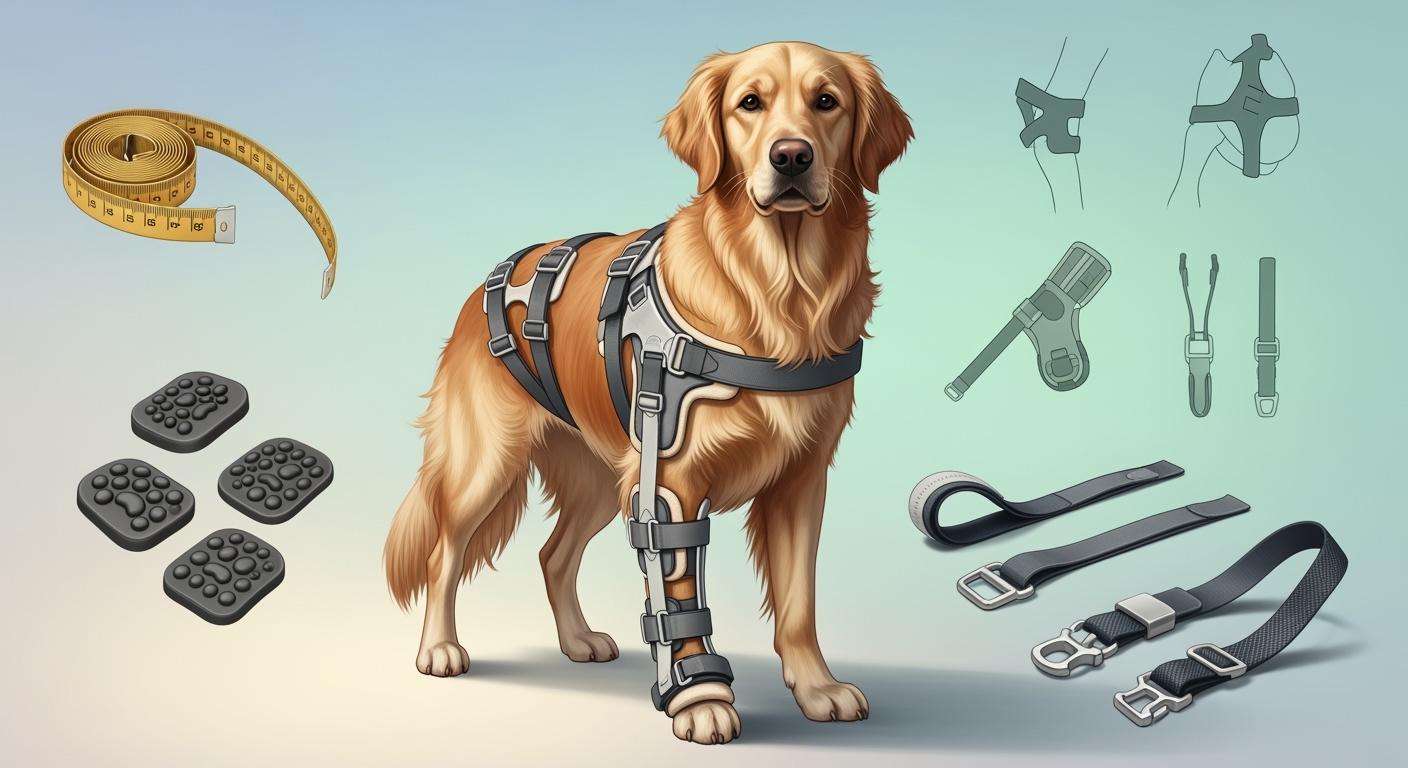
A dog front leg brace helps your dog’s leg when it is hurt or weak. You use dog braces to keep the joint steady. They also help lower pain and stop more injuries. Many front leg braces help your dog heal by giving the right support. Orthopedic braces are used for problems like carpal or elbow instability. These tools are important for your dog’s movement. They show why dogs need braces when they are healing or doing daily things.
Main jobs include:
Helping movement
Lowering pain
Stopping more injury
Helping healing
The right fit and type are needed for good support. Knowing your choices helps you pick what your dog needs.
Key Takeaways
A dog front leg brace helps support weak or hurt legs. It can lower pain and stop more injuries from happening.
Picking the right type and fit of brace is very important. This helps your dog feel better and heal faster. Always ask a veterinarian for help.
You should check and take care of the brace often. This keeps it working well and comfy for your dog.
Braces can help with many problems like sprains, fractures, or after surgery. They help your dog move better and feel more sure.
You need to clean the brace and check the fit every day. This helps your dog heal and stay healthy.
What Is a Dog Front Leg Brace?
A dog front leg brace is a helpful tool for your dog’s front leg. You put it on your dog’s leg to help keep the joints and bones steady. It can be used for the carpus, elbow, or lower leg. This brace lets your dog move with less pain and feel braver. You might see these braces at the vet, in rehab places, or with pet owners who want to help their dogs heal or stay active.
Purpose and Benefits
You use a dog front leg brace when your dog’s front leg is weak, hurt, or getting better. The brace keeps the leg steady, which helps lower pain and stops more injury. When you use a brace, your dog can walk, run, or play with less pain.
A study in “Frontiers in Veterinary Science” says dog braces are now often used by vets.
Many dog owners see their dogs feel better after using these braces.
Orthopedic braces give support, comfort, and steadiness to dogs with leg or back problems.
There are many good things about using a dog front leg brace:
Pain relief: The brace helps make the joints hurt less.
Support and stability: It gives weak legs the help they need.
Injury prevention: The brace keeps the leg steady to stop new injuries.
Reduced discomfort: It helps with swelling and makes your dog feel better.
Improved mobility: Your dog can move easier and do more things.
Enhanced confidence: With more support, your dog may feel happier and safer.
You might wonder how dog braces work. They stop the leg from moving in ways that can hurt it. The brace keeps the leg in a safe spot. This helps your dog heal faster and move with less pain. You can use a brace after surgery, while healing, or for long-term joint problems. That’s why dogs need braces when their legs are weak or hurt.
Areas Supported by Front Leg Braces
Dog front leg braces help different parts of your dog’s leg. You might need a brace for the carpus, elbow, or lower leg, based on what your dog needs. Each part has its own problems that a brace can help with.
Anatomical Area | Common Conditions Addressed |
|---|---|
Carpal Joint | Hyperextension injuries, sprains and strains, arthritis, growth deformities |
Elbow Joint | Elbow dysplasia, arthritis, ligament injuries, post-surgical support |
Lower Leg | Fractures, soft tissue injuries, paw instability |
You might use a brace for the carpal joint if your dog has a sprain or hyperextension. If your dog has elbow dysplasia or arthritis, an elbow brace can help. For lower leg injuries or paw problems, a full-limb brace may work best. You can read more in guides about dog elbow brace, dog carpal brace, and dog wrist brace.
When you know how dog braces help and what parts they support, you can make better choices for your dog’s health. Dog leg braces are important for helping your dog stay active and heal from injuries.
Common Uses for Dog Leg Braces
Injuries and Conditions Supported
You may see many reasons why dogs need braces for their front legs. A dog leg brace helps your dog move better and heal from common injuries. The most frequent injury is a cranial cruciate ligament (CCL) tear. This injury often affects both knees over time. You may notice that about 40-60% of dogs with a CCL injury will hurt the other leg later. The rate is higher in female dogs. You use a dog leg brace for torn acl to support healing and reduce pain.
Other common conditions include:
Sprains and strains in the carpal or wrist area
Fractures in the lower leg
Arthritis in the elbow or carpal joint
Carpal hyperextension
Elbow dysplasia
A dog leg brace for torn acl gives support and helps your dog bear weight. Studies show that wearing a brace can improve weight bearing by 3%. Dog braces also help with proprioception, which means your dog knows where its leg is and moves with more confidence. You use a dog brace for acl tear to support a torn acl and help your dog walk with less pain.
Preventive and Post-Surgical Applications
You can use dog braces not only for injuries but also for preventive care. If your dog is very active or getting older, a dog leg brace can give extra support to weak joints. This helps lower the risk of injury during play or daily walks. You may also use front leg braces for post-surgery recovery. After surgery, a brace keeps the leg steady and limits harmful movement. This support helps your dog heal faster and reduces the chance of new injuries.
Dog leg braces play a key role for post-surgery recovery. They help stabilize the joint, ease pain, and let your dog regain mobility. You may use a dog leg brace for torn acl if surgery is not an option. Braces are also part of a full treatment plan that can include rehab and weight control. Always work with your veterinary team to make sure the brace fits well and gives the right support for post-surgery needs.
Tip: Using a dog leg brace for torn acl under veterinary guidance ensures the best results for post-surgery recovery and long-term joint health.
Types of Dog Front Leg Braces
There are many kinds of dog braces for the front leg. Each kind helps a certain part or problem. Knowing about these braces helps you pick the right one for your dog.
Type of Brace | Function Description |
|---|---|
Carpal Brace | Supports wrist hyperextension and stabilizes the joint. |
Elbow Brace | Provides support for arthritis or dysplasia, ensuring joint stability. |
Full-Limb Brace | Offers comprehensive support for the entire front leg, including paw and lower limb. |
Carpal and Wrist Braces
Carpal and wrist braces are used a lot. You use them when your dog needs help with the wrist or carpal joint. These braces keep the joint steady and stop bad movement.
You might use carpal and wrist braces for:
Hyperextension injuries
Sprains and strains
Arthritis
Growth deformities
If you want more info, check the dog carpal brace and dog wrist brace guides. These guides show which brace works best for the wrist and carpal joint.
Elbow Braces
Elbow braces are also important. You use them to help the elbow joint, especially if your dog has arthritis or needs more steadiness.
Condition Type | Indication for Elbow Brace |
|---|---|
Luxations | Yes |
Hygromas | Yes |
Ligament Tears | Yes |
Elbow Dysplasia | No |
Elbow braces help with luxations, hygromas, and ligament tears. If you want more details, read the dog elbow brace guide. This guide tells you which brace is best for the elbow.
Full-Limb and Custom Braces
Full-limb and custom braces are special kinds. You use them when your dog needs help for the whole front leg or has a unique problem. Custom braces fit your dog’s leg perfectly. This makes your dog feel better and move easier. New braces use safe materials that work well with your dog’s body. Some braces have technology that changes with your dog’s movement.
You might pick full-limb or custom braces for dogs with tough injuries or paw problems. These braces give the most support.
Note: Dog braces keep changing. Custom prosthetics and new materials help your dog move better and feel happier.
If you want to learn more about dog braces and how they help, check our guides on dog leg brace and mobility support.
Choosing a Dog Leg Brace
Assessing Support Needs
You need to start by understanding your dog’s unique support needs before finding the right brace. Begin with a thorough assessment of your dog’s condition. Look at how your dog walks and moves. Check muscle strength and watch for any limping or favoring of one leg. Think about your dog’s size and how active your dog is each day. Some dogs need more support because they run, jump, or play often. Others may need a dog leg brace for torn acl or for post-surgery recovery. Always ask your veterinarian for advice. A professional can help you choose the best fit and function for your dog’s needs.
Tip: A proper fit helps your dog braces work better and keeps your dog comfortable.
When you assess support needs, consider these points:
Diagnosis of your dog’s condition
Proper fit and function of the brace
Professional guidance from your veterinarian
Any skin or joint issues that may affect comfort
Custom vs. Off-the-Shelf Braces
You will find two main types of dog braces: custom and off-the-shelf. Each type has its own strengths and best uses. Use this table to compare them:
Option | Best for | Trade-offs | Fit-risk Notes |
|---|---|---|---|
Custom | Serious injuries, unique limbs, long healing | Very comfy, costs more, best fit, high compliance | Low slippage, low rubbing, sizing is exact |
Off-the-Shelf | Mild injuries, short-term use, normal limbs | Costs less, less adjustable, may wear out faster | Higher slippage risk, some rubbing, sizing is easier |
Custom braces give a tailored fit and strong support. They work best for serious injuries or special limb shapes. Off-the-shelf braces are easier to get and cost less. They help with mild injuries or short-term needs. For a dog leg brace for torn acl, custom options often provide the best fit and support. Off-the-shelf braces may work for less severe cases.
Key Features and Comfort
When finding the right brace, focus on features that improve comfort and support. Look for these qualities:
Adjustability for a snug fit
Soft, breathable materials for daily wear
Quality padding to reduce rubbing
Hinges for natural movement
Secure fastenings for stability
Dog braces with these features help your dog move with less pain and more confidence. A good fit means less risk of slippage or irritation. You want your dog leg brace for torn acl to stay in place and support healing. Always check for signs of discomfort and adjust the brace as needed.
Note: For more details on finding the right brace, see the dog leg brace and mobility support guides.
Finding the right brace means matching your dog’s needs with the right type, fit, and support. You help your canine companion recover and stay active by making informed choices.
Measuring and Fitting Dog Braces
How to Measure for Fit
You need to measure your dog carefully before choosing dog braces. Accurate measurements help you find the right dog leg brace and provide the best support. Follow these steps for how to measure and fit a dog brace:
Chest Measurement: Wrap a tape around the widest part of your dog’s chest, just behind the front legs. Keep the tape snug and allow space for one finger underneath.
Height Measurement: Measure from the base of the rear paw straight up to the highest point of the hip. Hold the tape straight for accuracy.
Thigh Measurement: Wrap the tape around the thigh, halfway between the knee bend and the groin. Make sure the tape is snug but leaves room for one finger.
You can find more details in our measurement and sizing guides. These guides help you learn how to measure and fit a dog brace for different support needs.
Signs of Proper Fit
A proper fit makes dog braces work well and keeps your canine comfortable. You should check for these signs:
The brace stays in place during movement.
Your dog shows no signs of rubbing or irritation.
The brace does not restrict circulation.
Your dog moves with confidence and shows improved support.
Dog braces with a good fit help stabilize the leg and reduce pain. Adjustable straps let you fine-tune the fit as swelling changes. Custom-molded braces work well for unique leg shapes. You should re-measure after two or three weeks, especially if your dog experiences muscle changes.
Common Sizing Mistakes
Mistakes in measuring and fitting a dog leg brace can cause problems. Here are common issues to avoid:
Improper Fit: A brace that does not fit can cause discomfort and may not give the needed support.
Incorrect Support: Without professional advice, the brace may not offer the right support and could worsen the injury.
Further Injury: An ill-fitting brace can add stress and lead to new injuries.
Delayed Treatment: Using a homemade brace may delay important medical care.
Lack of Monitoring: Without regular checks, you may miss signs of poor fit or slow recovery.
You should always follow measurement guides and consult professionals for fitting a dog leg brace. Accurate measurements and regular checks help your dog braces provide the right support and comfort.
Tip: Visit our measurement and fitting guides for more help with how to measure and fit a dog brace.
Daily Use and Care of Front Leg Braces
Applying and Removing the Brace
You need to apply and remove your dog’s front leg brace with care. This helps your dog stay comfortable and safe. Follow these best practices:
Make sure a professional custom-fits the brace to match your dog’s leg shape.
Check the brace for proper adjustments before each use. Adjust straps so the brace does not cause pain or rub against the skin.
Expect to make several adjustments as your dog gets used to the brace. Schedule follow-up appointments to ensure the brace fits well.
Tip: A well-fitted brace supports healing and prevents discomfort. Watch your dog’s reaction each time you put on or take off the brace.
Cleaning and Maintenance
Regular cleaning keeps the brace in good condition and protects your dog’s skin. Use these routines:
After walks or outdoor play, remove the brace and wipe it with a damp cloth. Avoid harsh cleaners.
For neoprene or fabric braces, wash with mild soap and let them air dry. This prevents damage and keeps the brace soft.
Clean the brace often to control bacteria and odors. This is important for your dog’s skin health.
Check straps and Velcro for wear. Replace them if they become loose.
Store the brace in a cool, dry place away from sunlight. Do not fold the brace to keep its shape.
Note: Clean braces last longer and help your dog stay comfortable every day.
Monitoring for Comfort and Wear
You must watch for signs that the brace needs adjustment or replacement. Look for these indicators:
If your dog licks, chews, or avoids walking with the brace, check for discomfort or poor fit.
Inspect the skin daily for redness, swelling, or chafing where the brace touches.
Monitor your dog’s movement. If you see resistance or discomfort, the brace may need adjustment.
Daily checks help you catch problems early. Adjust the brace as your dog’s muscles and joints change. This keeps your dog comfortable and supports long-term healing.
🐾 Consistent care and monitoring ensure your dog’s brace works well and lasts longer.
Veterinary Guidance and Treatment Integration
When to Consult a Veterinarian
You should talk to a veterinarian before picking a dog front leg brace. A vet can tell you what your dog needs. Braces should not take the place of a vet check. Your vet will help you find the right brace and make sure it fits well. Follow these steps:
Get a diagnosis and plan from your vet.
Always have a vet check your dog to avoid mistakes.
Start with short times wearing the brace so your dog gets used to it.
Look for signs like licking or swelling and change the fit if needed.
Your vet will watch your dog’s progress and change the brace as your dog heals.
Braces in Treatment Plans
A dog front leg brace is often part of a bigger plan. Your vet may suggest a brace after surgery or for joint problems. The right brace helps your dog heal faster and move with less pain. You might see a plan like this:
Start with a custom mold or cast after surgery or diagnosis.
Use a cast or splint for two weeks and check the fit each week.
Change to a brace that does not bend for a few weeks, check for sores, and begin rehab.
Let your dog move more in the brace as healing goes on.
Use the brace during play or walks when your dog is stronger and stands normally.
Regular visits help you and your vet team see how your dog is healing and adjust the brace for the best fit.
Collaboration with Veterinary Teams
Working with your vet team and brace makers helps your dog get better results. Vets know how dogs move and what support they need. They use braces more than prosthetics because braces work for many problems. When vets and brace makers work together, they make braces that fit well and give good support. This teamwork helps your dog feel better and makes you happy as a pet owner.
Tip: Talk often with your vet team to make sure the brace keeps fitting and supporting your dog as things change.
Picking the best dog front leg brace helps your dog move better and feel good. You should make sure the brace fits right, take care of it every day, and ask your vet for help. A good brace keeps your dog steady, safe, and comfortable.
Your vet can help you find out why your dog has trouble moving.
Getting a custom fit stops the brace from slipping and helps your dog stay steady.
Checking and cleaning the brace every day makes it work well.
You can learn more about braces by watching online classes or listening to expert podcasts.
You can get extra help from other guides and advice from professionals.
FAQ
How long should my dog wear a front leg brace each day?
You should start with short periods, such as 30 minutes. Watch your dog for signs of comfort. Increase the time slowly. Ask your veterinarian for a schedule that fits your dog’s needs.
Can my dog walk outside with a front leg brace?
Yes, your dog can walk outside with a brace. Make sure the brace fits well and stays clean. Check for dirt or moisture after each walk. Remove the brace if your dog shows discomfort.
How do I know if the brace fits correctly?
A good fit means the brace stays in place and does not cause rubbing or swelling. Your dog should walk with steady steps. If you see redness or limping, adjust the brace or ask your veterinarian for help.
What should I do if my dog chews on the brace?
If your dog chews the brace, distract them with a toy or treat. Check for signs of irritation. Make sure the brace does not pinch or rub. Speak with your veterinarian if chewing continues.
How do I clean a dog front leg brace?
Use a damp cloth and mild soap to clean the brace. Let it air dry before putting it back on your dog. Avoid harsh cleaners. Regular cleaning keeps the brace safe and comfortable.
