
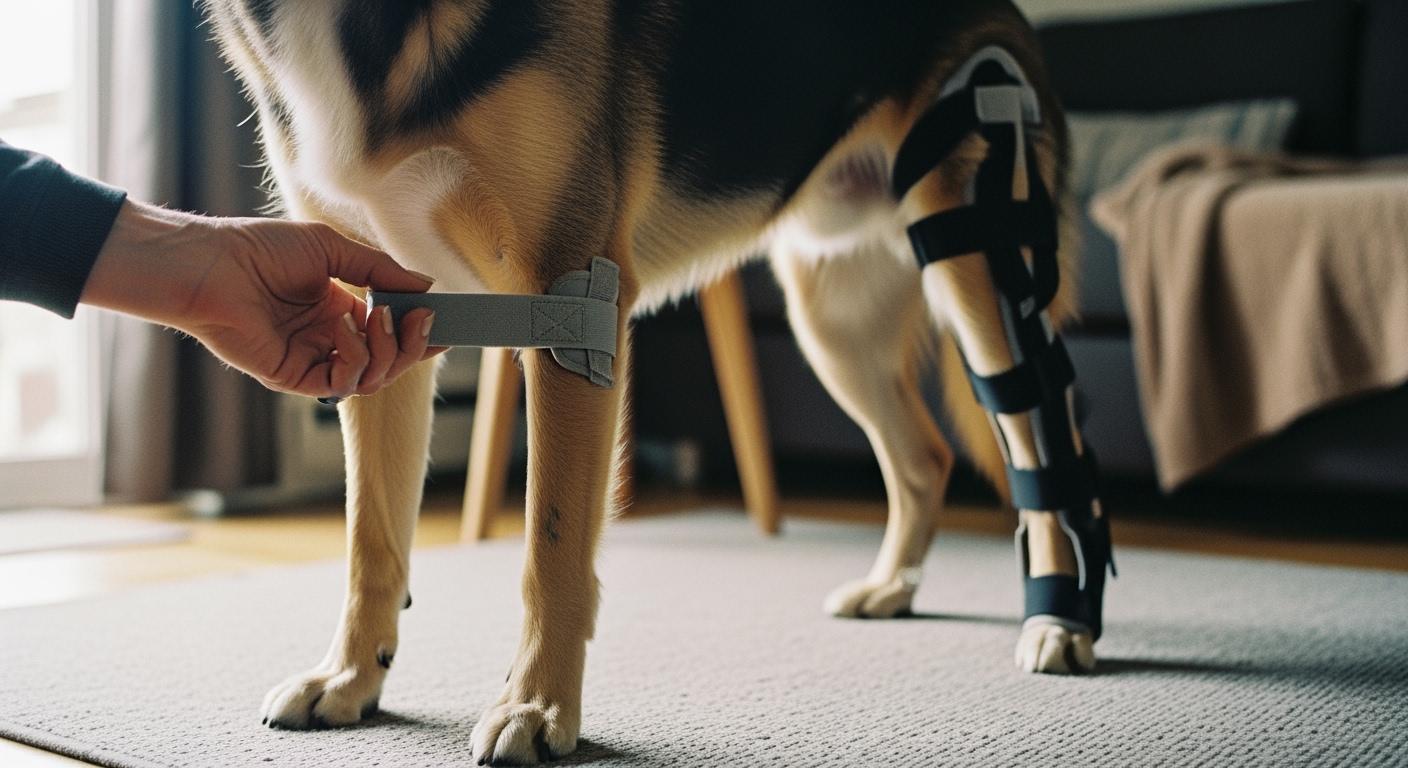
A dog hind leg brace is commonly considered when a dog needs support for knee stability, general hind-leg weakness, or controlled daily movement during recovery. The right brace depends on which rear-limb area needs support, how severe the instability is, and whether the goal is joint protection, safer walking, or short-term rehab support. Veterinary input is important when comparing brace type, fit, and wear schedule.
Braces are often used in a full rehab plan.
Using them with exercise, water therapy, or weight control can help dogs get better.
Key Takeaways
A dog hind leg brace helps dogs heal and move better if they have joint problems or injuries.
Talk to your vet to match brace type, support level, and wear schedule to your dog’s diagnosis and activity level.
Make sure the brace fits by measuring carefully and checking comfort, skin condition, and movement after use.
Check your dog’s brace every day for any signs of pain or problems with the fit so your dog can heal and not get hurt again.
Keep the brace clean and take care of it so it works well and your dog feels comfortable.
Dog Hind Leg Brace Overview
Purpose and Benefits
A dog hind leg brace helps dogs move more steadily and comfortably. This brace supports joints and helps dogs heal after getting hurt. Dog braces help dogs walk better and stop more injuries from happening. Vets use these braces to help dogs with hip, knee, or hock problems. Braces let dogs walk, run, and play with less pain. Some dogs need special braces made just for them. Clinics and sellers have many kinds of braces for dogs with joint problems. You can read more in our dog knee brace guide and hock support for dogs guide.
For product-side comparison of rear-limb support styles, review our dog leg brace options.
Common Conditions Supported
Dog hind leg braces help with many problems. People use braces for:
Hock problems
Knee problems
Healing after ACL or CCL injuries
Hip dysplasia
Loose joints
Arthritis
Many dogs need braces because of cruciate ligament injuries. This injury makes dogs limp and feel pain. Braces help dogs with weak joints or small ligament tears.
If the main issue is knee instability rather than general hind-leg support, compare our dog knee brace options.
You can learn more in our dog rear leg brace guide.
When to Use Hind Leg Braces
Dogs use hind leg braces when healing from new injuries. Active dogs need braces to keep their joints safe. Older dogs with arthritis or weak legs use braces to move better. Working dogs or sport dogs wear braces to stop injuries. Braces are also used after surgery or for careful treatment. Special braces help dogs with odd shapes or bad dysplasia. You pick a brace based on the dog’s age, activity, and what support they need. Clinics and owners use different braces for dogs with hip, joint, or walking problems.
For dogs that need help with standing, stairs, or daily walking because of weak rear legs, see our dog lift harness solutions for hind leg weakness.
Tip: Check the brace every day to make sure it fits well. A good fit helps your dog get the best support and move easily.
You can find out more about types of braces and custom choices in our dog back leg brace guide.
Types of Dog Leg Braces
Dog leg braces come in different shapes. You need to know the types to pick the best one for your dog. Each brace helps a certain part and gives special support.
Knee Support Braces
Knee support braces help dogs with hurt knees or joint issues. These braces are used for:
Torn ACL or CCL, which makes the knee weak.
Luxating patella, when the kneecap moves out of place.
Knee swelling and clicking, which means inside damage.
Degenerative joint disease, which happens to older dogs.
These braces keep the knee steady and help your dog walk with less pain. You use them to protect the knee while your dog heals and does daily things.
Hock Support Braces
Hock support braces help the tarsal joint. You use these braces to stop painful moves and help weak parts. Hock braces:
Limit movement so the joint does not stretch too far.
Give support when healing from sprains and strains.
Help with long-term weakness or arthritis.
Lower pain by squeezing the joint gently.
Hock support braces help your dog move safely and feel better. Clinics often suggest these braces for dogs with tarsal joint problems.
Hip Area Braces
Hip area braces help dogs with hip dysplasia or weak hips. You use these braces to make your dog steadier and help them stand and walk. Hip braces can take stress off the hip joint and help your dog move every day. Older dogs or dogs healing from surgery may use these braces.
Stability and Multi-Joint Braces
Stability and multi-joint braces cover more than one joint. You use these braces for dogs who have trouble moving. These braces give support to the knee, hock, and hip. They help your dog stay balanced and stop more injuries. Clinics use these braces for dogs with very weak legs or many joint problems.
Tip: Always check the brace to make sure it fits right. A good fit makes your dog feel better and gives good support.
Dog braces are important for helping dogs heal. You can pick the best brace by learning about the types and how each one helps.
For a narrower comparison focused on knee, hock, and hip positioning in the back leg, review our dog back leg brace guide.
Choosing the Right Dog Brace
Assessing Support Needs
When choosing the right dog brace, you need to look at your dog’s condition and what kind of support they need. Start by understanding the diagnosis. Some dogs need braces for hip dysplasia, while others need help after a torn acl. The type of injury or joint problem will guide you in finding the right brace. You should also think about the severity of the problem. Minor sprains may only need simple wraps, but serious injuries like a torn acl or fractures need more advanced support. The location of the injury matters too. Hind leg braces are different from those for the front legs. Always ask your vet for advice. They can help you decide which type of dog brace will give the best support and stability.
Tip: Write down your dog’s diagnosis and ask your vet what kind of support is best. This helps you focus on finding the right brace for your dog’s needs.
Criteria for Custom-Made Braces | Description |
|---|---|
Size Variability | Dogs come in many shapes and sizes, so custom solutions work best. |
Specific Needs | Custom braces match your dog’s condition and size for better support. |
Long-Term Use | Custom braces are good for long-term use and recovery. |
Special Considerations | Custom braces help with unique issues like deformities or skin problems. |
Activity Level and Age Considerations
You must think about your dog’s age and how active they are. Young, active dogs often need braces that give extra stability and support. These dogs may run, jump, or play hard, so their braces must handle more movement. Senior dogs, especially those with arthritis or hip dysplasia, need braces that help with mobility and reduce pain. The right brace can help older dogs walk, stand, and move with less effort. Always match the brace to your dog’s lifestyle. This helps you in finding the right brace for daily use and long-term comfort.
Active dogs need strong support for stability.
Senior dogs benefit from braces that improve mobility and ease pain.
Dogs with hip dysplasia or arthritis need braces that help them move safely.
Comfort and Fit Evaluation
Comfort and fit are key when choosing the right dog brace. A good fit means the brace stays in place and gives steady support. You want your dog to wear the brace every day without problems. Custom braces use accurate casting or 3D scanning to match your dog’s size and shape. This ensures the brace fits well and does not cause rubbing or sores. You should check the fit often. Look for signs like redness, slipping, or discomfort. If you see these, adjust the brace or talk to your vet.
Criteria | Description |
|---|---|
Custom Fit | Accurate casting or scanning for a perfect fit |
Owner Compliance | You must check and adjust the brace daily |
Veterinary Oversight | Your vet should check the fit and make changes |
Note: A proper fit helps your dog get the most support and stability. It also prevents new problems from starting.
Professional Consultation
You should always consult your vet or a rehabilitation professional before choosing the right dog brace. Your vet can help you understand why dogs need braces and how dog braces work for your dog’s condition. They will guide you in finding the right brace for hip dysplasia, torn acl, or other joint issues. Your vet will also tell you how long your dog should wear the brace and if a custom orthopedic brace is needed. This step is important for your dog’s safety and recovery.
Professional advice helps you:
Choose the best brace for your dog’s diagnosis and size.
Make sure the brace gives the right support and stability.
Plan for daily use and long-term mobility.
Adjust the brace for comfort and fit as your dog heals.
Callout: Always ask your vet about custom options if your dog has special needs, such as hip dysplasia, deformities, or skin issues.
Choosing the right dog brace takes time and care. You must look at your dog’s support needs, activity level, comfort, and fit. Work with your vet to make sure you find the best solution for your dog’s mobility and stability. This process helps you in finding the right brace for every stage of your dog’s recovery.
Measuring and Fitting
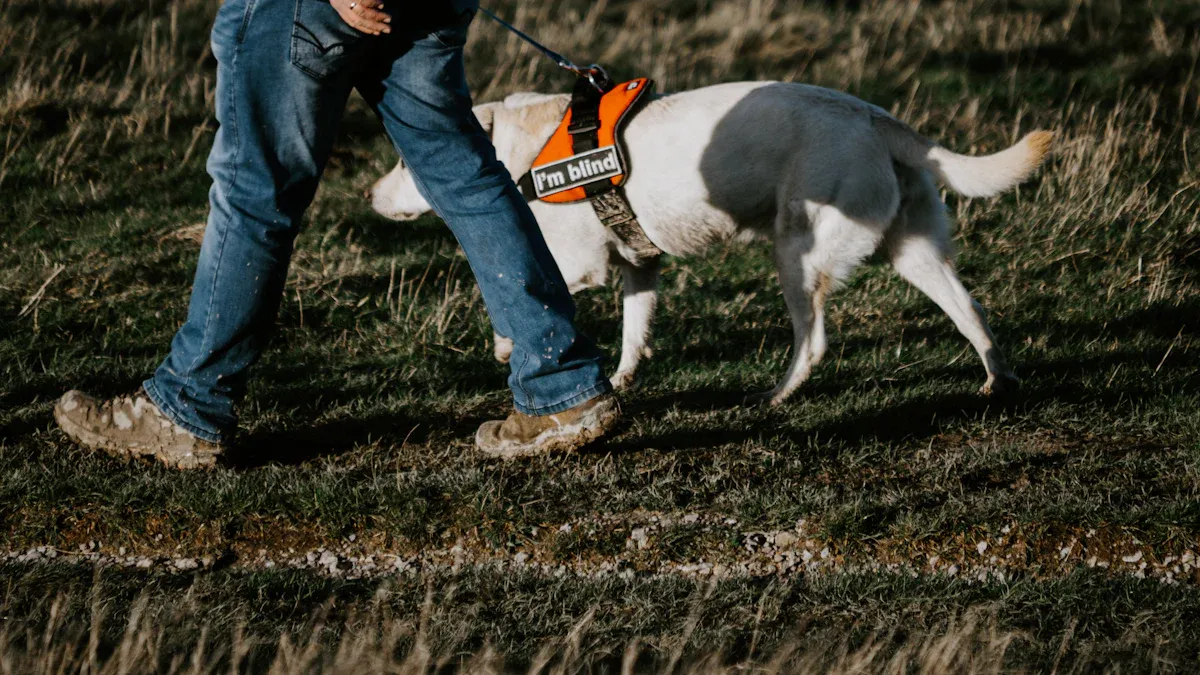
Accurate measurement and a proper fit are essential for a dog hind leg brace to work well. When you know how to measure and fit a dog brace, you help your dog get the best support and comfort. This section explains the steps you need to follow and what to look for during the process.
Measurement Steps
You must measure your dog’s leg carefully before choosing a brace. Follow these steps to get the right measurements:
Place your dog in a normal, weight-bearing position.
Use a flexible cloth tape to measure.
Measure the thigh circumference about 1 inch below where the leg meets the body.
Measure the knee circumference at the center of the knee joint.
Measure the length from the knee to the hock joint.
Measure the lower leg circumference halfway between the hock and the paw.
Record your dog’s weight and breed.
If possible, measure both legs to check for symmetry.
Cover your dog’s leg with a stockinette to protect the skin if you plan to make a cast.
Wrap casting tape around the leg, starting above the hock, and squeeze at the knee for a better fit.
Tip: Ask a helper to steady your dog if needed. Accurate measure steps help you avoid mistakes and improve the fit.
Use the same measurement method each time so you can compare fit changes as your dog recovers.
Fitting Tips
Once you have the right measurements, you need to know how to measure and fit a dog brace correctly. Use these tips to get the best fit:
Align the brace with your dog’s joints and bones.
Use adjustable straps to fine-tune the fit for comfort.
Make sure the brace does not slip or twist during movement.
Check for any rubbing or pressure points.
Adjust the brace as your dog moves to keep the fit secure.
Fitting Tip | Why It Matters |
|---|---|
Align brace with anatomy | Gives maximum support |
Use adjustable features | Improves comfort and fit |
Monitor for discomfort | Prevents injury and irritation |
Repeat the fit check after walks, rest periods, and any strap adjustment.
Signs of Proper Fit
A good fit means your dog can move comfortably and safely. Look for these signs to know the brace fits well:
The brace stays in place during walking and running.
No redness, sores, or swelling appear under the brace.
Your dog walks with better stability and less limping.
The brace does not pinch or rub the skin.
Your dog accepts the brace and does not try to remove it.
Note: If you see any problems, adjust the brace or consult your veterinary professional. Regular checks help you maintain a proper fit and support your dog’s recovery.
For ongoing support, visit our monitoring guides for more advice on daily checks and adjustments.
Daily Use and Monitoring
Break-In Period
When you first use a hind leg brace, start slow. Let your dog wear the brace for 30 to 60 minutes. Do this two to five times each day. Add more time each day if your dog is okay. Many plans say to add 30 to 60 minutes every day. Keep doing this until your dog feels fine with the brace. Take the brace off at night and when your dog is in a crate, unless your vet says not to. Check your dog’s skin often for the first three days. Keep checking every day for two weeks. This helps your dog get used to the brace and move better.
Adjusting for Comfort
You need to adjust the brace so your dog feels good. The brace should fit tight but not hurt or rub. Use the straps to make the fit better. Watch your dog walk, run, or rest. If the brace slips or twists, fix it right away. Clinics and rehab workers can show you how to check the fit. They can teach you how to make small changes. A good fit helps your dog get steady support and stay comfortable after surgery or during daily life.
Tip: Always look for signs your dog is not happy, like licking too much or not wanting to move. These signs mean you may need to fix the brace.
Monitoring for Issues
Check the brace every day to keep it working well. Look for red skin, swelling, or sore spots. See if the brace rubs or slips. Your dog might lick the spot or not want to move if the fit is wrong. Change the fit if you see problems. This helps your dog walk better and heal faster. Clinics should write down what they see and teach owners what to look for.
Discomfort from a bad fit
Skin problems from wearing the brace too long
Need to adjust the brace often for a good fit
Signs like licking or not moving much
Check for rubbing or slipping every day
Integrating into Routine
Make the brace part of your dog’s daily life. Put it on before walks or playtime. Take it off when your dog rests or sleeps, unless your vet says to keep it on. Check the fit every day. After walks, look at the brace and your dog’s skin for changes. Using the brace and checking it often helps your dog move better and heal faster. Clinics and rehab workers should give owners clear steps for using and checking the brace each day.
For walk planning, break-in routines, and daily safety checks with braces, review our dog gait training support guide.
Note: Doing fit checks and support routines every day helps your dog get the best care and recover well.
Cleaning and Maintenance
Cleaning Instructions
You need to keep your dog’s hind leg brace clean to help it last longer and work well. After each use, wipe the brace with a damp cloth. This removes fur, dirt, and sweat that can build up during daily activities. For a deeper clean, hand wash the brace once a week or every two weeks. Use mild soap and scrub gently. Rinse the brace with clean water and let it air dry completely before using it again. Do not use harsh chemicals or put the brace in a washing machine. These steps help prevent skin irritation and keep the brace in good shape.
Routine Maintenance
Regular care helps your dog’s brace stay strong and comfortable. You should:
Wipe down the brace daily to remove dirt and moisture.
Hand wash the brace with mild soap on a weekly or bi-weekly schedule.
Check all straps for signs of fraying or wear.
Make sure Velcro stays clean and sticks well.
Inspect the brace for cracks or broken parts.
Tip: Clean Velcro by picking out fur and debris with your fingers or a small brush. This keeps the straps secure.
Routine maintenance helps you spot problems early and keeps the brace working as it should.
When to Replace
You should replace the brace if you see damage that cannot be fixed. Look for broken straps, cracked plastic, or Velcro that no longer sticks. If the brace does not fit well or causes discomfort, it may be time for a new one. Always check with your veterinary professional if you are unsure. A well-maintained brace supports your dog’s recovery and daily comfort.
Veterinary Guidance
When to Seek Advice
You should talk to a vet when you want your dog to heal well. Custom-made braces give special help for dogs with unique problems. If your dog has a bad injury or needs help for a long time, you need a vet’s advice. Braces can help small or medium injuries, but very bad injuries might need surgery. You must ask a vet to find the best mix of brace use and other treatments as your dog gets better.
Here are times when you should ask for advice:
Custom-made braces for special problems
Bad injuries that need help for a long time
Small injuries where a brace might be enough
Very bad injuries that might need surgery
Changing support as your dog heals
Tip: Always check with your vet before you change your dog’s brace routine. This helps your dog get the right help at every step.
Monitoring Progress
You need to watch your dog’s progress to make sure the brace is working. Vets use different ways to see how your dog is healing and change the plan if needed. These ways help you see if your dog moves better and if the brace helps the leg work right.
The table below shows how vets check progress:
Method | Purpose |
|---|---|
Objective gait analysis | See if your dog walks better or just moves differently |
Clinical assessments | Watch how your dog heals, not just if pain goes away |
Early detection of plateau | Find problems early before they get worse |
Adjust rehabilitation protocols | Change rules for activity and healing time with more confidence |
Quality of recovery assessment | Focus on how well the leg works, not just how it looks |
You should work with your vet to look at these checks. This helps you change your dog’s care and make healing better. Checking often makes sure your dog gets the best help for daily life and moving around.
Note: Checking progress often helps you find problems early and keep your dog’s hind leg brace working well.
FAQ
How long should my dog wear a hind leg brace each day?
You should follow your veterinarian’s advice. Most dogs start with short periods, such as 30–60 minutes, and increase wear time slowly. Always check your dog’s skin and comfort during use.
Can my dog walk and play while wearing a hind leg brace?
Yes. Your dog can walk and play with the brace on. You should watch for any limping or discomfort. Remove the brace if you see problems or if your veterinarian recommends it.
How do I know if the brace fits correctly?
Check for a snug fit without pinching or slipping. The brace should not cause redness or sores. Your dog should move comfortably. If you see rubbing or swelling, adjust the brace or ask your veterinarian for help.
Do I need a custom brace for my dog?
You may need a custom brace if your dog has a unique shape or special needs. Custom braces provide a better fit for some dogs. Ask your veterinarian if a custom option is right for your situation.
How do I clean my dog’s hind leg brace?
Wipe the brace with a damp cloth after each use. Hand wash with mild soap weekly. Let the brace air dry before using it again. Avoid harsh cleaners or machine washing.
