
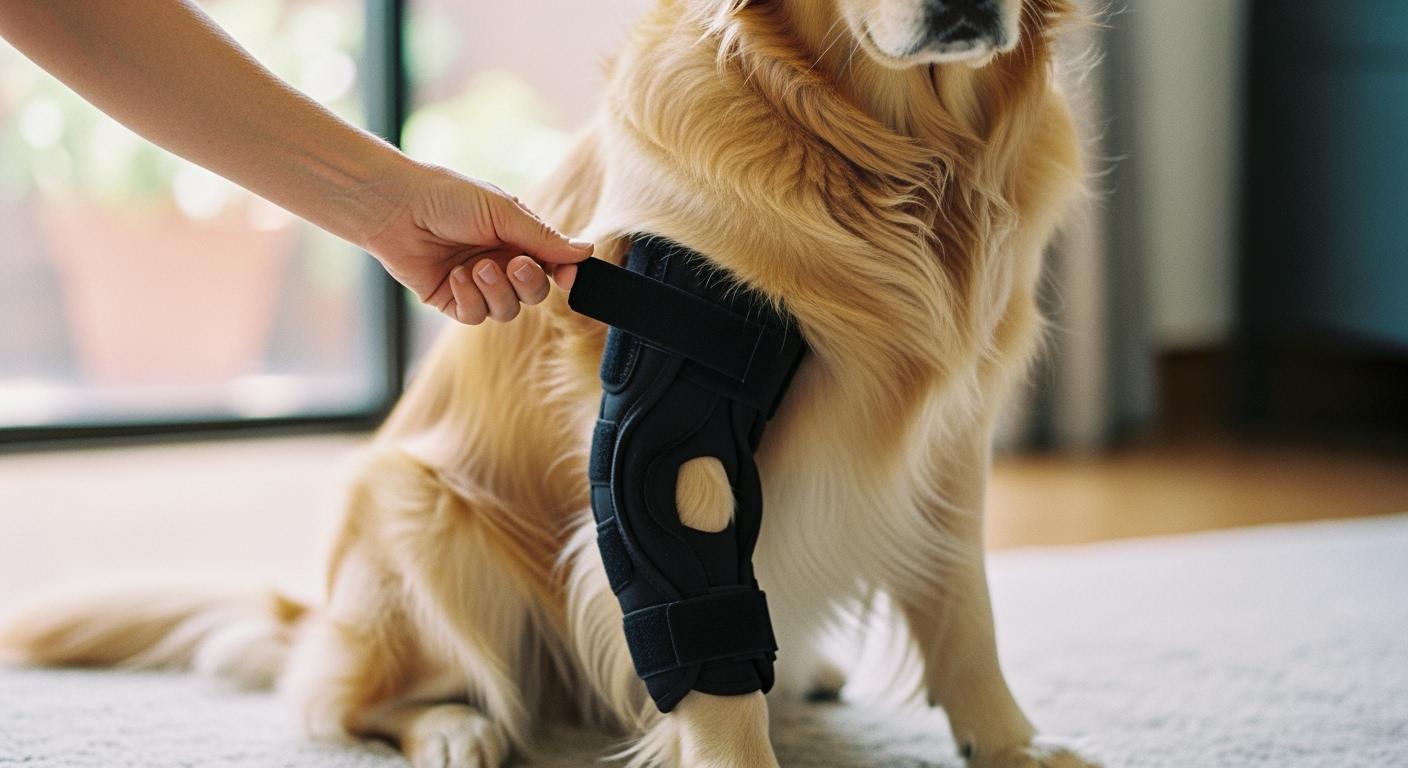
A dog knee support brace is commonly considered for ACL/CCL injury, patella luxation, arthritis, and post-op support. In appropriate cases, bracing may improve stability, comfort, and controlled daily mobility. It should be selected with veterinary guidance and used as part of a broader management plan that may also include rehab, activity control, and weight management.
Study Focus | Findings |
|---|---|
Effectiveness of braces vs. surgery | Dogs with knee braces had 88% little or no limping, which is about the same as surgery. |
Owner satisfaction | People were happy with bracing 85% of the time, and with surgery 98%. Bracing still helped a lot. |
Pain management | Braces lowered pain and helped dogs move better, much like surgery did. |
A dog knee brace can be an important part of helping your dog every day. Your vet will help you pick, fit, and check the best knee brace for your dog.
Key Takeaways
Dog knee braces can improve knee stability, reduce discomfort, and support safer daily movement in selected cases.
Brace type, sizing, and fit all affect comfort, stability, and long-term usability. Custom and standard options serve different support needs.
Making sure the brace fits well stops pain and skin issues. Measure your dog carefully. Check the brace often.
Put the brace on when your dog is active. Take it off when your dog rests. This keeps your dog comfy and protects their skin.
Clean and take care of the brace often. Go to the vet for checkups. This helps the brace work well and shows how your dog is healing.
What Is a Dog Knee Support Brace?
Purpose and Function
Dog knee braces help keep the knee steady. They stop bad movements and help healing. The brace acts like the hurt ligaments. This helps your dog heal naturally. If the brace fits well, your dog can walk, run, and play with less pain. Dog knee braces lower stress on the knee joint. They also stop more injuries from happening. Many dogs use knee braces for ligament tears, weak knees, and after surgery.
Dog knee braces keep the knee steady.
They stop bad movements and help healing.
Your dog can move with less pain.
The brace acts like hurt ligaments and helps healing.
For product-side comparison, review our dog knee brace options to compare support styles, fit ranges, and daily-use features.
Common Uses in Veterinary Care
Dog knee braces are important in vet care and rehab. They help with many problems. The table below shows how they are used:
Function | Description |
|---|---|
Support for arthritis | Dog knee braces help dogs with arthritis feel better. |
Post-surgical support | Dogs wear knee braces after surgery, especially for ligament injuries. |
Stabilization of the knee | Dog knee braces help new tissue grow and help healing. |
Pain and inflammation reduction | The brace lowers pain and swelling from long-term problems. |
Movement limitation | You stop movement to keep the knee safe after an injury. |
Joint stabilization | Dog knee braces keep the joint steady for healing and normal movement. |
Dog knee braces help with ACL/CCL injuries, weak knees, arthritis, and after surgery. They help dogs move better and feel more comfortable.
When to Consider Knee Support
You should think about knee support if your dog has pain, limps, or has weak knees. Dog knee braces are often used for:
Condition | Description |
|---|---|
ACL/CCL Injuries | Dog knee braces keep the knee steady after injury, lower pain, and help your dog move better. |
Joint Instability | You use a brace to help weak knees and give support. |
Arthritis | Dog knee braces help weak joints, lower pain, and help dogs move better. |
Post-Surgery Recovery | You help healing and movement after surgery with a knee brace. |
You help your dog by picking the right knee brace for their needs. If you ask, “do dog knee braces work,” studies and vets say they help dogs move better and feel less pain.
Types of Dog Knee Braces
Dog knee support braces come in different styles. You need to know the main types to pick the best one. Each brace helps keep the knee steady and helps healing. Some braces are for small injuries. Others help with big ligament tears or arthritis. The right brace can help your dog feel better and move more easily.
Hinged and Non-Hinged Designs
There are hinged and non-hinged knee braces. Hinged braces have a joint that lets the knee bend in a safe way. This helps the knee move but stops bad motions. Hinged braces are good for dogs with ACL or CCL injuries. They copy how the knee should move. Non-hinged braces are stiff and keep the knee from moving too much. These are best for dogs with small joint problems or arthritis. If your dog is active and healing, a hinged brace is often better.
Tip: Hinged braces may use tamarack or steel joints. Your vet will help you pick the right joint for your dog’s injury.
Custom vs. Standard Braces
You can get a custom or standard knee brace. Custom braces are made to fit your dog’s leg exactly. Vets use molds or scans to make these braces fit like a glove. This stops the brace from slipping or hurting your dog’s skin. Custom braces give the best support and help your dog heal faster. They are best for big injuries or if your dog needs the brace for a long time. Standard braces come in set sizes. These are good for small injuries or short-term use. Standard braces might slip or bother very active dogs.
Custom dog knee braces:
Made just for your dog
More comfy and do not slip
Best for big injuries
Help your dog stand better and protect the skin
Standard knee braces:
Come in regular sizes
Good for small injuries
Easy to buy
May not fit as well or give strong support
Support for ACL/CCL, Patella, and Arthritis
Dog knee braces help with ACL or CCL injuries, patella luxation, and arthritis. Custom stifle braces keep the knee steady and stop the tibia from moving forward. This helps the knee work like it should when ligaments are hurt. You can use a knee brace if your dog cannot have surgery because of age or health. Braces let your dog stay active and lower the chance of more injuries. For patella luxation, stifle braces help the kneecap stay in place if the problem is mild. Bad cases may still need surgery. For arthritis, a knee brace is used with pain medicine and therapy.
Condition / Injury | Suitable Brace Type | Key Considerations and Usage |
|---|---|---|
ACL/CCL Injuries | Custom stifle orthosis (brace) | Gives outside support; good if surgery is not possible. Needs to be worn every day and checked often. |
Patella Luxation | Stifle brace for Grade 1–2 | Helps with mild to medium kneecap problems. Bad cases need surgery. |
Arthritis | Stifle orthosis + management plan | Brace helps keep the joint steady; use with pain medicine and therapy. |
Additional Features | Tarsal cuff addition | Helps with holding and turning; made for comfort. |
Maintenance | Refurbishment every 12–24 months | Change foam, straps, pads, and polish parts as needed. |
You should ask your vet to help you pick the best knee brace. The right fit and type will help your dog’s joints the most.
For a narrower rehab-focused read on cruciate injury cases, see our dog knee brace for torn ACL article.
Support Categories for Dog Knee Pain
Dog knee pain is common in many dogs. Some causes are ligament injuries, patella luxation, arthritis, and joint instability. You need to pick the right support for your dog. Dog knee support braces help your dog walk better and feel less pain. There are different supports for each problem. You can help your dog by learning how each support works.
ACL/CCL Injury Support
ACL and CCL injuries cause knee pain in dogs. Your dog may limp or not use the leg much. You use a dog knee support brace to keep the joint steady. The brace helps your dog walk and lowers pain. You give your dog joint support and stop more injury.
A study showed dogs with custom stifle braces could put more weight on the hurt leg. There was a 5.1% increase in TPI% in the limb.
Computer modeling showed an orthosis helped the stifle joint work better. It may keep a CCL-deficient stifle joint stable.
A survey found 85% of people would pick the same treatment again, whether it was TPLO surgery or stifle bracing.
You use a knee brace for ACL or CCL injuries if surgery is not possible. You help your dog heal and get back to normal activity. You can read more in guides about dog ACL brace and torn ACL dog brace.
If the main concern is cruciate instability rather than a broad knee-support comparison, see our dog brace for ACL tear solutions.
Luxating Patella Support
Luxating patella means your dog’s kneecap moves out of place. Your dog may skip or hop while walking. You use a dog knee support brace to keep the kneecap steady. The brace helps your dog walk without pain. You give your dog joint support and stop the patella from slipping.
You use a knee brace for mild or medium patella luxation. You help your dog avoid surgery and feel more comfortable. You watch your dog’s movement and check for pain. You can read more in guides about luxating patella knee brace.
Tip: Check the brace often. Make sure it fits well and does not hurt your dog’s skin.
For diagnosis-led reading focused on kneecap instability, review our dog patella luxation brace solutions.
Post-Surgery and Arthritis Support
Dogs need support after knee surgery or with arthritis. You use a dog knee support brace to help your dog heal and lower pain. The brace keeps the joint steady and lowers stress. You help your dog get back to normal activity.
Study Type | Findings |
|---|---|
Custom Orthotics | Dogs improved limb function over 12 weeks. Many avoided surgery and returned to normal activity. |
University of Tennessee Clinical Trial | Double braces lowered strain on the other leg. Fewer contralateral CCL injuries. Dogs were more active. |
Meta-Analysis on Conservative Management | Bracing with weight control and therapy lowered pain and improved life quality, especially in small and medium dogs. |
You use a knee brace for arthritis to help your dog walk with less pain. You use bracing with weight control and therapy. You check your dog’s joints and change the brace if needed. You can read more in guides about dog stifle brace and arthritis support.
Structured Stabilization
Structured stabilization gives strong joint support. You use a dog knee support brace to stop bad movements and protect the joint. The brace helps your dog heal from injury and stops new injuries. You pick structured stabilization for dogs with weak knees or long-term joint pain.
You use structured stabilization for dogs with CCL injuries, patella luxation, or arthritis. You help your dog move safely and lower pain. You watch your dog’s activity and check the brace for good fit. You can read more in guides about knee brace types and fitting guides.
Note: Work with your vet to pick the best support for your dog. Check the brace often and watch for pain or discomfort.
Dog knee support braces help dogs with ACL, CCL, patella luxation, arthritis, and joint instability. You pick the right support to help your dog feel better and move more easily. You watch your dog’s joints and change the brace if needed.
Fitting and Positioning for Optimal Support
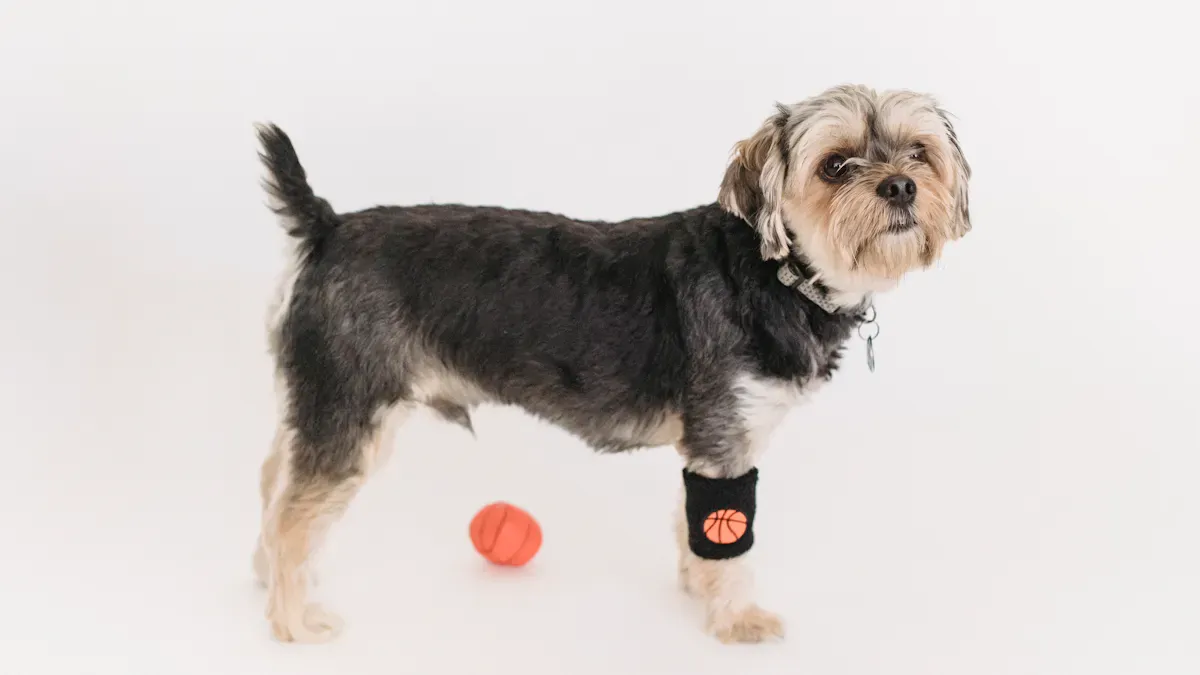
Measuring Your Dog
You need accurate measurements to ensure your dog knee support brace fits well. Start by gathering three people, a tape measure, and a camera. You should identify key anatomical landmarks. Measure from the groin to the top of the knee. This prevents the brace from being too tall and causing irritation. Next, measure from the top of the knee to the apex of the hock. This ensures the brace fits the length of your dog’s leg and allows proper joint movement. Record each measurement and take photos for reference. Breed and size affect how braces fit, so always check your dog’s unique shape.
Tip: Use a fit and monitoring guide to help you track measurements and check for changes as your dog grows or recovers.
Fitting Steps and Tips
You must follow professional standards to fit the knee brace. Place the brace on your dog’s leg, aligning it with the knee and joint landmarks. Secure the straps gently. Make sure the brace fits snugly but does not squeeze the joint. Check that the brace allows your dog to move the knee without restriction. Integrate the brace into your dog’s care plan. This plan may include anti-inflammatory medications, controlled exercise, physical therapy, and weight management. These steps enhance support and help your dog recover.
Always check the fit after activity.
Adjust the brace if your dog shows signs of discomfort.
Monitor skin health under the brace.
Signs of Proper Fit
You can spot a proper fit by watching your dog’s behavior and checking the brace. Look for these signs:
No rubbing or chafing on the skin where the brace touches.
The brace allows your dog to move the knee and joint freely.
Your dog does not limp more than usual or try to remove the brace.
The brace stays in place during activity.
Sign of Proper Fit | What You Should See |
|---|---|
Skin health | No redness, sores, or irritation |
Joint movement | Normal walking and activity |
Braces fit | Brace stays secure and does not slip |
Comfort | Dog acts relaxed and happy |
You should monitor fit daily. Use a fit and monitoring guide to help you check for changes. Proper fit ensures optimal support and protects your dog’s joint health.
Daily Use and Monitoring
Break-In Period and Adjustment
You help your dog adjust to a new knee brace by following a break-in schedule. Start with short, supervised sessions. Let your dog wear the brace for 20 to 60 minutes, three to five times each day for the first few days. This helps your dog get used to the support and feel less pain. During the first two weeks, increase the wear time to several hours during active periods. Remove the brace when your dog naps or rests in a crate. By weeks three to twelve, your dog should wear the knee brace for six to twelve hours each day, as your veterinarian recommends. Always check your dog’s skin every four to six hours. If you see redness or rubbing, remove the brace and contact your vet for advice.
Activity Guidelines
You want your dog to stay active while protecting the joint. Use the knee brace during walks, play, and therapy sessions. The support helps your dog move with less pain and keeps the joint stable. Avoid high-impact activities like jumping or running on slippery floors. These actions can strain the joint and slow recovery. Encourage gentle exercise to build strength and improve canine mobility. Always supervise your dog during activity. Remove the brace during rest to let the skin breathe and prevent irritation. Consistent use of the brace and support plan helps your dog regain confidence and joint function.
For safer walk plans, brace pairing, and day-to-day monitoring, review our dog gait training support guide.
Monitoring for Skin and Comfort
Daily checks keep your dog safe and comfortable. Look for redness, hair loss, or sore spots under the brace. Add padding if you notice any issues. Keep the area under the brace clean and dry to prevent infection. Schedule regular checkups with your veterinarian, starting within the first two weeks and then monthly. Use padding to reduce friction and protect the skin. Adjust the brace if your dog shows signs of discomfort. Proper monitoring ensures the support works well and keeps your dog’s joint healthy. Regular care helps your dog enjoy better mobility and less pain with the right knee support.
Care and Maintenance of Dog Knee Braces
Cleaning Procedures
You need to keep your dog knee support brace clean to protect your dog’s skin and joint health. Cleaning the brace helps prevent infection and keeps the brace working well. Use mild soap and water to wash the brace. Rinse it carefully and let it dry completely before you put it back on your dog. You should follow the manufacturer’s cleaning instructions for best results. Trim any excess fur that may get caught in the brace. Keep your dog’s fur clean and dry under the brace. Store the brace in a cool, dry place. Protect the brace from sharp objects and heavy items. Replace worn padding as needed to keep your dog comfortable.
Clean the brace regularly with mild soap and water.
Dry the brace fully before reapplying to your dog.
Trim excess fur and keep the skin under the brace clean.
Store the brace in a safe, dry location.
Replace padding if it shows signs of wear.
Tip: Inspect your dog’s skin under the brace twice daily for redness or irritation.
Routine Checks and Replacement
You must check your dog knee support brace often to make sure it fits well and works as intended. Look for signs of wear, such as frayed straps or broken buckles. Address minor repairs quickly. Replace the brace if you see major damage. Watch your dog for limping, swelling, or sensitivity around the knee. If your dog shows discomfort, adjust the fit or pause brace use and contact your veterinarian. Regular checks help you spot problems early and keep your dog safe.
Check the brace for wear and tear every day.
Look for limping after rest, knee swelling, or skin irritation.
Adjust the brace if your dog shows signs of discomfort.
Replace the brace if repairs cannot fix the problem.
Monitor your dog for increased limping, swelling, or knuckling.
Note: Routine checks and timely replacement help your dog stay comfortable and active.
Bracing vs. Surgery for Dog Knee Pain
When to Use a Brace
You can use a dog knee support brace if surgery is not a good choice. A knee brace helps your dog feel steady and less sore. Braces work well for small ligament tears and weak knees. Older dogs with arthritis can use a brace too. You might pick a brace if your dog is sick or surgery is too risky. Braces are also good if surgery costs too much. They help your dog heal after surgery or as part of a gentle care plan. A knee brace lets your dog stay active and comfy.
A knee brace works for small ligament tears.
Braces help weak knees feel stronger.
Old dogs with arthritis can use a brace.
Braces help dogs after surgery.
Braces are part of gentle care plans.
Braces are good for dogs with health or money problems.
When Surgery Is Needed
Your dog may need surgery if it is big, very active, or has a knee that moves the wrong way. Surgery fixes knee injuries for a long time. You should think about surgery if pain or weak knees make it hard for your dog to walk. Small tears can get worse if you do not fix them. Surgery stops more damage and slows down arthritis. Take your dog to the vet to find out what is best and talk about how to help your dog feel better.
Clinical Indication | Description |
|---|---|
Ligament Degeneration | Old ligaments can tear more easily. |
Obesity | Extra weight makes the knee work harder. |
Poor Physical Condition | Not enough exercise makes knees weak. |
Genetics | Some dogs are born with weak knees. |
Conformation | Bone shape can make injuries more likely. |
Progression of Injury | Small tears can turn into big tears. |
Joint Instability | Weak knees cause pain and more problems. |
You should watch your dog and ask your vet about surgery if pain gets worse.
Combining Support Approaches
You can use both bracing and surgery to help your dog heal. A dog knee support brace gives outside support and acts like the hurt ligament. Braces stop bad movements and let your dog walk and run safely. Bracing makes the knee steadier and protects the hurt ligament. You can help your dog do rehab exercises and feel more sure when moving. The brace squeezes the knee gently and helps your dog feel better while healing. You get the best results if you use bracing, rehab, and weight control together. Always talk to your vet about your dog’s care plan.
Tip: Using a knee brace with rehab and weight control helps your dog heal faster and keeps the knee healthy.
Evaluating Results and Next Steps
Tracking Mobility and Pain
You need to track your dog’s mobility and pain to see if the knee brace works well. Start by watching how your dog moves each day. Notice if your dog stands up easily, walks without help, or plays with less effort. Write down changes in your dog’s mobility in a notebook or use a simple chart. Look for signs that your dog puts more weight on the leg with the knee brace. You may see your dog walk with a smoother stride or show more interest in daily activities. If your dog uses stairs or jumps into the car, note any changes in confidence or speed.
A table can help you organize your observations:
Day | Mobility Score (1-5) | Pain Signs (Y/N) | Notes |
|---|---|---|---|
1 | 2 | Y | Limping, slow walk |
7 | 3 | N | Walks more, less stiff |
14 | 4 | N | Runs short distance |
Tip: Use the same time each day to check your dog’s mobility. This helps you see real progress.
When to Reassess with a Veterinarian
You should schedule regular checkups to make sure the knee brace continues to support your dog’s mobility. Most veterinarians recommend a reassessment every 4 to 6 weeks. This helps you and your vet adjust the brace as your dog’s mobility changes. You also need to contact your veterinarian sooner if you notice any of these signs:
Your dog keeps limping after 2 or 3 weeks of wearing the brace.
You see new sores or hair loss near the knee brace.
Your dog starts walking unevenly again after getting better.
The brace slips, twists, or feels loose when your dog moves.
Regular checkups help you keep your dog’s mobility and comfort at their best. Your veterinarian can suggest changes to the brace or your dog’s care plan if needed. Always watch your dog’s mobility and pain closely. Early action keeps your dog active and safe.
Picking the right dog knee support brace helps your dog feel better and move more. You should look at fit, material, and how long the brace lasts. The table below shows important points:
Key Considerations | Description |
|---|---|
Comfort | Braces with adjustable straps, like soft neoprene wraps, fit changing leg sizes as your dog heals. |
Material | Neoprene is breathable and keeps your dog cool. It also gives soft padding for sore joints like osteoarthritis. |
Durability | Thermoformed braces are tough and last through daily use. Soft neoprene wraps are simple to clean. |
Custom vs Off-the-Shelf | Think about your dog’s needs, how bad the injury is, and what works best for you. |
You need to keep checking and work with your vet. Follow these steps:
Get your dog checked by a vet first.
Make sure the knee brace fits right.
Use braces with rehab and help your dog stay at a healthy weight.
Plan when your dog wears the brace and set goals for getting better.
Look at fitting guides and checklists to help your dog every day.
FAQ
How do you know if your dog needs a knee support brace?
You may notice your dog limping, favoring one leg, or struggling to stand. If your dog shows pain or swelling in the knee, compare dog knee brace options with your veterinarian before choosing support.
Can a dog wear a knee brace all day?
You should let your dog wear the brace during active hours. Remove the brace when your dog rests or sleeps. This helps the skin breathe and keeps your dog comfortable. Check your dog’s skin often for any signs of irritation.
How do you clean a dog knee support brace?
You can clean the brace with mild soap and water. Dry it completely before putting it back on your dog. Keeping the brace clean protects your dog’s skin and helps the brace last longer.
Will a dog knee support brace help after surgery?
A dog knee support brace can help your dog recover after surgery. The brace supports the joint and helps your dog move safely. Your veterinarian will guide you on when and how to use the brace for your dog.
What activities can your dog do while wearing a knee brace?
Your dog can walk, play gently, and do light exercise with the brace on. Avoid jumping or running on slippery floors. The brace helps your dog stay active while protecting the knee from further injury.
