
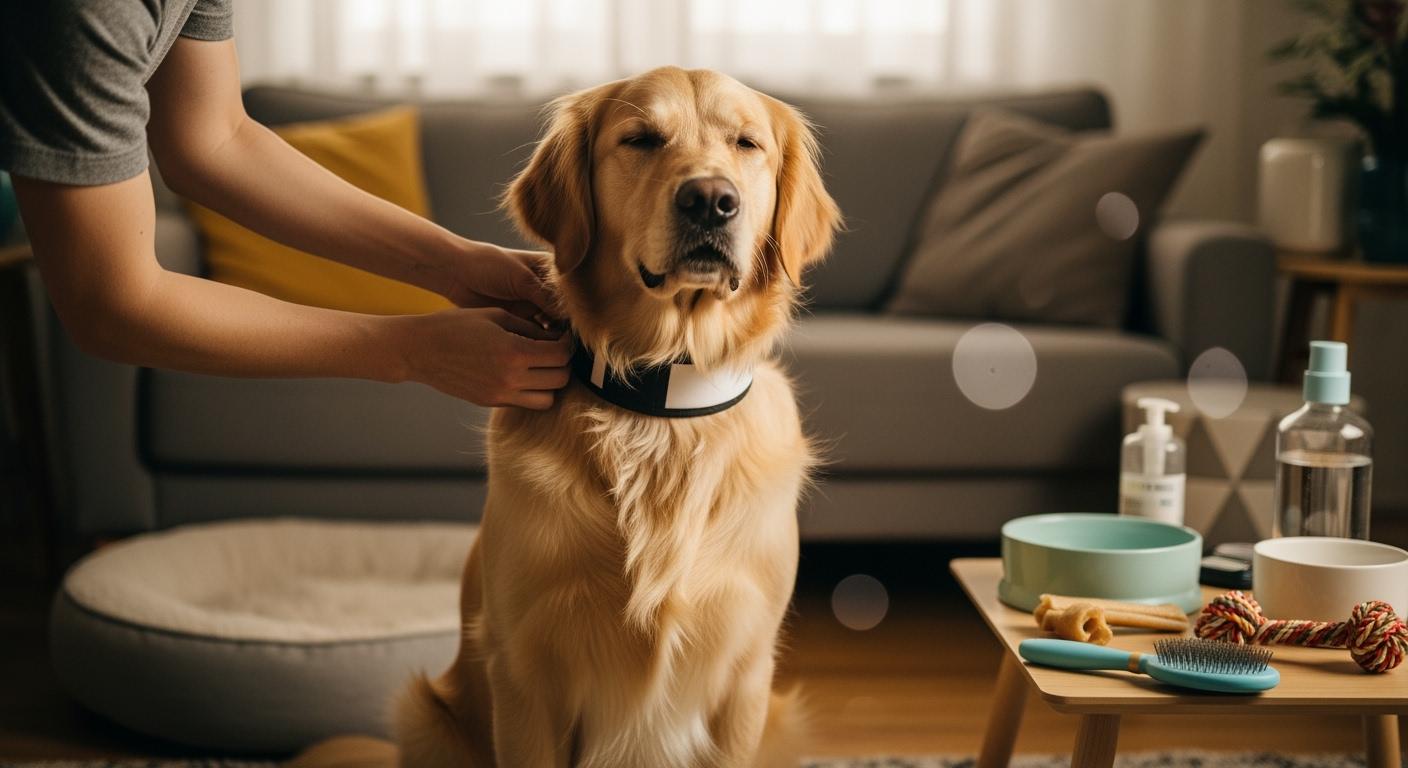
Dog neck support is very important for a dog’s health and healing. It helps dogs feel better, move easier, and stay steady every day.
Vets, rehab workers, sellers, and smart pet owners use good support to help dogs get better.
You can use easy steps to make sure each dog is safe and gets the right help.
Tip: Check the fit and use every day to stop pain and keep your dog healthy for a long time.
Key Takeaways
Dog neck support is important for your dog’s health. It helps your dog feel better and recover. It also makes daily life more comfortable for your dog.
Pick the right neck support for your dog’s needs. Some dogs need it for healing after injury. Others need it just for comfort.
Make sure the neck support fits your dog well. This stops discomfort and helps your dog heal. Check often for any signs of irritation.
Use neck support with harnesses for more control. This lowers strain on your dog’s neck during activities.
Talk to a veterinarian before using neck support. This makes sure it is right for your dog’s health needs.
What Is Dog Neck Support?
Dog neck support is a special tool that helps keep a dog’s neck safe. It stops the neck from moving too much and gives gentle help when a dog is healing or just living daily life. There are different kinds, like soft wraps, strong braces, or collars you can change to fit. Each kind does something a little different, but all of them help protect the neck and make it feel good.
Sometimes, dogs need neck support after they get hurt or have surgery. Some dogs need it because of health problems. The main reason is to help the dog keep its head in a normal way. This takes pressure off the neck muscles and joints. Neck support also stops quick moves that might hurt the dog or slow down healing.
Note: Always talk to a vet before you start using neck support for your dog.
Neck support is not just for dogs with injuries. Many animal clinics use it to help dogs move better. Older dogs with weak necks or dogs with long-term problems may need it too. It can also help during therapy to keep movements safe.
Here are some important things about dog neck support:
Gives gentle help to the neck
Stops too much movement
Helps dogs heal after surgery or injury
Makes daily life more comfortable
You should pick the right size and type for each dog. A good fit helps the support work and keeps the dog comfy. You need to check the dog often to make sure the support stays on right and does not bother the skin.
Dog neck support is very helpful in vet care today. It helps dogs heal, stay active, and feel better every day.
What Dog Neck Support Is Designed to Help With
Neck stability
Dog neck support helps keep your dog’s neck steady. It stops quick moves that can hurt or make injuries worse. The neck has small bones, discs, and ligaments. These parts can get hurt from falls or accidents. Your dog may feel pain or weakness if this happens. Some breeds have problems like cervical disc disease or wobbler syndrome. Using support gives your dog a strong base. This helps stop more damage and eases pain.
Note: Stable neck support can help with dog neck pain from injuries, slipped discs, or breed issues.
More controlled head and neck movement
Dog neck support helps guide your dog’s head and neck. It keeps the neck from moving too fast or turning sharply. Some collars and braces press gently to hold the neck safe. A DN collar can control movement better than regular collars. This helps your dog move safely every day and during therapy.
Support during recovery routines
After surgery or injury, your dog needs extra help. Dog neck support protects healing spots and stops licking or scratching. Recovery cones and other tools keep your dog from touching stitches or wounds. Keeping the neck still helps your dog heal faster. This support is important for good recovery and lowers problems.
Stops your dog from touching wounds or stitches
Keeps injury spots safe while healing
Helps recovery routines for better healing
Comfort as part of broader mobility care
Comfort is important for dogs with movement problems. Dog neck support lowers strain on the neck and joints. Harnesses and braces spread weight and stop extra pressure. You can use these for dogs with arthritis or joint disease. Many designs focus on comfort so your dog can wear them longer. This makes daily life better and gives lasting pain relief.
Tip: Pick support that fits well and suits your dog’s needs for comfort and movement.
Main Types of Neck Support for Dogs
Soft neck-support designs
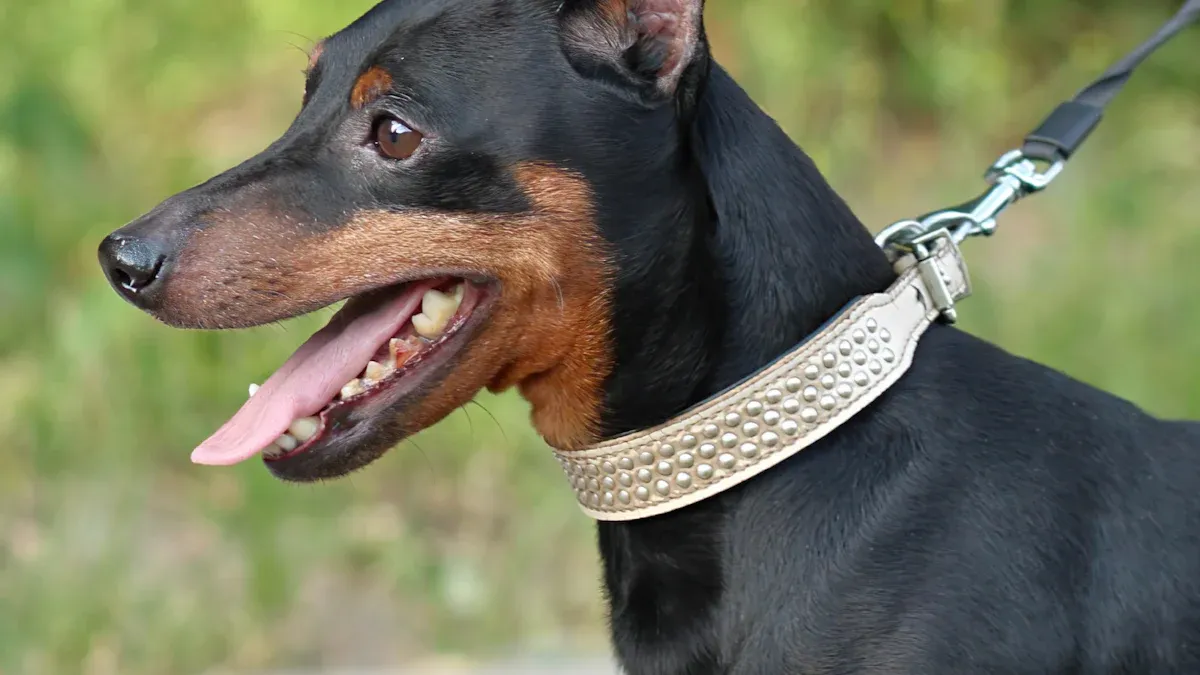
Soft neck-support designs give gentle help to dogs with mild pain. They are also good for dogs who need comfort every day. You can use these after small procedures or for general support. These designs fit many neck shapes and sizes. The materials let air through, so dogs do not get too hot. This also helps stop skin problems. Fasteners keep the support in place but do not cause stress. The table below shows the main features:
Feature | Description |
|---|---|
Anatomical Fit | Fits different neck sizes and shapes for comfort. |
Controlled Mobility | Lets your dog move its head naturally but stops harmful motions. |
Breathable Materials | Prevents heat buildup and protects the skin during long wear. |
Secure Fastening Systems | Keeps the support in place without causing anxiety or extra pressure. |
Soft neck-support designs help lower pain and make dogs feel better. You can use them every day or as part of a bigger plan for movement.
More structured neck braces
A dog neck brace gives more control and keeps the neck steady. It is stronger than soft supports. You use these for dogs with injuries or after surgery. Structured braces stop the neck from moving too much. They protect spots that are healing. Many dogs think these are more comfy than cones. They also help dogs feel less stress. The table below compares structured neck braces and soft neck supports:
Feature | Structured Neck Braces (Cervical Collars) | Soft Neck Supports (Soft E-Collars) |
|---|---|---|
Purpose | Targeted support for specific injuries | General comfort and wound protection |
Comfort | More comfortable than cones | Soft, less irritation |
Mobility | Restricts neck movement | Allows better mobility |
Stress Level | Reduces stress compared to cones | Less intimidating, reduces anxiety |
Use Cases | Injuries or surgeries | General use, wound protection |
Cost | Can be more expensive | Usually less expensive |
Pick a dog neck brace when your dog needs strong support. It helps with pain and helps your dog heal after injury.
Adjustable cervical-support styles
Adjustable cervical-support styles let you change the fit for each dog. These supports give you more control and keep your dog safe. They spread pressure over the chest and shoulders. This lowers strain on the neck and stops pain. You can use them for any size dog, even those with health problems. Quick-release buckles make them easy to put on and take off. Some come in different colors and styles. Here are the benefits:
Better control and safety for your dog’s movements.
Less strain on the neck, so there is less pain.
Stops choking and tracheal collapse, which helps small breeds.
A comfy fit made for your dog’s body.
Good for all sizes and breeds.
Easy to use with quick-release buckles.
Extra help for dogs with health problems.
Stylish choices for what you like.
You can use adjustable cervical-support styles for walks, therapy, or to help with pain.
Neck support used alongside harness-based handling
Sometimes, you need neck support and a harness together. This helps dogs move safely and spreads pressure away from the neck. It helps stop pain. Harness-based handling is good for dogs with weak necks, arthritis, or after surgery. You can guide your dog gently and not pull on the neck. This way helps your dog heal and feel better during daily life. Always check the fit and change it if needed to keep your dog safe and comfy.
Dog Neck Support vs Dog Neck Brace
When “neck support” is the broader user term
You may hear the term dog neck support used in many situations. This term covers all tools and devices that help a dog’s neck. You can use neck support for mild pain, daily comfort, or general stability. It includes soft collars, wraps, and even some harnesses. You might choose neck support when your goal is to give gentle help, improve comfort, or support your dog’s movement during daily routines. This term works well when you want to talk about all types of support, not just medical devices.
Dog neck support can help with mild pain or weakness.
You can use it for older dogs or those with long-term problems.
It helps with comfort and daily movement.
Tip: Use neck support for general help and comfort, not just for injury or surgery.
When “neck brace” is the more product-focused term
A dog neck brace is a specific medical device. You use a neck brace when your dog needs strong support for healing. This device limits neck movement and gives pain relief. Modern braces use soft but firm materials like padded foam or mesh. You can adjust them with Velcro straps for a good fit. You will see neck braces used after surgery, for intervertebral disc disease, or when a dog has a neck injury. The neck brace helps stop sudden moves that can cause more pain or harm. It also supports natural posture and helps your dog recover with less pain.
Dog neck brace is best for post-surgical care or serious neck pain.
It helps prevent further injury and gives pain relief.
You can use it for cervical spine issues or after an accident.
Why cervical support is often part of the same topic
Cervical support means help for the neck and upper spine. You see this term in both neck support and neck brace discussions. Cervical support helps with pain, stability, and healing. You may use cervical support for dogs with disc problems, nerve pain, or after surgery. It is important for recovery and daily comfort. You can find cervical support in many forms, from soft wraps to structured braces. This support helps your dog move safely and feel less pain each day.
Note: Always check with your veterinary team before choosing a support or brace for your dog. The right choice depends on your dog’s pain, comfort, and recovery needs.
How to Choose the Right Dog Neck Support
Choose by support goal
You need to start by thinking about your dog’s needs. If your dog has dog neck pain from an injury or surgery, choose a support that gives stability and pain relief. For dogs with spinal disc problems or lameness, a harness design that spreads weight evenly helps recovery. Avoid designs that tighten when your dog pulls, as these can cause more pain. A harness with a top strap gives better control during recovery exercises. Always match the support to your dog’s condition and activity level.
Pick support for stability if your dog needs help after injury.
Choose designs that spread weight for spinal issues.
Avoid no-pull designs that pinch or restrict movement.
Choose by comfort and adjustability
Comfort matters for every dog. You want a support that does not pinch or restrict movement. Adjustable straps help you get the right fit, even if your dog changes weight or wears clothing. Some harnesses go over the head or have neck clips for dogs that are head-shy. Look for breathable materials that keep your dog cool and prevent skin irritation. A comfortable fit means your dog can wear the support longer and get more relief.
Tip: Adjustable straps make measuring and adjusting fit easier as your dog grows or changes.
Choose by daily routine needs
Think about your dog’s daily activities. Harnesses work well for active dogs or those who pull, as they spread pressure across the chest and lower the risk of neck injuries. Collars suit calm dogs or short walks but can harm dogs with respiratory issues. You need to understand your dog’s health and routine to pick the right support. If your dog needs pain relief every day, choose a support that fits into your routine and keeps your dog comfortable.
Harnesses help active dogs avoid neck pain.
Collars fit calm dogs or short walks.
Match support to your dog’s daily routine and health.
Choose by ease of fit and monitoring
Proper fit keeps your dog safe and comfortable. Use the two-finger rule: you should slide two fingers between the collar and your dog’s neck. Fasten the collar securely but not too tight. Check the fit weekly for puppies and growing dogs. Watch for signs like coughing, gagging, skin irritation, or changes in behavior. Clean the collar often and inspect for wear and tear. Replace worn collars quickly and keep a backup ready. Grooming sessions help you check for irritation or injury.
Fit Check Steps | What to Do |
|---|---|
Two-finger rule | Slide two fingers between collar and neck |
Weekly fit check | Adjust for growth or weight changes |
Inspect for damage | Look for frayed edges or cracked leather |
Clean regularly | Use a moist cloth to prevent skin irritation |
Monitor behavior | Watch for signs of discomfort or breathing issues |
Note: Measuring and adjusting fit ensures your dog gets the best support and pain relief every day.
How Fit and Positioning Affect Performance
Why accurate sizing matters
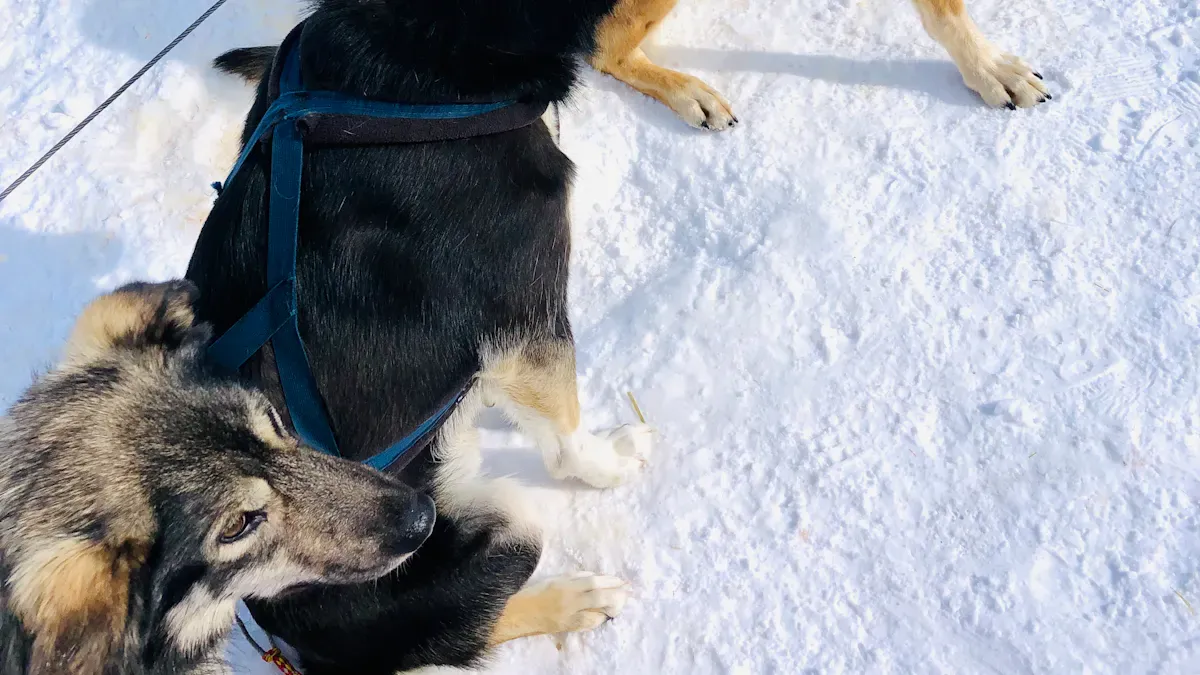
You need to pay close attention to fit when you use dog neck support. Accurate sizing helps prevent pain and keeps your dog safe. If the neck support sits wrong or feels too tight, it can change how nerves send signals. This may cause poor posture, discomfort, or even more pain. Collars that press too hard can damage muscles and nerves. A proper fit restores normal posture and helps your dog move without extra strain. You protect your dog from injury and help prevent pain in other parts of the body.
How neck support should sit
You must position neck support carefully. Start by measuring around the widest part of your dog’s neck, just below the ears. Add two inches to find the right fit. Use the two-finger rule: you should slide two fingers between the collar and the neck. Brush the neck to remove loose hair and make sure the support touches the skin. Place the collar on the upper third of the neck, below the ear and Atlas bone. This keeps the neck free to move and stops the collar from sliding. Check the fit often, especially if your dog grows or changes weight.
Tip: Move the collar if your dog wears it for long periods. Remove it when your dog is wet to protect the skin.
Common rubbing or pressure issues
You need to watch for signs of rubbing or pressure. These signs show that the fit is not right or the neck support causes pain. Look for:
Red patches or bald spots around the neck
Excessive scratching at the collar area
Rubbing against furniture or the floor
Scabs or weepy skin near the neckline
A dent left after removing the collar
Changes in posture, such as a lowered head or stiff neck
If you see these signs, check the fit and adjust the neck support right away.
When to adjust or reassess fit
You should reassess fit if your dog shows discomfort or tightness. Changes in weight or growth mean you need to check the fit again. Regular checks help prevent irritation or chafing. If you notice pain or injury, adjust the neck support to restore comfort. Always monitor your dog for signs of pain and make changes as needed.
When to Reassess Fit | What to Look For |
|---|---|
Signs of discomfort | Tightness, scratching, posture |
Weight or growth changes | Outgrown collar or harness |
Regular fit checks | Prevent irritation or chafing |
Note: Proper fit and positioning help your dog avoid pain and support healthy movement every day.
Common Use Cases for Dog Neck Support
Cervical support during recovery
Dogs often need neck support when they are healing. This happens after cervical disc disease or a neck injury. The support keeps the neck steady and helps with pain. It also stops sudden moves that can slow down healing. Many clinics use neck support for older dogs with weak muscles. Dogs who have had trauma also need this help. Giving the neck a strong base lowers pain and protects the spine.
Support for dogs with cervical disc disease
Neck stabilization for senior dogs with reduced muscle strength
Temporary protection after trauma or sprains
Note: Always check your dog’s comfort and skin while they recover.
Post-surgical stabilization
After surgery, you must keep your dog’s neck still. A neck brace or cervicothoracic corset can help with this. These tools limit movement and support the neck for weeks. You should use a short leash and keep your dog calm. Your vet will plan follow-up visits to check healing. They may adjust the support if needed. This helps manage pain and keeps the neck safe as your dog gets better.
Use a neck brace or corset for 3 weeks after surgery
Limit movement with a short leash
Schedule follow-up exams to monitor healing
Support during controlled activity
Neck support is useful when your dog starts gentle exercise again. It helps control head and neck movement. This stops pain from quick moves. You can use it during leash walks or therapy. Dogs with long-term pain or those healing from injury need this support. It lets your dog stay active and keeps the neck safe.
Prevent excessive neck movement during healing
Support gentle activity and therapy
Reduce pain during walks or exercise
Daily comfort support for neck-sensitive dogs
Some dogs have neck pain every day. Neck support can make life easier for them. Dogs with arthritis, old injuries, or weak muscles need extra help. Good support lowers pain and helps your dog move with less stress. You should check the fit often and look for signs of discomfort. This care helps your dog enjoy daily life without more pain.
Provide comfort for dogs with arthritis or old injuries
Lower pain for neck-sensitive dogs
Support daily movement and activity
What to Consider Before Daily Use
Short supervised wear sessions
Start with short, supervised sessions when you introduce dog neck support. You help your dog adjust to the new feeling and reduce stress. Watch your dog closely during these first sessions. Look for signs of discomfort or pain. If your dog seems uneasy, remove the support and check the fit. Gradually increase the time your dog wears the support each day. This approach helps your dog build confidence and keeps daily routines safe.
Skin and comfort monitoring
Check your dog’s skin and comfort every day. Look for redness, swelling, or hair loss around the neck. These signs may show that the support does not fit well or causes pain. Use your hands to feel for warm spots or bumps. If you notice any changes, adjust the support or talk to your veterinarian. Daily checks help you catch problems early and protect your dog’s health. Make sure the support does not rub or pinch, as this can lead to long-term pain.
Tip: Always ensure proper sizing to avoid discomfort or pain. Improperly fitted collars or harnesses can cause issues over time.
Leash and handling safety
Choose the right tool for leash walks. Harnesses work best for dogs with sensitive necks or those who pull. They spread pressure across the chest and lower the risk of neck pain. Collars can increase the chance of injury, especially for dogs with respiratory issues or neck injuries. Use a harness to keep your dog safe during daily walks. You get better control and reduce the risk of sudden pain. Always check that the leash attaches securely and does not twist the neck support.
Harnesses distribute pressure evenly for safety.
Collars may worsen pain for some dogs.
Harnesses provide better control for active dogs.
Cleaning and maintenance
Clean your dog’s neck support often to keep it comfortable and safe for daily use. Remove dirt, hair, and moisture after each session. Use a soft cloth and mild soap to wipe the support. Let it dry completely before the next use. Check for signs of wear, such as frayed edges or broken fasteners. Replace the support if you see damage. Regular cleaning and maintenance prevent skin irritation and help your dog avoid pain.
Note: Consult with your veterinarian to assess your dog’s unique needs and choose the right support for daily routines.
Related Guides and Next Steps
You can find more information about dog neck brace solutions and safe daily routines in our related guides. These resources help you understand how to support your dog, manage neck pain, and choose the right brace for recovery.
Dog neck brace guide
Explore the dog neck brace guide to learn about different brace types. This guide explains how a dog neck brace works to reduce pain and stabilize the neck. You will see tips for selecting the best brace for your dog’s needs. The guide also covers how to monitor your dog for signs of pain and discomfort.
Tip: Use the guide to compare brace designs and find the right fit for your dog’s daily routine.
Cervical dog brace guide
Visit the cervical dog brace guide for details on cervical support. This resource shows how a cervical dog brace can help dogs with neck injuries or chronic pain. You will learn about fitting, adjustment, and daily use. The guide helps you understand how to prevent pain and protect the neck during recovery.
Dog neck brace for cervical support guide
Read the dog neck brace for cervical support guide to see how specialized braces target cervical pain. This guide explains how to use a dog neck brace for dogs with disc disease or post-surgical needs. You will find practical advice for monitoring pain and keeping your dog comfortable.
How to fit dog neck support safely
Check the how to fit dog neck support safely guide for step-by-step instructions. You will learn how to measure your dog’s neck, adjust the brace, and prevent pain from poor fit. The guide includes tips for daily checks and maintenance. Safe fitting helps your dog avoid pain and supports healthy movement.
Note: Use these guides to build a strong routine for your dog’s neck health and pain management.
You play a key role in supporting every dog’s health and comfort. Proper dog neck support helps each dog recover, move safely, and enjoy daily life. Always check the fit and watch for changes in your dog’s behavior or skin. Work with veterinary professionals to adjust routines as needed. Use this guide to help you choose the best support and care for your dog every day.
