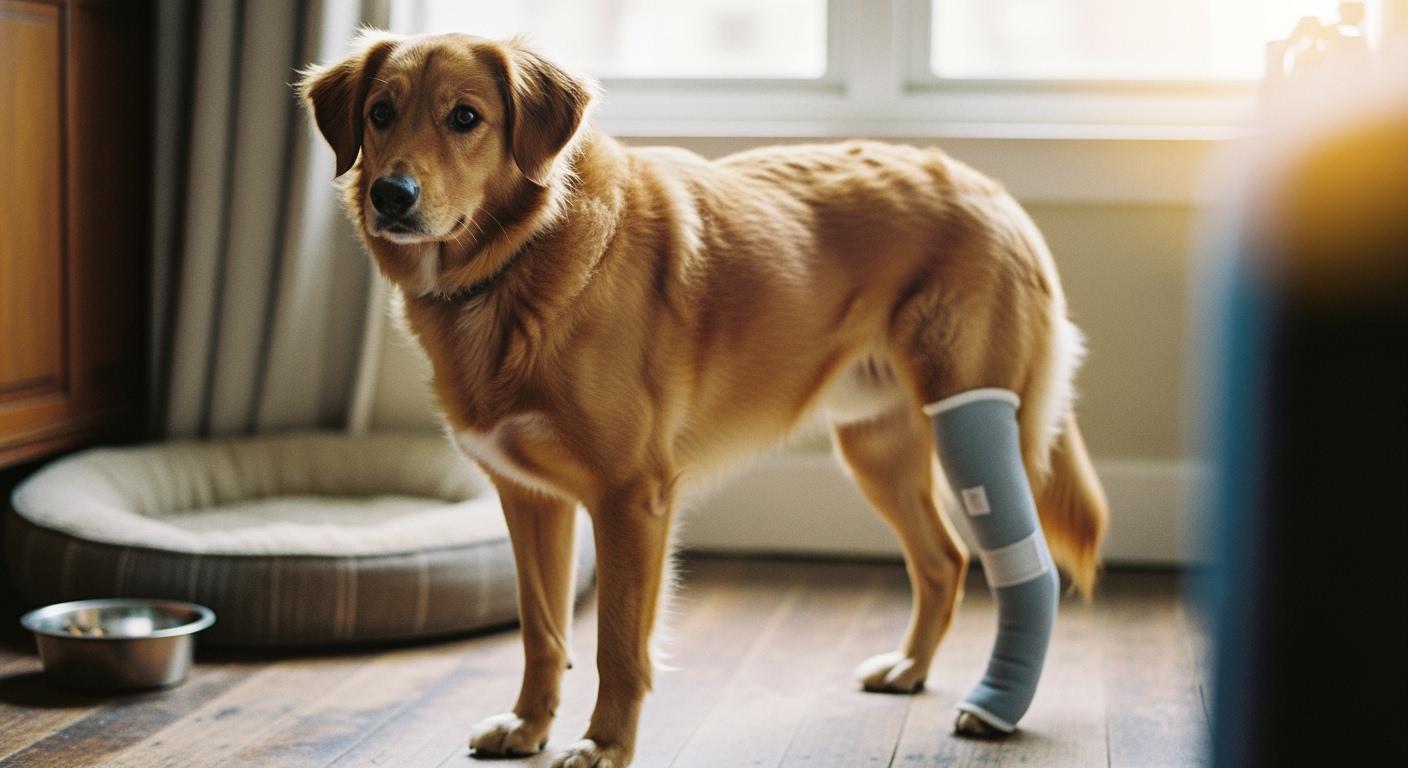
A back leg dog recovery sleeve helps support and protect dogs. It is used when dogs are healing. You use a dog recovery sleeve back leg to help lower swelling. It also helps blood flow better and eases pain after surgery or injury. Many veterinary clinics pick this sleeve for soft tissue injuries. They also use it for arthritis and after surgery. The right fit makes sure the sleeve is stable and comfy. It lets dogs move safely while they heal. This tool helps your dog’s daily life and healing.
Key Takeaways
A back leg dog recovery sleeve helps wounds heal and keeps swelling down. It lets dogs move easily while they get better.
Pick the right sleeve for the spot that needs to be covered. Make sure it fits well so it does not slip or hurt your dog.
Check your dog’s skin every day for redness or changes. This helps you find problems early and helps your dog heal faster.
Use the sleeve with other recovery tools, like recovery suits, to give more protection and comfort.
Always check if the sleeve fits right, especially after surgery or injury, to make sure it still works well and feels good.
What Is a Back Leg Dog Recovery Sleeve?
A back leg dog recovery sleeve is a specialized piece of recovery clothing for dogs. You use this sleeve to cover and protect the hind leg during recovery. The sleeve fits around the dog’s back leg and provides a barrier that shields wounds, surgical sites, or irritated skin. This tool helps you manage the healing process with greater control and comfort for your patient or pet.
You choose a dog recovery sleeve back leg for several reasons. The sleeve offers targeted support for the rear leg, which is often difficult to protect with traditional bandages. You can use it after surgery, for wound care, or to prevent licking and scratching. The sleeve also helps keep the area clean and reduces the risk of infection.
Main Benefits of a Back Leg Dog Recovery Sleeve
You give your dog freedom to move, eat, and drink during recovery.
You protect wounds from licking, biting, or scratching, which speeds up healing.
You keep the leg warm, which helps prevent illness after surgery.
You can pair the sleeve with other leg support wraps for extra protection.
You reduce the need for bulky bandages that may slip or cause discomfort.
Tip: You should monitor the fit of the sleeve daily. A proper fit prevents slipping and ensures the sleeve stays in place during activity.
Practical Support Categories
You use a dog recovery sleeve back leg for several key recovery needs:
Post-surgery coverage:
The sleeve covers stitches or surgical sites. You reduce the chance of your dog disturbing the area. You also help maintain a clean environment for healing.Wound protection:
You shield open wounds or bandages from dirt and moisture. The sleeve acts as a barrier, which lowers the risk of infection.Anti-lick and anti-scratch support:
Dogs often lick or scratch healing areas. The sleeve blocks access, which helps wounds heal faster and prevents further injury.Joint support:
You can use the sleeve to support sore hind legs or joints. This is helpful for dogs with arthritis or after orthopedic procedures.Fit-monitoring:
You check the sleeve’s fit each day. A good fit ensures comfort and keeps the sleeve effective. You adjust as needed to match changes in swelling or muscle tone.
A dog recovery sleeve back leg stands out from other recovery tools. You get a balance of protection, comfort, and mobility. You help your dog recover with less stress and more freedom. This makes the sleeve a valuable part of recovery clothing for dogs in clinics, homes, and rehabilitation centers.
What a Back Leg Recovery Sleeve Is Designed to Help With
Post-surgery coverage
A back leg recovery sleeve helps after surgery. It covers stitches and surgical spots. This keeps the area clean and safe. The sleeve stops dirt and germs from getting in. It also keeps your dog from bothering the wound. The sleeve helps healing by making the area stable. Many vets say to use a sleeve after surgery. It lets dogs walk around but still protects them.
Wound and bandage protection
Dogs need good wound protection when they heal. A back leg brace covers wounds and bandages. It keeps out dirt, water, and germs. This helps wounds stay clean and heal better. You can see how different compression therapy works in the table below:
Type of Compression Therapy | Benefits for Wound and Bandage Protection |
|---|---|
Compression Bandaging | Best for wounds with swelling, goes over dressings, lowers swelling, and helps healing. |
Velcro Wraps | Easy to adjust, simple to use, good for long-term swelling. |
Pneumatic Compression Pumps | Good for dogs who can’t move much, lowers fluid, and stops new wounds. |
A brace keeps bandages in place and helps wounds heal. Velcro wraps are easy to use and help stop swelling. They also protect the skin after surgery.
Anti-lick and anti-scratch support
Dogs often lick or scratch their wounds. A back leg recovery sleeve stops this. The sleeve covers the leg and blocks the wound. This keeps your dog from hurting itself. It also helps the wound heal faster. Studies show sleeves can lower stress and let dogs act normal. If your dog keeps trying to lick, you can use a sleeve and an e-collar together.
Comfort during daily recovery
You want your dog to feel good while healing. A good brace gives gentle support. It helps your dog walk and move. The sleeve can lower pain from swelling or sore joints. It helps your dog do normal things each day. Check the fit every day to make sure it is comfy. The right brace helps your dog heal without stress.
Main Types of Back Leg Recovery Sleeves
Hind leg recovery sleeves
You use hind leg recovery sleeves to cover the whole back leg. These are sometimes called calf sleeves. They support the shin and calf muscles. You can use them for muscle strains or swelling. They also help after surgery. The sleeve gives even pressure to the leg. This helps lower swelling and supports the muscles. You do not get the same blood flow help as compression socks. But you get strong support for the leg. Many clinics use a recovery suit for dogs with these sleeves after surgery. A recovery suit for dogs keeps the sleeve in place and adds more protection.
Sleeves for localized rear-leg coverage
Sometimes you only need to cover a small spot on the back leg. Sleeves for localized rear-leg coverage are good for this. These sleeves protect wounds or small surgical spots. They keep dirt and germs away from the wound. You can use these sleeves with a recovery suit for dogs to keep things clean. Localized sleeves do not cover the whole leg. They are good if your dog needs protection in just one area. A recovery suit for dogs adds comfort and keeps the sleeve from moving.
Compression socks cover the foot and ankle. They reach just below the knee. They give pressure that helps blood flow.
Compression sleeves cover only the calf or shin. They give steady support. They are good for muscle strains or small wounds.
You can use a recovery suit for dogs with either type. It depends on what your dog needs.
Protective anti-lick leg sleeves
Dogs like to lick or scratch their wounds. You can use protective anti-lick leg sleeves to stop this. These sleeves cover the leg and block wounds or bandages. This helps wounds heal faster and lowers infection risk. You can use a recovery suit for dogs with anti-lick sleeves for more coverage. Many clinics use a recovery suit for dogs to keep sleeves in place. You can pair a recovery suit for dogs with anti-lick sleeves for better healing.
Tip: Check the fit of the anti-lick sleeve every day. A good fit keeps the sleeve from slipping and protects the leg.
Recovery sleeves vs full recovery suits
You might wonder how a recovery sleeve is different from a full recovery suit for dogs. Both help with healing but have different uses. You use a recovery sleeve to cover just one leg. You use a recovery suit for dogs to cover more of the body.
Feature | Recovery Sleeves | Full Recovery Suits |
|---|---|---|
Coverage | Targeted to specific limbs (e.g., leg) | Covers multiple body parts |
Mobility | Allows free movement; very flexible and breathable | Still lets dogs move but covers more, maybe less flexible |
Wound Access | Easier to reach wounds because of small coverage | More coverage can make it harder to reach wounds |
Protection | Protects from mud, dirt, scratches, licks, bites, scrapes | Helps lower infection risk and calms nervous pets |
Ease of Use | Easy to put on with quick-flip buckles | Also uses quick-flip buckles for easy on/off |
Comfort | Comfortable, breathable, flexible fabric | Comfortable and made by vets for healing |
Vet Recommendation | Made by board-certified veterinarians for fast recovery | Same, made to follow post-surgery rules |
You can use a recovery suit for dogs with sleeves for more coverage. You might pick a recovery suit for dogs after big surgery or when your dog needs full-body protection. You can use a post-surgery recovery suit for wounds that need extra care. A dog recovery suit protects the whole body. A sleeve focuses on one leg.
Pick the tool that fits your dog’s needs best. You can use a recovery suit for dogs with a sleeve for the best results. This helps your dog heal faster and stay comfy while getting better.
Back Leg Recovery Sleeve vs Other Recovery Tools
Recovery sleeve vs e-collar
A back leg recovery sleeve is different from an e-collar. An e-collar, called a cone, stops your dog from touching wounds. But it can make your dog feel stressed. It also makes moving harder. A recovery sleeve covers the back leg. It protects the wound and lets your dog move normally.
Here is a table that shows why a recovery sleeve or brace is better than an e-collar:
Advantage | Description |
|---|---|
Comfort and Mobility | Your dog feels more comfortable and moves easily. |
Reduced Stress | Your dog feels less stress than with a cone. |
Higher Compliance | You and your dog follow care instructions better. |
Better Protection | The sleeve protects wounds and lowers infection risk. |
A recovery sleeve or brace helps your dog heal with less stress. Your dog also gets more freedom to move.
Recovery sleeve vs recovery suit
You might wonder if you need a recovery sleeve, brace, or recovery suit for dogs. A recovery sleeve or brace covers just the back leg. You use it when your dog needs help in one spot. A recovery suit for dogs covers more of the body. You use a recovery suit for dogs when your dog has wounds in many places.
A recovery suit for dogs can keep a brace or sleeve in place. This gives extra safety and coverage. You use a recovery suit for dogs after big surgery. You also use a recovery suit for dogs if your dog has many wounds. A recovery suit for dogs works well with a brace for daily care.
When targeted back-leg coverage makes more sense
You pick a recovery sleeve or brace when your dog needs help for one leg. This is common after surgery or when your dog has a small wound. You use a brace for joint pain or swelling. You also use a brace for daily healing after injury.
A recovery suit for dogs is best for full-body coverage. You use a recovery suit for dogs for big wounds or to keep a brace in place. You may use a recovery suit for dogs with a brace for extra safety. The right tool helps your dog heal faster and stay comfortable.
Note: Check the fit of the brace or recovery suit for dogs every day. This keeps your dog safe and helps healing. Make sure the gear fits well.
How to Choose the Right Back Leg Dog Recovery Sleeve
Picking the right back leg dog recovery sleeve takes careful thought. You need to think about what your dog needs. The sleeve should cover the right area. It must be comfy and protect your dog every day. Look at these important things before you decide.
Choose by coverage area
First, check which part of the leg needs help. Some dogs need a sleeve for the whole leg. Others only need a sleeve for a small spot. You can get a sleeve made just for your dog. A custom sleeve fits well and does not slip off. If your dog has a big wound, pick a sleeve that covers more. For small wounds, a sleeve that covers only that spot is best.
Choose by comfort and breathability
Your dog should feel good while wearing the sleeve. Soft and airy sleeves stop skin problems. These sleeves are good for long use. Look for these things:
Soft fabric feels nice on your dog’s skin
Airy design lets air move around the leg
Materials help stop skin from getting sore
A custom sleeve with these features keeps your dog comfy and healthy.
Choose by anti-lick protection needs
If your dog licks or scratches wounds, you need a sleeve that stops this. Check the table to see which features help most:
Feature | Description |
|---|---|
Sure-fit design | Easy to put on your dog’s back leg |
Comfort | Made to feel good during healing |
Durability | Strong and lasts through daily use |
Unrestricted movement | Lets your dog walk and run while staying safe |
Protection from licks | Stops licking, scratching, and rubbing |
A custom sleeve with these features keeps wounds safe and helps them heal faster.
Choose by daily wear routine
Think about what your dog does each day. Dogs often wear sleeves for days after surgery or injury. Pick a sleeve that fits well and stays on when your dog moves. For best results, try these tips:
Use a sleeve or e-collar for 10-14 days after surgery.
Pick a lick sleeve instead of an e-collar for cuts.
Watch your dog if you use a donut cone. It may not stop licking.
A custom sleeve that fits your dog’s daily life helps healing and keeps your dog happy.
How Fit and Coverage Affect Performance
Why correct sizing matters
You need to make sure your dog’s brace fits well. The right fit helps the brace protect wounds and support healing. If the brace is too loose or too tight, it can cause problems. A loose brace may slip and leave the wound exposed. A tight brace can cause discomfort or even new injuries. You should check the fit every day, especially if your dog moves a lot or if swelling changes.
A properly fitted brace protects the wound and helps healing.
An incorrect fit can cause re-injury or poor protection.
Consistent wear of the brace is important; removing it can slow healing.
How a back leg recovery sleeve should sit
The brace should cover the area that needs support. It must sit snugly against the leg without pinching or leaving gaps. You want the brace to stay in place when your dog walks, sits, or lies down. A good brace will not twist or slide. You should look for a brace that matches your dog’s size and shape. Some dogs need a custom brace for the best results. A custom brace can help if your dog has a unique build or a special injury.
Common slipping or bunching issues
Sometimes a brace slips down or bunches up. This can happen if the brace is not the right size or if it is not put on correctly. Slipping can leave the wound open to dirt or licking. Bunching can cause pressure points and discomfort. You should check the brace often, especially after your dog moves or plays. If you see slipping or bunching, you may need to adjust the brace or try a different size.
When to adjust or reassess fit
You should adjust the brace if you notice swelling going down or if your dog loses weight. Changes in your dog’s activity can also affect how the brace fits. If the brace starts to slip, bunch, or cause redness, you need to reassess the fit. Sometimes you may need a new brace or a custom option. Dog leg braces work best when you check them daily and make changes as needed. This keeps your dog’s leg safe and helps healing.
Common Use Cases for Back Leg Recovery Sleeves
Post-surgery support
You often use a brace after surgery to help your dog recover. The brace covers the surgical site and keeps it clean. You lower the risk of infection and help the wound heal. The brace gives gentle compression, which reduces swelling and improves blood flow. You also give your dog pain relief and stability. Many clinics use a brace for post-surgery care because it supports the leg and helps your dog move safely.
Reduced swelling
Improved circulation
Pain relief
Support and stability
You can see that a brace is a key part of recovery after surgery.
Sore hind legs and joint-area coverage
If your dog has sore hind legs or joint problems, you can use a brace for support. The brace helps your dog walk and stand with less pain. You give comfort and protection to weak joints. The table below shows how a brace helps during recovery:
Feature | Description |
|---|---|
Comfort | Soft, adjustable cuffs keep your dog comfortable during recovery. |
Ease of Use | Simple to put on and adjust, making it stress-free for both you and your dog. |
Reusability and Durability | Machine washable and built to last, suitable for other pets of a similar size. |
Application | Recommended to be applied initially by a veterinarian for best results. |
You help your dog stay active and safe with the right brace.
Wound protection during daily activity
A brace protects wounds when your dog moves around each day. You shield the wound from dirt and licking. The brace keeps bandages in place and lowers the chance of new injuries. You make daily care easier and safer for your dog. You should check the brace often to make sure it stays in place and gives full protection.
Tip: Always monitor the brace for slipping or bunching during activity.
Coverage as part of broader recovery care
You use a brace as part of a full recovery plan. The brace works with other tools, such as wraps or suits, to give complete care. You support your dog through every stage of healing. The brace helps with swelling, pain, and movement. You make sure your dog gets the best care by choosing the right brace for each need.
You can trust a dog recovery sleeve back leg to provide reliable support and protection for dogs in many recovery situations.
What to Consider Before Daily Use
Skin and comfort monitoring
Check your dog’s skin every day when using the sleeve. Look for red spots, swelling, or any irritation. Watch if your dog walks or sits differently. If your dog licks or bites the sleeve, check under it right away.
You should look at the incision under the sleeve every day. This helps you see if healing is going as it should.
Finding problems early helps your dog heal better. Checking the skin is an important part of caring for your dog after surgery.
Cleanliness and wound checks
Keep your dog’s area clean to help healing. Clean bedding and a tidy space lower infection risk. Check the wound every day for healing or problems.
Wash bedding and clean surfaces to keep things safe.
Limit your dog’s activity to protect the wound.
Make sure your dog eats and drinks enough to heal well.
Look at the wound for redness, swelling, or pus. Watch for signs that the infection is getting worse.
Checking your dog’s wound every day helps you see if it is healing or not. Healing wounds get less red and swollen. If you see more swelling, new pus, or fever, the infection may be worse.
If you notice these signs, call your veterinarian for help.
Supervised wear time
Watch your dog while it wears the sleeve. This helps you see if your dog is uncomfortable or if the sleeve slips. Take off the sleeve for short breaks if your vet says so. Supervision is most important right after surgery or injury. Watching your dog closely helps it recover safely.
Cleaning and maintenance
Keep the sleeve clean so your dog heals well and feels good. Wash the sleeve as your vet or the maker says. Dry the sleeve all the way before putting it back on. Check for rips or loose seams each time you clean it. Replace the sleeve if you see damage. Good cleaning and care help your dog recover after surgery.
Related Guides and Next Steps
You can find more about dog recovery sleeve back leg choices in these guides. Each guide helps you learn how to help dogs heal. Use these resources to make smart choices for your clinic or pet care.
Dog recovery sleeve guide
Read the Dog Recovery Sleeve Guide to see different sleeve types and their uses. This guide shows how recovery clothing protects wounds and helps healing. You will find tips for picking the right sleeve for each need.
Tip: Use this guide to compare sleeves for front and back legs.
Hind leg sleeve guide
The Hind Leg Sleeve Guide gives details about sleeves for back legs. You will get advice on fit, comfort, and daily use. This guide also explains how to use sleeves with a recovery suit for extra safety.
Dog leg sleeve guide
Visit the Dog Leg Sleeve Guide for a full look at leg sleeves. This guide shows how to use recovery clothing for dogs in different healing plans. You will learn how to match sleeves with other tools for better healing.
Recovery suit guide
The Recovery Suit Guide tells you when to use a recovery suit instead of a sleeve. You will see how a recovery suit covers more of the body and helps with tough wounds. This guide explains how to use a recovery suit with sleeves for full coverage and comfort.
Note: You can use a recovery suit with a sleeve for the best protection after surgery.
If you want more info about fit, anti-lick support, or daily care, check the other guides in our resource section. These guides help you give the best recovery support for every dog.
You support dogs best when you choose the right dog recovery sleeve for the back leg. You check the fit each day to keep the sleeve in place. You watch for changes in your dog’s comfort and healing. You ask a professional to help with sizing and fit. This guide helps you give dogs safe, effective recovery care. Use it as a reference for every stage of healing.