
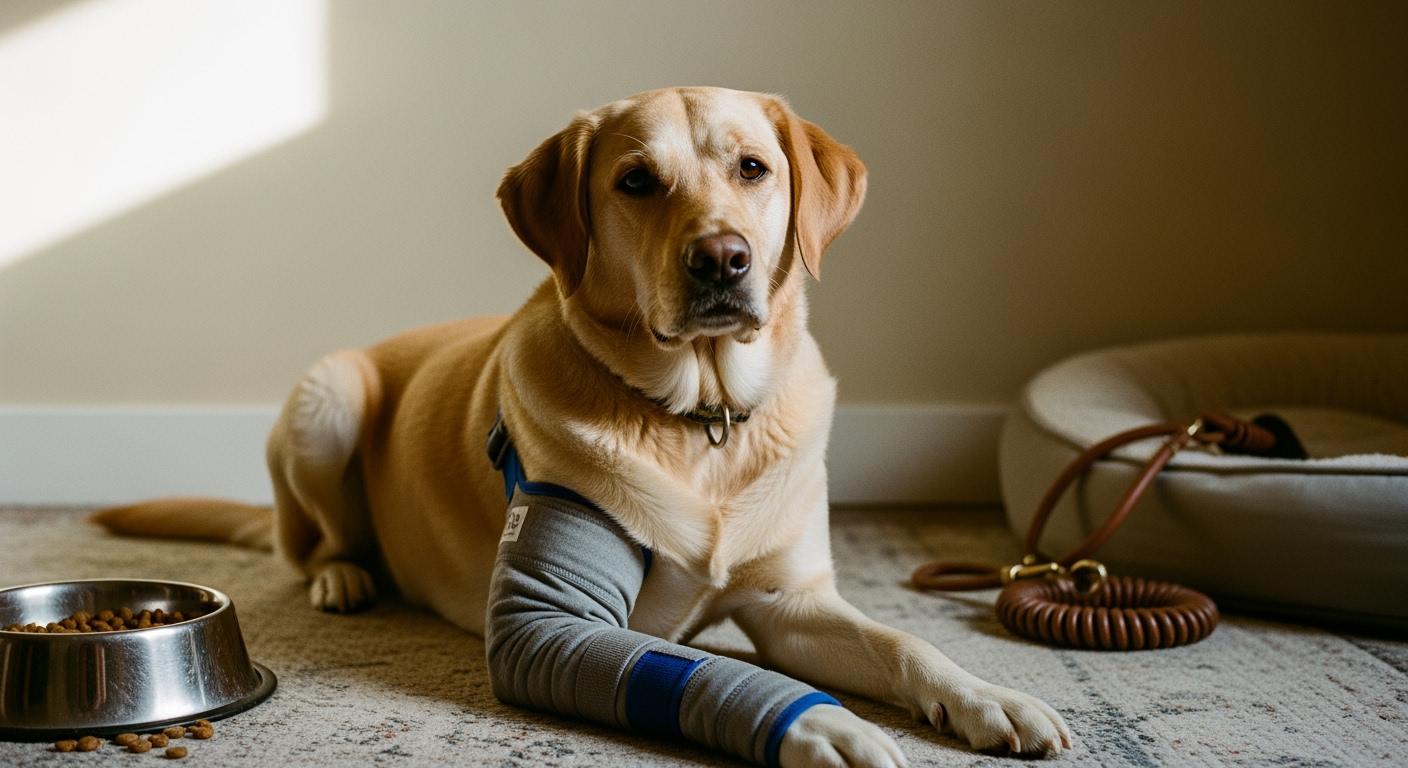
You use a dog recovery sleeve to keep your dog’s leg or body safe after surgery or injury. This sleeve covers wounds and holds dressings in place. It also stops your dog from licking or scratching. You need the sleeve to fit right for healing and comfort. Your dog can move around and do daily things. Clinics and smart pet owners use these sleeves for safe and good recovery help.
Key Takeaways
A dog recovery sleeve covers wounds and helps your dog get better after surgery or injury.
Pick the right sleeve by measuring your dog’s leg. Think about where the injury is to get the best fit.
A recovery sleeve lets your dog move easily. It also stops your dog from licking or scratching wounds.
Check the sleeve often to make sure it fits well and stays clean. This keeps your dog safe and comfortable.
Ask your veterinarian for tips on using a recovery sleeve. Your vet can help you watch your dog’s healing.
What Is a Dog Recovery Sleeve?
A dog recovery sleeve is a special piece of clothing for dogs. It helps keep your dog’s leg or body safe while healing. You use it to cover wounds, surgery spots, or sore skin. Vets make these sleeves to fit close but not too tight. Your dog can still move and play. The sleeve is made from soft and stretchy fabric. It lets air in so your dog does not get too hot. Your dog can walk, eat, and sleep without feeling stuck.
You pick a dog recovery sleeve for many reasons:
You want to stop your dog from licking or biting a wound.
You need to keep bandages clean and in the right place.
You want to skip using a cone, which can bother your dog.
You want your dog to feel calm and comfy while healing.
Tip: A dog recovery sleeve can help with anxiety. The gentle hug from the sleeve can help your dog feel safe.
Vets and pet owners use dog recovery sleeves in lots of ways. You might use one after surgery to cover stitches. You can use it for injuries to keep wounds clean. It also stops your dog from making things worse. Some dogs wear sleeves for skin problems like hot spots or allergies. You can use a sleeve every day if your dog has sensitive skin or needs extra care on walks.
Here are some main things you find in a good dog recovery sleeve:
Feature | Description |
|---|---|
Cone-free recovery support | Keeps legs safe without stopping movement or causing stress |
Soft, breathable fabric | Stretches and stays cool and comfy |
Secure ribbed cuffs | Holds the sleeve in place all day |
Pull-on design | Easy to put on and take off for checks |
Non-slip grip | Stops the sleeve from sliding without sticky stuff |
Cut-to-length versatility | Lets you trim the sleeve to fit over bandages or sore spots |
When you use a dog recovery sleeve, your dog can move around. Your dog can walk, rest, and eat with no problem. The sleeve covers wounds so your dog cannot lick or scratch them. This helps wounds heal faster and keeps away infection. Many dogs feel better with a soft sleeve instead of a big cone.
You see dog recovery sleeves used in these times:
After surgery to cover the spot and skip the cone.
For injuries to keep the leg safe and stop more harm.
For pain from osteoarthritis if your dog does not want to run or jump.
To keep cuts clean and stop licking or scratching.
A dog recovery sleeve helps your dog heal every day. You can use it for a short time or longer if your dog has skin problems. You help your dog stay comfy, safe, and active while getting better.
What a Dog Recovery Sleeve Is Designed to Help With
Post-surgery coverage
A dog recovery sleeve helps your dog heal after surgery. The sleeve covers the spot where your dog had surgery. It keeps the area clean and holds bandages in place. The sleeve stops your dog from messing with stitches. This is important for care after surgery. You can use a sleeve instead of an e-collar. Many clinics pick sleeves for bone surgeries and other operations. Sleeves help lower stress and let your dog move more.
Benefit | Description |
|---|---|
Reduces Stress | Works instead of an e-collar, so pets can recover without feeling trapped or unable to move. |
Secures Bandaging | Keeps bandages safe and in place, which helps stop problems after surgery. |
Orthopedic Recovery | Made for use after bone surgeries, so healing is better and safer. |
Wound and bandage protection
A dog recovery sleeve protects wounds and bandages. You can use it to cover cuts or injuries on your dog’s legs or body. The sleeve keeps dressings on and blocks dirt and licking. Sleeves have some good points over regular bandages:
They give strong protection and comfort for hurt legs.
They help your dog move and feel less worried.
They work best for certain injuries, mostly on the legs.
Regular bandages need to be put on right and checked often.
You should always ask your vet what is best for your dog.
Anti-lick and anti-scratch support
Dogs like to lick or scratch wounds, which slows healing. A recovery sleeve acts like a shield. It stops your dog from reaching the sore spot with their mouth or paws. This is important after surgery and for dogs with skin problems. The sleeve helps stop infection and keeps healing going well.
Comfort during daily recovery
Comfort is important when your dog is getting better. A dog recovery sleeve uses soft, airy fabric. Your dog can walk, rest, and play while wearing it. The sleeve fits close but does not squeeze too tight. Your dog can do normal things and not feel stuck. This comfort helps your dog stay calm and active while healing.
Main Types of Dog Recovery Sleeves
There are different kinds of dog recovery sleeves. You pick the one that fits your dog’s needs best. Each type helps with healing and keeps wounds safe.
Front leg recovery sleeves
Front leg recovery sleeves go on your dog’s front leg. Use these if your dog has surgery or a sore spot there. The sleeve fits tight but is not too tight. Ribbed cuffs help it stay in place. Your dog can walk, play, and rest with no trouble. Vets often say to use these after surgery or for hurt legs.
Tip: Measure your dog’s leg before you buy a sleeve. This makes sure you get the right size and coverage.
Hind leg recovery sleeves
Hind leg recovery sleeves cover your dog’s back leg. Use these for injuries or surgery on the back leg. The sleeve keeps bandages on and covers the wound. Your dog can move and feel good. These sleeves are great for bone healing and daily care.
Sleeve Type | Coverage Area | Common Use Cases |
|---|---|---|
Front leg sleeve | Forelimb | Surgery, wounds, skin care |
Hind leg sleeve | Hind limb | Injury, orthopedic support |
Sleeves for localized body-part coverage
Some sleeves are made for small areas. You use these for paws, elbows, or ankles. They help cover little wounds or sore spots. You can cut these sleeves to fit your dog. This makes them good for many needs.
Recovery sleeves vs full recovery suits
Recovery sleeves cover just one spot. Use a sleeve if your dog only needs help on one leg. Full recovery suits cover most of your dog’s body. Pick a suit for big wounds or if your dog needs more protection. Sleeves let your dog move and feel comfy. Suits cover more but can make moving harder.
Sleeves: Good for one spot, easy to use, and flexible.
Suits: Cover the whole body, give more protection, but are less comfy.
Pick the type that matches your dog’s injury and what they do each day. Recovery sleeves are helpful for both vets and pet owners.
Dog Recovery Sleeve vs Other Recovery Tools
Recovery sleeve vs e-collar
Many people use e-collars, or cones, to stop dogs from licking wounds. E-collars go around the head and neck. They keep dogs from reaching their body. But e-collars can make dogs feel stressed. They also make it hard for dogs to move. A dog recovery sleeve works in a different way. The sleeve only covers the hurt spot. Your dog can walk, eat, and rest without hitting things. The sleeve gives comfort and protects the wound.
Tool | Area Covered | Comfort Level | Movement Allowed | Stress Level |
|---|---|---|---|---|
E-collar | Head/neck | Low | Limited | High |
Recovery sleeve | Leg/body part | High | Full | Low |
Tip: Pick a dog recovery sleeve if you want your dog to stay happy and active while healing.
Recovery sleeve vs recovery suit
Recovery suits cover almost all of your dog’s body. You use a suit for big wounds or when your dog needs more protection. A dog recovery sleeve is for one leg or a small spot. You choose a sleeve for focused help. Your dog can move better with a sleeve. Suits can feel hot and make moving harder. Sleeves are good for daily use and small injuries.
Sleeve: Covers one leg or spot, simple to use, lets your dog do normal things.
Suit: Covers the whole body, best for big wounds, can make moving tough.
Note: Pick the tool that fits your dog’s injury and what makes them comfortable.
When targeted coverage makes more sense
You need focused coverage if your dog has a wound or surgery on one leg or a small spot. Dog recovery sleeves give protection right where it is needed. You do not have to cover healthy parts. Your dog stays comfy and can move around. Targeted sleeves make it easy to check wounds and change bandages. You can take off the sleeve for cleaning or vet visits. This helps your dog heal with less trouble.
Use a sleeve for:
Leg injuries
Small wounds
Bandage support
Skin problems on one spot
Targeted sleeves let you care for your dog without extra stress.
How to Choose the Right Dog Recovery Sleeve
Choosing the right dog recovery sleeve helps you support healing and comfort. You need to look at several factors before you decide. Each dog and injury is different, so you want a sleeve that matches your needs.
Choose by coverage area
Start by thinking about where your dog needs protection. You want a sleeve that covers the exact spot. Look at these points:
Wound location: Pick a sleeve made for the body part that needs help, such as the front leg, hind leg, or paw.
Dog’s triggers: Notice if your dog reacts to certain fabrics or sounds. Choose a sleeve with materials your dog likes.
Type of injury: Check if the injury is on the leg, paw, or another area. Use a sleeve that fits that spot.
You get better results when you match the sleeve to the coverage area.
Choose by comfort and breathability
Comfort matters for daily wear. You want a sleeve with soft, stretchy fabric. Breathable material keeps your dog cool and dry. Look for sleeves with flat seams and gentle cuffs. These features help prevent rubbing or irritation. Your dog should move, rest, and play without discomfort.
Tip: Try the sleeve for a short time first. Watch how your dog acts and adjust if needed.
Choose by anti-lick protection needs
Some dogs lick or chew more than others. If your dog does this, pick a sleeve with strong anti-lick features. Look for secure closures and snug fits. The sleeve should block access to wounds but not squeeze too tight. You may need extra coverage for dogs with strong licking habits.
Choose by daily wear routine
Think about your dog’s daily life. If your dog wears the sleeve all day, choose one that is easy to put on and take off. Washable sleeves help you keep things clean. You want a design that lets you check wounds and change bandages quickly. A good sleeve fits into your routine and supports healing every day.
How Fit and Coverage Affect Performance
Why correct sizing matters
You want your dog’s recovery sleeve to fit just right. A sleeve that is too loose can slip off during play or walks. A sleeve that is too tight can cause discomfort or even restrict blood flow. Proper sizing helps the sleeve stay in place and protects wounds or bandages. You help your dog heal faster when you choose the right size. Always measure your dog’s leg or body before picking a sleeve. This step makes sure you get the best fit for daily use.
How a recovery sleeve should sit
A recovery sleeve should cover the wound or sensitive area without bunching or twisting. The sleeve needs to sit flat against your dog’s skin. Ribbed cuffs or gentle elastic help keep the sleeve in place. You should see the sleeve move with your dog but not slide down. Your dog should walk, rest, and play without the sleeve shifting. A properly fitted recovery suit or sleeve supports healing and keeps your dog comfortable.
Common slipping or bunching issues
Some sleeves may slip or bunch up, especially if your dog is very active. You might notice the sleeve sliding down the leg or twisting around. These problems often happen when the sleeve is not the right size. Dogs may also chew or tear the sleeve if it feels uncomfortable. Regular checks help you spot these issues early. The table below shows common fit problems and how you can solve them:
Fit Issue | Description | Resolution |
|---|---|---|
Risk of Slipping Off | If not properly sized, they may slip off, especially if the dog is very active. | Ensure proper sizing and adjustments. |
Chewing or Tearing | Some dogs might chew the sleeve, potentially damaging it and accessing the wound. | Monitor and replace if damaged. |
Regular Maintenance | Requires monitoring for cleanliness and proper fit, may need frequent adjustments. | Regular checks and adjustments needed. |
When to adjust or reassess fit
You should check the sleeve every day. Look for signs of slipping, bunching, or chewing. If you see redness or swelling, the sleeve may be too tight. If the sleeve moves out of place, you may need a different size. Adjust the sleeve after washing or if your dog’s activity changes. Always reassess fit as your dog heals or grows. This helps you keep the sleeve working well and your dog safe.
Common Use Cases for Dog Recovery Sleeves
Post-surgery support
People use a dog recovery sleeve after surgery. The sleeve covers the cut and keeps it clean. It stops your dog from licking or scratching the stitches. This lowers the chance of infection and helps wounds heal faster. Many vets say to use sleeves for bone or soft tissue surgeries. You can take off the sleeve for a short time to check the wound. The sleeve gives gentle pressure, which may help with swelling. It can also help your dog feel safe and calm.
Skin-sensitive areas and hot spots
Some dogs have sensitive skin or hot spots. These dogs need extra care to heal. A recovery sleeve protects these sore places. It stops your dog from licking or scratching the skin. The sleeve acts like a shield for allergies, dermatitis, and hot spots. It gives a soft cushion to protect sore spots from bumps. The sleeve keeps bandages in place and safe. You can check and clean the area easily when you use a sleeve.
Stops scratching and licking of sore skin
Cushions sore spots to prevent more harm
Protects against bumps and hard things
Holds bandages in place and keeps them safe
Makes it easy to check and clean the skin
Wound protection during daily activity
Dogs like to move around even when healing. A recovery sleeve keeps wounds safe while your dog walks or plays. Make sure the sleeve does not squeeze too tight or hurt your dog. Check your dog’s skin every day for redness or swelling. Always listen to your vet about how long to use the sleeve. Your dog should be able to move, eat, and rest with no trouble. Wash the sleeve often to keep it clean and healthy.
Check the fit and comfort every day
Take off the sleeve to look at the skin
Wash the sleeve often
Coverage as part of broader recovery care
A recovery sleeve is part of a full healing plan. The sleeve keeps cuts covered and dry. It helps lower your dog’s stress by making recovery more comfy. Gentle pressure from the sleeve can help with swelling. The sleeve helps stop infection and makes care easier. Many clinics use sleeves as part of their normal recovery steps.
Note: Always talk to your vet team to make the best healing plan for your dog.
What to Consider Before Daily Use
Skin and comfort monitoring
Check your dog’s skin and comfort every day. Pick a dog recovery sleeve that sits flat on the neck and chest. Do not use sleeves with hoods or loose parts. These can bother your dog or get caught on things. Watch how your dog acts when wearing the sleeve. If your dog seems upset or worried, take the sleeve off. Let your dog wear the sleeve for short times at first. This helps your dog get used to it. Give treats and praise so your dog feels good about the sleeve. Make sure the sleeve does not make your dog too hot, especially if your dog has thick fur. Comfort is more important than looks. If your dog does not like the sleeve, try something else.
Cleanliness and wound checks
Keeping things clean is very important for healing. Change the recovery sleeve when it gets dirty or wet. If you see blood or fluid on the wound, change the sleeve every day or every other day. When the wound looks better, you can wait longer between changes. Look at the wound each time you change the sleeve. This helps you see if it is healing well. Have a second sleeve ready so you can switch quickly and keep your dog safe.
Supervised wear time
Watch your dog when they wear the sleeve. This keeps your dog from hurting the stitches or the sleeve. Some dogs need more watching, especially after surgery. Pick a sleeve that lets your dog move but keeps the wound safe. Keep an eye on your dog when they play or rest. Watching your dog helps you find problems early. You can change the plan if you need to.
Cleaning and maintenance
Clean and care for the sleeve the right way. Take the sleeve off and wash it when needed. Follow the washing rules to keep the fabric soft and strong. Clean sleeves help stop infection and help wounds heal. Check the sleeve for holes or damage before you put it on your dog. A clean and good sleeve makes daily care safer and easier for your dog.
Related Guides and Next Steps
You can find more facts about dog recovery sleeves in our guides. These resources help you make smart choices for your clinic or pet care. Read each guide to learn about fit, protection, and daily use.
Dog leg sleeve guide
If you want to know about leg sleeves, check our dog leg sleeve guide. This guide tells how leg sleeves protect wounds and help healing. You learn about sizing, fit, and how to use sleeves for front and back legs. The guide also gives tips for daily care and common recovery needs.
Tip: Use the leg sleeve guide to compare types and pick the best sleeve for your dog.
Front leg sleeve guide
Read the front leg sleeve guide for details about sleeves for the forelimb. This guide shows how to choose the right sleeve for surgery care, wound protection, and anti-lick support. You see step-by-step fitting instructions and advice for daily checks.
Learn how to measure your dog’s front leg.
Find out the best way to put on a sleeve.
Get tips for keeping sleeves clean and comfy.
Hind leg sleeve guide
The hind leg sleeve guide gives advice for back leg injuries and healing. You see how hind leg sleeves help with orthopedic support and wound coverage. The guide explains how to check fit, stop slipping, and keep sleeves clean.
Guide Topic | What You Learn |
|---|---|
Hind leg sleeve guide | Fit, coverage, daily care, monitoring |
Recovery suit guide
For bigger coverage, look at the recovery suit guide. This guide explains when to use a full-body suit instead of a sleeve. You learn about suit fit, protection goals, and daily routines. The guide helps you pick between sleeves and suits for different recovery needs.
Note: You can also read our dog anti lick guide and daily recovery-care guide for more help with wound care and comfort.
You feel more sure by using these guides. You help your dog heal and improve recovery with expert advice.
Frequently Asked Questions About Dog Recovery Sleeves
1. When should you use a dog recovery sleeve?
You should use a dog recovery sleeve when your dog needs protection after surgery, injury, or for skin problems. A veterinarian will tell you if a sleeve is right for your dog’s recovery. You can also ask your veterinarian if you are not sure.
2. How do you know if the sleeve fits your dog?
You need to measure your dog’s leg or body before you choose a sleeve. Your veterinarian can help you with sizing. The sleeve should cover the wound and stay in place without being too tight. If you see marks or swelling, ask your veterinarian to check the fit.
3. Can your dog wear a recovery sleeve all day?
Most dogs can wear a recovery sleeve during the day. You should check your dog’s skin often. Your veterinarian may suggest breaks to let the skin breathe. Always follow your veterinarian’s advice for wear time.
4. How do you clean a dog recovery sleeve?
You should wash the sleeve when it gets dirty. Use gentle soap and let it dry before putting it back on your dog. Your veterinarian can tell you how often to clean the sleeve based on your dog’s needs.
5. What if your dog tries to chew or remove the sleeve?
Some dogs may try to chew the sleeve. You should watch your dog, especially at first. If chewing happens, talk to your veterinarian. They may suggest another type of protection or a different sleeve.
6. Can you use a recovery sleeve instead of an e-collar?
A veterinarian may recommend a sleeve instead of an e-collar for some wounds. The sleeve gives targeted coverage and lets your dog move more easily. Always ask your veterinarian which tool is best for your dog’s recovery.
Tip: Always talk to your veterinarian before making changes to your dog’s recovery plan. Your veterinarian knows what is best for your dog’s health.
Question | Who to Ask |
|---|---|
Sizing and fit | Veterinarian |
Cleaning and care | Veterinarian |
Wear time and breaks | Veterinarian |
Chewing or discomfort | Veterinarian |
You help your dog heal well by picking and using a dog recovery sleeve carefully. Do these steps to help your dog get better:
Go to the vet first to find out what is wrong.
Measure your dog so you can pick the right sleeve or recovery suit for dogs.
Let your dog wear the sleeve for a short time at first, then slowly let them wear it longer.
Look at your dog’s skin every day to see if it gets red or sore.
Give your dog treats and praise so they feel calm and happy.
Remember, the best way to use a dog recovery suit is to check your dog every day and ask your vet for advice. Read other guides to get more ideas for helping your dog heal and stay healthy.
