
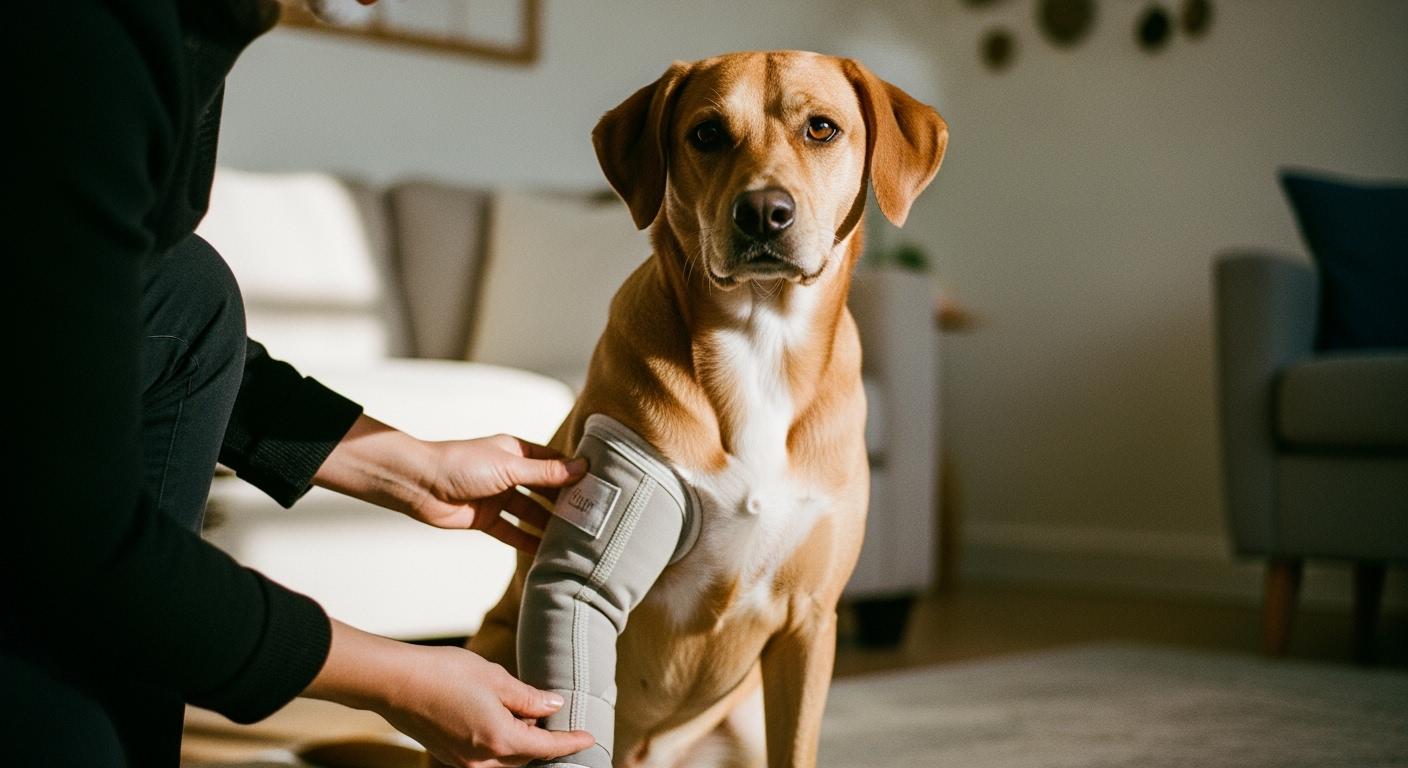
You need good ways to help a dog heal and stay safe. Dog sleeve protection gives special coverage after surgery, for wounds, and to stop licking. Clinics and sellers use sleeves to help dogs heal comfortably and keep them from touching sore spots. The right fit and using sleeves every day help protect dogs and make healing steady. This guide is a trusted source to learn about sleeve coverage, safety, and comfort in vet and rehab places.
Key Takeaways
Dog sleeve protection helps your dog heal. It covers wounds and stops licking or scratching.
Pick the right sleeve for your dog’s needs. Make sure it fits well, feels comfortable, and lets air in.
Check the sleeve often for fit and cleanliness. This helps your dog stay safe and comfortable while healing.
Use dog sleeves with other recovery tools, like bandages. This helps your dog heal better.
Watch your dog’s skin and actions every day. This helps you spot discomfort or irritation early.
What Is Dog Sleeve Protection?
Dog sleeve protection helps your dog heal and stay safe. You put a sleeve on to cover wounds or sore skin. Clinics and sellers use sleeves to help dogs feel better. You can use dog sleeve protection after surgery or for wounds. It also stops dogs from licking or scratching.
Dog sleeve protection does a few main things:
Infection prevention: The sleeve covers wounds and keeps your dog from licking or scratching. This helps stop infections.
Supporting healing: The fabric lets air in, so wounds stay dry and heal faster.
Daily recovery support: Your dog can move and feel comfortable with the sleeve on.
Stress reduction: The snug sleeve helps your dog feel calm and safe. It is not like a cone.
Dog sleeve protection helps in these ways:
Post-surgery coverage: It protects stitches and surgery spots.
Wound protection: It keeps bandages clean and covers healing skin.
Anti-lick support: It stops your dog from licking or biting wounds.
Skin-sensitive support: It covers hot spots or allergy areas.
Daily comfort: It helps your dog move and rest with less stress.
You can read other guides to learn more about sleeve types. There are dog leg sleeves, recovery sleeves, front leg and hind leg sleeves, and recovery suits. These guides help you pick the best fit and coverage for your dog. You also get tips for daily care and checking the fit.
Dog sleeve protection is a good way to keep dogs safe, comfortable, and healing in vet and recovery places.
What Protective Sleeves Are Designed to Help With
Post-surgery coverage
You need to keep your dog safe after surgery. Dog sleeve protection covers the cut and keeps it clean. A sleeve that fits well helps your dog heal. Clinics use sleeves because they:
Cover cuts and help stop infection after surgery.
Keep the surgery spot safe, so your dog cannot lick or scratch.
Use fabric that lets air in, which helps healing and comfort.
Picking the right sleeve helps your dog recover and stay safe after surgery.
Wound and bandage protection
You must keep wounds and bandages clean while your dog heals. Protective sleeves make a barrier between your dog’s skin and dirt. Studies show wound protectors can lower infection risk. Here are some results:
Study Title | Findings |
|---|---|
Effect of wound protectors in reducing the incidence of surgical site wound infection in lower gastrointestinal surgery | Dual-ring wound protectors lower the chance of infection in patients after lower gastrointestinal surgery. |
Wound protectors reduce surgical site infection: A meta-analysis of randomized controlled trials | Using wound protectors lowers infection risk by 45%. |
Plastic Wound Retractors as Bacteriological Barriers in Gastrointestinal Surgery | Plastic wound retractors can help stop bacteria from getting into the surgery cut. |
Alexis O Ring Retractor vs Conventional Wound Protection | The Alexis wound retractor works better to stop infection in planned colorectal surgeries than regular methods. |
Using a sleeve for wound protection helps your dog heal better.
Anti-lick and anti-scratch support
You want your dog to stop licking or scratching wounds. Protective sleeves cover the spot and block your dog from touching it. This helps wounds heal and keeps bandages safe. You lower irritation and help your dog feel better while healing.
Comfort during daily recovery
You want your dog to feel good every day. A sleeve that fits well gives gentle support and does not stop movement. Your dog can walk, rest, and heal with less stress. Using the right sleeve helps your dog stay calm and safe during daily life.
Main Types of Dog Sleeve Protection
Dog leg sleeves
Dog leg sleeves give support to your dog’s legs. They help with compression and make moving easier. Clinics use them for joint support and injury recovery. Most sleeves are made from soft neoprene or cotton-spandex blends. Dog leg sleeves fit well and can be adjusted for comfort. You can use them every day or after surgery. This sleeve helps your dog move safely and heal faster.
Recovery sleeves
Recovery sleeves help your dog heal after surgery. They cover wounds and stop licking. These sleeves use materials that let air in. Some have features you can adjust for a better fit. The table below shows how dog leg sleeves and recovery sleeves are different:
Feature | Dog Leg Sleeves | Recovery Sleeves |
|---|---|---|
Primary Purpose | Compression and support | Post-surgery healing and protection |
Design Focus | Provides support for joints and improves mobility | Protects wounds and prevents licking |
Material | Soft neoprene and cotton-spandex blend | Varies, often includes breathable materials |
Adjustability | Fully adjustable for a secure fit | May have adjustable features for comfort |
You pick recovery sleeves to protect wounds and help your dog heal after surgery.
Front leg and hind leg sleeves
You choose front leg or hind leg sleeves based on where your dog needs help. Front leg sleeves work for elbow injuries, wounds, or joint support. Hind leg sleeves are good for knee or hock injuries. Match the sleeve to your dog’s needs for the best results. This way, your dog gets comfort and safety while healing.
Protective sleeves vs recovery suits
You might wonder about the difference between protective sleeves and recovery suits. Protective sleeves cover one leg or area. Recovery suits cover more of your dog’s body. Use protective sleeves for certain wounds or joint support. Recovery suits are for big surgeries or full-body protection. Both help your dog heal, but you choose based on your dog’s needs and daily life.
Tip: Always check the fit and comfort when picking a sleeve. A good fit keeps your dog safe and helps healing.
There are special dog bite sleeves for training and safety. These include high-quality dog bite sleeves, premium dog bite sleeves, and top-notch bite sleeves. Trainers use french linen bite sleeves, jute bite sleeves, and schutzhund training sleeves for bite work. French linen bite sleeves last long and feel good for young dogs. Jute bite sleeves are strong for advanced training. Schutzhund training sleeves help with safety and skill building. You use these bite sleeves to protect yourself and your dog during training. High-quality dog bite sleeves and premium dog bite sleeves last a long time. You can trust these tools for daily training and safety.
Dog Sleeve Protection vs Other Recovery Tools
Protective sleeve vs e-collar
Many people use e-collars after a dog has surgery or gets hurt. Soft e-collars are made from bendy, padded stuff. They stop your dog from licking or biting wounds. But e-collars can feel tight and uncomfortable. Dog sleeve protection works in a different way. You put a sleeve on the leg to cover the hurt spot. The sleeve gives a barrier right where it is needed. Your dog can move better with a sleeve and feels more comfortable. E-collars block your dog from touching wounds. Sleeves cover and support just the injured area. You pick which tool to use based on where your dog is hurt and how your dog acts. For leg wounds, sleeves help your dog move and feel good every day.
Protective sleeve vs recovery suit
You might wonder how sleeves and recovery suits are not the same. A sleeve only covers one leg or a small spot. A recovery suit covers almost your dog’s whole body. You use a sleeve for small wounds or after surgery on a leg. Recovery suits are good for big wounds or when you need to cover more of your dog. Medical recovery suits protect the whole body but can be hard to use every day. Sleeves are easier to put on and are not as heavy. You choose what fits your dog’s needs and the size of the wound.
When targeted coverage makes more sense
Targeted coverage is best for small wounds or bites. You use a sleeve to give support and gentle pressure to one spot. This helps your dog heal and stay comfy. Sleeves work well for leg injuries and can fit under clothes. Full-body suits are better for big wounds or when you need to cover a lot. You pick targeted coverage for easy movement and daily use. This helps healing and keeps your dog safe while getting better.
Tip: Always check if your dog feels good and make sure the sleeve fits right. Using targeted protection can help your dog heal and feel less stressed each day.
How to Choose the Right Dog Protective Sleeve
Choose by coverage area
You want to match the coverage area to your dog’s needs. Start by looking at the wound, bite, or surgical site. If your dog has a small wound or a single bite, a sleeve with targeted coverage works best. For larger wounds or multiple bites, you may need a sleeve that offers extended protection. Always check the fit to make sure the sleeve stays in place and gives full coverage. A customized fit helps prevent slipping and keeps the sleeve secure during movement. This approach supports both safety and comfort for your dog.
Choose by comfort and breathability
Comfort and coverage matter every day. You want your dog to wear the sleeve without stress. Material choice affects comfort and breathability:
Cotton feels soft and lets air flow, making it good for daily wear.
Polyester stands up to water and lasts long, but breathability can change.
Nylon is light and resists water, which helps with protection.
Fleece keeps your dog warm but may hold heat.
Wool gives warmth but can feel itchy for some dogs.
Some medical sleeves, like the Medipaw Protective Suit, use thick but comfortable materials for recovery. Others, such as the Suitical Recovery Suit, have soft leg holes to prevent discomfort. A breathable dog surgery shirt can help your dog stay cool and comfortable in all seasons. Always check for a good fit to support safety and comfort.
Choose by anti-lick protection needs
You want to stop your dog from licking or scratching wounds. Look for sleeves with a sure-fit design that covers the bite or wound completely. Flexible and breathable fabrics allow your dog to move freely while keeping the area safe. Quick-flip buckles make it easy to put on and take off the sleeve. Some sleeves protect against mud, grime, and abrasions, which helps with both bite and wound recovery. A sleeve developed by a board-certified veterinarian can give extra confidence in safety and comfort.
Choose by daily wear routine
Think about your dog’s daily routine. If your dog needs compression for joint support or bite recovery, pick a sleeve that balances compression and comfort. Make sure the sleeve is easy to clean and can handle daily use. A good fit prevents bunching or slipping during walks, rest, or play. You want the sleeve to support safety and comfort all day. Always check the sleeve for signs of wear and adjust the fit as needed.
Tip: Review your dog’s needs often. Adjust the sleeve for the best comfort and coverage as your dog heals.
How Fit and Coverage Affect Performance
Why correct sizing matters
You need to choose the right size for dog sleeve protection. A sleeve that fits well helps your dog heal and stay safe. If the sleeve feels snug, your dog can move the arm without trouble. Loose sleeves may shift during activity and reduce safety. Tight sleeves can limit blood flow and slow reaction time. You want a sleeve that supports recovery and keeps your dog comfortable.
Snug fit allows full movement.
Loose fit may shift and compromise safety.
Tight fit can restrict blood flow and affect performance.
How a protective sleeve should sit
You should check how the sleeve sits on your dog. The sleeve must cover the wound or medical area without gaps. The fabric should rest flat against the skin. You want the sleeve to stay in place during daily activity. The sleeve should not bunch up or slide down. Your dog needs to feel comfortable and protected.
Tip: Always check the sleeve after walks or play. Make sure it stays in place and covers the area.
Common slipping or bunching issues
You may notice the sleeve slipping or bunching. This can happen if the sleeve is too loose or too tight. Slipping exposes the wound and reduces protection. Bunching can cause discomfort and limit movement. You need to watch for these issues during recovery.
Issue | Cause | Solution |
|---|---|---|
Slipping | Loose fit | Adjust or resize |
Bunching | Tight fit | Choose larger size |
When to adjust or reassess fit
You should reassess the fit if you see slipping, bunching, or discomfort. Dogs change shape during recovery. You may need to adjust the sleeve or pick a new size. Check the sleeve daily for signs of wear or poor fit. Proper fit helps your dog heal and stay safe during medical care.
Note: Fit and coverage play a key role in dog sleeve protection. You support your dog’s recovery by monitoring fit and making adjustments as needed.
Common Use Cases for Dog Sleeve Protection
Post-surgery support
After surgery, your dog needs extra care. Dog sleeve protection covers stitches and surgery spots. The sleeve keeps the area clean and stops licking or scratching. This helps your dog heal and lowers infection risk. Your dog can move around and feel better while healing. Clinics and rehab teams use sleeves for medical care and comfort every day.
Hot spots and skin-sensitive areas
Hot spots and sensitive skin can bother your dog. A recovery sleeve stops licking and scratching that make things worse. The sleeve acts like a shield and keeps the spot clean. Air can still reach the skin, so wounds heal faster. Many dogs feel calmer and less stressed with a sleeve on. This makes sleeves a good choice for skin problems.
Wound protection during daily activity
Dogs like to move, even when healing. You need to keep wounds safe as your dog walks or plays. Try these steps to protect wounds each day:
Put a protective sleeve from your vet over the wound.
Add a sock for more protection if needed.
Use a cone or plastic collar if your dog tries to reach the bandage.
Spray anti-bite spray to stop chewing on the bandage.
These steps help wounds stay covered and heal all day.
Coverage as part of broader recovery care
Dog sleeve protection is part of a full recovery plan. The sleeve works with other tools like bandages or recovery suits. You help your dog heal by using sleeves and checking wounds every day. This keeps your dog safe and comfortable during recovery.
What to Consider Before Daily Use
Before you start daily care with dog sleeve protection, you need to focus on a few important steps. These steps help you keep your dog safe, comfortable, and on track for recovery.
Skin and comfort monitoring
You should check your dog’s skin every day. Look for redness, swelling, or changes in color. Watch for signs that your dog feels uncomfortable, such as scratching or trying to remove the sleeve. Pay attention to any new odors, as these can signal skin problems. Use this table to guide your daily checks:
Best Practice | Description |
|---|---|
Early Detection | Look for redness, swelling, or color changes on the skin. |
Behavioral Changes | Notice if your dog scratches or resists wearing the sleeve. |
Odor Changes | Smell for unusual odors that may mean skin issues. |
Daily Skin Care Routine | Inspect and clean the area under the sleeve each day. |
Let Skin Breathe | Remove the sleeve for a few hours daily to let the skin rest. |
Choose Skin-Friendly Gear | Pick materials that do not irritate your dog’s skin. |
Cleanliness and wound checks
You need to keep the sleeve and the area underneath clean and dry. Check the wound or medical site every day for signs of infection. Make sure the bandage or covering stays in place and does not get wet. If you use a waterproof cover, limit the time to prevent moisture buildup. Clean the area as part of your daily care routine.
Supervised wear time
You should watch your dog while they wear the sleeve, especially during the first few days. Prevent chewing or licking by using extra protective devices if needed. Remove the sleeve for short periods to let the skin breathe and to check for any problems. Supervision helps you spot issues early and keeps your dog comfortable.
Cleaning and maintenance
Keep the sleeve clean by washing it as recommended. Dry it fully before putting it back on your dog. Regularly check for wear or damage. Replace the sleeve if it no longer fits well or shows signs of breakdown. Consult your veterinarian for rechecks and to monitor your dog’s recovery progress.
Tip: Good daily care and regular checks help your dog heal safely and stay comfortable with dog sleeve protection.
Related Guides and Next Steps
You have learned the basics of dog sleeve protection. You may want more details about specific types of sleeves and how to use them in different situations. The following guides give you step-by-step support for your dog’s needs. Each guide helps you make informed choices for medical care, recovery, and daily comfort.
Dog leg sleeve guide
You can read the dog leg sleeve guide to understand how to choose and fit a sleeve for your dog’s leg. This guide explains when to use a leg sleeve for injuries, joint support, or after surgery. You will find tips for measuring your dog and checking the fit. The guide also covers how to monitor your dog’s comfort and movement during recovery.
Tip: Use the leg sleeve guide if your dog has a wound, joint pain, or needs extra support during activity.
Dog recovery sleeve guide
The dog recovery sleeve guide shows you how to use a sleeve for post-surgery or wound care. You will learn how to keep the sleeve clean and dry. The guide explains how to check for signs of irritation or discomfort. You will also find advice for daily routines and when to consult your veterinarian.
Front leg sleeve guide
If your dog needs protection for the front leg, the front leg sleeve guide gives you clear steps. You will see how to fit the sleeve for elbow injuries, cuts, or medical support. The guide helps you choose the right material and shows how to adjust the sleeve for comfort.
Hind leg sleeve guide
The hind leg sleeve guide helps you protect your dog’s back leg. You will learn how to use a sleeve for knee injuries, wounds, or after surgery. The guide explains how to check the fit and keep the sleeve in place during movement.
Note: Each guide supports your dog’s recovery and helps you provide safe, effective medical care.
You can use these guides as part of your daily routine. They help you make the best choices for your dog’s comfort and healing.
You are important in helping your dog get better. The right fit, good coverage, and using dog sleeve protection every day keep wounds safe. These things also help your dog heal. High-quality sleeves feel soft and protect the spot that needs help. Look at this table for quick facts:
Feature | Importance | Example Product |
|---|---|---|
Proper Fit | Keeps sleeve in place without discomfort | Recovery Sleeve |
Coverage | Shields injury or surgery area | Lick Sleeve |
Daily Use | Supports hygiene and healing | Recovery Sleeve |
Check the fit often and ask a vet if you need help. For more tips, read guides about leg sleeves, recovery sleeves, and medical care.
