
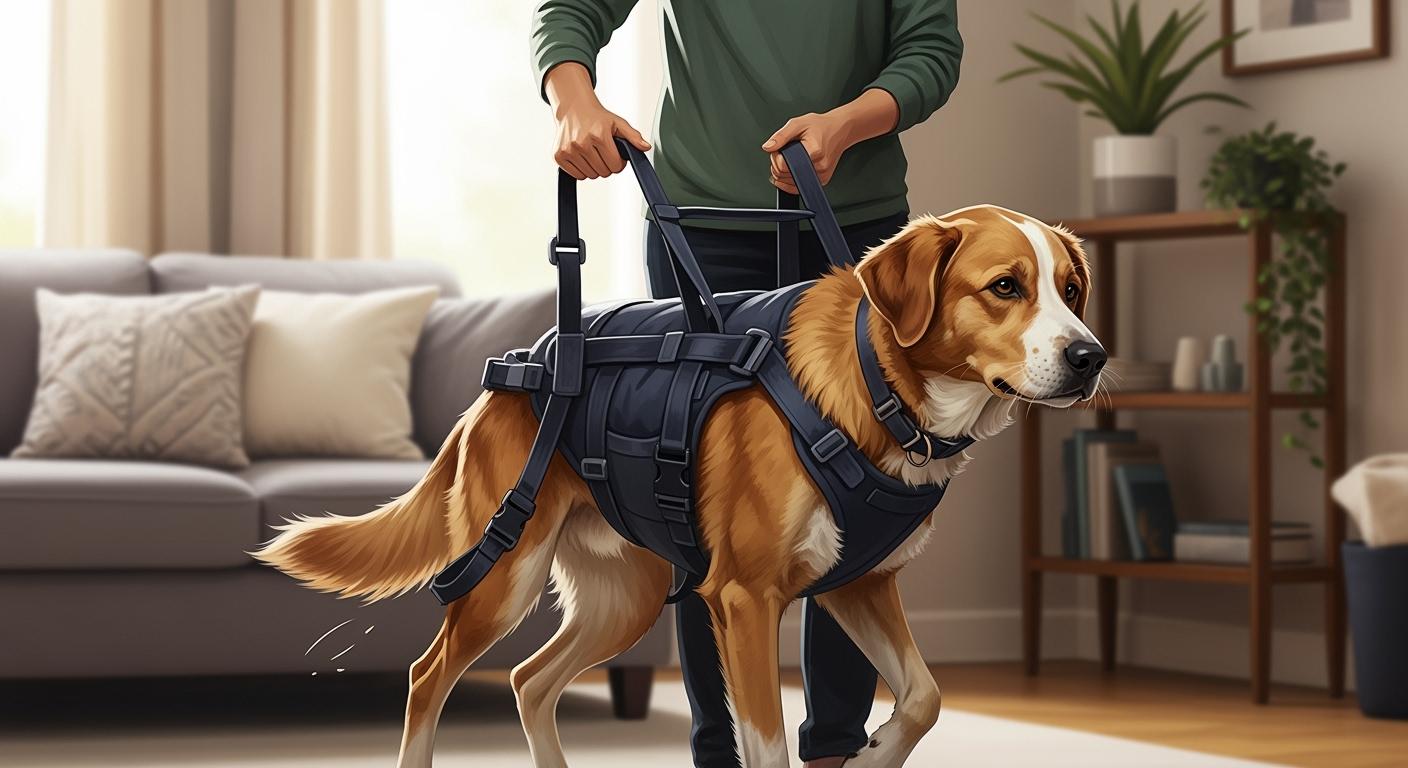
A dog support sling lets you help dogs move when they are weak or hurt. You can use this tool to help your dog walk, go to the bathroom, or get better after an injury. Many dogs have trouble moving as they get older.
More than 40% of dogs aged 9 to 13 have some trouble moving.
The risk is almost twice as high for big, older dogs.
You need a good guide to help you pick the right sling for each dog’s needs at the vet, in rehab, or at home.
Key Takeaways
A dog support sling helps dogs who have trouble moving. It makes walking, going to the bathroom, and healing from injuries easier for them.
Pick the right sling for your dog’s needs. Some slings help the front or back legs. Others are full-body harnesses or can be adjusted.
Always measure your dog before you pick a sling. This helps make sure it fits well and keeps your dog safe and comfy.
Check the sling often for damage or dirt. Clean it to keep your dog safe and comfortable when using it.
Ask your veterinarian for advice on using a dog support sling. They can tell you when and how to use it the right way.
What Is a Dog Support Sling?
Definition and Key Functions
A dog support sling helps dogs who cannot walk or stand alone. You use it to gently lift your dog under the chest, hips, or whole body. This tool makes it easier for you to help your dog move. It also keeps your back from getting hurt. You can use a dog support sling for daily walks or after surgery.
A dog sling does many important things:
It helps older dogs with trouble moving. You can help them stand and walk with less pain.
It helps dogs heal after surgery. You control how much weight they put on their legs and stop them from falling.
It helps disabled dogs. You move them safely and make their lives better.
It helps in breeding, grooming, and shows. You move small or nervous dogs safely in these places.
It helps with physical therapy and exercise. You support some of their weight for training and building muscles.
Common Mobility Challenges Addressed
A dog sling helps with many movement problems. These include:
ACL or CCL tears
Hip or back surgery
Orthopedic injury
Hip dysplasia
Arthritis pain
IVDD recovery
Early stages of degenerative myelopathy
Weak hind legs
You can use a dog lifting harness to help dogs with these problems move safely and feel comfortable. This support is important for dogs who are hurt or disabled.
When to Use a Dog Sling
Veterinarians say you should use a dog sling in certain situations. The table below shows when to use different slings and how long to use them:
Situation | Sling Type | Duration |
|---|---|---|
Coxofemoral luxations (closed reduction) | Ehmer sling | 2 to 3 weeks |
Coxofemoral luxations (open reduction) | Ehmer sling | 2 to 3 weeks |
Stifle joint stiffness prevention | 90-90 flexion splint | 3 to 5 days (not more than 7 days) |
You should use a dog sling when your dog needs help to stand, walk, or heal after surgery. Always listen to your veterinarian for the best advice.
Dog Support Sling Types
There are different kinds of dog slings for many needs. Each type helps in its own way and fits certain problems. Knowing about these slings helps you pick the best one for your dog at home, at the vet, or in rehab.
Front and Rear Dog Slings
Front dog slings help dogs with weak front legs. You put the sling under the chest and belly. This lets you lift the front part and help your dog move. Rear dog slings help dogs with weak back legs. You place the sling under the hips. This makes it easier for your dog to walk after getting hurt or having surgery.
Tip: Rear support leashes are good for dogs who can’t move for a short time. They help dogs stand up and take weight off sore legs.
Full-Body and Lifting Harnesses
Full-body dog slings support both the front and back legs. These are good for dogs who have trouble moving more than one leg. Full-body harnesses can be changed to fit different needs. They give strong support and help keep your dog steady. You can use a dog lifting harness to help your dog go up stairs, go outside, or take walks.
Type of Sling | Features |
|---|---|
Sling Style Support | Good for dogs who can stand but are wobbly; gives support in the middle for healing. |
Front Lifting Harness | Helps dogs with weak front legs; lifts from under the chest and belly. |
Full Support Harness | Holds up the whole body; works for both front and back legs; best for dogs with more weakness. |
Rear Support Leash | Simple and cheap; helps dogs stand; best for short-term problems. |
Specialty and Adjustable Slings
Some dog slings are made for special needs or can be changed to fit better. Adjustable slings let you change the straps to fit your dog. This makes them more comfy and safe. Some special slings have soft padding or liners you can take out. These are good for dogs with sore skin or after surgery. Some dog sling carriers are made for easy travel or storage.
Mid-body slings are great for dogs healing from surgery. They do not touch wounds.
Adjustable straps help the sling fit right on the chest, belly, and legs.
Liners you can remove and wash make cleaning easy.
Choosing the Right Type for Each Scenario
You should pick the sling that matches your dog’s needs. Think about what each sling does and when to use it.
Criteria | Description |
|---|---|
Weight Capacity | Should hold at least 20% more than your dog weighs. |
Material | Mesh lets air in so dogs stay cool; Oxford fabric is tough. |
Adjustability | Many strap spots help the sling fit well. |
Padding | Foam handles and soft spots stop sore spots. |
Attachment Points | Loops, clips, or backpack frames help keep the sling steady. |
Hygiene | Liners you can take out and wash keep things clean. |
Foldability | Easy to fold is important for trips; check if it folds easily. |
Mid-body slings are good for dogs healing from surgery. Front harnesses help dogs with weak front legs. Full-body harnesses help dogs with weak front and back legs. Rear support leashes are best for short-term help and bathroom trips. Knowing about dog lifting harnesses and what they do helps you choose the right one for your dog.
Choosing a Dog Support Harness
Assessing Size, Weight, and Breed
Think about your dog’s size, weight, and breed before you pick a dog support harness. Every dog has a different body shape and needs different support. Big dogs often have hip and joint problems. They need stronger support than small dogs. Older dogs may need more help with daily things. A harness gives gentle support and helps them feel more confident.
When picking a dog sling, remember these things:
Your dog’s breed and size change what kind of support they need.
Different breeds have different body shapes. Bulldogs and greyhounds need slings that fit their bodies.
The right size sling keeps your dog comfy and stops slipping or pinching.
Older dogs need harnesses that help their joints and keep them safe.
Dogs in rehab need help moving so they can heal better.
Always measure your dog’s chest, belly, and hips before you buy a sling. This helps you get a sling that is not too tight or too loose.
Material, Padding, and Adjustability
The material of a dog support harness matters for comfort and how long it lasts. Soft materials like cotton and fleece feel nice on your dog’s skin. Polyester and nylon are also used, but some dogs do not like nylon. Good fabrics last longer and are both strong and comfy.
If you have a big dog, pick strong, breathable fabrics. These help heavy dogs and keep them cool. Waterproof materials are easy to clean and help keep things clean. This is important for older dogs or dogs healing from surgery.
Padding is very important. Padding protects sensitive spots and stops pain or injury. Look for padded handles and straps if you use the sling for walks or stairs. Adjustable straps help you make the sling fit your dog’s body. This makes the sling safer and more comfortable.
Tip: Removable liners are helpful. You can wash them and keep the sling clean for daily use.
Safety Features and Ease of Use
Check for safety features when you pick a dog-lifting harness. These features keep your dog safe and make things easier for you. Here are some important safety features:
Safety Feature | Description |
|---|---|
Opening shape | Should feel safe but not press on the throat or let your dog lean out too far. |
Strap comfort | Wide straps help keep the sling steady and stop digging into shoulders. |
Closure and tether | Easy, safe closures; tethers should attach to a harness, not a collar. |
Security | Make sure your dog cannot climb out when moving. |
Balance | The sling should stay close to your dog and not swing much. |
Breathing and heat | Watch for panting, getting hot, or restlessness while using the sling. |
A sling with good safety features helps stop accidents. Wide straps keep the sling steady and stop pressure on your dog’s shoulders. Safe closures and tethers keep the harness in place. Always check that your dog cannot slip out or fall when you lift them.
It should be easy to use, too. Pick a harness that is simple to put on and take off. Handles should feel good in your hand. If you use the harness for walks or stairs, look for non-slip handles and strong buckles. These things make daily use safer and easier.
Large Dog Sling Considerations
Picking a large dog sling takes extra care. Big dogs need more support and stronger materials. Here are some things to think about:
Size and Weight Capacity: Make sure the sling can hold your dog’s weight, sometimes up to 100 pounds or more.
Material and Durability: Choose strong, breathable fabrics that can handle big dogs. Waterproof and easy-to-clean materials are helpful.
Comfort and Padding: Lots of padding keeps your dog comfy. Adjustable straps help the sling fit well.
Ease of Use: Adjustable straps and handles make it easy to put on and take off. It should be easy to carry if you need to move it.
Safety Features: Non-slip handles, strong stitching, and tough buckles are important. Reflective strips help you see your dog at night.
Always check the fit and support before you use a large dog sling. Older big dogs often need extra padding and fabrics that let air in. The best large dog sling is strong, comfy, and easy for you to use.
Note: For the best large dog slings, look for ones with strong handles, extra padding, and adjustable parts. These are best for older or heavy dogs.
When you pick a harness for a big dog, focus on strength, safety, and comfort. Always check the harness before you use it. This helps stop accidents and keeps your dog safe every day.
A dog sling carrier with these features helps your dog move and makes your life easier. Use this guide to help you find the right harness for your dog.
Dog Sling Fit and Handling
Measuring for Proper Fit
You need to measure your dog before you use a dog support sling. Start by measuring the chest, belly, and hips. Use a soft tape measure. Write down each number. Make sure your dog stands straight and relaxed. Measure around the widest part of the chest and the thickest part of the belly. For rear slings, measure the area just in front of the back legs. For front slings, measure behind the front legs. Accurate measurements help you choose a sling that fits well and keeps your dog comfortable.
Fitting Steps and Adjustments
You should follow these steps to fit a dog support sling:
Place the sling under your dog’s body, lining it up with the chest or hips.
Fasten all straps and closures. Make sure nothing twists or bunches.
Adjust the straps slowly. Check that the sling fits snugly but does not pinch.
Use soft padding sleeves on straps to protect sensitive areas.
Watch your dog walk a few steps. The sling should stay in place and not shift.
Tip: Consider your dog’s size and breed when adjusting the sling. Some breeds need extra support in certain areas.
Comfort and Security Checks
Check the sling for comfort and safety every time you use it. Look for these signs:
The sling fits close to the body without gaps.
No straps dig into the skin or cause red marks.
Padding covers all pressure points.
Your dog moves freely and does not limp or resist.
The sling does not swing or slide out of place.
If you see any problems, stop and adjust the sling right away.
Troubleshooting Fit Issues
You may find some common fit problems with a dog support sling. Here are ways to solve them:
Use slings with adjustable straps and closures for a better fit.
Pick slings with soft, breathable padding to prevent discomfort.
Choose slings with easy buckle systems for quick use.
Think about your dog’s breed. Some need special designs for proper support.
A well-fitted dog support sling helps your dog move safely and feel secure every day.
Daily Use of Dog Lifting Harness
Walks and Exercise Support
You can use a dog lifting harness to help your dog enjoy daily walks and gentle exercise. Start by making sure the harness fits well. Measure your dog’s chest and neck, then adjust the straps so the harness feels snug but not tight. Let your dog wear the harness at home for short periods. This helps them get used to the feeling. Give treats and praise to create a positive experience. Pair the harness with fun activities, so your dog connects it with good times. This approach works well for both injured dogs and those recovering from surgery.
Stairs and Obstacles
Many dogs with mobility issues need help with stairs or uneven ground. Use a dog sling to give gentle lifting support as your dog climbs or descends steps. Guide your dog slowly and keep a steady hand on the handle. Prevent slips or trips by moving at your dog’s pace. For disabled dogs or those with severe weakness, support both the front and rear to keep them balanced. A large dog sling can help you manage bigger breeds safely.
Bathroom Breaks and Short-Term Recovery
During bathroom breaks, keep your dog on a lead to stop sudden movements. Let your dog sniff the ground before toileting, which helps them relax. If your dog cannot stand alone, use a dog sling carrier or hindquarter sling to support them. Adjust the sling so it does not block male dogs from urinating. For dogs in post-surgery recovery, hands-free support from a dog sling carrier makes these routines easier. Always ask your vet for advice if your dog cannot urinate on their own.
Safety Checks and When Not to Use
Before each use, check the fit of the dog lifting harness. Use the two-finger method to make sure it is snug but not too tight. Watch your dog walk around the house with the harness before going outside. Make sure your dog can sit, turn, and move their legs freely. Avoid lifting by the abdomen alone, especially on stairs. If your dog shows pain, stress, or skin irritation, stop using the harness and consult your vet. Do not use a dog support sling if your dog has open wounds or severe breathing problems.
A dog sling carrier supports convenience and mobility for dogs with temporary or long-term needs. You help your dog stay active and safe, whether they are recovering from surgery or need daily support.
Care and Maintenance of Dog Slings
Cleaning and Drying
You need to keep your dog support sling clean to protect your dog’s skin and extend the life of the sling. Most dog support slings are easy to wash. You can use a washing machine or wash them by hand. Always remove any detachable padding before you start. Use a mild detergent and cold water. This helps the fabric stay strong and soft. After washing, let the sling air dry completely. Air drying stops mold from growing and keeps the sling in good shape. Never use high heat, as it can damage the material.
Tip: Wash the sling more often if your dog uses it outside or after bathroom breaks.
Inspecting for Wear
You should check your dog support sling often for signs of wear. Look for frayed straps, loose stitching, or worn padding. These problems can make the sling unsafe. Use the table below to help you remember when to inspect your sling:
Inspection Type | Frequency of Inspection |
|---|---|
Initial Inspection | Upon receiving a new sling |
Frequent Inspection | Before each use or shift |
Periodic Inspection | Based on usage and conditions: |
Normal service: Every 12 months | |
Severe service: Every 3 months or more frequently | |
Special environments: Before each use |
Check more often if you use the sling every day, in tough conditions, or for heavy lifting. Always make sure the sling feels sturdy before you use it.
Replacement Guidelines
You should replace your dog support sling if you see damage that cannot be fixed. Replace the sling if you notice broken buckles, torn fabric, or padding that does not protect your dog. Do not wait for a complete failure. A worn sling can put your dog at risk. If you use the sling often or in harsh environments, plan to replace it more frequently. Keeping your dog support sling in good condition helps your dog stay safe and comfortable every day.
Related Mobility Support Guides
Dog Lift Harness Overview
A dog lift harness gives you a way to help your dog move when they cannot walk on their own. You use it to support your dog’s body and guide them during daily activities. This tool works well for dogs with temporary injuries or those recovering from surgery. You can also use it for senior dogs who need extra help.
Feature | Dog Lift Harness | Wheelchair |
|---|---|---|
Independence | Needs your assistance | Dog moves on its own |
Mobility Support Level | Partial support | Full limb replacement |
Portability | Lightweight, folds | Bulky, needs assembly |
Learning Curve | Easy for you and dog | Dog needs time to adjust |
Cost | $40–$100 | $150–$400+ |
Best For | Short-term or daily use | Long-term disability |
Note: A dog lift harness is easy to use and helps you support your dog during walks, bathroom breaks, or short trips. It is not a replacement for a wheelchair if your dog cannot move their legs at all.
Hind Leg Support Sling Guide
You use a hind leg support sling when your dog has weak back legs from arthritis or hip dysplasia. This sling gives targeted support to the hind legs. It helps your dog stand, walk, and climb stairs with less pain. You can use it for ongoing conditions that need daily help. In contrast, a rear support sling works best for short-term recovery or minor mobility issues. Rear support slings are simple and soft, making them easy to use for quick assistance.
Rear Support Sling Guide
A rear support sling helps you lift your dog’s back end when they need help standing or moving. You use it for dogs recovering from surgery or those with mild weakness. This sling is lightweight and easy to put on. It works well for bathroom breaks or short walks. You can choose from scarf-style slings for small dogs or hip-lift slings with handles for larger breeds. Each type gives you control and keeps your dog comfortable.
Fitting and Usage Resources
You can find many resources to help you fit and use a dog support sling correctly:
Guides that explain the types of slings and harnesses for dogs.
Tips on choosing the right dog support sling for your dog’s needs.
Step-by-step instructions for using slings to support mobility.
Scarf-style sling: Use a long piece of fabric under your dog’s belly for small dogs.
Hip-lift sling: Choose adjustable handles for comfort and control.
Short-handled hip-lift sling: Pick this for large breeds needing strong support.
Tip: Always check the fit before each use. Make sure your dog feels secure and comfortable. If you need more help, consult your veterinary team or explore detailed fitting and usage guides.
Picking the right dog support sling helps your dog move better. It keeps your dog safe and comfortable if you fit and use it the right way:
A sling that fits well keeps your dog steady and stops extra stress.
Straps you can adjust help the sling fit any dog size.
Soft padding stops pain and keeps your dog from getting sore spots.
Buckles that open fast let you take the sling off quickly if you need to.
You should always talk to your vet team. They will help you pick the best sling, whether your dog is big or small.
FAQ
How do you know if your dog needs a support sling?
You should watch for signs like trouble standing, weak legs, or pain when walking. If your dog struggles with stairs or after surgery, a dog support sling can help you provide safe mobility support.
Can you leave a dog support sling on all day?
You should not leave a dog support sling on your dog all day. Remove it after each use to prevent skin irritation and allow your dog to rest comfortably. Always check your dog’s skin for redness or pressure marks.
How do you clean a dog support sling?
You can wash most dog support slings by hand or in a washing machine. Use mild detergent and cold water. Remove any padding before washing. Let the sling air dry completely before using it again.
What size dog support sling should you choose?
You should measure your dog’s chest, belly, and hips. Choose a sling that matches these measurements. Adjustable straps help you get a secure and comfortable fit for your dog’s body shape and weight.
Is a dog support sling safe for senior dogs?
Yes, a dog support sling is safe for senior dogs when you use it correctly. Always check the fit and padding. Support your dog gently during walks or bathroom breaks. Consult your veterinary team for extra guidance if needed.
