
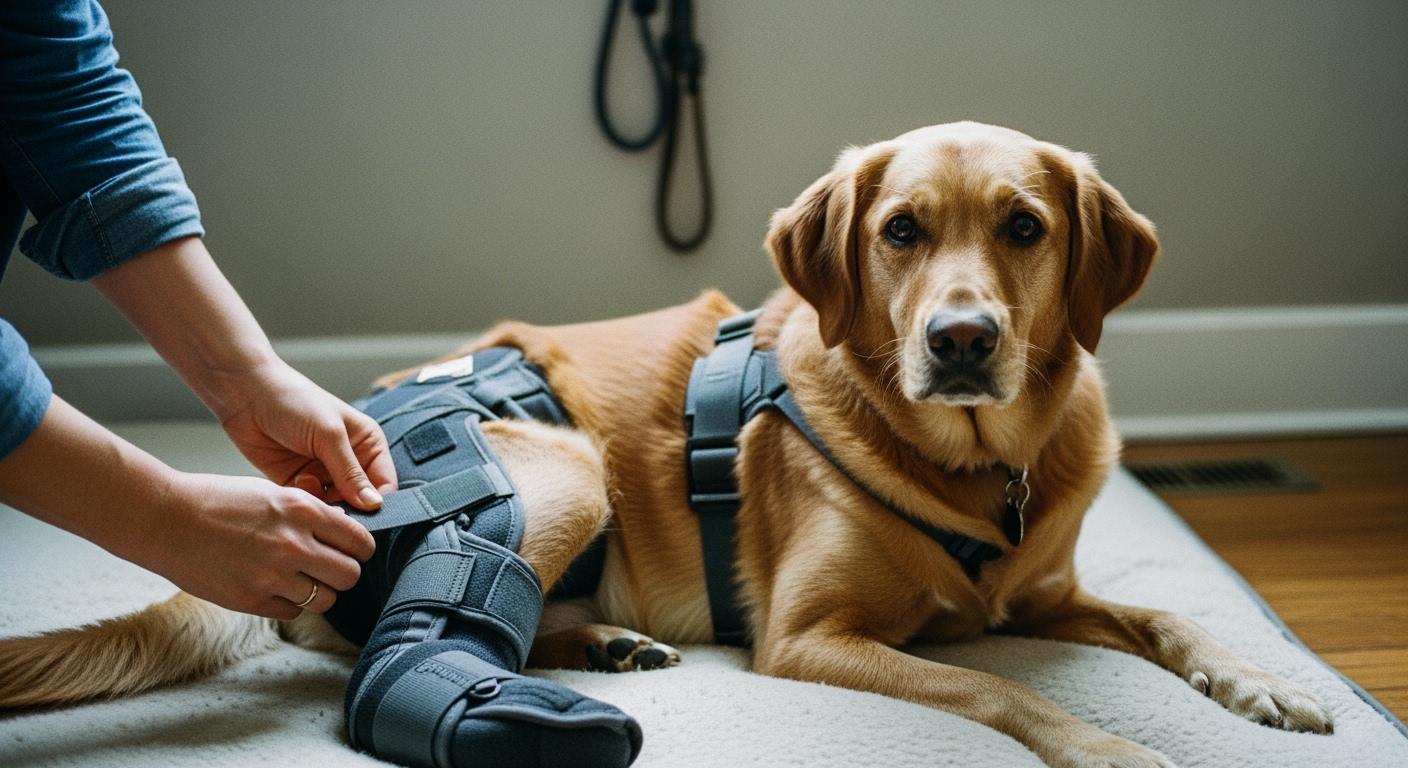
You can help your dog feel less pain with a hip dysplasia dog brace. This device gives special support to the hip area. It helps lower stress on joints when your dog moves each day. You should think about comfort and support for your dog’s needs. Always talk to your veterinarian before picking any brace or support tool.
Key Takeaways
A dog brace for hip dysplasia helps support the hips. It can lower pain and help your dog move better. – You should always talk to your veterinarian before picking a brace. This makes sure the brace is right for your dog’s needs. – Comfort is very important. Pick a brace that fits well and lets your dog move easily. The brace should not cause any rubbing or sore spots. – Check your dog’s skin and how they walk often. This helps you see if the brace works and feels good. – Think about what your dog does every day when you pick a brace. This helps make sure the brace works for your dog’s daily life.
What Is a Dog Brace for Hip Dysplasia?
A hip dysplasia dog brace is a special device. It helps dogs who have hip dysplasia. The brace gives gentle pressure and keeps the hips steady. This makes your dog feel less pain. It also helps your dog move better every day.
A dog brace for hip dysplasia goes around your dog’s hips and lower back. Most braces have straps you can adjust. They are made from soft and strong materials. This lets you make the brace fit well. Your dog can stay comfortable while wearing it. Some braces give extra help to the lower back or back legs.
Tip: Always check if the dog hip support brace fits before using it. A good fit gives your dog the best help. It also stops the brace from hurting your dog’s skin.
A dog hip brace will not fix hip dysplasia. It only supports the hips and helps your dog stay active. Many vets say hip support is good for dogs. It is part of a bigger plan to help your dog move.
Key features of a hip dysplasia dog brace:
Gives special help to the hip joints
Helps keep the lower back and back end steady
Lowers stress on the joints when moving
Made to be comfy and worn every day
You can use a hip support brace for dogs of any age. It is very good for older dogs or dogs with weak back legs. When picking a brace, look for a good fit and comfort. Think about what kind of help your dog needs. Always ask your vet to help you choose the best brace for your dog.
What Hip Dysplasia Support Braces Are Designed to Help With
Hip-area stability
You want your dog to move with confidence. Hip dysplasia support braces help your dog by making the hip joint more stable. These braces use gentle compression and warmth to keep the hip in a better position. They limit too much movement but still let your dog walk, sit, or stand. This helps your dog feel steady and safe.
Hip braces provide gentle compression and warmth to the hip joint.
They control movement and reduce abnormal motion.
Braces allow normal flexion and extension, so your dog can move naturally.
Compression and warmth can improve blood flow and muscle use.
Better stability means less pain and more comfort for your dog.
You can find different types of dog braces that focus on hip-area stability. Each type gives a unique level of support. You should choose the one that matches your dog’s needs.
Lower-back support
Many dogs with hip dysplasia need extra help for the lower back. A dog brace for hip dysplasia often covers this area. It gives steady support to the muscles and joints near the hips. This helps your dog stand up, walk, or change positions with less effort.
Some types of dog braces have special panels or straps for the lower back. These features keep the brace in place and add comfort. You may notice your dog stands taller and moves with less strain. Lower-back support is important for dogs who have weak muscles or pain in this area.
Note: Lower-back support can also help prevent new injuries. It spreads the pressure across a larger area, so your dog feels more balanced.
Rear-end assistance during daily movement
Dogs with hip dysplasia often have weak back legs. They may slip, stumble, or have trouble getting up. Hip support for dogs can give your dog the help needed for daily tasks. The brace lifts and supports the rear end, making it easier to walk, climb stairs, or get into a car.
You can use different types of dog braces for rear-end assistance. Some braces connect to harnesses or have handles. These features let you guide your dog safely. Rear-end support is helpful for senior dogs or those recovering from surgery.
Daily Activity | How a Brace Helps |
|---|---|
Walking | Keeps hips steady |
Climbing stairs | Supports rear legs |
Getting up | Reduces effort and strain |
Entering a car | Prevents slips and falls |
Comfort as part of broader mobility care
Comfort matters as much as support. A hip dysplasia dog brace should feel good for your dog to wear. Soft materials, adjustable straps, and a good fit all add to your dog’s comfort. When your dog feels comfortable, you can use the brace for longer periods each day.
You should look for types of dog braces that balance support and comfort. A comfortable brace helps your dog stay active and happy. It also makes it easier for you to check the fit and make changes as needed.
Tip: Always watch your dog when using a new brace. Check for signs of rubbing or discomfort. Adjust the brace to keep your dog safe and comfortable.
Hip dysplasia support braces play a key role in your dog’s mobility care plan. They give stability, lower-back support, and rear-end help. They also keep your dog comfortable during daily life. You can choose from many types of dog braces to match your dog’s needs and routine.
Main Types of Support for Dogs with Hip Dysplasia
Hip support braces
You can use hip braces to give your dog steady support around the hip joints. These braces help keep the hips in the right position. Hip braces work well as a non-surgical option for dogs who need extra stability. You may notice your dog stands and walks with more confidence when using a hip correction brace. Many hip braces use soft, flexible materials that wrap around the hips and lower back. This design helps reduce pain and lets your dog move more easily.
Tip: Hip braces are often used for senior dogs or those with mild to moderate hip weakness. You can use them as part of a daily care routine.
More structured hip brace designs
Some dogs need more support than basic hip braces provide. You can choose a more structured hip correction brace if your dog has severe hip instability. These braces use firmer panels or extra straps to keep the hips steady. A structured hip correction brace can help limit unwanted movement and protect the joints. This type of non-surgical support is helpful for dogs who struggle with daily activities. You should check the fit often to make sure your dog stays comfortable.
Hip support combined with hind-leg assistance
You may want to use a hip correction brace that also supports the hind legs. This type of non-surgical brace helps dogs who have both hip and rear-end weakness. The brace wraps around the hips and connects to the back legs. It gives extra lift and helps your dog move with less effort. Many owners use this support for dogs recovering from injury or surgery. You can help your dog walk, climb stairs, or get up from lying down.
Mobility-support harness options
Mobility-support harnesses give you another non-surgical way to help your dog. These harnesses often work with hip braces or hip correction brace designs. You can use a harness to lift or guide your dog during walks or daily routines. Mobility-support harnesses are useful for senior dogs or those with weak muscles. They help you control your dog’s movement and prevent falls.
Note: Always talk to your veterinarian before choosing a hip correction brace or harness. The right support can improve your dog’s comfort and quality of life.
Dog Brace for Hip Dysplasia vs Other Support Tools
Hip support brace vs hip brace
You may see the terms “hip support brace” and “hip brace” used in many guides. Both tools help dogs with hip dysplasia, but they offer different levels of support. A hip support brace usually gives gentle compression and helps keep the hip joint steady. This type of brace works well for dogs with mild to moderate hip weakness. You can use it for daily walks or rest periods.
A hip brace often has a more structured design. It may include firmer panels or extra straps. This brace gives stronger support and helps control unwanted movement. You may choose a hip brace if your dog has more severe hip instability or needs extra help during recovery.
Feature | Hip Support Brace | Hip Brace |
|---|---|---|
Support Level | Gentle, flexible | Firm, structured |
Best For | Mild/moderate weakness | Severe instability |
Daily Use | Yes | Yes, with monitoring |
Adjustability | High | Moderate to high |
Tip: Always measure your dog’s hip and lower back before choosing a brace. Use a soft tape measure. Measure around the widest part of the hips and the lower back. Write down the numbers and compare them to the sizing chart for the brace.
Hip brace vs lift-assist harness
A dog hip brace and a lift-assist harness both help dogs with hip dysplasia, but they work in different ways. A hip brace supports the hip joint and keeps it steady. It wraps around the hips and lower back. You use it to reduce pain and help your dog move with confidence.
A lift-assist harness gives you a way to help your dog stand, walk, or climb stairs. The harness has handles or straps. You can gently lift your dog’s rear end when needed. This tool works well for dogs with rear-end weakness or those who need extra help during daily routines.
Tool | Main Function | When to Use |
|---|---|---|
Hip Brace | Stabilizes hip joint | Daily support, mild to severe hip dysplasia |
Lift-Assist Harness | Helps lift rear end | Stairs, car entry, recovery, severe weakness |
Note: You can use a hip brace and a lift-assist harness together. This gives your dog both joint support and extra help with movement.
When combined support routines make sense
Some dogs need more than one type of support. You may find that using a hip dysplasia dog brace with a lift-assist harness gives your dog the best results. Combined routines help dogs who have both joint instability and muscle weakness.
You can follow these steps to create a combined support routine:
Start with short, supervised sessions using the hip brace. Let your dog get used to the feel.
Add the lift-assist harness during activities like stairs or car entry.
Watch your dog’s movement and comfort. Adjust the fit as needed.
Check your dog’s skin for any signs of rubbing or pressure.
Clean both the brace and harness after use.
Tip: Introduce new support tools slowly. Give your dog time to adjust. Use treats and praise to make the experience positive.
Fit-monitoring basics:
Check the brace fit every day. Make sure it sits snug but not tight.
Look for signs of slipping or bunching.
Watch for redness or hair loss under the brace.
Adjust straps if you see any problems.
Measurement guidance for clinics and buyers:
Use a flexible tape measure.
Measure the widest part of the hips and the lower back.
Record the measurements and use them to select the correct brace size.
Re-measure if your dog’s weight changes.
You can help your dog move better and feel more comfortable by choosing the right support tools and using them correctly. Always talk to your veterinarian before starting a new support routine.
How to Choose the Right Dog Brace for Hip Dysplasia
Choose by support area
You need to look at where your dog needs the most help. Some dogs need support just for the hips. Others need help for the lower back or rear legs. You should measure your dog’s hips and lower back before you choose. This helps you find the best fit. If your dog has trouble with stairs or standing, you may want a brace that supports both the hips and rear end. Good support in the right area can improve your dog’s mobility every day.
Tip: Write down your dog’s measurements. Use these numbers to compare different brace options.
Choose by comfort and adjustability
Comfort is important for daily use. You want a brace that feels good and does not rub or pinch. Adjustable straps help you get the right fit. You should measure your dog before you buy a brace. Try to adjust the brace so it fits snug but not tight. A comfortable brace lets your dog move and play. If your dog wears the brace for long periods, check for any signs of discomfort. Good comfort and adjustability help your dog keep up with daily mobility needs.
Choose by daily routine needs
Think about your dog’s daily life. Does your dog walk a lot, climb stairs, or ride in the car? You should measure your dog’s hips and lower back to make sure the brace fits well during all activities. Some braces work better for active dogs. Others help dogs who rest more. You want a brace that supports your dog’s mobility in every part of the day. Choose the right brace for your dog’s routine.
Routine Activity | What to Measure | Why It Matters |
|---|---|---|
Walking | Hip width | Ensures fit |
Climbing stairs | Rear leg size | Supports mobility |
Resting | Lower back | Adds comfort |
Choose by ease of fit and monitoring
You need a brace that is easy to put on and take off. This helps you check your dog’s skin and comfort every day. You should measure your dog often, especially if weight changes. A good fit means the brace stays in place and does not slip. Watch your dog’s movement to see if the brace helps with mobility. If you see any problems, adjust the straps or try a different size. Easy fit and daily checks keep your dog safe and active.
Note: Always measure before you buy, after you adjust, and during regular use. This keeps the fit right and supports your dog’s mobility.
How Fit and Positioning Affect Performance
Why accurate sizing matters
You need to measure your dog’s hips and lower back carefully before choosing a hip dysplasia dog brace. Accurate measurements help you find a brace that fits your dog’s body. When you use a properly fitted brace, it aligns with your dog’s leg contours. This alignment gives your dog the right support and improves the brace’s effectiveness. If you pick the wrong size, the brace may slip or cause discomfort. You want your dog to feel secure and move with ease.
Tip: Use a soft tape measure. Measure the widest part of the hips and the lower back. Write down the numbers and check them against the sizing chart.
How a hip brace should sit
A dog hip support brace should sit snugly around your dog’s hips and lower back. The brace must not twist or bunch up. You want the straps to stay flat and the panels to cover the hip joints. The brace should allow your dog to walk, sit, and lie down comfortably. If the brace sits too high or too low, it may not support the hips properly. You should check the position every time you put the brace on.
Checklist for proper positioning:
Straps lie flat against the body
Panels cover the hip joints
Brace does not twist or slip
Dog moves freely
Common slipping or pressure issues
You may notice the brace slipping or causing pressure spots if the fit is not correct. Slipping can lead to less support and may make your dog feel unstable. Pressure points can cause redness or hair loss. You should check for these issues every day. If you see signs of discomfort, adjust the straps or try a different size.
Issue | What to Look For | What to Do |
|---|---|---|
Slipping | Brace moves or falls | Tighten straps |
Pressure | Redness, hair loss | Loosen or reposition |
When to adjust or reassess fit
You need to adjust the brace if your dog’s weight changes or if you see signs of discomfort. Reassess the fit after your dog has worn the brace for a few days. You should check the brace during daily routines and after cleaning. If the brace no longer fits well, measure your dog again and select a new size. Regular fit checks help you keep your dog comfortable and supported.
Note: Fit and positioning affect how well a hip dysplasia dog brace works. You can improve your dog’s mobility and comfort by monitoring these factors closely.
Common Use Cases for Hip Dysplasia Support Braces
Support for senior dogs
Older dogs often move slower because their hips hurt. A dog brace for hip dysplasia can help your senior dog stay active. The brace gives steady support to the hips and lower back. This support helps your dog walk, stand, and rest with less pain. Many older dogs feel better when they wear a brace every day. You can use the brace as part of a long-term care plan. This helps your dog feel more comfortable and move better.
Tip: Check your dog’s skin and fur under the brace each day. This helps you find any problems early.
Support for rear-end weakness
Rear-end weakness makes moving hard for your dog. You may see your dog struggle to get up or walk on smooth floors. A dog hip support brace gives extra lift and stability to the back legs. This support lowers the risk of slips and falls. You can use the brace during walks or when your dog moves from room to room. Many owners find a brace makes daily care easier for dogs with weak back legs.
Hip-area support during recovery routines
You help your dog recover after surgery or injury. Hip-area support braces keep the hip joint steady and give gentle compression. This support lowers pain and helps your dog move better while healing. The brace works the muscles around the hip. This helps your dog get stronger and move more easily. You can use the brace to stop extreme movements and protect the healing area. Many veterinarians say a dog hip brace is good for recovery plans. Using the brace often can make healing smoother and more comfortable for your dog.
Recovery Routine | How a Brace Helps |
|---|---|
Post-surgery | Keeps the hip steady and safe |
After injury | Lowers pain and helps healing |
Physical therapy | Makes movement safer |
Help with stairs and car entry
Climbing stairs or getting into a car is hard for dogs with hip dysplasia. You can use a hip dysplasia dog brace to help your dog feel more confident. The brace gives support and keeps the hips steady. This makes it easier for your dog to climb steps or jump into a car. Many braces are made to help dogs with these challenges. You may see your dog move with less worry and more balance when using a brace for stairs or car entry.
Note: Always watch your dog during these activities, especially when recovering. This keeps your dog safe and helps you see progress.
What to Consider Before Daily Use
Short supervised wear sessions
You should start with short, supervised sessions when your dog first wears a hip dysplasia dog brace. Let your dog walk, sit, and lie down while you watch closely. Begin with 15 to 30 minutes. Increase the time slowly as your dog gets used to the brace. Supervision helps you spot any issues early. You can make adjustments if you see signs of discomfort or trouble moving.
Tip: Use treats and praise to help your dog feel positive about wearing the brace.
Skin and comfort monitoring
Check your dog’s skin every time you remove the brace. Look for redness, swelling, or hair loss. These signs may mean the brace is too tight or rubbing. You want your dog to feel comfort during daily use. If you notice any irritation, loosen the straps or try a different size. Regular skin checks help prevent problems and keep your dog safe.
What to Check | Why It Matters |
|---|---|
Redness | Prevents irritation |
Swelling | Avoids pressure |
Hair loss | Stops rubbing |
Movement observation
Watch how your dog moves with the brace on. See if your dog walks, sits, and stands easily. The brace should not limit normal movement. If your dog limps, struggles, or avoids activity, you may need to adjust the fit. Movement observation helps you decide if the brace supports your dog’s mobility goals.
Note: Record changes in your dog’s movement. Share these notes with your veterinarian for ongoing care.
Cleaning and maintenance
Keep the hip dysplasia dog brace clean to protect your dog’s skin and health. Wash the brace as directed by the manufacturer. Dry it completely before use. Inspect the brace for wear or damage. Replace worn parts to maintain support. Clean and well-maintained braces last longer and work better for your dog.
Remove dirt and hair after each use.
Wash with mild soap and water.
Check straps and panels for signs of wear.
Related Guides and Next Steps
Dog hip support brace guide
You can learn more about how dog braces support the hip area by reading the dog hip support brace guide. This guide explains how dog braces help with stability and comfort. You will see how to measure your dog for the best fit. You will also find tips for daily use and care. If you want to understand how dog braces work for different breeds, this guide will help you. You can also find answers to common questions about hip support for dogs.
For more details, visit the dog hip support brace guide.
Dog hip brace guide
You may want to explore the dog hip brace guide if you need more information about structured support. This guide shows how dog braces can help with severe hip weakness. You will see how to choose the right design for your dog’s needs. The guide covers how to adjust dog braces for comfort and safety. You can also read about how dog braces fit into a full mobility plan. This guide is useful for veterinary clinics and anyone who wants to support dogs with hip dysplasia.
Check out the dog hip brace guide for step-by-step instructions.
Dog brace for hips guide
You can find more ways to use dog braces in the dog brace for hips guide. This guide explains how dog braces support the hips, lower back, and rear legs. You will learn how to combine dog braces with other tools like mobility support harnesses. The guide also covers how to monitor your dog’s movement and skin health. You can use this guide to help with daily routines and recovery plans.
Visit the dog brace for hips guide to see more options.
Mobility support harness guide
You may need extra help for your dog during walks or stairs. The mobility support harness guide explains how to use harnesses with dog braces. You will learn how to lift and guide your dog safely. The guide also shows how to fit harnesses and dog braces together. You can find tips for cleaning and maintaining all your support tools. This guide links to other resources, such as rear leg support for dogs and safe daily-use guides.
Read the mobility support harness guide for more support ideas.
If you want to keep your dog comfortable and active, you should explore these guides. You can find more information about fit, support, and daily care for dog braces. Always talk to your veterinarian before starting a new routine. These guides help you make the best choices for your dog’s mobility and well-being.
Frequently Asked Questions About Dog Braces for Hip Dysplasia
You may have questions about using a hip dysplasia dog brace for your dog. Here are answers to common questions that help you understand how to use these braces safely and effectively.
1. How do I know if the brace fits my dog properly?
You should look for signs the brace fits properly. The brace should sit snugly around the hips and lower back. Your dog should move easily without rubbing or slipping. You may notice your dog walks with more confidence. Vets recommend bracing when you see these signs the brace fits properly.
2. Can I use a dog brace for hip dysplasia every day?
You can use a dog brace for hip dysplasia daily. Start with short sessions and increase the time as your dog gets used to the brace. Always check your dog’s skin and comfort. If you see redness or swelling, adjust the brace or ask your veterinarian for advice.
3. What should I do if my dog seems uncomfortable?
If your dog shows signs of discomfort, remove the brace and check for pressure spots. You can adjust the straps or try a different size. Vets recommend bracing only when your dog feels comfortable and shows signs the brace fits properly.
4. How do I clean and care for the brace?
You should clean the brace with mild soap and water. Dry it completely before putting it back on your dog. Inspect the brace for wear or damage. Proper cleaning keeps your dog safe and supports daily use.
5. When should I consult a veterinarian?
You should consult a veterinarian before starting bracing. Your veterinarian can help you choose the right brace and check your dog’s progress. If your dog needs extra help with mobility or rehabilitation, your veterinarian can guide you.
Tip: Keep a record of your dog’s movement and comfort. Share this with your veterinarian for ongoing care.
Question | Quick Answer |
|---|---|
How to check fit? | Look for signs the brace fits properly |
Daily use? | Start slow, increase time |
Discomfort? | Adjust or consult veterinarian |
Cleaning? | Wash and inspect regularly |
When to consult? | Before and during use |
You help your dog feel better with a hip dysplasia dog brace. Dog leg braces can help after surgery or instead of surgery. You learn how to measure your dog for the right fit. Measuring and fitting the brace is important for good results. A dog hip joint corrective brace gives special support and helps your dog heal. This makes it easier for your dog to move every day. Always check the fit and ask experts for advice.
