
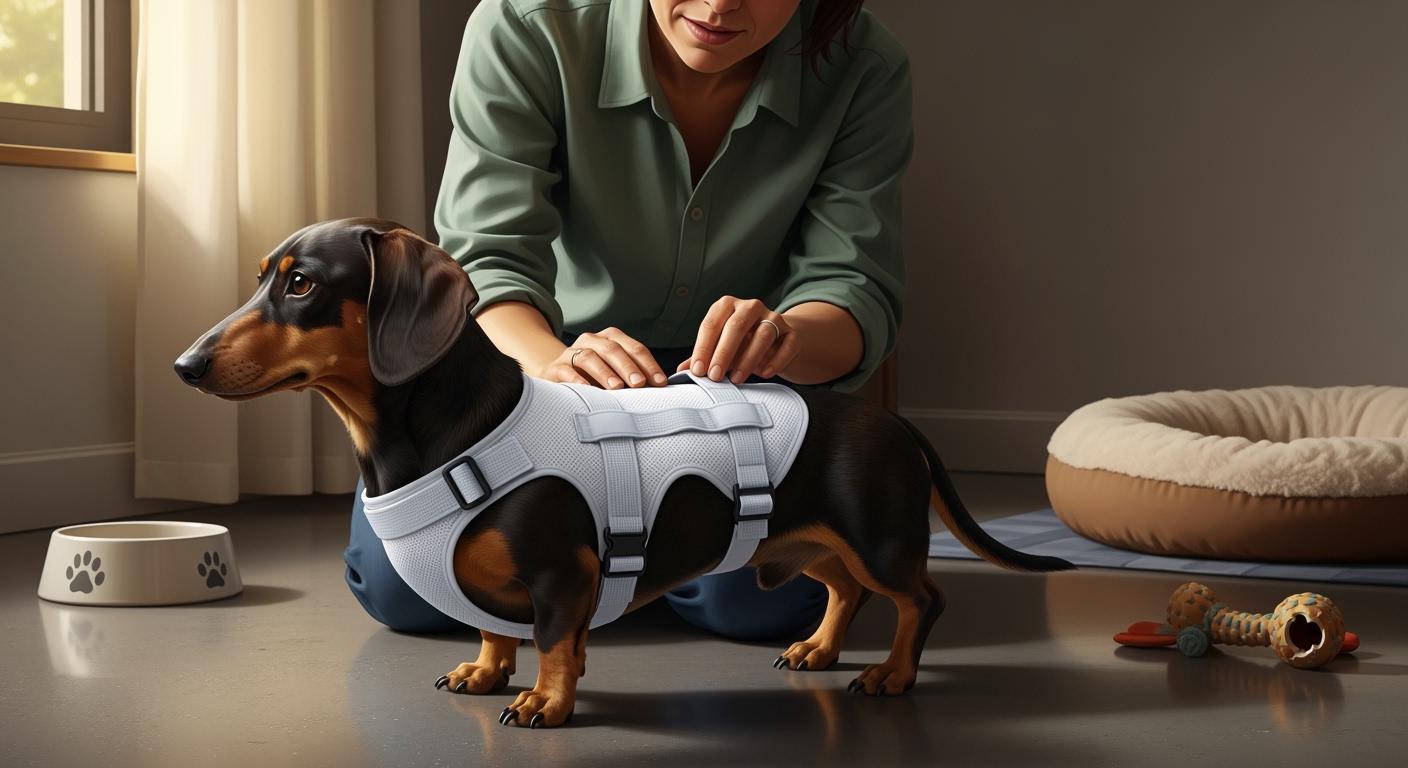
An ivdd dog brace helps your dog by holding the spine steady. It stops bad movements that can hurt your dog. Picking the right brace and fitting it well lowers pain and swelling. Owners, clinics, and sellers need to check the fit. Two fingers should slide under the chest and belly straps. This fit keeps your dog safe from sore spots. It lets your dog move safely every day. Good support helps your dog heal and walk with confidence.
Key Takeaways
An IVDD dog brace keeps the spine steady. It helps lower pain and stops more injury. The brace must fit well to work right.
There are different braces like soft, rigid, custom-fit, and mix types. Each type helps with different levels of IVDD. Pick the one that fits your dog’s needs.
A supportive harness is important for walks. It helps you control your dog’s movement. It also keeps your dog’s neck safe and lets them move safely.
Check the brace and harness fit often. You may need to change the fit as your dog gets better or gains or loses weight. This keeps your dog safe and comfy.
Ask your veterinarian for help with braces and harnesses. They can watch your dog’s healing and change care if needed.
Understanding IVDD in Dogs
What Is Intervertebral Disc Disease?
Your veterinarian might say your dog has intervertebral disc disease, or IVDD. This problem happens in the discs between the bones in your dog’s spine. These discs work like soft pads. If a disc gets weak or moves out of place, it can push on the spinal cord. This is called herniation. IVDD can make your dog hurt, feel weak, or not move their legs. Dachshunds get disc herniations a lot because they have long backs and short legs. Other breeds can get IVDD too, especially if their bodies look like dachshunds.
Here is a table showing some breeds that often get IVDD:
Breed | Description |
|---|---|
Beagle | Genetically likely to get IVDD fast, second only to dachshunds for neck IVDD. |
Dachshund | Most known breed at risk, with up to 25% getting IVDD in their life. |
Lhasa Apso | Chondrodystrophic breed, more likely to get IVDD because of body shape. |
Pekingese | Has the same risk as other chondrodystrophic breeds. |
Basset Hound | At risk for IVDD because of body shape. |
French Bulldog | Small breed that can get IVDD, sometimes as young as 3–6 years old. |
Corgi | Small breed with genes that can cause early disc problems. |
Shih Tzu | Can get IVDD, often shows signs when young. |
Labrador | Bigger breed that can get a different kind of IVDD, usually when older. |
German Shepherd | Can get IVDD, usually when older and often in the neck or lower back. |
Doberman | Not as common for IVDD but can get it later in life. |
Signs of IVDD
You should look for signs of IVDD in your dog. These signs can show up fast, sometimes in less than a day. Some dogs take a few days to show signs. Finding IVDD early helps your dog get help.
Common signs include:
Sudden yelping or crying from pain
Walking with a limp or moving slowly
Arching the back or crouching down
Keeping the tail low or not wagging
Hiding, shaking, or acting scared
Tight belly, which can look like stomach pain
Chewing on the tail or legs
Dogs with bad IVDD may not be able to walk. You might see your dog have trouble jumping or standing. Always call your veterinarian if you see these changes.
Why Bracing Is Recommended
You can help your dog heal from spine injuries by using a dog back brace. A brace holds the spine steady and keeps it safe. This support lowers pain and stops more injuries. Bracing helps with back pain, not being able to walk, or trouble jumping. It also keeps your dog safe during daily life and gives comfort while healing. Using a brace helps line up the spine and takes pressure off hurt spots. This support can make your dog’s life better and help them get better from IVDD.
IVDD Dog Brace Support Types
When you look for support options for ivdd, you will find several types of ivdd back braces and aids. Each one helps your dog in a different way. You need to know how each type works to make the best choice for your clinic, clients, or your own dog.
Dog Back Brace Overview
You can choose from four main types of ivdd back braces. Each type gives a different level of support and comfort.
Soft Brace: This type uses flexible materials. It gives gentle compression and support for mild ivdd cases.
Rigid Brace: This brace has a firm structure. It offers maximum stability for moderate to severe ivdd.
Custom-Fit Brace: This brace is made to fit your dog’s body. It gives targeted support for unique needs.
Combination Brace: This type mixes soft and rigid parts. It balances flexibility and stability.
A dog back brace uses a special two-tier support system. It holds the spine steady and supports the back muscles. Memory foam inlays help the brace fit well. Metal support spines limit movement, which is important for healing. These features show the benefits of wearing an ivdd back brace. You can find more details in our dog back brace guide.
Type of Support | Function | Key Features |
|---|---|---|
Back Braces | Stabilizes the spine, limits motion, relieves pain | Memory foam support, lumbar support, mesh paneling |
The types of ivdd back braces you choose will depend on your dog’s needs. Choosing the right back brace can help your dog heal and move with less pain. You can learn more about fitting in our fitting guides.
Harnesses and Lifting Support
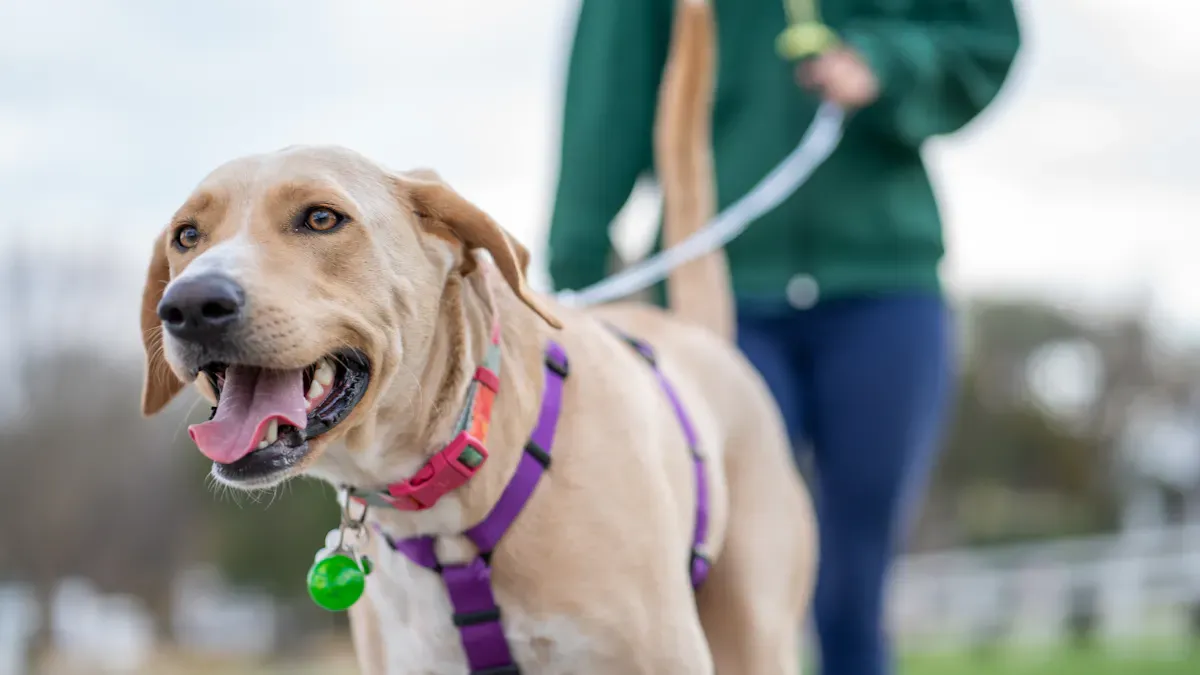
Harnesses and lift harnesses play a big role in helping dogs with ivdd. You should use a supportive harness instead of a collar for walks. Wide, padded straps spread out pressure. A snug fit keeps your dog safe. Check the fit often, especially if your dog changes weight. Front-clip harnesses help if your dog pulls. Lightweight, breathable materials add comfort.
“Preventing back problems is easier, safer, and less expensive than treating them later. The right harness is one of the simplest ways to protect your dog’s mobility for life.” — American College of Veterinary Surgeons
Lift harnesses support your dog’s body during movement. They use soft, flexible slings and adjustable handles. This design helps you lift your dog safely. You can use a lift harness to help your dog stand, walk, or climb stairs. Training your dog to walk on a loose lead protects the spine. Proper harness fit is key to avoid strain. You can find more tips in our dog support sling and dog lift harness guides.
Type of Support | Function | Key Features |
|---|---|---|
Lifting Aids | Supports the dog’s body during movement | Soft, flexible sling, adjustable handles |
Harnesses | Assists with mobility | Supports the center of the body, allows for natural movement |
The types of ivdd back braces and lift harnesses you use can change as your dog heals. You may need to adjust your support plan over time.
Controlled Movement Assistance
Controlled movement is important for dogs with ivdd. You can use harnesses and lift harnesses to guide your dog. These tools give you control and keep your dog stable. They help prevent falls and sudden twists. This support lowers the risk of more injury.
Benefit | Description |
|---|---|
Stability for Mobility | Harnesses provide control and stability, reducing the risk of falls during recovery. |
Preventing Further Injury | Controlled movements help avoid sudden twists or overuse that could harm the spine. |
Rehabilitation Facilitation | Tailored exercises improve balance, coordination, and muscle strength, enhancing recovery. |
The benefits of wearing an ivdd back brace include better balance and safer movement. You can use a lift harness for daily walks or therapy. You can also check our mobility support guides and safe handling guides for more advice.
Related Mobility Aids
Some dogs with ivdd need more help. Wheelchairs are a common aid for dogs with paralysis or weak back legs. These devices take weight off damaged parts. They let your dog run, play, and even swim. Wheelchairs help your dog stay active and happy.
Dog wheelchairs support dogs with paralysis from ivdd.
They help dogs keep their independence and activity.
You should research or ask your vet before choosing a wheelchair.
Wheelchairs come in many types for different needs.
You can use wheelchairs with ivdd back braces and lift harnesses. This combination gives your dog the best chance to move and heal. You can learn more in our no-knuckling support and mobility support guides.
The types of ivdd back braces, harnesses, and lift harnesses you choose will shape your dog’s recovery. The benefits of wearing an ivdd back brace include pain relief, better movement, and a safer healing process. Always check the fit and comfort of each device. You can find more help in our fitting and safe handling guides.
Evaluating Fit and Positioning
Measuring for Proper Fit
You have to measure your dog the right way for an ivdd brace or harness. Good measurements stop pain and make sure the harness fits well. Here are steps you should follow for a good fit:
Wrap a tape around your dog’s leg halfway between the knee and groin.
Measure from the floor by the back paw straight up to the top of the hip while your dog stands.
For wrist and hock braces, write down your dog’s weight.
Make sure your dog stands on all four legs with weight spread out when you measure.
Do these steps again if your dog gains or loses weight. A good fit helps your dog move safely and feel better.
Positioning for Effective Support
How you put on the harness or brace is very important for dogs with ivdd. You need to check the fit and make changes every time you use it. The table below lists ways to position the brace and how each helps:
Technique | Description |
|---|---|
Back Brace | Keeps the spine steady and stops too much movement while your dog heals. |
Memory Foam Support | Shapes to your dog’s back and helps the muscles. |
Rigid Spine Support | Gives strong help along the spine, which is needed for ivdd. |
Lets you lift your dog and keeps the spine straight. | |
Adjustable Handles | Makes lifting easier and lets you change the fit for comfort. |
Soft, Flexible Sling | Holds up the middle of the body, helps balance, and lowers strain. |
Always check the fit before walks or therapy to keep your dog safe.
Comfort and Safety Considerations
Comfort and safety are very important for any dog using a harness or brace. Watch for signs like rubbing, red spots, or changes in how your dog moves. If you see these, change the fit right away. Owners should look for spots where the harness presses too hard or slips. A bad fit can hurt your dog and slow down healing. Check the fit every day. A good fit keeps your dog safe and comfortable while getting better from ivdd.
Daily Mobility and Handling Needs
Using a Brace During Walks
You help your dog move safely by using a brace during walks. The brace keeps the spine steady and limits how much your dog can twist or bend. This support lowers back pain and helps your dog walk with more confidence. You see your dog enjoy walks again, even after an ivdd diagnosis. The brace improves dog mobility by making each step feel more secure. You should always use a harness with the brace. The harness gives you control and keeps pressure off the neck. Many owners notice their dachshund or other breeds walk better and show less fear when you use both a harness and a brace. You can use a harness for short walks and gentle exercise. This routine helps your dog stay active and supports recovery.
Rest and Recovery Routines
You need to set up a safe rest routine for your dog with ivdd. Crate rest is important for healing. Most dogs need six to eight weeks of rest. You should limit movement to only what is needed for standing or walking. Use a harness to help your dog stand up and for short, controlled bathroom breaks. Always check your dog’s skin for irritation after using a harness. You must follow your veterinarian’s advice about activity. These steps protect your dog’s spine and help with dog mobility during recovery.
Crate rest is essential for recovery, typically lasting 6 to 8 weeks.
Limit movement to only necessary standing or walking.
Use a harness for supported standing and short, controlled bathroom breaks.
Ensure comfort by checking for skin irritation after harness use.
Follow veterinarian recommendations for activity restrictions.
Monitoring for Mobility Issues
You should watch your dog closely for changes in dog mobility. Look for signs like limping, dragging paws, or trouble standing up. If your dog avoids using the harness or seems uncomfortable, check the fit right away. You may need to adjust the harness or try a different type. Owners should keep a daily log of how their dog moves and acts. This record helps you and your veterinarian spot problems early. Good harness fit and regular checks keep your dog safe and support long-term mobility.
Caring for IVDD Dog Braces
Cleaning and Maintenance
You need to keep your IVDD harness clean to protect your dog’s skin and extend the life of the support. Dirt and sweat can build up on the harness after daily use. You should follow these steps for proper cleaning and care:
Wash the harness with mild soap or detergent to remove dirt and sweat.
Do not use harsh chemicals. These can damage the harness material and reduce support.
Check the manufacturer’s instructions for how long to use the harness each day.
For most harness types, hand wash with mild detergent. Some harnesses allow gentle machine washing.
Keep the harness away from direct sunlight and heat. High temperatures can change the shape of the harness.
Store the harness in a cool, dry place when not in use.
Regular cleaning keeps the harness comfortable for your dog. A clean harness also helps prevent skin problems during IVDD recovery.
Inspecting for Wear
You should inspect the harness often to make sure it gives safe support. Look for signs of wear before and after each use. Use this table to help you check the harness:
Inspection Point | What to Look For |
|---|---|
Straps | Fraying, stretching, or loose threads |
Buckles | Cracks, chips, or weak closure |
Padding | Flattening, tears, or rough spots |
Stitching | Loose or broken stitches |
Handles | Weakness or loss of grip |
If you find any problems, replace the harness or repair it right away. A strong harness keeps your dog safe and supports IVDD healing.
Troubleshooting Common Problems
Sometimes you may notice problems with the harness during daily use. Here are some common issues and tips to solve them:
Tip: If the harness slips or shifts, adjust the straps for a snug fit. You should always be able to fit two fingers under the straps.
If the harness causes rubbing or red spots, add extra padding or check for rough edges.
If the harness feels too tight, loosen the straps slightly and check your measurements.
If your dog resists wearing the harness, try short sessions and give praise for calm behavior.
If the harness smells, wash it more often and let it dry fully before use.
You should keep a routine for cleaning, inspecting, and adjusting the harness. This routine helps you spot problems early and keeps your IVDD support working well every day.
Impact on Quality of Life
Mobility Improvement
You want your dog to walk and play again after IVDD. A harness can help your dog move better and feel more free. The right harness gives support for walking, standing, and playing safely. Many owners see their dachshund or other breeds walk straighter with a harness. Dogs also wag their tails more when they feel safe. You will notice your dog stands taller and has more energy.
Evidence Type | Description |
|---|---|
Study Findings | A study in the American Journal of Veterinary Research showed that braces help joints move and make dogs feel better. |
Veterinary Guidelines | Experts say harnesses should be used for IVDD care. This helps dogs hurt less and move better. |
Observational Evidence | Owners often say their dogs act more confident and do normal things when using a harness. |
Pain Relief and Comfort
A harness can help your dog feel less pain by keeping the spine steady. When you use a harness, you stop movements that can hurt the discs. This support helps your dog relax and heal. You also keep your dog safe from getting hurt again. The harness works like a shield, making daily life safer and more comfortable. You may see your dog rest better and look less sore while getting better.
Gives important support to the spine by holding it steady.
Lowers pain by stopping some movements and taking pressure off the discs.
Helps dogs move better by keeping good posture and building confidence.
Helps with healing by controlling movement during recovery.
Works as a shield to stop more injuries.
When to Consult a Veterinarian
You should always use a harness for IVDD with your veterinarian’s help. The harness is a tool to help your dog, but it is not a cure. Your veterinarian will decide if a harness is right for your dog. You need an expert to check how bad the IVDD is and how your dog acts. If you see new pain, weakness, or changes in movement, call your veterinarian right away. Your veterinarian can help you change the harness or give other advice.
You have learned how a harness helps your dog with IVDD. You saw how each harness type gives support for daily movement. You measured and checked fit for safety. You used a harness for walks, rest, and handling. You watched for changes and worked with your veterinarian. You keep your harness clean and ready. You improve your dog’s comfort and recovery with the right harness. You give your dog the best chance for a better life.
FAQ
How do you know if your dog needs an IVDD dog brace?
You should look for signs like back pain, weakness, or trouble walking. Your veterinarian can help you decide if a brace will support your dog’s recovery and daily movement.
Can a dog wear an IVDD brace all day?
You should follow your veterinarian’s advice. Most dogs wear the brace during active times. Remove the brace for rest or sleep to prevent skin problems and keep your dog comfortable.
How do you clean an IVDD dog brace?
You can hand wash the brace with mild soap and water. Let it air dry before using it again. Regular cleaning keeps the brace safe and comfortable for your dog.
What should you do if the brace causes redness or rubbing?
You should check the fit and adjust the straps. Add padding if needed. If redness continues, stop using the brace and contact your veterinarian for advice.
Can you use a harness with an IVDD dog brace?
Yes, you can use a harness with the brace. The harness gives you control during walks and helps protect your dog’s spine. Always check that both fit well and do not cause discomfort.
