
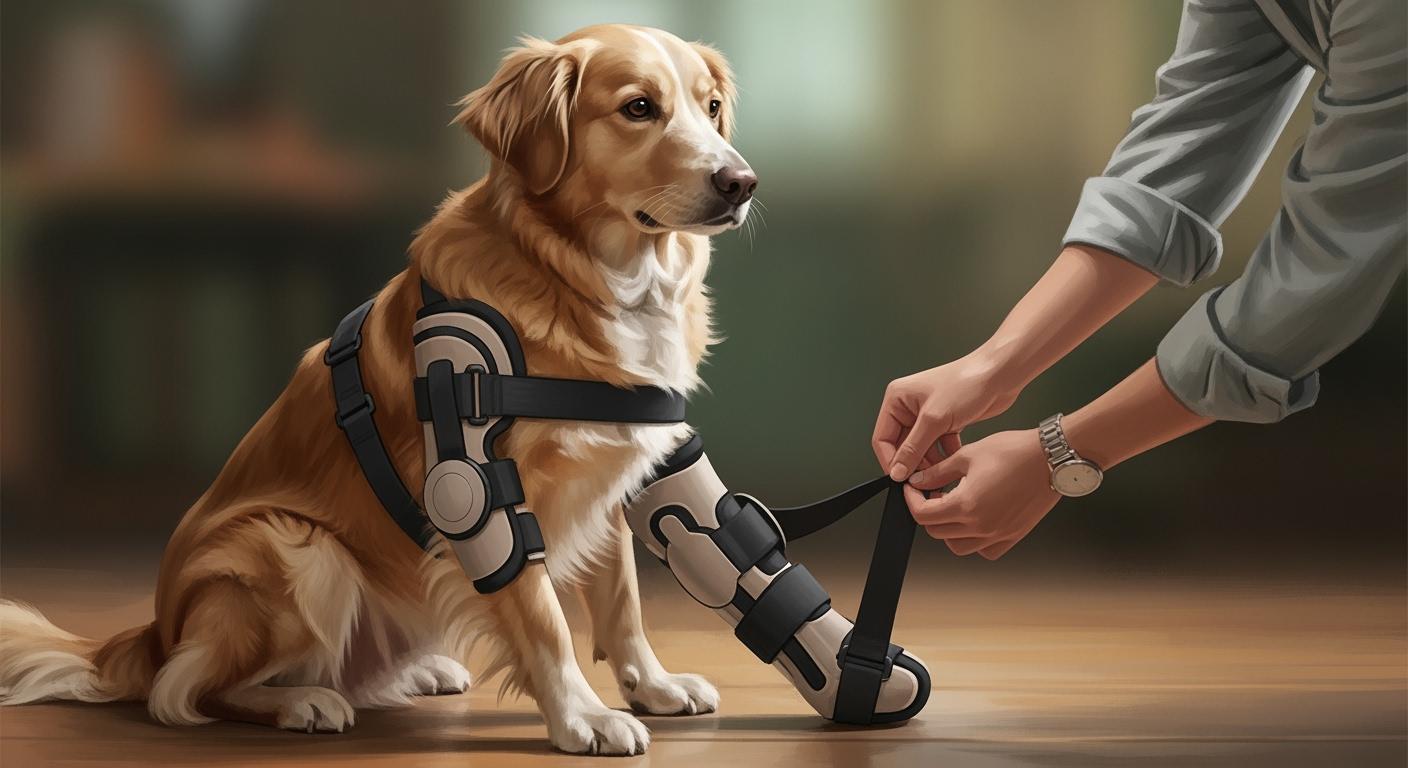
When selecting the best knee brace for your dog, it’s essential to ensure that the right knee brace for dog provides the necessary support for their health and comfort. Understanding your dog’s specific injury or support need is the first step. Remember, dogs vary in size, activity levels, and healing rates, which means each dog may require a unique brace tailored to their needs.
There are various types of knee braces available for dogs. Some feature hinges for added support, while others are designed without hinges for greater flexibility. Additionally, some braces are adjustable to provide a better fit for your dog. Below is a table outlining common choices for dog knee braces:
Type of Dog Knee Brace | Description |
|---|---|
Hinged Braces | These braces utilize a hinge to offer extra support for stability. |
Non-Hinged Braces | These braces lack a hinge, allowing for more flexibility and comfort. |
Adjustable Braces | These braces can be modified to achieve a better fit for your dog’s specific needs. |
Others | These include various designs that do not fit into the categories above. |
For the best results, consult your veterinarian or a canine rehabilitation specialist to help you choose the most suitable knee brace for your dog.
Key Takeaways
Know what kind of injury your dog has to pick the right knee brace. Ask a vet to find out what is wrong and get advice.
Pick the right knee brace for your dog’s needs. Some braces have hinges for more support. Some do not have hinges and let your dog move more. Some braces can be made tighter or looser for a good fit.
Measure your dog’s leg the right way to make sure the brace fits well. A good fit stops pain and helps your dog heal better.
Check your dog often to see if the brace is comfortable. Watch for red skin or if your dog walks differently. Change the brace if you need to.
Ask vets or rehab experts for help to give your dog the best care and support while healing.
What Is a Knee Brace for Dog?
Purpose and Function
A knee brace for dog is a special device that helps keep the knee steady. You use it when your dog has trouble with their knee or feels pain. The brace goes around the knee and gives support right where it is needed. This can help your dog walk better and hurt less. Knowing how dog braces work is important for anyone who takes care of dogs.
Veterinarians say a dog knee brace does a few main things:
Stabilization: The brace holds the joint steady and stops it from moving the wrong way. This helps your dog keep their leg in the right place.
Proprioception: It helps your dog feel where their knee is, so they can walk with more trust and use their leg better.
Pain reduction: The brace keeps the knee from moving too much at the hurt spot. This can lower swelling and help your dog walk with less pain.
These things show how dog braces help dogs heal and move. You can use a knee brace for dog as part of a full care plan. It is helpful when your dog needs more support to get better or do daily things.
Common Uses in Canine Care
You might use a knee brace for dog in different cases. Dogs often need knee support after hurting a ligament, like an ACL or CCL tear. After surgery, a brace helps your dog get stronger and steadier. Older dogs with arthritis or trouble moving can use knee braces for comfort and to stay active.
Vets and rehab workers use knee braces to help dogs walk safely during rehab. You can also use them every day if your dog seems sore or stiff. Knowing how dog braces work helps you pick the best one for your dog. Always ask a vet or rehab expert for advice on what is best.
When Dogs Need Knee Support
Ligament Instability and ACL/CCL Injuries
Dogs can hurt their knees if they tear a ligament like the ACL or CCL. These injuries make it hard for dogs to walk and keep their legs steady. Braces are important because they help hold the leg in place. This support lets your dog move in a normal way and stand better. Studies show that a good brace can lower swelling and make dogs feel better. Dogs with ccl injuries need joint support while their bodies heal. Research says orthopedic braces help dogs walk and stand better in three months. You can read more about ACL and CCL support in our other guides.
Post-Surgery Recovery
After surgery, dogs need extra help to get better. A knee brace helps your dog get stronger and steadier. These braces keep the knee from moving the wrong way. This helps your dog heal faster and keeps new injuries from happening. You can use a brace to help your dog walk safely during rehab. Many clinics say dogs should use braces after ligament or joint surgery. You can find more about post-surgery braces in our special guides.
Mobility Decline and Arthritis
Older dogs can have trouble moving and may get arthritis. You might see your dog limping or feeling sore as they get older. New braces made by orthotists give better help for these dogs. Braces keep the knee steady, spread out weight, and help your dog stand right. This stops other legs from getting too tired and helps your dog move with less pain. Braces help dogs stay active and enjoy their day. You can learn more about arthritis braces in our other pages.
Tip: If your dog limps or feels stiff, try a knee brace to help with pain and make them more comfortable.
Daily Comfort and Controlled Rehab
You want your dog to feel good every day. Braces help dogs with small injuries or pain that does not go away. You can use a brace to help your dog walk safely and get stronger. This is why braces are good for both healing and daily comfort. You can pick a brace for one leg or both legs, depending on what your dog needs. Learn more about luxating patella braces and ways to help your dog move in our other guides.
Types of Dog Knee Braces

When you look at dog braces, you will see many types. Each type of dog brace has a special design for a certain need. You must know the different types of dog braces to choose the right support for your dog. The main types of dog knee braces include soft and neoprene braces, rigid and hinged braces, adjustable and structured designs, and single-leg or double-leg support. Each type helps dogs in different ways.
Soft and Neoprene Dog Braces
Soft dog braces use flexible materials like neoprene. These types of dog braces give gentle support to the knee. You can use them for mild injuries, early arthritis, or daily comfort. Soft braces help your dog move better and feel less pain. They also help prevent new injuries. Many clinics use these types for older dogs who need extra support but do not need a custom or rigid brace.
Here is a table to help you see the pros and cons of soft and rigid dog knee braces:
Type of Brace | Pros | Cons |
|---|---|---|
Soft Braces | – Pain Relief: Supports hurt joints. | |
Rigid Braces | – Skin Irritation Risk: Up to 50% may experience irritation. |
Soft dog knee braces work well for dogs who need light support. You can use them for daily walks or to help your dog feel better at home. These types of dog braces are easy to put on and take off. They do not limit your dog’s movement much.
Rigid and Hinged Dog Knee Braces
Rigid dog knee braces use firm materials to hold the knee steady. Hinged braces add a joint that lets the knee bend in a safe way. These types of dog braces give strong support for dogs with serious injuries or after surgery. You may need a rigid or hinged brace if your dog has a torn ligament or needs to heal after a big operation.
Hinged braces give the most support. You use them for severe injuries or when your dog needs to recover from surgery.
Non-hinged rigid braces are less flexible. They help keep the knee from moving too much.
Rigid and hinged dog braces help keep the knee in the right place. They stop your dog from putting too much weight on the hurt leg. You must check your dog’s skin often when using these types. Some dogs may get skin irritation if the brace is too tight or worn for a long time.
Note: Stifle braces are a type of rigid dog knee brace. You use them for cruciate ligament injuries or arthritis. They help your dog stand and walk with better balance.
Adjustable vs. Structured Designs
You will find both adjustable and structured types of dog braces. Adjustable dog knee braces let you change the fit. You can make them tighter or looser as your dog’s leg changes. These types of dog braces work well for dogs who gain or lose weight during recovery. You can use adjustable braces for many dogs because they fit a wide range of sizes.
Structured dog braces have a set shape. They do not change size. These types give strong support and keep the knee in one position. You may need a structured brace if your dog has a very unstable knee or needs a custom fit. Custom structured braces are made for your dog’s leg. They give the best support for special injuries.
When you choose between adjustable and structured types, think about your dog’s injury, size, and how much support they need. Adjustable braces are good for mild to moderate injuries. Structured braces work best for severe injuries or when your dog needs a custom solution.
Single-Leg vs. Double-Leg Support
Some dog knee braces support only one leg. Others, like the Cruciate Care Knee Brace, use a bilateral structure to support both legs. Double-leg support helps spread your dog’s weight evenly. This is important if your dog tries to favor the hurt leg. Double-leg types of dog braces help prevent new injuries and keep your dog balanced.
Single-leg dog braces work well if your dog has a mild injury on one side. Double-leg braces are better for dogs with injuries on both knees or who need extra stability. You may also use double-leg support for dogs who have trouble standing or walking after surgery.
Tip: Always match the type of dog brace to your dog’s injury and activity level. The right support helps your dog heal and move safely.
Matching Brace Types to Injury and Recovery Goals
You must choose the right type of dog knee brace for your dog’s injury. Here is a table to help you match the brace to the injury:
Injury Type | Recommended Brace Type |
|---|---|
Cranial Cruciate Ligament (CCL) Tear | Custom knee brace (stifle brace) |
Luxating Patella | Brace to keep patella aligned |
General Joint Instability | Stifle, hock, or elbow braces |
Hinged braces give maximum support for severe injuries or after surgery.
Non-hinged braces are best for mild injuries or daily support.
Stifle braces help with cruciate ligament injuries or arthritis.
You must look at your dog’s injury, activity, and recovery goal. Some dogs need a custom brace for the best fit. Others do well with an adjustable or soft brace. Always check with your vet or rehab specialist to find which type of dog brace is best for your dog.
Choosing the Right Knee Brace for Dog
Assessing Injury or Condition
First, you need to know what is wrong with your dog’s knee. A correct diagnosis helps you pick the right knee brace for dog. You should find out if your dog has an ACL tear, arthritis, or joint problems. Your vet can tell you what is wrong and suggest the best brace. Some breeds get certain injuries more often, so breed is important when picking a brace. You also need to think about how active your dog is. Dogs that run and play a lot need stronger support. Older dogs may do better with soft dog knee braces.
Here is a table that lists things to think about:
Factor | Description |
|---|---|
Diagnosis Accuracy | Confirm the specific issue with your vet, such as ACL tear or arthritis. |
Dog’s Size and Breed | Some breeds are more prone to certain knee injuries, affecting brace choice. |
Activity Level | High-energy dogs may require more durable braces, while seniors might need softer options. |
Ease of Use | Look for features like adjustable straps and breathable materials for comfort and fit. |
Veterinary Recommendation | Always consult your vet for advice and potential custom fittings for your dog. |
Use this information to help you decide. The first step is knowing what your dog needs.
Matching Brace to Support Need
You need to match the brace to your dog’s problem. If your dog has a torn ligament, pick a brace that keeps the knee steady. For arthritis, choose a brace that gives gentle support and feels good. Look for features that help your dog walk safely. Adjustable dog knee braces are good for dogs who gain or lose weight. Structured braces are best for serious injuries. Think about how much support your dog needs for daily life or rehab.
To find the right brace, look at the injury, activity, and recovery goal. Pick a brace that fits your dog’s way of life. You want your dog to walk, run, or rest with good support. Dog leg braces help your dog stay active and heal faster. Check the brace often to make sure it fits and works well.
Considering Dog Size and Activity
Dog size and how active they are matter a lot when picking a brace. Big dogs need strong dog knee braces for good support. Small dogs need a brace that fits tight but is comfy. Active dogs need more support, like hinged braces, to play safely. Measure your dog’s leg to get the right size and fit.
Big dogs need strong braces for support.
Small dogs need a snug fit for comfort.
Active dogs need strong support, like hinged braces, to play safely.
Check the brace to make sure it is comfy and fits well. Dog braces should not slip or rub the skin. You want your dog to move easily and safely. Size and fit are important for every dog. Change the brace if your dog grows or loses weight.
Veterinary and Rehab Guidance
Vets and rehab experts help you pick the best knee brace for dog. Dr. Paul Brumett, a vet and Certified Canine Rehabilitation Practitioner, says vets choose and fit dog braces based on your dog’s needs. They know how to use custom bracing the right way. Work with your vet to find the best brace and support plan. Rehab experts show you how to use dog knee braces during healing and daily life.
You get good advice from your vet about the right brace. Your vet checks the fit and support. Rehab experts help you with exercises and changing the brace. Follow their advice to help your dog heal and stay active. Clinics and sellers listen to vets to give the best dog braces for every need.
Tip: Always ask your vet or rehab expert before picking a knee brace for dog. Their advice helps you get the best fit and support for your dog’s health.
Finding the right brace is a team job. You, your vet, and rehab experts work together to help your dog. Check your dog’s progress and change the brace if needed. Dog knee braces help your dog heal, move, and enjoy life with the right support.
Measuring and Fitting Dog Knee Braces
How to Measure Your Dog
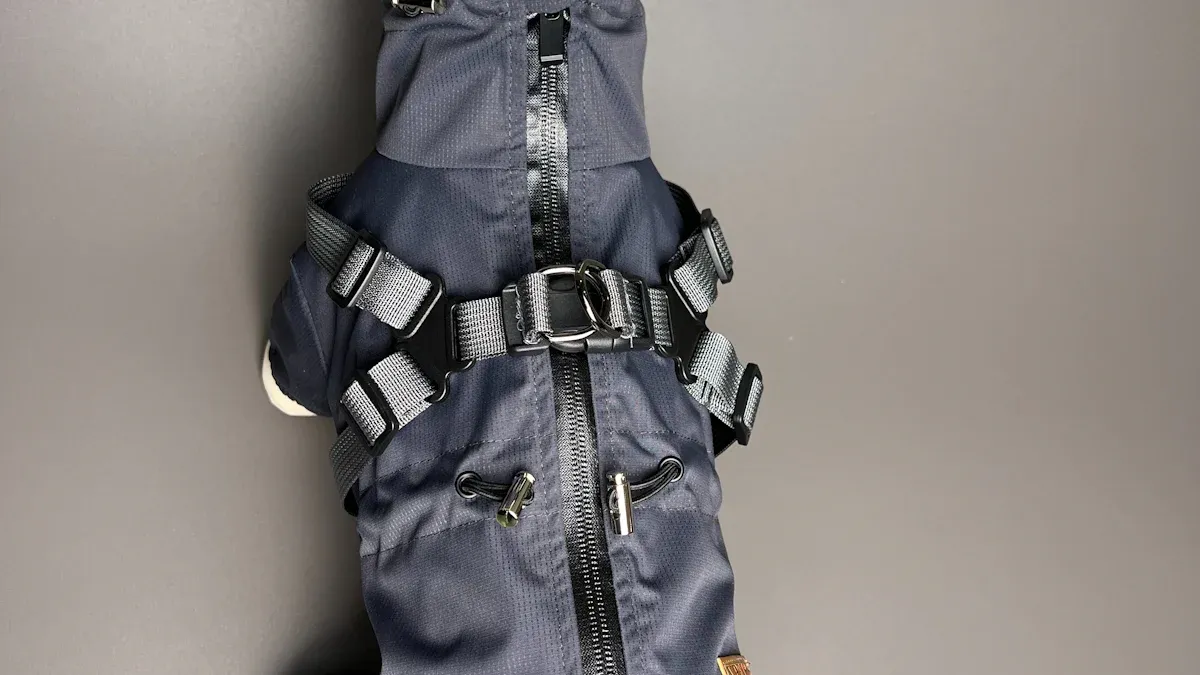
You need accurate measurements to select the right knee brace for your dog. Knowing how to measure and fit a dog brace helps you avoid sizing errors and ensures your dog gets the support they need. Follow these steps:
Measure the upper thigh, wrapping the tape high up near where the leg meets the body.
Measure the lower leg just below the knee joint, above the hock.
Measure the knee circumference by wrapping the tape around the knee joint without compressing it.
Measure leg length from the top of the thigh down to just above the hock.
Measure the healthy leg for comparison, which helps prevent undersizing.
You can also measure the distance between your dog’s inner thighs while they stand. These measurements help you choose a brace that fits snugly and supports your dog’s movement.
Ensuring Proper Fit and Comfort
A well-fitted knee brace should feel comfortable and allow your dog to walk naturally. Check the fit by observing your dog’s movement. The brace should not slip or twist. Make sure the straps are secure but not too tight. You want your dog to move freely without rubbing or chafing. Adjust the brace as needed if your dog gains or loses weight. Always monitor your dog’s skin for signs of irritation. If you see redness or sores, consult your veterinarian.
Tip: Use soft padding under the brace to protect your dog’s skin and improve comfort.
Common Fitting Mistakes
Mistakes during fitting can affect your dog’s recovery and comfort. Review this table to avoid common errors:
Common Mistakes | Implications |
|---|---|
Choosing the wrong size | A tight brace can cut off blood flow; a loose brace will not support the knee. |
Using a generic brace | Rubbing, chafing, or pressure sores may occur. |
Skipping professional fitting | You might miss signs of a poor fit without expert help. |
Not checking the skin | Over half of dogs get skin problems if the brace does not fit right. |
Ignoring device malfunctions | If the brace does not work, your dog may refuse to wear it. |
Learning how to measure and fit a dog brace reduces these risks. Always check the fit and consult your vet for guidance. Proper fitting keeps your dog comfortable and supports their healing.
Effectiveness of Dog Braces
Support for Healing and Mobility
You want your dog to walk without pain and heal faster. Dog knee braces help keep the knee steady. They give support right where your dog needs it. This stops painful moves and helps your dog walk better. Studies show dogs with knee braces limp less and move more easily. You can see real changes in how your dog walks. For example, dogs put more weight on their hurt leg after using a brace. Owners say their dogs walk, run, and jump better. These changes help dogs feel happier and live better lives.
Dog knee braces keep the knee steady and lower pain.
Dogs move better and feel more sure when walking.
Owners see their dogs act almost like normal again.
Real-World Outcomes
You may wonder if dog knee braces work at home. Milo is a nine-year-old mixed dog. He walked with more confidence and limped less after six weeks with a brace for his CCL tear. Many clinics see dogs walk better and feel more comfortable in a few weeks. Surveys show owners notice less limping and more play. Dogs seem happier and more active. Hinged braces help dogs limp less and heal in some cases. These stories show dog knee braces help dogs get better and stay active.
Dogs walk better and feel good after using braces.
Owners see their dogs play more and feel happy.
Clinics say hinged braces help dogs heal and move.
Limitations and Considerations
You need to think about some things when using a dog knee brace. The brace helps only when your dog wears it. Skin can get sore if the brace stays on too long. If the brace does not fit right, your dog may feel pain or not get support. Using braces too much can make muscles weak. Always check your dog’s skin and how they walk. Change the brace if needed and ask your vet for help.
Tip: Check the brace often to make sure it fits and feels good for your dog.
Knee braces help for a short time.
Skin problems and bad fit can happen.
Using braces too much can make muscles weaker.
Practical Use and Care
Cleaning and Maintenance
You want your dog’s knee support to last and stay safe. Clean the brace regularly with mild detergent and lukewarm water. Let it air dry before you use it again. This helps prevent dirt and bacteria from building up. Inspect the brace often for loose threads or damaged straps. Early checks help you spot problems before they affect your dog’s comfort. Store the brace in a clean, dry place away from sunlight and heat. This keeps the materials strong and prevents damage. Make sure the straps fit snugly but do not pull too tight. Limit how long your dog wears the brace each day to avoid skin irritation and let the leg rest.
Clean with mild soap and water
Air dry completely
Check for wear and tear
Store in a cool, dry place
Adjust straps for comfort
Tip: Routine care extends the life of your dog’s knee support and keeps your dog comfortable.
Monitoring Dog Knee Pain and Progress
You need to watch your dog closely while using a knee brace. Look for changes in how your dog walks, plays, or rests. Use the table below to help you track your dog’s progress and know when to take action:
Status | Signs to Watch For | What You Should Do |
|---|---|---|
Green | Mild redness, brief limping | Check fit, monitor, adjust straps |
Yellow | Repeated slipping, mild swelling | Remove brace, refit, call vet if not better |
Red | Intense pain, rapid swelling, trouble standing | Stop brace use, contact vet immediately |
You may notice your dog limps less or walks more easily. The knee may feel steadier and swelling may go down. Your dog might climb stairs or play more. These are good signs that your dog knee pain is improving.
Adjustments and Replacement
As your dog heals or grows, you may need to adjust or replace the knee support. Watch for discomfort, chafing, or a loose fit. If you see these signs, consult your veterinarian or a rehab professional. A well-fitted brace helps your dog recover and move with confidence. Always talk to your vet if you notice changes in your dog’s walk or behavior. Early action can make a big difference in your dog’s comfort and recovery.
Adjust the brace as your dog’s condition changes
Replace if you see damage or poor fit
Seek professional help for fitting issues
Note: Regular checks and timely adjustments help your dog get the most benefit from knee support.
Related Knee Support Solutions
ACL/CCL Support
Your dog may have trouble walking with a torn ACL or CCL. These injuries hurt and make it hard for your dog to move. Many clinics use knee supports to help dogs get better. You can pick custom-fit or adjustable supports for your dog. These supports keep the joint steady and lower stress when your dog walks. If you want to know more, check out guides about dog ACL support and torn ACL dog brace solutions.
Luxating Patella Braces
Some dogs have a kneecap that moves out of place. This is called a luxating patella. Special braces give support right where it is needed. You can look at both standard and custom-fit options in the table below:
Feature | Standard Brace | Custom-Fit Brace |
|---|---|---|
Support Level | Basic | Very High |
Fit Type | Adjustable | Tailored to dog’s anatomy |
Ideal Use | Mild issues | Complex or chronic issues |
A custom-fit brace can help dogs with special needs. For example, a big dog with arthritis and a luxating patella may walk better and feel less pain with a custom brace. You can read more in luxating patella support guides.
Post-Surgery and Rehab Braces
After surgery, your dog needs extra support to heal. You can use different types of braces for recovery:
Dog leg supports help with ACL injuries.
Dog hock supports help after hock surgery.
Dog wrist supports help if the front leg is weak.
Dog elbow supports help with arthritis in the front legs.
Dog hip supports help with mild hip dysplasia.
Dog back supports help with spine pain.
These braces help your dog get stronger and move safely. You can learn more in post-surgery and rehab brace guides.
Mobility Assistance for Senior Dogs
Older dogs may need help moving every day. You can choose from these options:
Type of Brace | Description |
|---|---|
Hinged knee braces | Control movement for moderate knee problems. |
Single knee braces | Support one leg if only one needs help. |
Double dog knee braces | Support both back legs for serious problems. |
You can also use support harnesses to help your dog go up stairs or get into a car. Traction aids help your dog walk on slippery floors. For more ideas, see mobility support guides for older dogs.
Tip: Always ask your vet or rehab expert before picking a new support for your dog.
You can help your dog by following these steps:
Select the right type of brace for your dog’s support needs.
Measure your dog’s legs for a proper fit.
Consult a veterinarian to understand your dog’s injury.
Consider your dog’s activity level and comfort.
Check durability for your dog’s daily use.
Professional guidance ensures your dog gets the best fit and support. Signs like limping or swelling mean you should ask a vet.
Explore more resources for dog knee brace solutions:
FAQ
How do I know if my dog needs a knee brace?
You should watch for signs like limping, trouble standing, or pain after activity. If your dog shows these signs, a knee brace may help. Always ask your veterinarian before choosing support for your dog.
Can my dog wear a knee brace all day?
You should let your dog wear the brace during active times. Remove it at night or when your dog rests. This helps prevent skin problems and keeps your dog comfortable.
How do I clean my dog’s knee brace?
Use mild soap and lukewarm water to clean the brace. Let it air dry before putting it back on your dog. Regular cleaning keeps the brace safe and comfortable for your dog.
Will a knee brace help my dog avoid surgery?
A knee brace can support your dog’s joint and help with daily movement. Some dogs may still need surgery. Always talk to your veterinarian about the best plan for your dog.
What if my dog does not like wearing the brace?
Start with short periods. Give your dog treats and praise. Most dogs get used to the brace over time. If your dog seems upset or uncomfortable, check the fit or ask your veterinarian for advice.
