
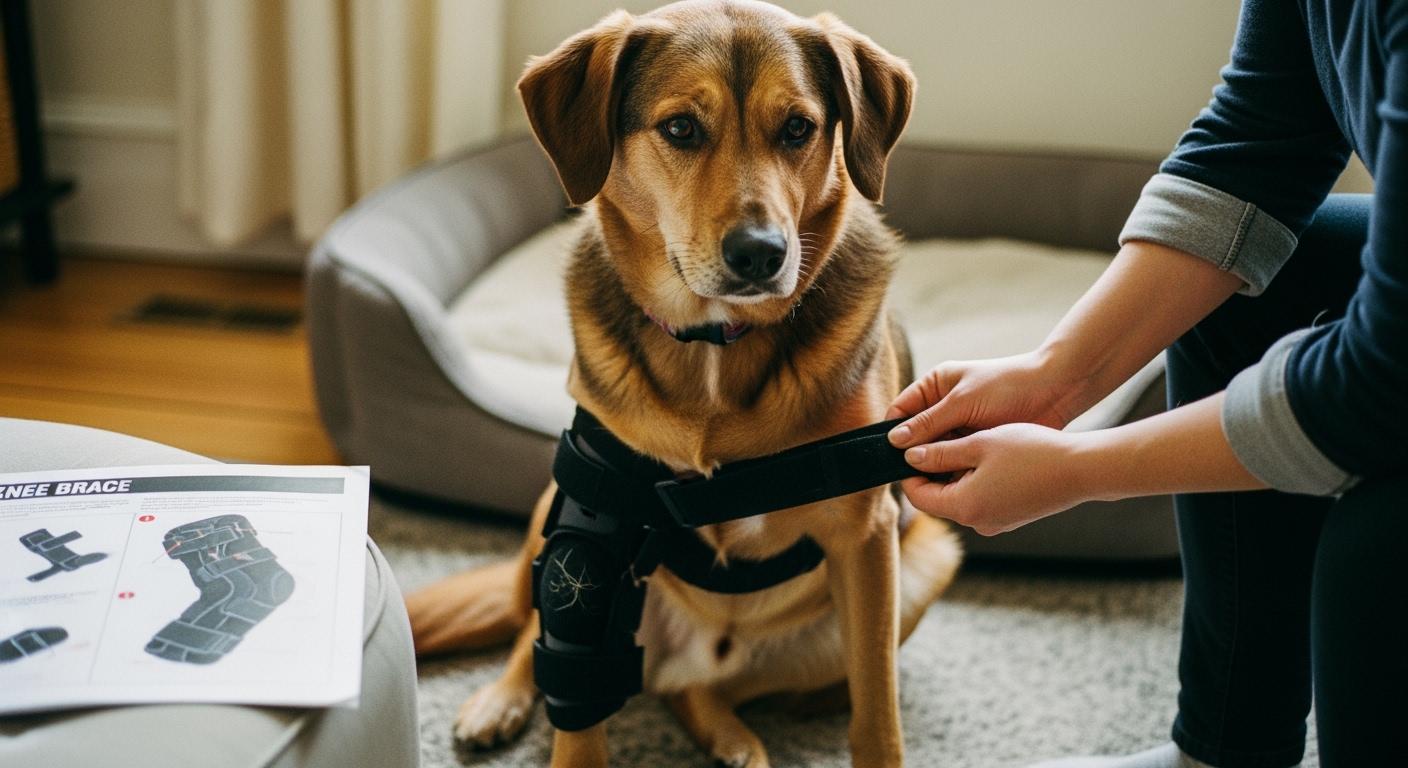
An orthopedic dog knee brace is commonly considered for ACL/CCL injury, luxating patella, arthritis, and post-op support. If you are comparing an ortho dog knee brace for clinical, rehab, or daily-use needs, focus on fit, stability, wear tolerance, and how well the brace matches the dog’s diagnosis.
Cranial cruciate ligament (CCL) injuries, which make dogs limp
Luxating patella, where the kneecap moves out of place
Meniscal injuries, arthritis, or trauma that hurt the knee
These braces give support and help keep the joint steady. They can also make your dog feel better every day. Always talk to your veterinarian or a rehab professional. This helps you find the best fit and result for your dog.
Key Takeaways
Orthopedic dog knee braces can improve stability and reduce discomfort in selected cases such as CCL injury, luxating patella, and arthritis.
Fit quality, sizing accuracy, and daily monitoring all affect whether the brace stays supportive and comfortable.
Talk to your veterinarian before picking a brace. This makes sure the brace fits your dog’s needs and activity.
Watch your dog every day for signs of pain or skin problems when wearing the brace. This keeps your dog safe and comfortable.
Use a knee brace along with physical therapy and good food. This helps your dog heal and move better.
What Is an Orthopedic Dog Knee Brace?
Purpose and Support Goals
An orthopedic dog knee brace helps your dog move with less pain. It gives support to the joint if your dog has a knee injury or weak knees. The main goals are to keep the knee steady and help it heal. The brace stops the knee from moving in ways that can hurt it more. It also helps when ligaments are damaged by giving extra support outside the joint. The brace makes the knee more stable and takes stress off hurt ligaments. It helps your dog do rehab exercises and feel braver when moving. The brace gives a gentle squeeze for comfort. It lets your dog do normal things while getting better. These braces help your dog move more comfortably, run, and play while keeping the knee safe. They also help your dog get better after surgery or an injury. You may see your dog is more comfortable and has less pain during the day.
For product-side comparison of support styles and fit ranges, review our dog knee brace options.
How Dog Knee Braces Work
Dog knee braces have special shapes to support the knee. The brace wraps around your dog’s leg and keeps the knee still. This takes pressure off hurt parts and helps your dog move easier. The orthopedic dog knee brace is made to fit your dog’s body. This makes it feel safe and comfy.
A hinged knee brace moves like the stifle joint. It keeps the knee from sliding the wrong way but still lets your dog walk. This helps control pain without making the joint stiff.
Braces use materials like breathable neoprene to keep your dog cool and dry. Padding is put in smart places to stop sore spots. The brace spreads out pressure so it does not pinch. These things help your dog wear the brace longer without feeling bad.
You use a dog knee brace to help your dog get back to normal. The brace supports the knee and stops new injuries. It helps your dog feel brave enough to move. You can use this guide to learn more about dog knee braces and dog stifle braces.
Dog Knee Braces for Common Injuries
Canine Knee Injuries: ACL, CCL, and Patella
You may see your dog limp or have trouble standing up. These signs often point to common canine knee injuries. The most frequent problems include cranial cruciate ligament (CCL) tears, canine ACL injuries, and luxating patella. The CCL and ACL are important ligaments that keep your dog’s knee stable. When these ligaments stretch or tear, your dog may feel pain and lose strength in the leg.
Dog knee braces help support the joint and reduce the risk of further injury. You can use a brace to stabilize the rear legs, knees, and kneecaps. This support helps your dog walk and play with less pain. A brace can also help if your dog has a luxating patella, which means the kneecap moves out of place. By using a brace, you give your dog a better chance to heal and stay active.
If kneecap instability is the primary issue, review our luxating patella knee brace guide.
Dog knee braces can:
Increase stabilization for the knee and kneecap
Lower the risk of injury to the CCL, ACL, and other ligaments
Serve as an alternative to surgery for some dogs
For a diagnosis-led comparison of brace use cases, continue with our dog brace solutions by condition.
When to Use a Knee Brace
You should talk to your veterinarian before choosing a brace. A professional can help you decide if a brace is right for your dog’s needs. You may use a knee brace if your dog has a mild or moderate CCL injury and does not need surgery right away. Older dogs, smaller breeds, or dogs with health problems may benefit from a brace when surgery is risky.
A knee brace can also help during recovery after surgery. It gives extra support and helps your dog move safely. If surgery is not an option, a brace can improve your dog’s mobility and comfort. Always check with your veterinarian to make sure you choose the best support for your dog’s injury.
Tip: If cruciate instability is the main concern, see our dog knee brace for torn ACL guide for rehab-focused selection and daily-use notes.
Dog Leg Braces: Types and Designs
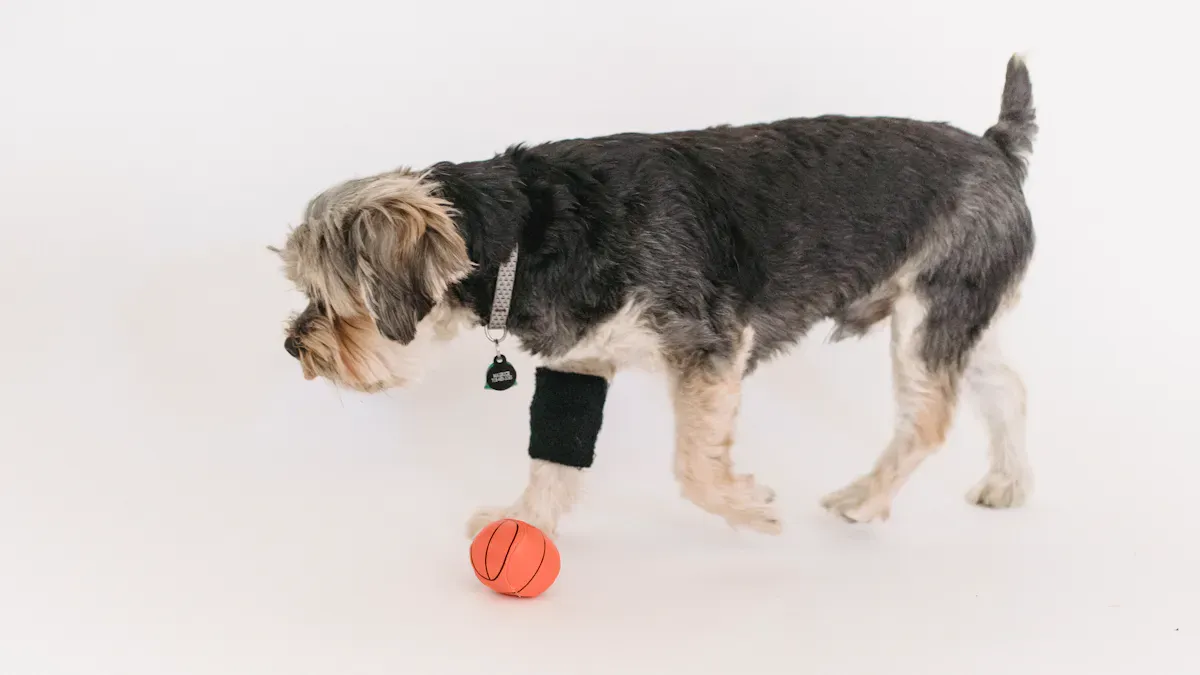
There are many kinds of dog leg braces. Each type helps with different problems. This section explains which brace could help your dog.
Rigid vs. Flexible Braces
You can pick rigid or flexible braces. Rigid braces use hard materials to hold the knee still. They are good for dogs with bad injuries or after surgery. These braces stop the knee from moving too much. They give strong support. Flexible braces use soft materials. They let your dog move more and feel comfy for daily use. Flexible braces are best for small injuries or early healing. Your dog may walk easier with a flexible brace. But it might not help enough if the injury is serious.
Custom and Off-the-Shelf Options
You can get custom or off-the-shelf braces. Here is how they are different:
Custom knee bracing uses a mold or scan to fit your dog. This fit helps stop slipping and skin issues.
Off-the-shelf braces come in set sizes. They might not fit every dog and can rub or hurt the skin.
Custom braces help your dog walk better by holding the joint steady.
Off-the-shelf braces give simple help for small injuries or short times. They might not stop the knee from moving in active dogs.
Vets often pick custom braces for bad injuries. These braces give better help and results.
Off-the-shelf braces cost less and are easy to buy. But they can break or cause sores if your dog moves a lot.
Hinge and Stabilization Features
Some dog braces have hinges or extra support. Hinged braces let the knee bend like normal. They keep the joint safe but do not make it stiff.
“Hinged braces are a big help for CCL injuries,” says Dr. Karen Tobias, Professor of Surgery at the University of Tennessee. “They let the knee heal without making it stiff, so muscles stay strong.”
Extra support keeps the knee in place. This is important for ACL, CCL, luxating patella, and after surgery. Pick a brace based on your dog’s injury and how active your dog is.
Dog leg braces come in many styles. You can find the best one by learning about each kind.
Choosing the Right Orthopedic Dog Knee Brace
Selecting the best orthopedic dog knee brace starts with understanding your dog’s needs. You want a brace that fits well, supports the knee, and matches your dog’s activity level. This section will help you make informed choices by focusing on fit, comfort, activity, and the importance of professional guidance.
Fit, Size, and Comfort
Getting the right fit is the most important step when choosing a dog leg brace. A brace that fits well will support your dog’s knee and help prevent new injuries. You need to take careful measurements before buying a dog leg brace. Use a soft tape measure and follow these steps:
Measurement Type | Description |
|---|---|
Thigh Circumference | Measure around the upper thigh, about one inch above the knee joint. |
Knee Circumference | Place the tape directly over the knee cap for hinge placement. |
Lower Leg Circumference | Wrap the tape just below the knee for a snug fit. |
Leg Length | Measure from the top of the thigh to the ankle or hock joint. |
Distance Between Legs | For a double knee brace, measure between the inner thighs. |
Dog’s Weight and Breed | Important for selecting the right brace size. |
You should always check the measurements twice. Each dog is different, so breed and weight matter. For example, a knee brace for small dogs will have different sizing than one for a large breed. If you have a small dog, look for a knee brace for small dogs that matches your pet’s unique shape.
Signs of a proper fit include:
The brace sits snugly and does not move.
Your dog shows improved support and stability.
No redness or irritation appears after wearing.
Straps are tight but not pinching.
Your dog walks with confidence and less pain.
If you see skin irritation, swelling, or slipping, the brace may not fit correctly. Always check for these signs after putting on the brace.
Activity Level and Support Needs
You need to think about your dog’s daily routine before choosing the right dog brace. Some dogs are very active and need strong support. Others may rest more and need a lighter brace. The type of injury also matters. For example, a knee brace for small dogs with mild injuries may be softer and more flexible. Dogs that run or play often need a brace that stays in place during movement.
When choosing a dog leg brace, consider these factors:
Type of brace: Pick a style that matches your dog’s injury.
Size and fit: Make sure the brace fits your dog’s measurements.
Type of injury: Know if your dog has a ligament tear, luxating patella, or needs post-surgery support.
Activity level: Choose a brace that can handle your dog’s energy.
Comfort: Look for padding and adjustable straps.
Durability: Select a brace that lasts, especially for active dogs.
A good orthopedic dog knee brace will help your dog move safely and feel better during daily activities.
Veterinary Consultation
You should always talk to your veterinarian or a rehab professional before choosing the right dog brace. These experts know how to measure your dog and pick the best brace for the injury. They can help you avoid mistakes and make sure the brace fits well. Professional guidance is important for all dogs, but it is even more important for small breeds or dogs with special needs.
Tip: Bring your dog to the clinic for measurements and fitting. This helps you get the best results and keeps your dog comfortable.
Veterinarians can also teach you how to check the fit and watch for problems. They will help you adjust the brace as your dog heals. If you notice any issues, such as limping or redness, contact your vet right away.
Choosing the right orthopedic dog knee brace takes time and care. By focusing on measurements, activity, and expert advice, you give your dog the best chance for recovery and comfort.
Fitting a Dog Knee Brace
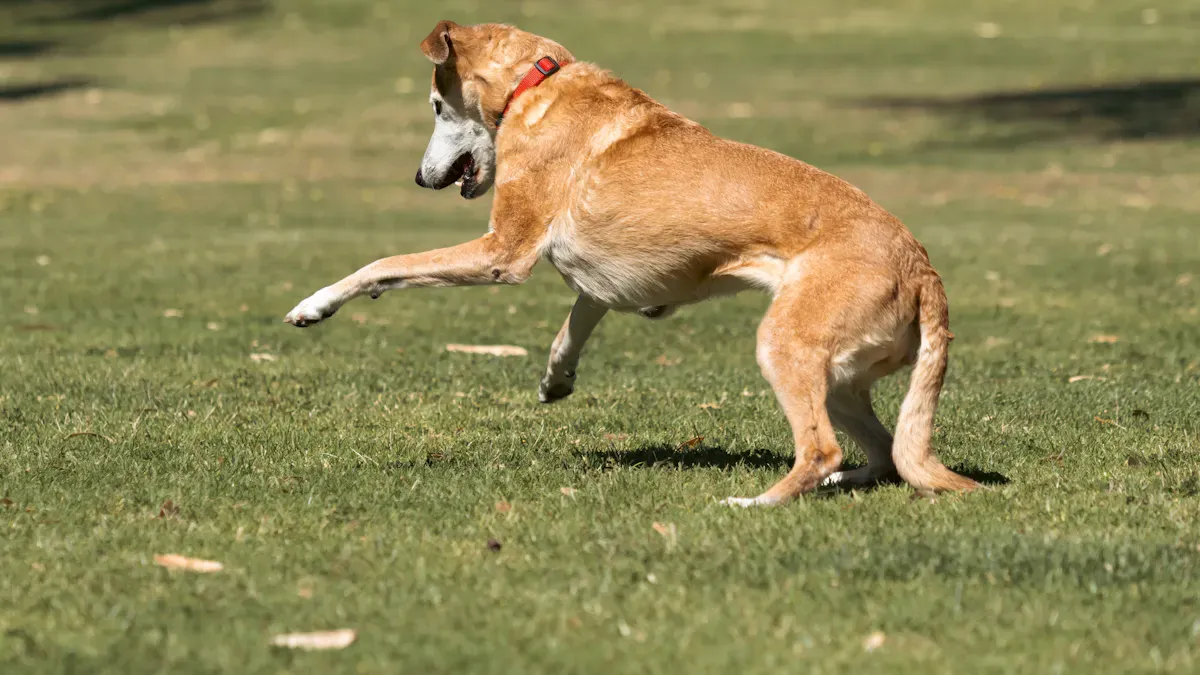
A proper fit is essential for the success of any orthopedic dog knee brace. You want your dog to feel comfortable and supported during every step. This section will guide you through measuring, preparing, positioning, and checking the brace for daily use.
Measuring and Preparation
You need to measure your dog carefully before you select or apply a knee brace. Accurate measurements help you avoid problems like slipping, pressure sores, or device failure. Follow these steps to measure your dog:
Measure the thigh circumference. Wrap a soft tape around the upper thigh, about one inch above the knee joint.
Measure the knee circumference. Place the tape directly over the knee cap. This helps with hinge placement.
Measure the lower leg circumference. Wrap the tape just below the knee for a snug fit.
Measure the leg length. Start at the top of the thigh and measure down to the ankle or hock joint.
Measure the distance between legs. For a double knee brace, measure between the inner thighs.
Note your dog’s weight and breed. This information helps you select the right size.
Dr. Lisa Kramer, DVM and orthopedic specialist, explains, “A good fit is key for the brace to work with your dog’s body.”
You can use a provider’s casting kit for custom braces. If you are unsure, ask your veterinarian or rehab professional for help. A brace that is too loose will not stabilize the joint. A brace that is too tight can cause swelling or pressure sores.
Positioning and Securing
After you measure your dog, you need to position and secure the brace correctly. Start by having your dog stand or lie down in a relaxed position. Gently slide the brace over the leg, making sure the hinges line up with the knee joint. The brace should cover the area above and below the knee for full support.
Fasten the straps one at a time. Begin at the top and work your way down.
Adjust each strap so it is snug but not too tight.
Check that the brace does not twist or slide out of place.
Make sure the knee can bend naturally if the brace has a hinge.
If you use a double knee brace, check the distance between the legs. The brace should not rub or pinch the inner thighs. Always follow the instructions from your veterinarian or brace provider.
Comfort and Adjustment Checks
You need to check your dog’s comfort every day. Look for signs of redness, hair loss, or sores under the brace. If you see any of these problems, remove the brace and contact your veterinarian.
Common fitting errors include poor fit, which can lead to sores or device failure. Professional fitting is recommended for the best results. Daily skin checks are essential to keep your dog safe and comfortable.
Use this table to help you monitor your dog’s comfort:
Checkpoint | What to Look For | What to Do |
|---|---|---|
Skin under the brace | Redness, swelling, or sores | Remove brace, call your vet |
Brace position | Slipping or twisting | Re-adjust straps, check fit |
Dog’s movement | Limping or stiffness | Loosen straps, check alignment |
Behavior | Chewing or licking the brace | Distract, check for irritation |
Tip: Always remove the brace at night or during rest unless your veterinarian says otherwise.
A well-fitted orthopedic dog knee brace helps your dog move with less pain and more confidence. Careful measuring, proper positioning, and daily checks will give your dog the best chance for recovery and comfort.
Daily Use and Monitoring
Daily use and monitoring help you get the best results from orthopedic dog knee braces. You need to follow a routine for wear time, skin care, and activity. This keeps your dog safe and comfortable.
Wear Time and Acclimation
You should introduce the brace slowly. Start with short periods and increase the time each day. Here is a simple schedule you can follow:
First few days: Let your dog wear the brace for 1–2 hours during calm times, like mealtime. Watch for any signs of discomfort and remove the brace if needed.
Next week: Increase wear time to 2–4 hours. Use the brace during short walks or supervised play. Check your dog’s skin often.
Ongoing: When your dog feels comfortable, the brace can stay on for 4–8 hours during active times. Always remove the brace for rest or sleep.
This approach helps your dog get used to the brace and prevents problems.
Skin Care and Maintenance
You need to check your dog’s skin under the brace twice a day. Look for redness, rubbing, or sores. Keep the fur clean and dry. Trim any long hair that might bunch up under the straps. Clean the brace as the manufacturer suggests. Replace worn padding to avoid pressure spots. Watch your dog for limping, swelling, or dragging the paw. If you see these signs, remove the brace and call your veterinarian.
These steps help prevent skin problems and keep your dog comfortable.
Activity Guidelines
You should let your dog move and play while wearing the brace. Start with short walks and gentle play. Increase activity as your dog gets stronger. The brace gives support during movement and helps your dog feel safe. Avoid rough play or jumping until your veterinarian says it is safe. Always watch your dog during activity to make sure the brace stays in place.
Daily use and careful monitoring help your dog recover and stay active with confidence.
For walking routines, movement checks, and brace pairing during recovery, review our dog mobility support plan.
Managing Dog Knee Pain and Recovery
Expected Outcomes and Benefits
You want your dog to feel less pain and move with more control. An orthopedic dog knee brace may help improve comfort, confidence, and controlled daily movement when used in the right case and with proper fit. Many dogs heal better with a brace than with just crate rest. The table below shows how each method helps:
Recovery Factor | Crate Rest Outcomes | Orthopedic Knee Brace Outcomes |
|---|---|---|
Mobility | Very little movement allowed | Movement is supported and controlled |
Emotional Wellness | Can cause stress or sadness | More freedom, less stress for your dog |
Muscle Retention | Muscles get weak from not moving | Muscles stay strong and do not shrink |
Joint Support | No extra support for the knee | Gives strong support and gentle pressure |
Healing Speed | Healing can take longer | Healing is faster and feels more normal |
Best Use Cases | Good for swelling or short rest | Great for partial CCL tears or long-term pain |
Dog leg braces have many real-life benefits. For example, Molly is a 9-year-old Beagle with a torn ligament. She got sad and lost muscle from crate rest. With a hinged brace, she walked without limping in two weeks. She played again in six weeks. Studies show that bracing helps 85% of dogs with partial tears get better. Braces help your dog move more, feel less pain, and stay active every day.
Limitations and When to Seek Help
Dog knee braces do not fix every problem. They work best for mild or medium injuries and early dog knee pain. Bad injuries, like a full ccl tear, may need surgery or special braces. Watch for these signs in your dog:
Limping or using one leg less
Hard time getting up or walking
Swelling near the knee
Not wanting to run, climb, or play
Tapping toes or not putting weight on the leg
Using a brace early can stop things from getting worse. If your dog’s pain gets worse or does not get better, call your vet right away. Always ask for help if you see new or bad knee pain. Your vet will help you find the best way to help your dog heal.
Troubleshooting and Support
Fit and Slipping Issues
Sometimes the orthopedic dog knee brace slips off or moves. This happens a lot, especially in the first days. Almost half of dogs get skin irritation from knee braces. About one-third may need a vet if the fit is wrong. You can fix most slipping by checking the fit and tightening straps. Each strap should be snug, but you must fit a finger under it. Look for gaps or bunching in the brace. Let your dog wear the brace for short times at first. If the brace keeps slipping, ask your veterinarian for help.
Tip: Check the brace often and line up straps right to stop fit problems.
Here is a table with common problems and ways to fix them:
Common Issues | Recommended Solutions |
|---|---|
CCL Injuries | Use orthopedic braces to keep the knee steady. |
Knee Sprains | Put on a knee brace for extra support. |
Arthritis | Bracing spreads weight and eases pain. |
Post-Surgery Recovery | Braces help during healing after surgery. |
Partial Ligament Tears | Use braces for careful treatment. |
Senior Dogs with Arthritis | Braces help older dogs move better. |
Mild to Moderate Instability | Braces give needed support. |
Conservative Treatment Plans | Add braces to full care plans. |
Chewing or Removal Problems
Some dogs try to chew or pull off their knee brace. You can stop this by giving toys or treats. Make sure the brace fits well and does not hurt. Dogs chew if the brace rubs or pinches. Watch for limping or trouble getting up. If chewing keeps happening, watch your dog while it wears the brace. Take the brace off when your dog rests unless your vet says to keep it on.
Note: Reward your dog for wearing the brace to help it get used to it.
Signs of Discomfort
You need to look for signs your dog feels bad in the orthopedic dog knee brace. Watch for limping, trouble getting up, less jumping, toe-tapping, or swelling near the knee. Some dogs show strong pain, fast swelling, or loose knees. Less activity or not wanting to play means something is wrong. If you see these signs, take off the brace and call your vet.
Common signs are:
Limping or using one leg more
Trouble sitting or lying down
Swelling near the knee
Knee makes clicking or popping sounds
Alert: Call your vet right away if your dog has strong pain or fast swelling.
Check your dog often and act fast to keep it safe and comfy while healing.
Combining Braces with Other Care
Physical Therapy and Exercise
You can help your dog heal faster by using an orthopedic dog knee brace with physical therapy and exercise. Safe, gentle activities keep muscles strong but do not hurt the knee. Try short walks on a leash, swimming, or walking on an underwater treadmill. These activities let your dog move safely while the brace supports the knee.
You can also do exercises to make the muscles around the knee stronger. Sit-to-stand moves, walking over poles, and balancing on soft mats help your dog stay steady. Massage therapy helps blood flow and relaxes tight muscles. Laser therapy can lower swelling and help your dog heal faster. Some clinics use chiropractic care to keep joints lined up. Supplements like glucosamine, chondroitin, turmeric, and omega-3 fatty acids may help the joints. Always let your dog rest and do not let it play rough while wearing the brace.
Weight and Nutrition
Keeping your dog at a healthy weight is very important for knee healing. Too much weight puts more pressure on the knees and slows down recovery. Feed your dog a balanced diet with the right nutrients. Foods and supplements that lower swelling, like glucosamine, chondroitin, and omega-3 fatty acids, can help with pain and joint health. Ask your veterinarian what food plan is best for your dog.
Follow-Up and Monitoring
Regular checkups and watching your dog are important for rehab. Start with a break-in plan for the brace. Let your dog wear it for 30 minutes the first day, then add more time each day. Check and fix the straps often so the brace fits well but is not too tight. Watch for signs your dog feels bad, like limping, swelling, or not wanting to play. If you see hair loss or rubbing, call your veterinarian.
You can make your home safer by putting down rugs that do not slip and blocking stairs. Give your dog a quiet place to rest. Keep track of your dog’s weight and how much it moves. These steps help you give your dog the best care and support for healing.
You can help your dog get better by doing these things:
Ask a vet for help and to find out what is wrong.
Pick and put on the orthopedic dog knee brace that fits your dog’s needs.
Watch your dog every day and look for skin problems.
Use the brace with rehab and help your dog stay at a good weight.
Benefit | Description |
|---|---|
Joint Support | Takes stress off the knee and keeps it steady |
Improved Mobility | Lets your dog walk and play without worry |
Conservative Care | Helps your dog heal without needing surgery |
Keep watching your dog and go to checkups often. Vets, rehab experts, sellers, and pet owners should all work together to help your dog do its best.
FAQ
How long should my dog wear an orthopedic knee brace each day?
Start with 1–2 hours. Slowly increase wear time as your dog gets used to the brace. Most dogs wear it 4–8 hours during active times. Always remove the brace at night unless your veterinarian says otherwise.
Can my dog walk and play while wearing a knee brace?
Yes. Your dog can walk and play with the brace on. Begin with short walks and gentle play. Watch your dog for signs of discomfort. Avoid rough play until your veterinarian approves more activity.
How do I clean and care for the knee brace?
Wipe the brace with a damp cloth. Let it air dry. Check for dirt, hair, or worn padding. Clean the straps and hinges often. Follow the care instructions from your veterinarian or brace provider.
What signs show the brace does not fit well?
Look for redness, swelling, or sores under the brace. Notice if the brace slips or twists. Watch for limping or chewing at the brace. If you see these signs, adjust the fit or call your veterinarian.
Do I need a veterinarian to fit the brace?
Yes. A veterinarian or rehab professional should help you measure and fit the brace. They make sure the brace supports your dog’s knee and prevents problems. Professional fitting gives your dog the best chance for recovery.
