

Is a dog hip brace worth it for arthritis? Many owners notice their dogs struggle with hip pain and stiffness, which often signals arthritis. You want your dog to move with less discomfort and more confidence. A hip brace offers support, but it is not a cure. Always use it as part of a plan guided by your veterinarian.
More pet owners seek hip support as the number of senior dogs grows and joint issues become common.
High-quality gear like GaitGuard’s Dog Protective Gear can help your dog stay active and comfortable.
Key Takeaways
A dog hip brace provides support but does not cure arthritis. Use it alongside veterinary guidance and other treatments.
Early detection of hip arthritis can improve your dog’s mobility. Look for signs like stiffness, limping, or reluctance to play.
Choose a high-quality brace that fits well. Proper fit prevents discomfort and ensures effective support for your dog’s joints.
Combine the brace with weight management and physical therapy for the best results. This multi-faceted approach enhances your dog’s comfort and activity levels.
Consult your veterinarian to determine if a hip brace is suitable for your dog. They can help create a comprehensive care plan.
Hip Arthritis in Dogs
Signs of Hip Arthritis in Dogs
You may notice your dog slowing down or struggling with daily activities. Hip arthritis often develops as dogs age, but it can also result from hip dysplasia or past injuries. Veterinary studies show that canine hip dysplasia is a leading cause, especially in breeds prone to joint problems. Nutrition and rapid growth can make the condition worse in young dogs.
Common signs include:
Stiffness after resting or sleeping
Difficulty rising from the floor
Reluctance to jump onto furniture or into the car
Weakness in the back legs
Limping or favoring one side
Decreased interest in walks or play
If you see these changes, your dog may be experiencing joint pain. Early recognition helps you take action before the condition gets worse.
Tip: Regular checkups with your veterinarian can help catch hip problems early and guide you toward the best care for dogs with arthritis.
Why Early Hip Support Matters
Early support makes a big difference for dogs with arthritis. When you act quickly, you help protect the cartilage and slow down joint damage. Early intervention can include physical therapy, weight management, and sometimes surgery for young dogs with hip dysplasia.
Here is what clinical data shows about the age of onset for hip arthritis:
Group | Median Age of Onset |
|---|---|
Control-fed group | 6 years |
Restricted-fed group | 12 years |
Police working dogs | 6.5 years |
Early detection and support can improve long-term mobility. For example, PennHIP testing finds hip dysplasia before arthritis sets in, and procedures like juvenile pubic symphysiodesis (JPS) can prevent severe joint changes in puppies. Physical therapy builds muscle strength around the hips, giving extra stability to weakened joints.
Early recognition of joint laxity prevents cartilage damage.
JPS surgery offers pain-free hip function for young dogs.
Consistent weight control and supplements help maintain comfort.
You give your dog the best chance at a happy, active life when you address hip problems early.
How a Dog Hip Brace Works
Joint Stabilization and Support
A dog hip brace gives your dog extra stability when walking or standing. You help your dog by supporting the hip joint, which can become loose or unstable due to arthritis or hip dysplasia. The brace wraps around the hips and upper legs, holding the joint in a better position. This support helps your dog move with less wobbling and less pain.
A study highlights a hydrostatic mechanism that influences hip joint stability. Researchers developed a stress-radiographic positioning method that improves sensitivity to joint laxity. This method helps explain how a dog hip brace can stabilize the joint and reduce abnormal movement.
You want your dog’s joints to stay aligned. Proper joint alignment keeps weight distributed evenly across the hips and hind legs. This even load distribution prevents too much stress on one part of the joint, lowering the risk of further damage.
Proper joint alignment is essential for even load distribution.
Even load distribution helps prevent excessive stress on specific areas of the joints.
This can minimize the risk of joint-related issues, including osteoarthritis.
Pain Relief, Mobility, and Confidence
A dog hip brace does more than stabilize the joint. You also help your dog feel more comfortable and confident. The brace applies gentle compression, which can reduce inflammation and relieve pain. Your dog may walk more evenly and show more interest in daily activities.
Hip braces improve mobility by supporting proper alignment and reducing joint instability.
They help dogs walk more evenly and confidently, enhancing their willingness to engage in physical activities.
The braces provide pain relief by applying mild compression, which reduces inflammation and stabilizes the hip area.
Research shows that dogs with hip osteoarthritis often change how they walk, affecting both the sore limb and the opposite limb. By supporting the joint, you help your dog maintain better movement and balance. You give your dog a chance to enjoy walks and playtime again.
Dog Hip Brace Benefits for Arthritis

Comfort and Quality of Life
You want your dog to feel comfortable and safe, especially when arthritis affects daily movement. Dog braces help reduce pain and provide gentle support, making it easier for dogs with arthritis to rest and walk. Many owners notice their dogs become more relaxed and willing to move around the house. Braces can improve overall quality of life by allowing dogs to enjoy favorite activities with less discomfort.
Evidence | Description |
|---|---|
Braces provide crucial support | They help reduce pain, prevent further injury, gain stability, and promote faster healing for dogs with hip arthritis. |
Rehabilitation treatments | These include options that improve mobility and prevent further injuries, tailored to the dog’s needs. |
Dog braces also help prevent further injury by stabilizing weak joints. You may see your dog regain confidence and show more interest in playtime. Improved comfort leads to a happier life for both you and your pet.
Working Alongside Medication and Other Treatments
Dog braces work best when you use them with other treatments. You can combine braces with pain medication, physical therapy, and weight management. This multi-modal approach helps dogs with arthritis from several angles. Using hip braces alongside strict weight management reduces stress on the joint and supports stability.
Dog braces support wraps and orthotics help maintain joint alignment.
Medication controls pain and inflammation.
Physical therapy builds muscle strength and improves mobility.
Weight management lowers pressure on the hips.
You give your dog the best chance for a better life when you use these treatments together. Veterinarians often recommend dog braces as part of a complete care plan for dogs with arthritis.
Non-Surgical Hip Support Option
Dog braces offer a non-surgical way to manage arthritis symptoms. Many dogs with mild to moderate hip dysplasia or arthritis benefit from orthotic devices, physical therapy, and pain management. These options can delay the need for surgery and improve overall quality of life.
Wearing a dog hip brace helps stabilize the joint and reduces pressure on the affected area. Studies show that some dogs experience moderate improvements in pain and function with braces like the Hip Unloader or SERF strap. You may notice your dog walking more comfortably, even if they wear the brace for short periods each day.
Dog braces, dog leg brace, and support wraps and orthotics provide extra support for older or weak dogs. You help your dog stay active and enjoy life without the risks of surgery. Orthotic devices give you peace of mind and help your dog move with confidence.
Limitations and Risks for Dogs with Arthritis
Not a Cure for Arthritis
You want the best for your dog, but it is important to know that a brace does not repair joint damage. The brace supports your dog’s hips and helps decrease pain, but it cannot reverse arthritis. You still need to follow your veterinarian’s advice for joint pain management, including medication, weight control, and exercise. The brace works as part of a larger plan, not as a stand-alone solution.
Note: Always combine a brace with other treatments for the best results. Your dog will benefit most when you use a holistic approach.
Limits in Advanced or Severe Arthritis
Some dogs have advanced arthritis or severe hip problems. In these cases, a brace may offer only limited help. Clinical trials show that soft braces for joint pain have low-quality evidence and may not work well for severe cases. You may notice only small improvements in pain or activity.
Dogs with end-stage arthritis often need more than a brace.
Surgery or advanced therapies may be necessary for lasting relief.
The effectiveness of a brace depends on your dog’s overall health and the severity of joint damage.
Limitation Type | Description |
|---|---|
Technical/Ethical Challenges | Difficulty in performing sham interventions and blinding patients and care providers. |
Placebo Effect | The significant impact of the placebo effect in nonpharmacological treatments. |
Provider Dependency | The effectiveness of treatment relies heavily on the skills and enthusiasm of care providers. |
Fitting and Comfort Issues to Watch For
Proper fit matters when you choose a brace for your dog. If the brace does not fit well, your dog may feel uncomfortable or refuse to wear it. You should check for rubbing, slipping, or pressure points. Dogs with sensitive skin or thick fur may need extra attention.
Check the brace daily for signs of irritation.
Adjust straps to keep the brace snug but not tight.
Watch for changes in your dog’s walking or behavior.
Cost and Maintenance Factors
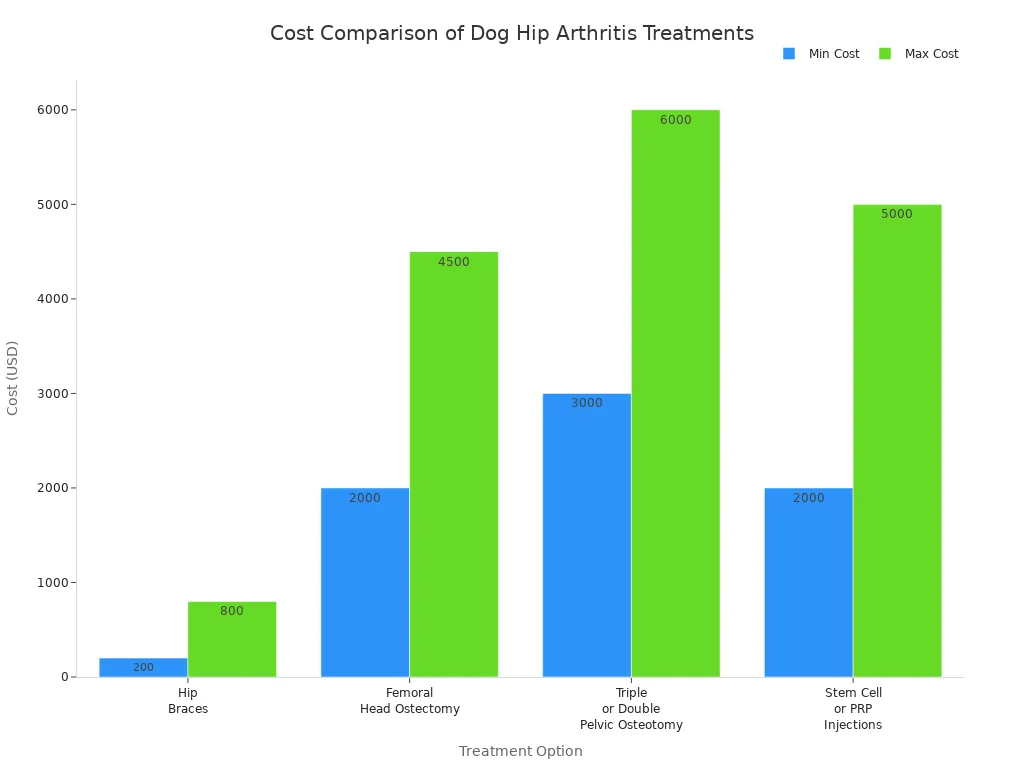
You need to consider the cost and upkeep of a brace. Hip braces for dogs usually cost between $200 and $800. This is more affordable than surgery or advanced therapies, but you must factor in maintenance and replacement over time.
Treatment Option | Cost Range | Notes |
|---|---|---|
Hip Braces | $200–$800 | Affordable and non-invasive, but provide only partial support. |
Femoral Head Ostectomy (FHO) | $2,000–$4,500 | Less predictable results in large dogs; may lead to gait changes. |
Triple or Double Pelvic Osteotomy | $3,000–$6,000 | Best for younger dogs; less applicable in adults. |
Stem Cell Therapy or PRP Injections | $2,000–$5,000 | Temporary pain relief; usually requires repeat treatments. |
Conservative Management | Varies | Monthly costs accumulate significantly over a dog’s lifetime. |
You should inspect the brace weekly for wear and tear. Clean debris from Velcro and hand wash the brace in warm water with antibacterial soap. Air-dry the brace to prevent warping. If odors persist, wash again with vinegar. Regular care helps your dog stay comfortable and extends the life of the brace.
Tip: Consistent maintenance keeps the brace safe and effective for your dog.
Is a Dog Hip Brace Worth It for Arthritis?
Deciding if a dog hip brace is worth it for arthritis can feel overwhelming. You want your dog to stay active and comfortable, but you also want to make the best choice for their health and your budget. This section will help you weigh the pros and cons so you can make an informed decision.
When a Hip Brace Helps Most
A dog hip brace is worth it for arthritis in many situations. You may see the most benefit when your dog has mild to moderate arthritis or early hip dysplasia. If your dog still enjoys walks, playtime, or gentle exercise, a brace can help them move with less pain and more confidence.
You might notice these signs in your dog:
Joint pain and stiffness in the hips or back legs
Decreased activity levels or reluctance to climb stairs
Limited range of motion but still able to walk and stand
Mild to moderate lameness, especially after rest
A brace works well for dogs who need extra support but do not need surgery yet. Senior dogs who are not good candidates for anesthesia or surgery often benefit from bracing. If your dog is recovering from an injury or surgery, a brace can also provide stability during rehabilitation.
Tip: Bracing can delay or even avoid the need for surgery in some dogs. It also works well alongside weight management and physical therapy.
You may find a dog hip brace is worth it for arthritis if you want a non-invasive, long-term solution that helps your dog stay mobile and happy.
When Other Options or Combinations Work Better
A dog hip brace is not always the best answer for every dog. If your dog has severe pain, cannot bear weight on their back legs, or shows neurologic signs like dragging their feet, you may need to consider other treatments. Some dogs refuse to wear a brace or feel uncomfortable, even with proper fitting.
In these cases, you should talk to your veterinarian about other options. Surgery, advanced therapies, or a combination of treatments may offer better results for dogs with advanced arthritis or severe joint damage.
You may want to consider other options if:
Your dog cannot walk or stand, even with support
Severe arthritis causes constant pain or loss of muscle mass
Your dog has neurologic problems or loss of coordination
The brace does not fit well or causes skin irritation
Combining a brace with medication, weight management, and physical therapy often gives the best results. Your veterinarian can help you decide which approach fits your dog’s needs.
Key Factors to Weigh (age, weight, severity, lifestyle, budget)
When you ask, “is a dog hip brace worth it for arthritis,” you need to look at several key factors. Each dog is unique, and your decision should match your dog’s health, lifestyle, and your own goals.
Consider these important points:
Age: Older dogs may benefit more from bracing if surgery is not an option.
Weight: Overweight dogs put more stress on their joints. Weight management improves brace effectiveness.
Breed: Some breeds are more prone to hip dysplasia and arthritis.
Severity of injury: Mild to moderate cases respond better to bracing. Severe cases may need surgery.
Lifestyle: Active dogs who still enjoy walks or playtime often benefit from extra support.
Budget: Bracing is usually less expensive than surgery, but you should factor in ongoing maintenance and replacement.
You should also discuss the pros and cons of each treatment with your veterinarian. Starting with a brace can be a conservative step before moving to surgery. For many dogs, bracing offers a non-invasive, long-term alternative that supports mobility and comfort.
Note: No single solution fits every dog. Your veterinarian can help you create a plan that matches your dog’s needs and your family’s goals.
If you wonder, “is a dog hip brace worth it for arthritis,” remember that the answer depends on your dog’s age, weight, severity of arthritis, lifestyle, and your budget. Many owners find that a brace helps their dogs stay active and comfortable, especially when used as part of a complete care plan.
Choosing a Dog Hip Brace
Quality, Fit, and Adjustability
When you choose a dog hip brace, focus on quality and fit. A well-made brace uses durable materials like neoprene and offers adjustability as your dog’s needs change. Proper fit is essential. The brace should cover about half to three-quarters of your dog’s leg and fit snugly without causing discomfort. Adjustable straps help you get the right support as your dog’s condition changes during rehabilitation.
Feature | High-Quality Braces | Lower-Quality Braces |
|---|---|---|
Material | Durable materials like neoprene | Often made from less durable materials |
Customization | Custom-fitted to dog’s specific measurements | Off-the-shelf, less tailored fit |
Level of Support | Designed to stabilize the hip joint effectively | May provide minimal support |
Adjustability | Features for adjustments as condition changes | Limited or no adjustability |
Check for padding and smooth seams to prevent rubbing. Always introduce the brace slowly. Watch your dog’s skin and fur for signs of irritation. If you see redness or your dog limps more, stop using the brace and call your vet.
Vet and Rehab Professional Recommendations
Ask your veterinarian or a rehabilitation professional for help with fitting and choosing a brace. They know how much support your dog needs and can guide you to the right product. They also check that the brace does not cause muscle wasting or limit movement too much. Regular check-ins help you adjust the brace as your dog’s needs change.
Tip: A snug fit is key. The brace should support the leg well and not slip during walks or play.
What to Look For in a Quality Hip Brace (e.g., GaitGuard Dog Protective Gear)
Look for a brace that balances support and comfort. The best braces stabilize the hip joint, reduce pain, and help your dog move better. GaitGuard Dog Protective Gear stands out for its adjustable design, soft materials, and reliable support. Many dogs using hinged braces, like those from GaitGuard, improve leg use within weeks and avoid surgery. These braces help with pain relief and promote healing during rehabilitation.
Choose a brace with strong materials, good padding, and easy adjustments.
Make sure it fits your dog’s size and activity level.
Ask your vet for recommendations and check your dog’s progress often.
Is a dog hip brace worth it for arthritis? For many dogs, you see real benefits when you use a brace early. Dogs with mild to moderate hip arthritis often move better and feel more comfortable. You help your dog most when you combine a brace with weight control, pain relief, and gentle exercise. Some dogs with severe arthritis may need other options. Always talk to your veterinarian before you choose a brace for your dog. You give dogs the best chance at comfort and mobility with a complete care plan.
A dog hip brace works best for:
Dogs with early or moderate arthritis
Dogs who still enjoy walks or play
Dogs who need extra support during recovery
Remember, your veterinarian can help you decide if a dog hip brace is right for your dogs.
FAQ
How do I know if my dog needs a hip brace?
You should watch for signs like limping, stiffness, or trouble standing. If your dog avoids walks or shows pain in the hips, ask your veterinarian about hip support. Early help can improve comfort and mobility.
Can dogs wear a hip brace all day?
Most dogs can wear a hip brace during active times. You should remove the brace at night or when your dog rests. Always check for skin irritation. Your veterinarian can guide you on safe wearing schedules.
Will a hip brace cure my dog’s arthritis?
A hip brace does not cure arthritis. You use it to support your dog’s hips and reduce pain. It works best with other treatments like medication, weight control, and gentle exercise. Always follow your veterinarian’s advice.
How do I clean my dog’s hip brace?
You should hand wash the brace in warm water with mild soap. Air-dry it before your dog wears it again. Regular cleaning keeps the brace comfortable and helps prevent skin problems.
Are hip braces safe for all dogs?
Hip braces are safe for most dogs with mild or moderate arthritis. Some dogs with severe joint damage or skin issues may need other options. Always ask your veterinarian before starting any new support gear.
