You see strong growth in the dog rehabilitation gear market, making private label dog rehabilitation gear a smart investment.
The market is projected to reach $1,612.36 million by 2032, with a CAGR of 11.4%.
Industry leaders like GaitGuard deliver quality, innovation, and customization through OEM/ODM turnkey solutions, helping you stand out in a competitive field.
Key Takeaways
Private label dog rehabilitation gear offers a quick entry into the market. Start with proven products to build your brand and expand as you grow.
Switching to private label gear can increase profit margins by 30-50%. Control pricing and reduce reliance on third-party suppliers for better financial health.
Focus on quality and sustainability to build trust with clients. High-quality private label products foster loyalty and enhance your brand’s reputation.
What Is Private Label Dog Rehabilitation Gear?
Private Label, OEM, and ODM Defined
You need to understand the differences between private label, OEM, and ODM before launching your own line of dog rehabilitation gear. Each model offers unique advantages for clinics and brands.
Type | Description |
|---|---|
Private Label | You select products from an existing range and brand them as your own. You customize logos, labels, and packaging, while the core design stays the same. |
OEM | You provide or co-develop the product design and specifications, and the manufacturer produces according to your requirements. You own the design and intellectual property. |
ODM | You collaborate with the manufacturer to develop a new product concept. The factory leads R&D and engineering while you shape features, branding, and market positioning. |
With private label dog rehabilitation gear, you choose from proven products and add your branding. You do not control the core design, but you gain speed and simplicity. OEM lets you own the design and intellectual property, which requires higher upfront investment. ODM allows you to work with manufacturers to create new products, giving you near full creative control.
Tip: Start with private label dog rehabilitation gear to enter the market quickly, then consider OEM or ODM as your brand grows.
How Private Labeling Works for Clinics & Brands
Private labeling gives you a fast track to market entry and brand ownership. You select from a manufacturer’s catalog, customize the branding, and launch under your own name. This approach offers several benefits:
Higher profit margins, since you control pricing and costs.
Full brand ownership, building equity and customer loyalty.
Total customization, allowing you to tailor products to your clinic’s needs.
Quick entry into the market, with ready-to-go formulas and designs.
Opportunities for recurring revenue through repeat purchases.
Easy expansion of your product line once your brand is established.
You can use private label dog rehabilitation gear to build trust with clients and create a recognizable brand. Clinics and pet product entrepreneurs gain flexibility, transparency, and profit potential by choosing this model.
Why Private Label? Margins & Brand Value
Profit Margins vs. Generic Gear
You want to maximize your clinic’s profitability. Private label dog rehabilitation gear offers a clear advantage over generic products. When you sell other brands, your profit margins often stay below 20%. By switching to private label, many clinics and brands are able to increase margins into the 30–50% range. You control pricing, production costs, and distribution. This transparency lets you set competitive prices while maintaining healthy profits.
Product Type | Typical Margin (%) | Control Over Pricing | Brand Ownership |
|---|---|---|---|
Generic Gear | 10-20 | Low | None |
Private Label Gear | 30-50 | High | Full |
Entrepreneurs benefit from this model. You build equity in your brand, create recurring revenue streams, and reduce reliance on third-party suppliers. Clinics can reinvest profits into marketing, staff training, or expanding their product line. You gain flexibility to respond to market trends and customer needs.
Tip: Start with a focused product range to test demand and optimize your pricing strategy.
Building Trust and Loyalty
You want your clients to trust your brand and return for future purchases. Private label dog rehabilitation gear helps you achieve this. Economic shifts often drive consumers to seek affordable options. When you offer high-quality private label gear, you provide value and reliability. This approach builds loyalty and strengthens your brand’s reputation.
Private labels offer affordable choices, increasing customer retention.
High-quality products foster long-term loyalty.
Clinics and retailers see brand value rise as clients associate your name with trusted care.
You create a loyal customer base by consistently delivering quality and value. Over time, your brand becomes the go-to choice for pet rehabilitation needs.
Branding Options for Dog Rehab Gear
Woven Labels & Rubber Patches
You want your brand to stand out in the pet rehabilitation market. Woven labels and rubber patches offer a professional look and lasting durability. GaitGuard provides both options, allowing you to showcase your logo and clinic name with precision. Woven labels deliver a classic, high-quality finish. Rubber patches, including PVC styles, add a modern touch and resist wear during daily use. Many industry leaders, such as Pet Partners and Wedogy, use these branding methods to build recognition and trust. You can select the style that matches your brand identity and appeals to your clients.
Screen Printing & Custom Packaging
Screen printing gives you flexibility to add vibrant graphics or detailed information directly onto your gear. You can highlight your clinic’s logo, instructions, or care tips. GaitGuard’s advanced screen printing ensures sharp, fade-resistant results. Custom packaging elevates your product presentation and supports eco-friendly practices. You can choose recyclable boxes or biodegradable bags to meet rising consumer demand for sustainability.
The pet industry is shifting toward eco-friendly options, with many consumers actively seeking sustainable products and packaging.
Survey data from multiple markets suggests that a significant share of buyers have switched brands due to environmental concerns.
A large portion of consumers say they are willing to pay extra for sustainable packaging.
Businesses adopting greener practices build trust and loyalty among pet owners.
You position your private label dog rehabilitation gear as a premium, responsible choice. Professional branding and sustainable packaging help you attract new clients and retain loyal customers.
OEM/ODM Process Overview
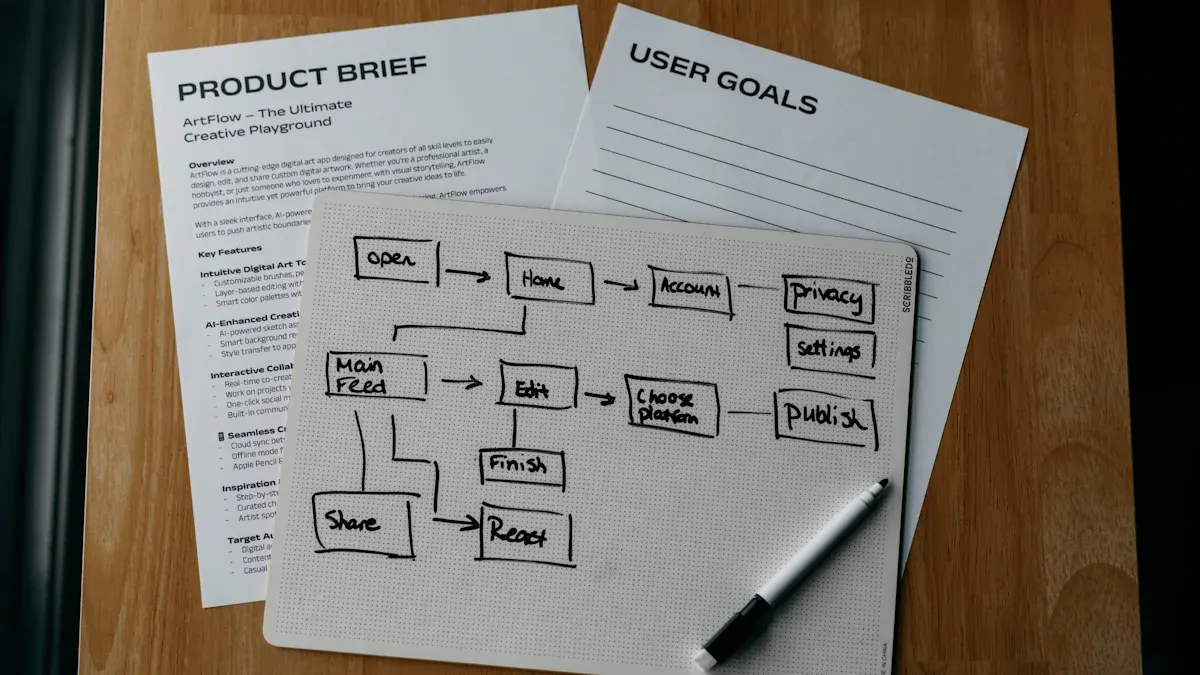
You want to launch your own line of private label dog rehabilitation gear. Understanding the OEM and ODM process helps you make smart decisions and maximize profit. GaitGuard’s vertically integrated approach streamlines every step, from concept to delivery.
Tech Pack & Concept
You start with a clear idea. Identify a market gap or solve a common pain point for pet owners. Sketch your product concept and focus on safety and comfort. GaitGuard’s team helps you refine your ideas and create a tech pack, which includes product dimensions, materials, and branding details.
Tip: If you run a startup, consider the ODM model. You save on R&D costs by customizing existing designs with your branding. This approach gets you to market faster and reduces risk.
Essential Steps in the OEM/ODM Process:
Develop your concept and sketch ideas.
Choose a manufacturing partner with expertise in pet safety regulations.
Collaborate on product design and create a tech pack.
Review material options and select medical-grade fabrics for durability.
Finalize branding elements, such as labels and packaging.
GaitGuard supports new businesses by offering free packaging design templates. You can create a professional look without extra design costs.
Sampling & Prototyping
You move to the sampling stage. GaitGuard produces prototypes based on your tech pack. You test samples for fit, comfort, and safety. Feedback from your team or clients helps refine the design. Sampling usually takes about 7 days, so you get results quickly.
Note: Rigorous product testing ensures durability and functionality. You avoid costly recalls and build trust with your customers.
Typical Turnaround Time for OEM/ODM Projects:
Stage | Duration |
|---|---|
Design & Concept | 2–3 months |
Sampling & Revision | 1 month |
2–3 months | |
Quality Control & Packing | 1 month |
Shipping & Distribution | 1–2 months |
Total Estimated Time | 7 to 10 months |
The timeline above reflects a full OEM/ODM development cycle for a new product line, from concept to delivery. If you choose a simpler private label route and work with existing designs, the schedule is much shorter. In many cases, you can receive an initial sample in about one week after confirming artwork, and standard repeat production runs can be completed in roughly 25–30 days, depending on order size and customization.
Mass Production & Quality Control
You approve the final prototype. GaitGuard begins mass production using medical-grade materials. The company’s vertically integrated process covers R&D, design, manufacturing, and quality control. Consistent checks at every stage ensure product integrity.
Aspect | GaitGuard’s Approach | Industry Standards Comparison |
|---|---|---|
Quality Checks | Consistent checks at every production stage | Typically varies by manufacturer |
Materials | Use of medical-grade materials | Varies, often lower-grade materials |
In-house Inspections | Regular monitoring of product integrity | Not all manufacturers conduct this |
Third-party Testing | Validation of safety and performance | Common but not universal |
Safety and Quality Standards | Adherence to rigorous standards | Industry standards exist but vary |
GaitGuard follows strict AQL 2.5 standards for quality control. You receive products that meet high safety and performance requirements. The company manages logistics and packing, so you can focus on building your brand.
Quick turnaround and flexible order sizes help you launch new products or test the market with pilot runs. You scale up as demand grows.
You gain transparency, control, and profit opportunities by partnering with a manufacturer that values quality and innovation. The OEM/ODM process gives you the tools to create a trusted brand in the pet rehabilitation market.
Low MOQ Strategies
Flexible Orders for Startups
You want to launch your private label dog rehabilitation gear without committing to large inventory. GaitGuard supports startups with low minimum order quantities (MOQ), making it easier to test the market and manage cash flow. You can start with custom logo orders at just 200 pieces per size per product. If you need a custom design, the MOQ is 800 pieces per product. These options help you avoid overstock and reduce risk.
Custom logo: MOQ is 200 pieces per size per product.
Custom design: MOQ is 800 pieces per product.
Sustainable product lines offer flexible MOQ options.
Mix-and-match orders are available across different sustainable categories.
You gain flexibility to build your brand at your own pace. You can select products that fit your clinic’s needs and budget. This approach allows you to respond quickly to market trends and customer feedback.
Tip: Start with a small batch to test demand. Scale up as your brand grows and your client base expands.
Supporting Pilot Launches
You want to validate your product concept before investing in mass production. GaitGuard’s low MOQ strategy supports pilot launches, giving you the freedom to experiment with new designs or branding. You can mix and match products from sustainable lines, which helps you diversify your offerings and attract eco-conscious clients.
You control your investment and minimize risk. You can gather feedback from clients and adjust your product line based on real-world results. This strategy helps you build a strong foundation for future growth and profitability.
Small pilot launches let you refine your marketing, improve your product, and build trust with early adopters. You set your brand up for long-term success.
Target Niches for Growth
Orthopedics Market
You can tap into the orthopedic dog rehabilitation market for significant growth. This segment continues to expand as more pet owners seek advanced care for injuries and chronic conditions. The market size for orthopedic dog rehabilitation products is projected to reach USD 443.21 million in 2025. You will see this market grow at a compound annual growth rate (CAGR) of 8.4% from 2025 to 2030. By 2030, the market size is expected to reach approximately USD 661.82 million.
Orthopedic gear includes braces, supports, and lifting straps.
Clinics and brands that offer specialized orthopedic solutions attract loyal clients.
You can position your private label line as a premium choice for post-surgery recovery and injury prevention.
You gain a competitive edge by focusing on orthopedic rehabilitation. This niche rewards innovation and quality, making it ideal for clinics and entrepreneurs who want to build a trusted brand.
Senior Dog Care Trends
You can also target the growing senior dog care segment. Pet owners now focus on long-term mobility and quality of life for aging dogs. Chronic conditions such as arthritis and obesity drive demand for rehabilitation gear. You will notice more pet parents seeking ways to improve their dogs’ fitness and mobility at home.
Increased focus on long-term mobility and quality of life for aging pets.
Rise in chronic conditions like arthritis and obesity.
Growing awareness among pet owners about the benefits of rehabilitation therapies.
Pet parents proactively seek solutions for home care.
Specialized rehabilitation facilities highlight the demand for advanced care.
You can offer products that support senior dogs, such as anti-lick braces and auxiliary lifting straps. This approach helps you meet the needs of a dedicated and growing customer base.
Launch & Scale Your Private Label Line
Go-to-Market Tips
You want to launch your private label dog rehabilitation gear with impact. Start by engaging your local community. Partner with veterinary clinics and dog trainers to cross-promote your products. Use social media platforms like Instagram and TikTok to showcase real-life results and connect with pet owners. Encourage customers to share their experiences and offer referral programs to boost word-of-mouth. Subscription models and loyalty programs help you secure recurring revenue and keep clients coming back.
Startup Checklist:
Logo file ready for branding
Tech pack with product specifications
Defined target audience
Building Brand Presence
You build a strong brand by investing in quality and trust. Develop a clear business plan and understand your competition. Get certified in animal physical therapy to add credibility. Create a welcoming clinic space and invest in high-quality equipment. Build relationships with pet owners and veterinarians through open communication. Use social media to share success stories and educate your audience. Design limited-edition packaging and create promotion-specific hashtags to increase visibility.
Scaling Up
You scale your business by researching high-demand products and finding reliable manufacturing partners. Design packaging that reflects your brand values and implement strict quality control. Define your target customer and align your product attributes with your brand personality. Set your price range to match your market position.
Cost Breakdown Table:
Item | Cost Estimate |
|---|---|
Product Cost | $X |
Packaging | $Y |
Shipping | $Z |
Landed Cost | $X + $Y + $Z |
You maximize profit and transparency by tracking costs and focusing on quality. This approach sets you up for long-term growth in the pet rehabilitation market.
Overcoming Common Challenges
Supply Chain Solutions
You face several supply chain challenges in the private label dog rehabilitation gear market. Disruptions can affect product availability and pricing. Imported raw materials often lead to higher costs and shortages. Strong supplier relationships help you reduce these risks.
Common challenges and solutions include:
Challenge | Solution |
|---|---|
High transportation costs | Negotiate better rates or find closer suppliers |
Rising packaging costs | Switch to cost-effective materials |
Fluctuating raw material prices | Use predictive analytics for smarter purchasing |
Overstock | Manage inventory with ERP systems |
Understock | Set automatic reorder points in ERP |
Seasonal demand spikes | Forecast needs using past sales data |
Regulatory changes | Stay updated with ERP compliance modules |
Fast delivery expectations | Optimize routes and warehouse locations |
You can also diversify suppliers, build inventory buffers, and track consumer trends. Working with eco-friendly partners supports sustainability and appeals to modern pet owners.
Ensuring Consistent Quality
You want every product to meet high standards. Manufacturers use strict quality control processes to ensure this. Advanced testing technologies, such as UPLC and FTIR spectroscopy, verify the quality of materials. Each batch comes with a Certificate of Analysis. This protects your brand reputation and builds trust with your customers.
Rigorous quality checks at every stage
Use of advanced testing equipment
Documentation for every batch
Managing Lead Times
You can manage lead times by planning ahead. Place orders early, especially before peak seasons. Accurate demand forecasting prevents stockouts and rush orders. Approve product designs and artwork quickly to avoid delays. Standard packaging options help reduce variability. Early communication about changes keeps production on track.
Tip: Proactive planning and clear communication help you deliver on time and keep your clients satisfied.
You can launch your private label dog rehabilitation gear by focusing on quality, compliance, and customization. GaitGuard’s OEM/ODM turnkey solutions offer one-stop service, cost-effective products, and regulatory support.
Benefit | Description |
|---|---|
One-stop service | Ship products with your label directly to clients. |
Quality assurance | Access to FDA-registered or ISO13485-certified manufacturing sites for relevant product categories. |
Take action now. Reach out to GaitGuard or start with a pilot order to grow your brand.
FAQ
How do you start a private label dog rehabilitation gear line?
You select products, customize branding, and place a low MOQ order. GaitGuard guides you through each step for a smooth launch.
What is the typical lead time for OEM/ODM dog rehab gear?
You can expect sampling in 7 days and full production in 25–30 days. Planning ahead helps you meet your launch schedule.
Can you mix different products in one order?
Yes, you can mix and match products across categories. This flexibility lets you test market demand and manage inventory efficiently.